


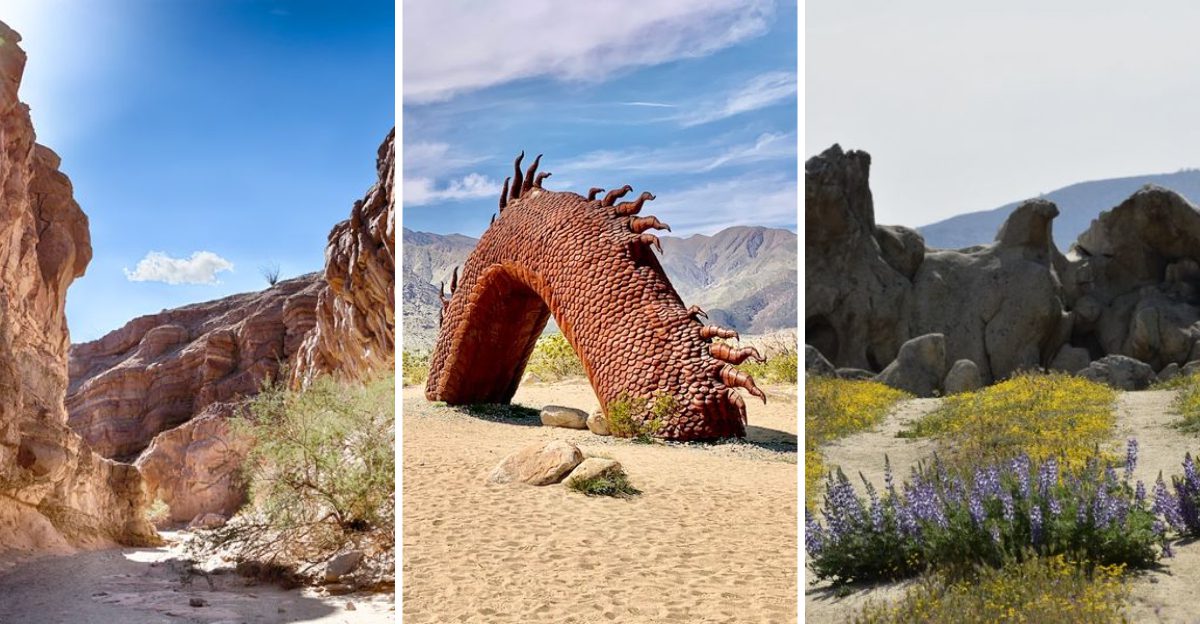
Tucked away in the rugged hills of Southern California, Anza-Borrego Desert State Park is a place that most people have never heard of — but those who visit never forget it. Stretching across more than 600,000 acres, it is the largest state park in California, packed with wild canyons, blooming wildflowers, and a landscape that looks straight out of an old Western movie.
Whether you are an adventurous hiker, a stargazing fan, or someone who just loves wide-open spaces, this park has something incredible waiting for you.
The Jaw-Dropping Desert Landscape
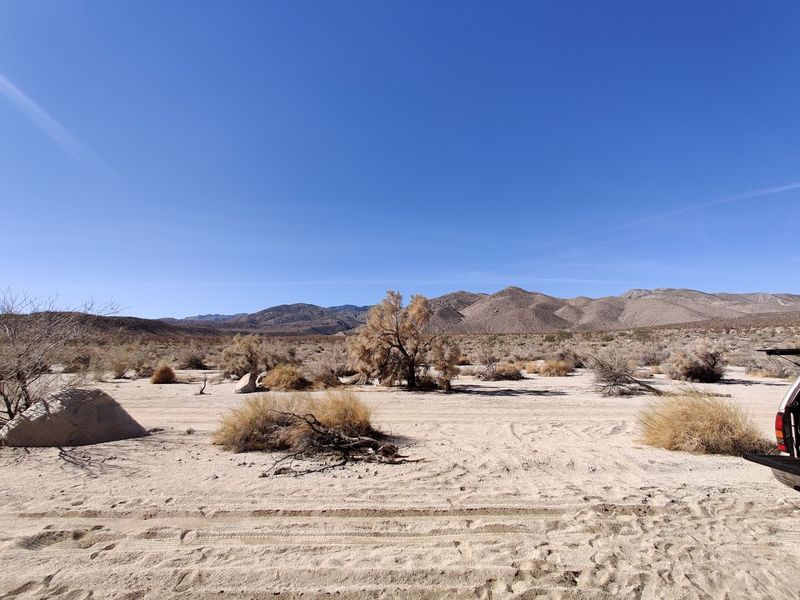
Standing at the edge of a canyon in Anza-Borrego, it is easy to feel like you have stepped onto a movie set. The landscape stretches out in every direction — golden sand, jagged rock formations, and twisting arroyos that carve through the earth like ancient rivers frozen in time.
What makes this desert special is how alive it feels. Creosote bushes dot the flats, barrel cacti stand like stubborn sentinels, and the mountains in the distance turn deep purple at sunset.
Every angle offers a new, breathtaking view.
Visitors often say the scenery is almost unbelievable, and that feeling hits hardest during the golden hour just before dark. Pack a camera, bring plenty of water, and give yourself extra time just to stand still and soak it all in.
You will not regret it.
Wildflower Season That Stops Traffic
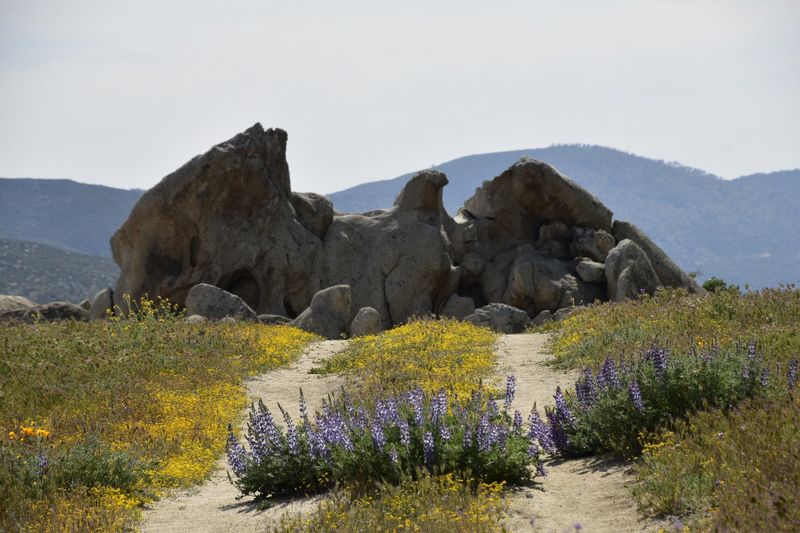
Every spring, something almost magical happens at Anza-Borrego. When winter rains hit just right, the desert floor explodes into a sea of color — orange poppies, purple verbena, yellow sunflowers, and white dune primrose blanket the land as far as the eye can see.
Known as a super bloom, this event draws thousands of visitors from across the country. Locals say the flowers can appear earlier than expected some years, so checking bloom reports before your trip is a smart move.
The park’s visitor center staff are always up to date on where the best patches are blooming.
Even without a full super bloom, smaller wildflower displays pop up throughout the season. Hiking trails wind through fields of color, and the contrast of bright flowers against the rocky mountains in the background creates views that feel almost too beautiful to be real.
Palm Canyon Trail and the Hidden Oasis
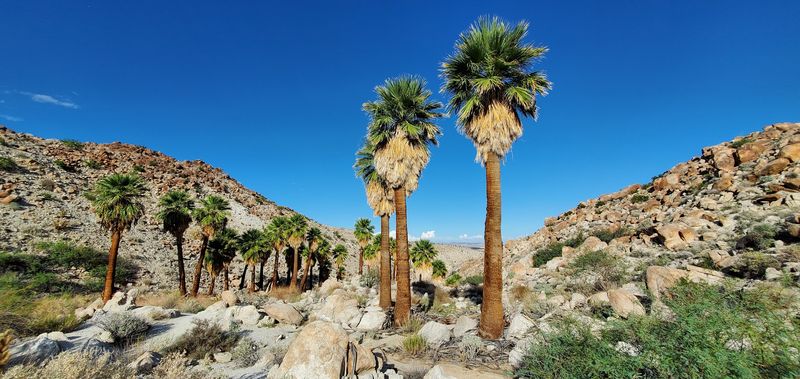
Imagine hiking through a dry, rocky desert and then suddenly stumbling upon a lush oasis filled with towering palm trees. That is exactly what happens on the Palm Canyon Trail, one of the most popular hikes in the park.
The trail is about three miles round trip and winds through a rocky canyon before opening up to a grove of California fan palms — the only native palm tree in the western United States. A small stream trickles through the canyon, and the shade from the tall palms makes it feel like a completely different world.
Bighorn sheep have been spotted near the water, making this hike extra exciting for wildlife lovers. Park rangers at the visitor center can give you trail tips and let you know the best times to spot animals.
Wear sturdy shoes and bring more water than you think you need.
Bighorn Sheep Roaming Free
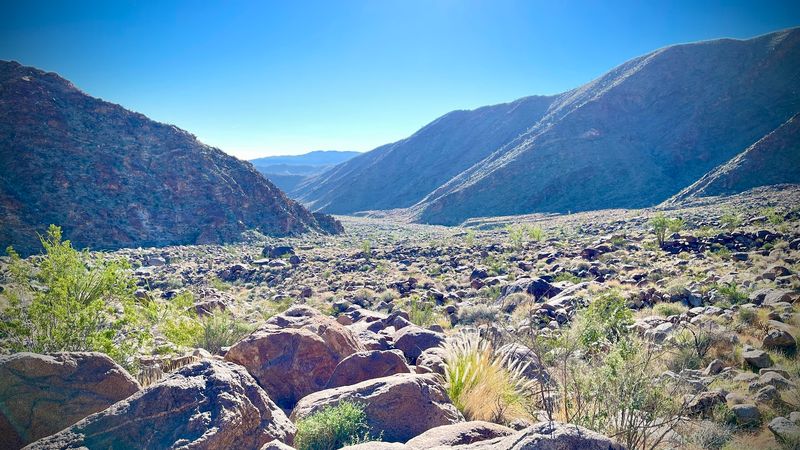
The park is actually named after these incredible animals. “Borrego” is the Spanish word for young sheep, and the park’s bighorn sheep have called this desert home for thousands of years. Spotting one in the wild is a genuine thrill that hikers and campers talk about for years afterward.
Desert bighorn sheep are built for this rugged landscape. Their hooves grip rocky surfaces like natural climbing shoes, and they can go for days without water during the hottest months.
Early morning hikes near Palm Canyon or the Borrego Badlands give you the best chance of a sighting.
Binoculars are your best friend here. The sheep tend to stay high on the canyon walls where they feel safe, so scanning the ridgelines pays off.
Never approach or feed them — keeping your distance protects both you and the animals.
Off-Roading Adventures Through the Backcountry
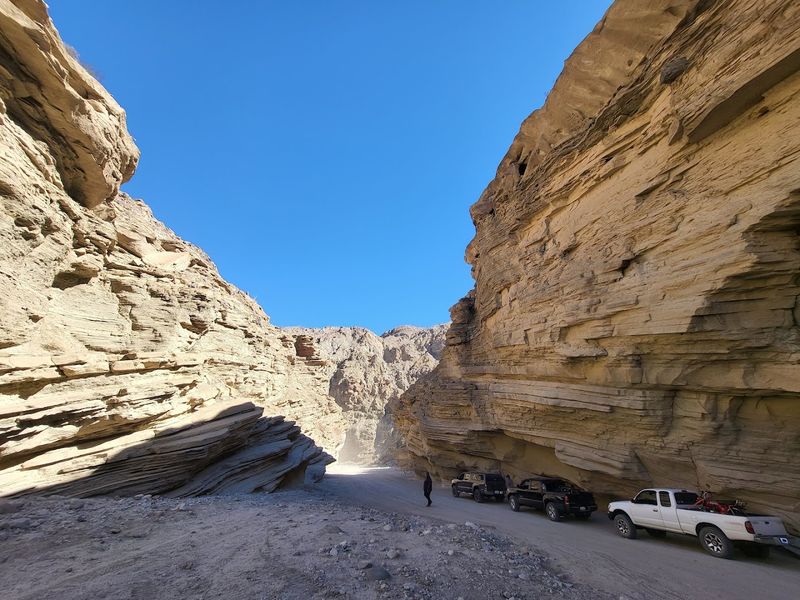
Most state parks keep visitors firmly on paved roads, but Anza-Borrego plays by different rules. Hundreds of miles of dirt roads and backcountry tracks crisscross the park, making it a dream destination for off-road enthusiasts.
A four-wheel-drive vehicle with high clearance is the key to unlocking this wild side of the park.
Routes like Fonts Point Road lead to dramatic overlooks of the Borrego Badlands, a maze of eroded clay hills that look like something from another planet. Other tracks wind through slot canyons, dry creek beds, and remote valleys where you might not see another soul all day.
Always tell someone your route before heading into the backcountry, and carry extra water, a paper map, and a first-aid kit. Cell service disappears quickly once you leave the main roads.
The reward for being prepared is a sense of freedom and adventure that is truly hard to match.
Stargazing Under Some of the Darkest Skies in California
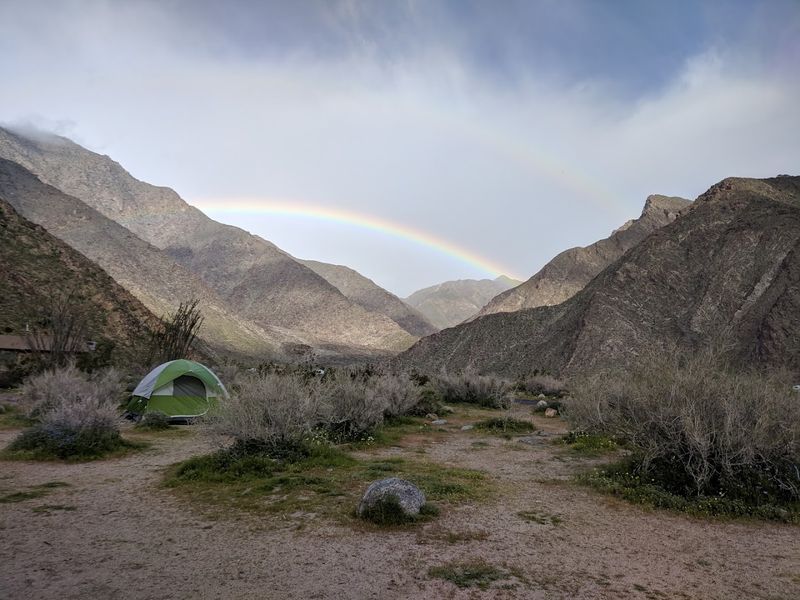
Far from city lights, Anza-Borrego is one of the best places in all of California to see the night sky in its full glory. On a clear night, the Milky Way stretches across the sky like a glowing river of stars, and shooting stars seem to zip by every few minutes.
The park sits in a designated International Dark Sky Community area, which means local businesses and residents work hard to reduce light pollution. That commitment pays off in a sky so packed with stars that first-time visitors often gasp when they look up.
Bring a blanket, a reclining camp chair, and a red-light flashlight to protect your night vision. Apps like SkySafari or Star Walk can help you identify planets, constellations, and satellites as they drift overhead.
Winter months offer some of the clearest skies, making cold-weather camping totally worth every chilly moment.
Free Primitive Camping Across the Desert
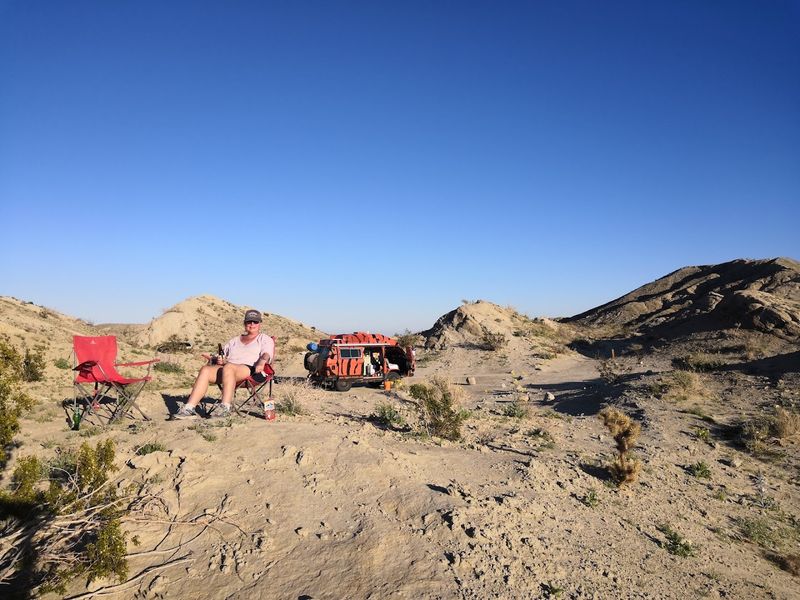
Here is something that makes Anza-Borrego genuinely rare among California state parks — most of the land is open for free, primitive camping. You can pull off almost any road and set up camp under the stars without paying a single dollar for a campsite.
That kind of freedom is almost unheard of in this state.
Primitive camping means no hookups, no showers, and no trash cans. You pack in everything you need and pack out everything you bring.
The payoff is complete solitude, jaw-dropping views, and the feeling of being truly alone in the wilderness.
For those who prefer a few more comforts, Borrego Palm Canyon Campground offers water, restrooms, and a dump station near the visitor center. Either way, waking up to a desert sunrise with nothing but open land around you is an experience that feels genuinely priceless.
The Giant Metal Sculptures Near Borrego Springs
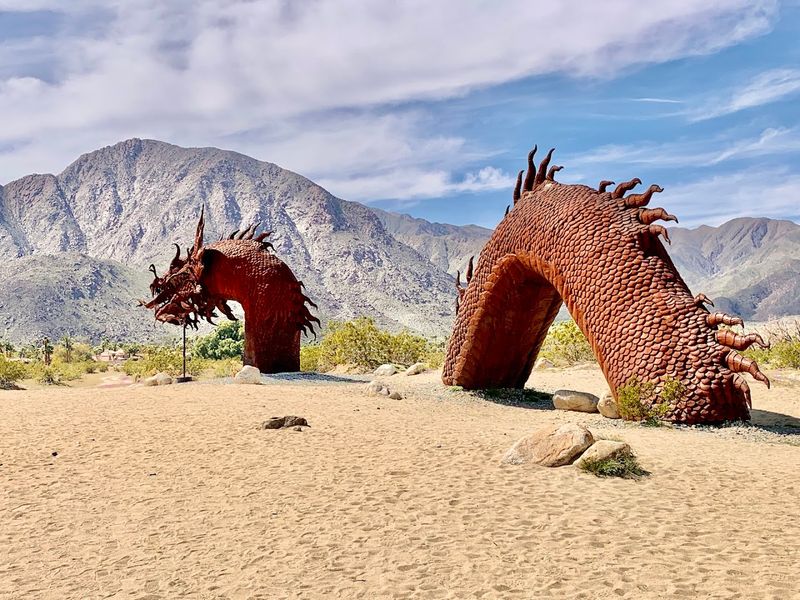
Scattered across the desert just outside the park boundary near Borrego Springs, a collection of enormous metal sculptures rises from the sand in the most unexpected and wonderful way. Created by artist Ricardo Breceda, these larger-than-life figures include saber-toothed tigers, giant ground sloths, a 350-foot-long sea serpent, and even prehistoric horses.
The sculptures were commissioned by local landowner Dennis Avery and installed across the desert floor, where they can be seen for free from the roadside. Many visitors say stumbling across a massive metal mammoth in the middle of nowhere is one of the most surreal and joyful surprises they have ever experienced.
A printed map of sculpture locations is available at the visitor center, or you can find them using Google Maps by searching “Galleta Meadows Sculptures.” Sunrise and sunset visits are especially magical, when the light catches every welded detail and casts long, dramatic shadows across the sand.
The Borrego Badlands: A Landscape From Another World
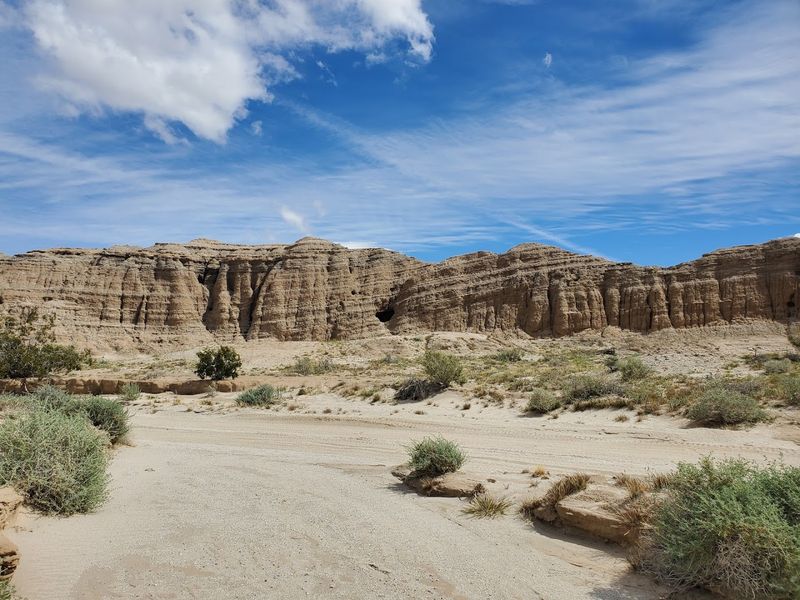
Look out over the Borrego Badlands from Fonts Point and your brain will struggle to process what it is seeing. Thousands of eroded clay hills ripple across the valley floor in waves of tan, grey, and rust — a landscape that looks more like Mars than California.
It is one of the most dramatic views in the entire state.
These formations were created over millions of years as ancient lake sediments dried out and eroded under the desert sun and wind. Fossils of mastodons, ancient camels, and giant ground sloths have been found buried within these layers, making the badlands a treasure chest for paleontologists.
Reaching Fonts Point requires a short drive on a rough dirt road — manageable in dry conditions with a standard car, but much easier with four-wheel drive. Sunset is the absolute best time to visit, when the eroded hills glow orange and the shadows turn the landscape into something otherworldly.
Slot Canyons and Geological Wonders
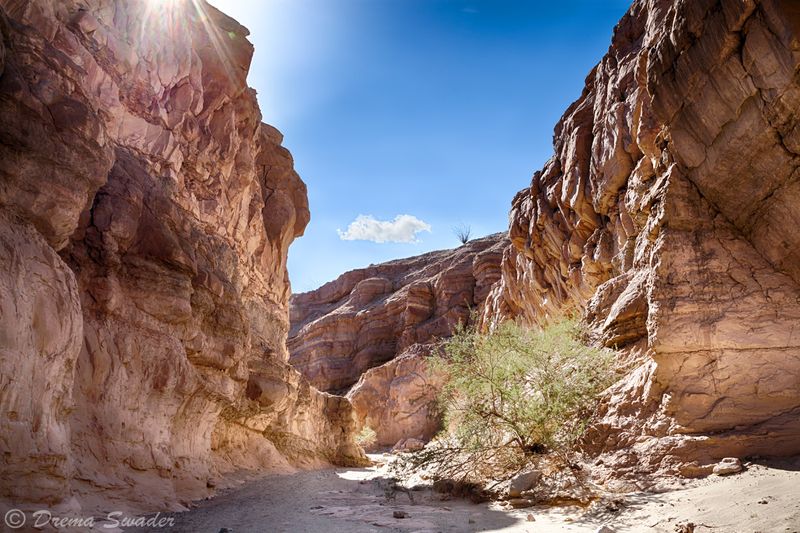
Anza-Borrego hides some of Southern California’s best slot canyons, and most visitors never even know they exist. Squeeze Canyon and the canyons around the Calcite Mine area are among the favorites, offering narrow passages where canyon walls tower just inches apart on either side.
Walking through a slot canyon feels like being swallowed by the earth. The smooth, curved walls change color as the light shifts, going from deep red to pale gold depending on the time of day.
Some sections require a bit of scrambling over rocks, which makes the adventure even more satisfying.
These hikes are best done with a guide or after thorough research, since trails are not always clearly marked. Flash floods are a real danger in canyon areas, so always check the weather forecast before heading out.
Wear closed-toe shoes with good grip and bring a headlamp just in case.
The Charming Town of Borrego Springs
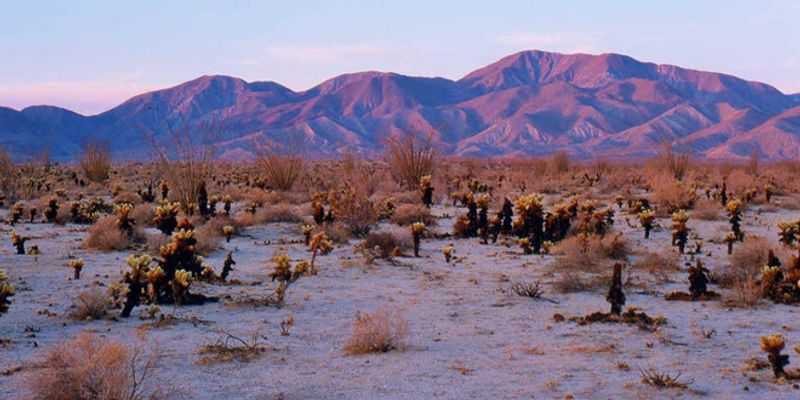
Right in the heart of the park sits Borrego Springs, a tiny desert town with a big personality. Surrounded entirely by state park land, it is one of the few communities in California that cannot grow outward — and that has given it a wonderfully preserved, unhurried character that feels refreshingly old-school.
The town has a handful of restaurants, a grocery store, a golf course, and some cozy lodges. Locals are genuinely friendly, and the pace of life moves at the speed of a desert breeze.
One reviewer described it perfectly: the town feels frozen in time, like a snapshot of old California.
After a long day of hiking or off-roading, grabbing a cold drink on a patio in Borrego Springs while watching the mountains turn pink at sunset is a simple pleasure that stays with you. Fuel up here before heading into the backcountry, as gas stations are limited.
The Visitor Center: Your Best First Stop
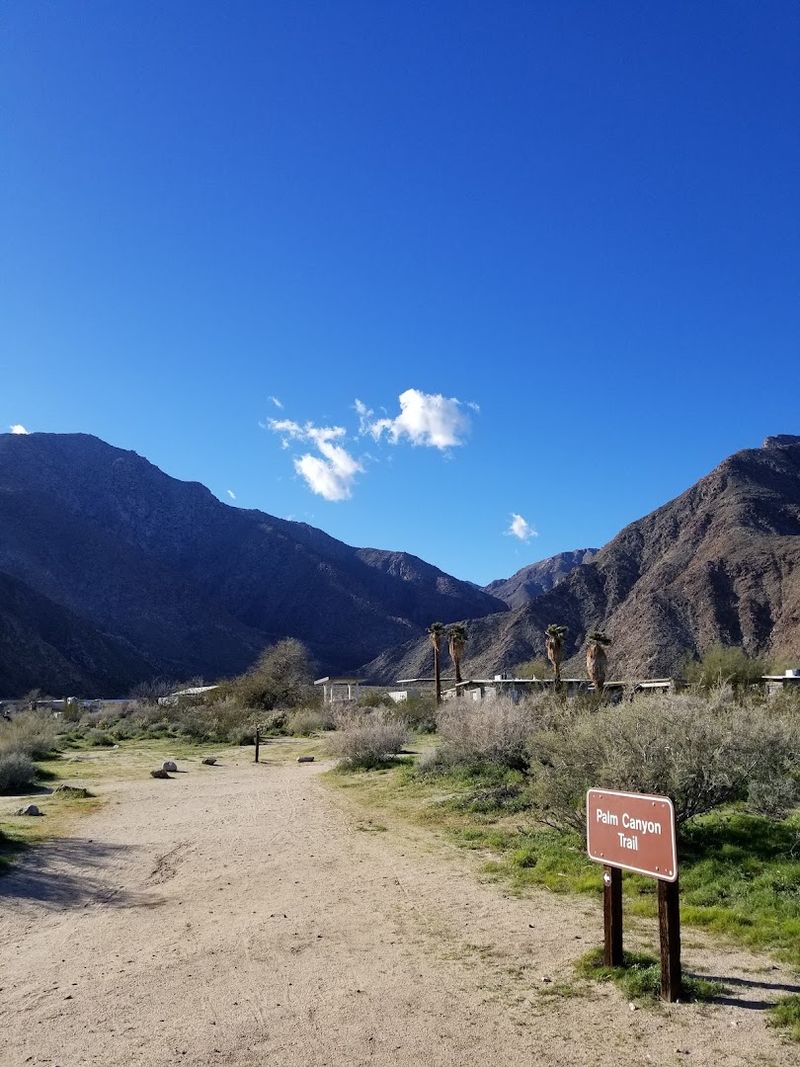
Knowledgeable, friendly, and packed with information — the visitor center at Anza-Borrego is genuinely one of the best in the California state park system. The building itself is partially built into the hillside to blend with the desert environment, and the exhibits inside cover everything from local geology to wildlife to the park’s human history.
Park rangers and trained volunteers staff the center daily and are happy to answer every question you throw at them. First-time visitors especially benefit from spending 20 to 30 minutes here before hitting the trails.
The center screens short films about the park’s ecosystem and history, and maps are available for free.
The gift shop carries locally made items, field guides, and nature books that make great souvenirs. The center is open most days and serves as the hub for ranger-led programs and guided hikes offered throughout the season.
Starting your visit here sets the whole trip up for success.
A Rich History of the Wild West and Native Cultures
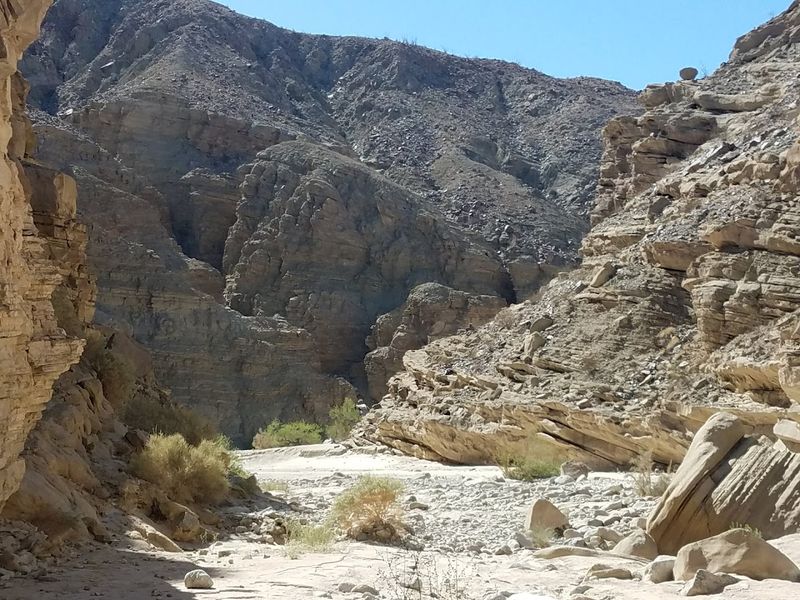
Long before it became a state park, this desert was alive with history. The Cahuilla and Kumeyaay people lived here for thousands of years, leaving behind rock art, pottery, and trails that still wind through the canyons today.
Their deep knowledge of desert survival shaped the land in ways that are still being studied.
Spanish explorer Juan Bautista de Anza led an expedition through this very desert in 1775 and 1776, opening an overland route from Mexico to California. Later, the famous Butterfield Overland Mail stagecoach route passed through the area, carrying mail and passengers across the wild frontier.
Standing in these canyons, knowing that explorers, Indigenous peoples, and stagecoach riders once walked the same ground, gives the place a weight and meaning that goes far beyond scenery. History buffs will find plenty of interpretive signs and ranger programs that bring these stories to life in vivid detail.