


California is home to some of the most breathtaking underground worlds you will ever see. From glittering crystal formations to ancient lava tubes carved by volcanic fire, these caves feel like secret portals to another dimension.
Whether you love history, geology, or just a good adventure, there is a cave here waiting to blow your mind. Pack your sense of wonder and get ready to explore 17 of the most magical caves the Golden State has to offer.
Lava Beds National Monument – Tulelake, California
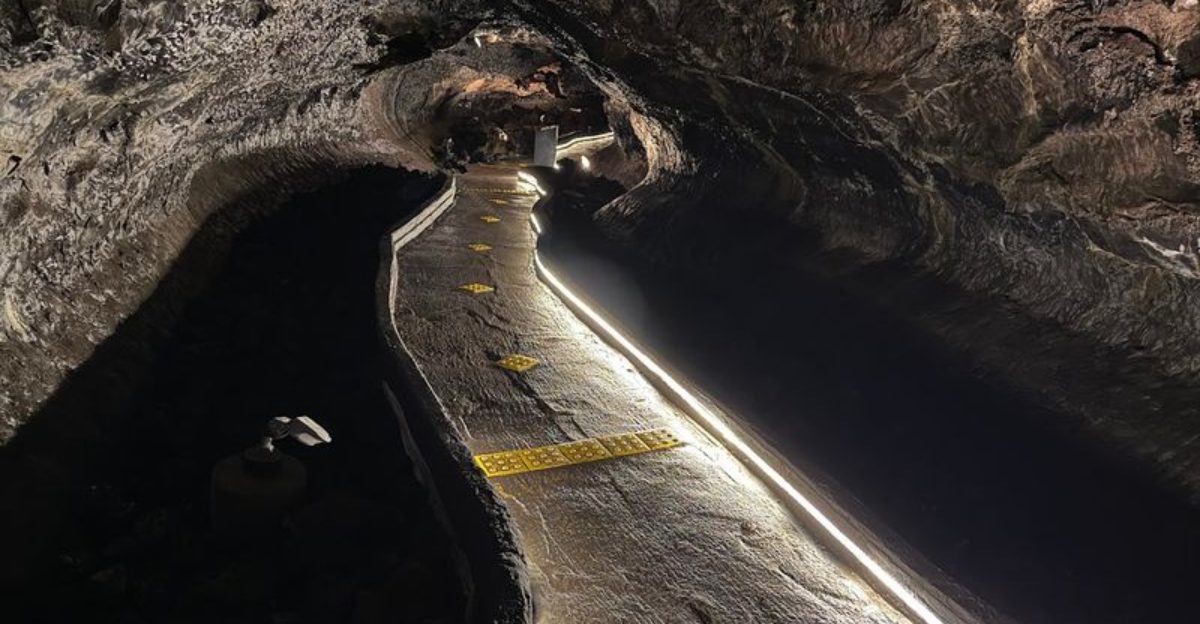
Step into a landscape that looks like it belongs on another planet. Lava Beds National Monument in Tulelake holds more than 800 lava tube caves, making it one of the densest cave concentrations in North America.
Formed by ancient volcanic eruptions, these tunnels twist and turn beneath the earth in fascinating ways.
Visitors can explore many caves on their own with a flashlight and helmet. The park also carries deep historical significance as the site of the Modoc War.
Moaning Caverns Adventure Park – Vallecito, California
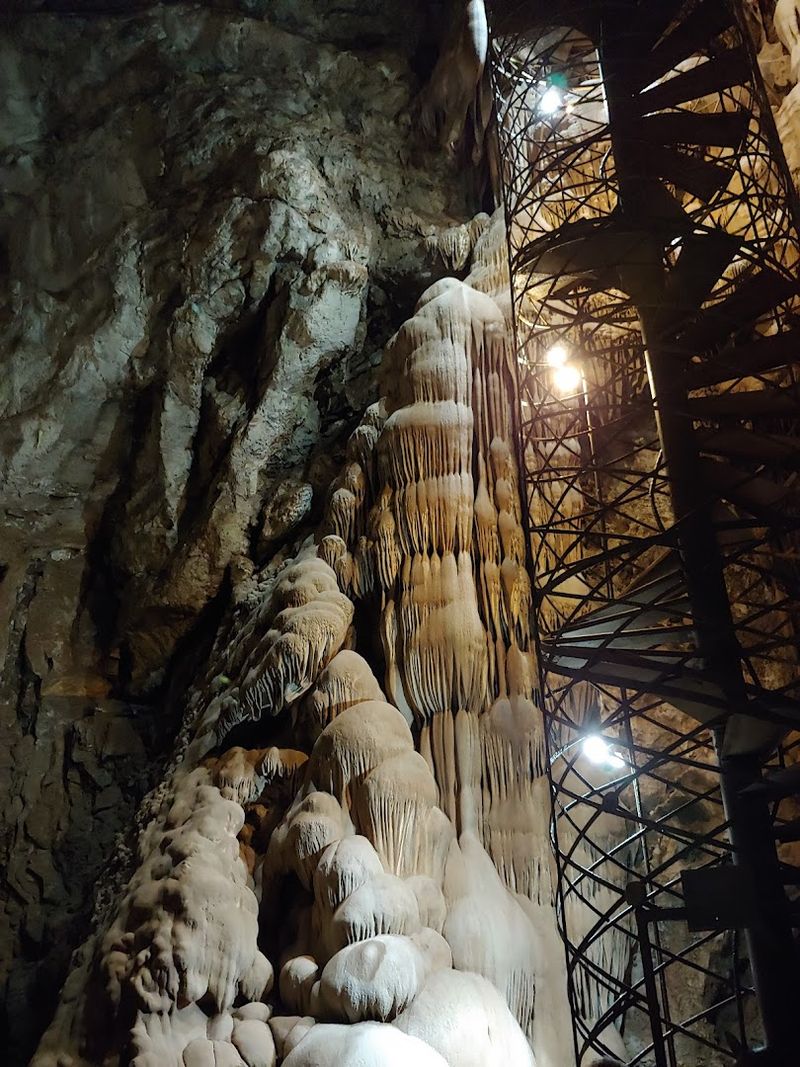
Legend has it that the eerie sounds echoing from this cave once frightened early settlers half to death. Moaning Caverns in Vallecito is California’s largest public cavern, featuring a main chamber so enormous it could swallow the Statue of Liberty whole.
The cave has been used by humans for at least 12,000 years.
Thrill-seekers can rappel 165 feet straight down into the cavern on a guided adventure tour. It is jaw-dropping fun for the whole family.
Mercer Caverns – Murphys, California
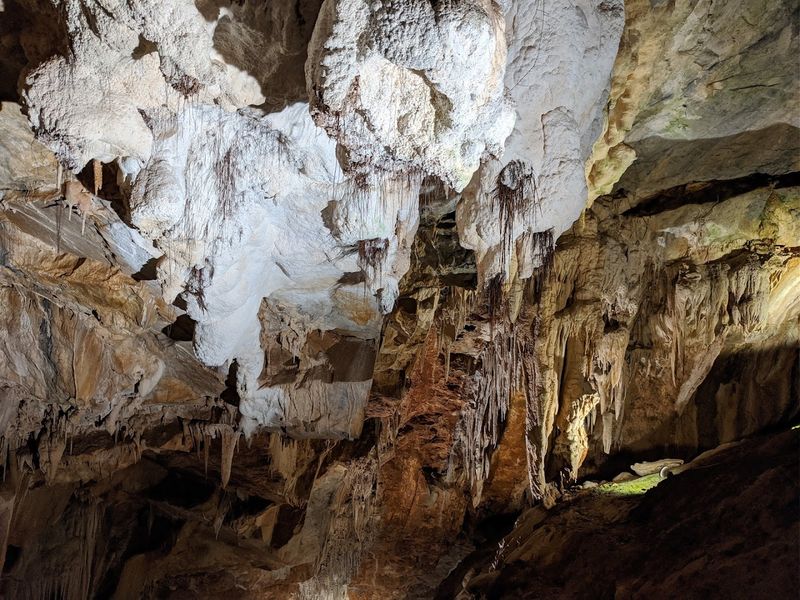
Walter Mercer stumbled upon this cave by accident in 1885, and lucky for us, he decided to share it with the world. Located in the charming Gold Country town of Murphys, Mercer Caverns dazzles visitors with rare aragonite crystals and delicate flowstone formations that took millions of years to grow.
Guided tours wind through ten chambers filled with some of the most ornate cave decorations in the state. Kids and adults alike leave completely amazed by what nature quietly built underground.
California Cavern State Historic Landmark – Mountain Ranch, California
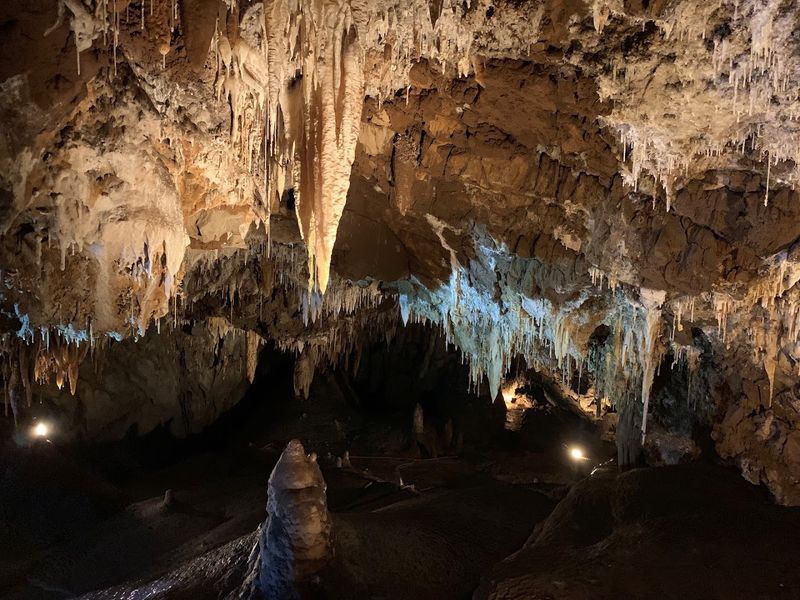
John Muir himself once explored these underground halls, and honestly, you can see why he was impressed. California Cavern in Mountain Ranch has been welcoming visitors since 1850, making it one of the oldest show caves in the entire western United States.
The cave system stretches for miles beneath the Sierra Nevada foothills.
Standard walking tours are perfect for families, but the wild cave expeditions are for the truly adventurous. Crawling through tight passages feels like being an explorer from another era.
Black Chasm Cavern National Natural Landmark – Volcano, California
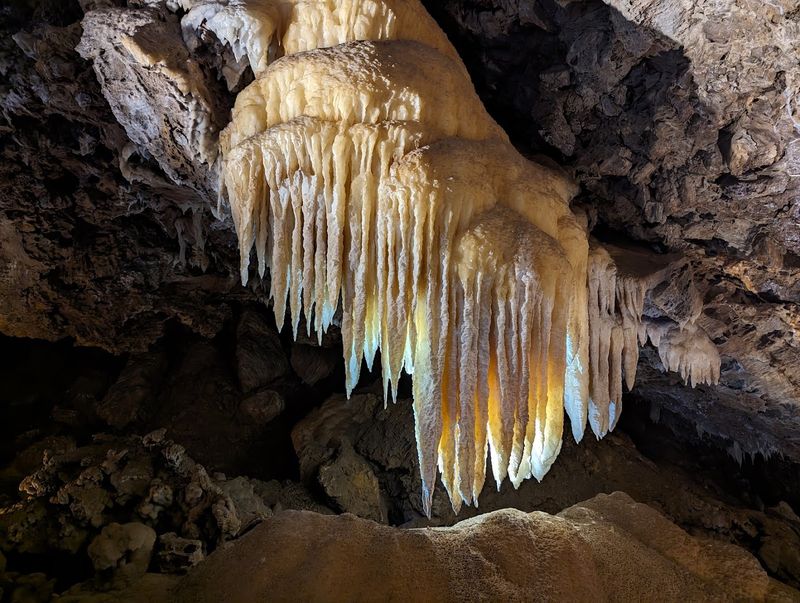
Black Chasm Cavern earns its National Natural Landmark status the moment you lay eyes on its helictites. These bizarre, corkscrew-shaped crystals defy gravity by growing in every direction imaginable, and scientists still debate exactly how they form.
The cave is tucked away near the tiny Gold Rush town of Volcano, adding a layer of history to the magic.
The guided walking tour is about an hour long and completely accessible. Photographers absolutely love shooting the otherworldly crystal displays inside.
Boyden Cavern Adventures & Tours LLC. – Grant Grove, California
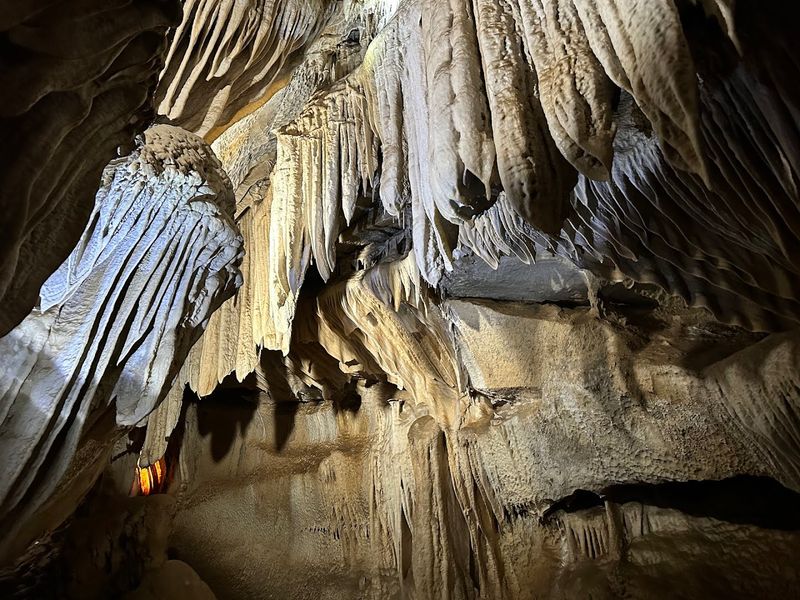
Carved into the marble walls of Kings Canyon, Boyden Cavern sits dramatically along the Kings River in one of California’s most scenic gorges. The drive to get there is already breathtaking, winding through soaring granite cliffs and roaring whitewater.
Once inside, the cave opens up into rooms decorated with ribbons of flowstone and clusters of stalactites.
Tours run regularly and are guided by knowledgeable staff who bring the geology to life. The combination of canyon scenery and underground beauty makes this stop genuinely unforgettable.
Crystal Cave (Sequoia National Park) – Three Rivers, California
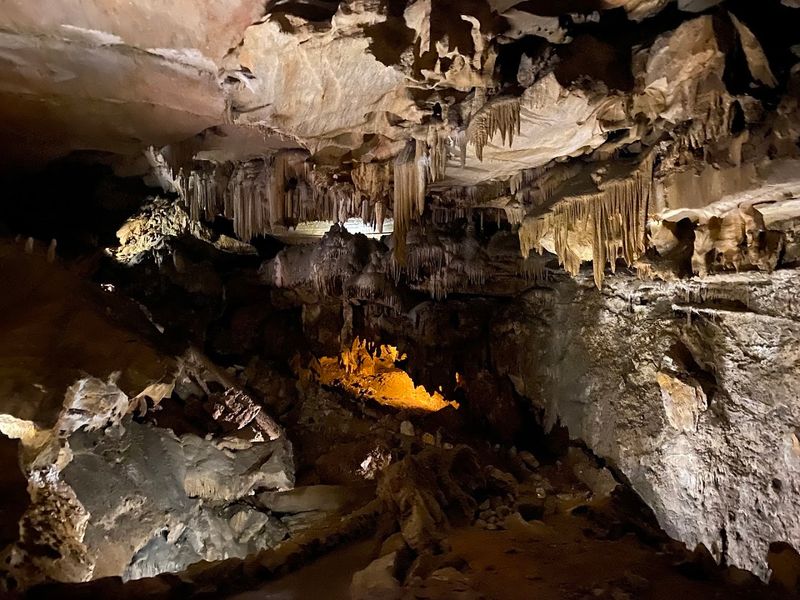
Discovered in 1918 by two park employees who were out fishing, Crystal Cave has been enchanting visitors ever since. Tucked deep inside Sequoia National Park, this marble cave features smooth, sculpted formations that shimmer in the soft lighting of guided tours.
The temperature inside stays a chilly 48 degrees year-round, so bring a jacket.
Tickets must be purchased in advance, and they sell out fast during summer. The cave is only accessible via a winding trail through gorgeous old-growth forest.
Lake Shasta Caverns National Natural Landmark – Lakehead, California
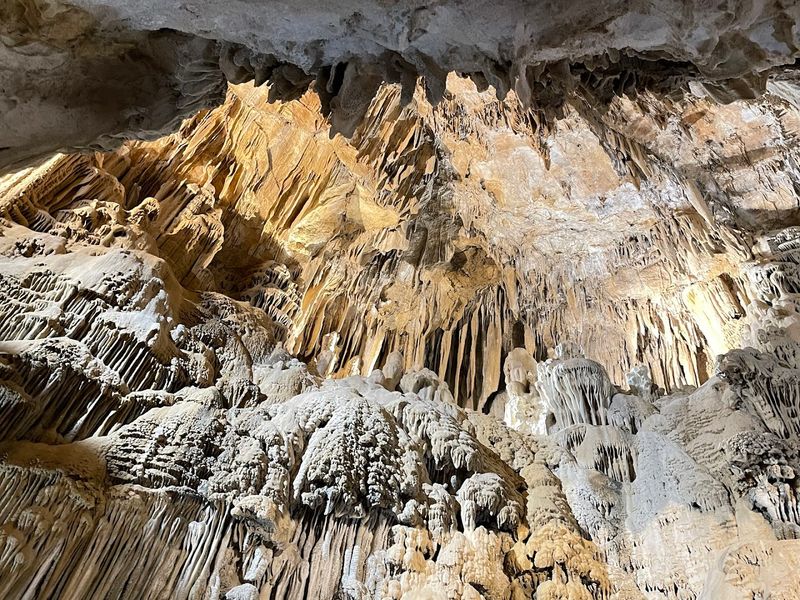
Getting to Lake Shasta Caverns is half the adventure. Visitors board a catamaran ferry across the shimmering blue waters of Shasta Lake, then hop on a bus that climbs the hillside to the cave entrance.
The whole experience feels like a mini expedition before you even step underground.
Inside, the caverns reveal enormous rooms packed with glittering formations in shades of white, gold, and rust. The full tour takes about two hours and includes stunning lake views from the hillside.
Subway Cave – Hat Creek, California
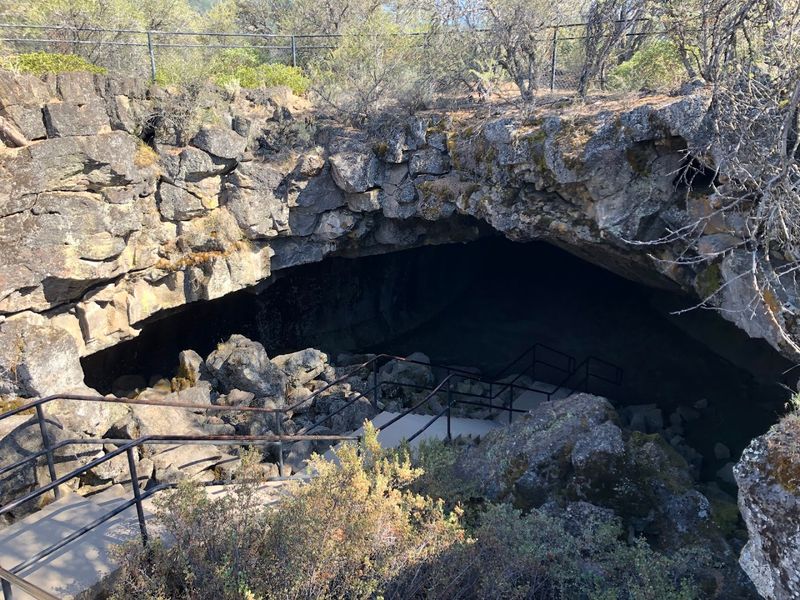
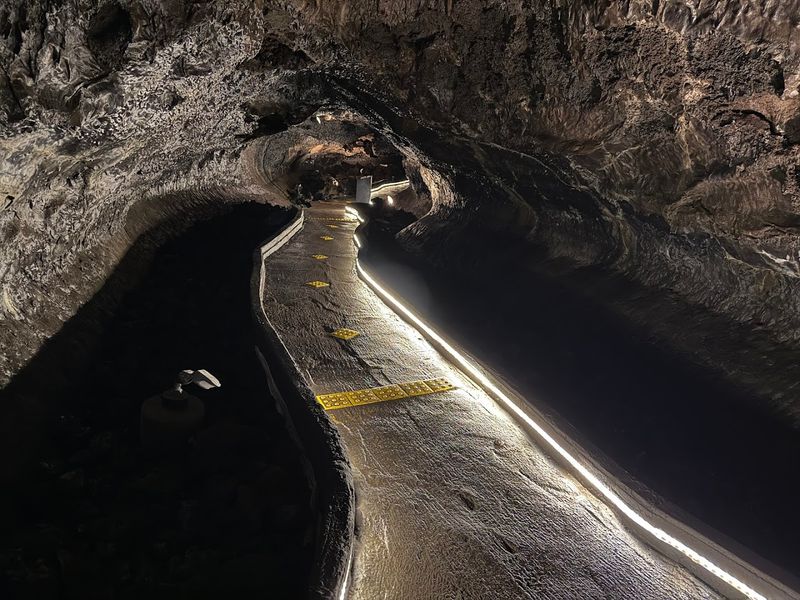
No tickets, no guides, no crowds – Subway Cave is a totally free, self-guided adventure in the Hat Creek area of Northern California. This quarter-mile lava tube was created around 20,000 years ago when the outer shell of a lava flow hardened while molten rock drained out from beneath it.
The result is a smooth, walkable tunnel that genuinely resembles an underground subway corridor.
Bring a good flashlight and wear sturdy shoes. The cave stays around 46 degrees inside, making it a refreshing escape on hot summer days.
Mitchell Caverns – Essex, California
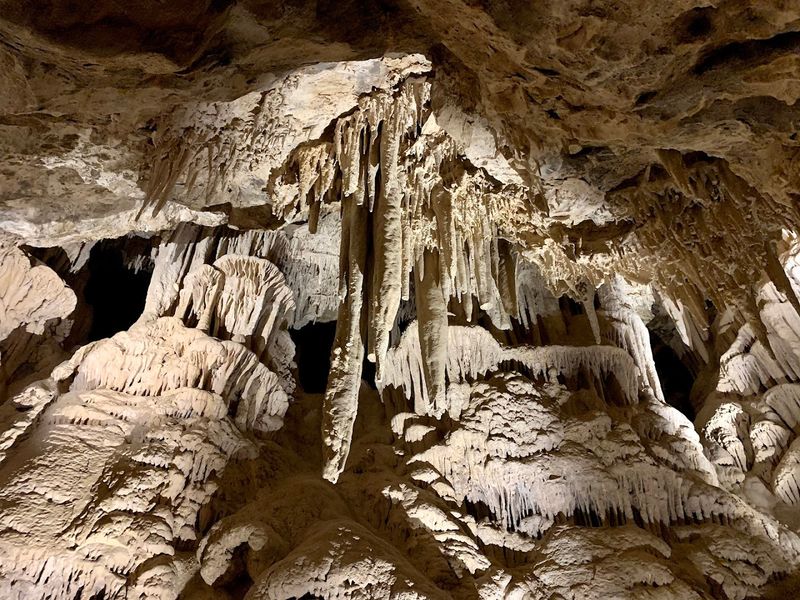
Hidden inside the sun-scorched Mojave Desert, Mitchell Caverns feels like the most surprising secret California has been keeping. These limestone caves sit within Providence Mountains State Recreation Area and were once used as shelter by the Chemehuevi people thousands of years ago.
The contrast between the blazing desert outside and the cool, decorated chambers inside is absolutely striking.
Guided tours are offered on weekends and reservations are strongly recommended. The caves feature some beautifully preserved speleothems that took an incredibly long time to develop in the dry desert climate.
Petaluma Adobe State Historic Park – Petaluma, California
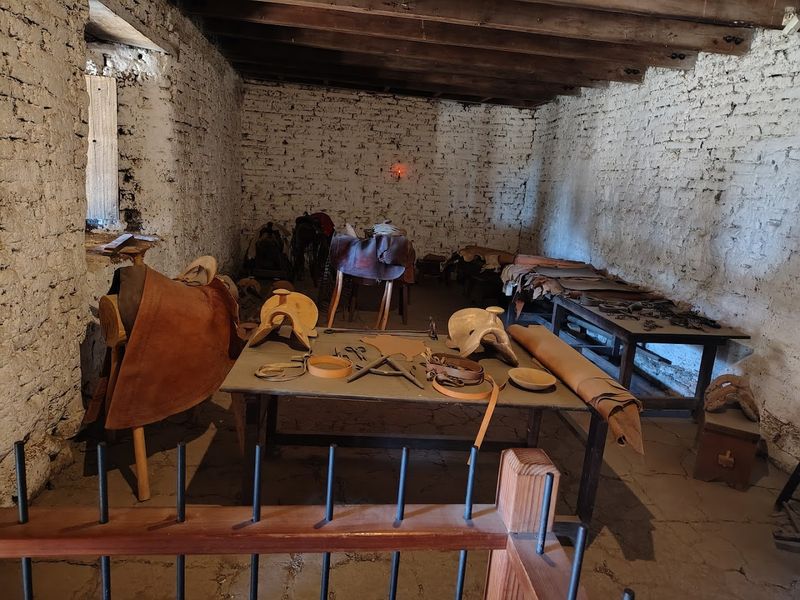
Okay, so Petaluma Adobe is not technically a cave, but its thick earthen walls and cool, dim interior create an atmosphere that feels surprisingly cave-like and ancient. Built in the 1840s as part of General Mariano Vallejo’s massive rancho, this adobe structure is one of the largest privately built adobe buildings in California history.
The park offers a fascinating window into early California rancho life. Walking through the heavy-walled rooms, you can almost hear the echoes of the past whispering around every corner.
Samwell Cave – McCloud, California
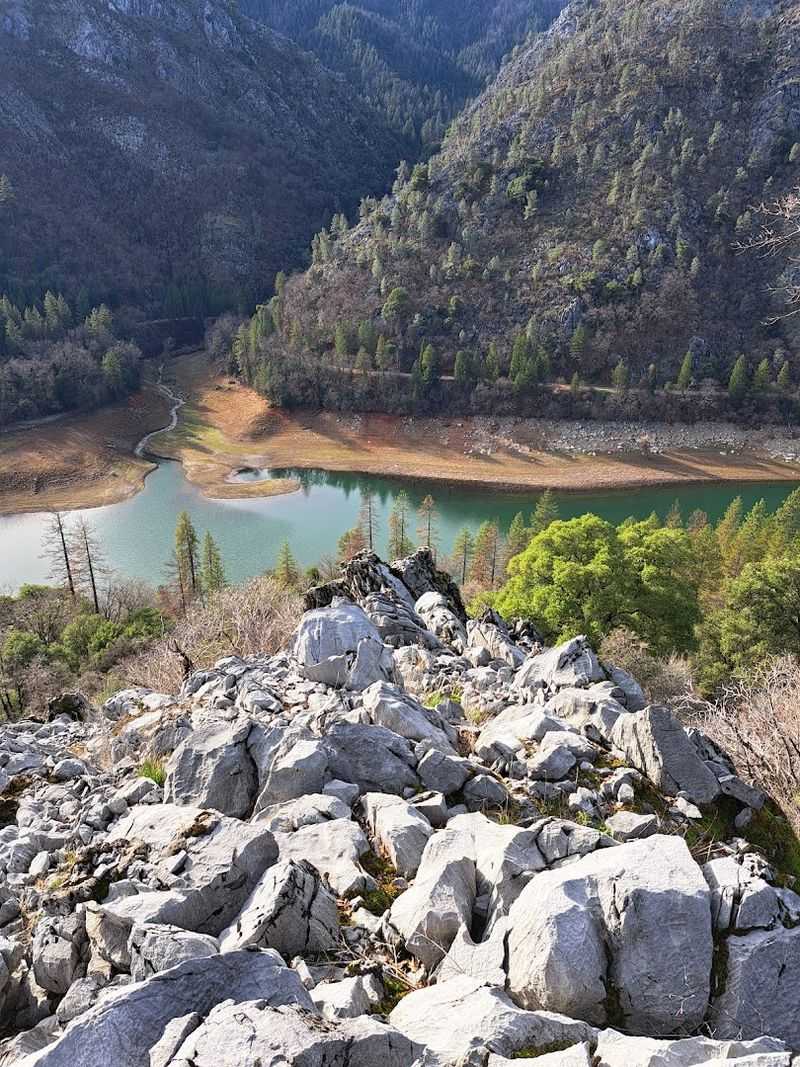
Samwell Cave near McCloud holds the distinction of being one of the longest known caves in California, stretching deep into the volcanic rock of the Shasta-Trinity region. Archaeologists have found prehistoric animal bones inside, including remains from species that have been extinct for thousands of years.
That alone makes it feel like a genuine time machine buried underground.
Access requires a permit and is recommended for experienced cavers only. The rugged, wild nature of the cave makes it a bucket-list destination for serious spelunkers.
Pluto’s Cave – Montague, California
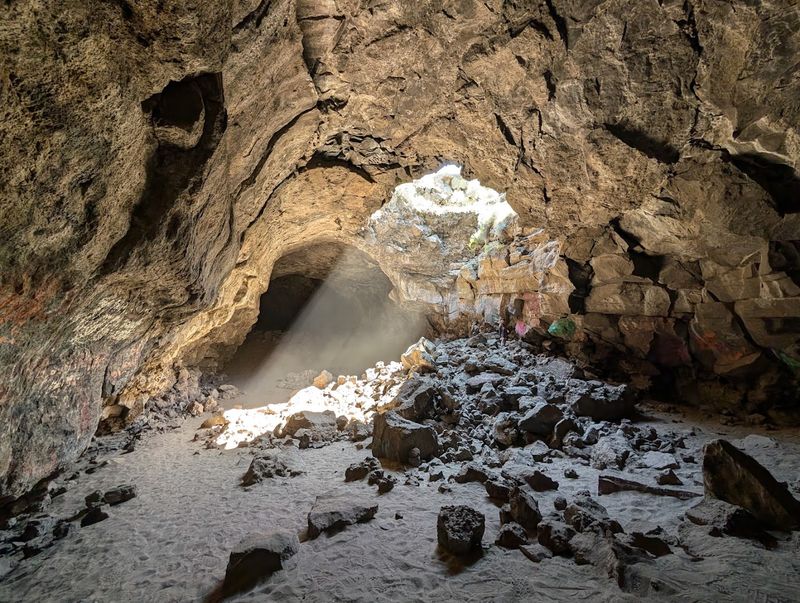
Named after the Roman god of the underworld, Pluto’s Cave near Montague lives up to its dramatic title. This partially collapsed lava tube stretches about half a mile and features a spectacular open skylight where the cave ceiling fell in, letting daylight pour into the dark tunnel below.
The effect is hauntingly beautiful, especially in the early morning light.
No fee or permit is required for a visit. Sturdy footwear is a must since the volcanic floor is uneven and rocky throughout.
Crystal Cave – Sequoia National Park, Three Rivers, California (Speleothem Detail)
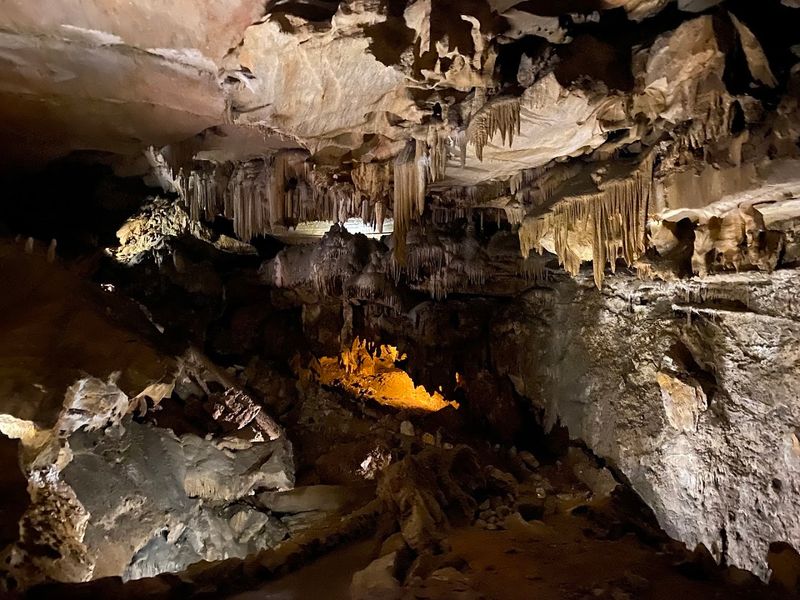
Few things in nature match the delicate beauty of Crystal Cave’s soda straw stalactites, hollow tubes so thin that light passes right through them like tiny crystal straws. These formations grow at a rate of about one inch every 100 years, meaning what you see today began forming long before European explorers ever reached California.
Touching them is strictly off-limits for good reason.
The cave tour covers about half a mile of underground passages. Rangers share fascinating geology facts that make the formations even more impressive.
Lava Beds National Monument – Skull Cave, Tulelake, California
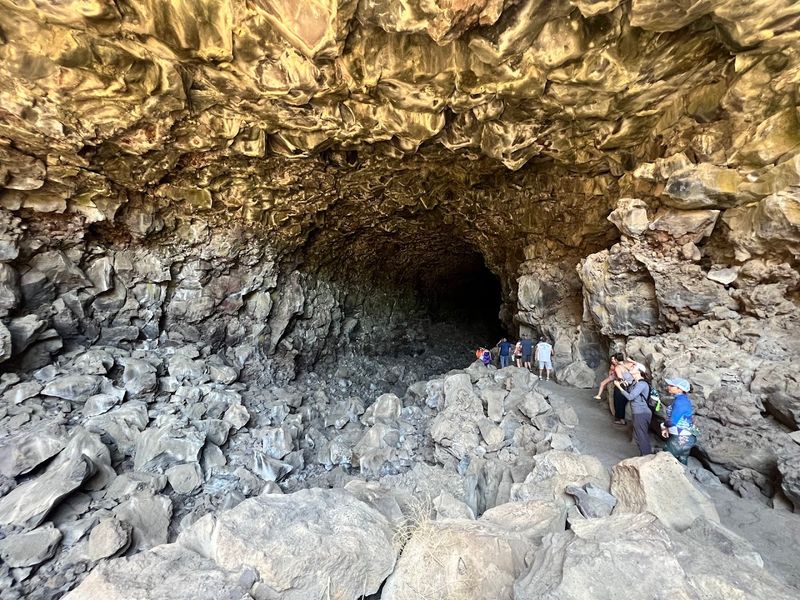
Skull Cave is arguably the most famous individual cave within Lava Beds National Monument, and it earns that reputation instantly. The cave got its haunting name from the animal and human skulls discovered on the floor by early explorers.
Its lower chambers stay so cold year-round that a permanent floor of ice forms, creating an eerie frozen world underground.
The main chamber is enormous, easily large enough to park several school buses inside. It is one of the most awe-inspiring natural spaces in all of Northern California.
Valentine Cave – Tulelake, California
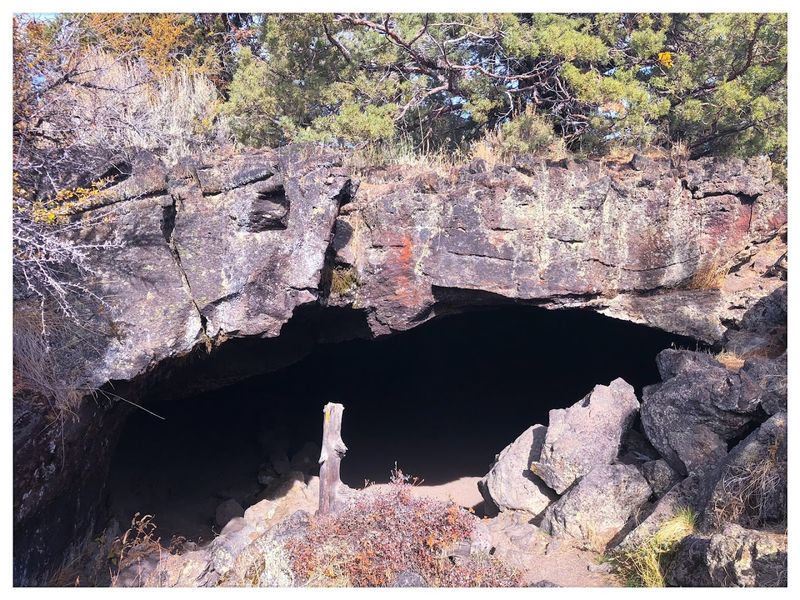
Valentine Cave stands out among the lava tubes at Lava Beds National Monument for its spectacular wall colors and well-preserved features. Reds, oranges, and earthy browns streak across the basalt walls thanks to iron oxide and other mineral deposits left behind as the lava cooled.
The cave is wide and relatively easy to walk through, making it a great choice for first-time cave explorers.
A ranger-led lantern tour is offered here on special occasions. The colorful geology feels more like abstract art than anything found in nature.
Skull Cave – Tulelake, California
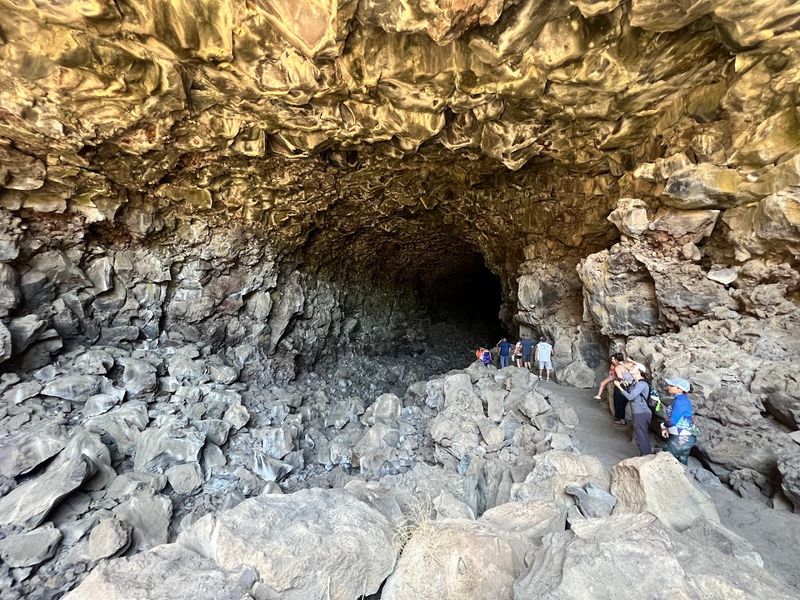
Returning to Skull Cave is worth doing twice because no single visit captures everything this underground giant has to offer. At over 80 feet tall in places, the main chamber dwarfs most visitors into stunned silence the moment they walk in.
The cave earned its chilling name after early settlers found skeletal remains scattered across the cave floor inside.
The permanent ice at the lower level is a natural wonder all on its own. Skull Cave is one stop in the monument that absolutely nobody should skip.