



Sweetness hides some wonderfully odd backstories. Behind glossy glazes and powdered sugar lies intrigue, rivalry, and a few happy accidents you would never guess. As you dig in, you will meet ballerinas, emperors, ship ovens, hotel feuds, and PR tweaks that shaped what we eat. Get ready to taste the strange side of dessert lore and question everything you thought you knew.
Tiramisu
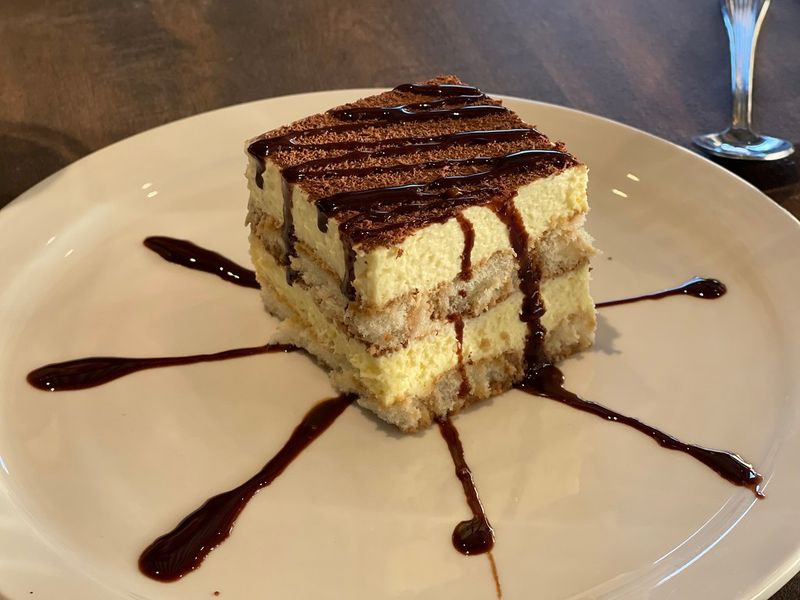
Tiramisu tastes elegant, but its story is cheerfully messy. Some say it began in Treviso brothels as a pick me up for patrons and workers, a sweet caffeinated boost. Others credit 1960s restaurateurs who layered leftovers into genius, letting espresso, mascarpone, and savoiardi mingle.
You get romance and debate with every bite. Recipes evolved as chefs swapped marsala, rum, or brandy, proving the dessert thrives on improvisation. Whatever the origin, the name you whisper means lift me up, and it does, gently and decisively.
Baked Alaska
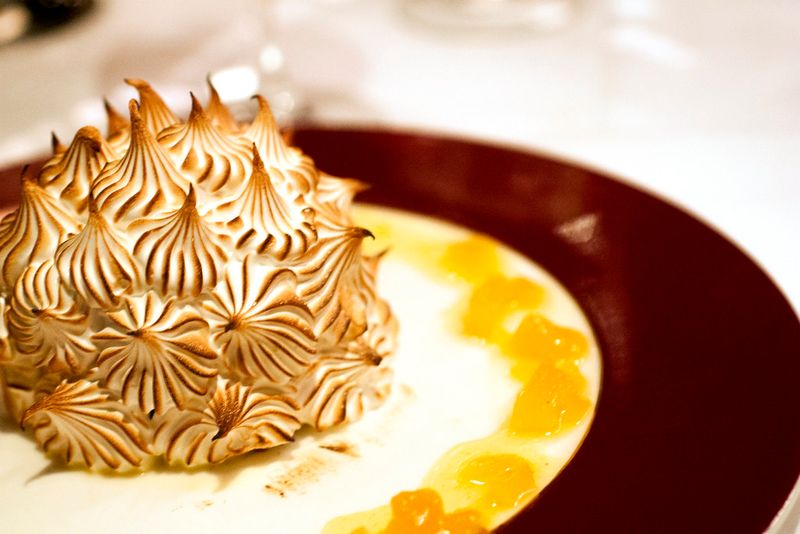
Baked Alaska sounds like a prank. Ice cream wrapped in meringue goes into a screaming hot oven, and somehow nothing melts. The trick is physics, with meringue acting as insulation while sponge shields the base.
The name reportedly celebrated the U.S. purchase of Alaska, a cold core under a heated exterior. French chefs had similar ideas earlier, but American branding stuck. Order it and you join diners from Gilded Age hotels to cruise ships, cheering while flames lick the sugar.
Black Forest cake
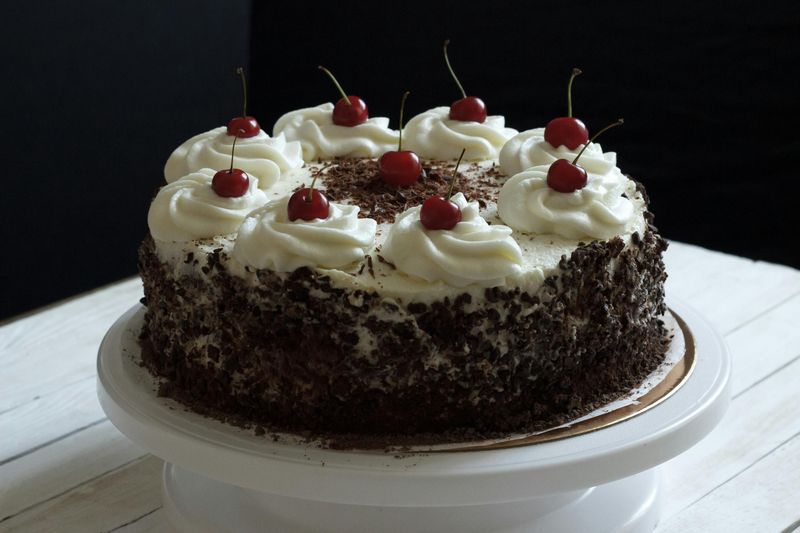
Black Forest cake dresses up like a fairy tale. Chocolate layers, whipped cream, and boozy cherries owe their identity to kirsch, a clear cherry spirit from the region. Some argue the cake echoes traditional costumes with dark fabric and white blouses.
Its legal status in Germany even guards the kirsch, or it is not authentic. You taste geography, ritual, and a little mischief in every slice. That cherry on top is not just decoration, it is a passport stamp.
Banoffee pie
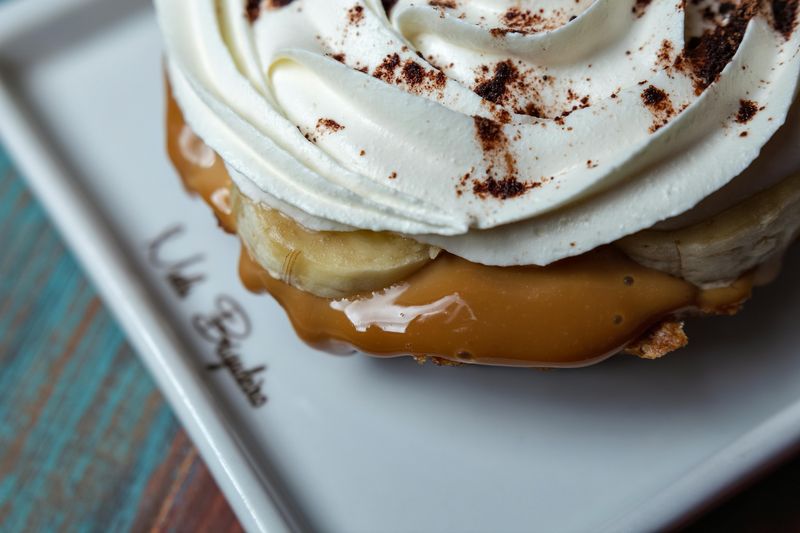
Banoffee pie is a British improvisation that became a global crush. In the 1970s, chefs at The Hungry Monk tried pairing toffee with fruit, testing apples, peaches, and pears before banana clicked. Dulce de leche style caramel, made from slow cooked condensed milk, sealed the deal.
The name is a mashup that sounds silly and irresistible. You cut through clouds of cream into gooey sweetness and bright banana. It is proof that culinary serendipity can become a national treasure quickly.
Cheesecake
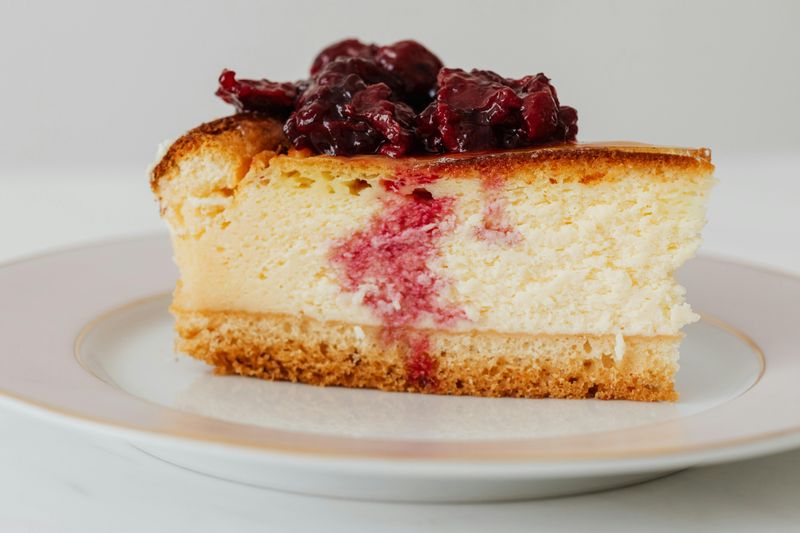
Cheesecake reads modern, but it is ancient. Greeks fed early versions to athletes, and Romans carried the idea across Europe. Centuries later, cream cheese in New York created a silky evolution that felt like a skyscraper on a plate.
Every region tweaks the formula, from ricotta lightness to quark tang. The name is misleading, since it is more custard pie than cake. Take one bite and you feel history thickening with every creamy forkful.
Fortune cookies
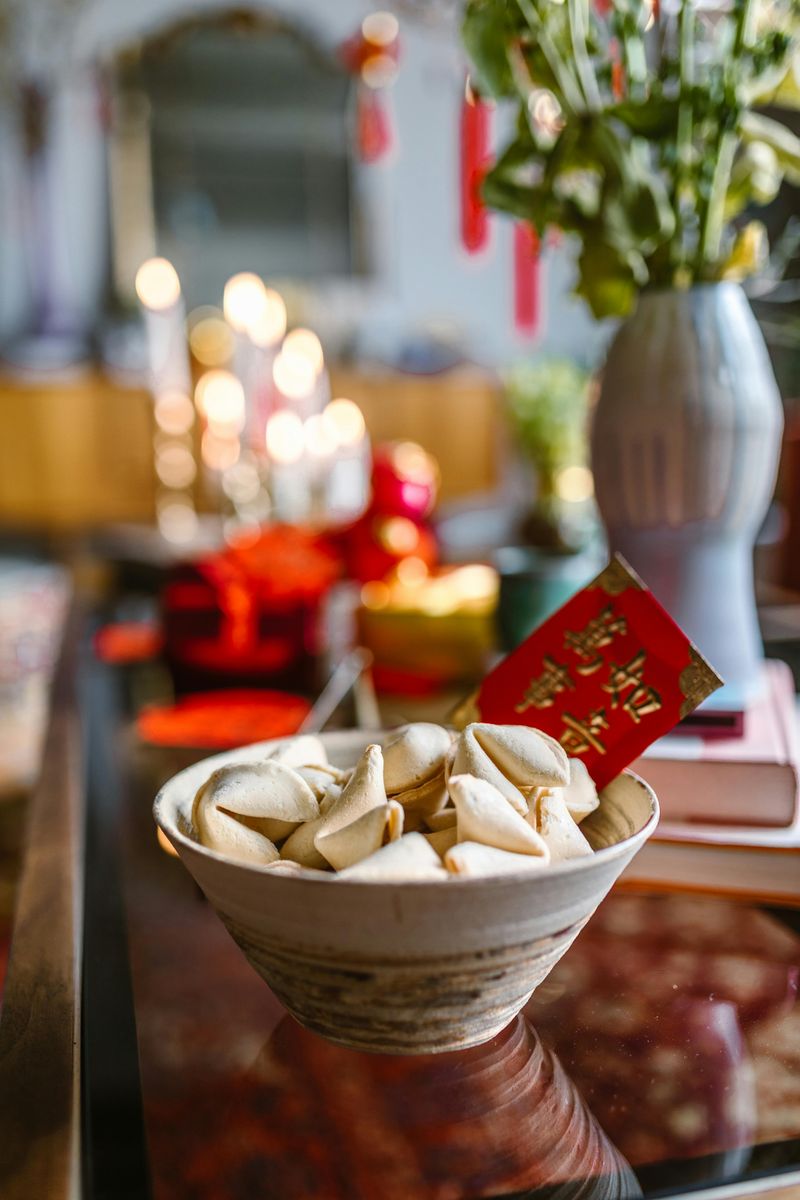
Fortune cookies seem quintessentially Chinese, but their roots likely trace to Japanese bakeries and American imagination. Early 20th century California vendors popularized them, slipping fortunes for marketing and fun. War, internment, and postwar business shifts moved production across cities and cultures.
Bite the shell and you crunch through a story about diaspora and branding. The fortunes can be corny or profound, yet they make you part of the narrative. Your future, briefly, is folded like origami inside sugar.
Sachertorte
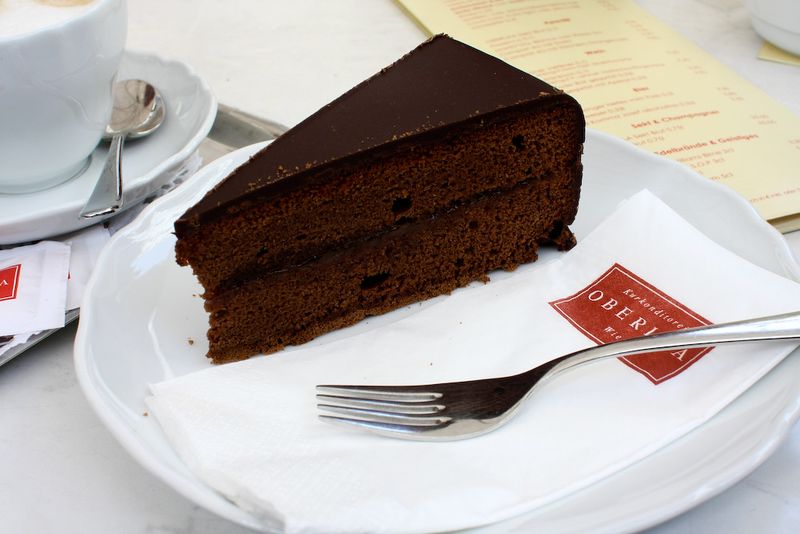
Sachertorte was born under pressure when a teenage apprentice baked for an Austrian statesman. Franz Sacher created a dense chocolate cake split by apricot jam and sealed in lacquered glaze. Vienna later watched a legal feud unfold between Hotel Sacher and Demel over whose version was authentic.
The compromise still leaves room for debate and devotion. You get firmness, brightness, and a clean cut that looks ceremonial. Order it and you join a long line of polite dessert partisans.
Sticky toffee pudding
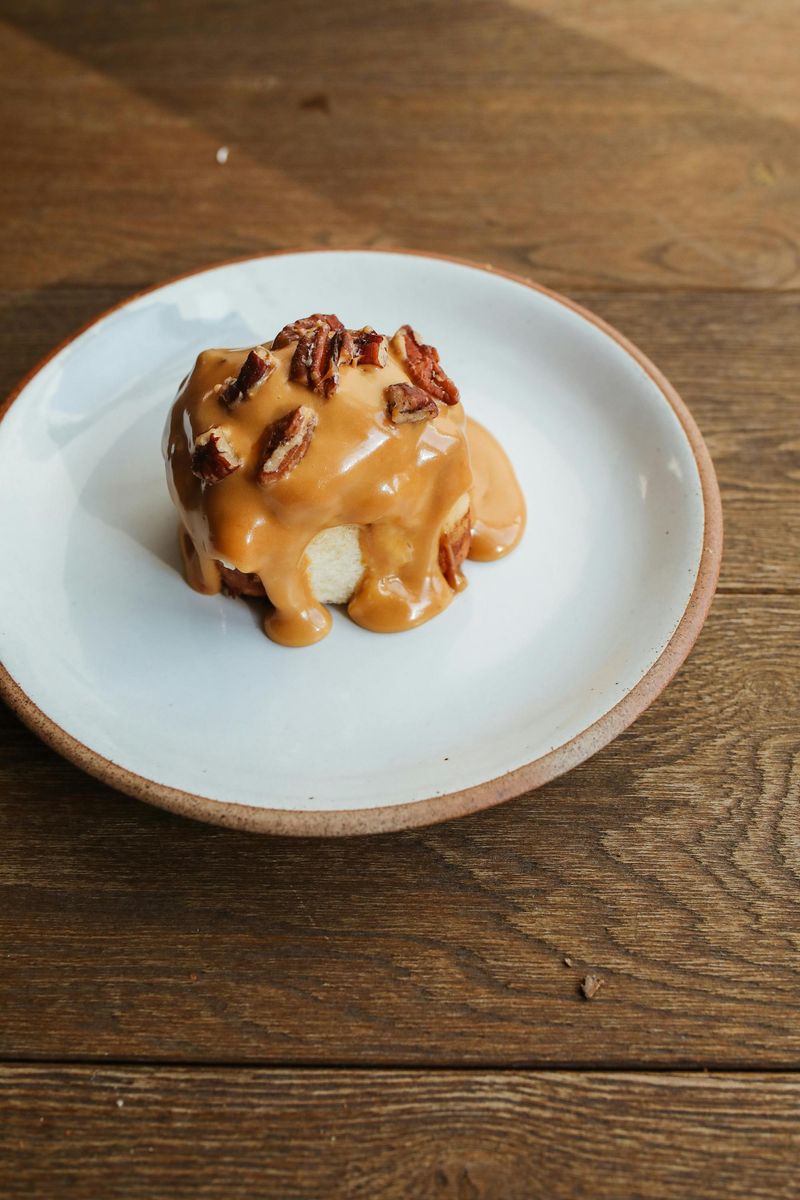
Sticky toffee pudding is a British classic with contested roots. Some trace it to a Canadian air force connection in the 1940s, others to Lake District inns polishing date cake with sauce. What is certain is the chemistry of butter, sugar, and cream reducing into satin.
It is messy in the best way. A spoon sinks through sponge and toffee like a rowboat in syrup. Suddenly you understand why stories stick to it just as stubbornly.
Éclairs
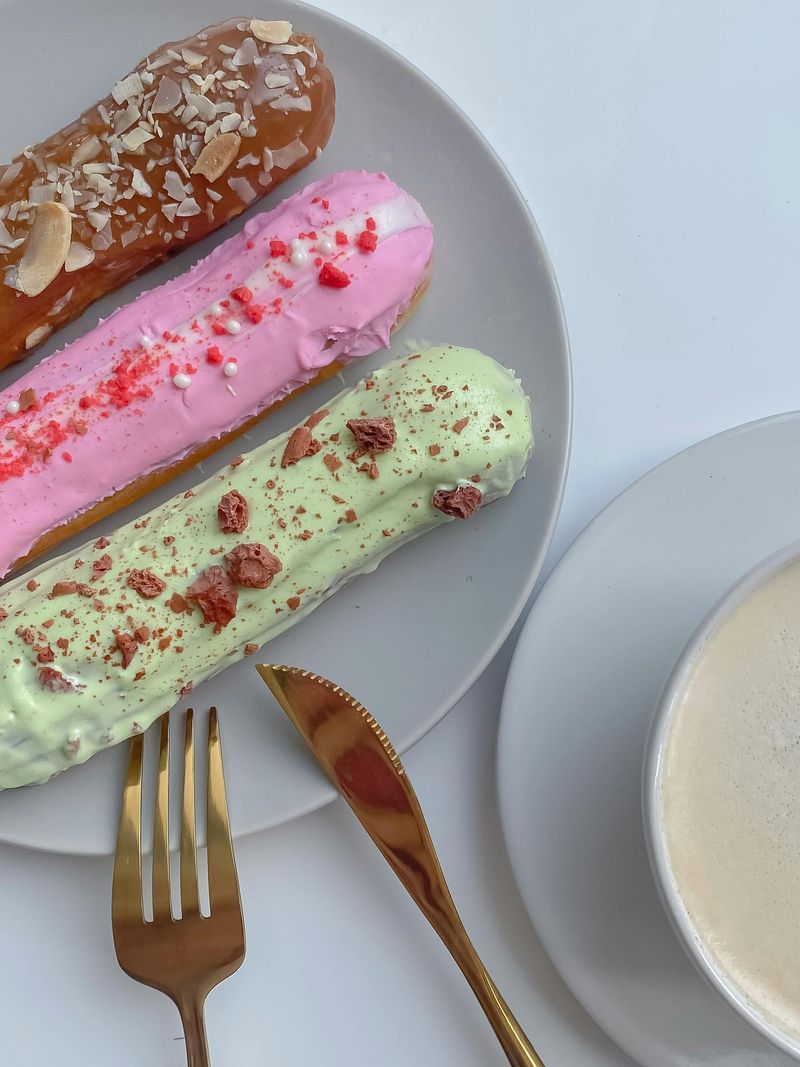
Éclairs ask you to respect steam power. Choux pastry puffs thanks to moisture exploding into lift, then cools into a shell ready for cream. The name means lightning, maybe for the shine or how quickly you eat one.
Parisian origins intersect with royal kitchens and technical rigor. Glaze, not icing, gives that sleek finish. Bite down and the shell yields like a drum, revealing custard that feels engineered for delight.
Crêpes Suzette
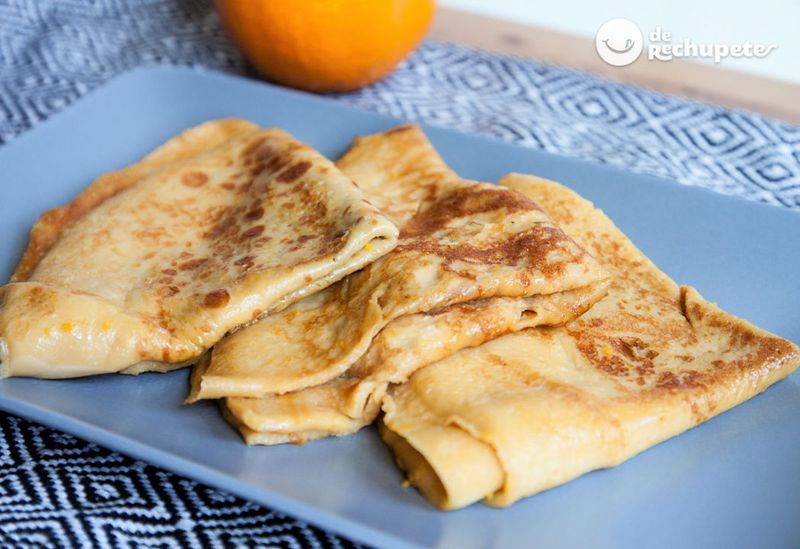
Crêpes Suzette brings theater to dessert. A young waiter supposedly flubbed a sauce for the Prince of Wales and accidentally created orange butter flambé, naming it for a guest. Others say it was a careful stunt dressed as spontaneity.
Either way, the ritual matters. The pan, the zest, the flame, the perfume of caramelizing sugar and citrus oils. You watch, you wait, then you chase the sauce with a folded crêpe and feel like royalty.
Pavlova
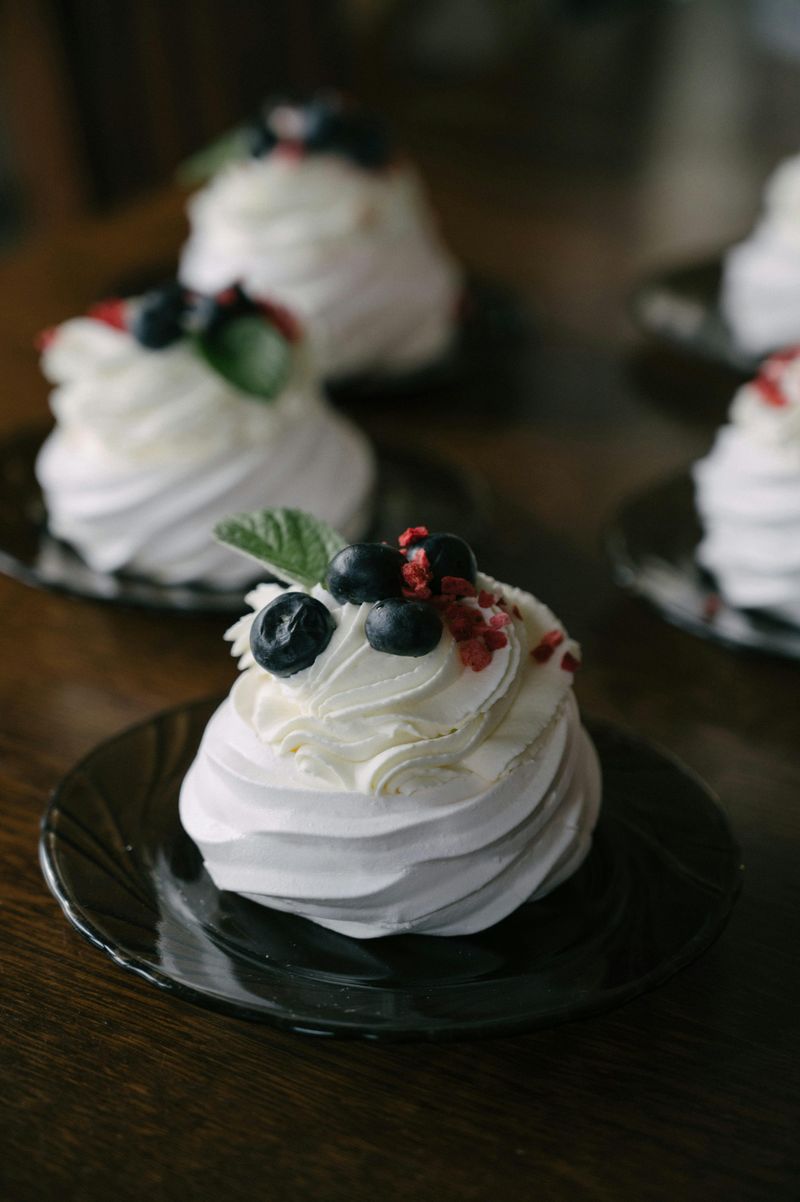
Pavlova floats like a tutu on a plate. Both Australia and New Zealand claim it, dedicated to ballerina Anna Pavlova after her tours. The airy meringue with a marshmallow center and fruit crown mirrors dance grace and strong technique.
The rivalry burns brighter than a summer pavlova. Old recipes and hotel menus are produced like legal briefs. You do not need a courtroom to enjoy the crackle, cream, and tart fruit that turn a simple sugar froth into legend.
Churros
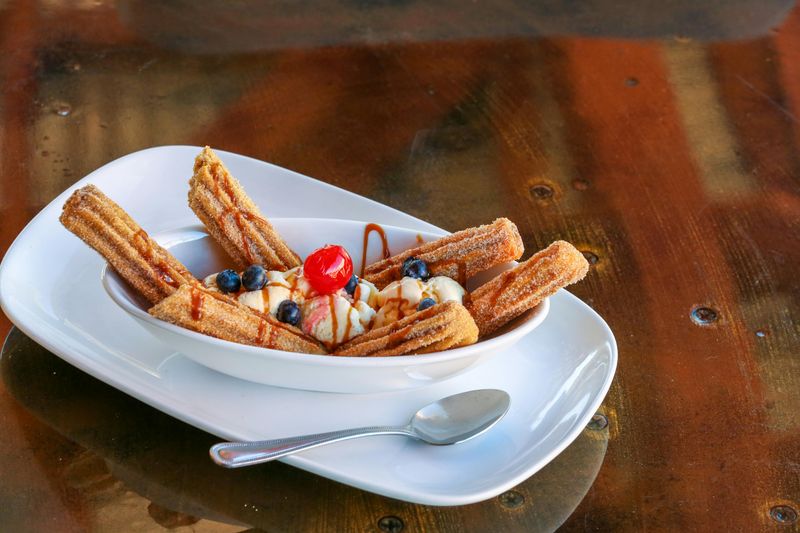
Churros trace lines across continents. Spanish shepherds likely extruded dough over campfires, inspired by Chinese youtiao, then cities added chocolate for dunking. Latin America made them longer, stuffed, and carnival loud.
They are humble dough engineered for joy. The ridges maximize crunch while sugar sticks like glitter. Take a bite and you hear travel stories crackle, from Madrid breakfasts to midnight stands where oil sings and the line never shortens.
Lamingtons
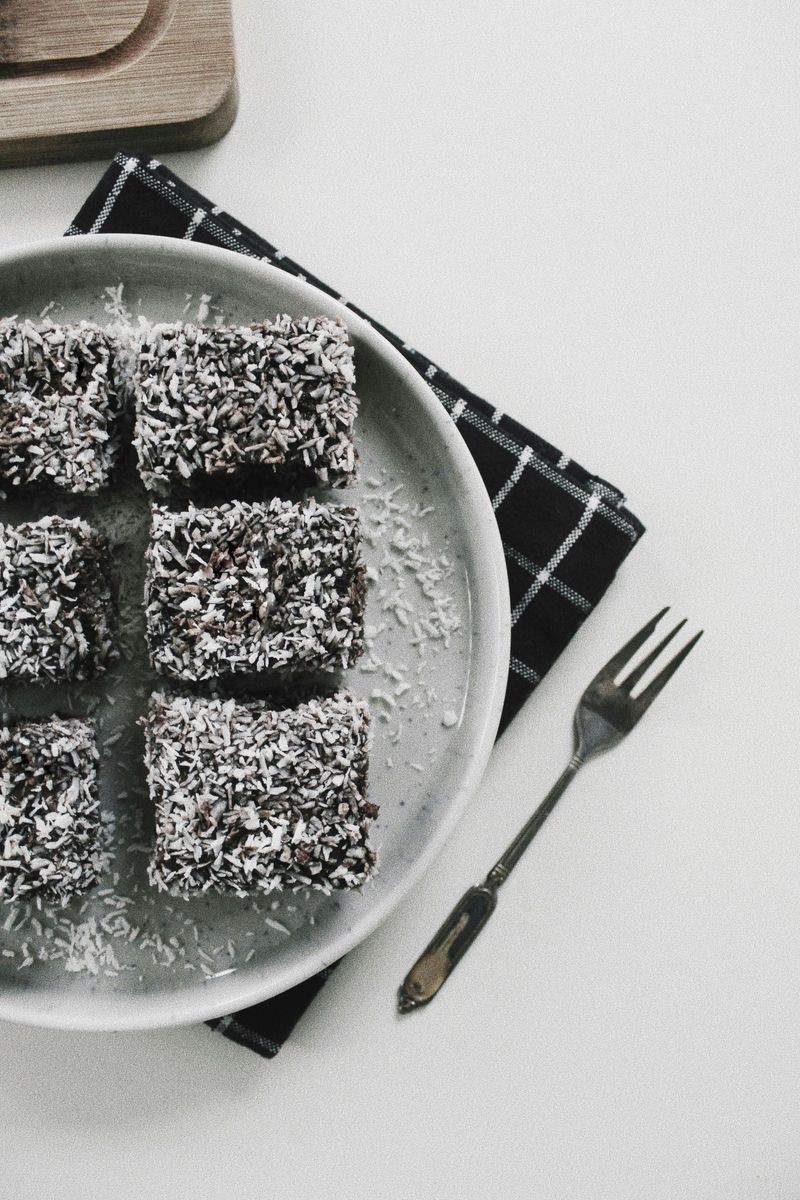
Lamingtons look innocent, but their backstory is fuzzy. Some say a maid dropped sponge into chocolate and improvised, others credit a French chef serving Lord Lamington. Coconut likely came later when practicality met pantry.
Australians turned them into school fundraisers and national comfort food. Cut one and you discover a soft center, maybe jam or cream, wearing a coconut coat. It is a square of nostalgia that handles crumbs like confetti.