


Florida’s sunshine and warmth make it one of the best places to grow plants in containers on patios and balconies. Whether you have a tiny apartment balcony or a sprawling porch, the right plants can turn your outdoor space into a lush, colorful retreat.
The key is choosing plants that love heat, humidity, and the occasional tropical downpour. Here are 23 amazing container plants that thrive in Florida’s unique climate.
Croton
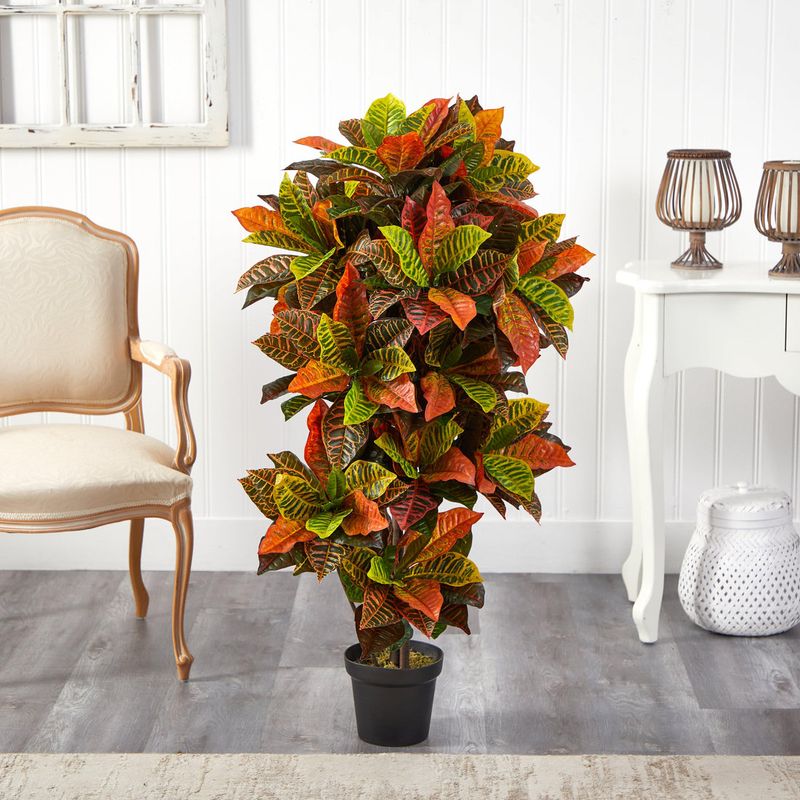
Few plants put on a color show quite like the croton. Its bold leaves come in stunning combinations of red, orange, yellow, and green, making it look like a living fireworks display.
Crotons love Florida’s bright sun and warm temperatures, so a sunny patio spot suits them perfectly.
Keep the soil evenly moist and give it a container with good drainage. The more sun it gets, the more vivid the colors become.
Pentas
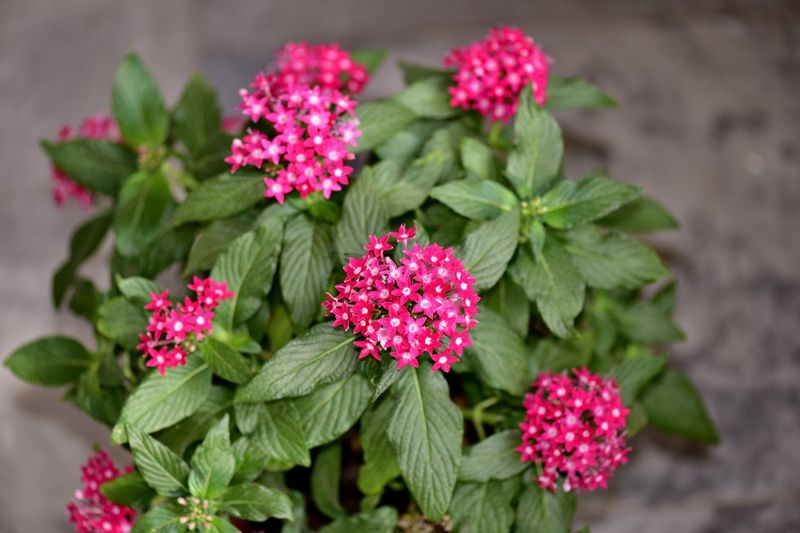
Butterflies cannot resist pentas, and once you plant it on your patio, you will see why. This cheerful bloomer produces clusters of star-shaped flowers in pink, red, white, and lavender from spring all the way through fall.
Florida’s heat does not slow it down one bit.
Pentas thrives in full sun and handles humidity like a champ. Water regularly and deadhead spent blooms to keep the flowers coming all season long.
Angelonia
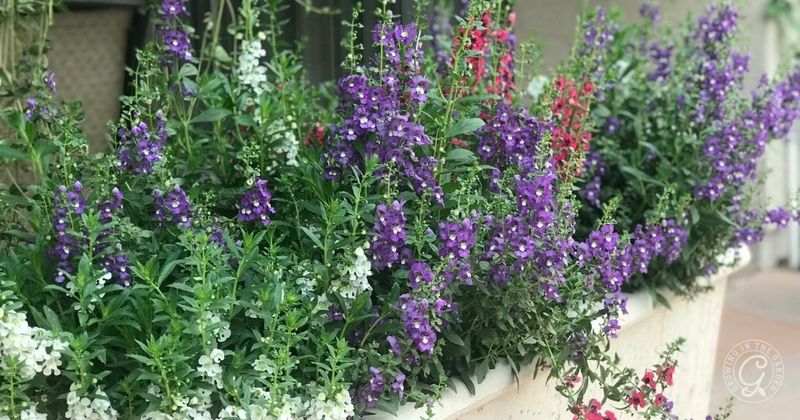
Sometimes called the summer snapdragon, angelonia blooms nonstop through Florida’s hottest months without missing a beat. Its slender spikes of purple, pink, or white flowers give off a light, sweet fragrance that makes sitting on the patio even more enjoyable.
Heat and humidity are no problem for this tough little plant.
Plant it in full sun and water it consistently for the best results. Angelonia rarely needs deadheading, which makes it wonderfully low-maintenance.
Mandevilla
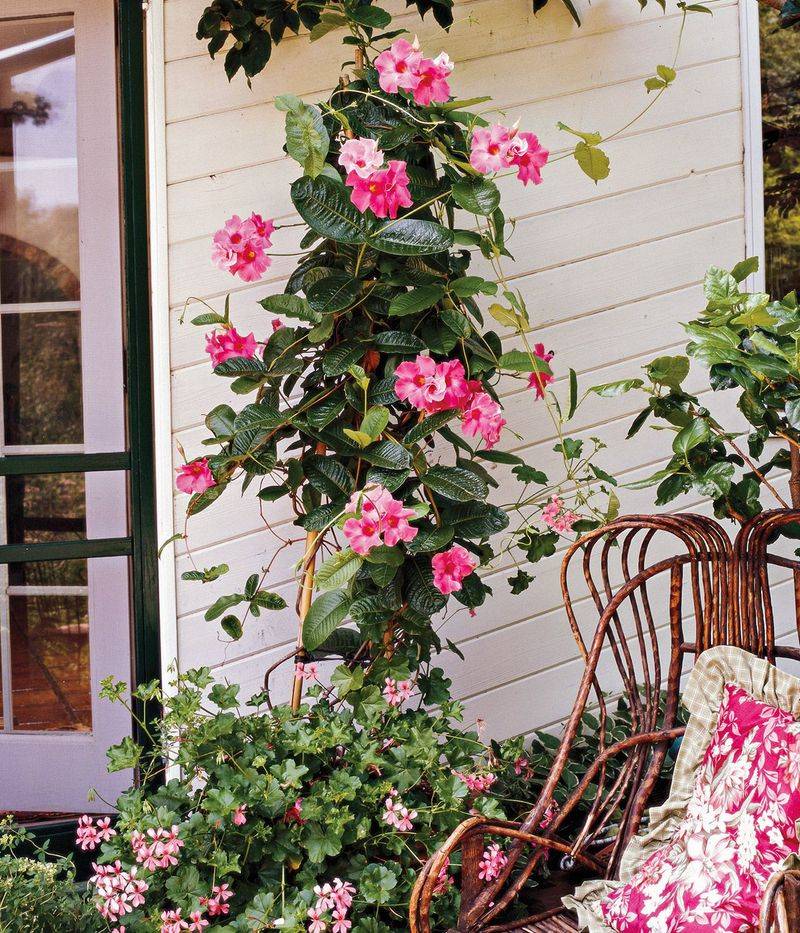
Mandevilla is basically Florida’s version of a tropical superstar. Its large, trumpet-shaped blooms in hot pink, red, or white climb trellises and spill over containers with effortless drama.
This vine thrives in the heat and creates a serious wow factor on balconies and patios.
Give it a sturdy trellis or support and place it in full sun. Water deeply but allow the soil to dry slightly between waterings to keep the roots healthy.
Dipladenia
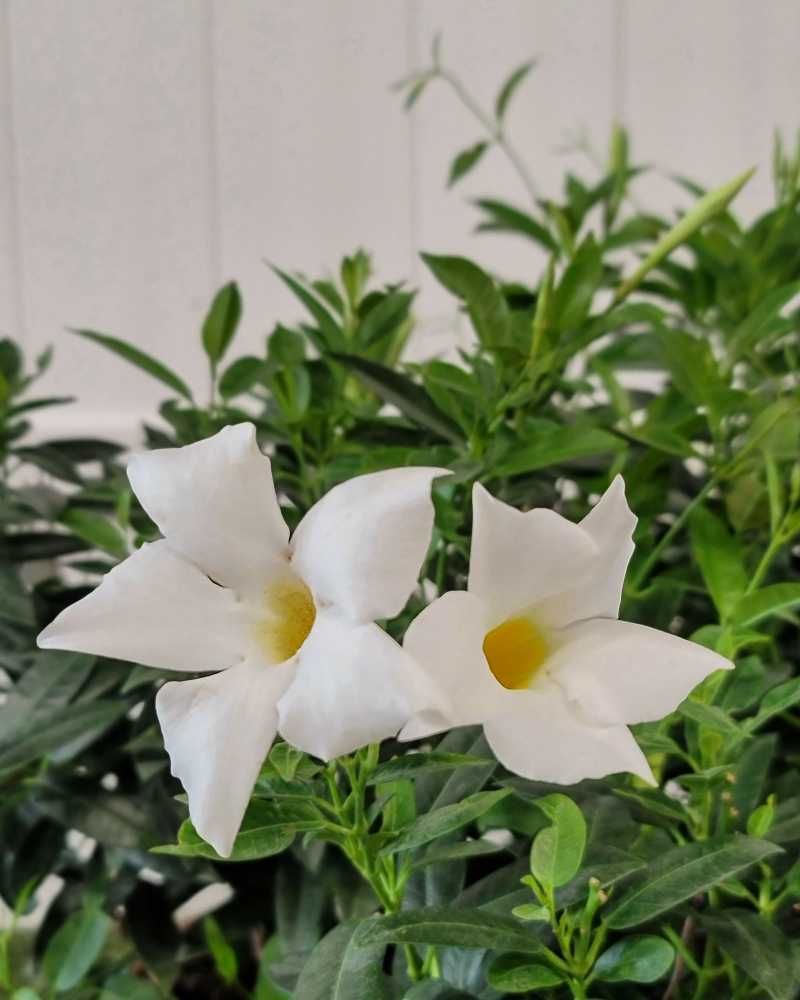
Dipladenia is mandevilla’s more compact cousin, making it ideal when space is tight on a balcony or smaller patio. It produces the same gorgeous trumpet flowers in red, pink, or white but grows in a more mounded, bushy shape rather than climbing.
Florida gardeners love it for its heat tolerance and long bloom season.
Full sun brings out the best blooms. Water when the top inch of soil feels dry and fertilize monthly for continuous flowering.
Geranium
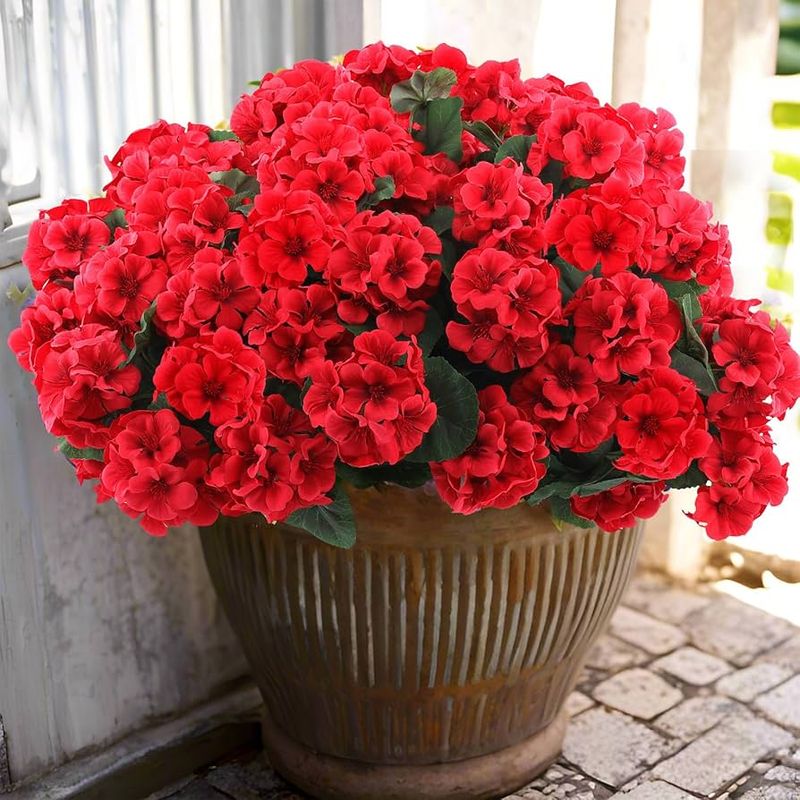
Geraniums have been brightening up porches for generations, and they are just as charming today as ever. In Florida, they perform best during the cooler months from fall through spring, when temperatures are more moderate.
Their round clusters of red, pink, salmon, or white flowers look stunning in terracotta pots.
Good drainage is essential since geraniums hate soggy roots. Place them where they get morning sun and some afternoon shade to help them last longer in the Florida heat.
Coleus
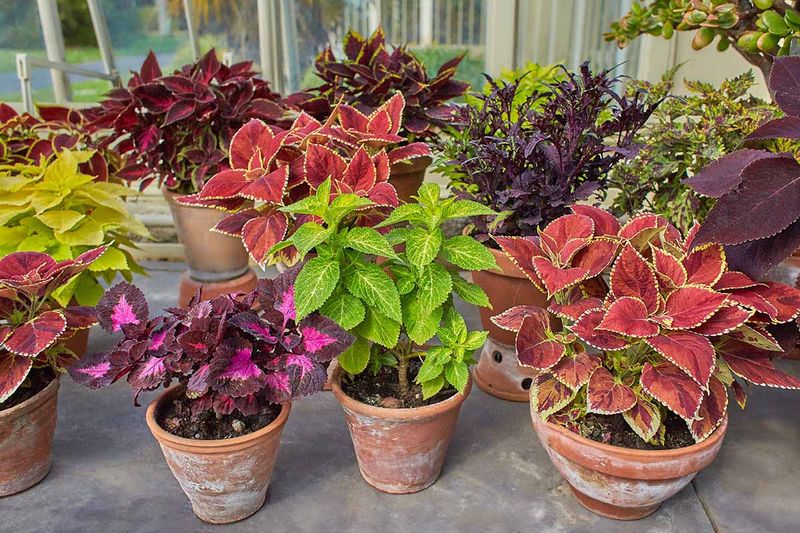
Coleus is the undisputed king of colorful foliage for shady spots. Its leaves come in wild combinations of burgundy, lime green, pink, orange, and purple, so it adds color even without flowers.
Shaded balconies and covered patios in Florida are absolutely perfect for this plant.
Modern coleus varieties can also handle more sun than older types. Pinch off flower spikes as they appear to keep the plant bushy and the leaf colors looking their most vibrant.
Sweet potato vine
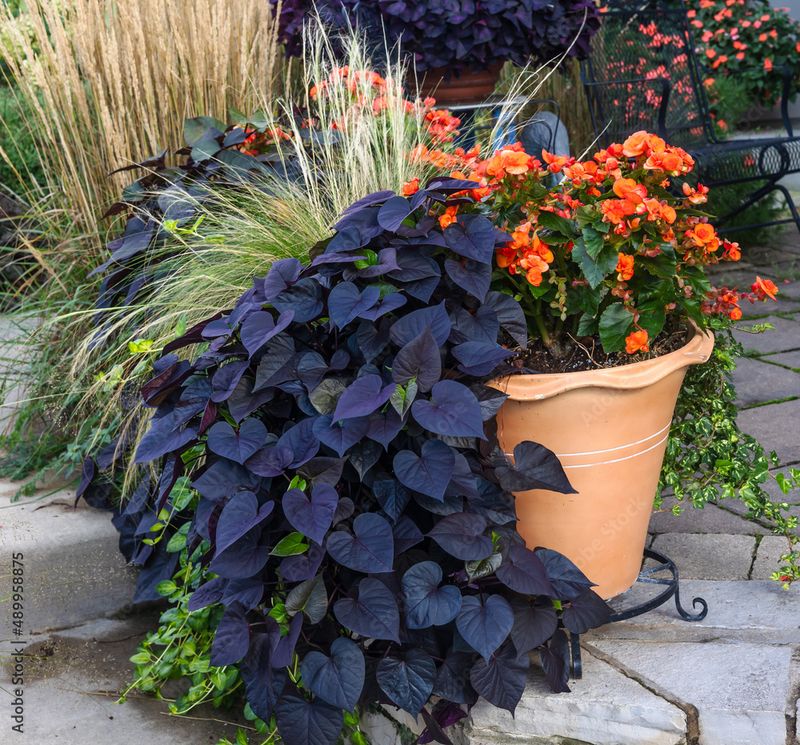
Sweet potato vine is not just for the vegetable garden. The ornamental version spills dramatically over container edges with heart-shaped leaves in electric lime green, deep purple, or bronze, creating a cascading effect that looks professionally designed.
Florida’s heat and humidity are exactly what this vigorous grower craves.
It pairs beautifully with upright plants like pentas or angelonia in mixed containers. Trim it back if it gets too aggressive, but honestly, watching it grow is half the fun.
Torenia
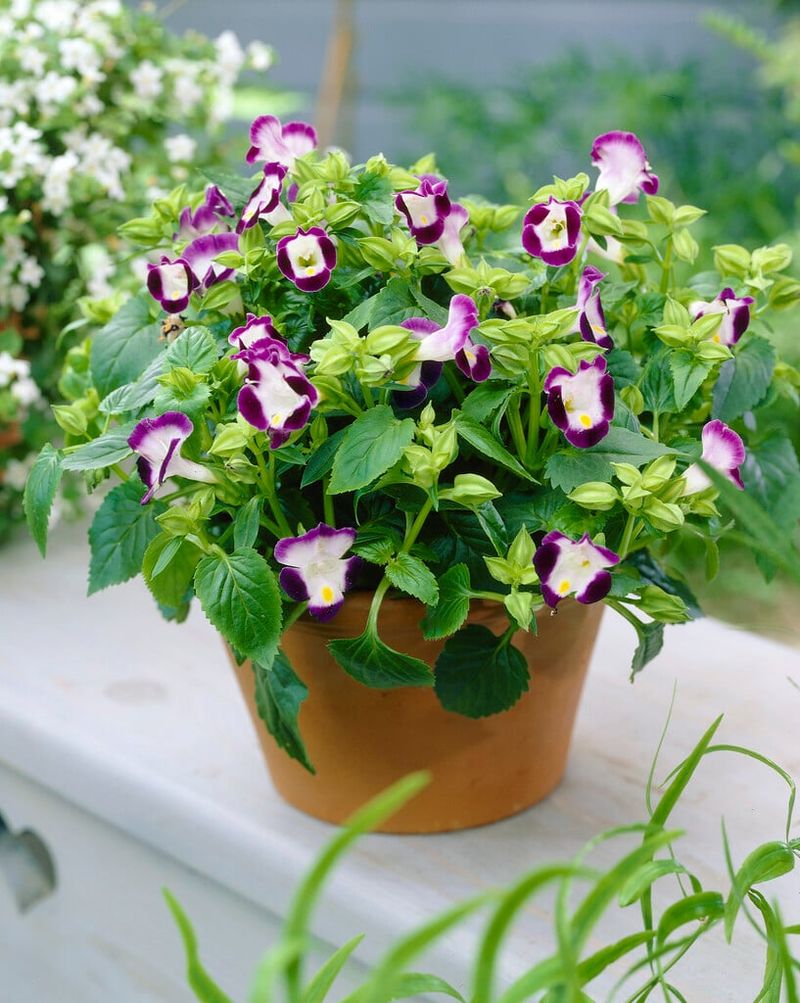
Torenia, nicknamed the wishbone flower, is a hidden gem for shady Florida patios. Its delicate blooms look like tiny orchids, appearing in purple, pink, white, and bicolor combinations throughout the warm months.
Unlike many flowering plants, torenia actually prefers shade, making it ideal for covered balconies.
Keep the soil consistently moist since torenia does not like to dry out. It works beautifully in hanging baskets where its slightly trailing habit can really show off.
New Guinea impatiens
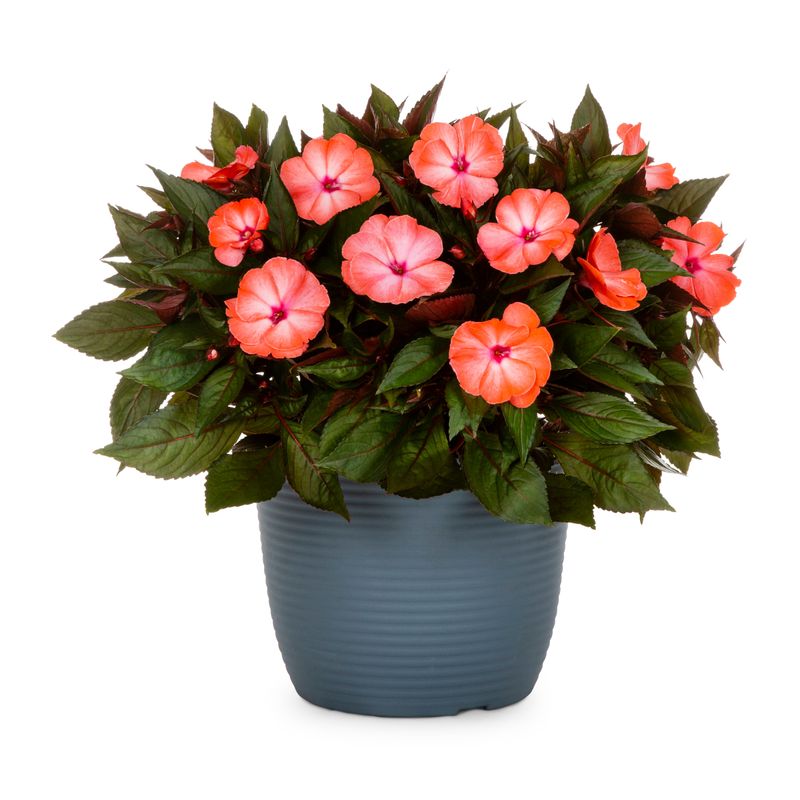
Regular impatiens can struggle with a fungal disease, but New Guinea impatiens is made of tougher stuff. These large, showy flowers come in bold shades of orange, red, pink, and purple and tolerate more sun than their traditional relatives.
They bring serious color to Florida patios from spring through fall.
They grow best in partial sun with some afternoon shade. Keep the soil moist and fertilize every two weeks to encourage the biggest, most impressive blooms possible.
Gerbera daisy
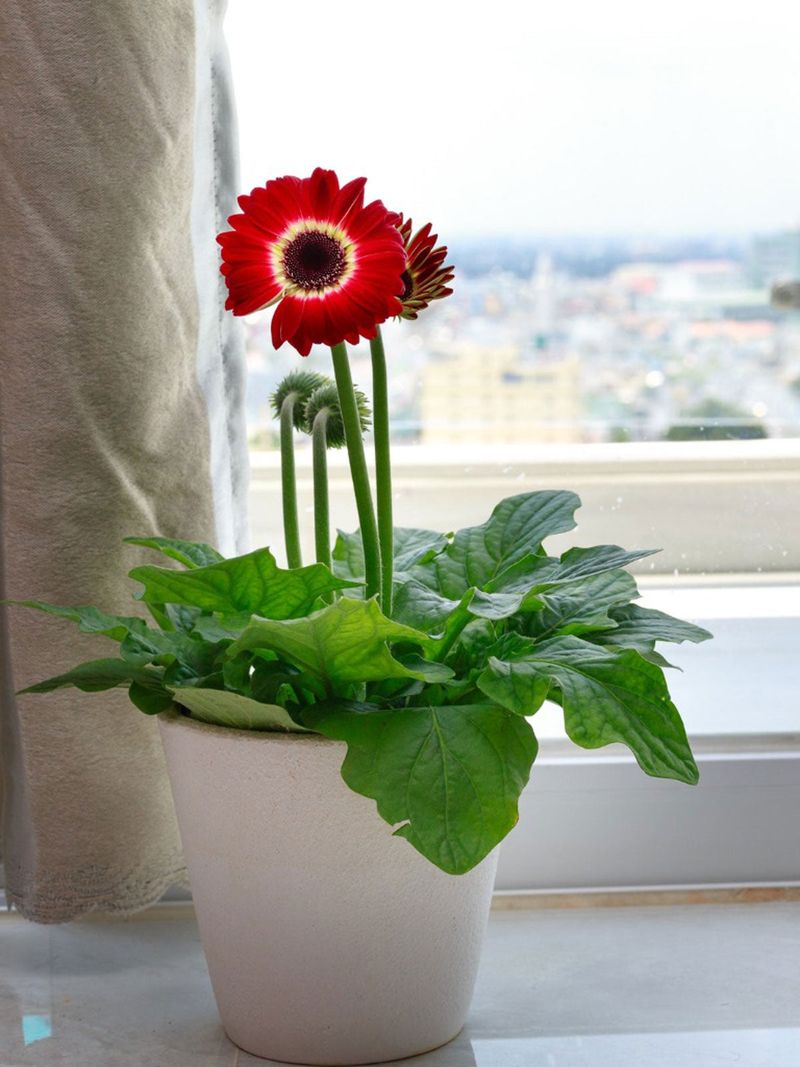
Gerbera daisies bring that cheerful, sunny energy that makes a patio feel instantly welcoming. Their large, daisy-like flowers come in almost every color imaginable, from deep red to pale peach to bright yellow.
In Florida, they bloom best during the cooler months, making them a fantastic fall and winter container choice.
Plant them in full sun with excellent drainage. Avoid wetting the leaves when watering since moisture on the foliage can lead to fungal problems in humid Florida weather.
Celosia
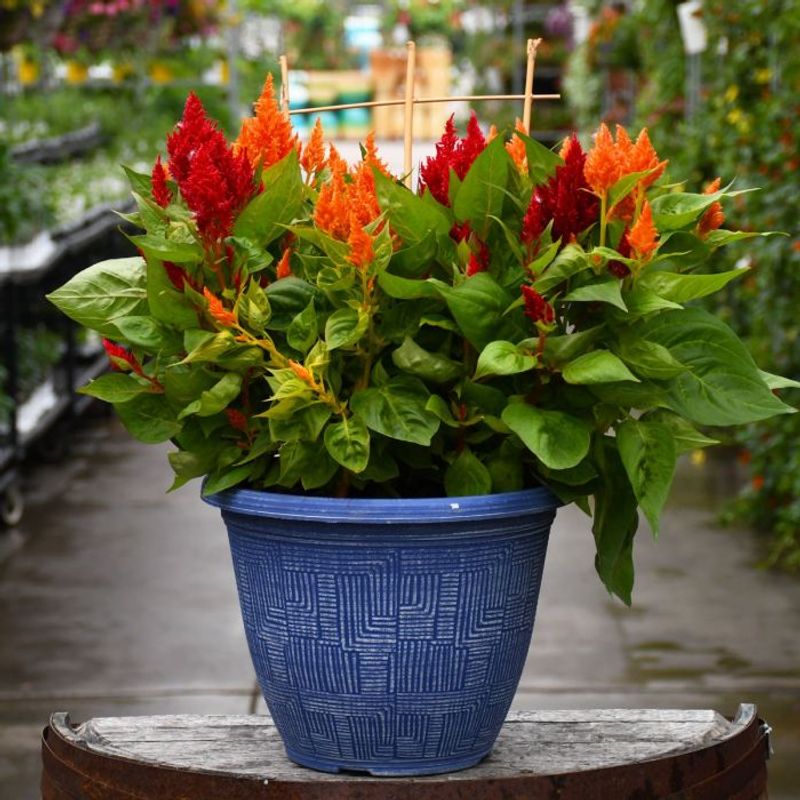
Celosia looks like someone set the garden on fire in the best possible way. Its plume or cockscomb-shaped flower heads come in blazing shades of red, orange, yellow, and magenta and hold their color for months.
Florida’s heat and sunshine are exactly what celosia needs to perform at its absolute best.
Full sun and well-drained soil are the keys to success. Celosia also makes a wonderful cut flower, so you can bring some of that brilliant color indoors too.
Dusty miller
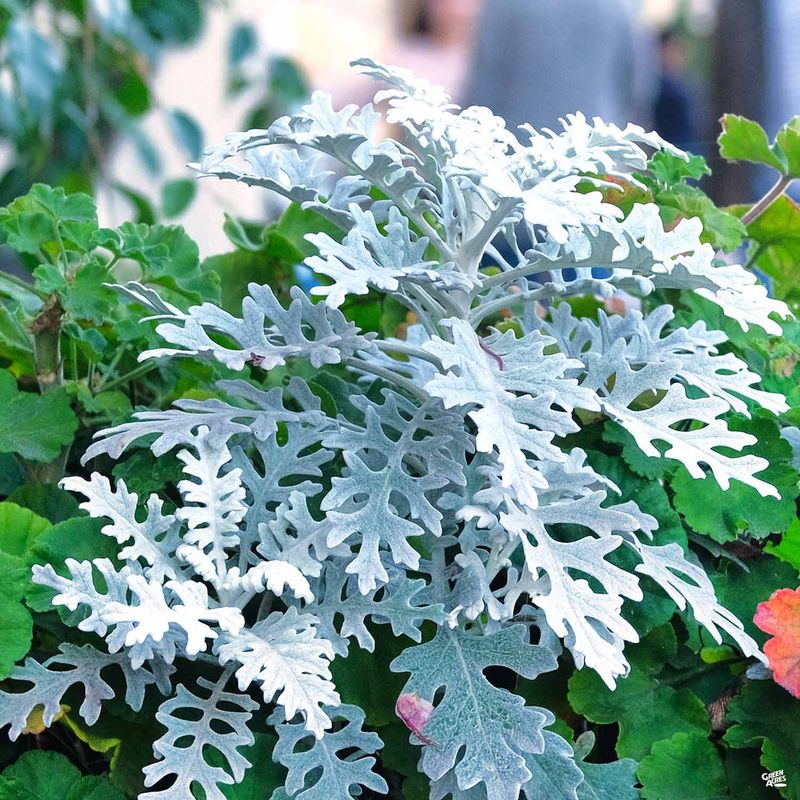
Dusty miller earns its place on the patio through its striking silver-white foliage rather than its flowers. That soft, velvety texture makes colorful neighboring plants pop even more, acting like a natural spotlight.
It handles Florida’s heat well, especially during the cooler dry season when conditions are most favorable.
Full sun and good drainage are all it really needs. Use it as a filler or edging plant in mixed containers to add contrast and a sophisticated, designer touch.
Joseph’s coat
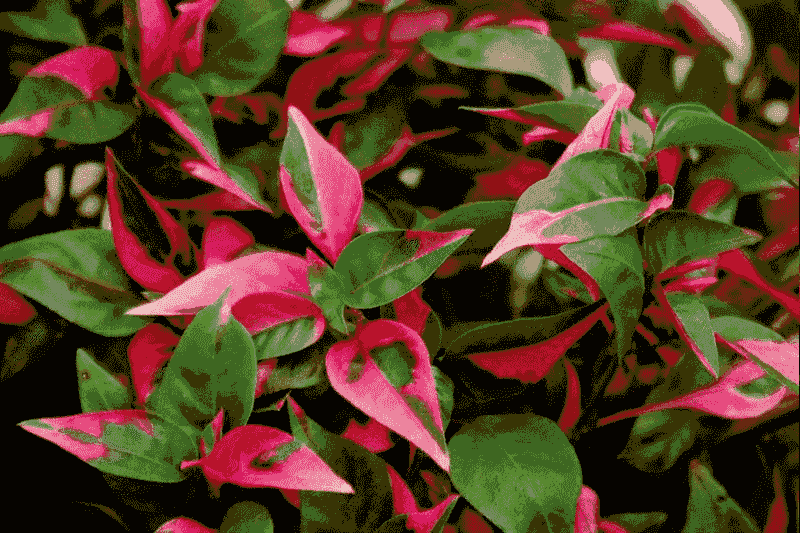
Joseph’s coat, also known as alternanthera, is a low-growing foliage plant that looks like it was painted by an artist. Its small leaves come in vivid combinations of red, orange, yellow, and green, and it holds its color beautifully in Florida’s sunny, warm climate.
It is often used to create patterns in garden beds, but it shines in containers too.
Give it plenty of sun for the brightest color. Trim it occasionally to keep the shape neat and compact.
Ti plant
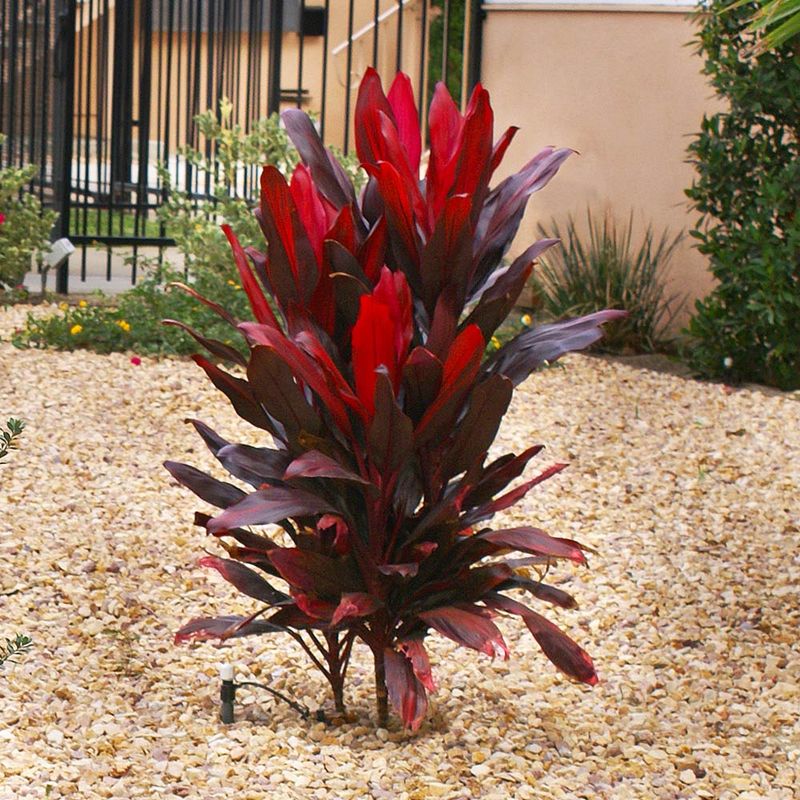
The ti plant brings serious tropical drama to any patio or balcony. Its long, arching leaves come in rich shades of deep purple, red, green, and pink, giving off major Hawaiian resort vibes.
Florida’s warm, humid climate is practically perfect for this striking plant, which can grow quite large in a container over time.
It handles both sun and partial shade well. Water regularly during hot months and reduce watering slightly in cooler weather to keep it thriving.
Bird of paradise
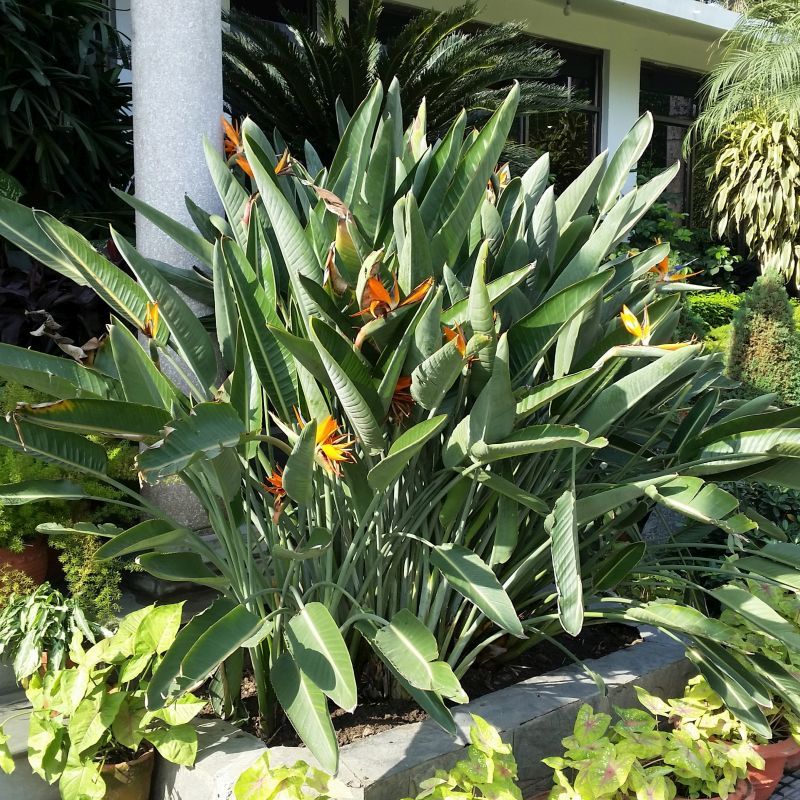
Bird of paradise is one of the most spectacular flowering plants you can grow in a container, and Florida’s climate is ideal for it. The iconic orange and blue blooms look like exotic tropical birds perched among the bold, banana-like leaves.
It takes a couple of years to start blooming, but the wait is absolutely worth it.
Full sun is essential for flowering. Use a large, heavy container since this plant grows tall and can become top-heavy as it matures.
Dracaena marginata
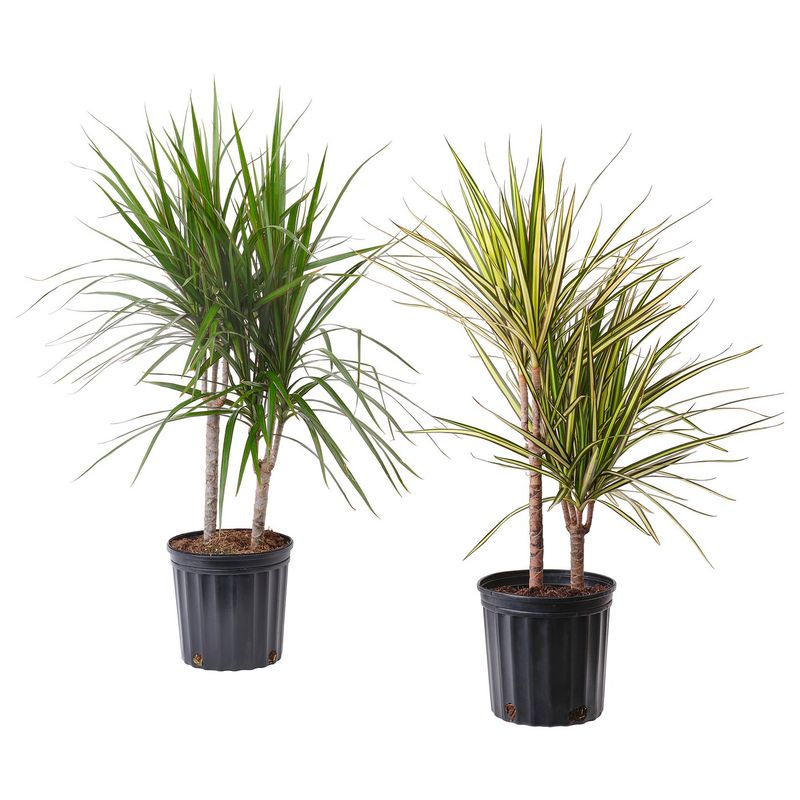
Dracaena marginata, also called the dragon tree, has a sculptural quality that instantly elevates the look of any patio. Its narrow, arching leaves edged in red grow from slender, ringed trunks, creating an architectural statement that works beautifully with modern or tropical decor.
It handles Florida’s heat without complaint.
This plant actually prefers to dry out slightly between waterings, so it is fairly forgiving if you miss a watering day. Bright indirect light or partial sun works best to prevent leaf scorch.
Agave
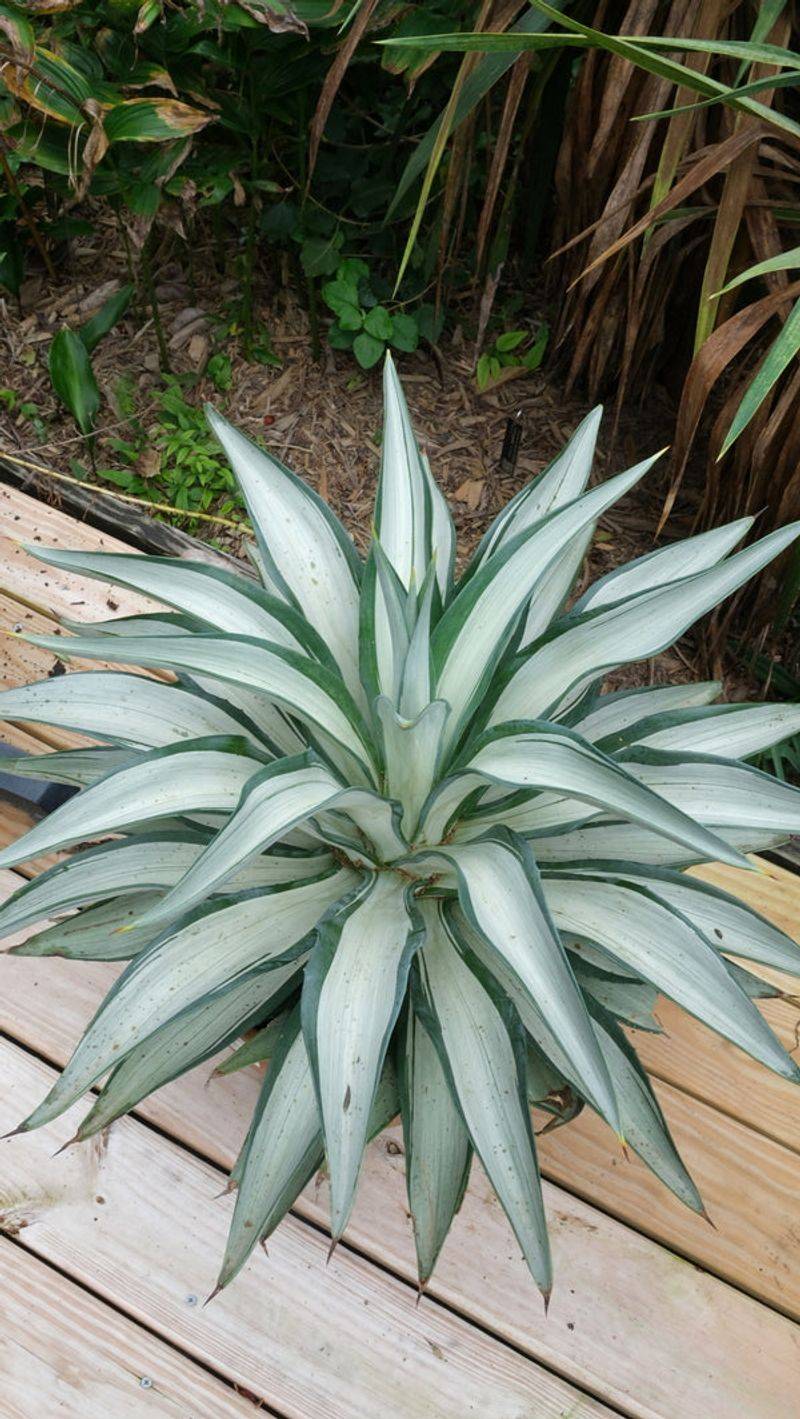
Agave is built for tough conditions, and Florida’s intense summer heat is no match for this architectural powerhouse. Its thick, spiky rosettes come in sizes ranging from tabletop small to impressively large, and the blue-gray or green foliage looks striking in simple, bold containers.
It is practically indestructible once established.
Drainage is the most critical factor since agave will rot in soggy soil. Place it in the sunniest spot on your patio and water only occasionally once it is settled in.
Cordyline
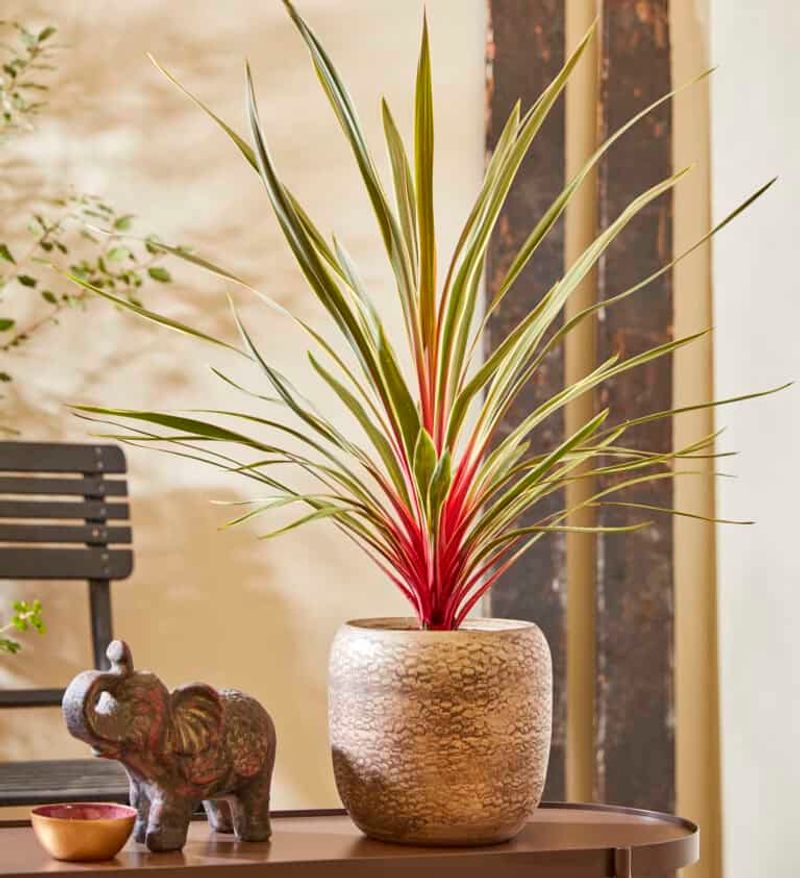
Cordyline looks like the cooler, more colorful cousin of the ti plant. Its long, sword-shaped leaves come in stunning shades of pink, red, burgundy, green, and cream, often with multiple colors on a single leaf.
Florida gardeners love it because it handles both sun and shade, making it incredibly versatile for different patio setups.
Water regularly during the growing season and feed it monthly with a balanced fertilizer. Over time, it develops a small trunk that adds even more character to the plant.
Cuphea
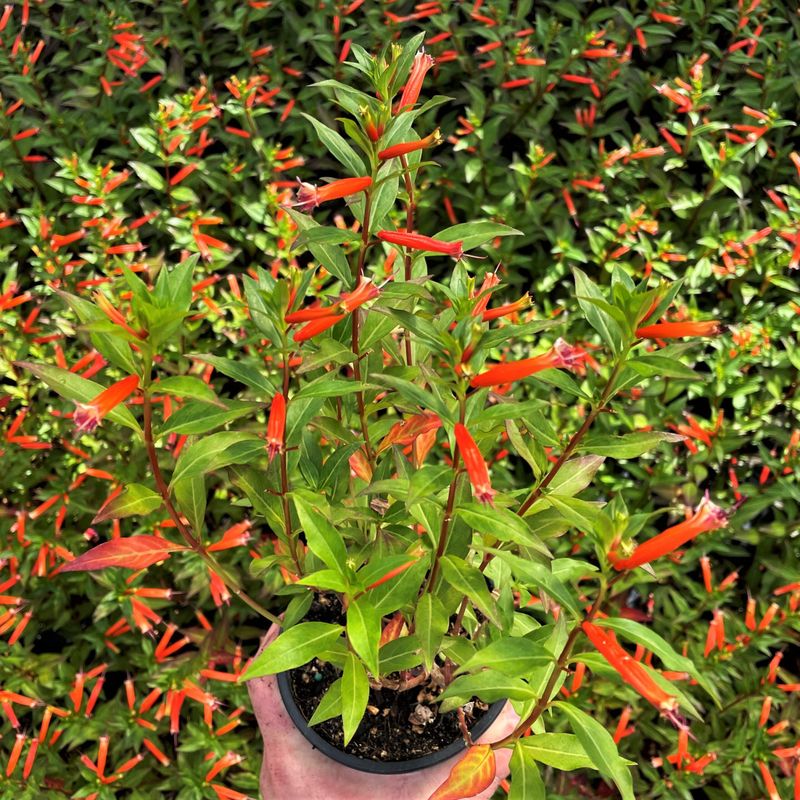
Hummingbird gardeners, meet your new best friend. Cuphea, sometimes called the cigar plant or bat-faced cuphea, produces tiny tubular flowers that hummingbirds and butterflies cannot resist.
It blooms almost year-round in Florida’s warm climate, filling containers with color and wildlife activity at the same time.
Full sun brings out the most flowers. This plant is surprisingly drought-tolerant once established, though regular watering during dry spells will keep it looking its very best throughout the season.
Persian shield
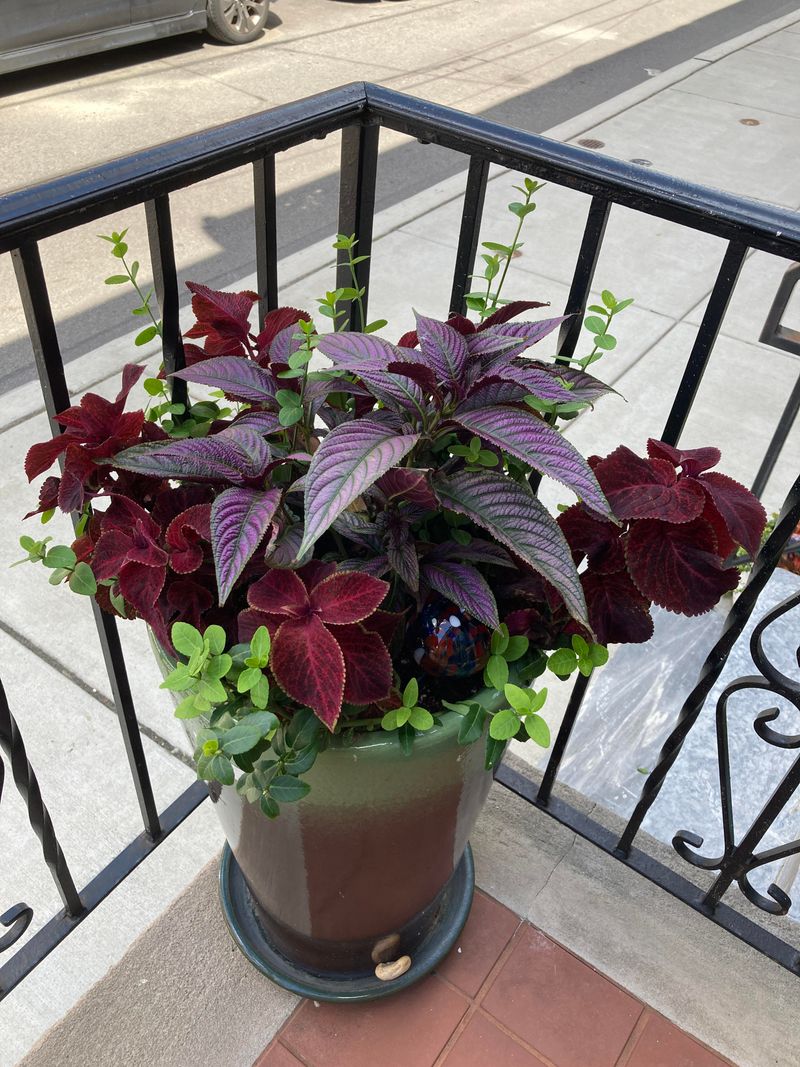
Persian shield might be the most visually dazzling foliage plant you will ever grow. Its leaves shimmer with an iridescent purple and silver metallic sheen that looks almost unreal in the right light.
Florida’s warm, humid climate suits it perfectly, and shaded or partially shaded patios are where it truly comes alive.
Keep the soil consistently moist and protect it from harsh afternoon sun, which can fade those spectacular colors. It pairs beautifully with green or lime-colored plants that let the purple really pop.
Blue salvia
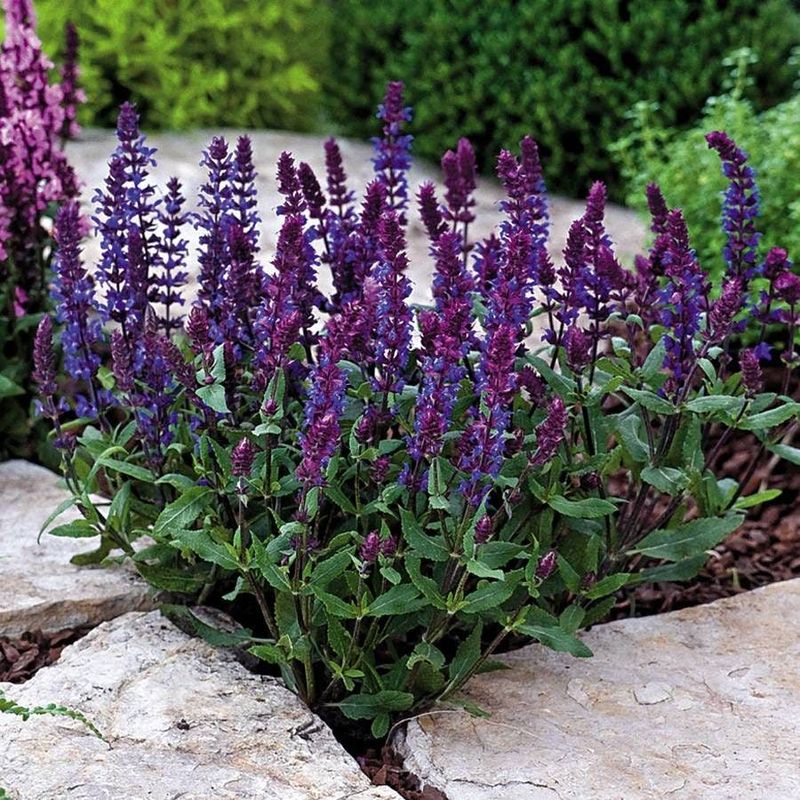
Blue salvia brings a cool, calming contrast to all the hot tropical colors typical of Florida container gardens. Its tall, elegant spikes of deep blue or violet flowers bloom from spring through fall and attract butterflies and bees in impressive numbers.
The silvery-green foliage is aromatic, adding another sensory layer to the patio experience.
Full sun is essential for strong, upright growth. Blue salvia is also quite drought-tolerant once established, making it a practical choice for gardeners who travel or have busy schedules.
Ornamental pepper
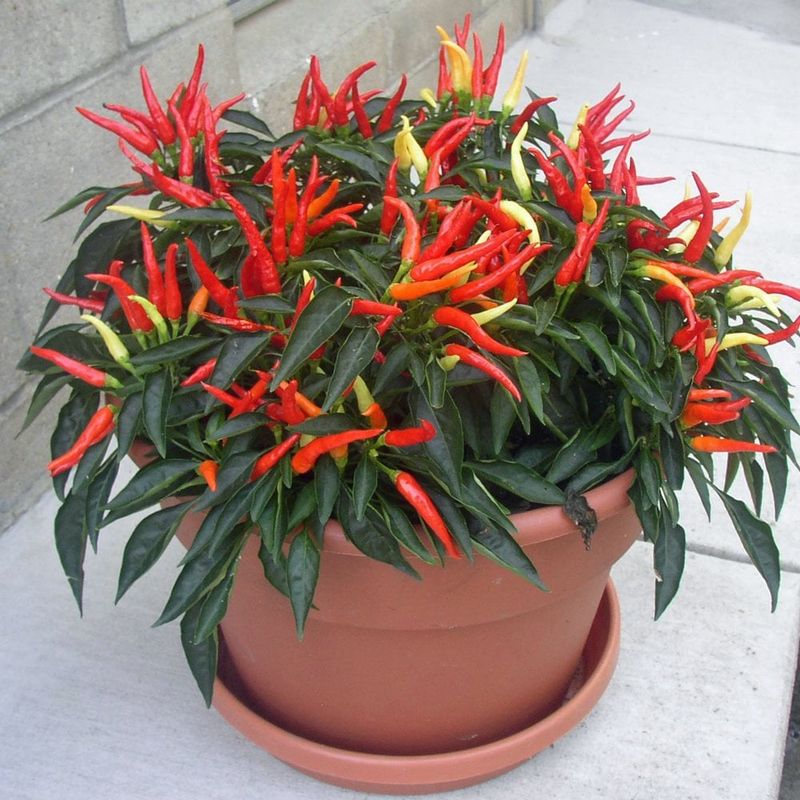
Ornamental pepper is basically a party in a pot. Its small, upright peppers ripen through a rainbow of colors, going from purple to yellow to orange to bright red all at once on the same plant.
Florida’s sunny, warm conditions are ideal, and these plants thrive from summer right through fall.
Full sun produces the most vibrant pepper colors. The fruits are technically edible but extremely hot, so they are best enjoyed as a visual treat rather than a culinary one.