


Florida’s warm climate and sunshine make it one of the best places in the country to have a lush, green yard all year long. The secret to keeping your landscape looking great through every season is choosing the right evergreen plants.
These plants hold onto their leaves no matter the time of year, giving your yard color, texture, and life even in the cooler months. Whether you have a small backyard or a sprawling lawn, these 20 evergreen plants are tried-and-true favorites for Florida homeowners.
Podocarpus
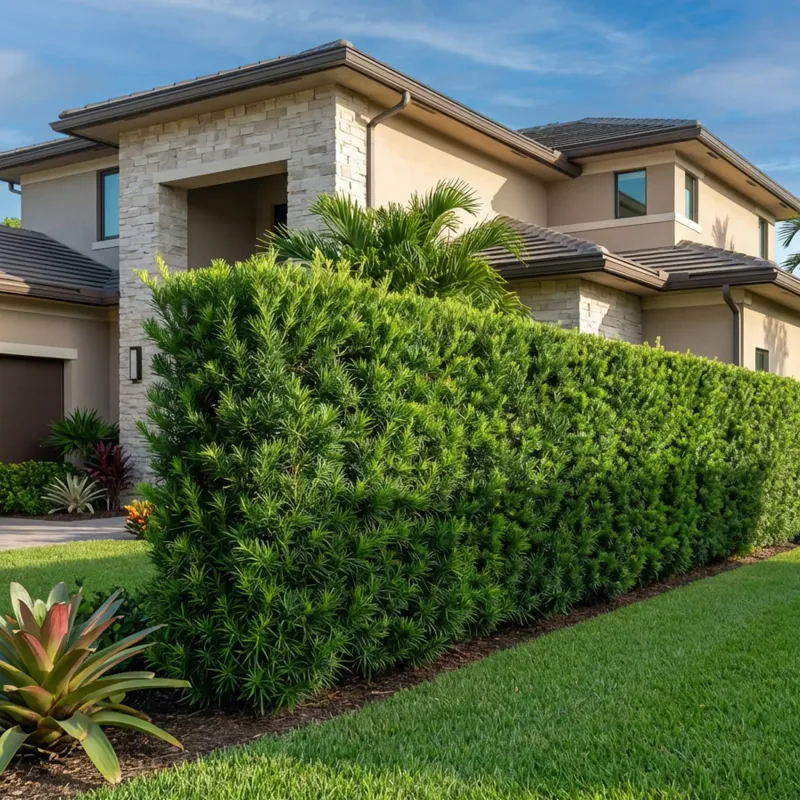
Think of Podocarpus as the ultimate privacy screen for Florida yards. This tall, narrow evergreen grows quickly and can be shaped into a thick hedge that blocks nosy neighbors and road noise alike.
Gardeners love it because it handles both full sun and partial shade without complaining.
It also tolerates salt spray, making it a smart pick for coastal Florida homes. Low maintenance and pest-resistant, Podocarpus is a workhorse that stays green and tidy throughout the year.
Clusia
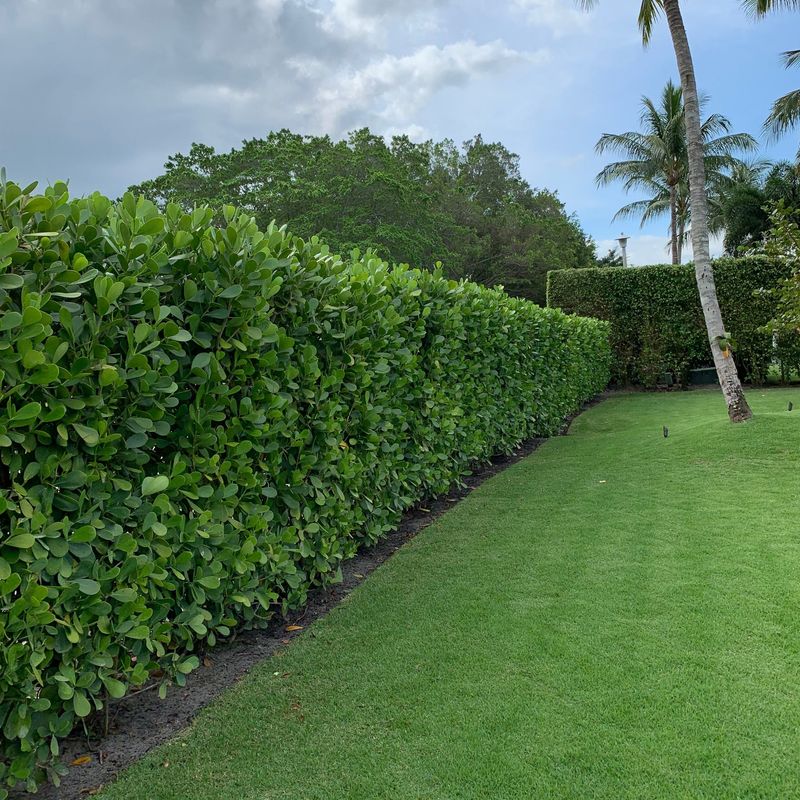
Clusia is practically bulletproof when it comes to Florida weather. Its thick, rubbery leaves shrug off salt, wind, drought, and humidity without missing a beat.
That tough attitude has made it one of the most popular hedge plants across South Florida neighborhoods.
Fun fact: people sometimes call it the “autograph tree” because you can scratch words into its leaves. Beyond the novelty, Clusia forms a dense, beautiful barrier that stays vibrant green no matter the season.
Yaupon Holly
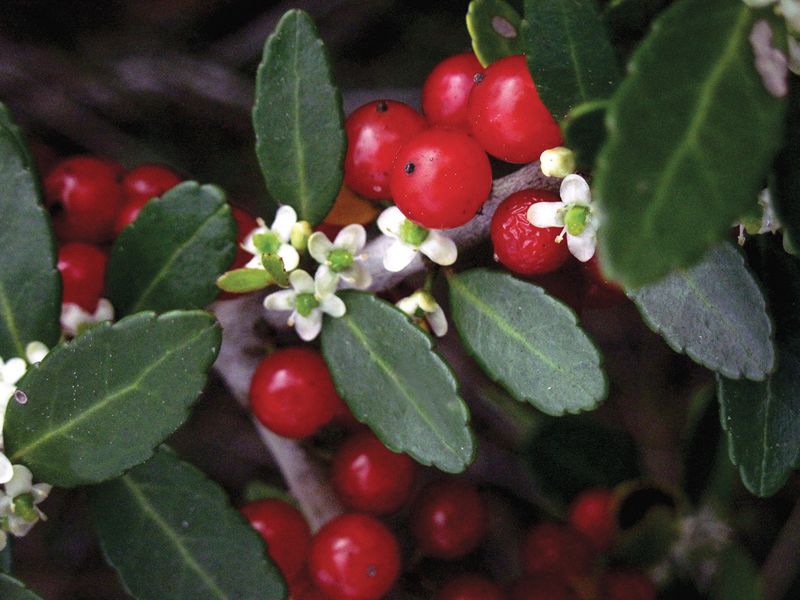
Native to Florida and loaded with personality, Yaupon holly brings both beauty and wildlife value to any yard. Its small, glossy leaves stay green year-round, and in fall and winter, clusters of bright red berries appear that birds absolutely adore.
Did you know Yaupon holly is the only caffeinated plant native to North America? Indigenous people brewed its leaves into tea for centuries.
Today, it works beautifully as a hedge, specimen plant, or naturalized border in Florida landscapes.
Dahoon Holly
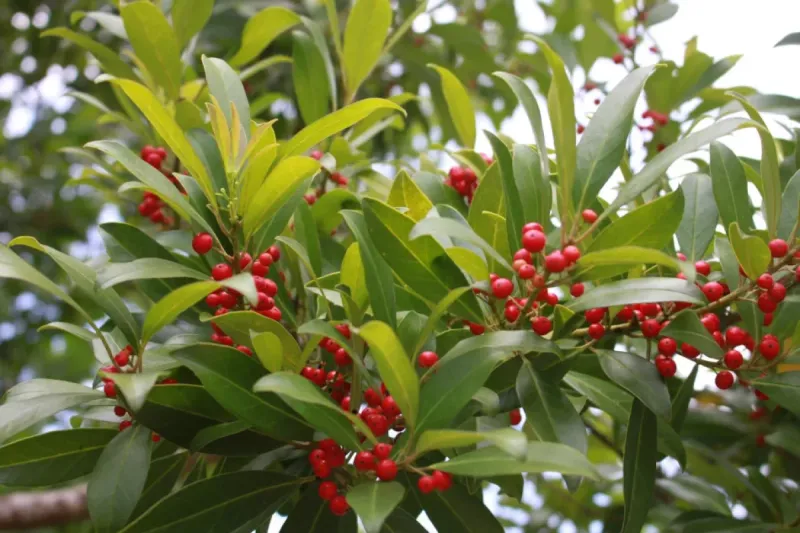
Dahoon holly has a graceful, almost storybook quality to it, especially when its branches are dripping with clusters of red or orange-red berries in winter. Native to Florida, this small tree thrives in moist, low-lying areas where other plants struggle to survive.
It is a favorite among landscapers who want a vertical evergreen element that also supports local wildlife. Cardinals, mockingbirds, and other birds flock to Dahoon holly for its berries, turning your yard into a backyard bird sanctuary.
Wax Myrtle
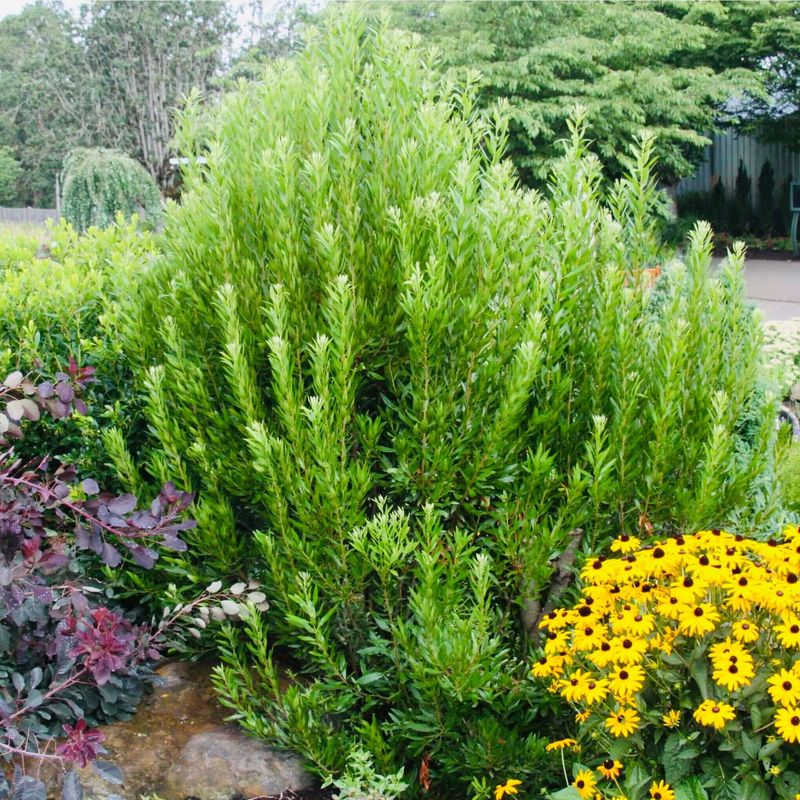
Wax myrtle is the kind of plant that works hard without asking for much in return. This fast-growing Florida native can reach 15 feet tall if left untrimmed, forming a dense screen of aromatic, grey-green foliage that smells faintly sweet when brushed against.
Birds love the small waxy berries it produces. Wax myrtle tolerates wet soils, drought, and salt spray, covering nearly every challenging Florida growing condition.
Trim it into a hedge or let it grow wild as a naturalistic privacy screen.
Cocoplum
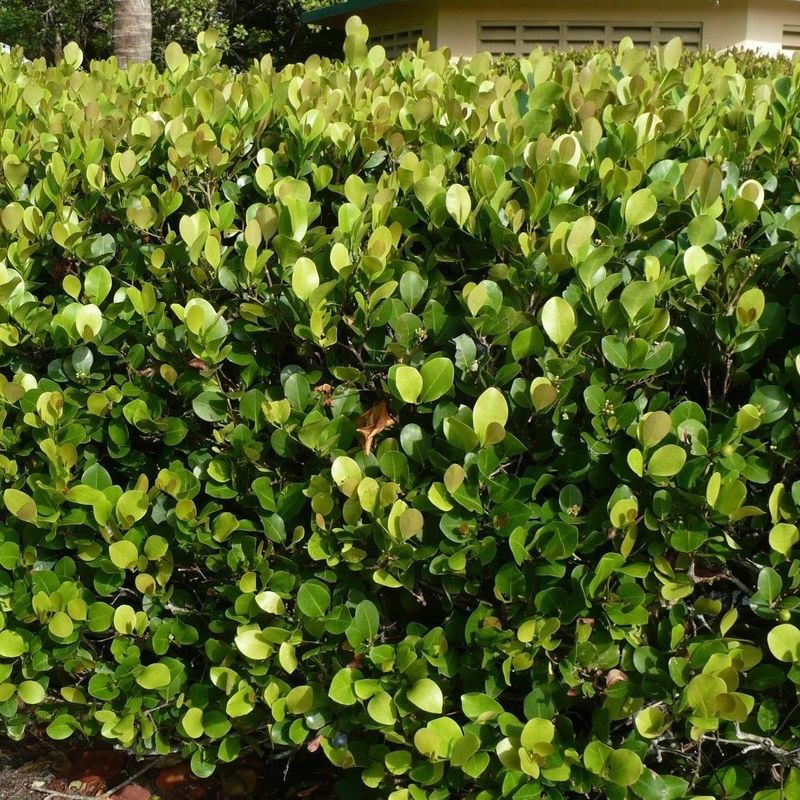
Cocoplum is a South Florida classic, showing up in everything from highway medians to upscale residential gardens. Its round, glossy leaves create a refined, polished look, and the small plum-like fruits it produces are actually edible, with a mild, sweet flavor that wildlife enjoys too.
Salt-tolerant and drought-hardy once established, Cocoplum fits right into the coastal Florida lifestyle. It can be shaped into a formal hedge or allowed to grow more freely as a lush, tropical-looking shrub that stays green all year.
Carolina Cherry Laurel
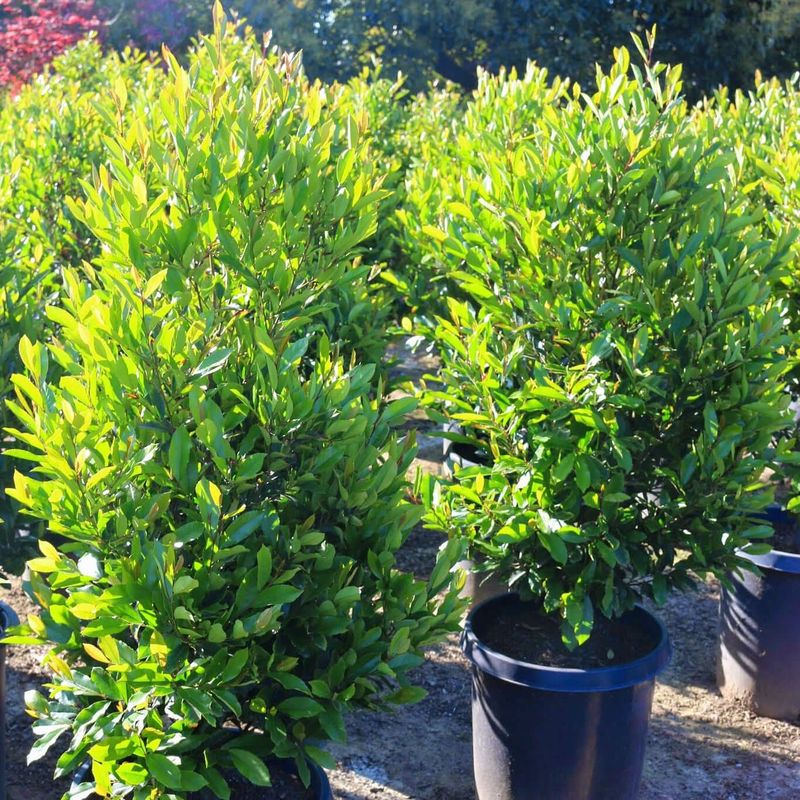
Fast-growing and unfussy, Carolina cherry laurel earns its spot in Florida yards by filling in quickly and staying thick and green with minimal effort. Its dark, glossy leaves give it an elegant, almost formal appearance that works well as a tall hedge or small specimen tree.
The fragrant white flower clusters that appear in spring are a bonus that many homeowners do not expect. Just keep in mind that the seeds are toxic to pets and children, so plant it thoughtfully in households with little ones running around.
Pittosporum
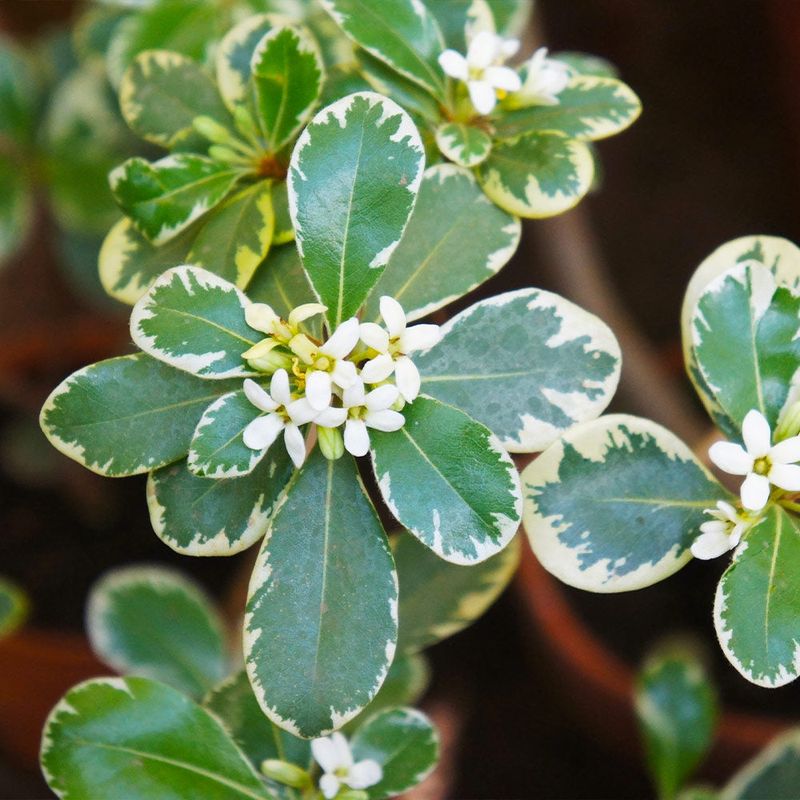
Walk past a blooming Pittosporum in spring and you will stop in your tracks. The small white flowers smell like orange blossoms, filling the air with a sweetness that feels almost tropical.
Beyond its seasonal charm, Pittosporum holds its dark, wavy-edged leaves all year and forms a reliable, compact hedge.
It handles Florida heat well and tolerates both full sun and light shade. Variegated varieties add a splash of creamy white to the foliage, brightening up shady corners of the yard effortlessly.
Natal Plum
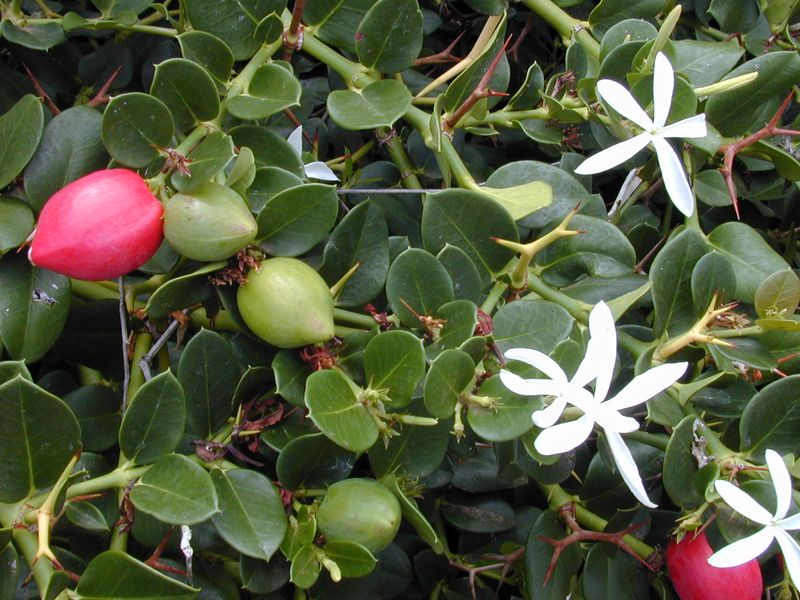
Natal plum brings a tropical, exotic energy to Florida yards with its glossy leaves, star-shaped white flowers, and small red fruits that appear almost simultaneously on the same plant. Originally from South Africa, it has adapted beautifully to Florida’s heat and humidity.
Its sharp thorns make it a natural security hedge that even the most determined intruder would think twice about crossing. The red fruits are edible and taste faintly like cranberries, which makes this plant as functional as it is beautiful throughout the year.
Arborvitae
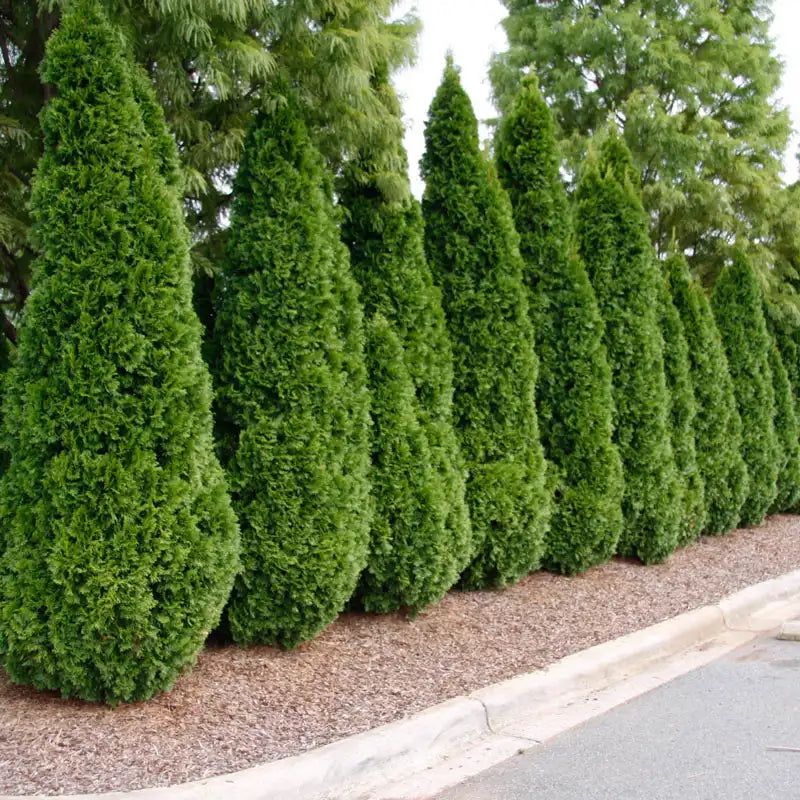
Arborvitae brings a classic, structured look to Florida landscapes with its tall, column-like shape and soft, feathery green foliage. Planted in a row, these trees create an almost instant privacy wall that looks tidy and intentional without needing constant trimming to stay in shape.
They prefer the slightly cooler temperatures of North and Central Florida, where they thrive in well-drained soil. Arborvitae is also deer-resistant, which is a welcome bonus in neighborhoods where browsing deer regularly snack on landscaping plants overnight.
Japanese Blueberry
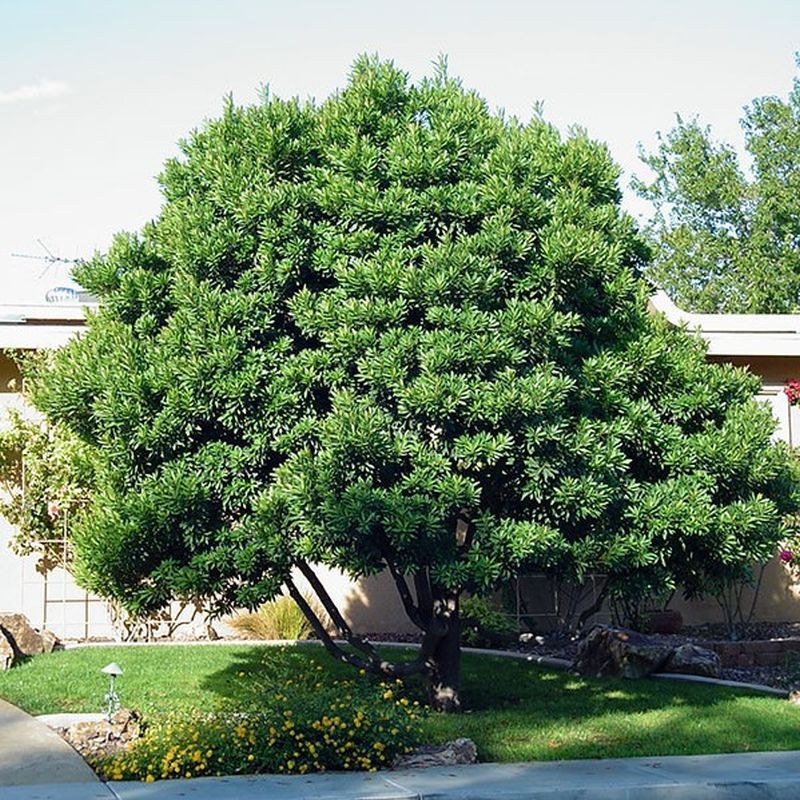
Japanese blueberry trees have a quiet elegance that makes them stand out in any Florida yard. New leaf growth flushes in brilliant shades of red and pink before maturing to deep, glossy green, giving the tree a multi-toned look that shifts with the seasons without ever going bare.
It grows into a handsome shade tree over time and produces small blue berries that birds enjoy. Tolerant of Florida heat and humidity, Japanese blueberry is increasingly popular as a street tree and focal point in residential landscapes statewide.
Ligustrum japonicum
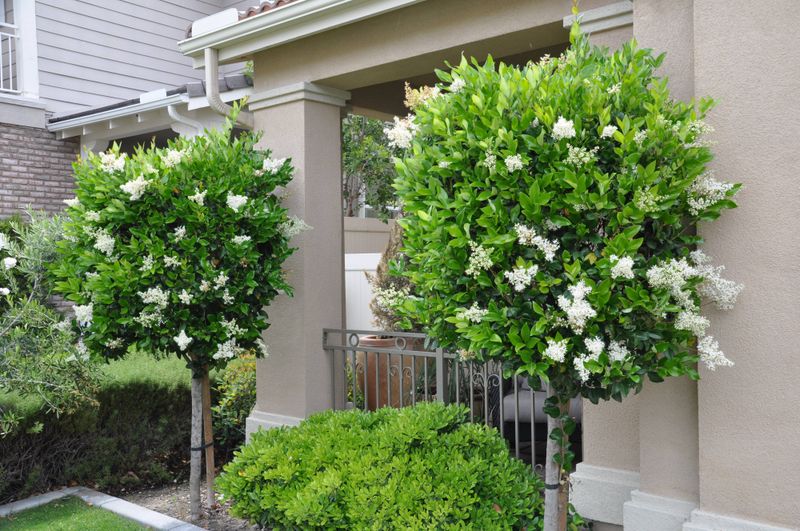
Ligustrum japonicum, commonly called Japanese privet, is one of the hardest-working evergreen shrubs in the Florida landscape toolkit. Its dense, dark green foliage grows quickly into a thick hedge that blocks wind, noise, and prying eyes with equal efficiency.
Clusters of small white flowers bloom in spring, adding a sweet fragrance to the yard. It tolerates a wide range of soil types and thrives in both sun and partial shade.
Regular trimming keeps it looking polished, but even left alone, it maintains a full, lush appearance year-round.
Confederate Jasmine
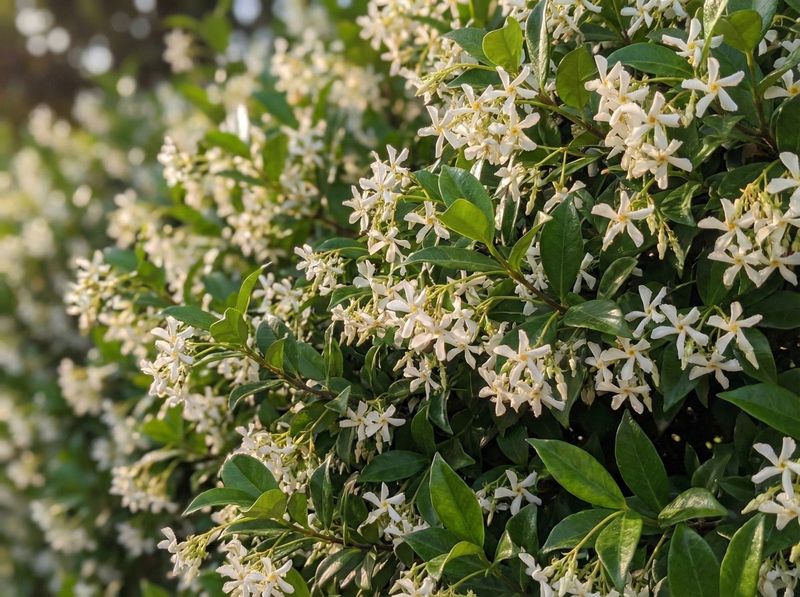
Few plants make a Florida yard smell as magical as Confederate jasmine in full bloom. Every spring, this vigorous climbing vine erupts in masses of tiny white star-shaped flowers that release a sweet, intoxicating fragrance that drifts across the entire yard on warm evenings.
Outside of blooming season, the dense, glossy green foliage keeps fences, trellises, and walls covered with lush greenery year-round. It grows quickly and can also be trained as a ground cover.
Heat-tolerant and easy to maintain, Confederate jasmine is a Florida landscape staple with real sensory appeal.
Juniper
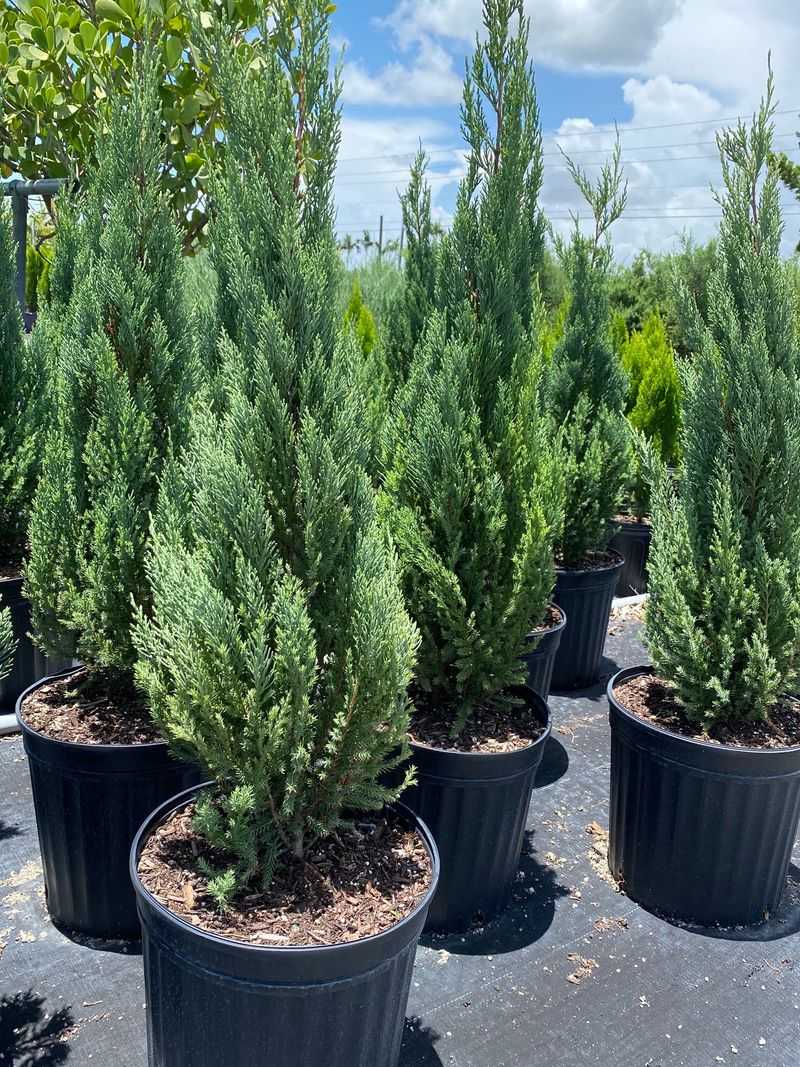
Junipers are the unsung heroes of the Florida landscape, quietly doing their job without demanding attention or extra watering. Low-growing varieties spread across slopes and garden beds as effective ground covers, while upright types add vertical structure and a silvery-blue or deep green color to the yard.
They handle drought, heat, and poor sandy soils exceptionally well, making them a natural fit for Florida’s challenging growing conditions. Juniper also releases a pleasant, earthy fragrance when its foliage is brushed, adding a subtle sensory layer to the garden experience.
Agave
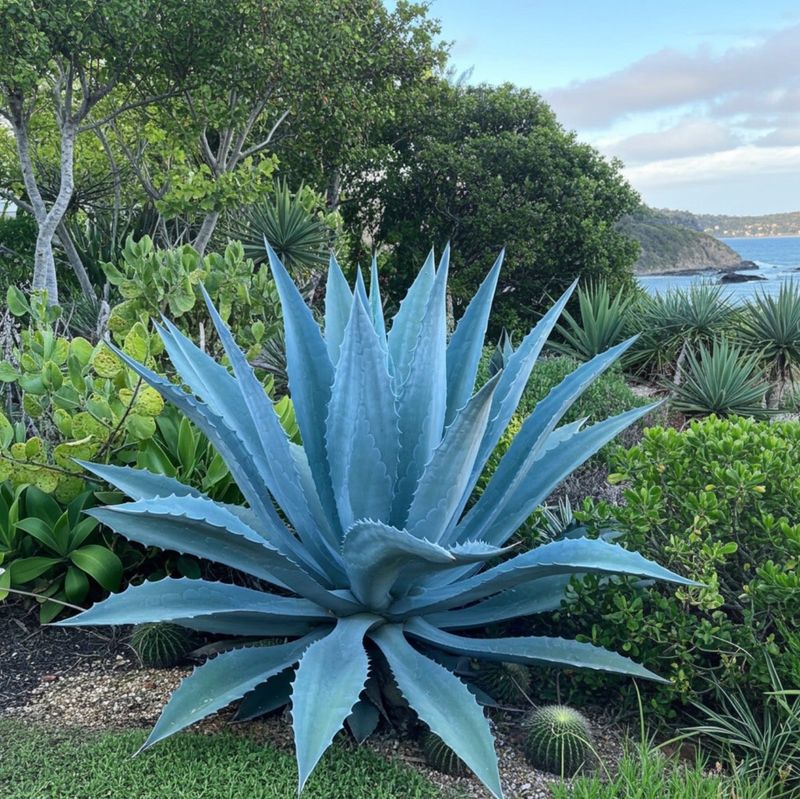
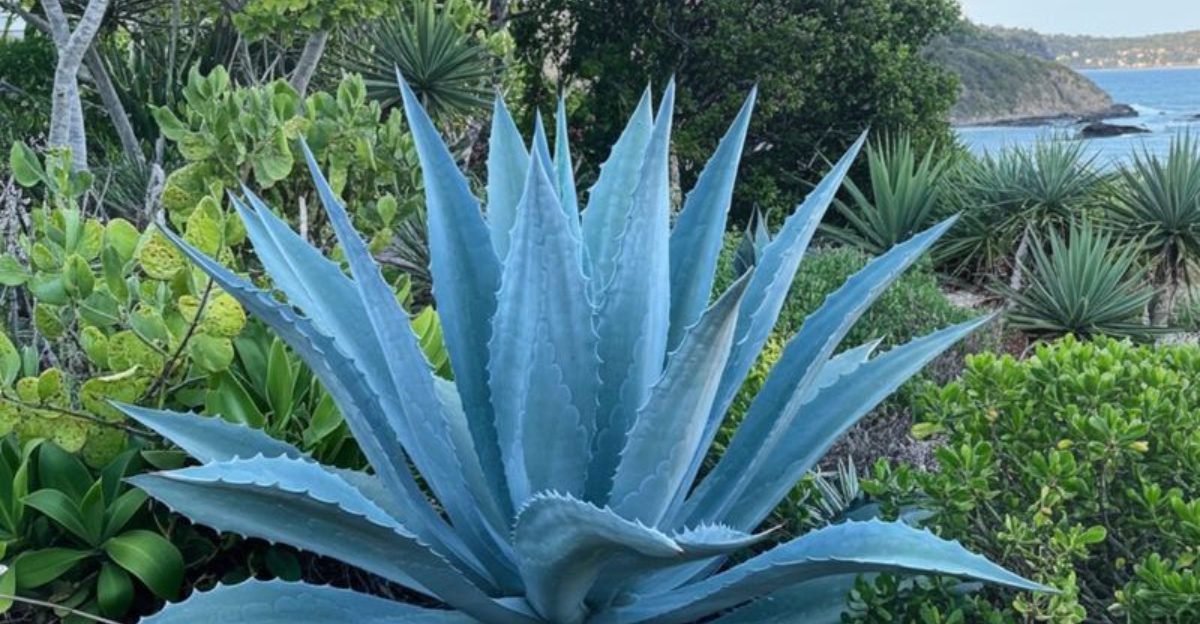
Bold, architectural, and almost intimidating in the best possible way, Agave commands attention the moment it appears in a Florida yard. Its thick, spiky leaves radiate outward in a dramatic rosette shape, creating a striking focal point that needs no companions to look impressive.
Agave is essentially drought-proof once established, making it perfect for Florida homeowners who want a stunning plant without the watering commitment. It thrives in full sun and sandy soil, and certain species can grow impressively large, turning a simple garden corner into a statement landscape feature.
Coontie
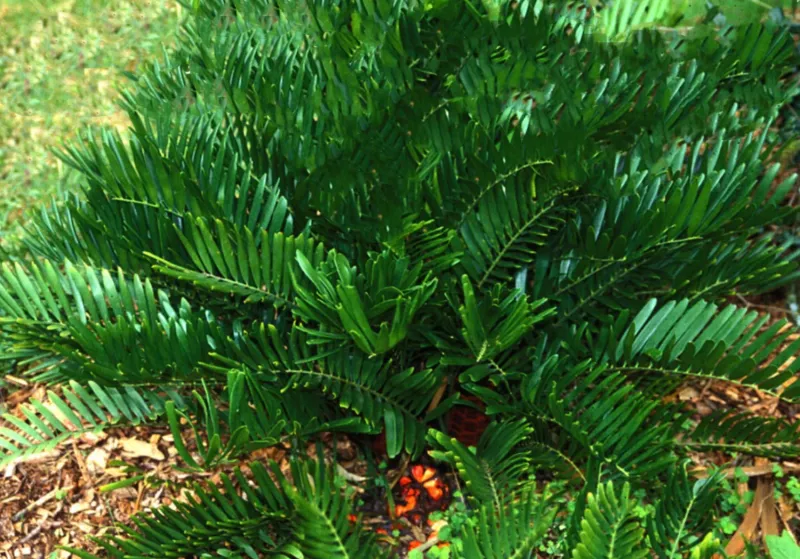
Coontie is a living piece of Florida history. This ancient cycad has been growing in Florida for thousands of years and was once harvested by indigenous peoples for its starchy roots.
Today, it is celebrated as a tough, low-maintenance native plant that looks great in both sun and shade.
Its dark green, feathery fronds give it a tropical, fern-like appearance that pairs beautifully with other native plants. Coontie is also the sole host plant for the endangered Atala butterfly, so planting it actively supports local wildlife and ecological balance.
Areca Palm
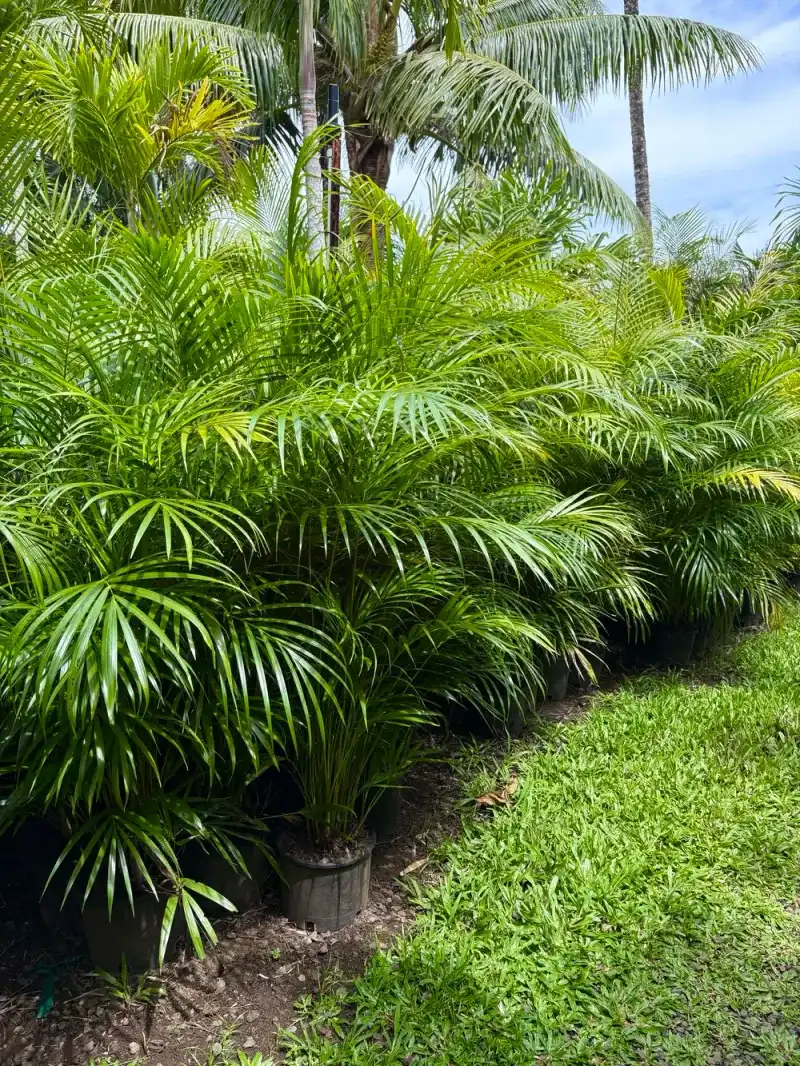
Areca palm brings that unmistakable tropical resort vibe to Florida yards without requiring a landscaping crew to maintain it. Clusters of slender, golden-ringed trunks topped with feathery, arching fronds create a lush, full look that screams Florida living at its finest.
It grows relatively quickly and can reach 20 feet tall, making it excellent for creating privacy screens with a tropical flair. Areca palm performs best in warm South and Central Florida, where it stays lush and green through every month of the year with moderate watering.
Lady Palm
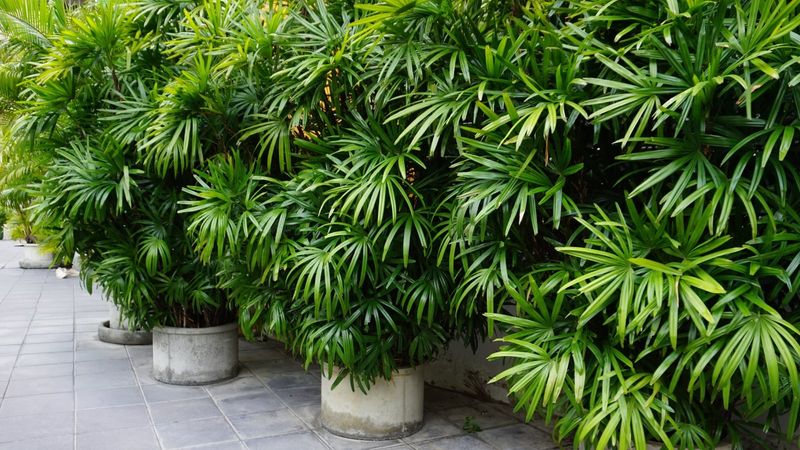
Elegant and shade-loving, Lady palm is one of the few palms that actually prefers growing out of direct sunlight, making it a rare and valuable plant for covered patios, shaded entryways, and areas under tree canopies. Its fan-shaped, deep green fronds grow in a refined, upright cluster that feels almost sculptural.
Lady palm grows slowly but lives for decades, rewarding patient gardeners with a timeless, sophisticated look. It also performs exceptionally well as an indoor or patio container plant, adapting beautifully to Florida’s indoor-outdoor lifestyle year-round.
Indian Hawthorn
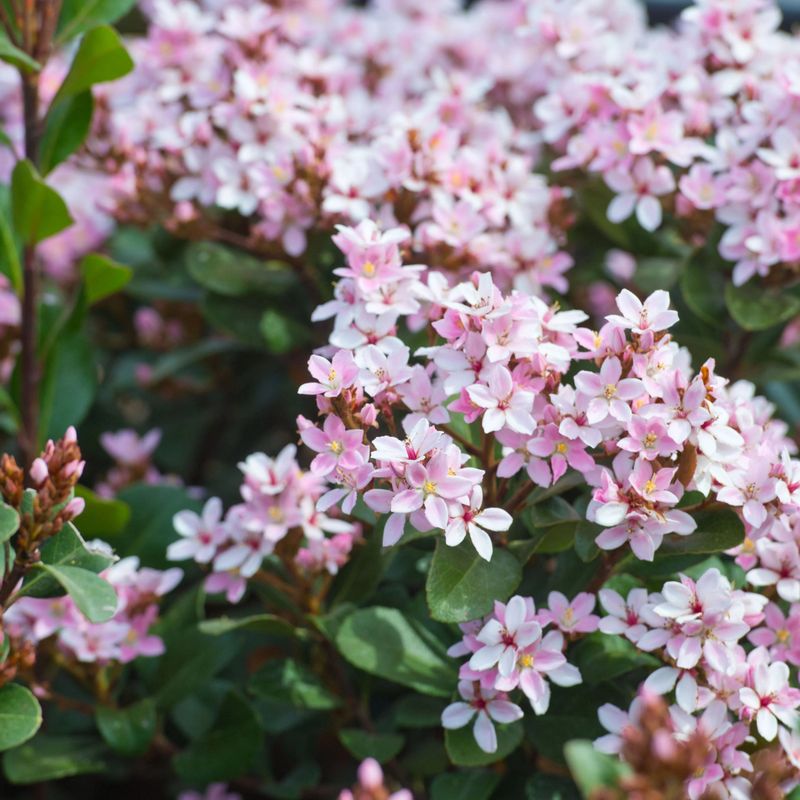
Indian hawthorn is one of those dependable plants that shows up in Florida landscapes everywhere for good reason. Every spring, it bursts into bloom with clusters of pink or white flowers that cover the entire shrub in a cheerful display, followed by small dark berries that birds enjoy through fall and winter.
Its compact, rounded form and deep green foliage make it a natural fit for borders, foundation plantings, and low hedges. Indian hawthorn handles heat, drought, and salt spray with ease, asking for very little once it settles into well-drained Florida soil.
Oleander
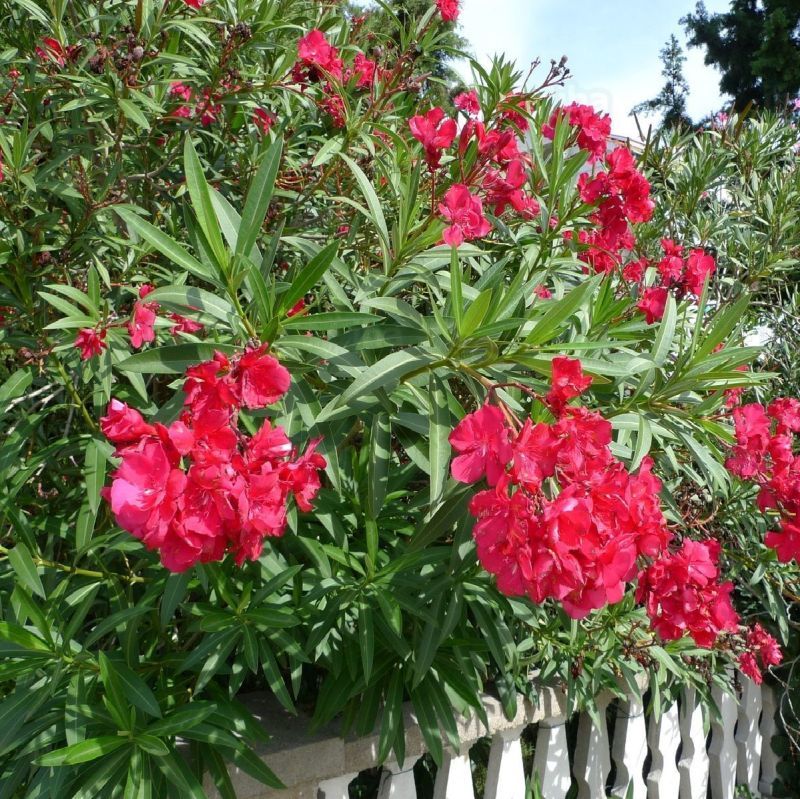
Oleander is Florida’s showstopper shrub, bursting into waves of pink, red, white, or yellow blooms from spring all the way through fall. Few plants deliver that level of color for that many months in a row, which explains why oleander lines roadsides, parking lots, and residential fences across the entire state.
It thrives in full sun, tolerates drought and salt spray, and grows quickly into a large, flowering screen. One important note: every part of the oleander plant is highly toxic if ingested, so it requires thoughtful placement around children and pets.