


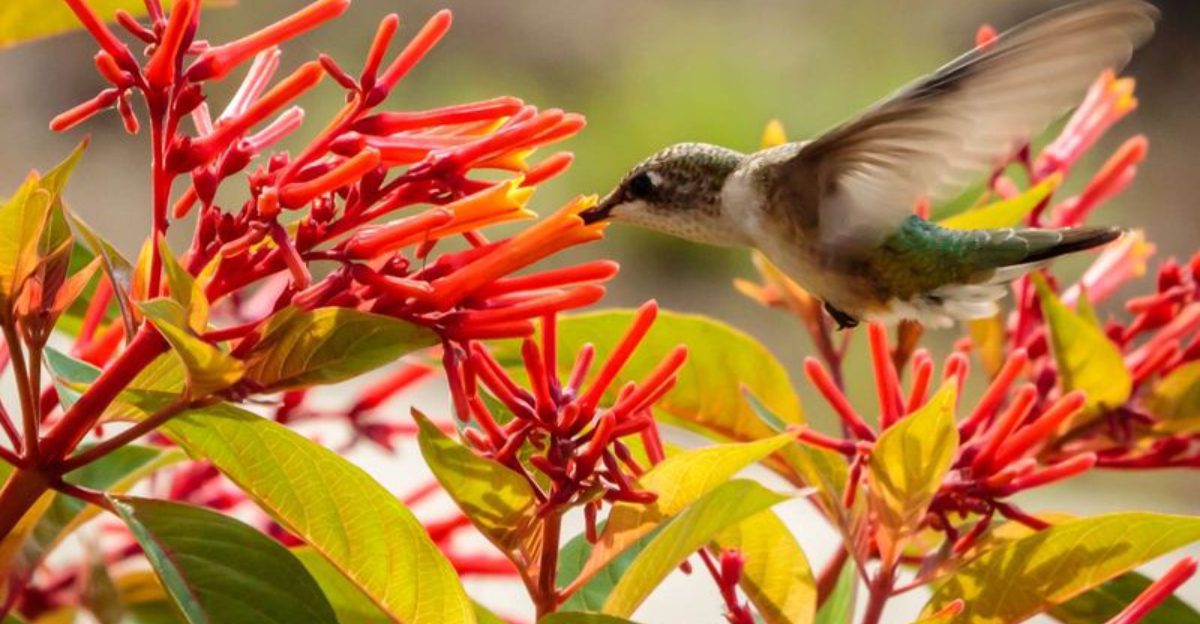
Florida gardeners are lucky to have one of the longest growing seasons in the country, which means more time to enjoy color in the yard. Choosing the right flowers makes all the difference, especially when summer heat and humidity can knock out less tough plants.
The flowers on this list are proven performers that keep blooming through Florida’s toughest conditions. Whether you are a beginner or a seasoned gardener, these picks will reward you with months of stunning color.
Pentas
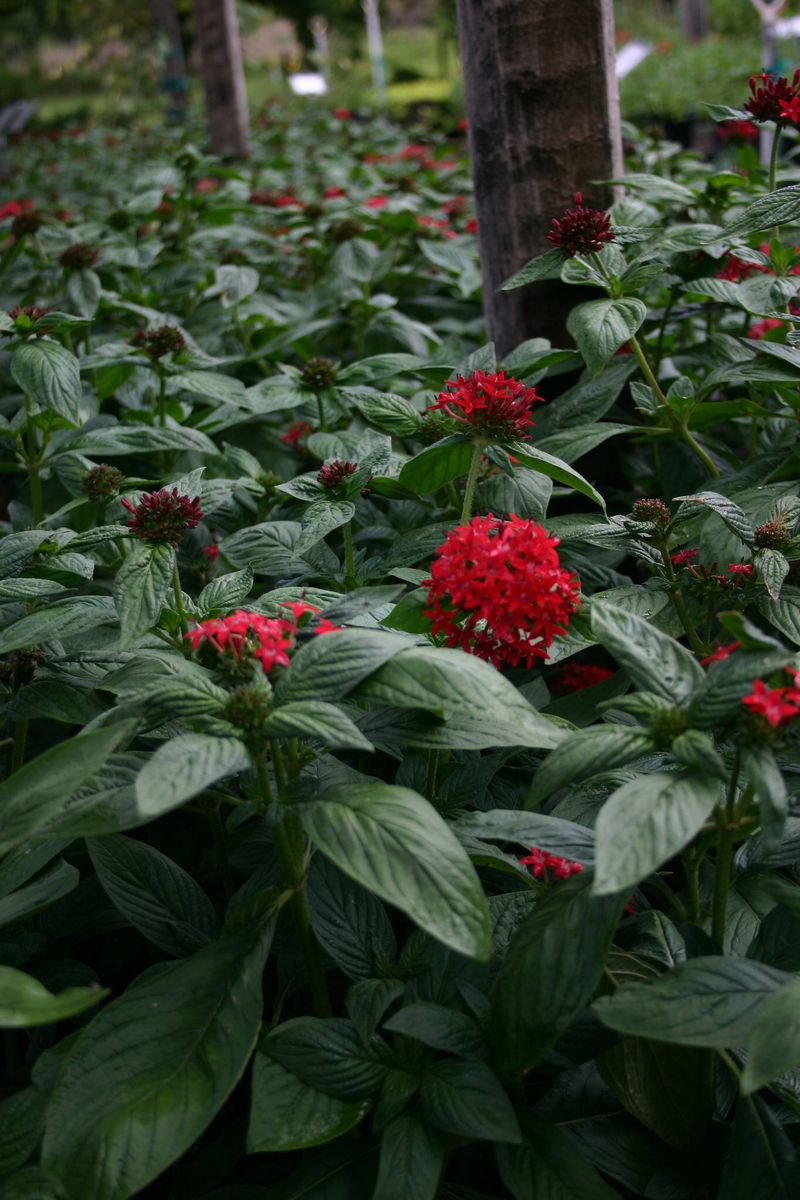
Butterflies and hummingbirds absolutely cannot resist pentas, making it one of the most exciting plants to add to any Florida yard. The star-shaped flower clusters come in red, pink, white, and lavender, offering a rainbow of choices.
They bloom almost nonstop from spring through fall.
Pentas love full sun and handle Florida heat like a champ. Plant them in well-drained soil and water regularly until established.
Deadheading spent blooms encourages even more flowers throughout the season.
Vinca
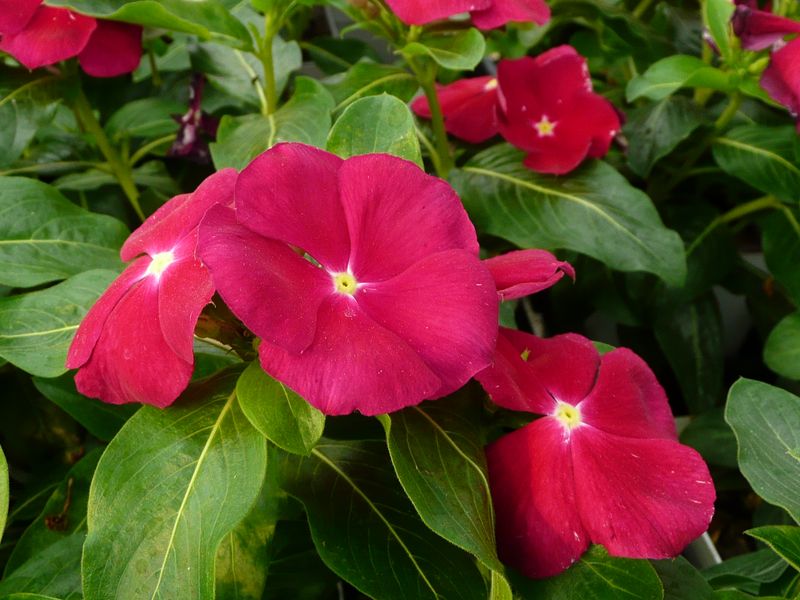
Few flowers are as tough and reliable as vinca in the Florida heat. Also called annual periwinkle, this plant thrives where other flowers struggle, shrugging off blazing sun and dry spells without complaint.
The cheerful blooms come in shades of pink, red, white, and bicolor.
Vinca is low-maintenance and practically takes care of itself once established. It works well in garden beds, borders, and containers.
Avoid overwatering, as soggy soil is one of the few things that can bring this tough plant down.
Angelonia
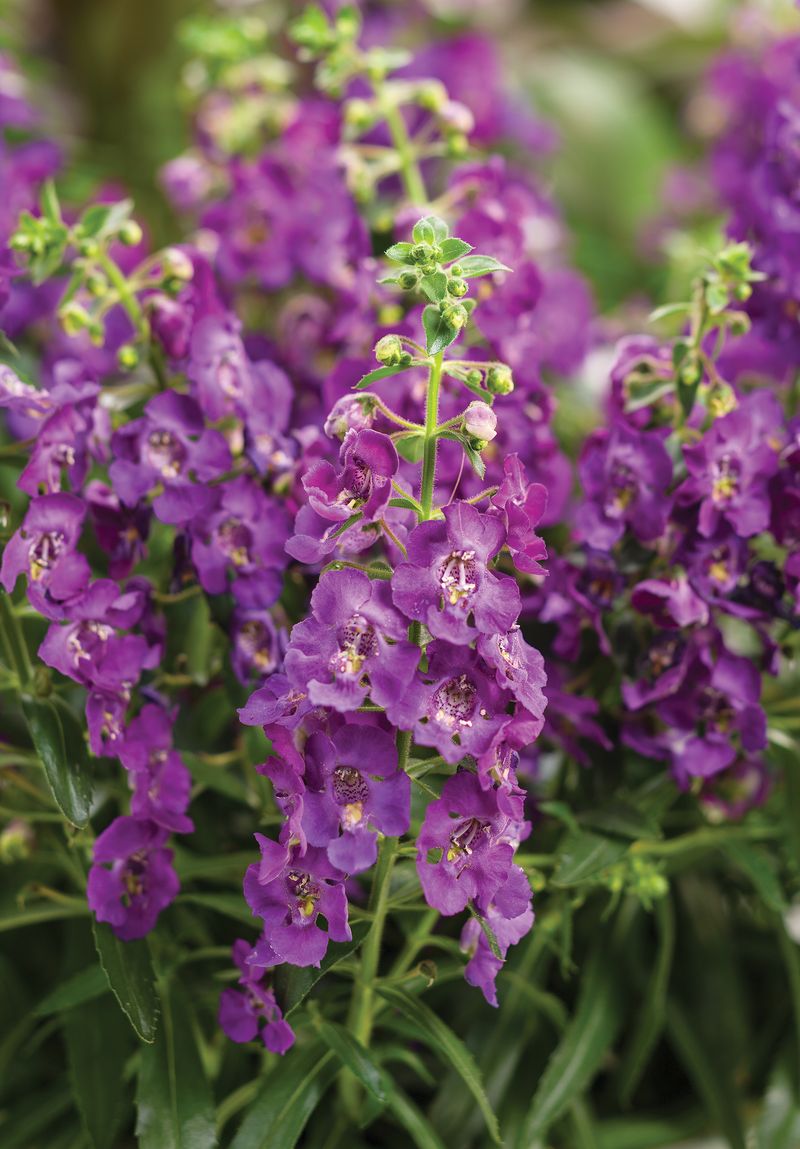
Sometimes called summer snapdragon, angelonia produces tall, elegant spikes loaded with small orchid-like flowers in purple, pink, white, and bicolor. It blooms continuously through Florida’s brutal summers without needing much fuss.
The light, grape-like fragrance is a pleasant bonus.
Angelonia thrives in full sun and well-drained soil. It is drought-tolerant once established, making it a smart pick for busy gardeners.
Unlike actual snapdragons, angelonia does not fade out in summer heat, which makes it a star performer in Florida landscapes.
Lantana
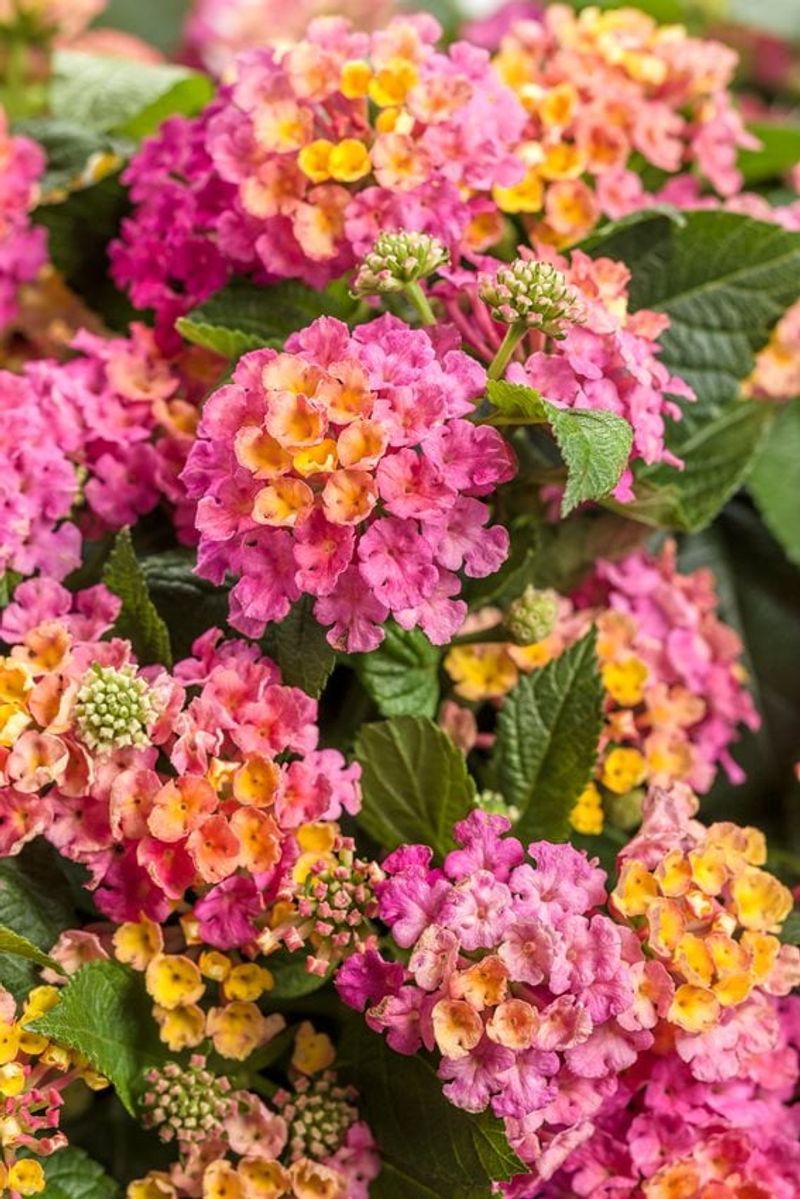
Lantana is basically Florida’s unofficial flower of summer. The multicolored blooms shift shades as they age, creating a stunning mix of yellow, orange, red, and pink all on the same plant.
Butterflies flock to it from morning to dusk.
This tough shrub tolerates heat, drought, and poor soil with ease. It grows quickly and fills in garden beds beautifully.
Keep in mind that lantana can spread aggressively, so choosing sterile varieties is a good idea to avoid it becoming invasive in natural areas nearby.
Firebush
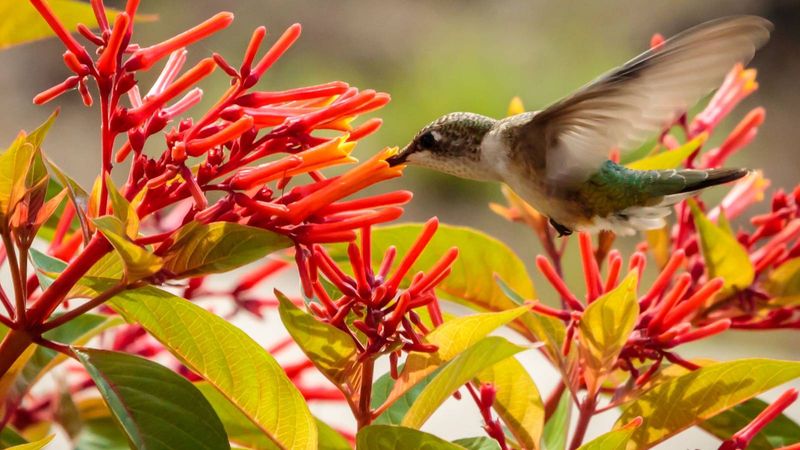
Hummingbirds go wild for firebush, and it is easy to see why. The tubular orange-red flowers glow like little flames against the dark green foliage, earning this native Florida shrub its vivid name.
It blooms from spring through fall and sometimes even into winter in South Florida.
Firebush is extremely drought-tolerant once established and thrives in full sun to partial shade. It grows fast and can get quite large, so give it room.
The native species is always the better choice over the exotic variety for supporting local wildlife.
Blue Daze
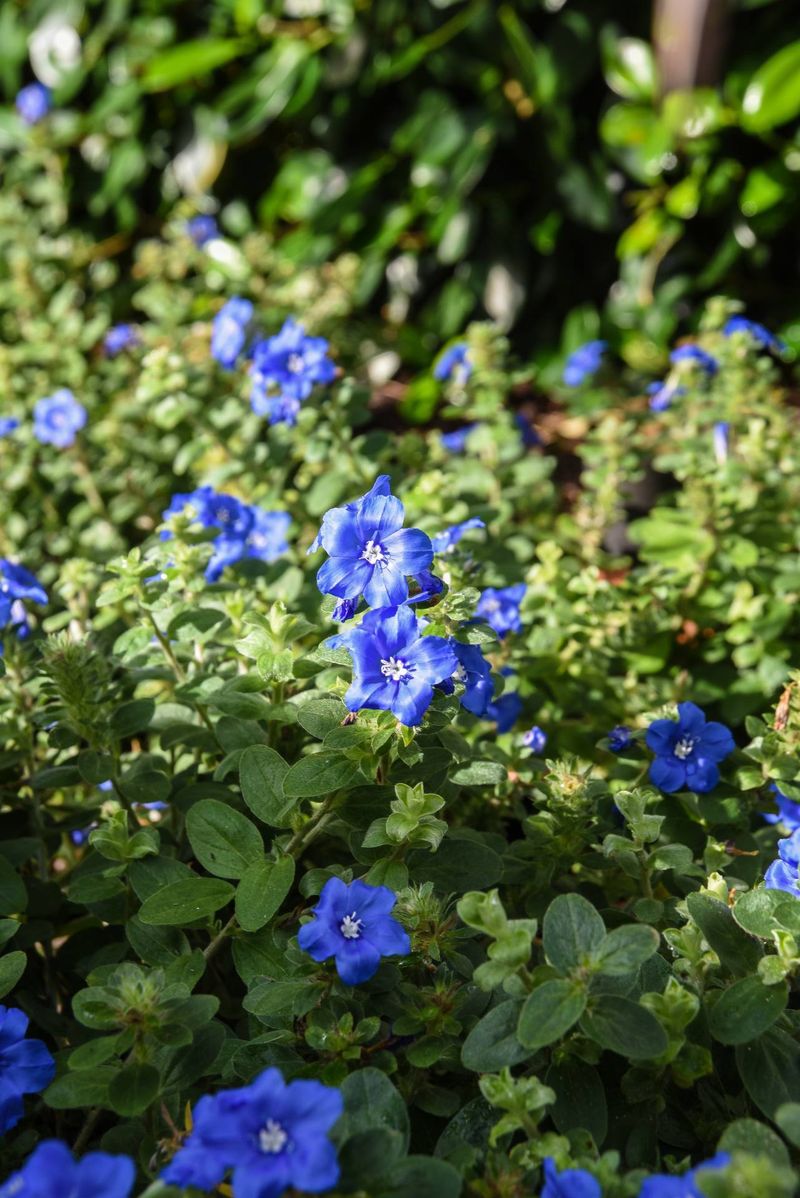
That soft sky-blue color is surprisingly rare in the flower world, which is exactly what makes blue daze so special. The delicate, funnel-shaped blooms open each morning and close by afternoon, creating a fresh daily display.
Trailing stems make it a wonderful choice for hanging baskets and container edges.
Blue daze loves full sun and well-drained soil. It is fairly drought-tolerant and handles Florida heat without wilting.
Pinching back leggy stems keeps the plant compact and encourages a fuller, more floriferous habit throughout the growing season.
Mexican Heather
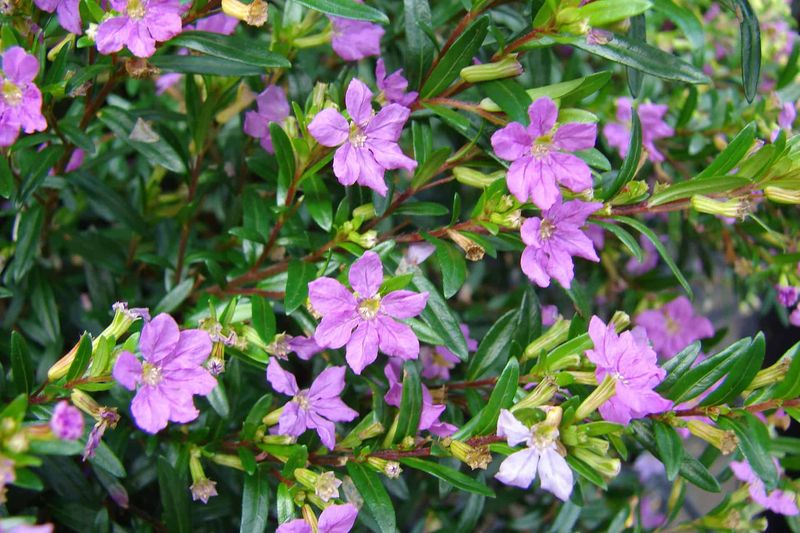
Mexican heather is the kind of plant that quietly steals the show. Its delicate, tiny flowers in lavender, pink, or white appear almost nonstop, and the fine-textured foliage adds a lacy, soft look to any garden bed.
It is a favorite filler plant among Florida landscapers.
This plant performs well in full sun to partial shade, making it versatile for different garden spots. It handles heat and humidity without skipping a beat.
Regular light trimming keeps Mexican heather tidy and encourages a fresh flush of blooms throughout the year.
Bulbine
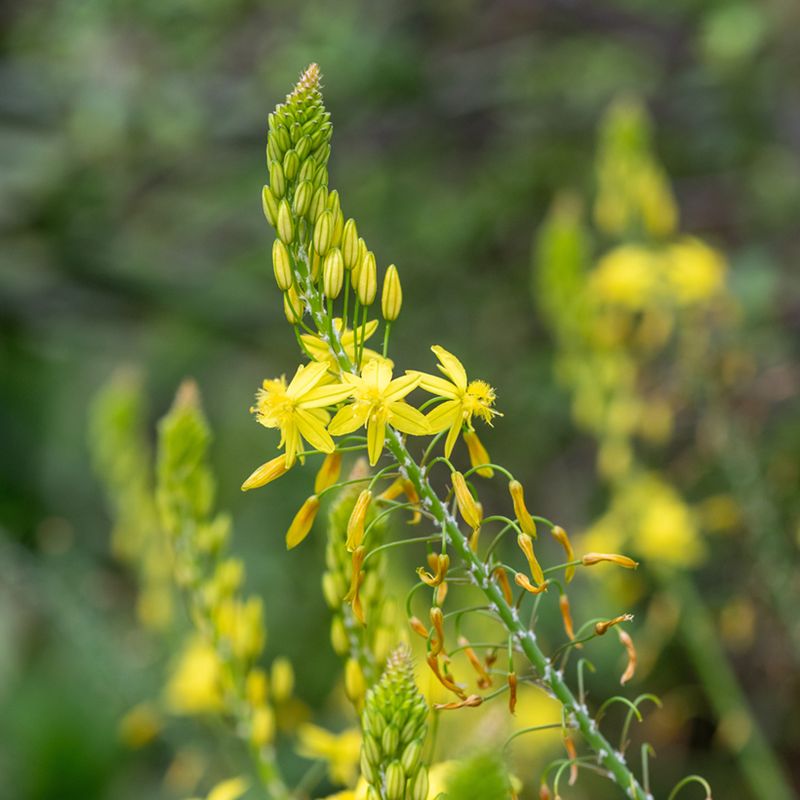
Bulbine is a hidden gem that more Florida gardeners should know about. The cheerful yellow or orange star-shaped flowers rise on slender stalks above strappy, succulent-like foliage and bloom for months at a stretch.
It has a tidy, architectural look that works well in modern landscapes.
As a drought-tolerant powerhouse, bulbine thrives in sandy Florida soil with minimal watering. Full sun brings out the best bloom performance.
It is also deer-resistant, which is a big plus in areas where wildlife frequently visits garden beds and nibbles on everything in sight.
Scaevola
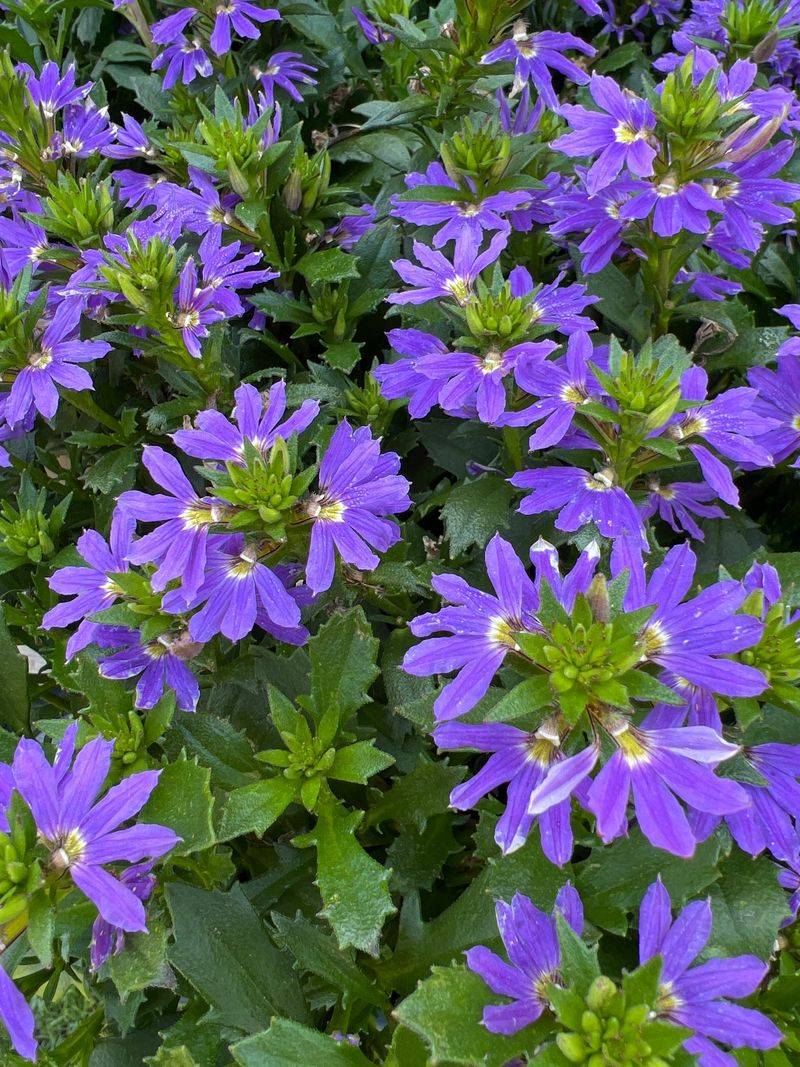
Scaevola, often called fan flower, gets its name from the uniquely shaped blooms that look like little half-open fans. Native to Australia, it adapted perfectly to Florida’s coastal conditions and blooms practically year-round in warmer parts of the state.
The purple, pink, or white flowers are truly eye-catching.
This plant loves full sun and handles salt spray well, making it a top choice for beachside gardens. It trails nicely over walls and spills out of containers beautifully.
Water regularly when young, and it becomes remarkably drought-tolerant as it matures.
Plumbago
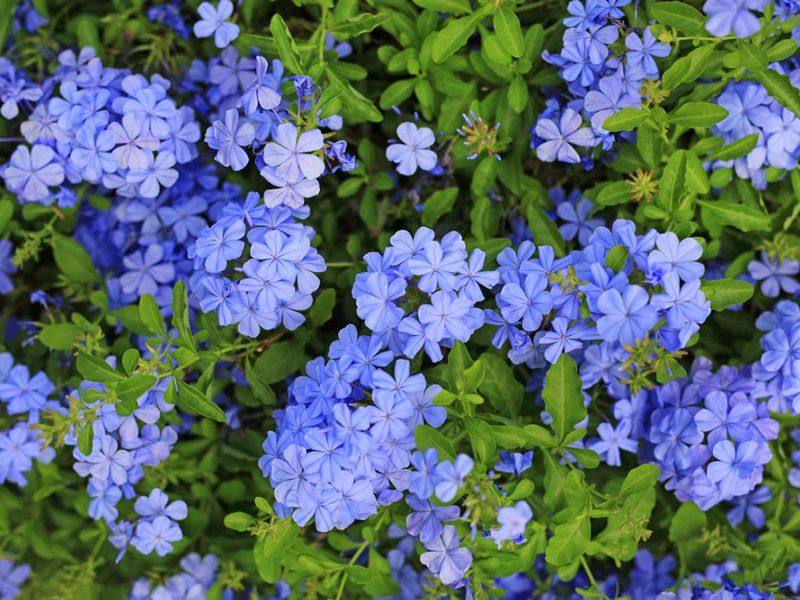
Plumbago brings a cool, breezy feel to Florida gardens with its clusters of powder-blue flowers that seem to float above the foliage. It blooms heavily in spring and fall, with lighter flowering during the hottest summer months.
The soft blue color pairs beautifully with almost any other plant.
Once established, plumbago is drought-tolerant and thrives in full sun to light shade. It can grow quite large, so it works well as a hedge or background plant.
Hard pruning in late winter refreshes the plant and sets it up for a spectacular spring bloom display.
Salvia
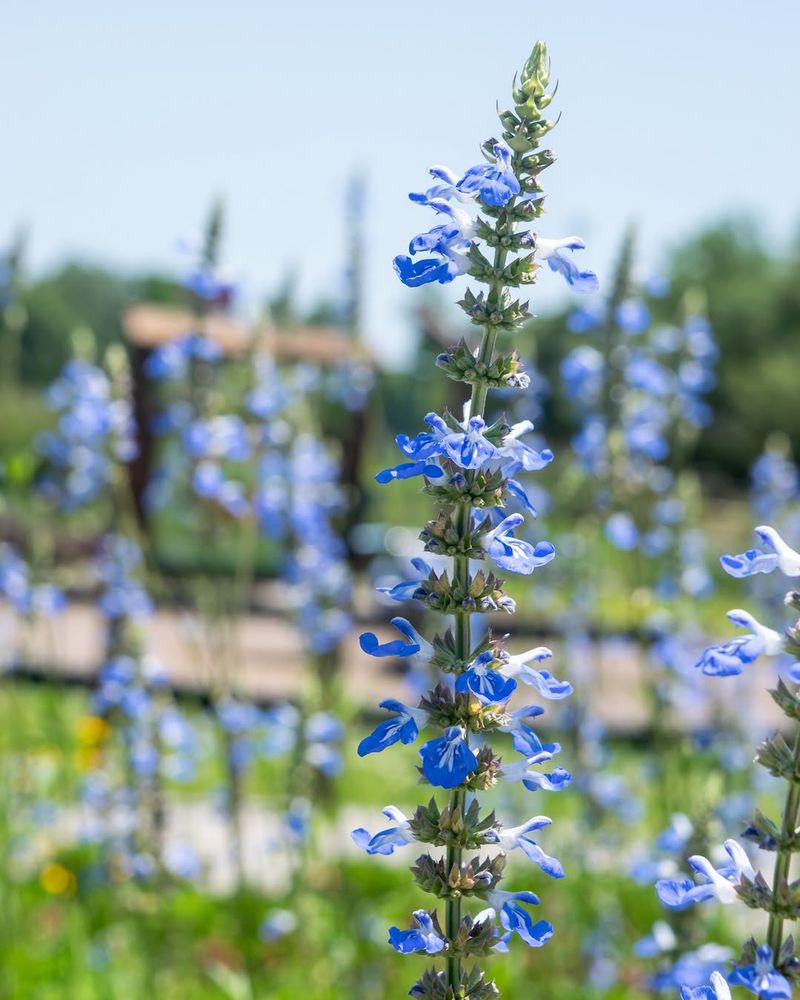
Walk past a salvia in full bloom and you will likely spot at least one hummingbird hovering nearby. The tall, colorful flower spikes in red, purple, blue, and pink are irresistible to pollinators and gardeners alike.
Many salvia varieties are perfectly suited to Florida’s heat and humidity.
Most salvias prefer full sun and well-drained soil. Cutting back spent flower spikes encourages a continuous parade of new blooms.
There are dozens of salvia species that perform well in Florida, so experimenting with different varieties is a fun way to discover personal favorites for your specific yard conditions.
Porterweed
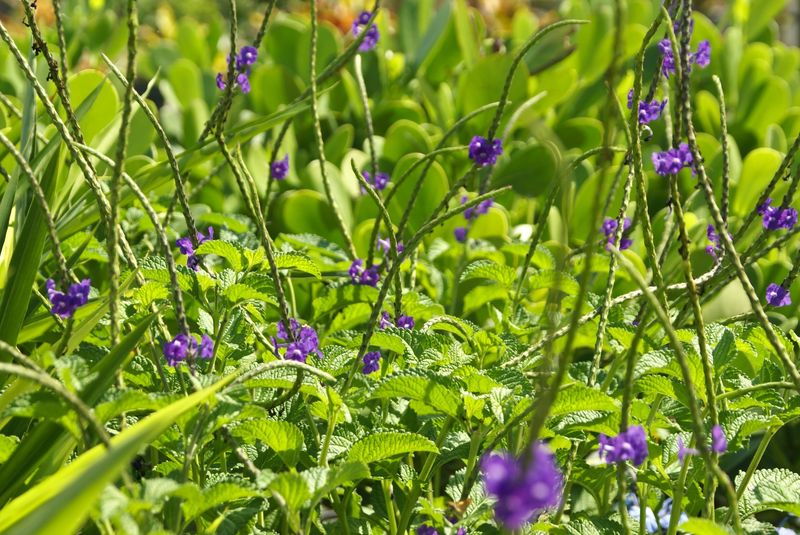
Porterweed has a wild, informal charm that makes it a favorite in butterfly gardens across Florida. The long arching stems carry tiny violet-blue or red flowers that butterflies land on constantly throughout the day.
It blooms almost nonstop in warm weather, providing a reliable nectar source.
This fast-growing plant thrives in full sun and tolerates poor, sandy soil well. It can spread enthusiastically, so occasional trimming keeps it in check.
The native blue porterweed is the better ecological choice over exotic varieties, offering more support for native butterfly species throughout the Florida growing season.
Crossandra
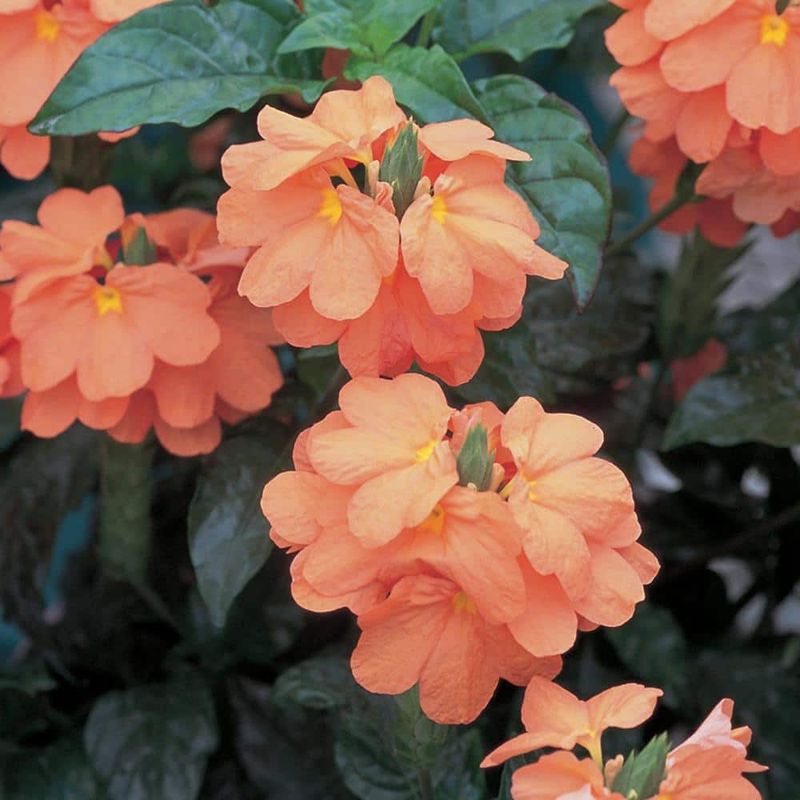
Crossandra is the go-to flower for adding warm, tropical color to shaded spots in Florida gardens. The salmon-orange blooms glow against the dark, glossy leaves and appear continuously from spring through fall.
It is one of the few flowering plants that truly performs well without direct sun.
Also known as firecracker flower, crossandra prefers partial to full shade and moist, well-drained soil. It is sensitive to frost, so protect it during rare cold snaps.
Regular fertilizing during the growing season keeps the plant vigorous and loaded with those gorgeous warm-toned blooms all season long.
Blanket Flower
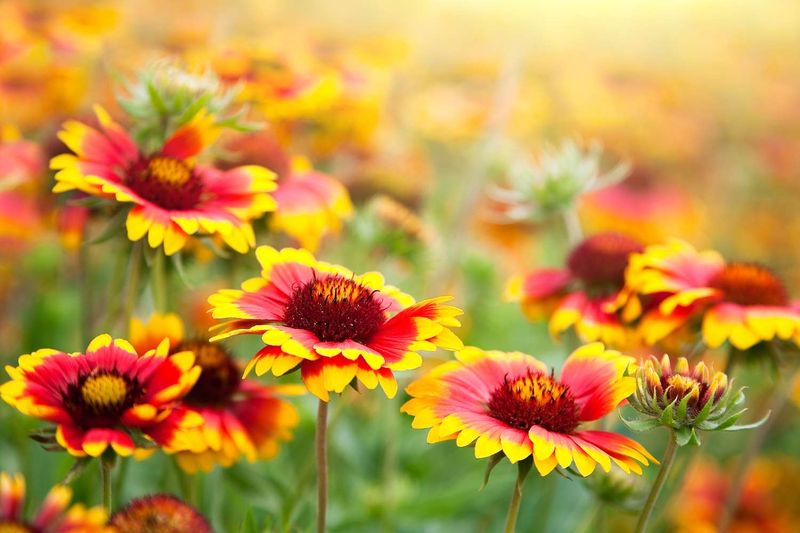
Blanket flower is a native Florida wildflower that looks like a miniature sunset packed into every single bloom. The bold red and yellow petals radiate outward from a dark center, creating a striking display that lasts from spring through fall.
Pollinators absolutely love it.
Gaillardia thrives in sandy, well-drained soil and full sun, making it a natural fit for Florida’s typical landscape conditions. It is highly drought-tolerant and actually prefers not to be overwatered.
Deadheading spent flowers keeps the bloom cycle going, and it often self-seeds, returning year after year with minimal effort.
Coreopsis
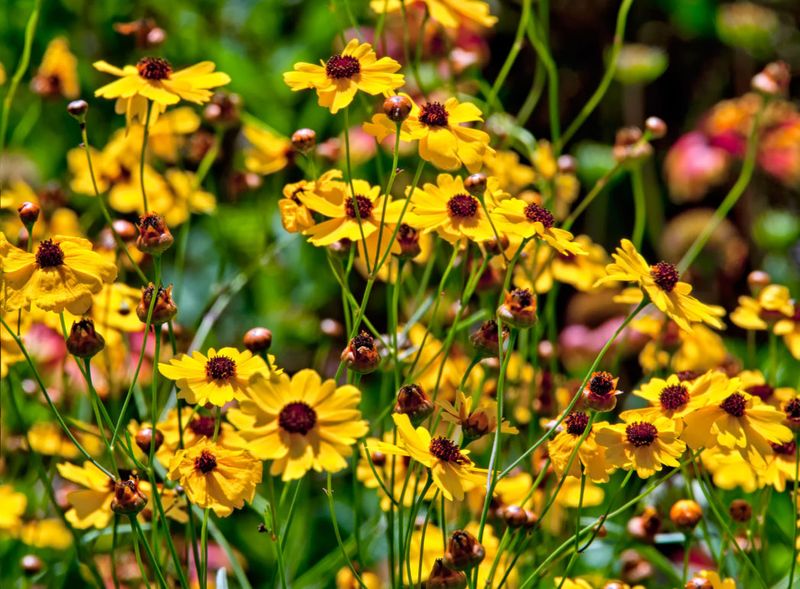
Coreopsis is Florida’s official state wildflower, and it earns that title with a spectacular show of golden-yellow blooms that light up roadsides and gardens alike. The cheerful daisy-like flowers bloom heavily in spring and continue sporadically through the year, bringing consistent sunshine to the landscape.
This native wildflower thrives in poor, sandy soil and full sun with very little supplemental watering. It is a champion of low-maintenance gardening.
Coreopsis also reseeds freely, which means a small initial planting can grow into a gorgeous, sweeping mass of yellow over just a few seasons.
Society Garlic
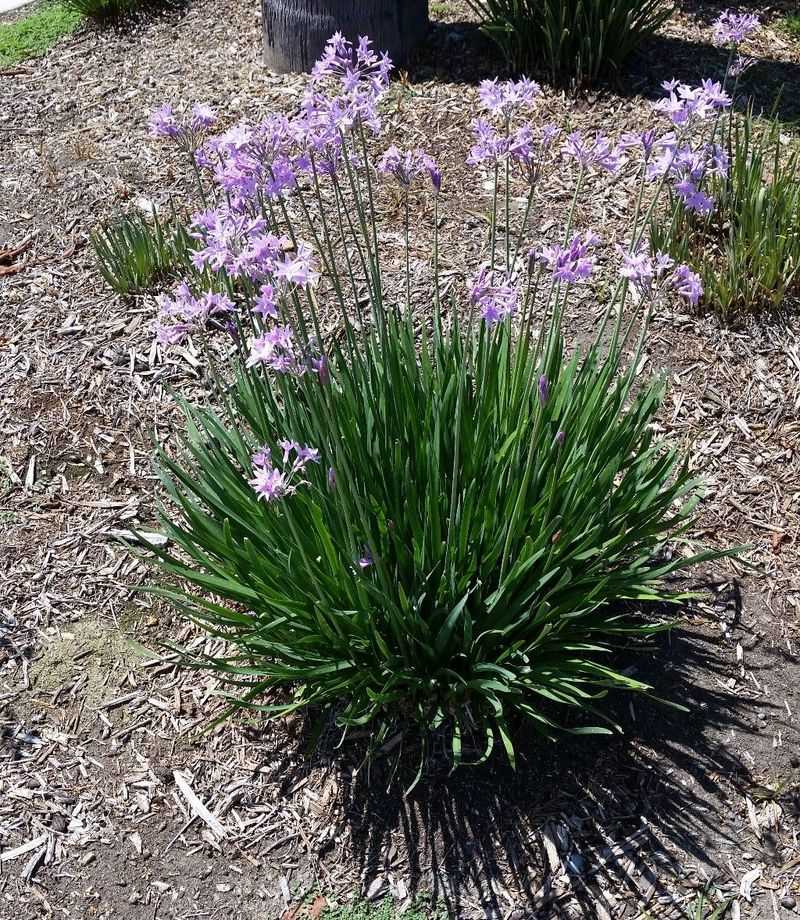
Society garlic gets its quirky name from the idea that you can enjoy its garlic scent in the garden without worrying about bad breath in social situations. The clusters of pale lavender-pink flowers sit atop tall, slender stems and bloom repeatedly throughout the warm months.
It is both pretty and practical.
This tough, clumping plant tolerates drought, heat, and even occasional salt spray. Full sun brings the most abundant flowering, though it handles partial shade reasonably well.
Society garlic is also deer-resistant and can be used as a natural pest deterrent planted near vegetable gardens.
Ruellia
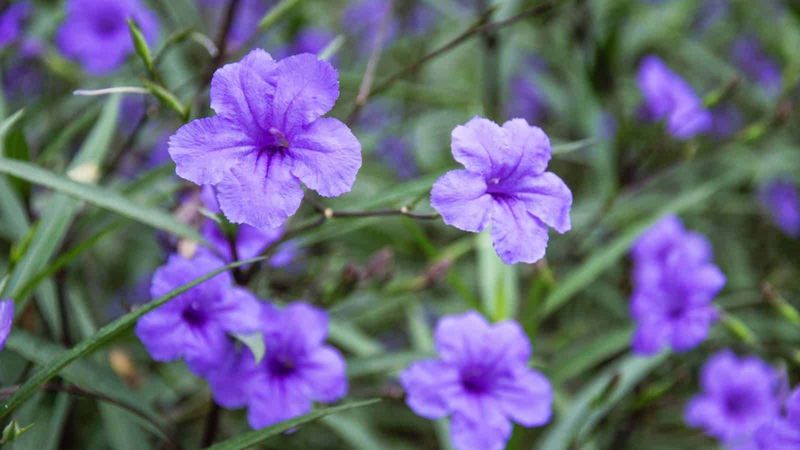
Ruellia, commonly called Mexican petunia, is one of the most resilient flowering plants in Florida. The trumpet-shaped purple, pink, or white flowers open fresh each morning and the plant rarely takes a break from blooming throughout the warm season.
It handles wet feet and dry conditions equally well.
Be aware that the common tall ruellia can spread aggressively and is considered invasive in Florida. Choosing dwarf or non-seeding varieties is a smart way to enjoy the beauty without the ecological concern.
These better-behaved cultivars still deliver the same stunning, long-lasting floral display in garden beds and borders.
Tropical Sage
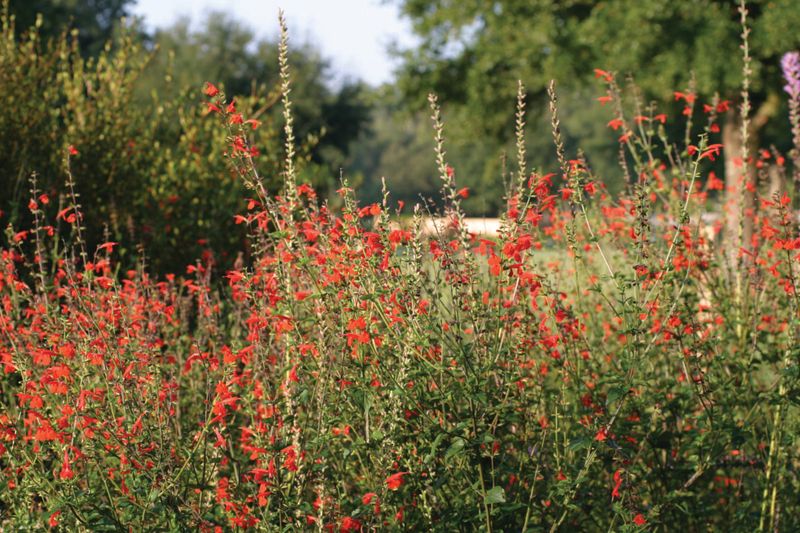
Tropical sage is a native Florida wildflower that punches well above its weight in the garden. The brilliant red tubular flowers spike upward on tall stems and attract hummingbirds and butterflies with remarkable consistency from spring through frost.
It has a wildflower charm that feels effortlessly natural.
This plant thrives in full sun to partial shade and tolerates a wide range of soil types, including sandy Florida soils. It reseeds freely, filling in bare spots and spreading its fiery color throughout the garden year after year.
Allowing some seedheads to remain at season end encourages this self-seeding habit.
Dwarf Lantana
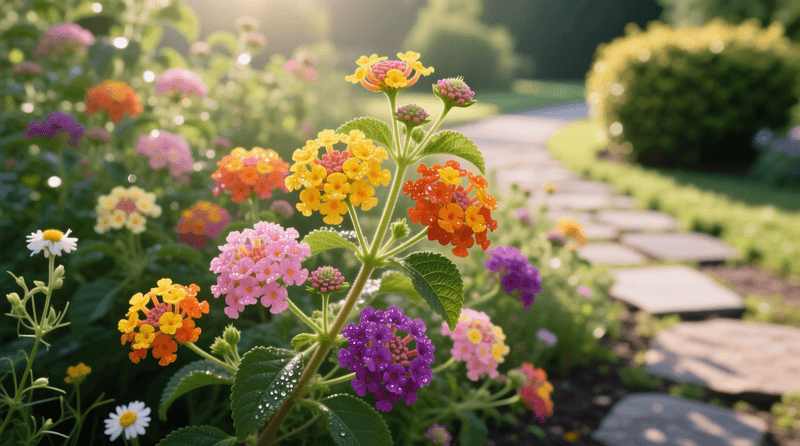
All the bold color of regular lantana packed into a tidy, compact form, that is the magic of dwarf lantana. The mounding habit stays low and neat, making it ideal for edging paths, filling containers, or anchoring the front of garden beds.
Butterflies visit constantly from sunrise to sundown.
Dwarf lantana varieties are typically sterile, which means they do not produce seeds and are far less likely to become invasive compared to standard types. They thrive in full sun and handle drought well once established.
Regular light shearing keeps the shape tidy and promotes a steady stream of colorful new blooms.
Purslane
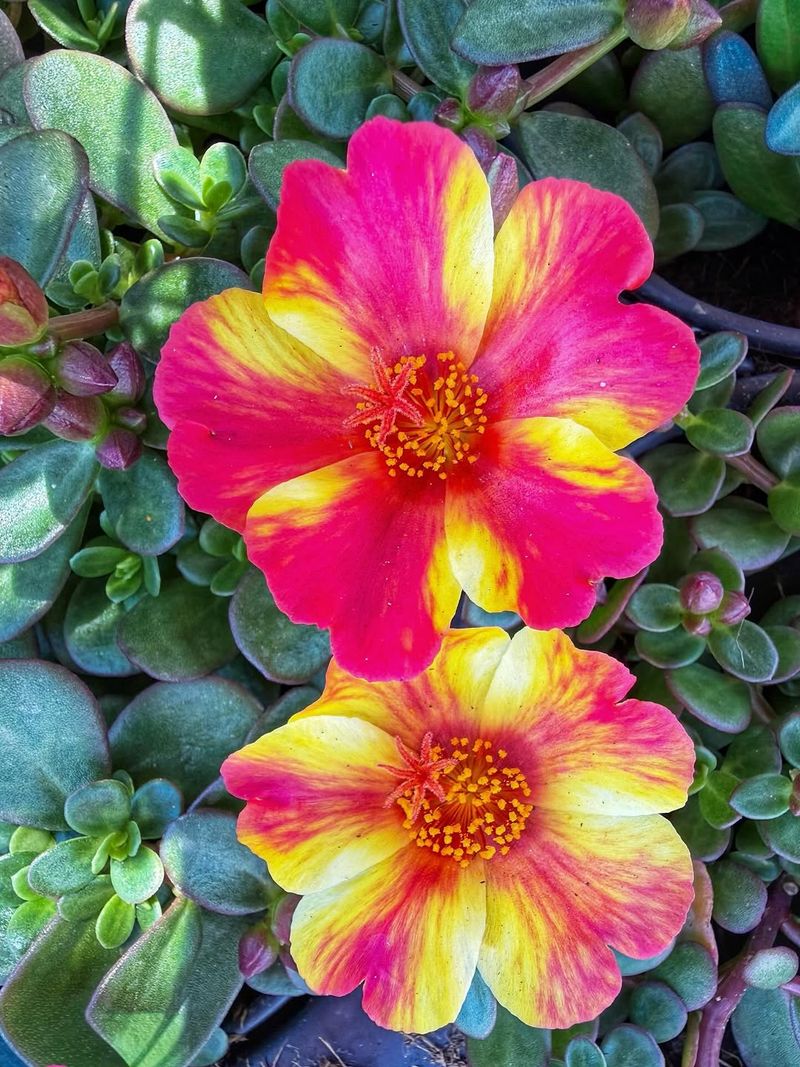
Purslane is the ultimate sun-lover, thriving in conditions that would leave most flowering plants wilting by noon. The jewel-bright blooms in hot pink, yellow, orange, red, and white pop open in full sunshine and create a dazzling display that holds up through Florida’s most intense summer heat.
The thick, succulent leaves store water efficiently.
This plant is perfect for containers, hanging baskets, and sunny rock gardens. It requires very little water once established and does not need much fertilizer to perform beautifully.
Portulaca, as it is also known, is one of the most rewarding plants a Florida gardener can grow for sheer color impact.
Evolvulus
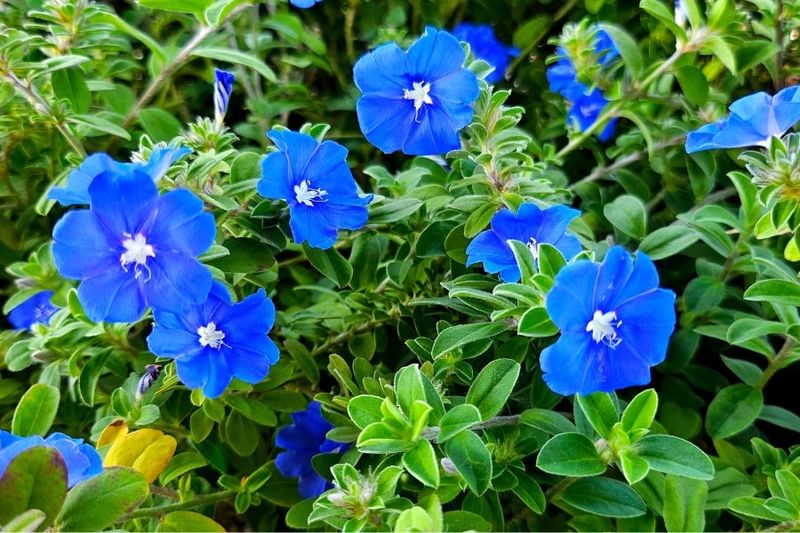
Evolvulus brings one of the truest shades of blue found in any flowering plant, a color so vivid it almost looks artificial on a bright Florida morning. The small, open-faced blooms appear daily on trailing silver-green stems, creating a soft, shimmering effect across containers and garden beds.
It is genuinely hard to stop staring at.
This plant thrives in full sun and well-drained soil, making sandy Florida yards an ideal home. It is heat-tolerant, low-maintenance, and pairs beautifully with yellow or orange flowers for a bold color contrast.
Trim occasionally to keep growth full and encourage a continuous supply of those stunning blue blooms.