


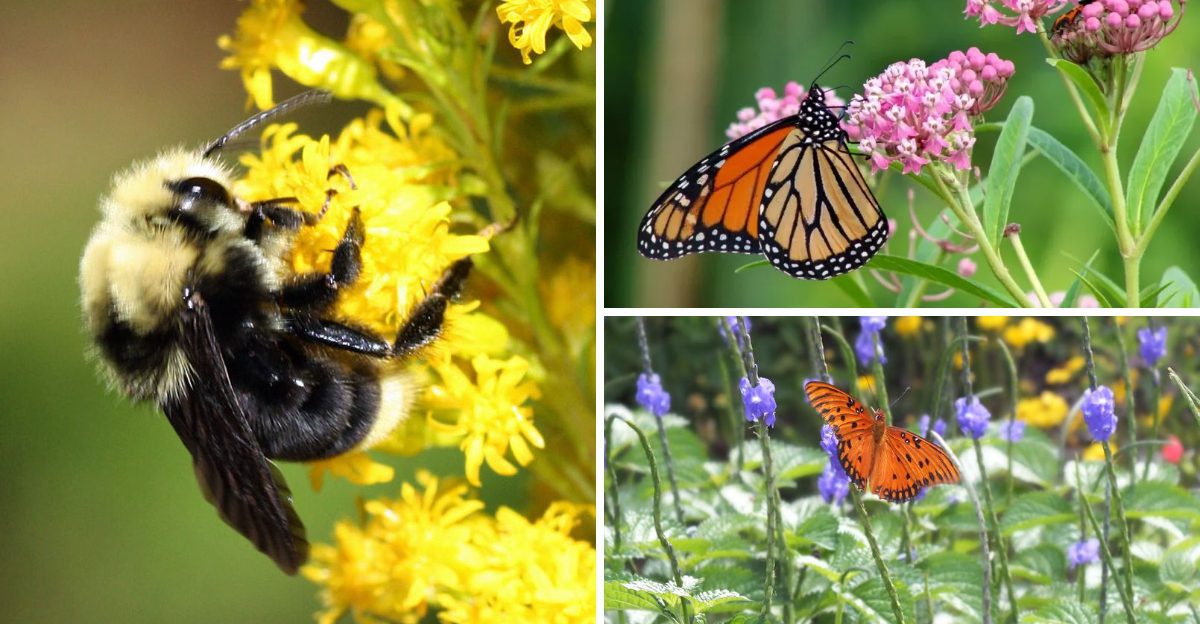
Florida’s warm climate and long growing season make it a paradise for butterflies and bees. Choosing the right plants for your garden can turn your yard into a buzzing, fluttering haven for these helpful pollinators.
Pollinators play a huge role in keeping our ecosystems healthy by helping plants reproduce. Whether you have a big backyard or a small patio, these 24 plants are perfect for welcoming Florida’s colorful wildlife.
Milkweed
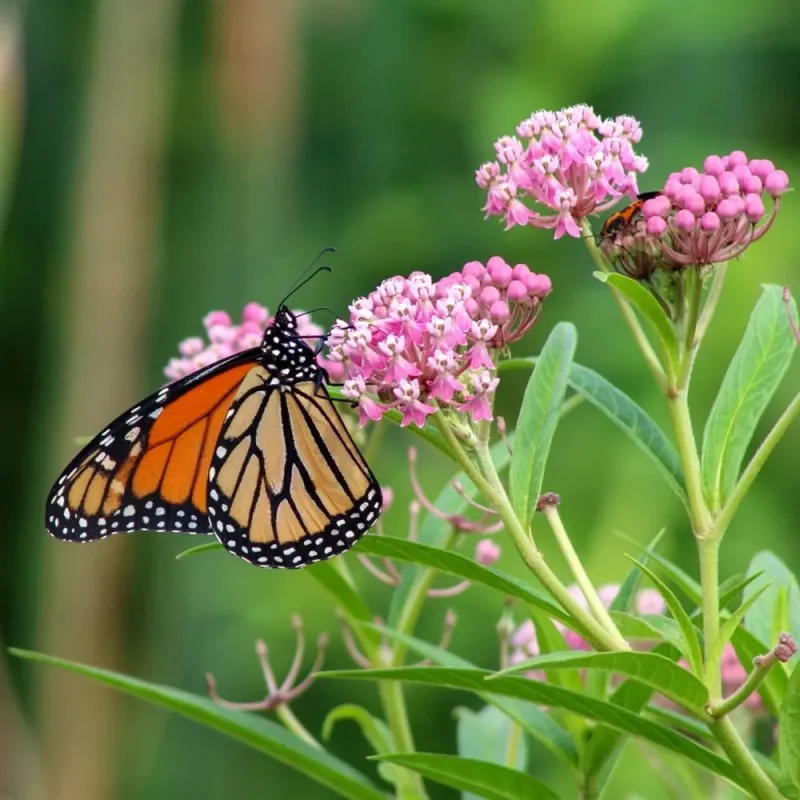
Milkweed is basically a monarch butterfly’s best friend. Without it, monarch caterpillars simply cannot survive, making this plant one of the most important you can grow in Florida.
Several native species like Scarlet milkweed and Butterflyweed thrive in the Florida heat.
Plant milkweed in a sunny spot with well-drained soil and watch the monarchs arrive within days. It also attracts bees and other butterflies, turning your garden into a wildlife hotspot.
Pentas
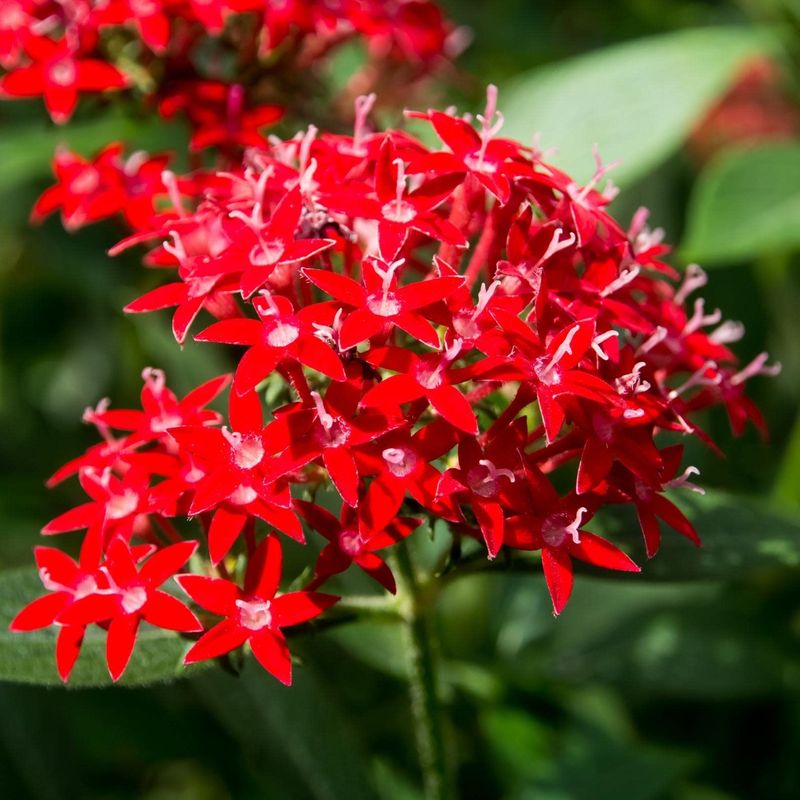
Few plants work as hard as pentas when it comes to attracting pollinators. This cheerful, star-shaped flower blooms almost year-round in Florida, giving butterflies and bees a reliable food source even through the warmer months.
It comes in red, pink, white, and lavender.
Pentas grows well in containers or garden beds and loves full sun. It stays relatively compact, making it a smart pick for smaller spaces that still want big pollinator action.
Blue Porterweed
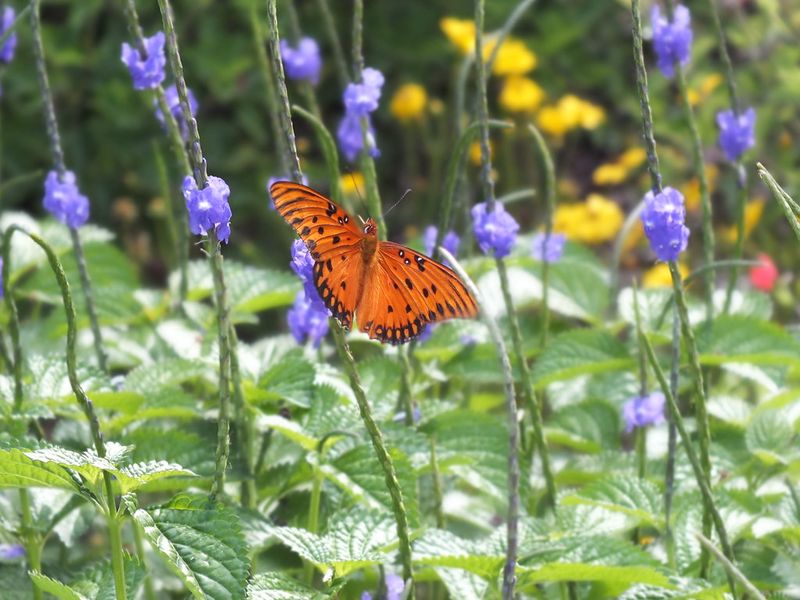
Blue porterweed is a butterfly magnet that often goes unnoticed in garden centers, but experienced Florida gardeners know its secret. Its tiny blue-purple flowers bloom along long, arching stems and attract skippers, swallowtails, and bees almost nonstop throughout the warm season.
This native plant handles Florida’s heat and humidity like a champ. Plant it along borders or in sunny garden beds where it can spread naturally and create a lush, wildlife-friendly ground cover.
Firebush
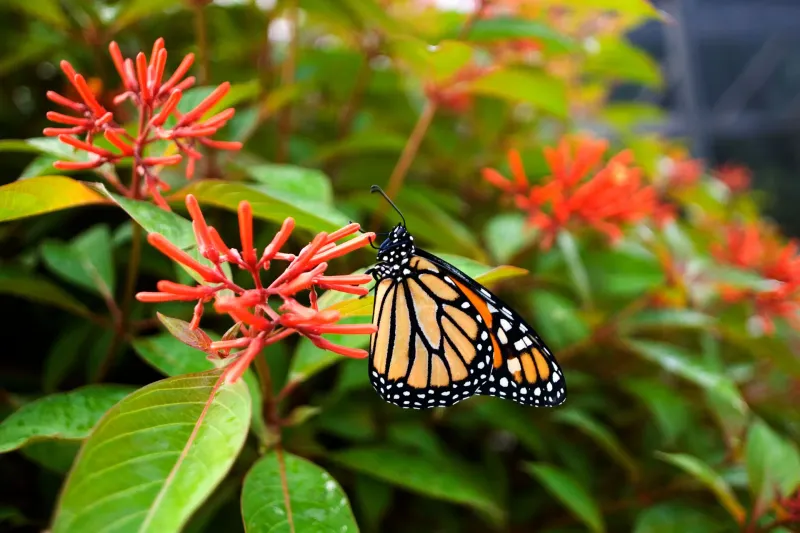
Firebush earns its name with clusters of fiery orange-red flowers that practically glow in the Florida sun. Native to South Florida, this shrub is a pollinator powerhouse, drawing in butterflies, bees, and even hummingbirds with its tubular blooms.
It can grow quite large if left unpruned.
Firebush thrives in full sun and tolerates drought once established, making it a low-maintenance choice. Its colorful foliage also adds bold visual appeal to any Florida landscape.
Blanket Flower
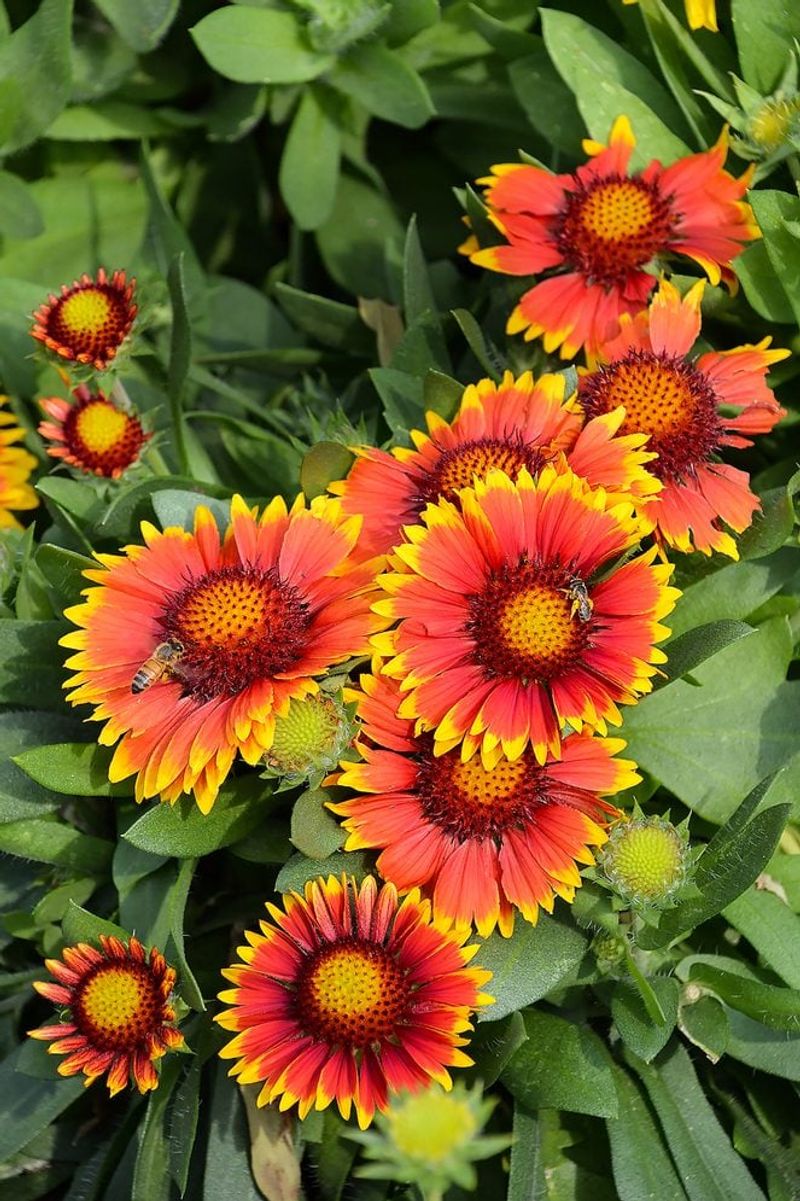
Named for the bold, patchwork-like colors of Native American blankets, blanket flower brings serious drama to any garden. Its red and yellow petals are hard to miss, and pollinators agree — bees absolutely love landing on these wide, open blooms to collect pollen.
Blanket flower is drought-tolerant and thrives in Florida’s sandy soils, making it well-suited for beginners. Deadhead spent blooms regularly to encourage continuous flowering from spring all the way through fall.
Tickseed
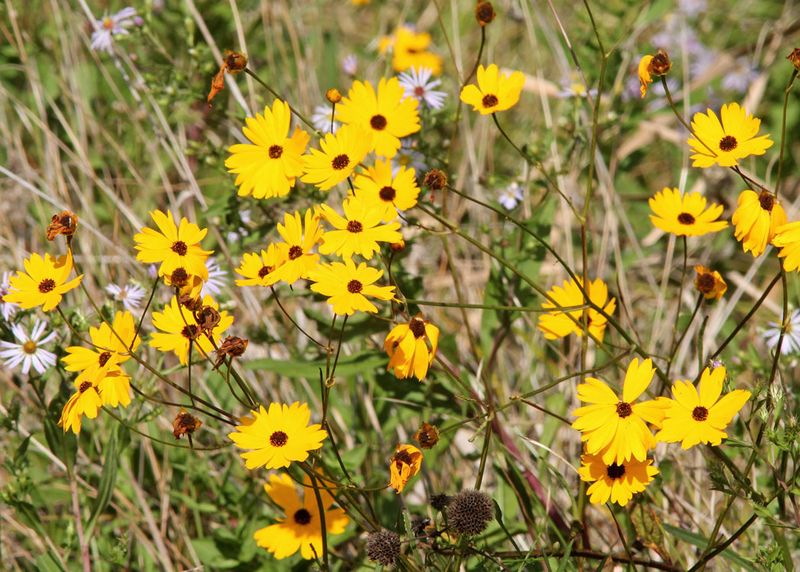
Tickseed, known scientifically as Coreopsis, holds the honor of being Florida’s official state wildflower. That alone should tell you how well-adapted it is to local conditions.
Its cheerful yellow blooms appear in large numbers and draw in native bees, skippers, and other beneficial insects.
Scatter seeds in a sunny garden bed and let tickseed do its thing — it naturalizes easily and spreads over time. It pairs beautifully with other Florida wildflowers for a meadow-style planting.
Tropical Sage
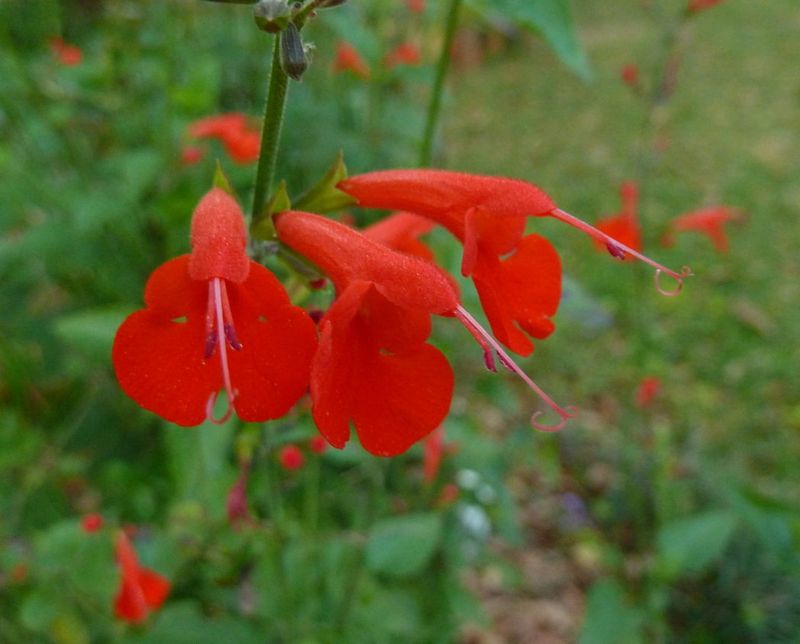
Tropical sage is one of those plants that seems to attract every pollinator in the neighborhood. Its tall spikes of scarlet-red flowers are irresistible to butterflies, hummingbirds, and bees alike.
Native to Florida and the Southeast, it fits naturally into local ecosystems.
This plant does well in partial shade to full sun and handles Florida’s humidity with ease. Once established, it reseeds itself, so you may find new plants popping up around your garden each year — a welcome surprise.
Stokes’ Aster
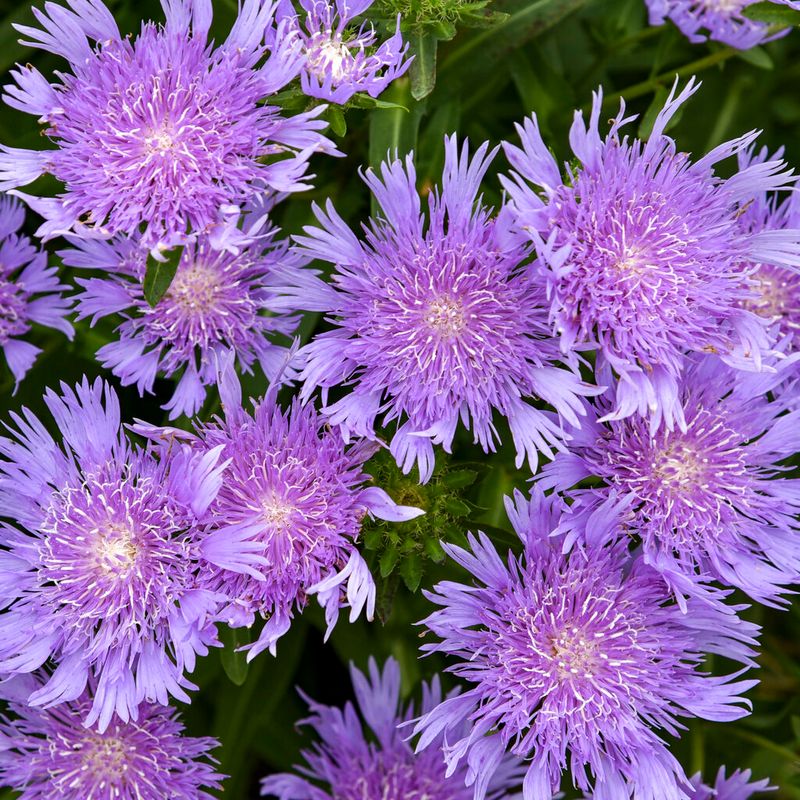
Stokes’ aster is a Florida native that looks like it belongs in a fancy floral arrangement. Its large, fringy lavender-blue blooms are stunning up close and serve as a landing pad for bumblebees, skippers, and painted lady butterflies.
It blooms from late spring into summer.
Plant Stokes’ aster in well-drained soil with full to partial sun. It stays low-growing, reaching about one to two feet tall, which makes it ideal for front borders or edging along garden paths.
Mistflower
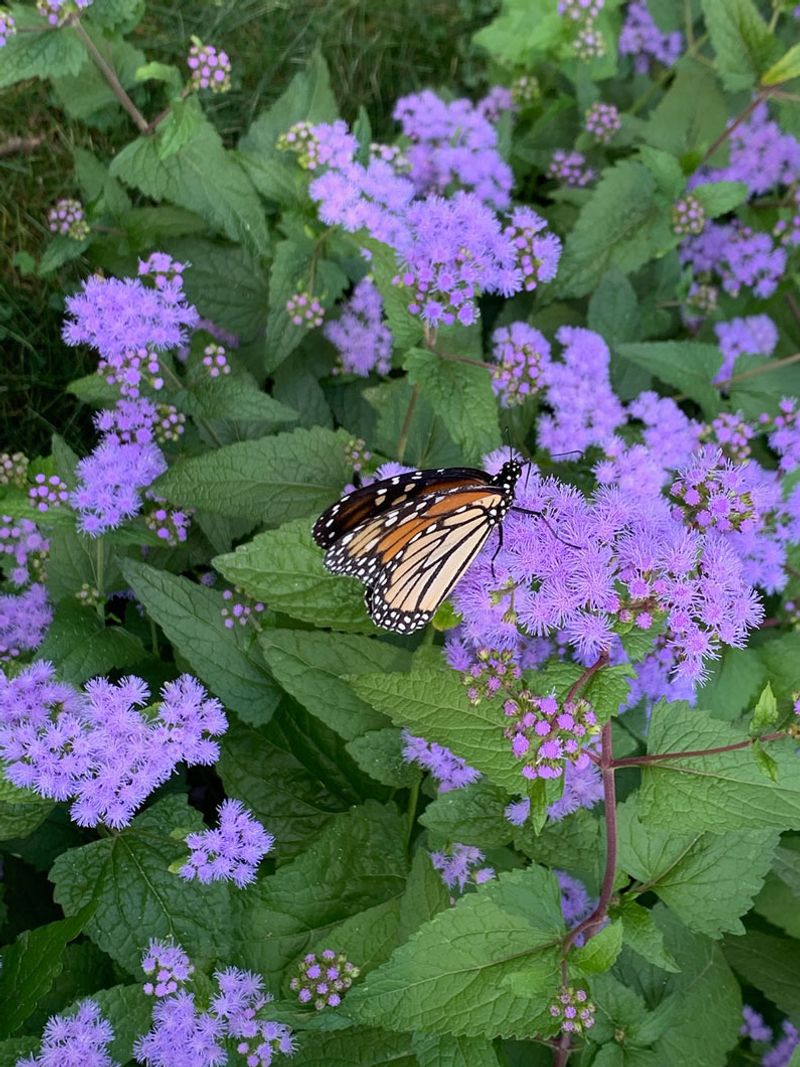
Walk past a patch of mistflower in bloom and you might mistake the buzzing for a tiny thunderstorm — the bees love it that much. Also called wild ageratum, this Florida native produces fluffy blue-purple flower clusters that are particularly popular with queen butterflies and hairstreaks.
Mistflower prefers moist, partly shaded spots, making it a great pick for areas near water features or under tree canopies. It spreads readily, so give it room to grow and naturalize.
Goldenrod
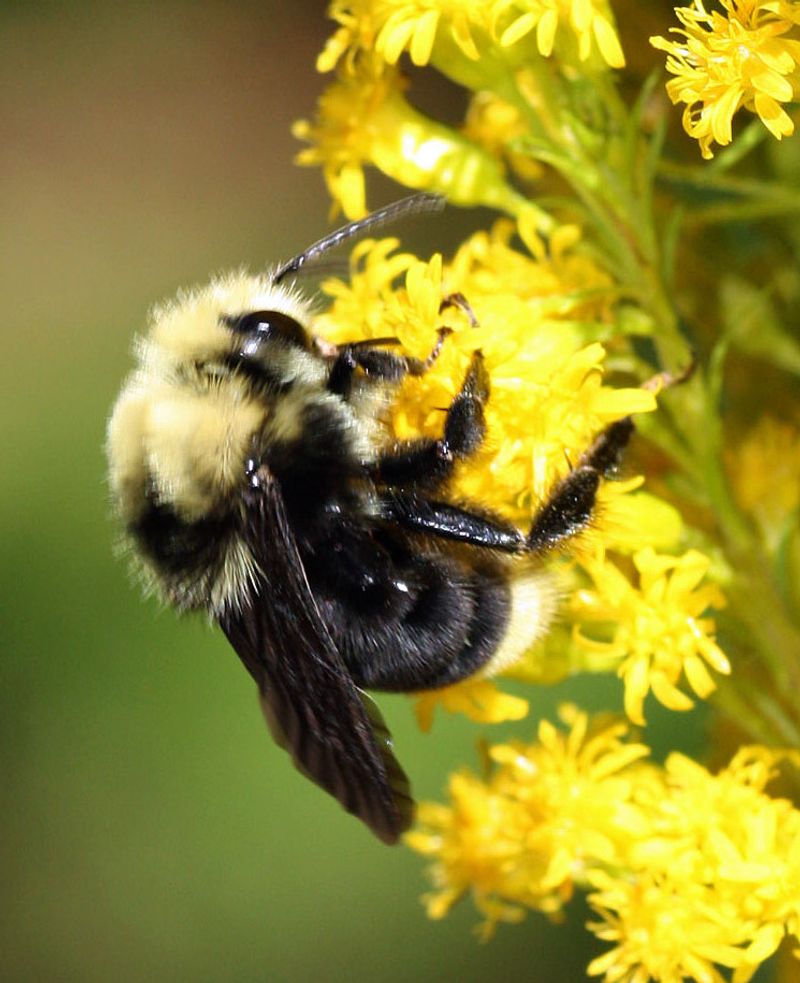
Goldenrod gets a bad reputation for causing allergies, but here is the truth — its heavy pollen is carried by insects, not wind, so it rarely bothers allergy sufferers. What it does do is feed hundreds of bee species and migrating monarch butterflies during the fall season.
Florida has several native goldenrod species that thrive in sunny, open areas. Plant it toward the back of a garden bed where its tall, arching stems of golden blooms can shine without crowding shorter plants.
Black-Eyed Susan
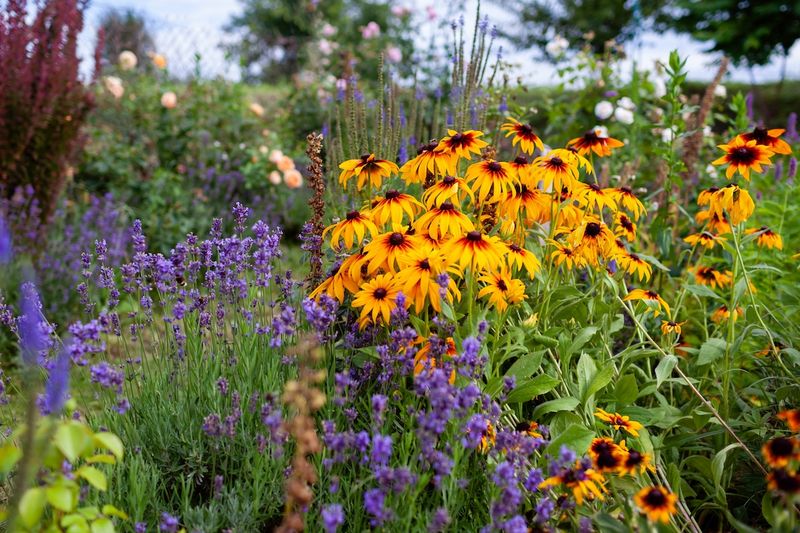
Black-eyed Susans are the kind of classic wildflower that makes any garden look effortlessly beautiful. Their golden-yellow petals surrounding a dark, button-like center are instantly recognizable and incredibly attractive to bees, beetles, and butterflies.
They bloom generously through summer and fall.
These tough plants handle Florida’s heat, poor soils, and dry spells without much fuss. Grow them in a sunny border or wildflower meadow mix and enjoy their cheerful display season after season with minimal upkeep needed.
Verbena
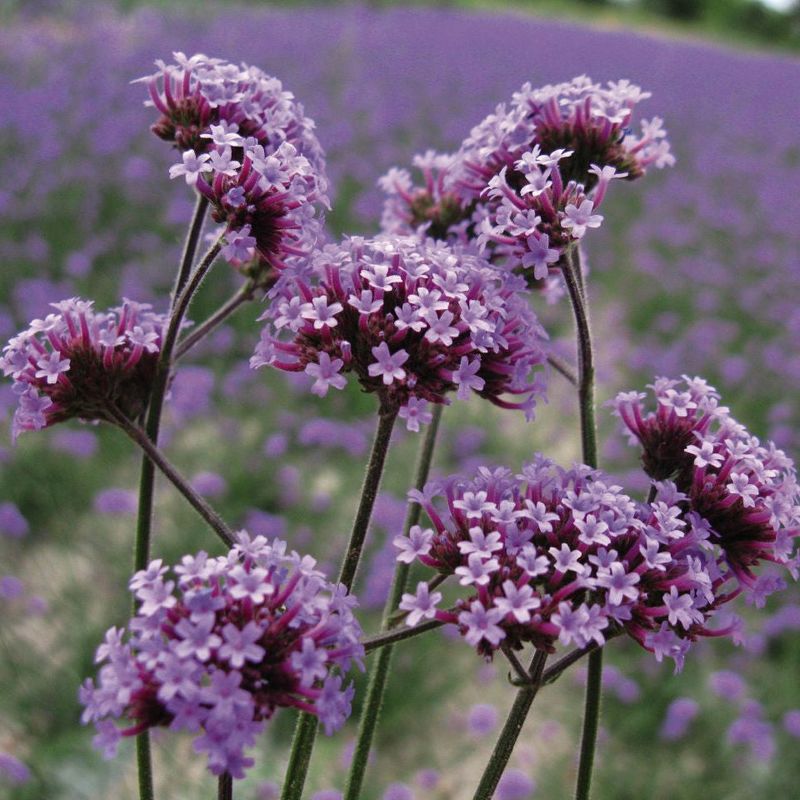
Verbena is practically irresistible to swallowtail butterflies, which seem to seek it out wherever it grows. Its rounded clusters of tiny flowers come in purple, pink, red, and white, and they bloom abundantly in Florida’s warm weather.
Both native and cultivated varieties perform well here.
Plant verbena in full sun for the best blooms and make sure it has good drainage. It works wonderfully as a ground cover, in hanging baskets, or spilling over the edges of raised garden beds.
Anise Hyssop
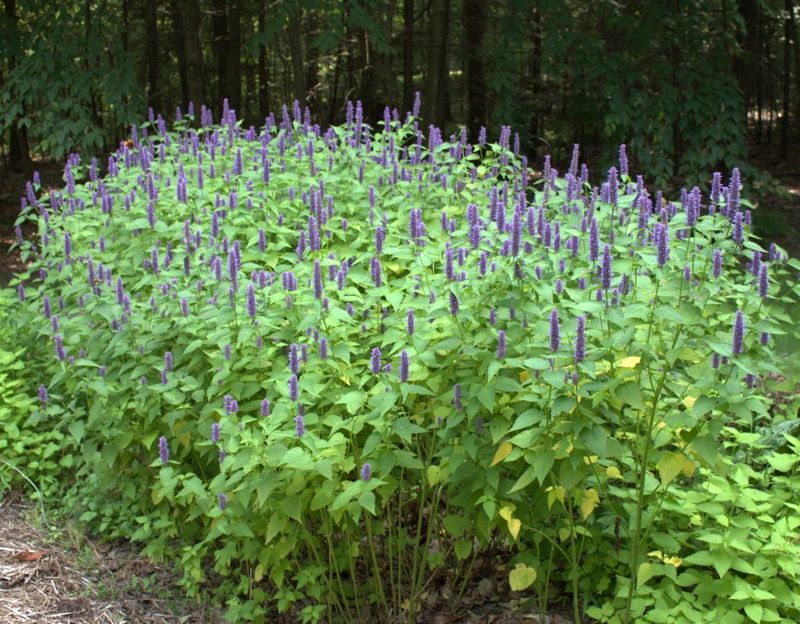
Crush an anise hyssop leaf between your fingers and you get a sweet, licorice-like scent that is surprisingly pleasant. Beyond its aromatic appeal, this plant is a pollinator magnet — its tall purple flower spikes draw in bumblebees, honeybees, and even hummingbird moths in impressive numbers.
Anise hyssop grows best in full sun with well-drained soil and reaches two to four feet tall. It works beautifully in herb gardens or mixed borders and can be dried for use in teas and sachets.
Bee Balm
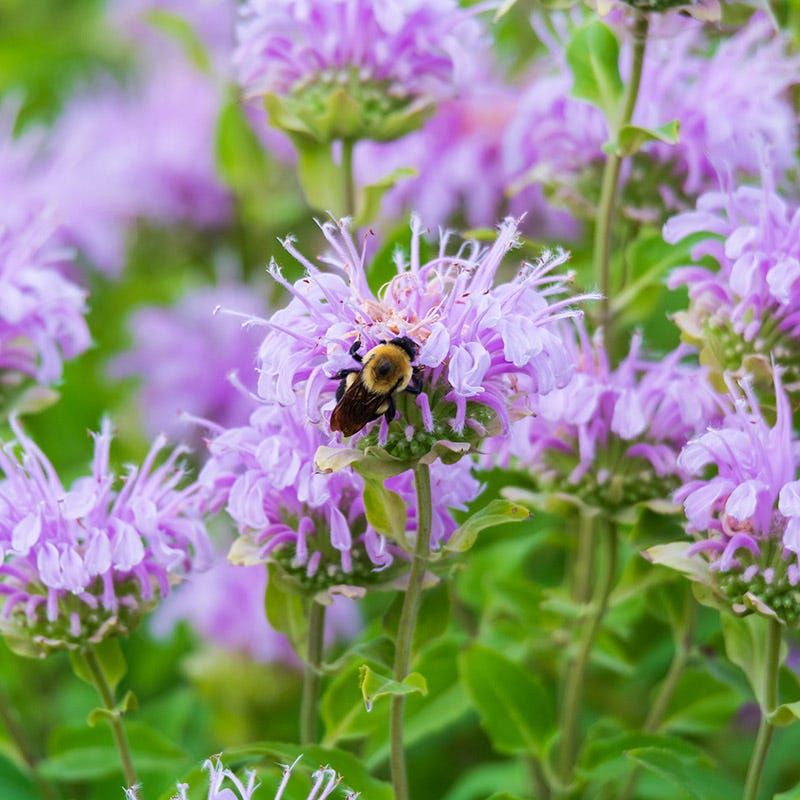
Bee balm lives up to every bit of its name. This bold, shaggy-flowered plant from the mint family is a top destination for bumblebees, native bees, and butterflies.
It blooms in vivid shades of red, pink, and purple, adding a wild, carefree energy to any garden space.
It prefers moist soil and partial to full sun, making it a good fit for Florida gardens that get regular rainfall. Divide clumps every few years to keep plants vigorous and prevent overcrowding in garden beds.
Mexican Sunflower
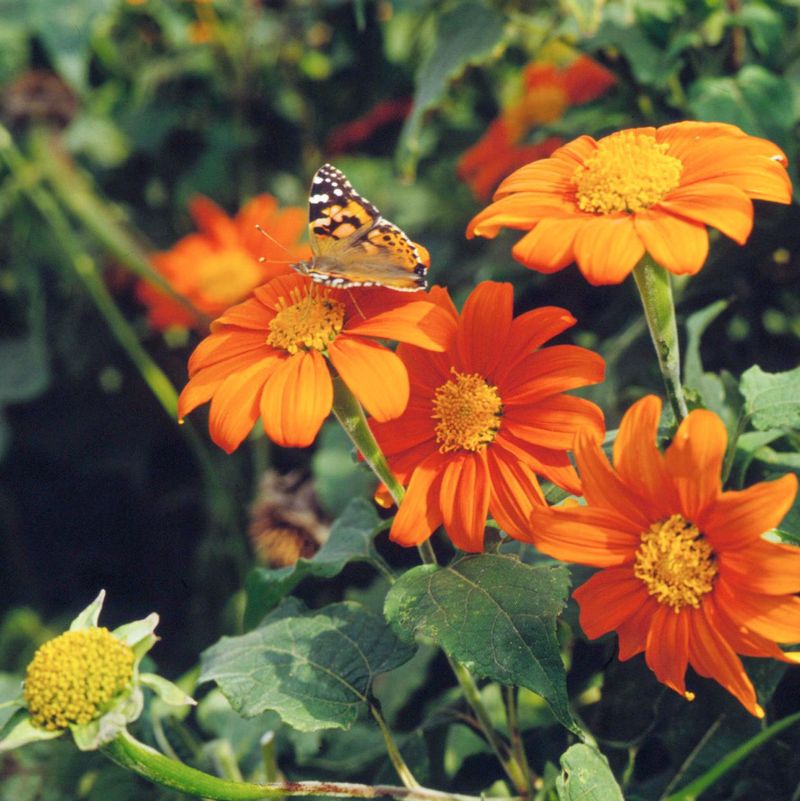
Mexican sunflower grows big, bold, and brilliantly orange — it is hard to miss and even harder for pollinators to resist. Growing up to six feet tall, this annual produces a steady stream of vivid blooms that attract monarchs, swallowtails, and bumblebees from summer through frost.
Plant it at the back of a sunny border where it can grow freely without shading smaller plants. Mexican sunflower thrives in Florida’s heat and actually performs better in poor soil than in overly rich garden beds.
Joe-Pye Weed
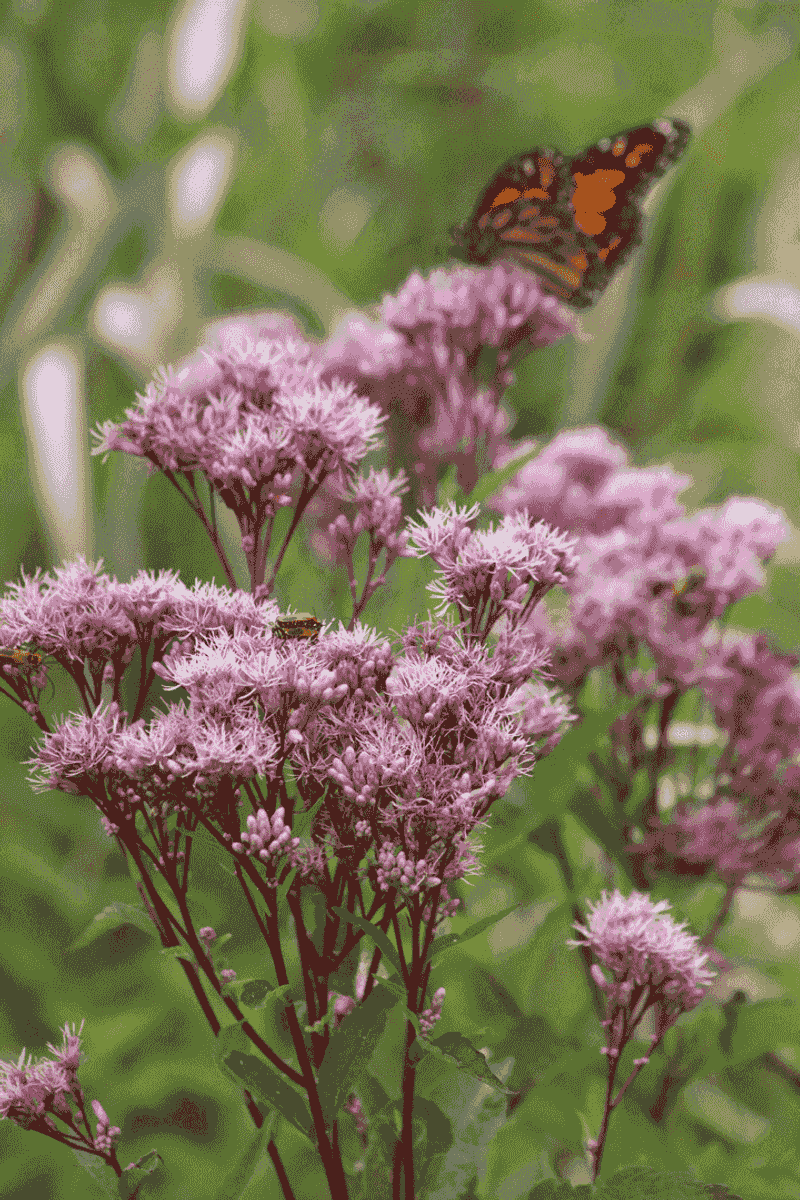
Joe-Pye weed sounds like a backyard nuisance, but gardeners who know it treat it like royalty. This tall, late-summer bloomer produces large, domed clusters of dusty-pink flowers that are absolutely packed with migrating monarchs, fritillaries, and native bees during Florida’s fall season.
It grows best in moist, partly sunny spots and can reach impressive heights of four to seven feet. Place it at the back of a garden bed or near a pond where it can grow tall without looking out of place.
Ageratum
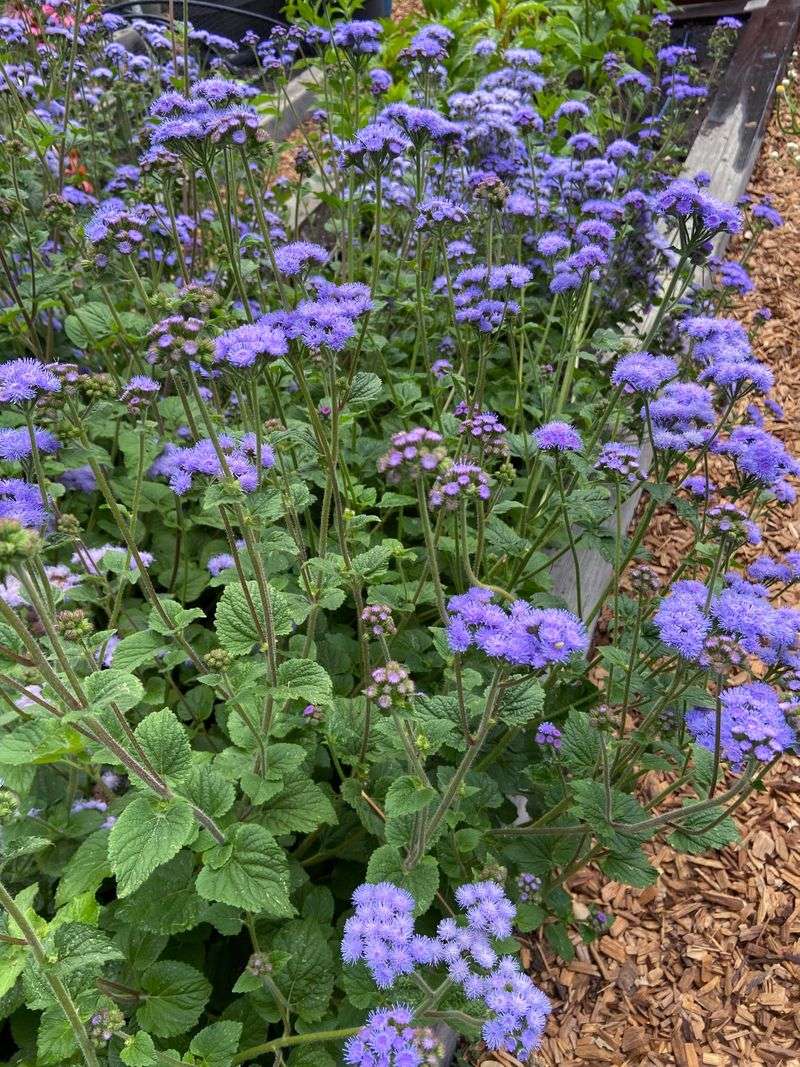
Ageratum’s soft, powder-puff flower heads look almost too cute to be real, but they are completely functional — and pollinators know it. Small native bees and skippers flock to these fuzzy blooms, which appear in shades of blue, purple, and white from spring through fall in Florida.
Grow ageratum as a border plant or in containers in full to partial sun. It stays compact at six to twelve inches tall, making it a neat, tidy option for edging pathways or filling in gaps between larger plants.
Salvia Leucantha
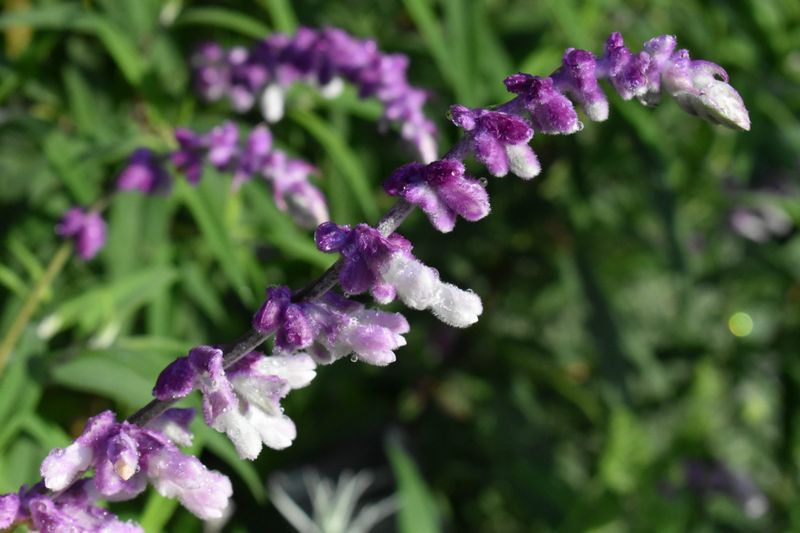
Salvia leucantha, or Mexican bush sage, is one of those plants that stops people in their tracks. Its long, velvety purple-and-white flower spikes have a dramatic, almost theatrical quality that looks stunning in fall landscapes.
Bumblebees are particularly fond of squeezing into these fuzzy blooms.
This salvia grows into a large, arching shrub that reaches three to four feet tall and wide. Plant it where it has room to spread and enjoy its full fall display, which coincides beautifully with monarch butterfly migration through Florida.
Narrowleaf Sunflower
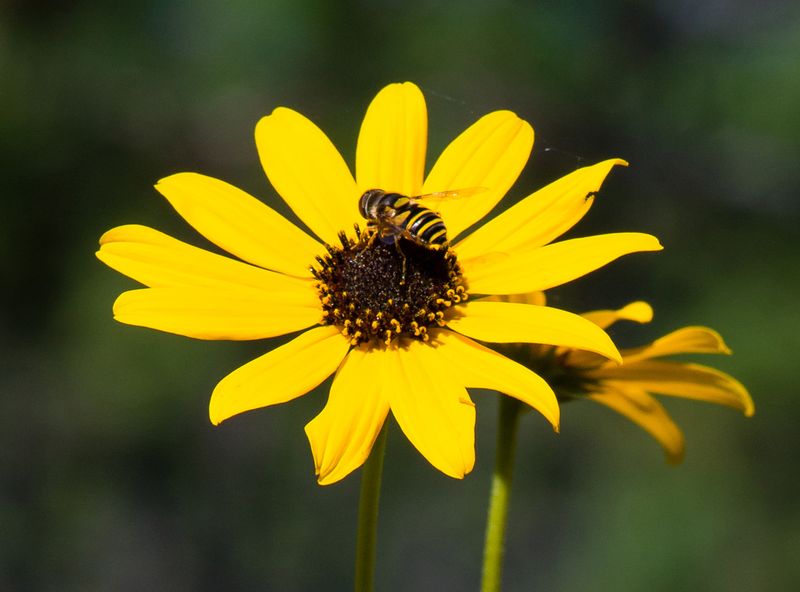
Narrowleaf sunflower is a Florida native that delivers maximum pollinator bang for your gardening buck. Its cheerful yellow blooms appear in late summer and fall, perfectly timed to fuel migrating monarchs and provide late-season resources for native bees preparing for winter.
Unlike its giant cultivated cousins, narrowleaf sunflower stays relatively slender and naturalistic, spreading gradually to form loose colonies. It thrives in full sun and tolerates the sandy, nutrient-poor soils found throughout much of Florida without any added fertilizer needed.
Coral Honeysuckle
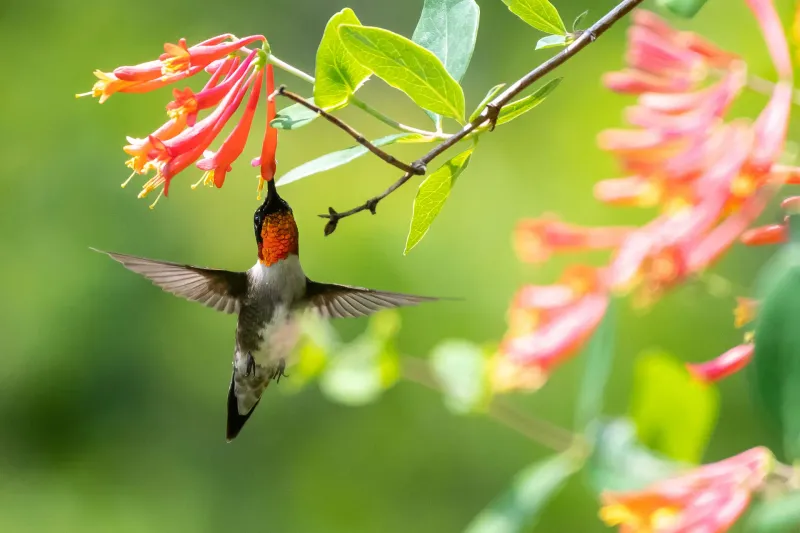
Coral honeysuckle is the well-behaved cousin of the invasive Japanese honeysuckle — native, non-invasive, and absolutely gorgeous. Its clusters of coral-red tubular flowers attract hummingbirds, swallowtails, and native bees, while its bright red berries feed songbirds in fall and winter.
It truly offers something for every Florida wildlife lover.
Train it to climb a trellis, fence, or arbor in full to partial sun. Coral honeysuckle is drought-tolerant once established and stays evergreen in most parts of Florida throughout the year.
Passionflower
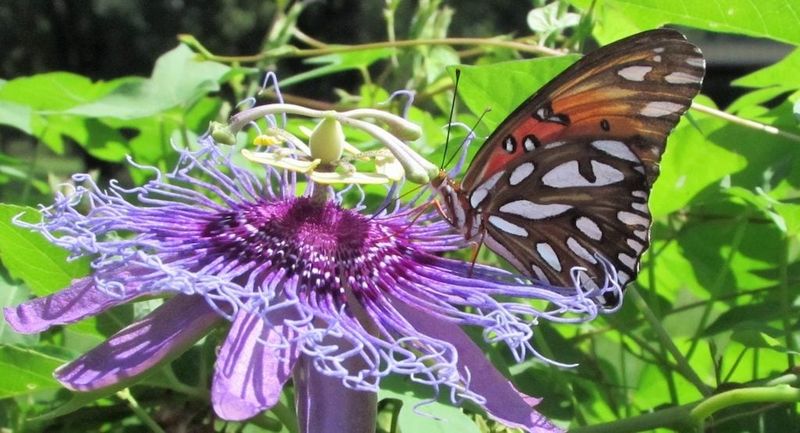
No plant in Florida has a more jaw-dropping flower than the native passionflower. Its intricate purple, white, and lavender blooms look like something from a science fiction movie, and they are the exclusive host plant for Gulf fritillary and zebra longwing butterfly caterpillars — Florida’s state butterfly.
Passionflower vines grow vigorously and need a sturdy trellis or fence to climb. Beyond its butterfly value, bees love the blooms and the orange fruits attract wildlife, making it one of the most ecologically valuable vines you can plant.
Elliott’s Aster
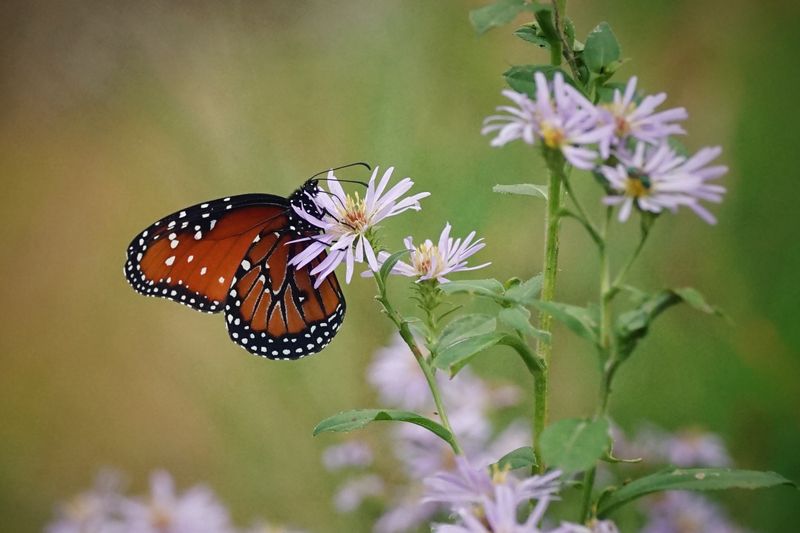
Elliott’s aster is a Florida native that saves the day at the end of the growing season. When many other plants are winding down, this aster bursts into bloom in fall, offering a critical late-season nectar source for migrating monarchs, painted ladies, and dozens of native bee species.
It grows best in moist to average soil in full to partial sun and can reach three to five feet tall. Left to naturalize, Elliott’s aster forms beautiful colonies that create a stunning purple haze across the fall landscape.
Spiderwort
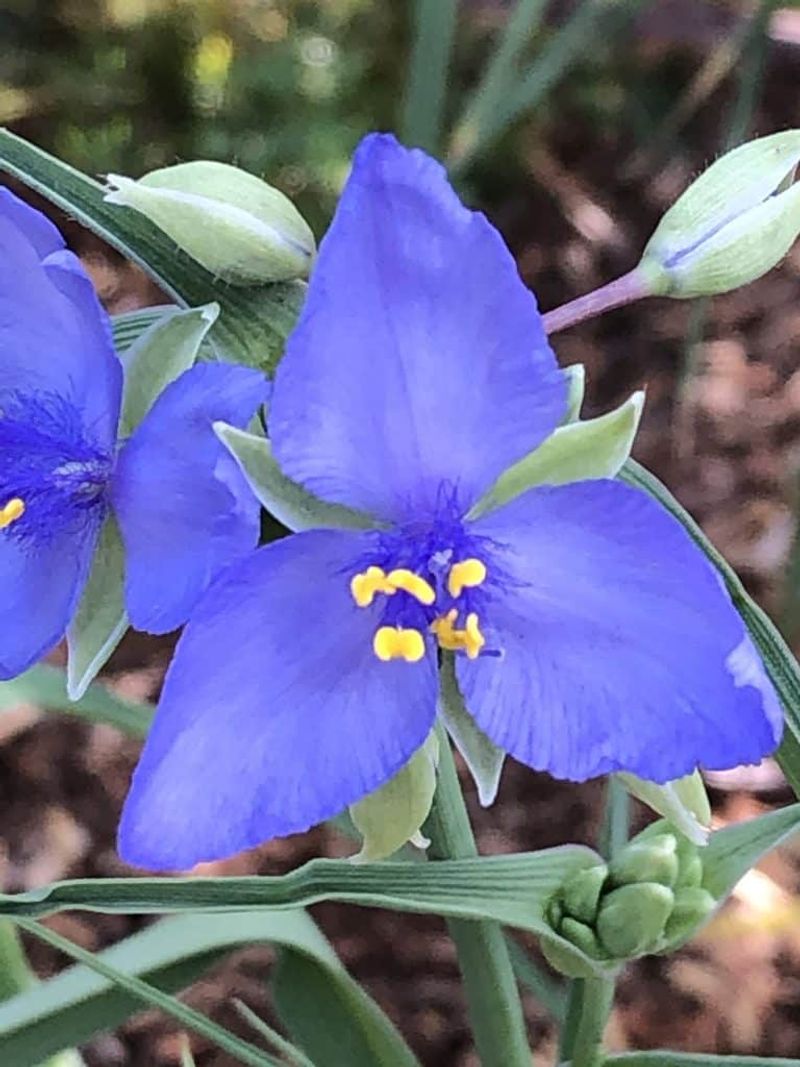
Spiderwort is one of those quietly brilliant native plants that earns its spot in any Florida pollinator garden. Its vibrant purple, three-petaled flowers open in the morning and close by midday, creating a daily rhythm that bumblebees and sweat bees have learned to follow for a reliable pollen fix.
It thrives in partial shade, making it perfect for spots under trees or along shaded garden edges where other sun-loving plants struggle. Spiderwort spreads naturally and comes back year after year with almost no maintenance required from you.
Walter’s Viburnum
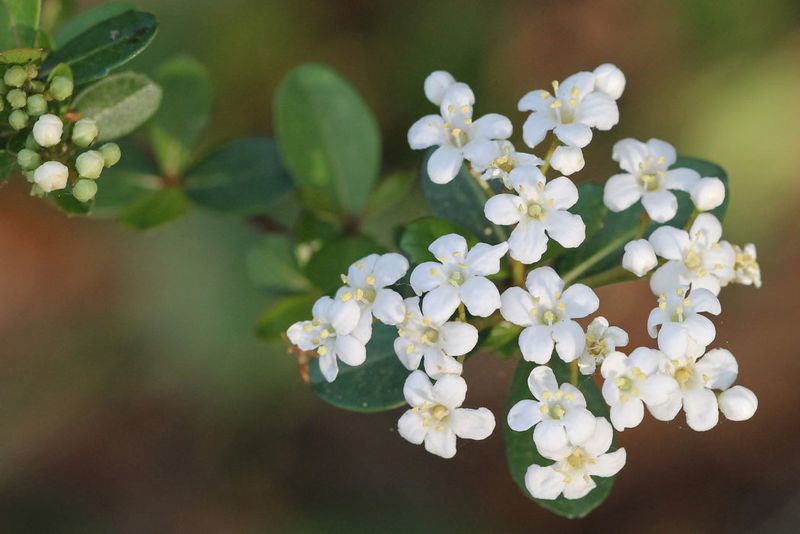
Walter’s viburnum is a Florida native shrub that works overtime for local pollinators. In spring, its branches are blanketed with clusters of tiny white flowers that bees swarm in impressive numbers.
Later in the season, its dark berries become a favorite food source for mockingbirds and other songbirds.
This adaptable shrub tolerates a range of soil conditions and can handle both wet and dry periods, which is ideal for unpredictable Florida weather. Use it as a privacy hedge, foundation planting, or standalone specimen in a wildlife-friendly yard.