


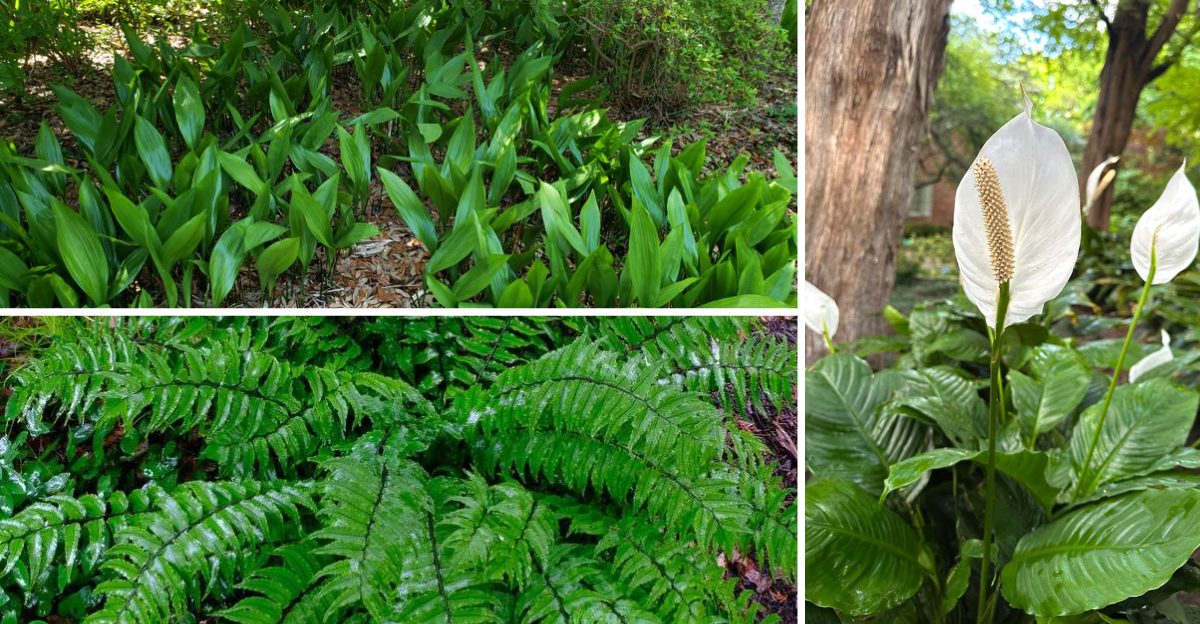
Florida’s intense sun and humidity can make gardening feel overwhelming, but your shady spots are actually full of potential. Plenty of beautiful plants love low light and can handle Florida’s heat without needing you to fuss over them every day.
Whether you have a covered porch, a spot under a big oak tree, or a shaded corner of your yard, these plants will reward you with lush color and texture. Get ready to transform those dark corners into something truly spectacular.
Cast Iron Plant
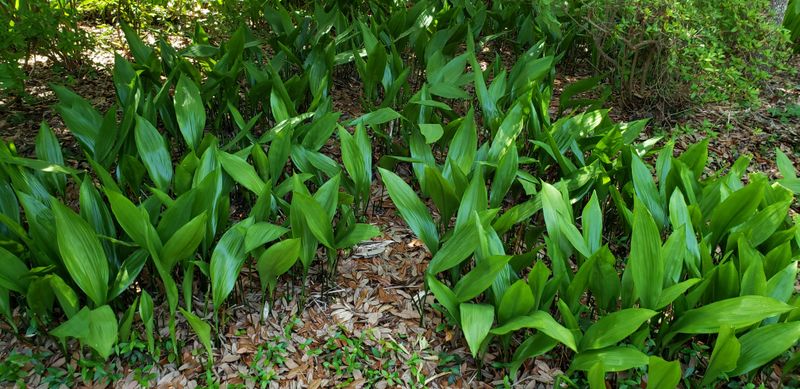
True to its name, the cast iron plant is practically indestructible. It laughs at neglect, shrugs off deep shade, and keeps its dark green leaves looking polished even through Florida’s brutal summers.
Gardeners who travel often or forget to water love this plant for obvious reasons.
Plant it under a canopy of trees where nothing else will grow, and watch it slowly fill in the space. It spreads on its own over time, requiring zero fuss from you.
Peace Lily
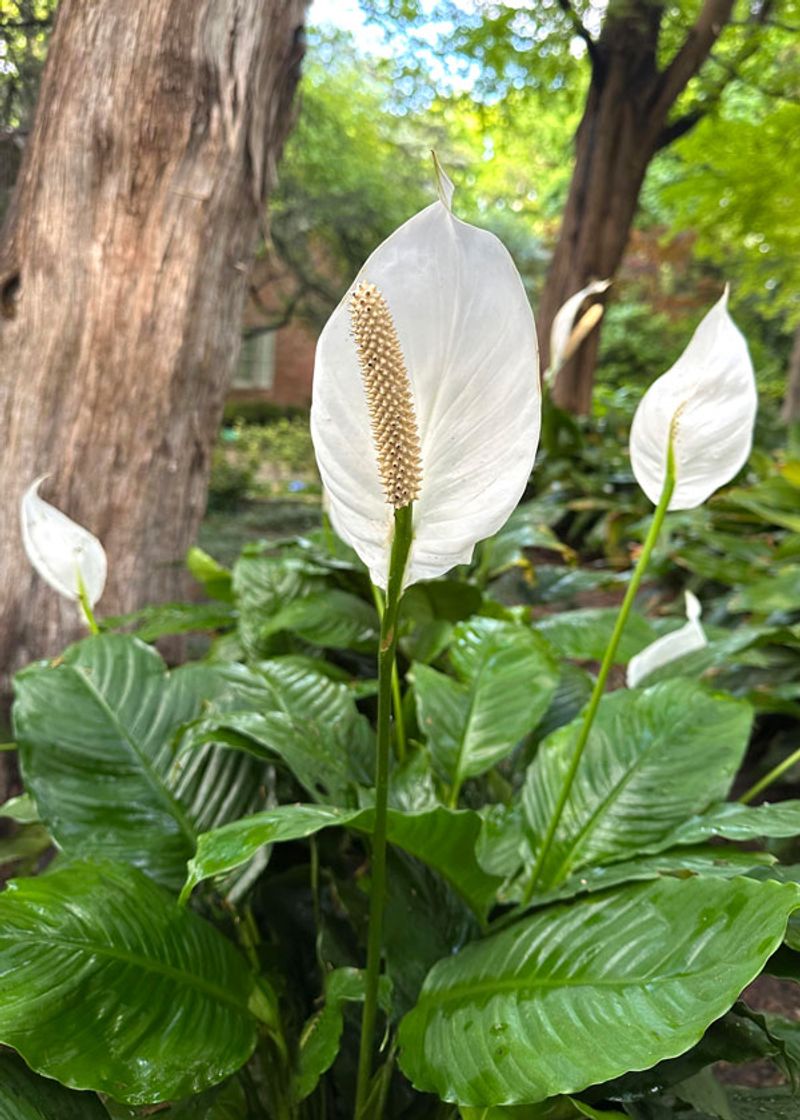
Few plants pull off elegance as effortlessly as the peace lily. Its white, sail-shaped blooms rise above deep green foliage like little flags of calm, making it a favorite for shaded patios and indoor spaces across Florida.
It even cleans the air around it as a bonus.
When it gets thirsty, the leaves droop dramatically as a clear signal. Water it, and within hours it bounces right back.
It is one of the most forgiving plants you can own.
Bromeliad
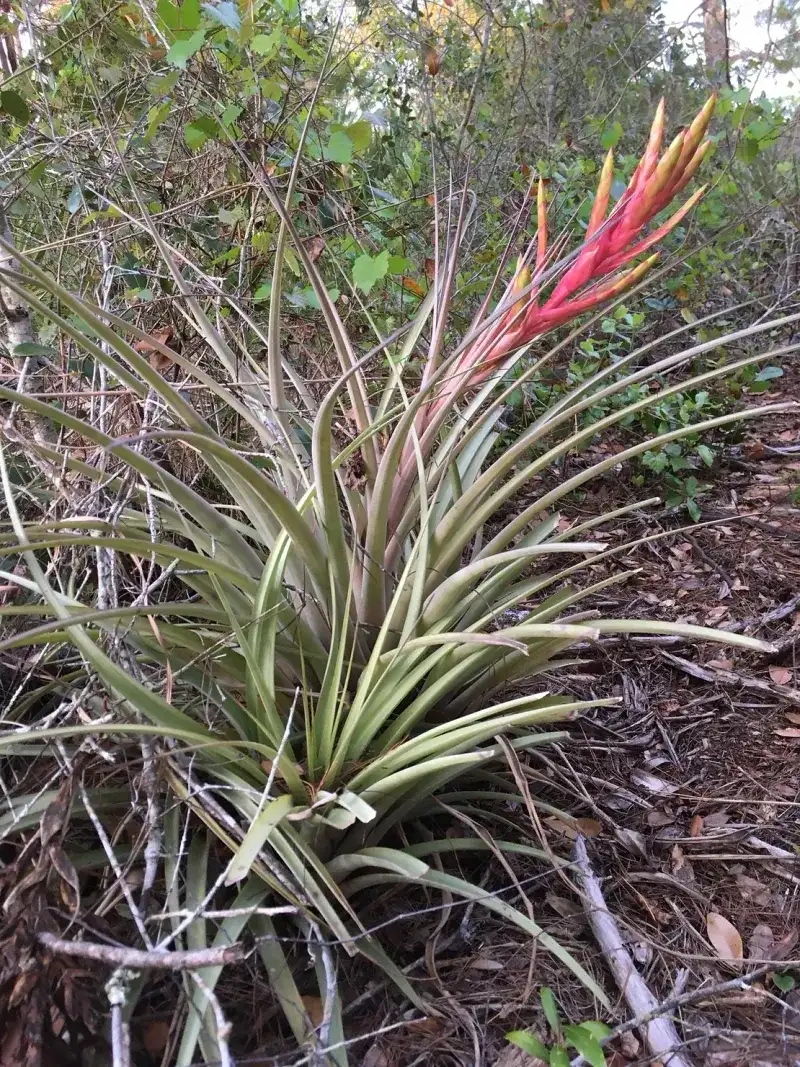
Bromeliads are the showoffs of the shade garden, and honestly, they have earned the right to be. Their bold, jewel-toned blooms can last for months, and they thrive in Florida’s humid climate without much help from you.
Many species grow naturally in tree crevices, so they are built for low-light living.
Once a bromeliad finishes blooming, it produces baby plants called pups. Separate those pups and pot them up for a never-ending free supply of color throughout your yard.
Caladium
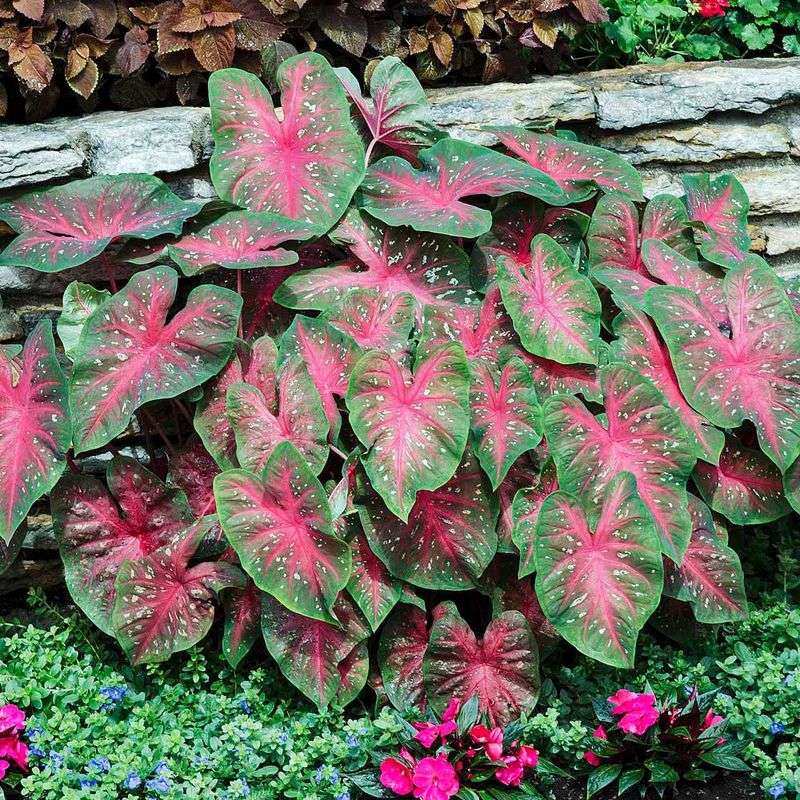
Walk through any Florida neighborhood in summer and you will spot caladiums lighting up the shadows with their wild, painted leaves. Reds, pinks, whites, and greens swirl together in patterns that look almost too pretty to be real.
Florida actually produces most of the world’s caladium bulbs, so this plant is practically homegrown here.
They go dormant in winter, but pop right back up when warm weather returns. Plant the bulbs once and enjoy the show year after year without replanting.
Boston Fern
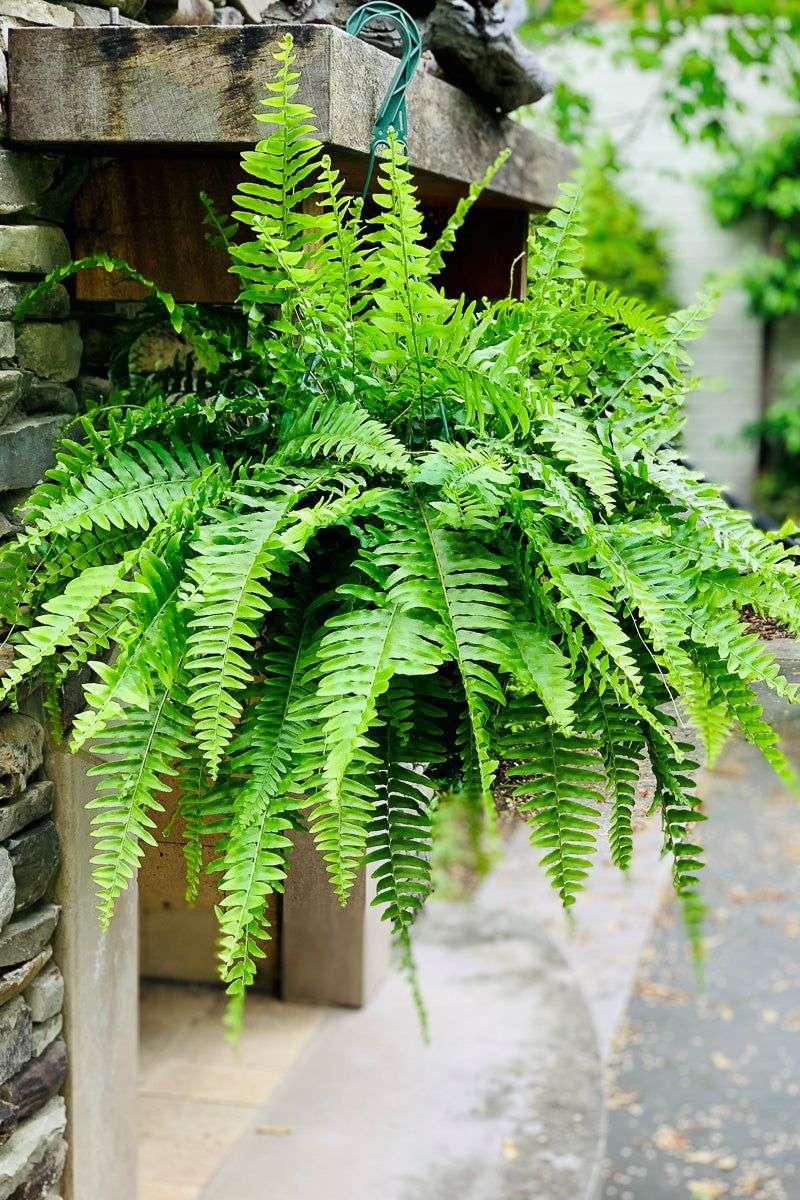
Boston ferns have been hanging on Southern porches for generations, and there is a very good reason for that long track record. They love humidity, they love shade, and Florida gives them both in generous amounts.
Their long, arching fronds create a soft, lush look that instantly makes any porch feel more welcoming.
Misting them occasionally and keeping the soil evenly moist is really all they ask. In return, you get a plant so full and green it looks like it belongs in a rainforest.
Holly Fern
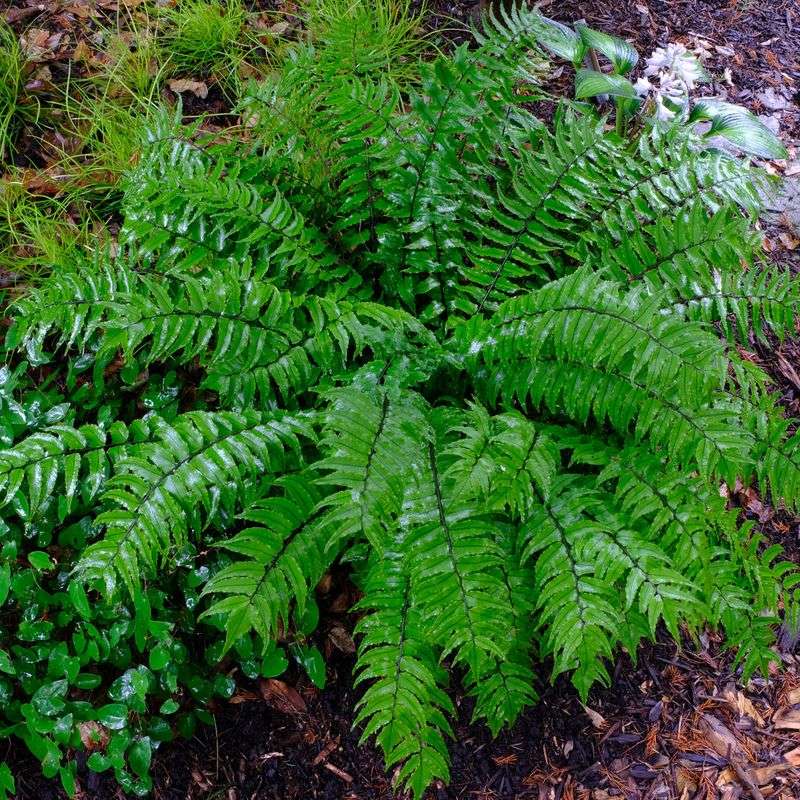
If Boston ferns feel a little too delicate for your taste, holly fern is the tougher sibling you need. Its fronds are stiff and shiny, almost like they were dipped in lacquer, giving it a bold, sculptural look in shaded garden beds.
Unlike many ferns, it handles drier conditions without throwing a fit.
Holly fern is also deer resistant, which is a welcome bonus for Florida gardeners dealing with wildlife. Plant it along a shaded border and basically forget about it.
Foxtail Fern
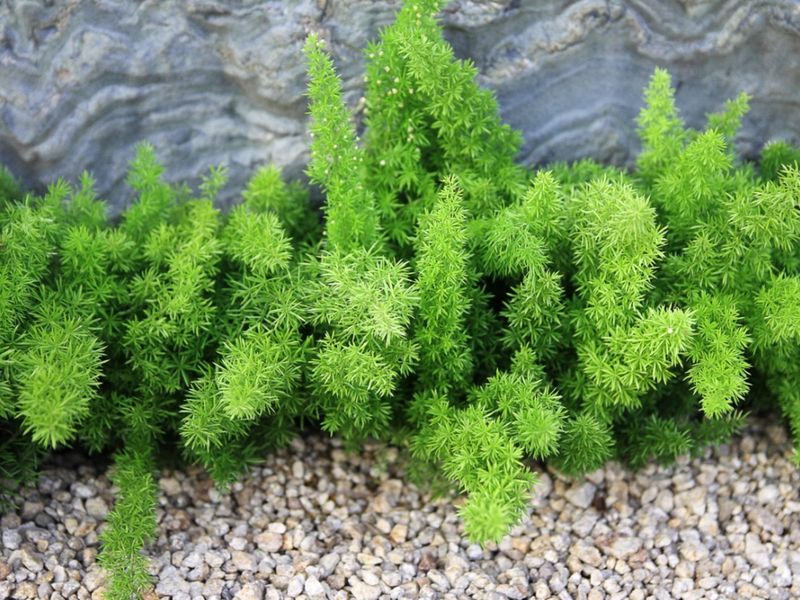
Foxtail fern does not look like a typical fern, and that is exactly what makes it so interesting. Its bright green, needle-like leaves cluster into dense, cylindrical plumes that resemble fox tails, creating a playful, fluffy texture unlike anything else in the garden.
It handles shade and some sun, giving you flexibility in placement.
Despite its delicate appearance, this plant is surprisingly drought tolerant once established. It grows from thick tuber roots that store water, making it far tougher than it looks.
Spider Plant
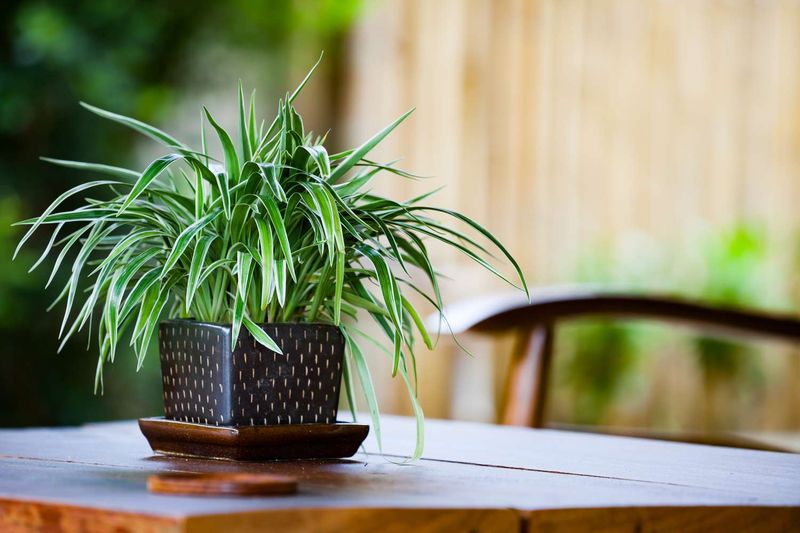
Spider plants have been popular houseplants for decades, but in Florida they absolutely thrive outdoors on shaded porches and lanais. Their long, striped leaves arch gracefully outward, and they constantly send out little dangling offshoots called spiderettes that are ready to be replanted.
One plant can easily become twenty within a single growing season.
They tolerate low light, inconsistent watering, and general neglect with a cheerful attitude. If you want a plant that practically grows itself, this is a strong contender.
Chinese Evergreen
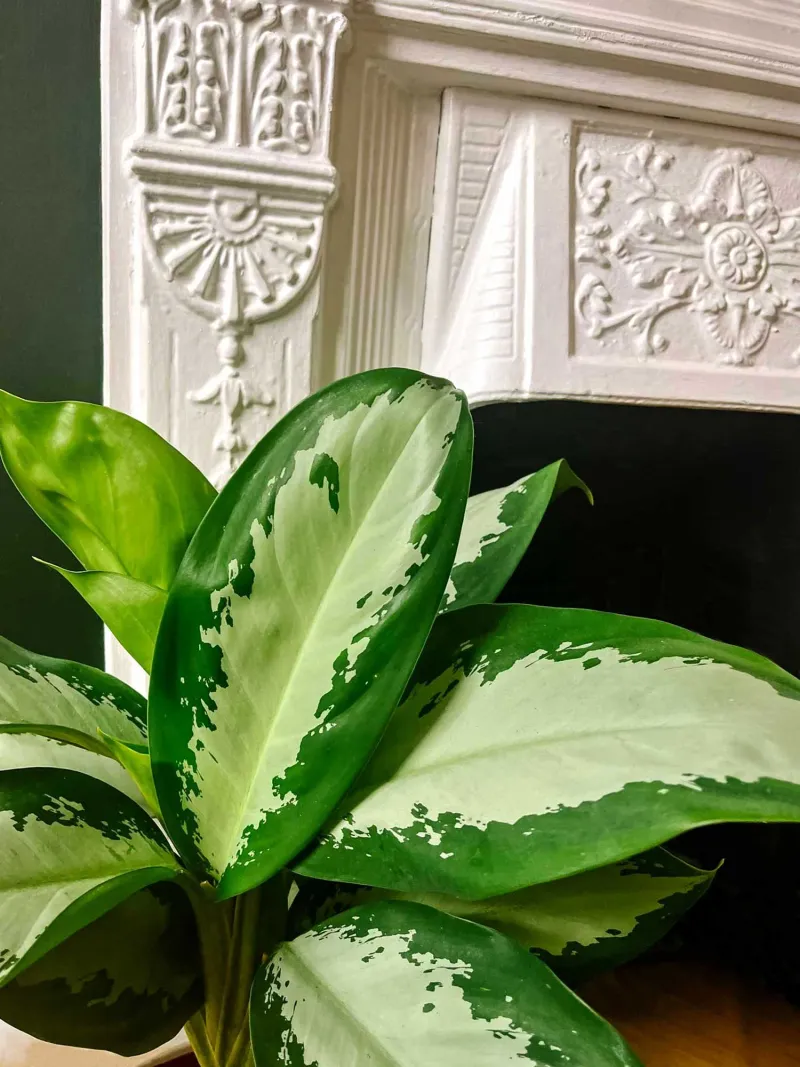
Chinese evergreen is one of those plants that seems almost too good to be true. It tolerates low light, irregular watering, and average humidity without complaint, making it a reliable performer in Florida’s shadier spots.
Its broad leaves come in a stunning range of colors and patterns, from deep green to silver to rosy pink.
Outdoors in Florida, keep it in a shaded or partially shaded spot to protect its leaves from scorching. Indoors or out, it adds a lush, tropical energy to any space.
Philodendron
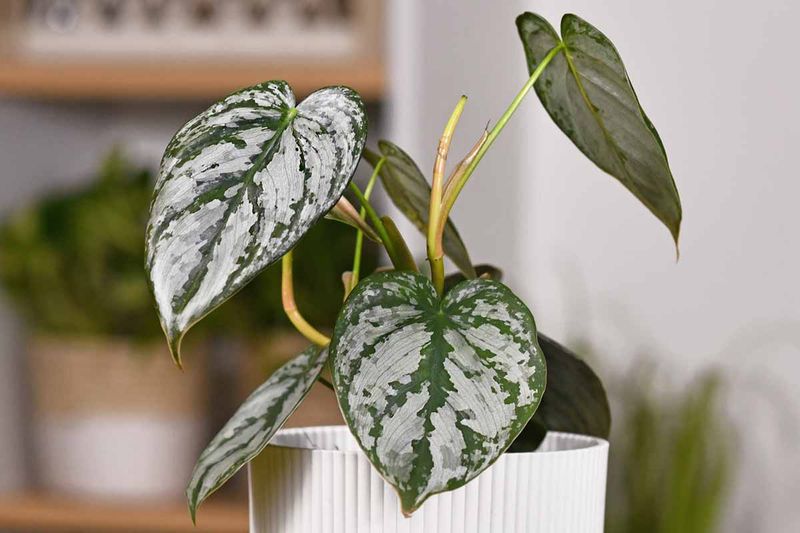
Philodendrons are the undisputed champions of low-maintenance tropical gardening. With their big, glossy leaves and easy-going nature, they fill shaded spaces with a lush, jungle-like richness that is hard to beat.
Florida’s warmth suits them beautifully, and many varieties can live outdoors year-round in the southern parts of the state.
Whether you choose a vining type or an upright variety, philodendrons rarely ask for much. Water when the top inch of soil dries out, give them shade, and they will reward you generously.
Bird’s Nest Fern
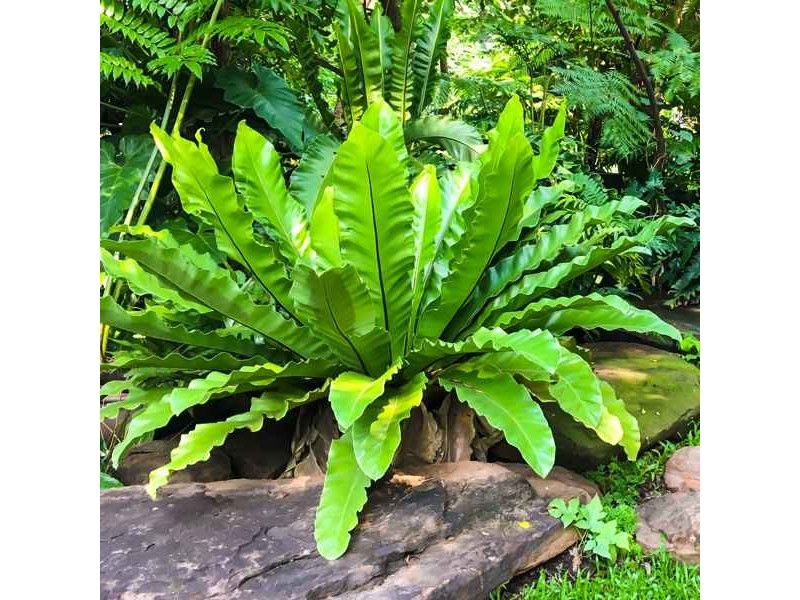
Picture a giant green nest sitting on the forest floor, and you have a pretty good image of the bird’s nest fern. Its broad, ripple-edged fronds spiral outward from a central cup that naturally collects debris and moisture, just like a real nest.
That unusual structure makes it one of the most eye-catching ferns you can grow in Florida.
It thrives in humid, shaded spots and prefers to dry out slightly between waterings. Avoid getting water into the center rosette to prevent rot.
Aspidistra
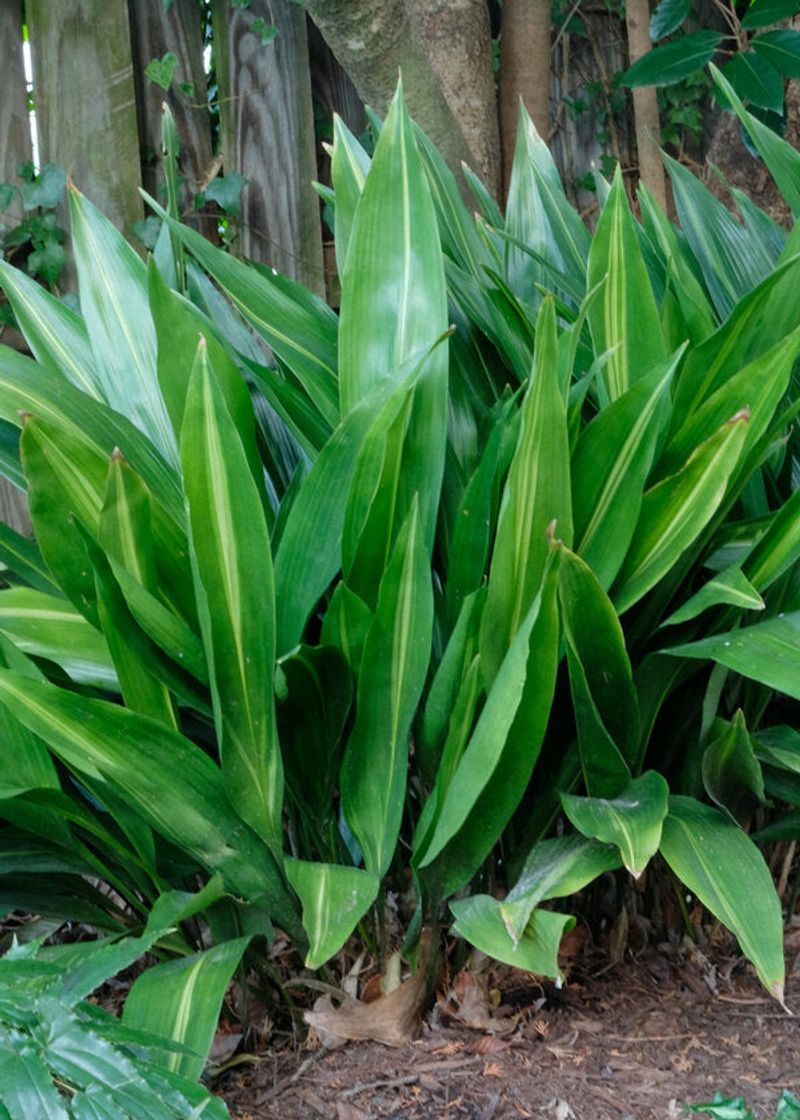
Aspidistra earned its tough reputation the hard way, surviving in conditions that would kill most other plants. Deep shade, poor soil, drought, and even occasional cold snaps are no match for this resilient beauty.
Victorian-era gardeners adored it, and Florida gardeners today are rediscovering just how useful it really is in difficult spots.
Its tall, dark, architectural leaves bring a bold structure to shaded beds without any drama. Plant it somewhere challenging and let it prove itself, because it absolutely will.
Farfugium
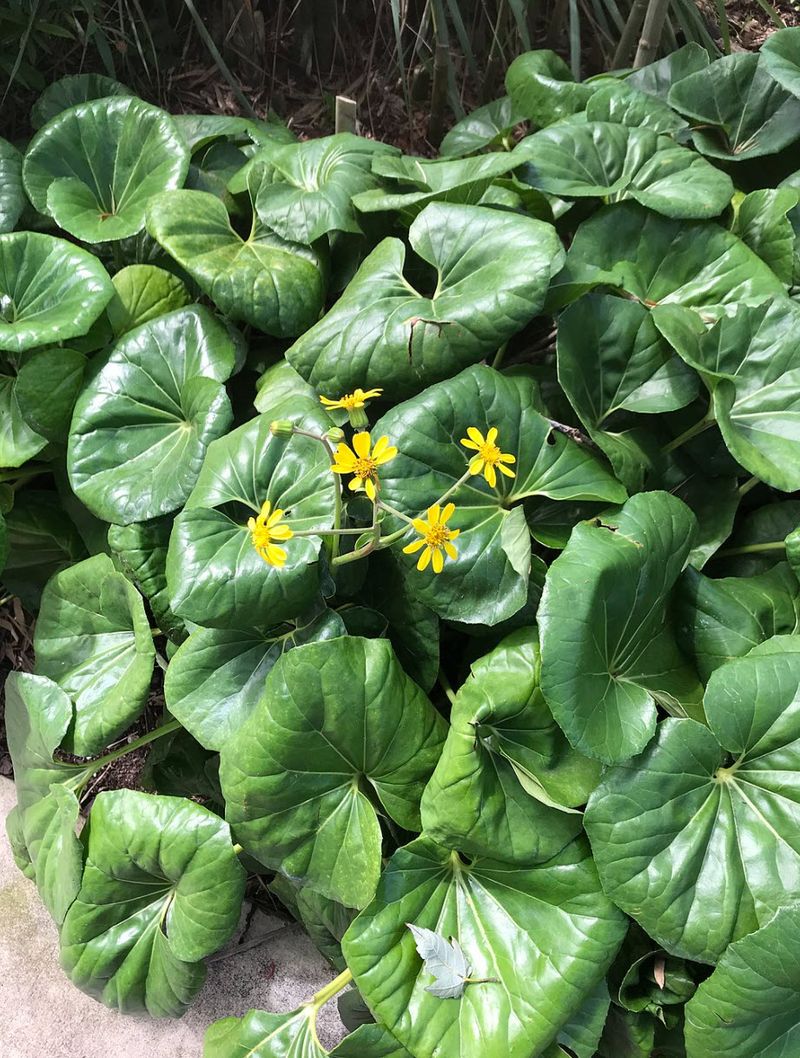
Farfugium is not a plant most people know by name, but once you see it, you remember it. Its enormous, round, glossy leaves look almost cartoonishly bold, giving shaded garden beds a dramatic, tropical feel that is hard to replicate with anything else.
Some varieties even have spotted or variegated leaves for extra visual punch.
It handles Florida’s humidity with ease and prefers consistently moist soil in a shaded spot. Yellow daisy-like flowers appear in cooler months as a cheerful seasonal bonus.
Begonia
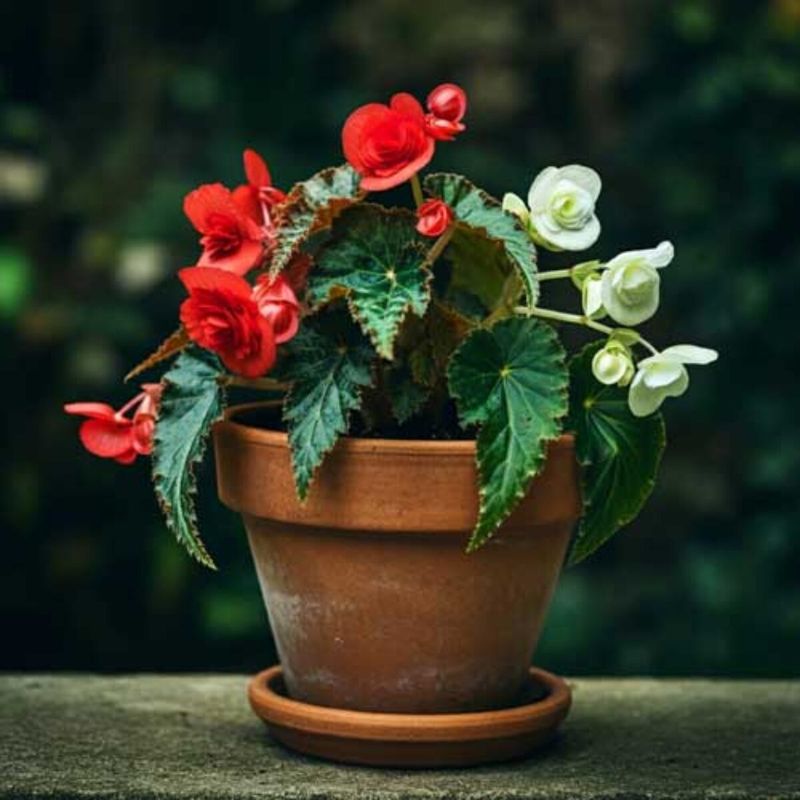
Begonias are workhorses of the shade garden, pumping out flowers from spring all the way through fall without much encouragement. In Florida, wax begonias and angel wing begonias are especially popular because they handle heat and humidity far better than many other flowering plants.
The blooms come in hot pinks, reds, whites, and corals that pop beautifully against dark foliage.
They do best with morning light and afternoon shade. Regular deadheading is optional since many modern varieties are self-cleaning and keep blooming on their own.
Impatiens
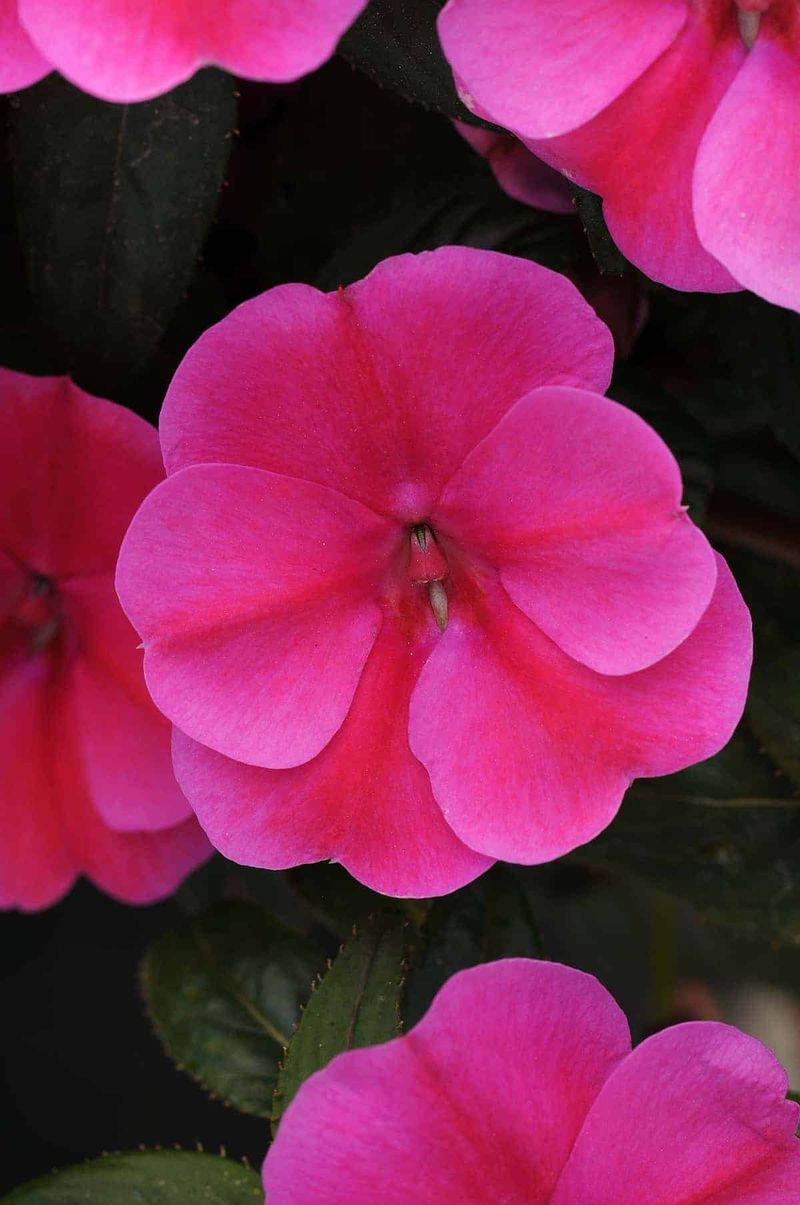
No other plant delivers as much color in the shade as impatiens do. They bloom nonstop in a rainbow of shades, carpeting shaded beds with so many flowers you can barely see the leaves beneath them.
Florida gardeners have long relied on them for instant, reliable color under trees and along shaded walkways.
Keep the soil moist and give them fertilizer every few weeks, and they will perform like champions. New Guinea impatiens are a great pick if you want varieties with slightly more sun tolerance.
Persian Shield
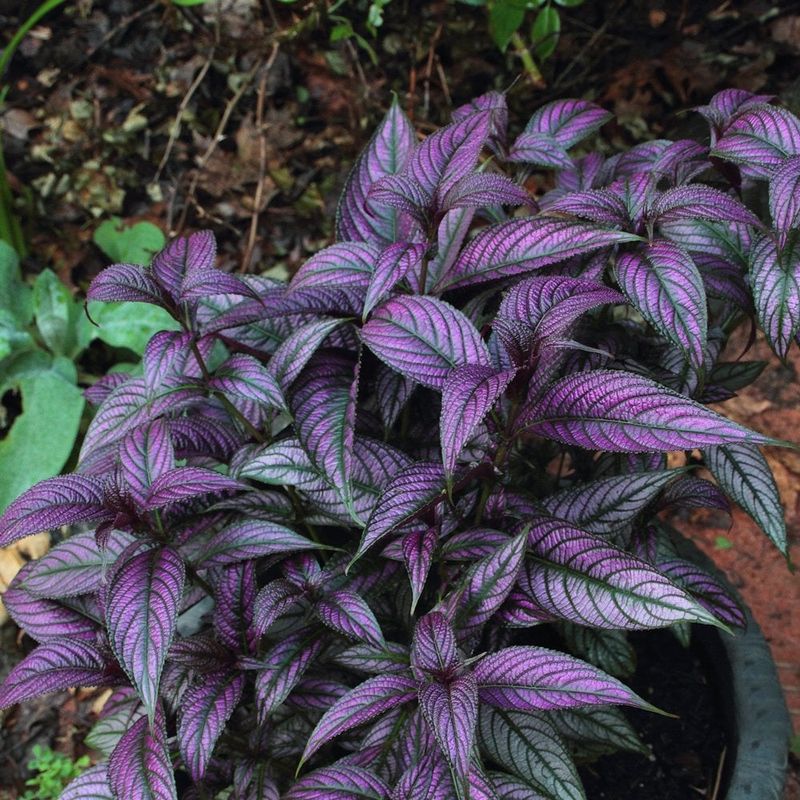
Persian shield might be the most glamorous foliage plant you can grow in a Florida shade garden. Its leaves shimmer with an iridescent purple and silver metallic sheen that looks almost unreal, like something from a fantasy novel rather than a backyard garden.
It thrives in Florida’s heat and humidity, growing quickly into a full, striking mound.
Pinch back the tips regularly to keep it bushy and full. It pairs beautifully with green or chartreuse plants that let its wild coloring take center stage.
Japanese Aralia
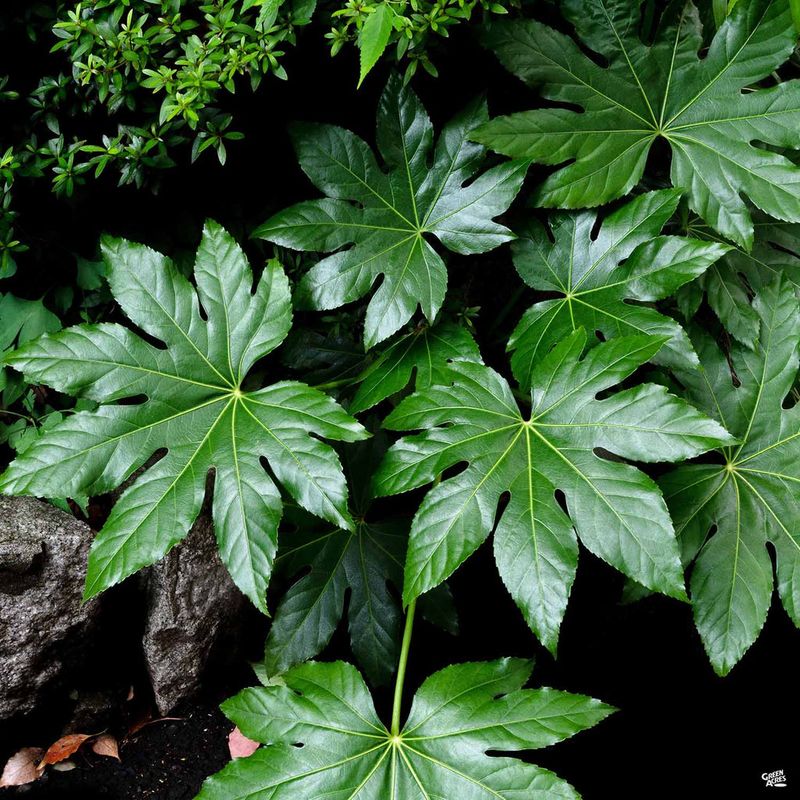
Japanese aralia brings a bold, tropical drama to shaded Florida gardens that few plants can match. Its enormous, deeply lobed leaves fan out like open hands, creating a lush, exotic look that immediately draws the eye.
It grows into a substantial shrub over time, making it ideal as a dramatic focal point or a privacy screen in shaded areas.
It tolerates coastal conditions well, which is a big advantage in Florida. Once established, it handles drought and salt air without skipping a beat.
Leopard Plant
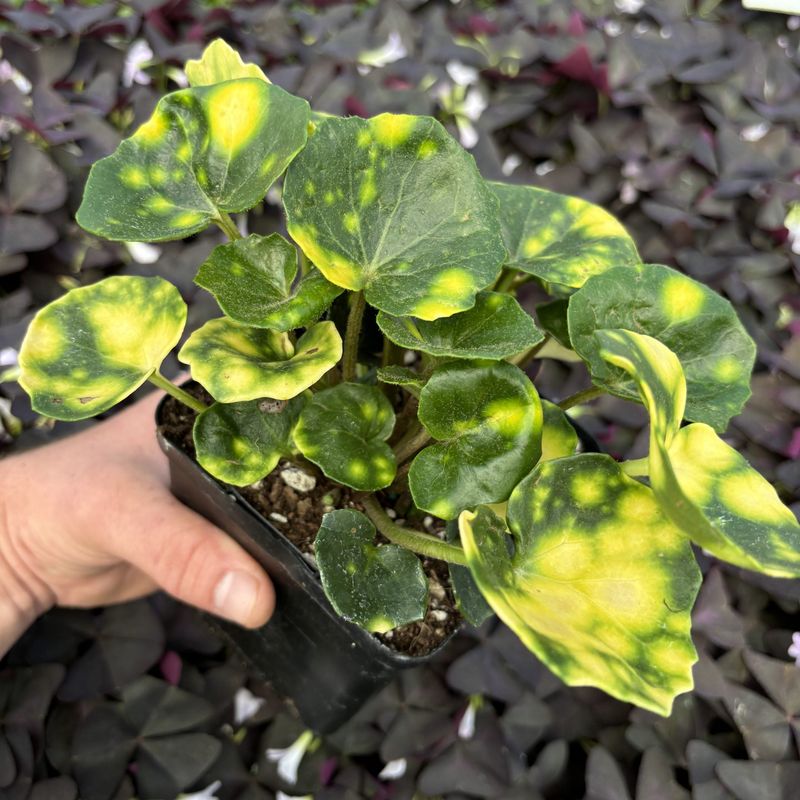
The leopard plant gets its name from the bold yellow spots splashed across its large, round leaves, and it is genuinely one of the quirkiest-looking plants you can grow in Florida. It loves moisture and shade, making it a natural fit for rain gardens, pond edges, or low-lying shaded areas that stay damp.
The spots are not a disease; that is just how it grows.
Bright yellow flowers bloom in fall, adding seasonal color when many other plants are winding down. It is a slow grower but absolutely worth the wait.
Oyster Plant
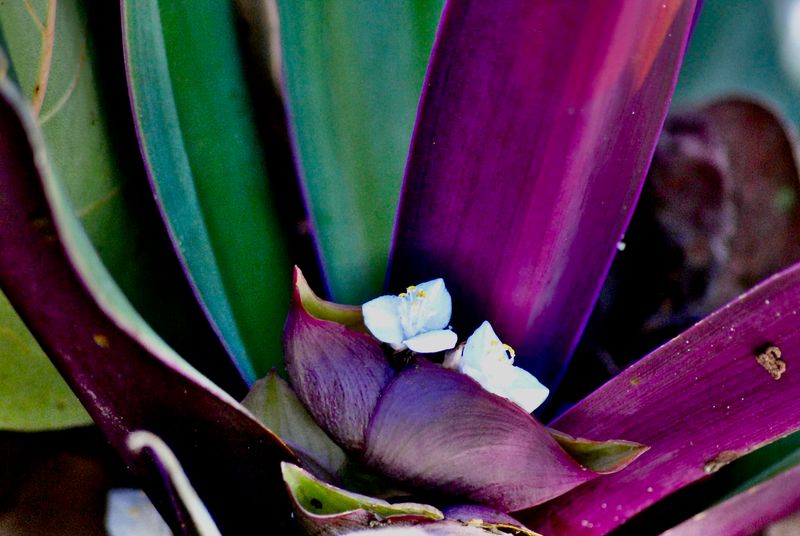
Flip over an oyster plant leaf and you will find a deep, rich purple that contrasts dramatically with the green on top. That two-toned look makes it one of the most visually interesting ground covers for Florida shade gardens, and it spreads quickly to fill in bare spots under trees.
Small white flowers nestle inside the leaf axils like little hidden surprises.
It handles drought, heat, and neglect with ease once it is settled in. Use it as a bold edging plant or a dense ground cover in challenging shaded areas.
Shell Ginger
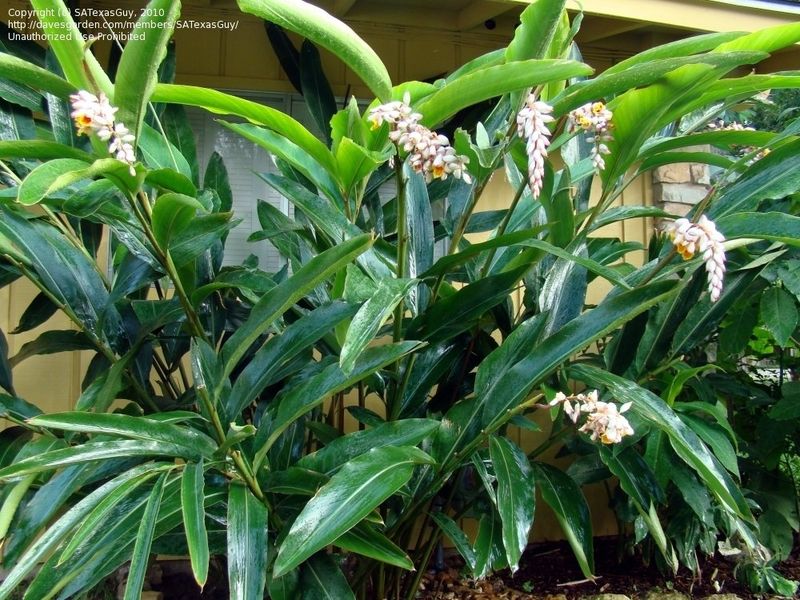
Shell ginger is one of those plants that makes people stop and stare. Its tall, bamboo-like canes are lined with large, glossy leaves, and in spring it produces dangling clusters of shell-shaped flowers in soft pink and white that look like something out of a tropical paradise.
It can grow quite tall, making it a stunning background plant for shaded garden beds.
It spreads by underground rhizomes and can fill a large area over time. The leaves also smell wonderful when crushed, adding a sensory bonus to its visual drama.