


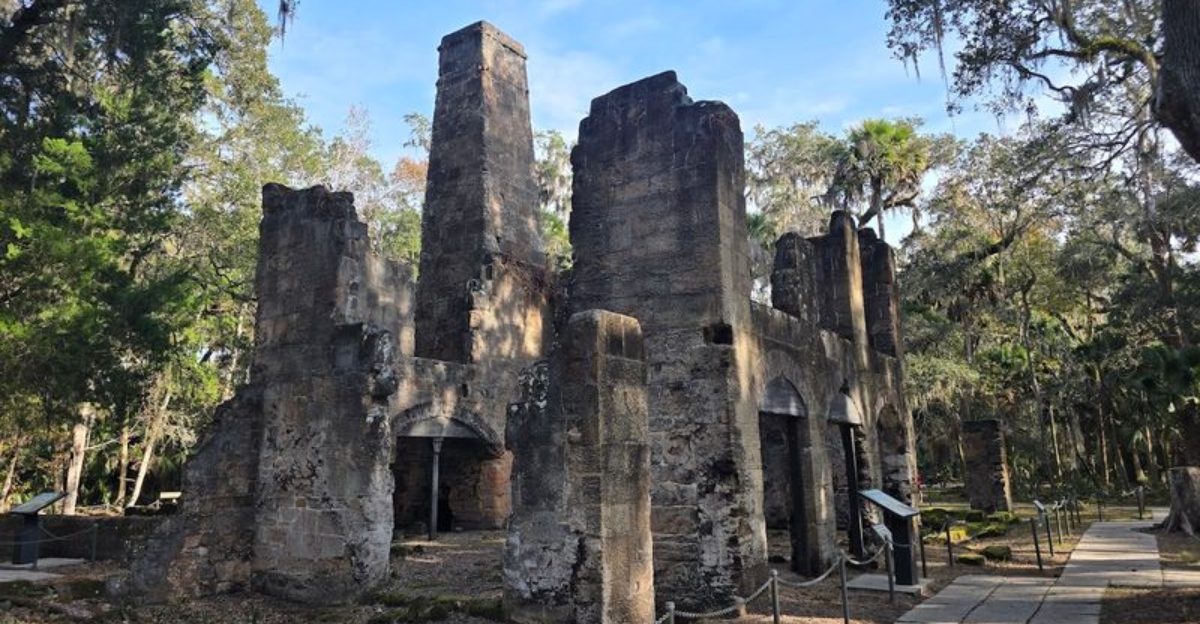
Tucked away along a shaded dirt road in Flagler County, Florida, Bulow Plantation Ruins Historic State Park holds one of the most fascinating and forgotten stories in the Sunshine State. Once the largest sugar plantation in East Florida, this site was burned to the ground in 1836 during the Second Seminole War, leaving behind haunting coquina stone walls and quiet trails through lush woodland.
For just $4, visitors can walk back in time, exploring ruins, nature trails, and a peaceful creek that feels miles away from the modern world. Whether you love history, hiking, or simply discovering hidden gems, this park is absolutely worth the detour.
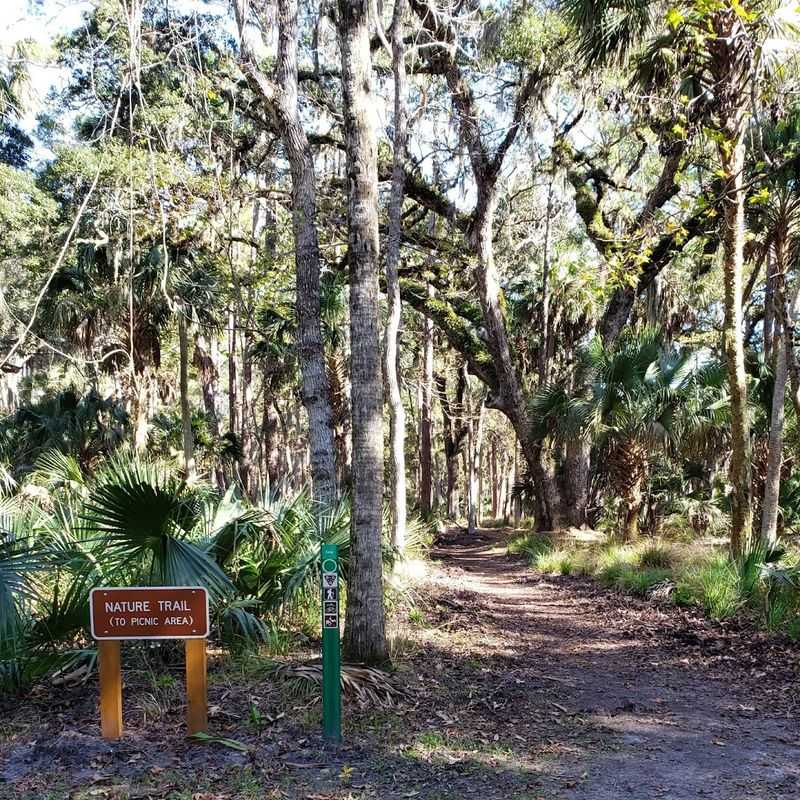
The Woodland Trail That Starts It All
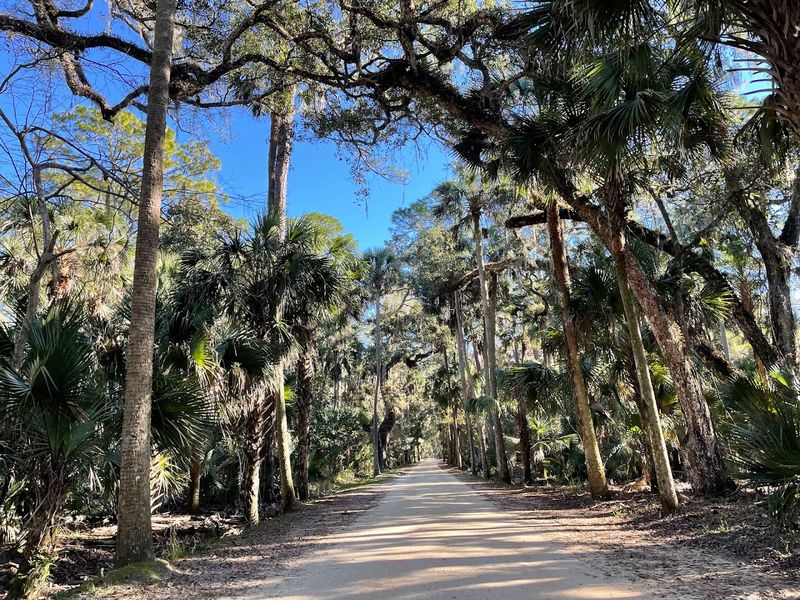
Before you even reach the ruins, the trail itself sets the mood. Shaded by towering live oaks and saw palmettos, the path to Bulow Plantation Ruins feels like stepping into a different century.
The air is cooler here, and the sounds of the modern world seem to fade away with every step you take deeper into the hammock.
Most visitors are surprised by how peaceful and well-maintained the trail actually is. It is easy to walk and suitable for all fitness levels, making it great for families, older adults, and casual hikers alike.
The dirt path winds gently through thick vegetation, giving you a real sense of old Florida wilderness.
If you are starting from the picnic area, the walk to the sugar mill ruins is only about 0.3 miles one way. Short enough for a quick visit, but rich enough in scenery to feel completely worth the trip.
Coquina Sugar Mill Ruins Standing Strong
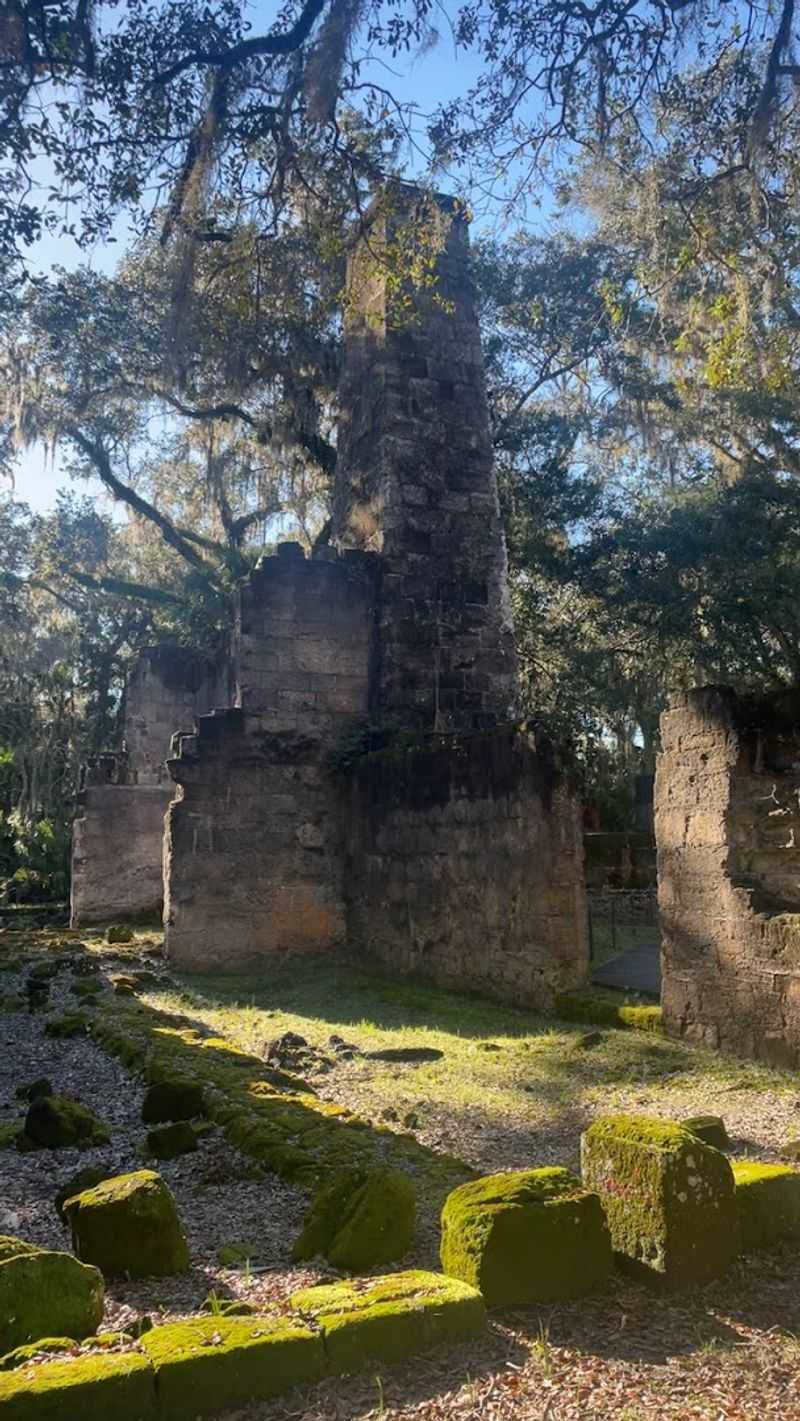
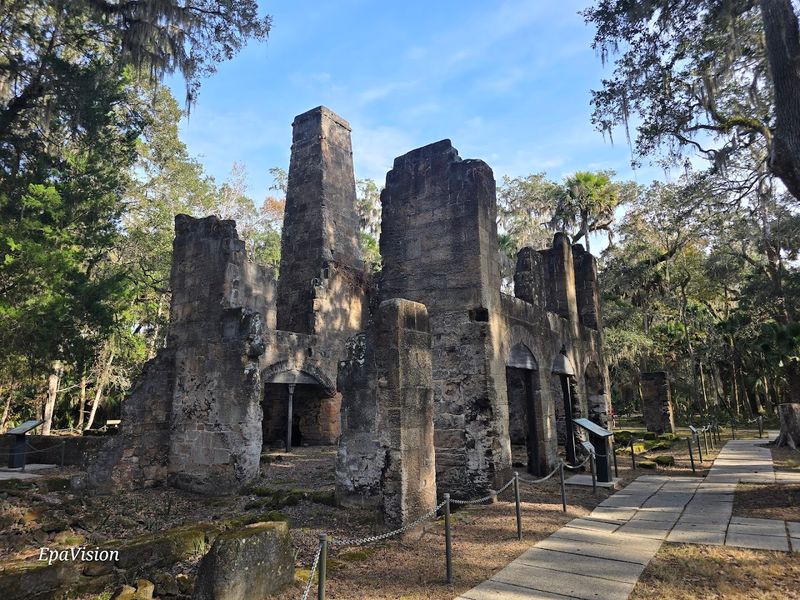
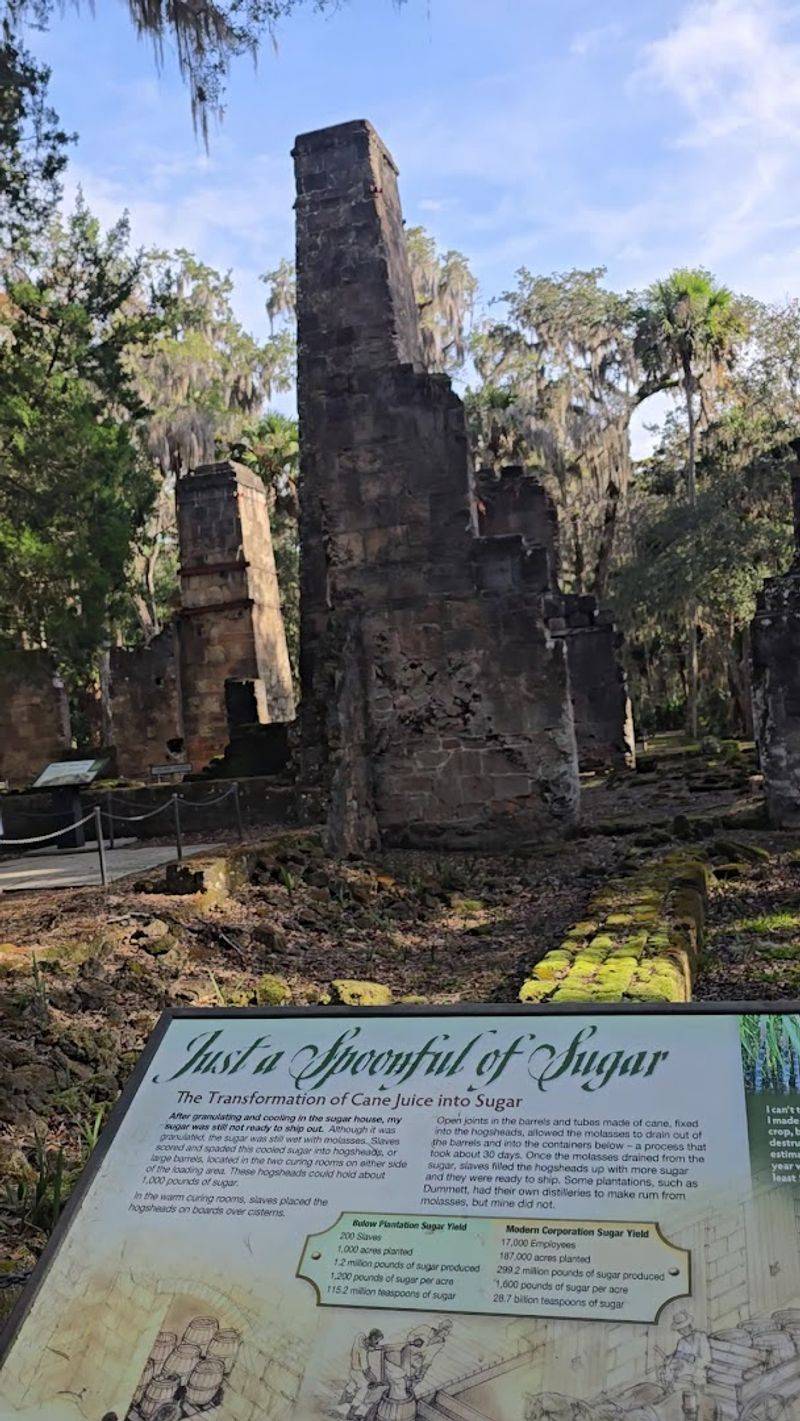
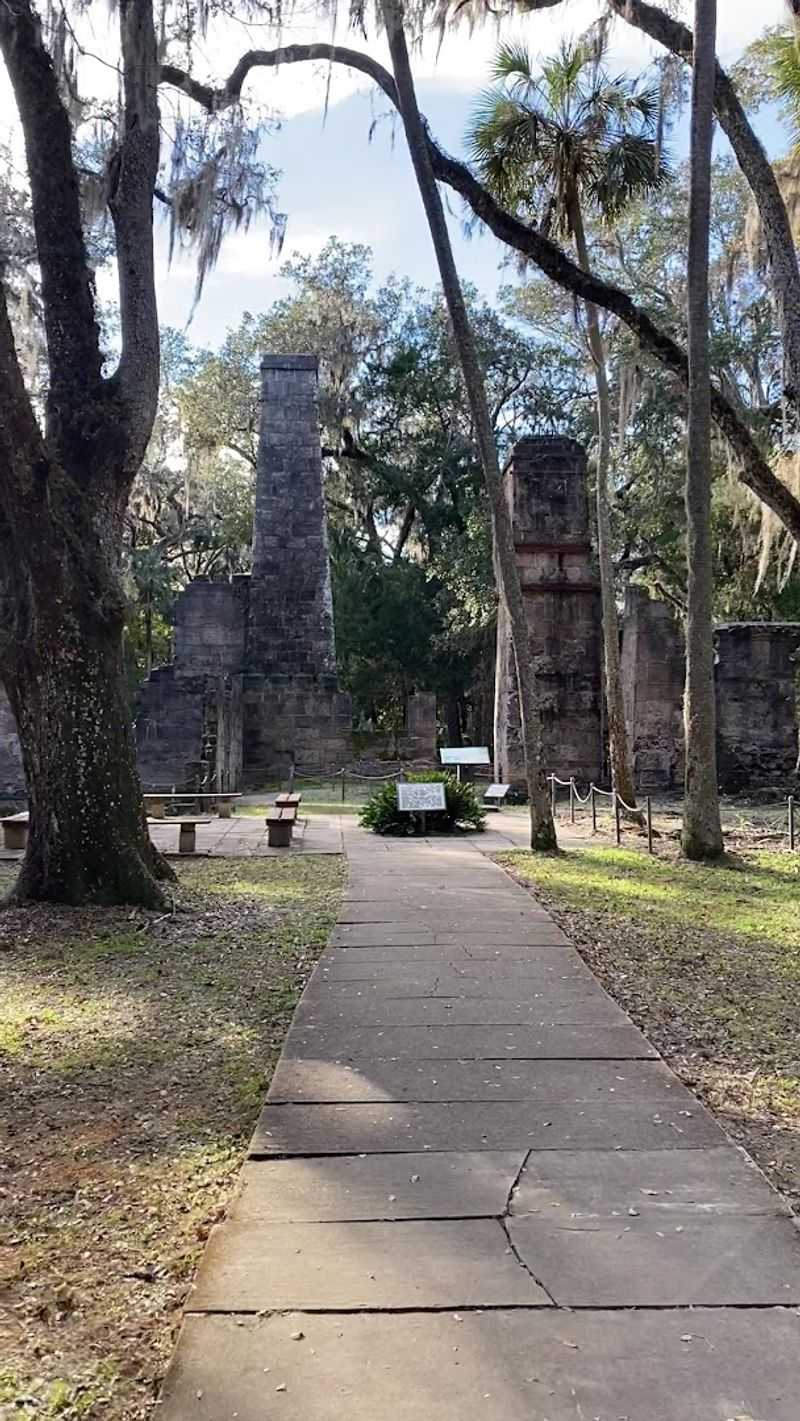
Standing in front of the old sugar mill walls feels like discovering something that was never meant to be found. Built from coquina, a local shell-rock material, these thick walls have somehow survived nearly two centuries of Florida weather, hurricanes, and time itself.
They rise dramatically from the forest floor, draped in vines and surrounded by ancient trees.
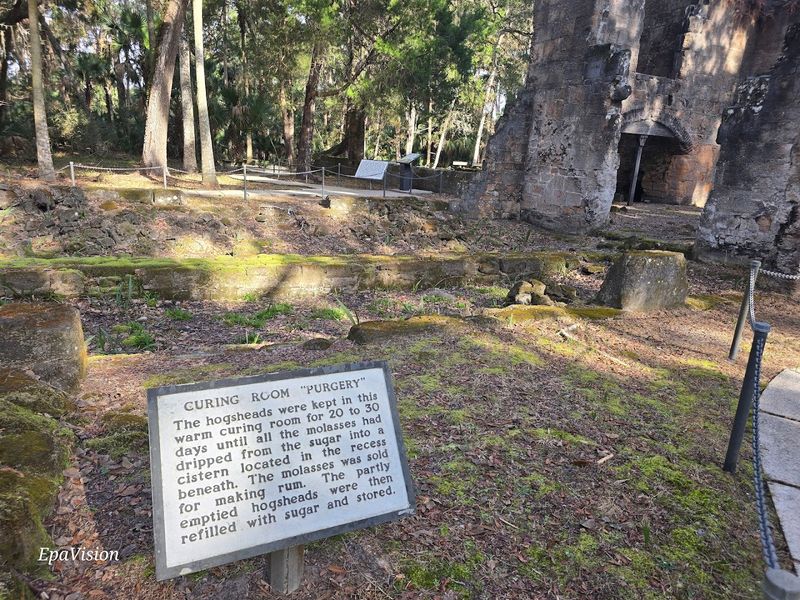
The mill was once the heart of the Bulow Plantation, processing sugar cane grown by enslaved workers across hundreds of acres. Informational plaques scattered around the ruins explain the step-by-step process of making sugar, which was a grueling and dangerous job in the intense Florida heat.
Visitors consistently describe this spot as the highlight of the park. The way sunlight filters through the old stone walls creates a golden, almost cinematic atmosphere.
Bring your camera, because this is one of those places that photographs beautifully from every angle.
A Plantation With a Complicated Past
Major Charles Wilhelm Bulow established this plantation in the early 1800s, and at its peak, it was the largest in all of East Florida. The land stretched across thousands of acres, and crops like sugar cane, cotton, rice, and indigo were all grown here.
Every bit of that labor was done by enslaved people, whose stories are just as central to this site as the ruins themselves.
The park does not shy away from that history. Interpretive signs and educational displays help visitors understand both the economic success of the plantation and the human cost behind it.
It is a sobering experience, but an important one that encourages reflection and deeper thinking.
Many visitors say they left the park with more questions than answers, which is actually a sign of truly meaningful history. This is the kind of place that sticks with you long after you have driven back down Old Kings Road.
Tabby Slave Cabin Remains Hidden in the Trees
Tucked behind the main ruins area, down a short trail from the picnic area, are the barely-there remains of tabby slave cabins. Tabby is a building material made from oyster shells, sand, and water, and it was commonly used in the antebellum South.
These foundations are easy to overlook, but they represent the lives of the people who actually built and maintained the entire plantation.
Many visitors miss this section entirely because it is not as prominently marked as the sugar mill. But if you take the time to seek it out, the experience is quietly powerful.
Standing among those foundations makes the history feel personal and real in a way that reading about it simply cannot.
Park staff and signage encourage visitors to reflect on these spaces with respect. This hidden corner of the park is one of its most emotionally significant spots, and it deserves just as much attention as the towering mill walls nearby.
The Plantation House Foundation Outline
Where a grand plantation house once stood, only the faint outline of a foundation remains. The house itself was completely destroyed when Seminole warriors burned the plantation in January 1836 during the Second Seminole War, and nothing above ground survived.
Still, walking along that foundation outline gives you a vivid sense of just how large and ambitious the original structure must have been.
It is a strange feeling, standing where a family once lived and hosted guests, knowing that everything was reduced to ash in a single night. The Bulow family never rebuilt.
Major Bulow died just a few months after the attack, and the plantation was simply abandoned to the Florida wilderness.
Nature has slowly reclaimed much of the site over the decades, which only adds to its haunting atmosphere. Tall trees now grow where rooms once existed, and the forest has wrapped itself around the memory of what was once a thriving estate.
Second Seminole War and the Night of Destruction
On January 19, 1836, Seminole warriors set fire to Bulow Plantation, destroying nearly everything on the property. This attack was part of the broader Second Seminole War, a conflict that erupted after the U.S. government attempted to forcibly relocate the Seminole people from their Florida homeland.
The Seminoles fought back with fierce determination, and plantations across the region were targeted as symbols of colonial expansion.
The burning of Bulow was not an isolated event. Many neighboring plantations along the east coast of Florida were attacked around the same time, sending thousands of settlers fleeing northward.
It was one of the most dramatic chapters in Florida’s early territorial history.
Understanding this context makes visiting the ruins far more meaningful. The charred history of this place is not just about one family’s loss.
It represents an entire era of conflict, displacement, and resistance that shaped the state of Florida in lasting ways.
Bulow Creek Canoe and Kayak Trail
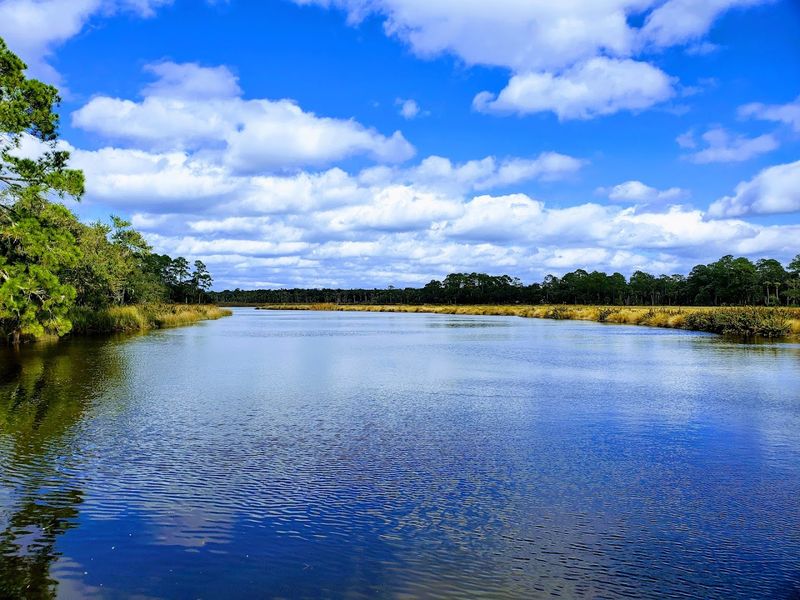
Not everything at this park is about looking at old stones. Bulow Creek offers one of the most scenic paddling experiences in northeast Florida, winding through a coastal hammock that feels completely untouched.
The water is dark and still, framed by cypress knees and overhanging branches that create a tunnel-like canopy overhead.
Visitors have launched kayaks and canoes directly from the park’s boat ramp, exploring the creek at their own pace. The experience is quiet and serene, with occasional sightings of birds, turtles, and other Florida wildlife along the banks.
One reviewer described it as returning to find the ruins dappled in golden sunlight after their paddle, which sounds like a perfect afternoon.
The boat ramp is well-maintained and can accommodate trailers, making it accessible for those who bring their own watercraft. Bulow Creek is also part of a longer paddling trail system, so experienced paddlers can extend their adventure well beyond the park boundaries.
Wildlife You Might Spot Along the Way
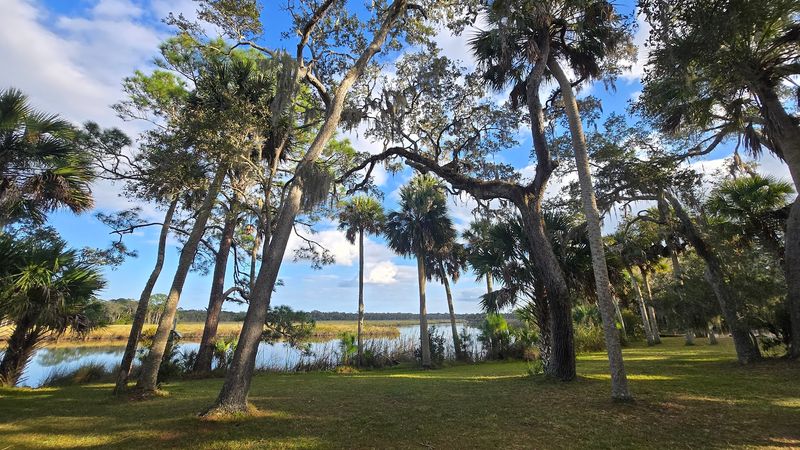
One visitor spotted an armadillo waddling along the trail, which is honestly one of the most classically Floridian wildlife encounters you can have. The park sits within a coastal hammock ecosystem, which means it supports a surprisingly rich variety of animal life despite being relatively small and accessible.
Keep your eyes open and your footsteps quiet, and you are likely to see something memorable.
Birds are especially plentiful here, particularly along Bulow Creek. Wading birds like herons and egrets are common, and woodpeckers can often be heard tapping away in the canopy above.
Turtles frequently sun themselves on logs near the water’s edge, adding a relaxed, lazy-afternoon energy to the whole scene.
The park does not feel like a heavily trafficked tourist destination, which means wildlife is less disturbed and more likely to be visible. Bring binoculars if you have them, and move slowly through the trails for the best chance of spotting something wild and wonderful.
Educational Displays and Artifact Exhibits
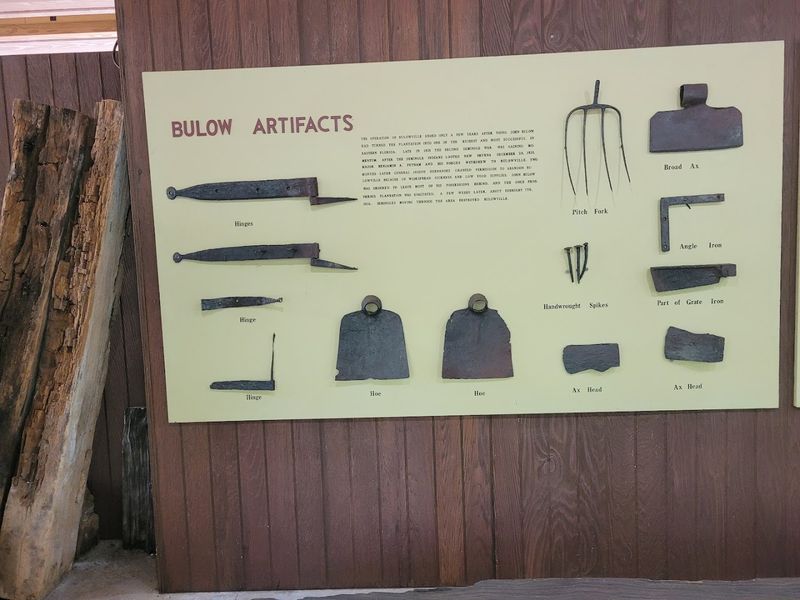
History comes alive through objects, and Bulow Plantation does a solid job of showcasing artifacts that connect visitors to everyday life in the 1800s. Behind protective glass cases, you will find old tools, household items, and equipment related to sugar production.
Each piece carries a quiet story about the people who used it, whether they were owners, overseers, or enslaved workers.
The interpretive signage throughout the park is detailed and educational without being overwhelming. Signs explain the sugar-making process, the layout of the plantation, and the events that led to its destruction.
Several visitors have noted that the information boards are genuinely interesting and easy to understand, even for younger readers.
One reviewer mentioned that some displays could use updating, and that is fair. But overall, the educational experience here is solid and thoughtfully presented.
For anyone curious about Florida’s antebellum history, this is a genuinely enriching stop that goes well beyond just looking at old walls.
Picnic Areas Shaded by Ancient Live Oaks
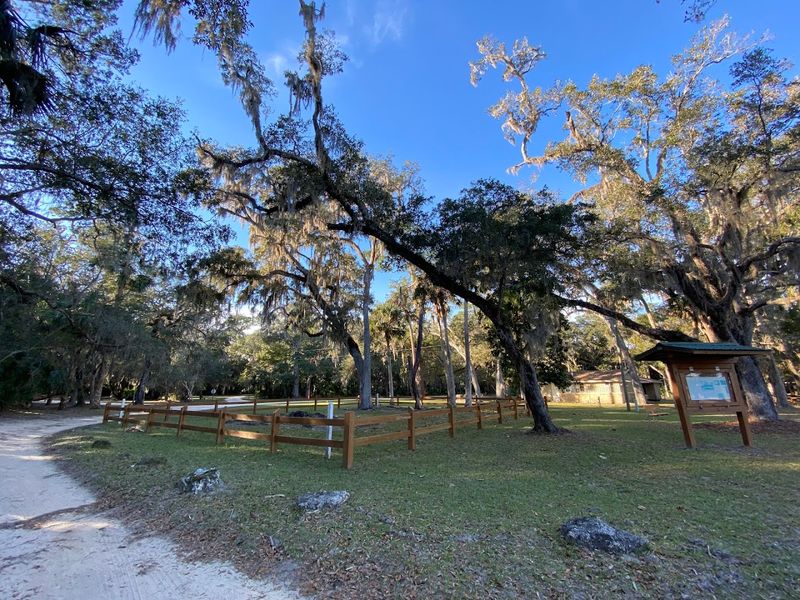
After walking the trails and absorbing all that history, settling down under a massive live oak for a picnic feels like the perfect reward. The park offers shaded picnic areas that are clean, well-kept, and genuinely relaxing.
Spanish moss hangs from thick branches overhead, and the whole atmosphere feels like a scene from a classic Southern novel.
Families visiting with kids will appreciate having a comfortable spot to rest and refuel before or after exploring the ruins. The picnic area near the sugar mill is especially popular because it is close to the main attractions and offers easy restroom access nearby.
Benches and tables are spread out enough to give each group its own sense of space.
One reviewer specifically praised the gorgeous old live oak near the southern parking lot, calling it a highlight on its own. Sometimes the best parts of a park visit are the quiet moments spent sitting still and simply taking in the scenery around you.
The Six-Mile Hiking Trail for Adventurous Visitors
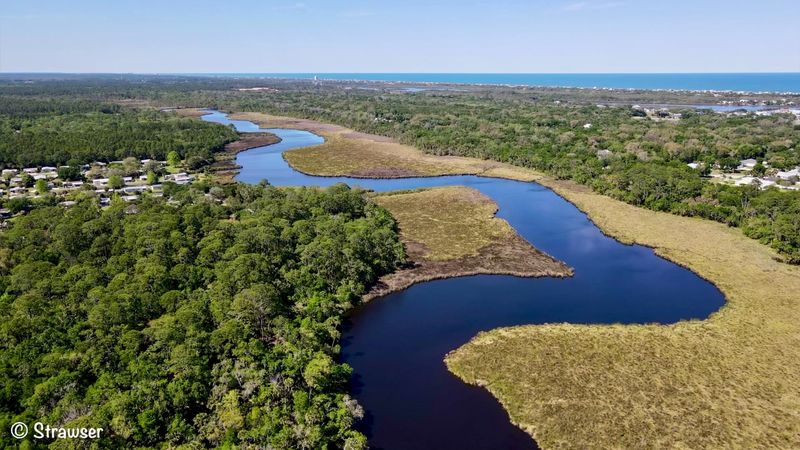
For visitors who want more than a short stroll, the park offers access to a longer trail system that stretches roughly six miles. This route takes hikers deep into the coastal hammock, passing through landscapes that feel genuinely wild and remote.
One reviewer mentioned reaching Cedar Creek and being completely amazed by the view from a small footbridge along the way.
Fair warning though: the longer trail is a different beast than the short walk to the ruins. Florida humidity and sun can turn a casual hike into a real workout, especially in the warmer months.
Bring plenty of water, wear sunscreen, and pace yourself if you decide to tackle the full route.
The trail has occasionally been closed due to storm damage, so it is worth checking with the park before planning a long hike. When it is open, though, it rewards patient hikers with some of the most peaceful and beautiful natural scenery in all of Flagler County.
Park Hours, Fees, and Practical Visit Tips
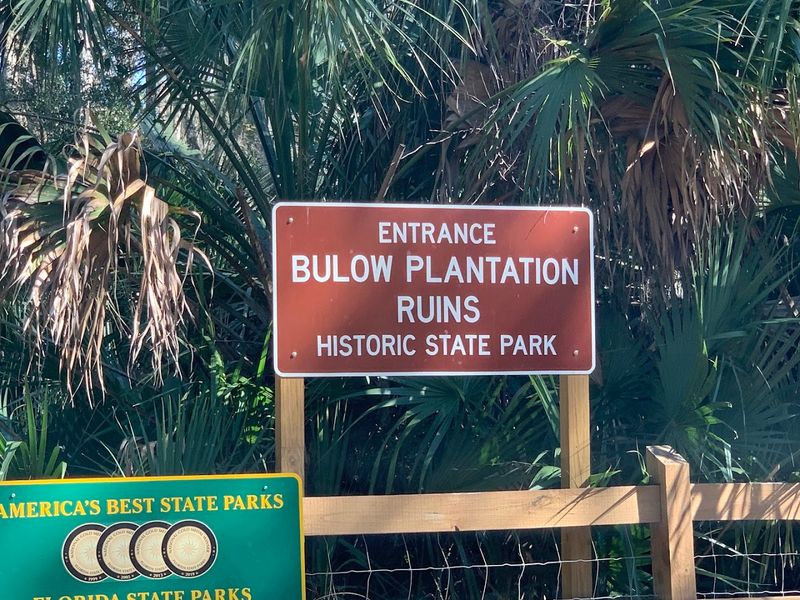
Planning your visit to Bulow Plantation Ruins takes just a little preparation, but it makes a big difference. The park is open Thursday through Monday from 9 a.m. to 5 p.m. and is closed on Tuesdays and Wednesdays.
More than one visitor has shown up on a closed day, so double-check the schedule before you make the drive.
Admission is $4 per vehicle and $2 for pedestrians or cyclists. Payment is collected through an honor system box at the entrance, and there is also a QR code option if you prefer to pay digitally.
Cash in exact change is helpful to have on hand just in case. The park is located at 3501 Old Kings Rd, Flagler Beach, FL 32136, and you can reach them at 386-517-2084.
Restrooms are available at the park, which is always a plus for families. Arrive early if you want the ruins mostly to yourself, as the morning light through the coquina walls is especially beautiful and the crowds are thinner.
Why This Hidden Gem Deserves a Spot on Your Florida Bucket List
Some places leave a mark on you, and Bulow Plantation Ruins is absolutely one of them. Reviewers consistently describe it as haunting, wistful, and quietly beautiful, a place that feels like it is supposed to be exactly as it is: half-forgotten, slowly reclaimed by nature, and full of stories that deserve to be heard.
It rated 4.6 stars across more than 400 reviews, which speaks volumes about how much visitors appreciate this tucked-away treasure.
What makes the park so special is its combination of natural beauty, layered history, and genuine accessibility. You do not need to be a hardcore hiker or a history professor to enjoy it.
A short walk, an open mind, and $4 in your pocket are really all you need.
Located close to Ormond Beach, Flagler Beach, and the famous Loop road, it fits easily into any northeast Florida road trip. Stop here once, and you will probably start telling everyone you know to add it to their list.