


Florida’s warm climate and sandy soils make it one of the best places in the country to grow native plants. These plants evolved right here, so they already know how to handle the heat, the rain, and the dry spells.
Choosing native plants for your yard saves water, supports local wildlife, and keeps your garden looking great with very little work. Here are 22 Florida natives that practically take care of themselves.
Coontie
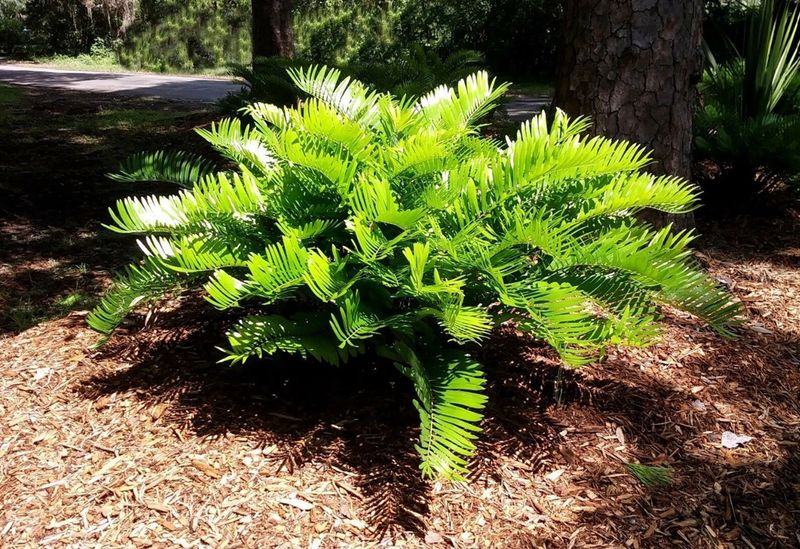
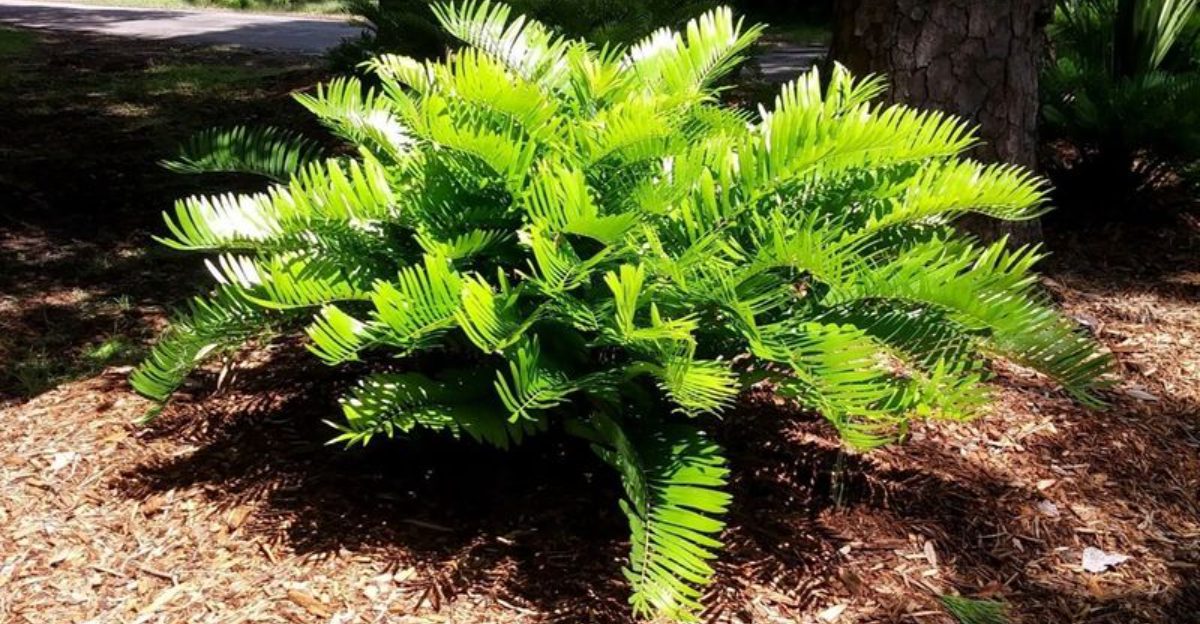
Long before Florida had suburbs and shopping centers, coontie was feeding both people and wildlife. This ancient cycad looks like a small palm but is actually more closely related to pine trees.
It stays low and compact, making it perfect for borders and foundation plantings.
Coontie thrives in full sun or partial shade and handles drought like a champ. It also serves as the only host plant for the rare atala butterfly, so planting it helps bring those stunning orange-and-black butterflies back to your yard.
Beautyberry
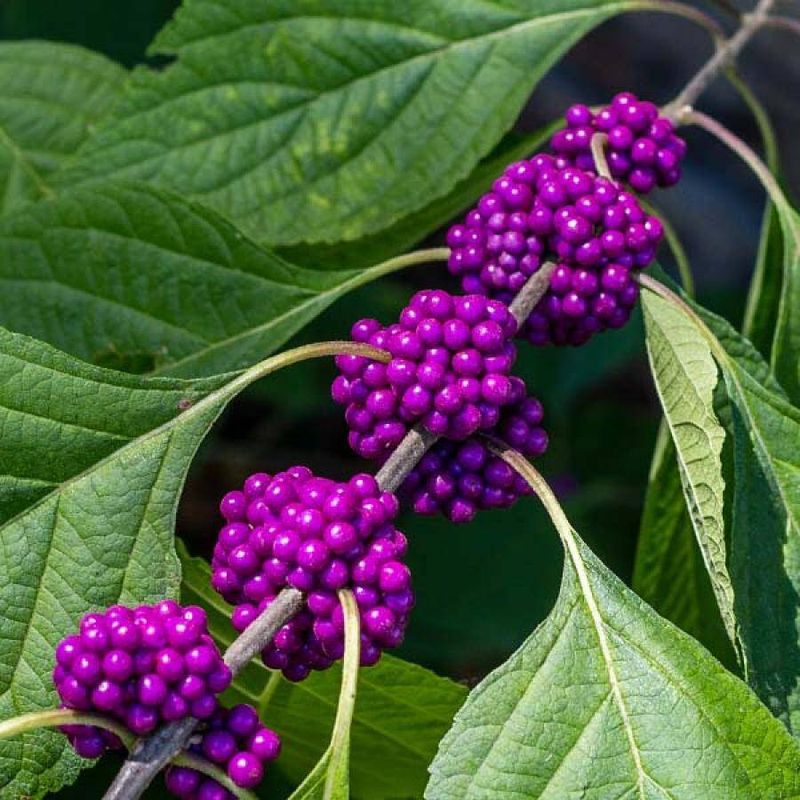
Few plants put on a show quite like beautyberry in the fall. Those electric-purple berry clusters practically glow against the green foliage, making it one of the most eye-catching native shrubs you can grow.
Birds go absolutely wild for the berries, so expect feathered visitors all season long.
Beautyberry grows fast and tolerates a wide range of soils, including poor or sandy ones. Cut it back hard in late winter and it bounces back bigger and more spectacular every year.
Muhly grass
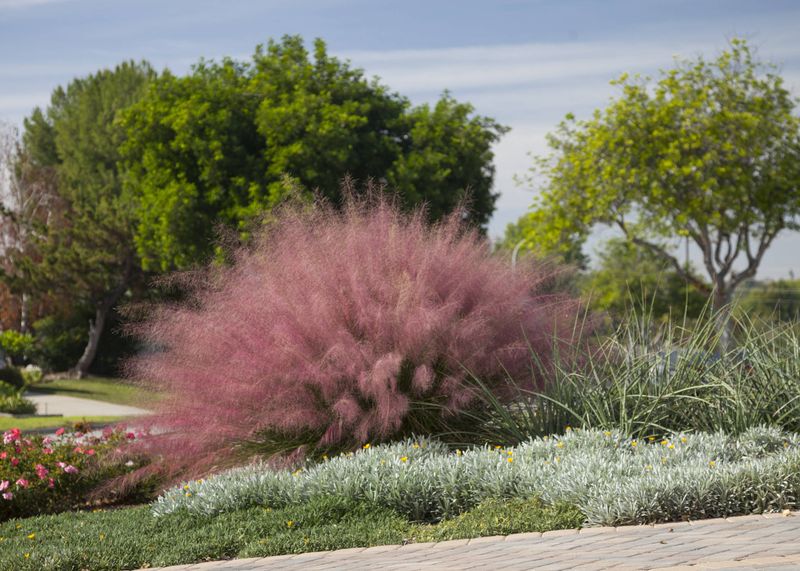
Every October, muhly grass turns Florida yards into something out of a fairy tale. The feathery pink plumes rise up in big soft clouds, swaying in the breeze and catching the afternoon light.
It is one of those plants that makes neighbors stop and ask what it is.
Outside of bloom season, the fine green foliage stays tidy and low-maintenance. Muhly grass loves full sun and sandy soil, and once established it needs almost no watering or fertilizing to stay healthy.
Simpson’s stopper
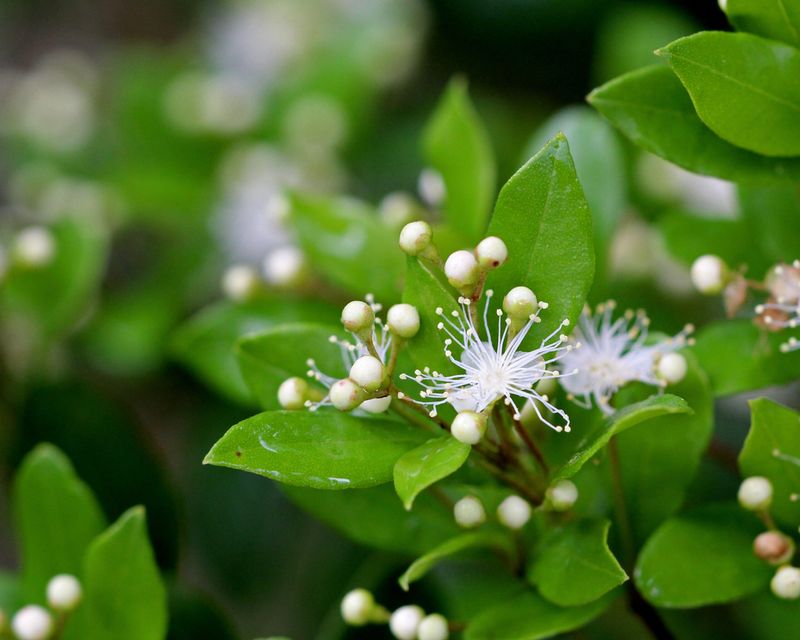
Simpson’s stopper earns its place in any Florida yard with year-round good looks and almost zero fuss. Tiny white flowers appear in clusters, followed by bright red berries that birds cannot resist.
The dark, glossy leaves stay attractive even during the driest stretches of summer.
This tough shrub handles salt spray, making it a solid choice for coastal gardens. It works well as a hedge, a screen, or a specimen plant, and it grows in sun or shade without complaint.
Firebush
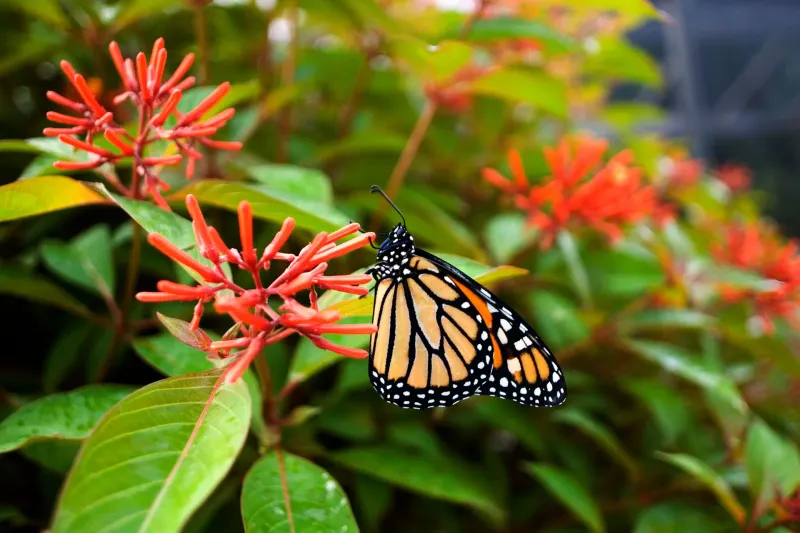
Hummingbirds and butterflies treat firebush like an all-you-can-eat buffet. The long, tubular red-orange flowers bloom almost nonstop from spring through fall, offering a reliable nectar source when other plants take a break.
Few Florida natives put on a longer or more colorful show.
Firebush grows quickly in full sun and handles Florida heat and humidity without breaking a sweat. It can get large, so give it room to spread, or prune it to keep a tighter shape in smaller spaces.
Walter’s viburnum
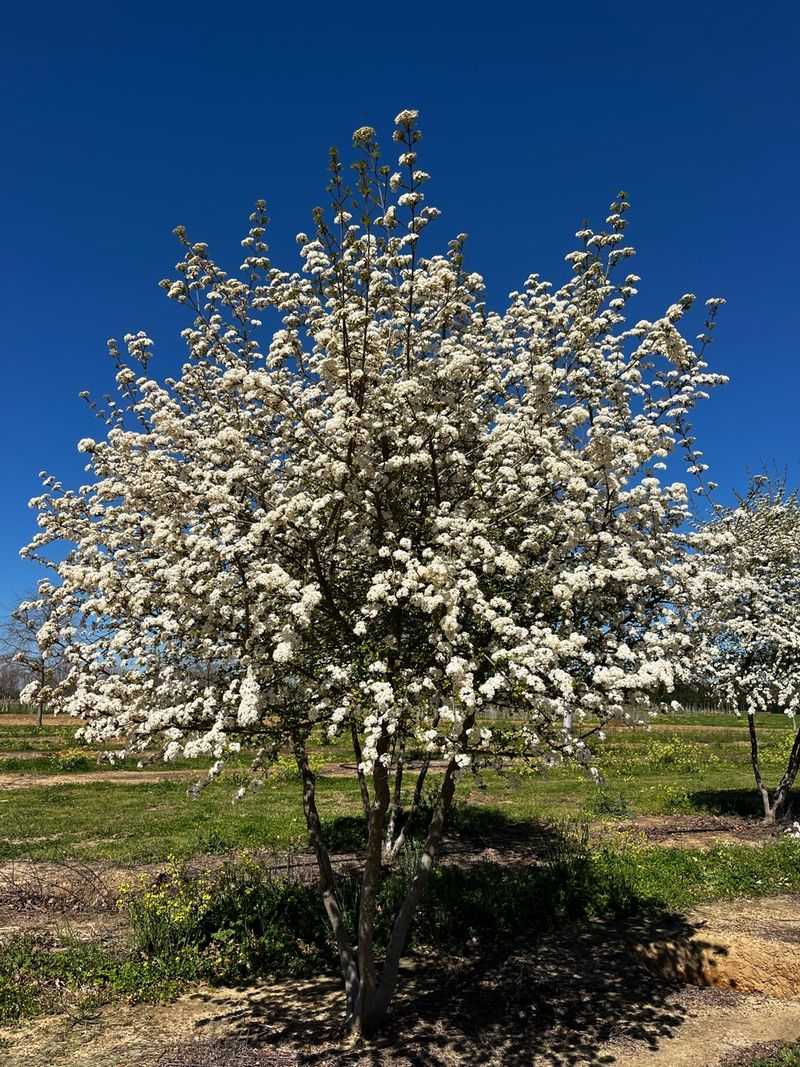
Walter’s viburnum is the kind of plant that quietly does everything right. White flower clusters appear in late winter, filling the garden with a light, sweet fragrance just when you are ready for some color after the holidays.
Dark blue berries follow and attract a long list of native birds.
This shrub adapts well to wet or dry soils and grows in sun or partial shade. It also works beautifully as a privacy screen, growing thick and dense with very little encouragement needed.
Southern magnolia
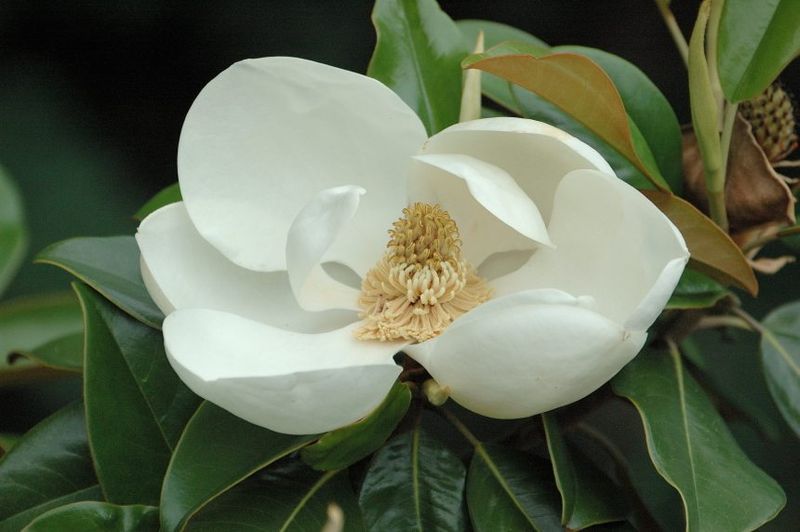
There is something undeniably grand about a southern magnolia in full bloom. Those creamy white flowers can be as wide as a dinner plate, and the fragrance drifts across the yard on warm spring evenings.
The glossy, dark green leaves look elegant all year round.
Southern magnolia grows into a large shade tree over time, so plant it where it has room to stretch. It is drought-tolerant once established and handles Florida’s occasional cold snaps without any trouble at all.
Saw palmetto
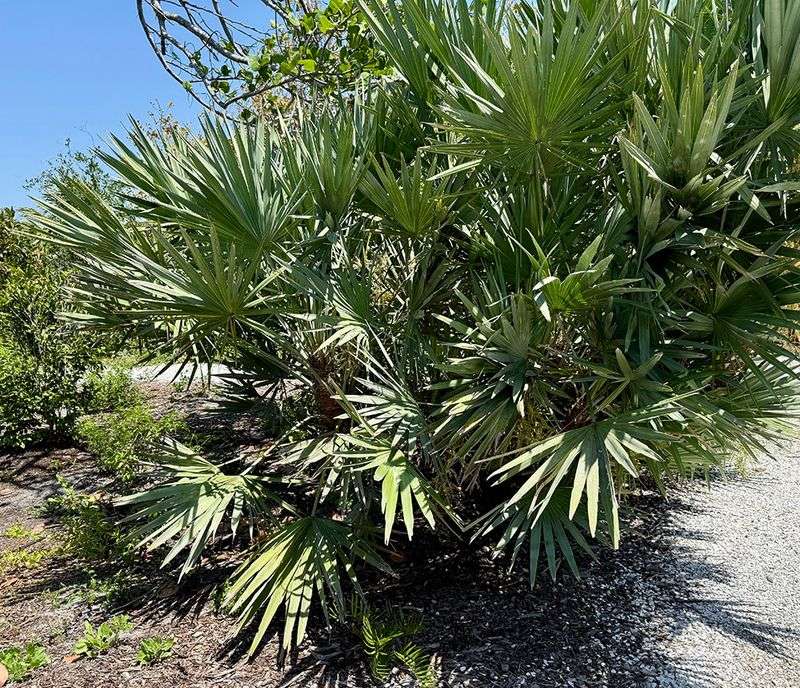
Saw palmetto has been part of the Florida landscape for thousands of years, and it shows no signs of going anywhere. The fan-shaped fronds and sprawling, ground-hugging trunks create a bold, prehistoric look that pairs well with other natives.
Wildlife from gopher tortoises to black bears depend on its fruit for food.
Once established, saw palmetto survives drought, salt, and poor soil with ease. It grows slowly, so buy the largest size you can afford and let it settle in on its own schedule.
Dwarf palmetto
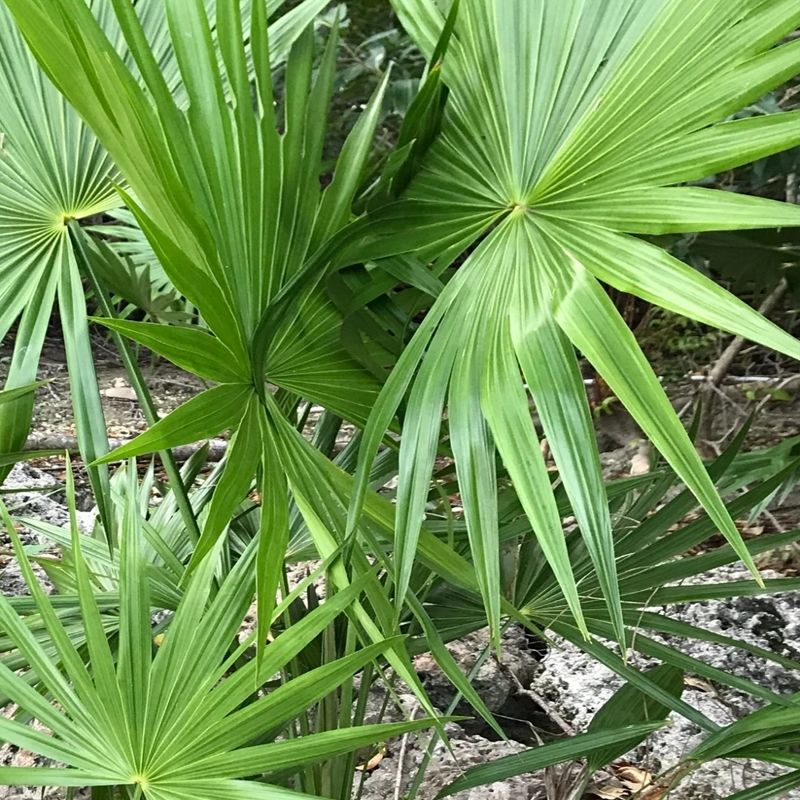
Not every yard has room for a towering palm, and that is where dwarf palmetto steps in perfectly. Growing only a few feet tall, it offers the same lush tropical look as its larger cousins but fits comfortably under trees or along shaded borders.
The big, fan-shaped leaves stay green and fresh-looking all year.
Dwarf palmetto is one of the most shade-tolerant palms you can grow in Florida. It handles both wet and dry conditions and rarely needs any pruning, watering, or extra attention once it gets established.
Fakahatchee grass
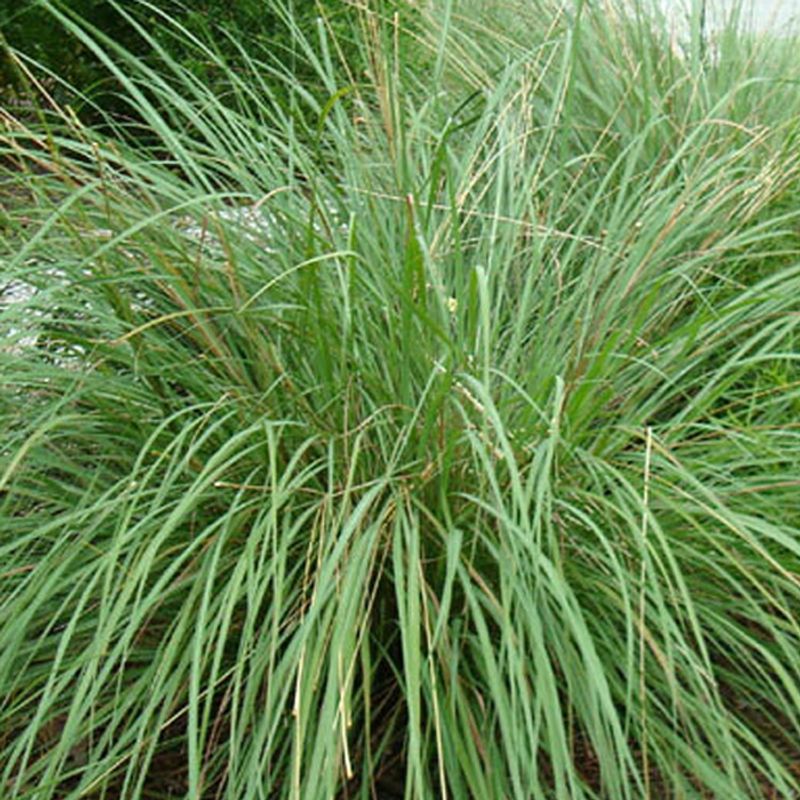
Named after the famous Fakahatchee Strand in South Florida, this graceful grass brings a soft, flowing texture to any garden space. The long, arching blades move beautifully in the breeze and create a lush backdrop for flowering plants.
It looks especially striking planted in mass groupings near water features or rain gardens.
Fakahatchee grass handles wet soils that other grasses struggle in, making it great for low-lying spots in the yard. It grows in sun or shade and stays attractive with very minimal care throughout the seasons.
Twinflower
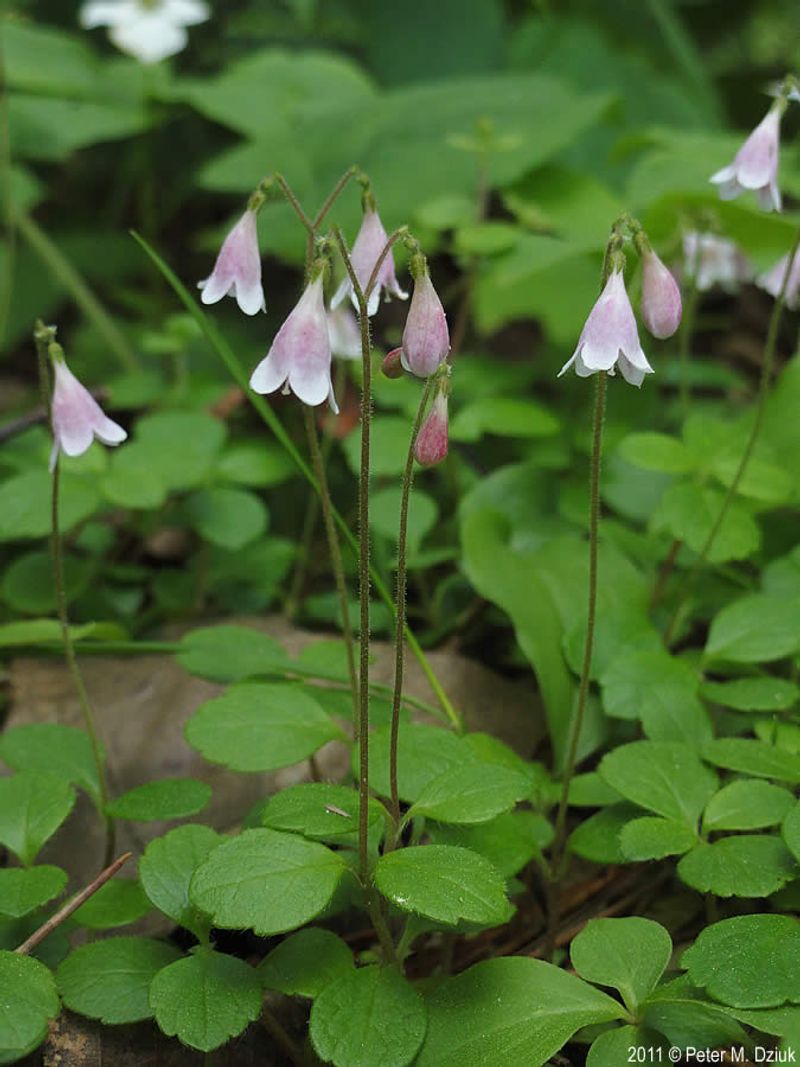
Twinflower is Florida’s best-kept secret for shady spots where nothing else seems to grow. This low-growing ground cover spreads quietly across the ground, producing pairs of tiny pink blooms that give it its charming name.
It creates a soft, natural carpet that looks completely at home in woodland-style gardens.
Butterflies and bees visit the flowers regularly, adding life and movement to shaded areas. Twinflower prefers moist, well-drained soil and partial to full shade, and once it gets comfortable, it spreads with very little help from you.
Sunshine mimosa
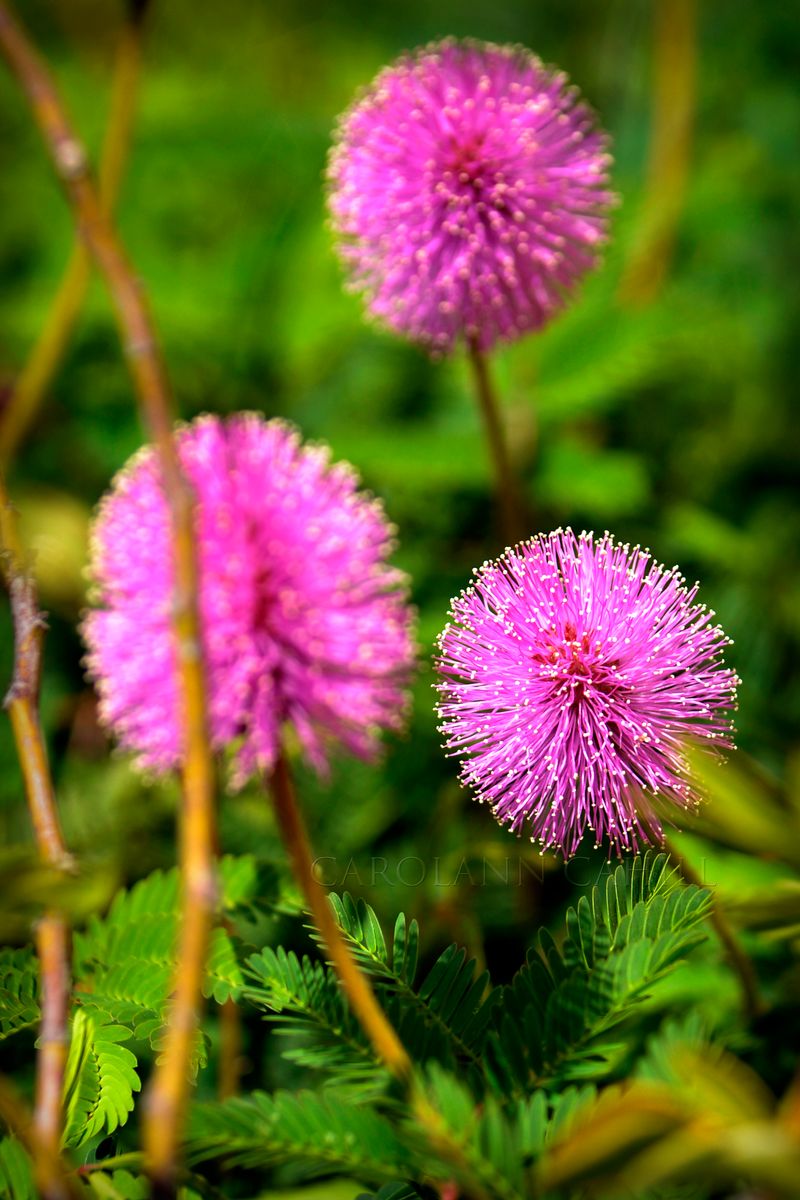
Walk across a patch of sunshine mimosa and watch the leaves fold up like tiny green fingers closing into a fist. This playful response to touch makes it endlessly entertaining, especially for kids exploring the yard.
The bright pink, powder-puff flowers add a burst of color right at ground level.
Sunshine mimosa works wonderfully as a lawn alternative or filler between stepping stones. It handles foot traffic reasonably well, tolerates drought, and spreads on its own to fill gaps without becoming invasive or difficult to manage.
Elliott’s aster
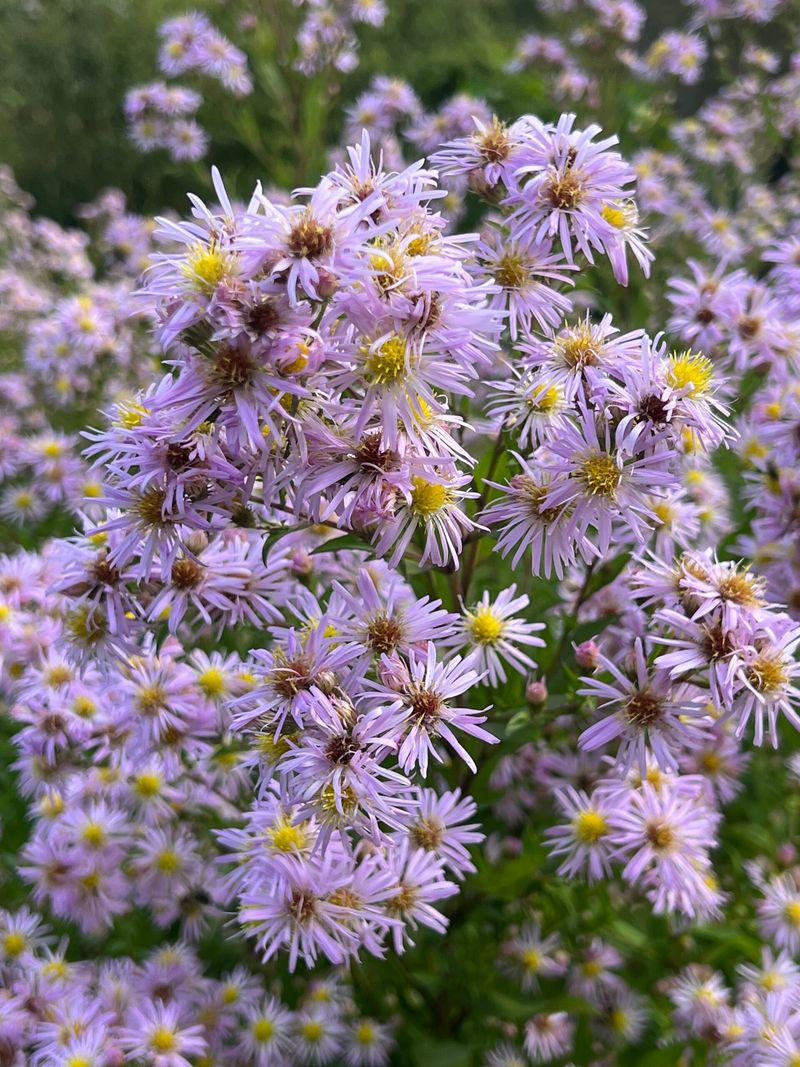
Just when most plants start to wind down for the year, Elliott’s aster bursts into bloom with hundreds of small lavender flowers. This fall-blooming native is a lifesaver for pollinators that need nectar as temperatures drop.
Monarch butterflies migrating through Florida rely heavily on it during their long journey south.
Elliott’s aster grows in full sun and handles poor, sandy soil without any fuss. It spreads naturally over time, filling in empty spots and creating a wildflower meadow effect that looks effortlessly beautiful and completely natural.
Seaside goldenrod
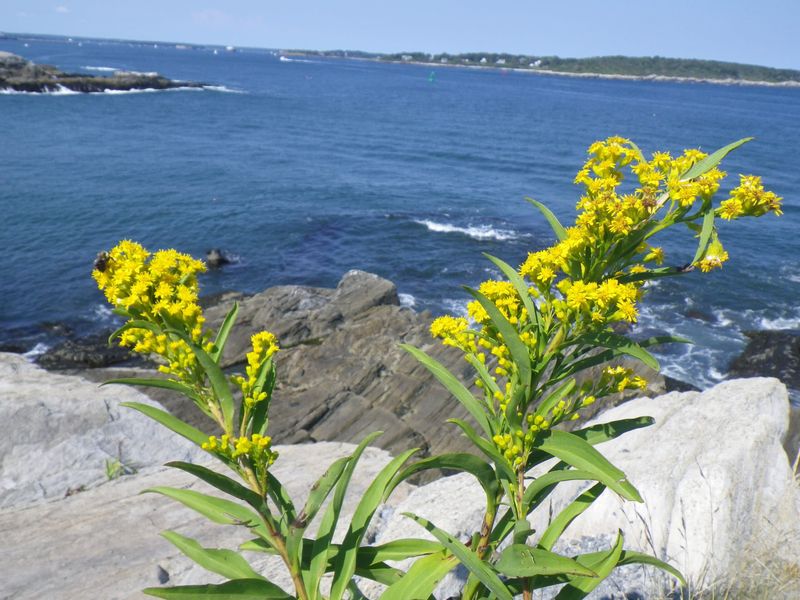
Seaside goldenrod is one of those plants that seems to thrive on neglect. Give it a sunny, sandy spot and step back, because it will handle everything else on its own.
Tall stalks topped with bright yellow flowers bloom in late summer and fall, drawing in bees and butterflies by the dozens.
Despite what many people think, goldenrod does not cause hay fever. It is actually a fantastic pollinator plant with heavy pollen that insects carry, not the wind.
Plant it near vegetable gardens to attract helpful pollinators all season long.
Mistflower
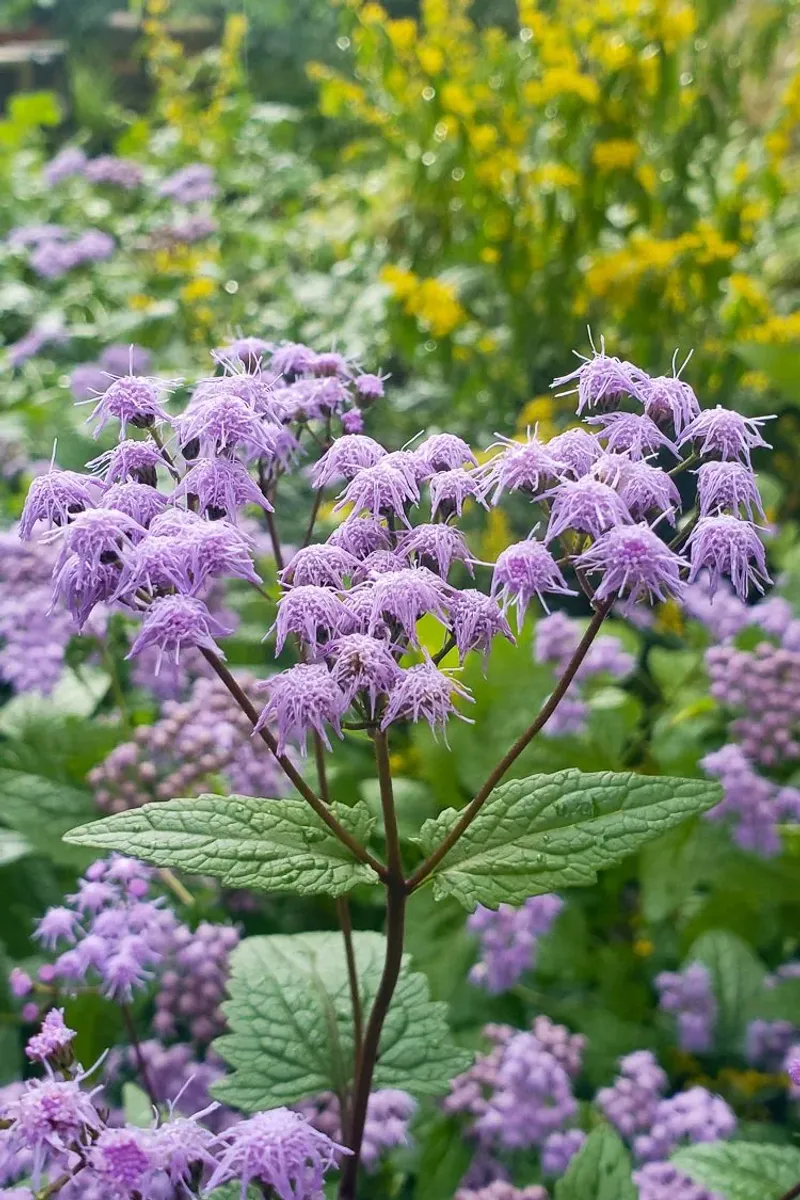
Mistflower earns its name from the soft, hazy look of its blooms when viewed from a distance. The clusters of tiny blue-purple flowers create a misty effect across the garden that is especially beautiful in the golden light of a fall afternoon.
Butterflies, including the stunning julia and cloudless sulphur, visit constantly.
This fast-growing wildflower thrives in moist soil and full to partial sun. It spreads by runners and self-seeds freely, so you may find cheerful new plants popping up in unexpected places around the yard each year.
Tickseed
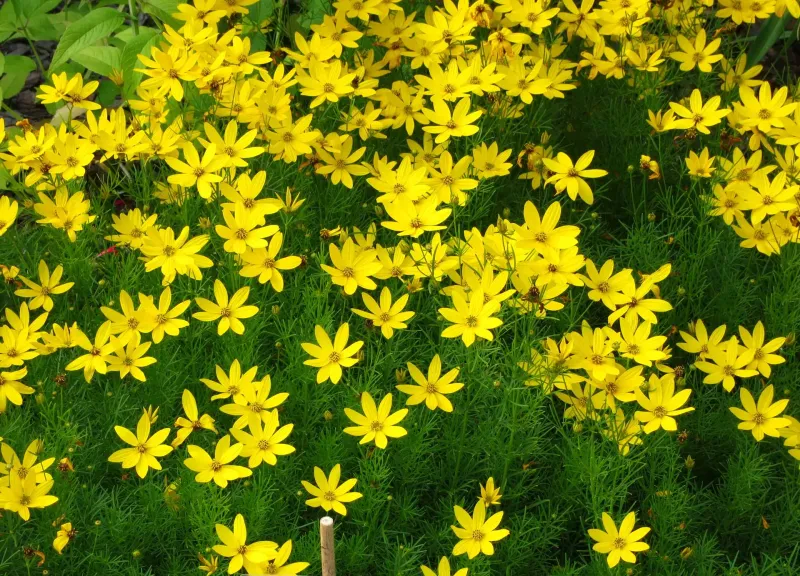
Florida named tickseed its official state wildflower, and for very good reason. Fields of these sunny yellow blooms cover roadsides and meadows across the state every spring, creating one of the most cheerful natural displays you will ever see.
Growing them in your yard brings a little of that magic home.
Tickseed grows easily from seed and blooms heavily with very little care. It prefers full sun and well-drained soil, and it reseeds itself year after year so the display gets bigger and better over time without any replanting required.
Coral honeysuckle
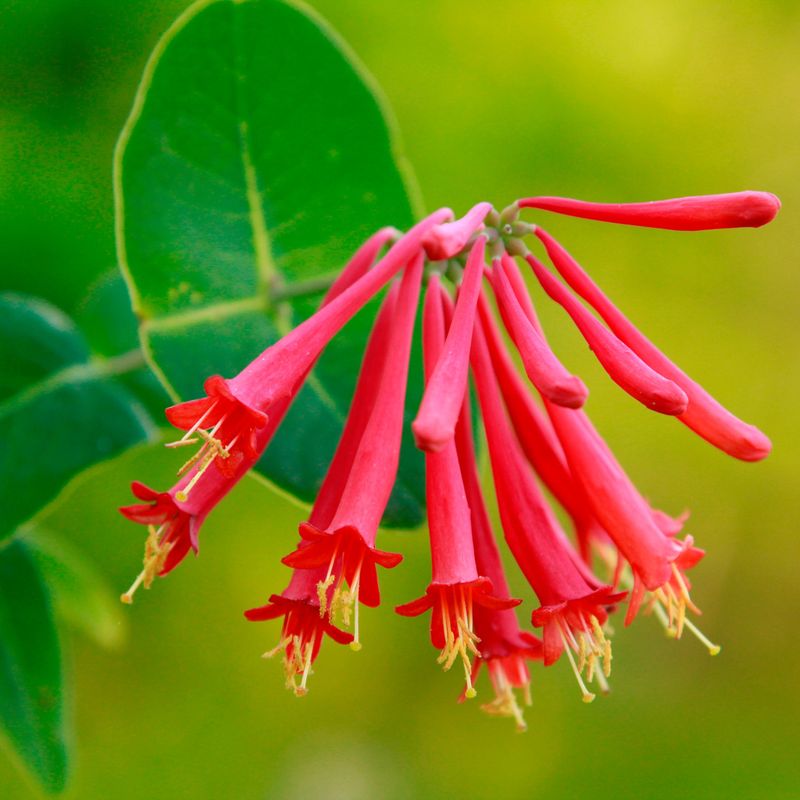
Unlike its invasive Japanese cousin, coral honeysuckle is a well-behaved Florida native that plays nicely with everything around it. The long, trumpet-shaped flowers in deep red and orange are practically irresistible to hummingbirds, which hover and dart around the vine from late winter through summer.
It is one of the best plants for attracting them.
Coral honeysuckle climbs fences, trellises, and arbors with ease. It grows in sun or partial shade and handles drought once established, making it a reliable and gorgeous addition to almost any Florida garden space.
Wild coffee
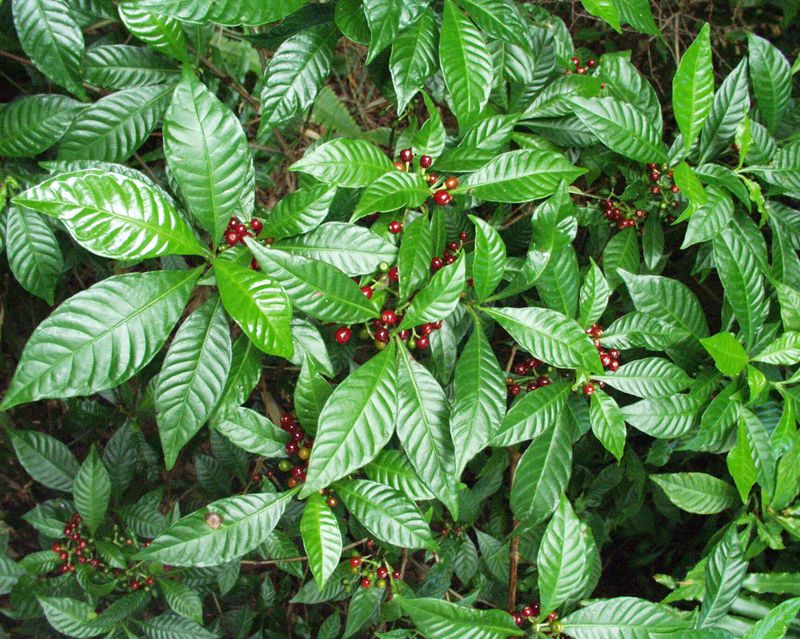
Wild coffee brings a lush, tropical look to shady spots where many plants struggle to survive. The large, deeply veined leaves stay rich and green year-round, and small white flowers give way to clusters of bright red berries that birds love.
Despite the name, the berries are not related to your morning cup of coffee.
This shrub is incredibly adaptable, growing in deep shade or partial sun with equal ease. It handles salt spray and dry spells once established, making it a reliable choice for gardens across most of Florida.
Marlberry
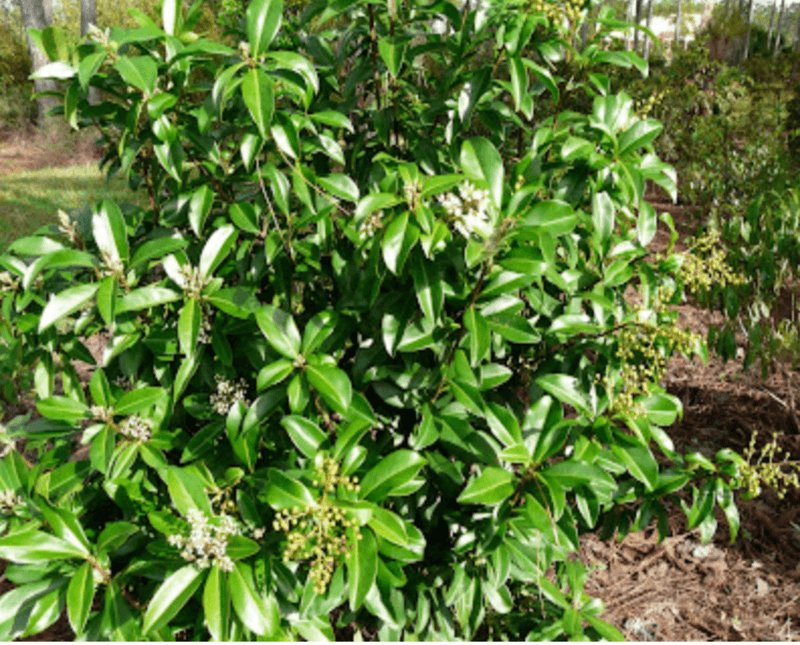
Marlberry is one of those quietly dependable plants that earns admiration the more you get to know it. Clusters of small white flowers appear throughout the year, and the shiny dark berries that follow are a favorite food for many native songbirds.
The dense, glossy foliage makes it a natural choice for screening and hedges.
Growing in sun or shade and tolerating a range of soil types, marlberry asks very little in return for what it gives. It is especially valuable in South Florida gardens where it stays evergreen and full all year long.
Cocoplum
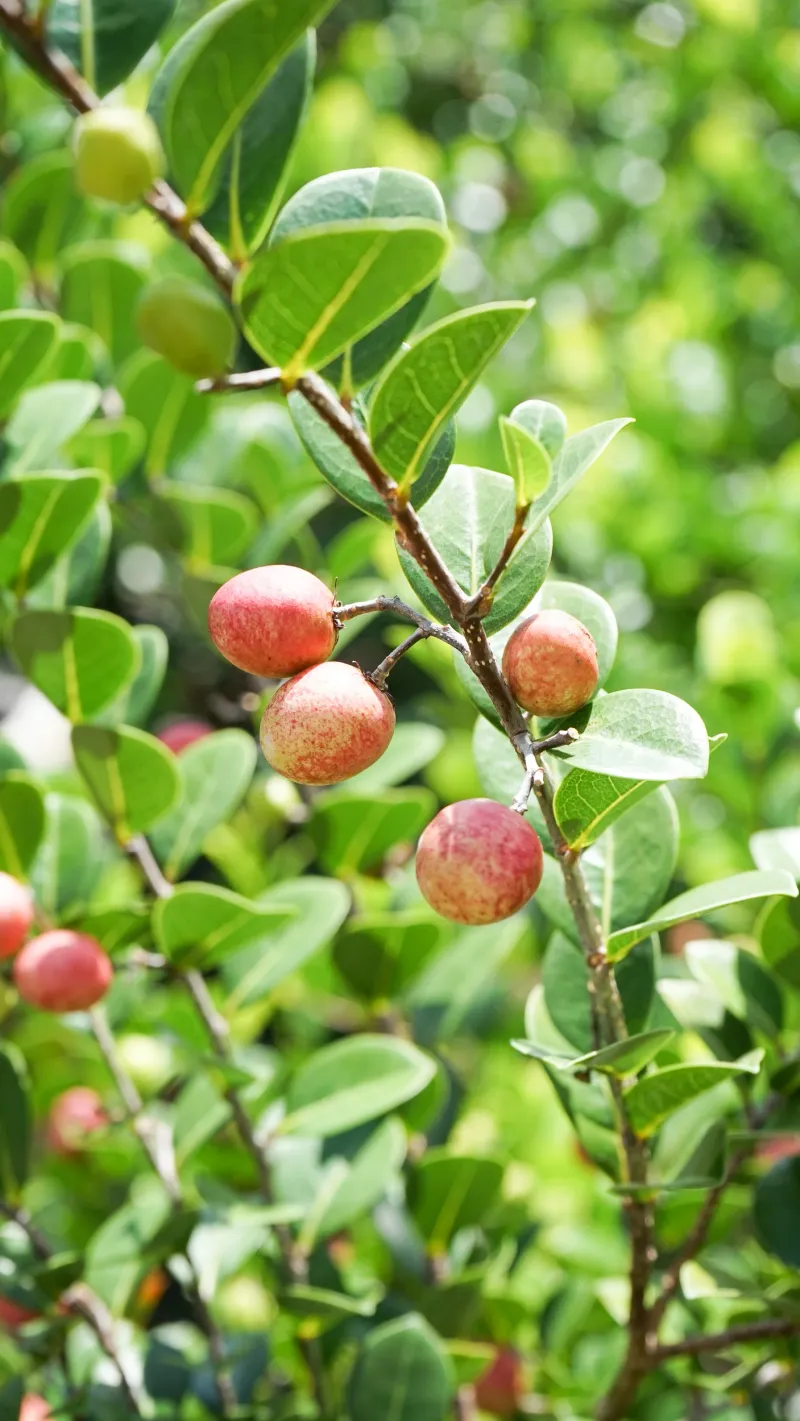
Cocoplum is a South Florida staple that has been growing along coastlines and in hammocks long before anyone was planting formal gardens. The round, leathery leaves are a deep, attractive green, and the small plum-like fruits turn from white to purple as they ripen.
Wildlife eats the fruit eagerly, and people can too.
This tough shrub tolerates salt, drought, and poor soil like a seasoned pro. Use it as a dense hedge, a wildlife garden anchor, or a standalone specimen, and it will reward you with beauty and resilience year after year.
Red maple
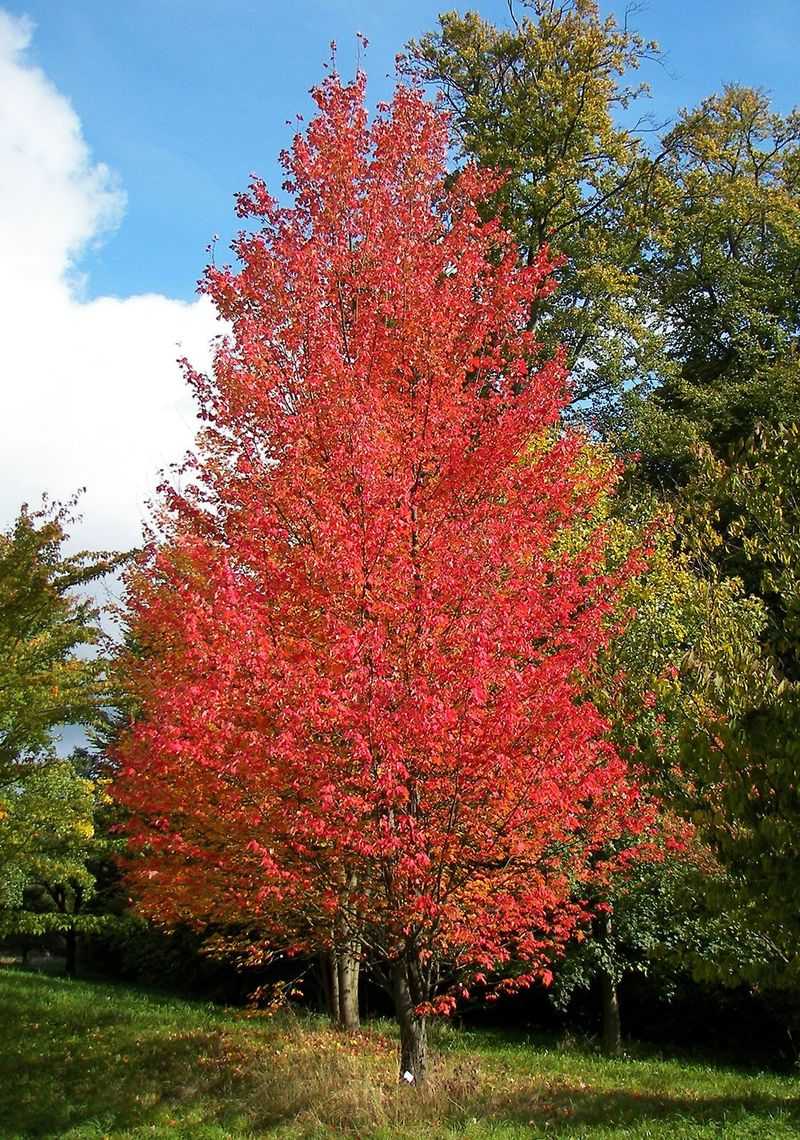
Red maple is Florida’s flashiest tree in late winter, when nearly every other plant is still half asleep. Before the leaves even fully open, the branches explode with tiny red flowers and bright red seed clusters called samaras, painting the whole tree in a warm crimson glow.
It is genuinely one of the earliest signs of spring.
Red maple grows quickly and handles both wet and dry soils, making it versatile across different yard conditions. It provides deep shade in summer, golden-orange fall color, and nesting sites for birds throughout the year.
Southern wax myrtle
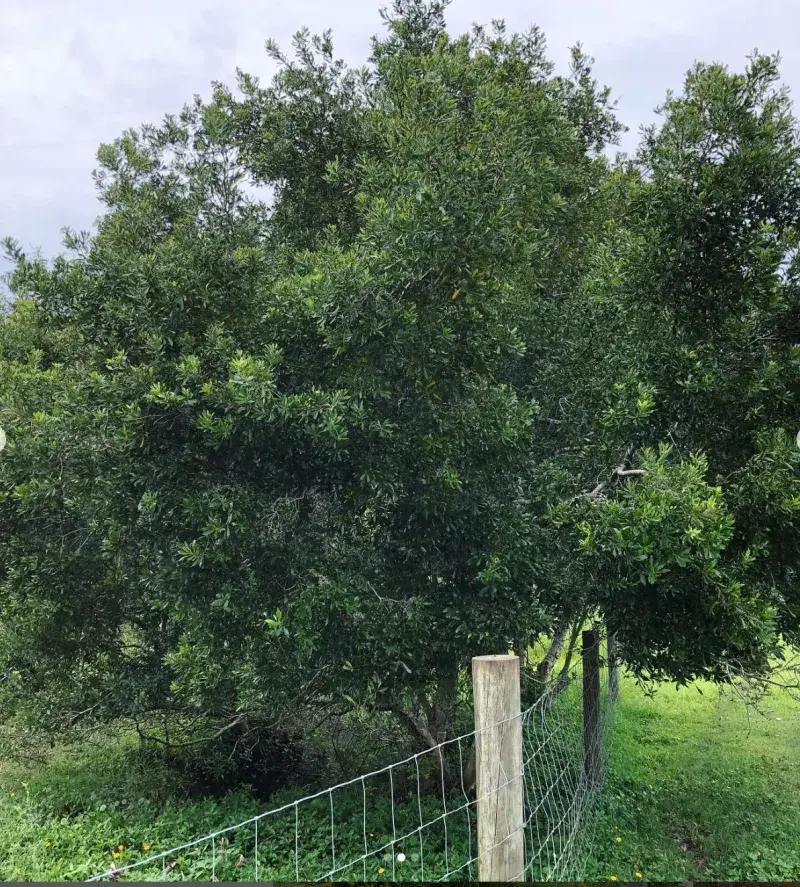
Southern wax myrtle might just be the hardest-working native shrub in Florida. It grows fast, tolerates wet or dry soil, handles salt spray, and still manages to look attractive all year long.
The small, aromatic leaves smell faintly spicy when crushed, which is a pleasant surprise for anyone new to this plant.
Clusters of silvery-blue berries coat the branches in fall and winter, providing critical food for yellow-rumped warblers and other migratory birds passing through. Grow it as a tall hedge, a screen, or a multi-trunk small tree with minimal shaping needed.