


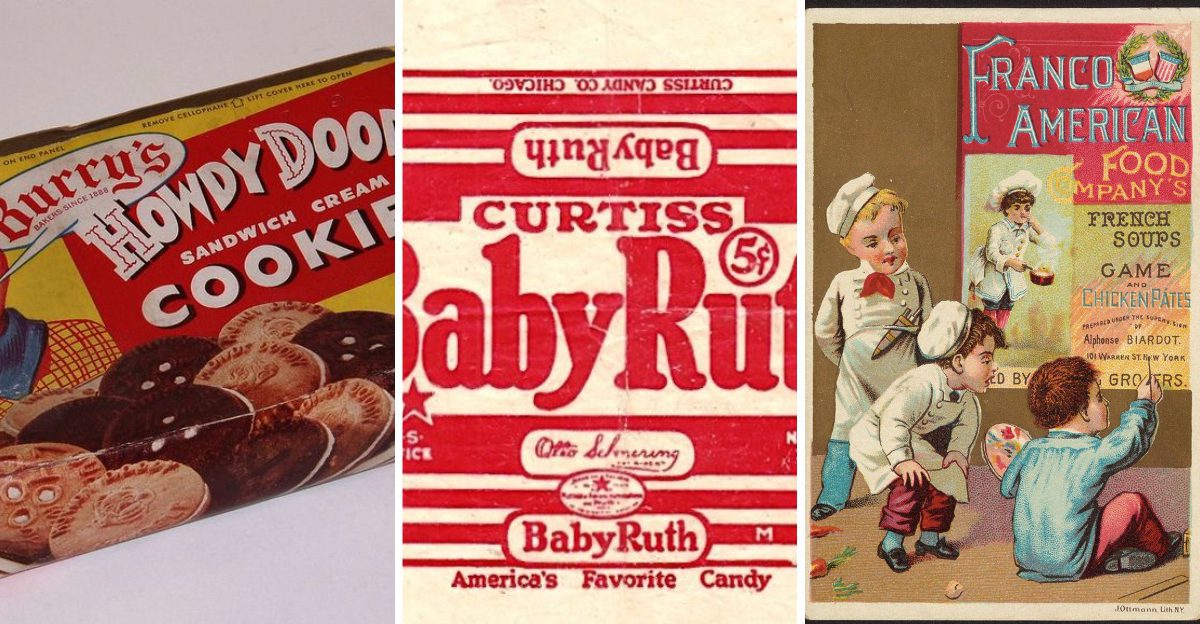
Some food brands that were once staples in American kitchens have quietly disappeared from store shelves over the years. Whether they faded due to changing tastes, health concerns, or business struggles, these brands left a mark on food history.
Many people grew up eating these products and still remember them fondly. Join us as we look back at 25 American food brands that are gone but certainly not forgotten.
Necco
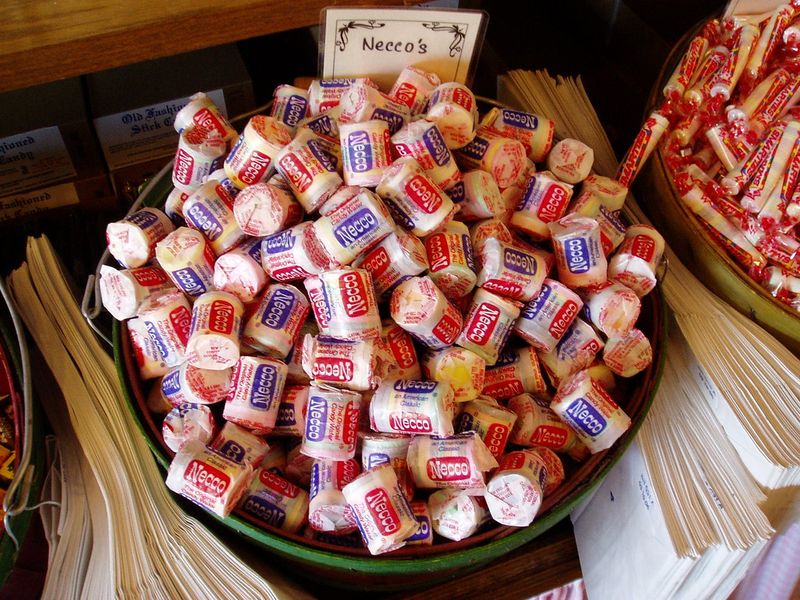
Necco wafers were one of the oldest American candies, dating back to 1847. That chalky, pastel-colored disc was either your favorite treat or the one you handed off to someone else.
The New England Confectionery Company shut down in 2018, leaving fans heartbroken.
A brief revival followed, but the magic never quite returned. Many candy lovers say the reformulated version just does not taste the same.
For those reasons, Necco stays off our shopping list for good.
Patio Mexican Frozen Dinners

Back in the 1960s, Patio Mexican Frozen Dinners promised a taste of Mexico without leaving your kitchen. The bright packaging and promise of easy meals made them a freezer staple for busy families across the country.
Unfortunately, the quality never matched the colorful box. Soggy tortillas and bland fillings left a lot to be desired.
Owned by various companies over the decades, Patio eventually faded away, and honestly, with better frozen options available today, we are not looking back.
SnackWell’s

SnackWell’s rode the fat-free craze of the 1990s all the way to the top of the snack aisle. People bought these cookies by the cartful, convinced that low fat meant they could eat as many as they wanted.
The problem? Removing fat meant loading up on sugar instead.
Nutritionists later pointed out that the trade-off was not actually healthy. The brand limped along before largely disappearing, and today it stands as a reminder that “diet” marketing is not always what it seems.
D-Zerta
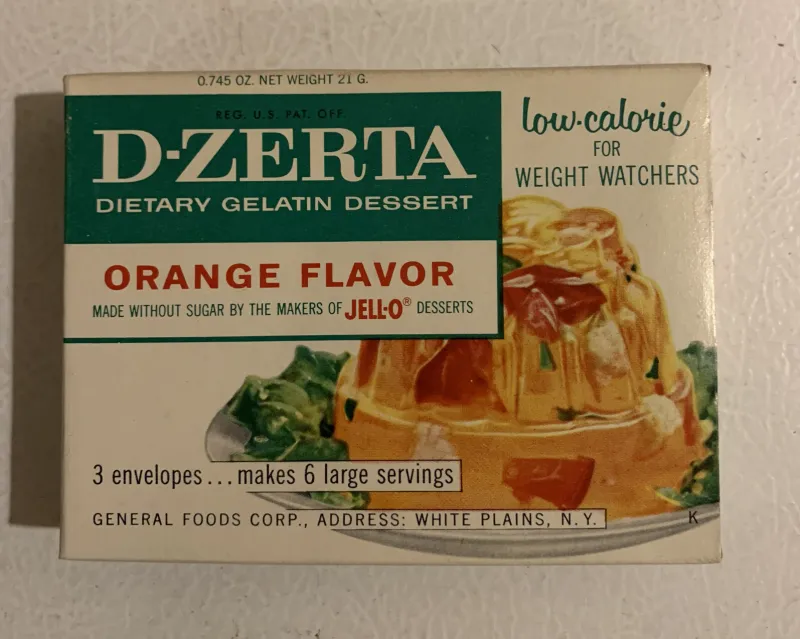
D-Zerta was marketed as a guilt-free gelatin dessert for dieters long before calorie counting became a mainstream habit. It promised all the jiggly fun of regular gelatin with none of the sugar.
The artificial sweeteners used back then left a strange aftertaste that many found hard to ignore. Over time, better-tasting sugar-free options replaced it entirely.
D-Zerta quietly vanished from store shelves, and few people noticed it was gone until they went looking for it.
Lady Lee

Lady Lee was the store brand found in Lucky Stores supermarkets, popular across the western United States for decades. Generic labels like Lady Lee were a budget-friendly option for families trying to stretch every dollar at the grocery store.
When Lucky Stores was absorbed by larger chains in the late 1990s, Lady Lee disappeared along with it. Store brands have come a long way since then, but Lady Lee represents a simpler era of no-frills grocery shopping that many older shoppers still remember with a smile.
Ayds
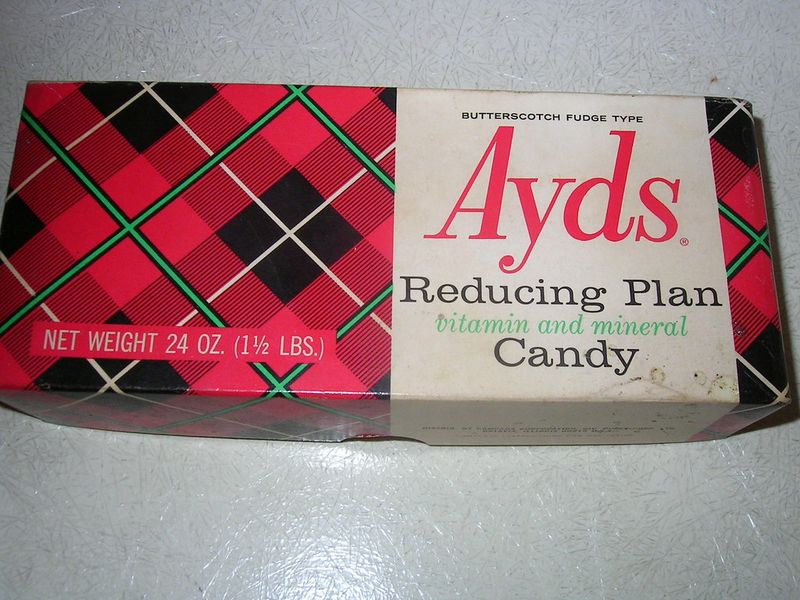
Ayds was an appetite-suppressant candy popular in the 1970s and early 1980s. The product was basically a caramel-flavored candy that you ate before meals to curb hunger, and it actually sold quite well for a time.
Then the AIDS epidemic emerged in the early 1980s, and the brand’s unfortunate name became impossible to market. Sales collapsed almost overnight.
The company tried renaming the product but could not escape the association. It stands today as one of the most striking examples of bad timing in food marketing history.
Freezer Queen

Freezer Queen frozen dinners were a household name in the 1970s and 1980s, competing directly with Swanson for space in American freezers. The brand offered classic comfort food like salisbury steak, fried chicken, and macaroni and cheese.
Quality was inconsistent, though, and the meals often came out rubbery or watery after heating. As the frozen food market grew more competitive, Freezer Queen struggled to keep up.
The brand was eventually discontinued, making room for newer options that actually tasted like real food.
Mrs. Bumby’s

Mrs. Bumby’s was a regional food brand that earned a loyal following in its day. Products under this label carried a homemade, comforting appeal that resonated with shoppers who wanted something that felt personal and familiar.
As larger national brands expanded their reach and squeezed out smaller regional players, Mrs. Bumby’s lost its shelf space. Today, tracking down information about this brand is almost as hard as finding its products.
It is a ghost of the regional grocery world that once thrived across America.
Mug-O-Lunch

Mug-O-Lunch was a convenient instant soup product designed for quick, hot meals at the office or at home. Just add boiling water, stir, and you had lunch in minutes.
It was ahead of its time in the world of grab-and-go convenience food.
The flavor options were limited and the taste was forgettable at best. As the instant food market exploded with better-tasting competitors, Mug-O-Lunch could not keep up.
The brand faded out, replaced by the many instant noodle and soup options that line store shelves today.
Howdy Doody

Howdy Doody was one of the earliest TV characters to have his face plastered on food products. In the 1950s, kids went wild for anything connected to the popular puppet show, and food companies were quick to cash in on the craze.
The products themselves were fairly ordinary, relying entirely on the character’s fame to sell. Once the TV show ended, the food line had nothing left to stand on.
Howdy Doody branded snacks faded fast, leaving behind only collector’s items and childhood memories.
Bell Brand

Bell Brand was a beloved snack company based in California that produced chips and snacks popular on the West Coast for decades. The brand had a strong regional following, and locals were fiercely loyal to it over national competitors.
When larger snack giants moved aggressively into the California market, Bell Brand could not compete with their distribution power and advertising budgets. The brand was eventually acquired and phased out.
West Coast snack fans still bring up Bell Brand with a fondness that shows just how much it meant to them.
Howard Johnson’s
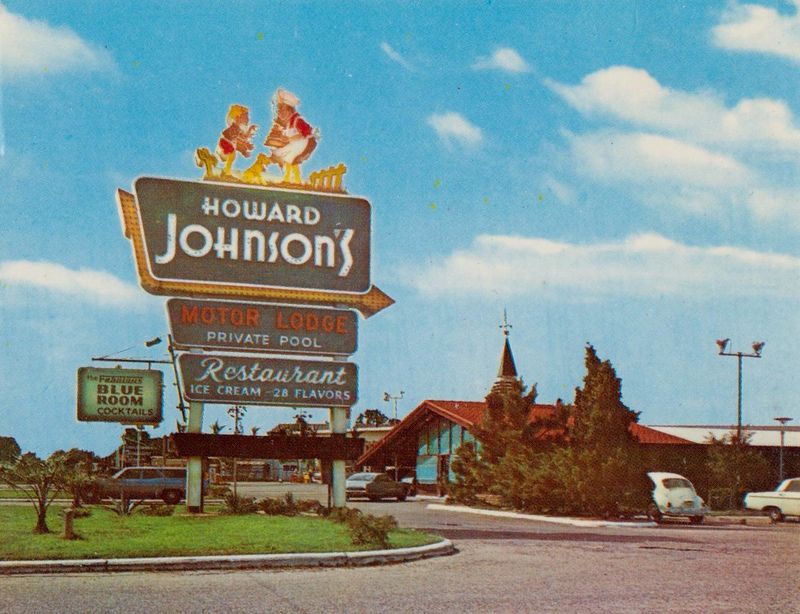
Howard Johnson’s was once the largest restaurant chain in the United States, famous for its 28 flavors of ice cream and bright orange rooftops along American highways. The brand also sold packaged foods in grocery stores, bringing that roadside diner experience home.
Poor management decisions and changing travel habits led to a dramatic decline starting in the 1980s. The last Howard Johnson’s restaurant closed in 2022.
The frozen food line had already long disappeared, leaving only nostalgia behind for road-tripping families who once counted on that orange roof as a welcome sight.
Snow Crop

Snow Crop was one of the pioneering frozen food brands in America, helping introduce families to the convenience of frozen vegetables and juice concentrates in the post-World War II era. The brand made freezing food feel modern and exciting.
Eventually absorbed by larger food conglomerates, Snow Crop lost its identity and disappeared from store shelves. It was replaced by store brands and national competitors with bigger marketing budgets.
Snow Crop deserves credit for helping shape how Americans think about frozen food, even if most shoppers today have never heard of it.
Schutter-Johnson Company of Chicago

The Schutter-Johnson Company of Chicago was a candy manufacturer that operated during the early to mid-20th century, producing treats that were popular at a time when penny candy was a neighborhood staple. Their products were simple, sweet, and affordable.
As the candy industry consolidated and bigger players swallowed up smaller regional companies, Schutter-Johnson disappeared from the map. Few records of their products survive today, making this brand a true relic of old-school American confectionery.
Candy historians still hunt for their vintage packaging at flea markets and antique shops.
Force Food Company

Force Food Company produced one of America’s earliest breakfast cereals, best known for its mascot Sunny Jim. Launched in the early 1900s, Force wheat flakes were marketed as an energy-boosting morning meal that would put a spring in your step.
The brand was eventually overtaken by bigger cereal companies with louder advertising campaigns and more variety. Force cereals faded from American breakfast tables by mid-century.
Today the brand is mostly a curiosity for food historians and vintage advertising collectors who appreciate its role in breakfast cereal history.
Lucky Whip
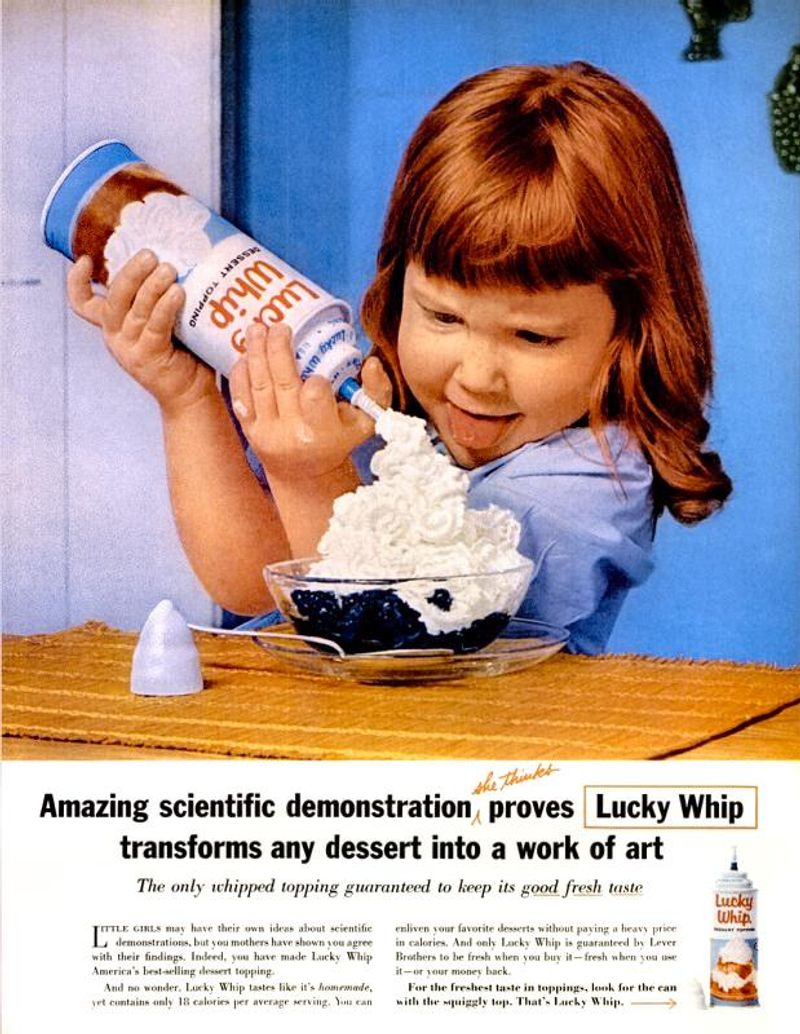
Lucky Whip was a whipped topping product that competed with Cool Whip and other non-dairy alternatives during the mid-20th century. It promised the creamy, fluffy topping that home bakers wanted without the fuss of whipping real cream by hand.
The product never managed to carve out a lasting space in the crowded dairy aisle. Bigger brands with better marketing pushed Lucky Whip off store shelves relatively quickly.
Today it is remembered mostly by food collectors and those who stumble across old grocery store advertisements from the era.
Fruit Corners

Fruit Corners was the brand behind the original Fruit Roll-Ups and Fruit by the Foot before General Mills absorbed the line. Kids in the 1980s peeled, rolled, and stretched their way through countless packs of these sticky, sweet fruit snacks.
Once General Mills took over, the Fruit Corners name quietly disappeared even though the products themselves lived on under new branding. Technically the snacks survived, but the original brand did not.
Knowing that the Fruit Corners name is gone feels like losing a small piece of 1980s childhood.
Sunny Jim

Sunny Jim was not just a mascot but a full-blown cultural phenomenon in the early 1900s. The cheerful cartoon character appeared on Force wheat flakes boxes and became one of the first truly beloved advertising mascots in American food history.
Poems and songs were written about him, and consumers actually wrote fan mail to the character. When the Force cereal brand faded, Sunny Jim went with it.
He remains a fascinating footnote in advertising history, proof that a great mascot can outlive the product it was meant to sell.
Burry’s Biscuit Co.

Burry’s Biscuit Co. was a well-known cookie and cracker manufacturer that had a long history in American snack food. The company was actually one of the original Girl Scout cookie bakers, giving it a place in a tradition that millions of Americans still participate in today.
Despite that historic connection, Burry’s eventually lost ground to bigger competitors and was absorbed into larger corporate food structures. The Burry’s name disappeared from packaging over time.
Few people realize that a company so tied to an American tradition simply ceased to exist as its own brand.
Allsweet
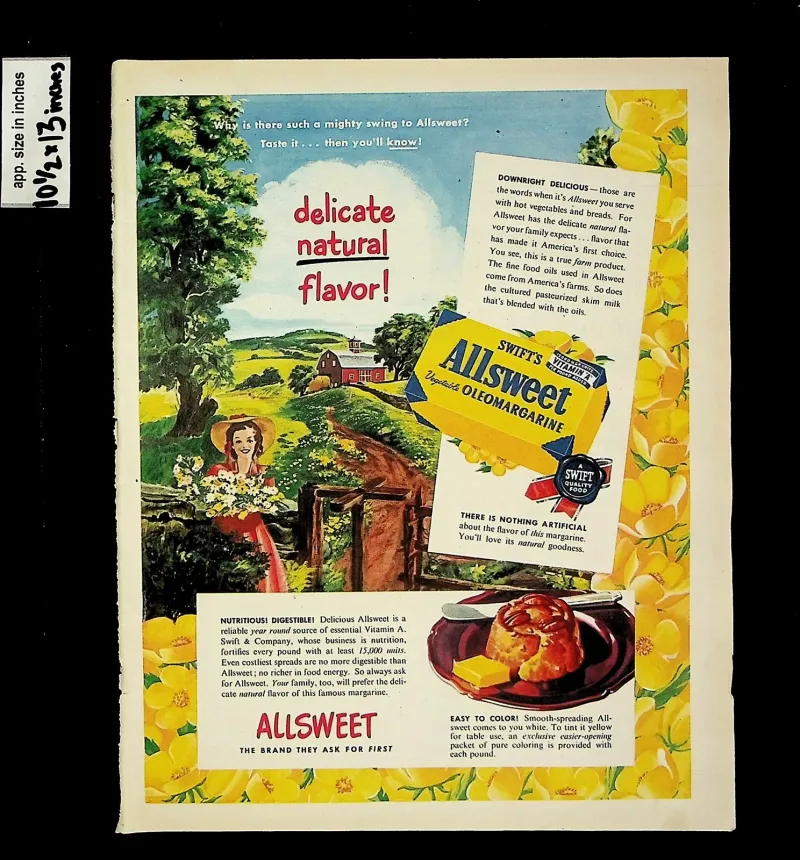
Allsweet was a margarine brand that helped introduce American families to butter substitutes during and after World War II, when rationing made real butter a luxury. The product positioned itself as a smart, affordable alternative for everyday cooking and spreading.
As the margarine market became flooded with competitors and health concerns about trans fats began to surface, Allsweet lost its edge. The brand was phased out as consumers turned toward other options.
Looking back, it represents a fascinating chapter in how wartime shortages permanently changed American eating habits.
Curtiss Candy Company

Curtiss Candy Company out of Chicago gave America some of its most iconic candy bars, including Baby Ruth and Butterfinger. Founded in the early 20th century, the company built a candy empire that filled drugstore counters and movie theater concession stands for decades.
Eventually acquired by Standard Brands and later Nabisco, the Curtiss name disappeared while its famous products lived on under new ownership. It is a bittersweet story of a scrappy candy maker whose greatest creations outlasted the company itself by many decades.
Libbyland

Libbyland frozen dinners were the coolest thing in the freezer aisle in the early 1970s. Made by Libby’s, these kids’ meals came in themed boxes like Safari Supper and Space Supper, turning mealtime into a miniature adventure for children everywhere.
The food was basic, but the packaging was pure magic for a seven-year-old. Libbyland disappeared by the late 1970s, likely replaced by more practical product lines.
Today these boxes are highly sought-after collectibles, and finding one in good condition is a real treasure for vintage food packaging enthusiasts.
Franco-American

Franco-American is the brand that essentially invented canned pasta for American kids. Their SpaghettiOs launched in 1965 and became a lunchtime icon, those little round pasta loops swimming in tomato sauce were a childhood staple for generations.
Campbell Soup Company eventually absorbed the Franco-American brand name, keeping the SpaghettiOs product but retiring the Franco-American label. The loss of that name felt like the end of an era for fans who grew up seeing it on the can.
SpaghettiOs live on, but Franco-American as a brand is officially history.
Sunshine Biscuits

Sunshine Biscuits had a remarkable run as one of America’s top cookie and cracker companies. They made Hydrox cookies, which actually predated the Oreo, and were the original makers of Cheez-It crackers, a snack that is still enormously popular today.
Keebler eventually acquired Sunshine, and later Kellogg’s took over, keeping Cheez-It but burying the Sunshine Biscuits name entirely. It is a strange legacy to have created two enduring snack icons and still have your brand name completely forgotten by most people under forty.
Malted Milk

Malted milk as a branded product category dominated American soda fountains and home kitchens in the early to mid-20th century. Brands like Horlick’s popularized malted milk powder, turning it into a beloved ingredient in milkshakes and bedtime drinks for children and adults alike.
As soda fountains declined and fast food milkshakes took over, the malted milk powder market shrank dramatically. Many original brands disappeared or were absorbed by larger companies.
The rich, toasty flavor of a real malted milkshake is something most younger Americans have simply never experienced firsthand.
Swanson
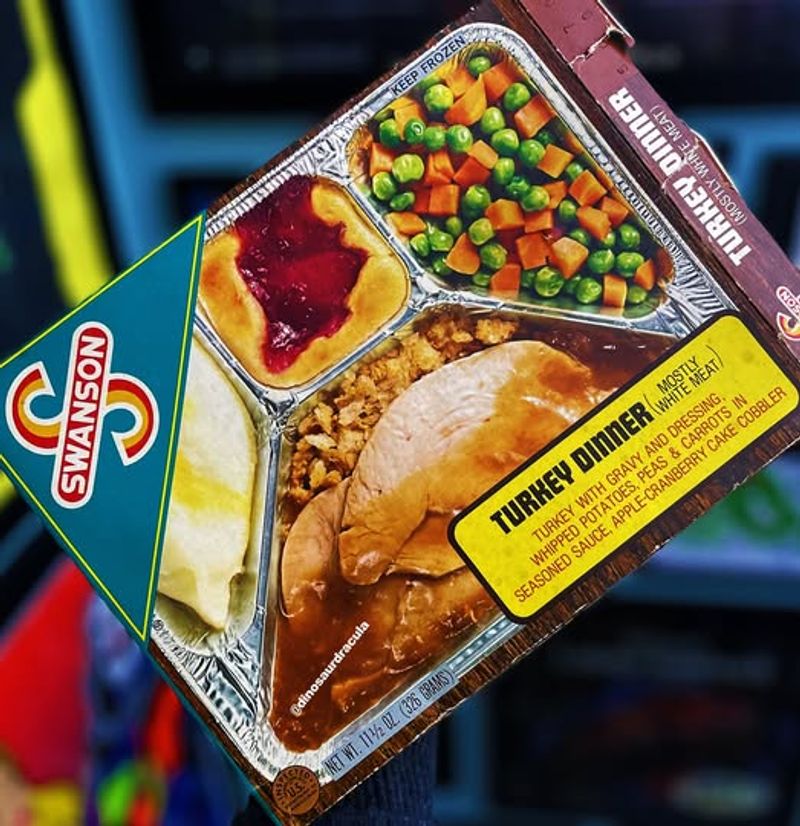
Swanson practically invented the TV dinner. In 1953, they launched the first mass-marketed frozen meal in a divided aluminum tray, and American families never looked back.
The timing was perfect, right as televisions were entering living rooms across the country.
While the Swanson brand technically still exists, it has changed hands multiple times and bears little resemblance to the original product. The quality and spirit of those early meals are long gone.
Swanson earns its spot on this list not for disappearing but for becoming a shadow of what once made it genuinely revolutionary.