


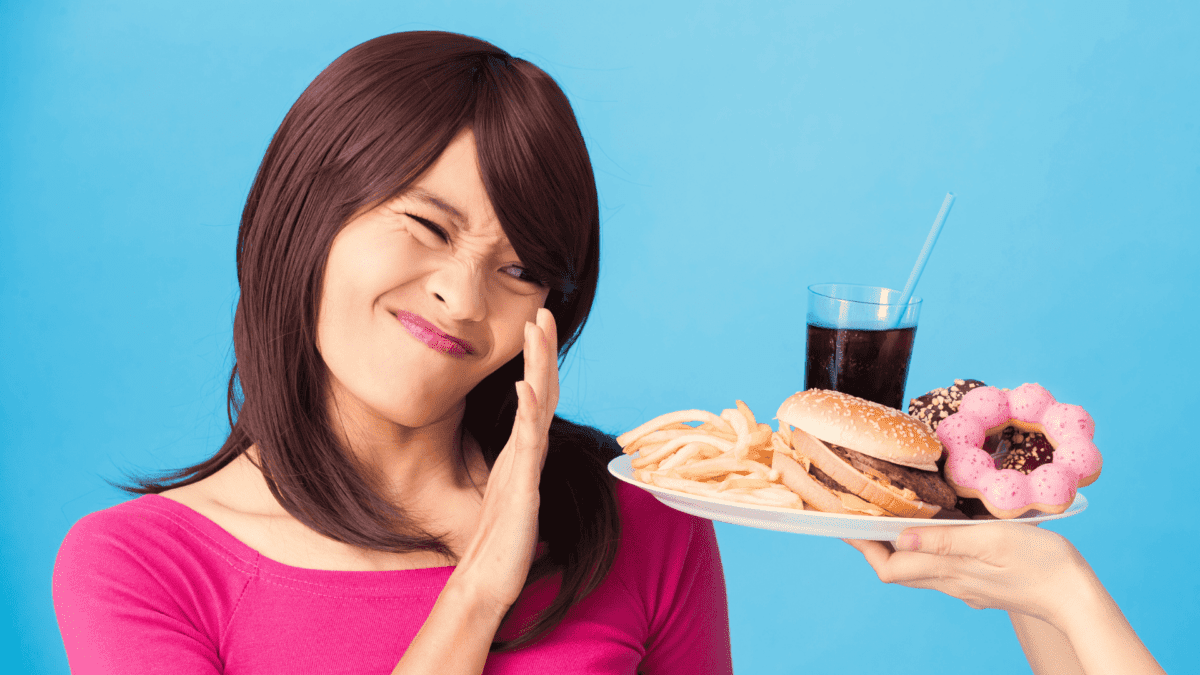
If you’re taking Ozempic or any GLP-1 medication, your diet matters more than ever. These medications are popular for weight loss as they mimic a natural hormone called GLP-1 that regulates blood sugar and appetite. With this, certain foods may interfere with their effectiveness or cause unwanted side effects on the human body.
To help you stay on track, we’ve rounded up 12 foods you should cut from your diet while on GLP-1 medications or the new wave of natural weight management supplements such as GIV Health’s Ozemtrim. It’s always important to remember to always consult a doctor before taking any medication or make any extreme dietary changes.
12. Fried Foods

It’s easy to take on the temptation of Fried Foods, like fried chicken, fries, or doughnuts. However, they may wreak havoc on your digestion when you’re taking Ozempic or GLP-1 medications. These foods are harder to process and may possibly cause bloating, heartburn, and nausea. Instead, you can opt for baked or air-fried alternatives that use avocado or olive oil.
11. Refined Carbohydrates

Refined Carbohydrates are foods that we usually consume like white bread and pasta. Unfortunately, they break down into sugar when consumed and cause a spike in blood sugar. It also increases hunger, which leads to overeating. Instead of your usual white bread, you can trade it in for whole-grain options and quinoa.
10. Large Portions of Food

We often feel annoyed when our burger gets smaller when eating at our favorite fast food place. But if you’re taking Ozempic or GLP-1, then you would have to stick to smaller portions or sizes. Since your medication slows down digestion, taking large portions all of a sudden might make you feel bloated or cause nausea. Focus on eating a smaller but balanced meal with protein and greens.
9. Sugary Drinks

It comes as no surprise that Sugary Drinks, such as soda, energy drinks, or fruit-flavored juices, are some of the unsafe consumables on the list. Since Ozempic or any GLP-1 medications work by stabilizing blood sugar and consuming high sugar content might stop these efforts. Instead of your usual sugary drinks, get unsweetened tea or fresh juice options so you can still get the refreshing taste without consuming any high sugar content that’s present in convenience store drinks.
8. Coffee

While coffee is our energy booster in the morning, it might cause stomach discomfort, most especially to those on Ozempic or GLP-1 medications. Caffeine in coffee acid production can stimulate acid production in the stomach, leading to nausea and acid reflux. Instead of your usual coffee in the morning, you can switch it up to herbal tea or decaf options.
7. Processed Food

Processed foods such as frozen meals and packaged ready-to-eat snacks contain high sodium and sugar. If you’re taking Ozempic, it might worsen diabetes symptoms and side effects. Instead, you can prepare home-cooked meals to ensure that your food is safe for you. Add in leafy greens and some lean protein to balance out your meal.
6. Starchy Vegetables

There’s no denying that vegetables are good for our body. But when taking Ozempic and any GLP-1 medication, they’re high carbohydrate content may cause blood spikes that will slow down your progress. Starchy Vegetables include potatoes, peas, and corn. Instead, you can opt for non-starch like spinach.
5. Cruciferous Vegetables

Cruciferous Vegetable consists of cabbage, broccoli, and cauliflower. Although they’re packed with fiber, it might cause bloating and gas. Also, it slows down the digestion in your body, eventually leading to digestive distress. Instead, you can swap these veggies for lighter options like leafy greens.
4. Spicy Food

Spicy Food is the way to go when adding extra flavor to dishes, but they’re not perfect when you’re taking Ozempic. Why? Unfortunately, they trigger acid reflux by slowing down digestion. Spicy Foods also cause nausea or heartburn. But if you really want to add flavor to your meals, then try milder seasoning like herbs.
3. Artificial Sweeteners

Artificial Sweeteners might be the perfect alternative for all that sugar, but they actually make your food slower to digest since they stay in the gut longer. Also, they increase insulin resistance in people suffering from Type 2 Diabetes. You can opt for natural sweeteners such as honey or maple syrup, or better yet, eat fruits to get your dose of sweetness. But of course, it should be in moderation.
2. High-Fat Dairy

High-Fat Dairy products such as whole milk and heavy cream are one of the ingredients you need to stay away from, especially when buying dairy at the grocery. Why? Aside from they’re high in fat, they can be difficult to digest, which leads to bloating and nausea. You can try switching to plant-based options like almond milk or oat milk.
1. Greasy Food

Greasy Food or your usual fast food, such as burgers, pizzas, and bacon, are some of the major foods that you need to avoid. These foods are high in unhealthy fats that are proven to cause bloating and heartburn. It’s better to prepare your own meals at home to ensure healthier ingredients and smaller portions that are enough to fill you up with no guilt.