


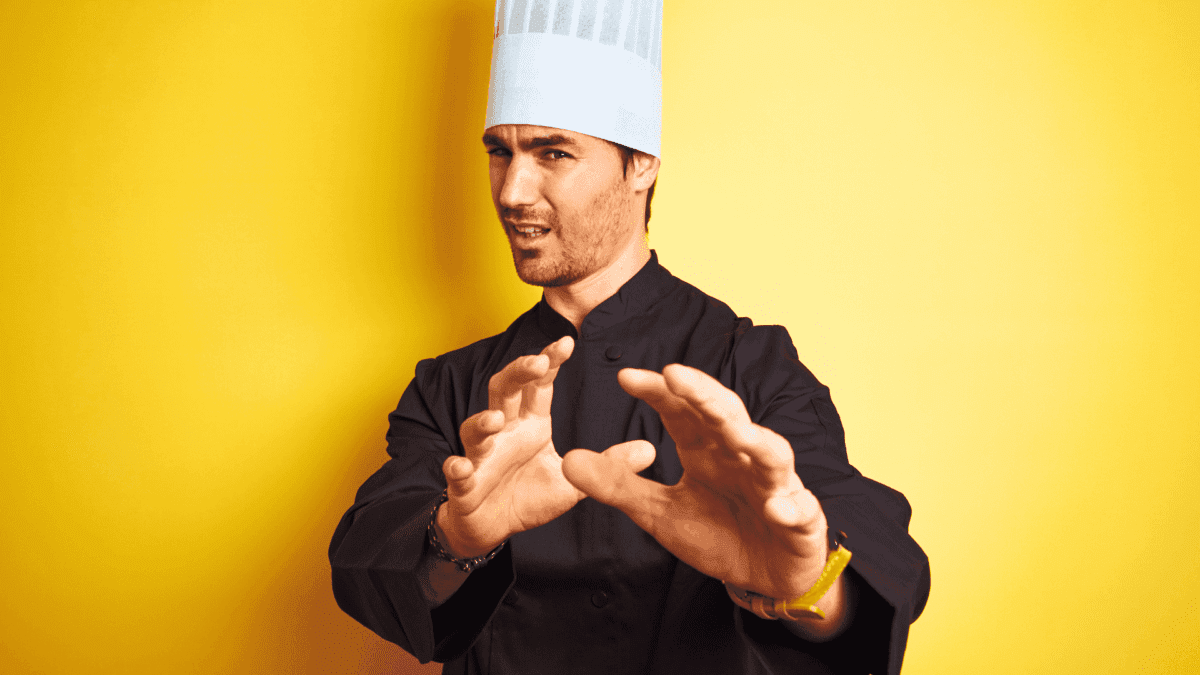
Professional chefs know the inside secrets of food service. When they say that you shouldn’t get this (or that), then we’ll thank ourselves that we obliged. Often, buffets are notorious when it comes to food safety alerts. Just imagine the rushing staff and unruly diners that may possibly contaminate your food. Not to mention, the food that gets stuck for hours. With that, here are 10 foods that chefs would skip on a buffet table.
10. Eggs in Any Form

If you made a chef choose from scrambled, egg salad, or quiche, chances are they’ll pass. Why? They’re a high-risk alert for them as they need to be kept in precise temperatures and consumed quickly after cooking. With that, scrambled eggs get rubbery and form bacteria. Meanwhile, egg-based dishes contain dairy, which doubles the risk.
9. Ice Cream from Self-Serve Machines

Even if they aren’t a chef, people would probably avoid the ice cream machine in buffets. They’re difficult to clean and are known as breeding grounds for bacteria. It’s disgusting to think about the bacteria growing in the machine’s internal components. In fact, they get contaminated from repeated use. Chefs opt for packaged ice cream in freezers instead.
8. Carved Meats That Look Dry

That prime rib may smell smoked and delicious, but they have been sitting for hours. Chefs prefer meat that’s properly heated and recently carved. Most importantly, they should be juicy to prove that they aren’t out sitting that long. Large roasts with cold spots in the center might also create a food safety risk.
7. Desserts with Custard or Cream Fillings

All desserts with custard or cream filling require refrigeration to prevent bacterial growth. If you notice that a dessert with cream or custard filling is sitting at room temperature, then run away. Particularly, their dairy and egg content is a food risk waiting to happen for chefs.
6. Salad Bar Items (Especially Pre-Made Salads)

You guessed that right, they’re a minefield for cross-contamination. Chefs avoid them as salad bars’ serving utensils get mixed between dishes. Meanwhile, pre-made salads with dressing deteriorate quickly. Also, lettuce and greens can easily get contaminated with bacteria from improper handling. Not to mention, some veggies get to look wilted as they’ve been sitting long enough.
5. Pre-Cut Fresh Fruit

Buffets are popular for their cut fruits, but chefs would rather skip them. Their cutting process alone exposes their flesh to bacteria, especially without proper refrigeration. For instance, melons are dangerous due to their porous skin that easily absorbs bacteria as they are transferred to the flesh. If it’s the nutrients you’re after, then sad to say that they’ve already lost them.
4. Seafood (Especially Shellfish)

Seafood buffets (or at least the table) raise red flags for chefs. Yup, we’re talking about your favorite shrimp, mussels, crabs, and such. Avoid food poisoning by skipping them in buffets, as some of them don’t get handled properly. Also, they often sit for too long and are reheated multiple times. Don’t even think about the smell test!
3. Mayonnaise-Based Salads

Yup, we’re talking about potato salad, coleslaw, and such, basically containing mayonnaise. Well, they’re a prime breeding ground for bacteria, especially when left at room temperature. They’re often made in large batches, which is hours before service. Chefs know that all mayonnaise-based dishes shall be kept cold and consumed right away.
2. Hollandaise and Cream-Based Sauces

Chefs would not even think of picking up hollandaise, béarnaise, and other egg-based sauces. As mentioned, they are notorious for picking up bacteria when kept warm for hours. These sauces are under the danger zone (40-140°F) where bacteria multiply right away. Chefs know that creamy-based sauces, especially hollandaise, should be made fresh and consumed immediately. There’s also a risk that the creamy texture may go bad in taste.
1. Sushi and Raw Fish

Any chef will tell you that raw fish at a buffet is a hard no. They require precise temperature control, which is why they’re always monitored for freshness. This is especially dangerous for buffets that keep them at room temperature; however, this is rare for them to do so. Even the rice can be a breeding ground for bacteria to form.