


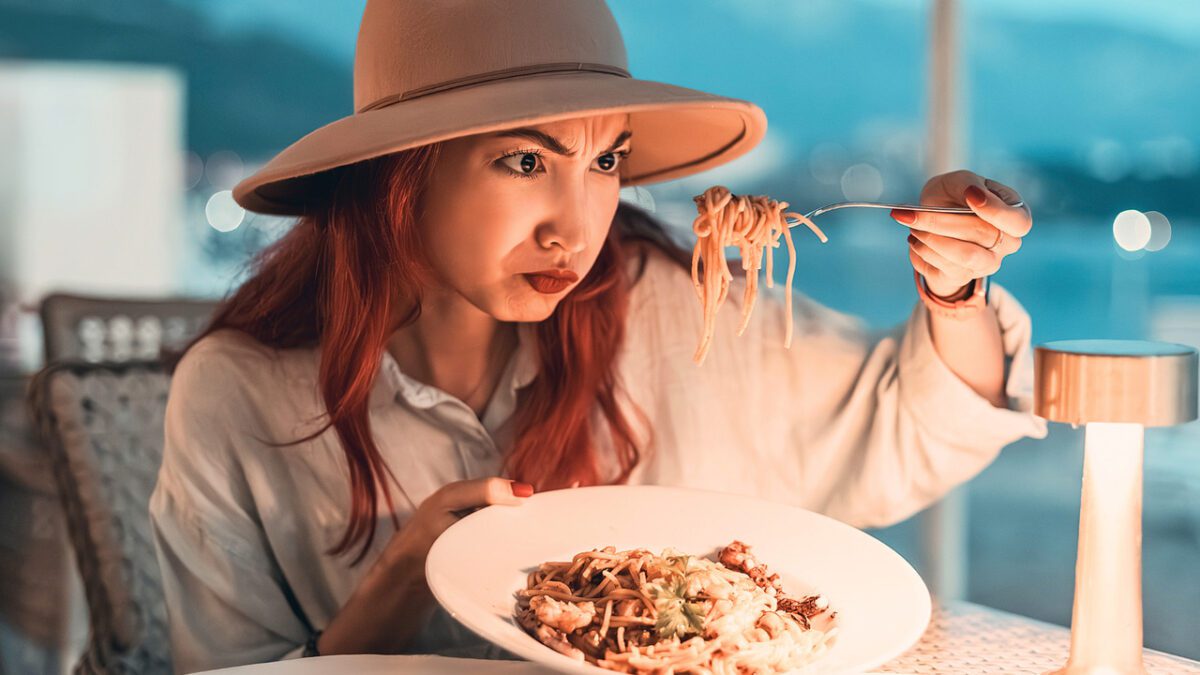
Menus may boast about farm-fresh flavors, but the truth is a lot less glamorous. The freezer is a friend to many restaurants, and this is where “fresh” favorites are hiding. Whether it’s for consistency or cutting waste, these 10 dishes often start frozen before reaching your plate.
10. Lasagna and Other Pasta Bakes

In large sit-down and family-style restaurants, these hearty dishes are perfect candidates for freezing. Kitchens prepare big trays of lasagna in advance, cool them, and then portion for individual servings, and freeze. This method is about making sure that the food is ready when you are. The practice is so widespread that it’s actually a standard for efficiency.
9. Cream-Based Pasta Sauces

Since we’re already talking about pasta dishes, you ought to know that many cream-based sauces (hello, alfredo) are also prepared in large, controlled batches and then frozen. The reason? These delicate sauces are prone to curdling or breaking when rushed. Freezing them means you get a silky texture every time.
8. French Fries

This one’s obvious for fast food, but it’s also just as true for sit-down restaurants. Many establishments use pre-cut, pre-blanched frozen fries to guarantee a crispy, consistent product. That’s possible because of a processed called Individual Quick Freezing (IQF), which involves flash-freezing each potato stick individually to preserve shape and texture.
7. Soups

Soups are also ideal for bulk preparation and freezing. Restaurant kitchens make a large pot, cool it rapidly, and then freeze it in small containers. This lets them offer a wide variety of daily soups without having to make new batches constantly. So if a soup tastes exactly the same every time you order it, it was probably made in a large batch and frozen.
6. Gnocchi and Stuffed Pasta

Making fresh pasta is labor-intensive, and that’s especially true for shapes like gnocchi or stuffed ravioli. Some restaurants prepare them in large quantities, flash-freeze them on sheet pans, and then store in bags. This way, delicate pastas won’t stick together and cooks can drop them directly into boiling water as needed.
5. Classic Deli Sandwiches

Many establishments that specialize in sandwiches or burgers use a secret weapon: frozen buns. Bakeries often deliver ciabatta, hamburger buns, or sub rolls in a frozen state to ensure consistent supply and prevent waste. Restaurants sometimes toast them to enhance flavor and create the impression of a fresh-baked item.
4. Artisan-Style Breads and Rolls

For some artisan-style breads and rolls, the process is a bit different. Some restaurants use par-baked or frozen dough. The bread is baked to about 80% doneness and then flash-frozen, so when a restaurant needs more, they can just finish the baking on-site. This allows kitchens to serve “fresh” bread the entire day without the labor of a full-time baker.
3. Cheesecake and Other Dense Desserts

Here’s a little secret about high-end restaurants: not all of them make every dessert from scratch daily. Cheesecakes and chocolate tortes, for example, are excellent for freezing. They can be baked, frozen, and then thawed and plated with a fresh garnish. By freezing, it also becomes easier for these desserts to be sliced cleanly.
2. Seafood

This, right here, is one of the most popular freezing practices. Unless a restaurant is located right on the coast, it’s highly likely that their seafood has been frozen at some point. Fresh-caught seafood is often flash-frozen on the boat or after landing to preserve quality. And oftentimes, it’s better than a “fresh” one that has spent days in transit.
1. Risotto

Risotto requires constant attention and stirring to be perfect. Because of this, it’s almost never made to order in a high-volume restaurant. A kitchen can cook a large batch of risotto until it’s about 80% done and then freeze it in portions. When an order comes in, the portion is thawed, finished with broth, plated, and served.