


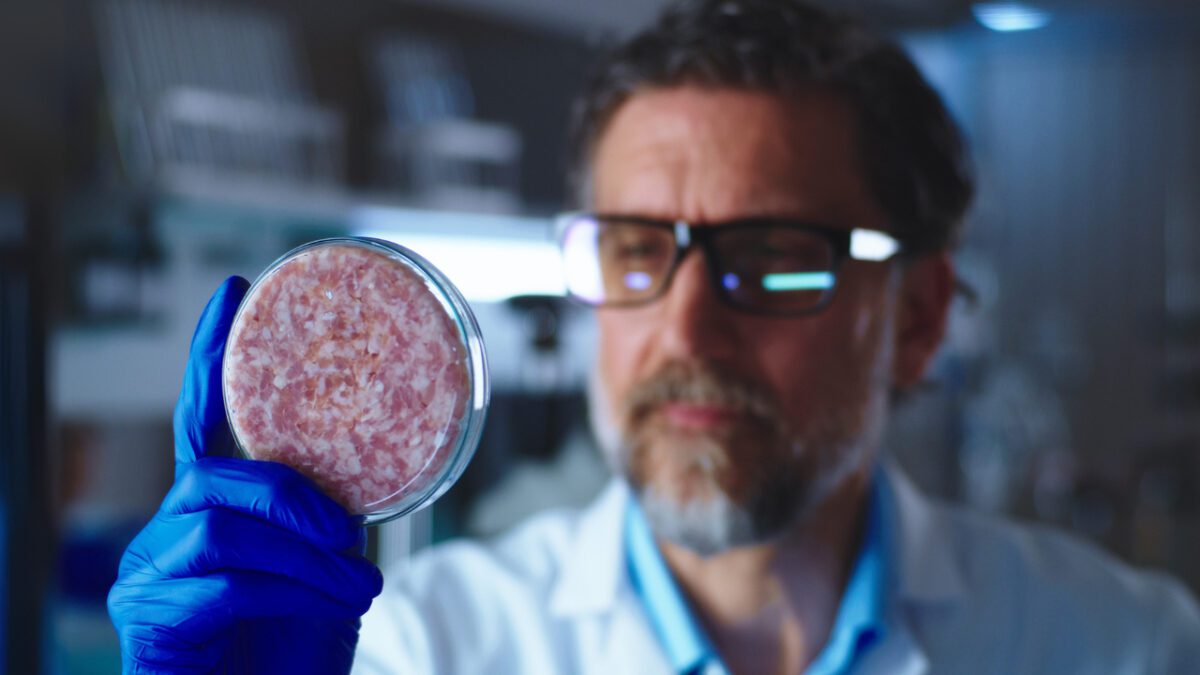
The future of food is already happening. Lab-grown versions are popping up, promising the same taste but without the pollution, animal cruelty, and unfair labor practices tied to traditional production. Here are 10 foods that might soon come from a lab instead of a farm.
10. Coffee

Your caffeine fix is getting a high-tech makeover. Swiss startup Food Brewer is pioneering cellular coffee, grown in a lab to fight against the threats of deforestation and crop disease facing traditional coffee farms. By cultivating coffee cells in bioreactors, they create a high-quality product with a fraction of the environmental footprint. This might just give us a future where coffee is always available.
9. Honey

A jar of honey that doesn’t rely on a single bee? Well, that’s about to happen because startups like MeliBio are making it a reality. They found a way to produce real honey in a lab by mimicking the way bees create it. They analyze the floral sources bees visit and replicate the molecular structure of honey.
8. Chocolate

Companies like California Cultured are paving the way for growing cacao cells in a bioreactor. This process takes just one week compared to the five years it takes for a cacao tree to bear fruit. Here’s another surprise: they can cultivate rare varieties like Criollo, the “king of cacao” used by the Mayans. It’s the same flavor you crave, but made faster, cleaner (no heavy metals), and more ethically than ever before.
7. Cheese

Through a process called precision fermentation, companies are also creating genuine milk proteins (casein and whey) in labs. These proteins are the building blocks of cheese, which give them their melt and flavor. The proteins are already being made in a Berlin lab, and the results are indistinguishable from traditional cheese.
6. Foie Gras

Innovative companies like France’s Gourmey and Australia’s Vow are now growing foie gras from cultivated duck and quail cells. And mind you, it’s real foie gras (not plant-based), complete with the same texture and complex taste. Vow is already serving its quail-based version in high-end Singapore restaurants, positioning it as a luxury product.
5. Chicken

You read that right…we’re getting lab-grown chicken in the US. Companies like GOOD Meat and Upside Foods have already earned FDA approval to sell their lab-grown chicken. They start with a sample of animal cells and grow them in a nutrient-rich environment, creating real chicken meat. This process uses less land and water, and eliminates the need for antibiotics.
4. Pork

Cultivated pork is on the horizon, as companies like Clever Carnivore make progress in producing scalable, low-cost pork. Additionally, scientists have successfully grown a prototype of cultured pork using a protein from sorghum grain. In simpler terms, it’s pork with the added benefits of sustainable grains, produced without the environmental impact of traditional pig farming.
3. Fruit

Turns out cellular agriculture isn’t just for animal products. Scientists are now growing fruit tissue in labs, paving the way for companies to produce fruit that’s ripe, flavorful, and nutritious, without the issues of traditional farming like weather and pests. This hints at a future where fresh fruit is always in season and available.
2. Salmon

And the list gets bigger with cultivated seafood! Just imagine a cut of salmon sashimi with no microplastics, mercury, or parasites. That’s the promise of Wildtype, the San Francisco company that was first to receive FDA approval for cultivated seafood. They grow their salmon from Pacific salmon cells, creating a product that has the same omega-3 and omega-6 fatty acids as wild-caught fish.
1. Milk

Move over, plant-based milk. A company called Brown Foods, with technology validated by MIT, has created “UnReal Milk.” It’s the world’s first lab-grown cow’s milk that is identical (molecularly) to real milk. Through a special cell-culturing process, you get the same taste, nutrition, and functionality. Yes, it can be turned into cheese, butter, and ice cream, too!