


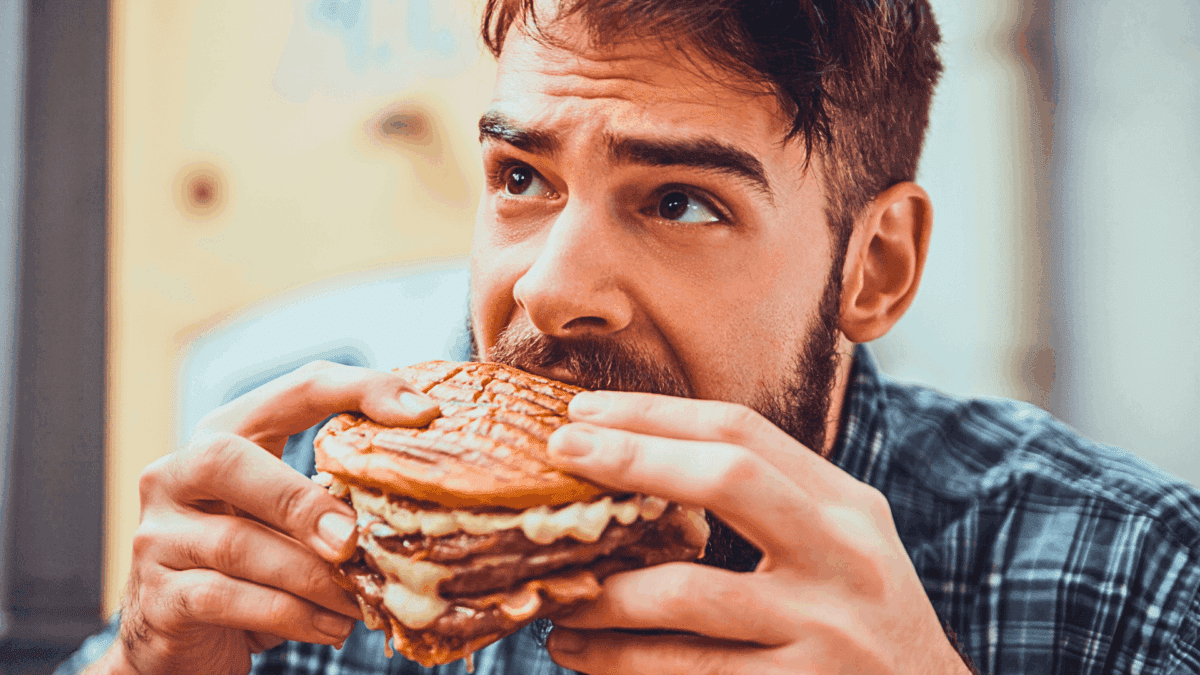
These billion-dollar fast food corporations aren’t only selling you burgers and fries. They’ve created psychological warfare designed as clever marketing tricks to sell their products. All of us have fallen for their tricks, and while it’s not the end of the world, you should know where your hard-earned money goes. Today, we’ll be revealing the 10 clever fast food marketing tricks you need to know.
10. The “Viral” Marketing

There’s no way that fast food restaurants haven’t mastered social media. Those seemingly spontaneous social media “discoveries” are clever marketing campaigns to generate buzz, usually with new products. An example of this is the secret menu phenomenon, where chains try out unofficial combinations to attract customers. Of course, they worked with certain content creators with big followers for that
9. The Calorie Count Deception

We all know the dangers of fast food, and these companies have picked up on that. They started posting calorie counts to appear transparent to health-conscious customers. They often represent ideal portions that don’t match what you receive. It ignores the nutritional factors it includes, like sodium and sugar. If you’re on a serious calorie watch, better make your own food at home.
8. App Exclusive Deals

Almost all fast food places have their own apps that you can easily download. With this, their customers register to be members and harvest deals that are exclusive to them. What you don’t know is that they pick up on your algorithm, such as your ordering patterns and location data, for marketing purposes. They pick up on their customers’ habits through data collection, which is a different conversation involving privacy. But hey, there are lengthy terms and conditions before you register, right?
7. The Combo Meal Psychology

Why order individually when you can get them through the combo meal menu cheaply? Well, that’s what they want you to think. Do the math and you’ll realize that they’re minimal or nonexistent at all. Plus, you might not plan on getting fries and a drink, but you’ll be manipulated to do so since it only costs a little more than your planned burger.
6. The Limited Time Offer Urgency

When you feel the urge to get that limited-time menu drop, then that could be the buzz generation talking. Scarcity creates social media chatter and word-of-mouth to drive customers and boost sales without the need for advertising the new product. Making a certain product an annual thing makes it rare and valuable, so we go back to free advertising made by customers.
5. Breakfast All Day Tactic

Keep an eye out for the breakfast all day tactic by a number of fast food places. The truth behind them is that they curated a selection just to drive traffic during slower parts of the day. They’ve chosen the items that generate the most profit and require minimal equipment or prep time. Extending breakfast availability draws customers during slow hours, which fills their sales gap throughout the day.
4. Nostalgic Marketing

There’s some truth in the nostalgia sells statement, and fast food corporations have proven it, time and time again. Nostalgic cues like Happy Meal toys and retro packaging tap into our childhood memories. Those positive emotions somewhat override the rational considerations that we have, like price and health. This also creates loyalty with the brand, which therefore connects them with us.
3. The Supersizing Suggestion

We’ve always encountered cashiers asking us if we would like to make our order large for only a couple of bucks more. Sometimes, they’ll go on about you saving money by getting the larger option. When you say yes, then you’ve fallen for the bait. Employees are trained to sell more to customers, which appears as a psychological trigger. If you notice, you create a subtle dissatisfaction with your original choice.
2. The Health Halo Effect

Have you ever considered adding an apple slice or maybe a salad to your fast food? That’s the health halo effect because in reality, the sodium from your burger beats the health benefits of the apple slice you’ve added. Subway built an empire out of the health halo as they’ve positioned themselves to be the healthier fast food. When you think about it, they serve sandwiches loaded with processed meats and high-sodium condiments.
1. Menu Price Anchoring

Ever notice how there’s always one ridiculously expensive item on the menu? That $15 premium burger isn’t actually a bestseller; it’s a psychological anchor that makes your $6 burger a comparison. It’s a pricing strategy applied by companies to manipulate your perception of value. The truth is that they’ve added a few meats or maybe made the patty a bit bigger just to charge a much higher price. Trust us, you’re better off with that $6 burger.