


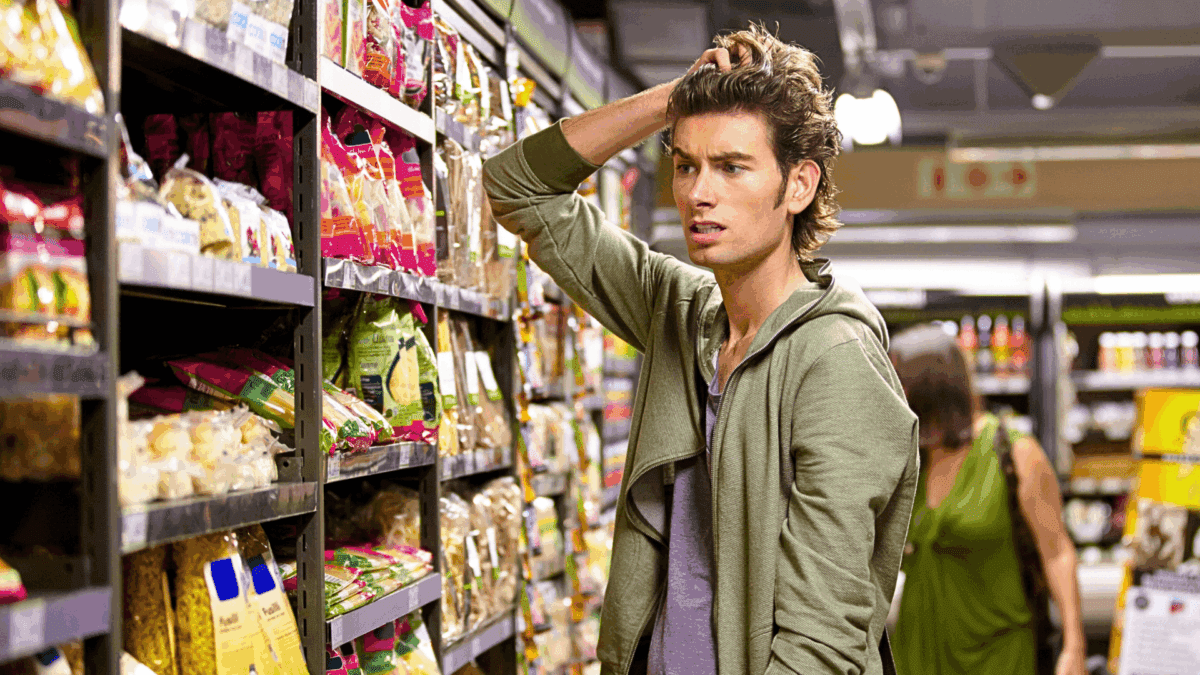
Thanks to rising tariffs on imported goods, several food items are at risk of vanishing from store shelves across the U.S. From seafood favorites to everyday staples, these tariff-driven changes could hit your cart (and your wallet) sooner than you think. If you’ve been putting off that pantry restock or craving a specific international treat, now’s the time to grab them. Here are 10 foods at risk of vanishing from store shelves.
10. Seafood

Love seafood? It may be a rough sea in the next few weeks. Chile and Vietnam have supplied the U.S. with enough fresh and frozen fish. However, both countries face a tariff of 10%. This means that fish supply may possibly raise their prices in the coming weeks. Likely, other seafood products such as shrimp, salmon, crab, and lobster may be affected by price hikes as they are among the top imports recorded in 2022.
9. Olive Oil

The U.S. heavily relies on European Countries for Olive Oil, specifically from Spain and Italy. Currently, the two countries face a 10% tariff on exports. The country only produces 2% of the Olive Oil that it consumes, so these imports cannot easily be replaced with domestic production. Boosting the local production would take a lot of time and resources.
8. Avocado

Mexico provides over half of fresh fruits and around 70% of vegetables that are consumed in the U.S. Any trade disruptions with Mexico like tariffs or changes over trade agreements can affect the supply of Avocados in the U.S. While Avocados might be exempted from some tariffs under the UnitedStates-Mexico-Canada Agreement (USMCA), the status isn’t really guaranteed forever.
7. Chocolate

While it does not entirely mean that Chocolate would get wiped out completely off the shelves, its prices will rise. Since the U.S. doesn’t grow much cocoa, it imports most of its cocoa beans from countries like Ghana and Indonesia. While many imported chocolate products are from Switzerland and the United Kingdom. Both raw materials and finished products are getting taxed, so expect that U.S. manufacturers pay more for ingredients, and chocolates on the grocery shelves will cost more.
6. Maple Syrup

Maple Syrup lovers, we’ve got a sticky situation in here. The government has imposed a 25% tariff on Canadian goods like Maple Syrup. The tariff will make it more expensive for U.S. companies to purchase Canadian Maple Syrup, where most of their supplies come from.
5. Basmati Rice

With tariff-related issues between India and Pakistan, Basmati Rice has become harder to find and is more expensive in U.S. grocery stores. As a result, shoppers are buying less of them, so stores are cutting down on the variety of brands and types they offer. They’re pretty noticeable from specialty stores that typically offer them.
4. Coffee

Bad news to wake up to for Coffee lovers! Your favorite wake-me-up drink is also affected by the tariff and is expected to raise its prices. Why? The U.S. grows very little Coffee, so it depends on imports to meet demand. New tariffs were applied to key-producing countries such as Brazil (10%), Vietnam (46%), and Colombia (10%). Canada and Mexico have 25% tariffs for processed or imported coffee. With this, the shift of consumers choosing cheaper alternatives may hurt sales for businesses that rely heavily on coffee.
3. Certain Nuts

While the U.S. grows nuts domestically, specific nuts, like cashews and macadamia, heavily rely on imports. Vietnam is the primary source of cashews, but it may soon face a 46% tariff if no trade deal is reached. Higher prices could lead to lower demand, which results in fewer cashews being imported into the U.S. On the other hand, Australia is the key exporter of macadamia nuts, but it faces 10% tariffs. Both nuts might become more of a luxury, which may be the cause for smaller quantities or, worse, disappearing from shelves.
2. Banana

The U.S. doesn’t grow many Tropical Fruits like bananas domestically, so it relies on imports. There’s a 10% tariff placed on Tropical Fruits, while it’s smaller compared to other tariffs, the country imports a huge volume, which makes the total extra cost add up fast. These extra costs will likely be passed down to shoppers, so expect to pay more for bananas. Also, Tropical Fruits are perishable, and there’s not much of a backup supply stored in the U.S.
1. Spices and Tea

China is the world’s biggest supplier of Spices and Tea. However, they face a 54% import tariff, which is very high. With that, some U.S. importers might look for suppliers in other countries, but it still remains expensive, or there is a risk of shortages. Smaller stores might stop carrying imported spices and tea if they become too costly.