


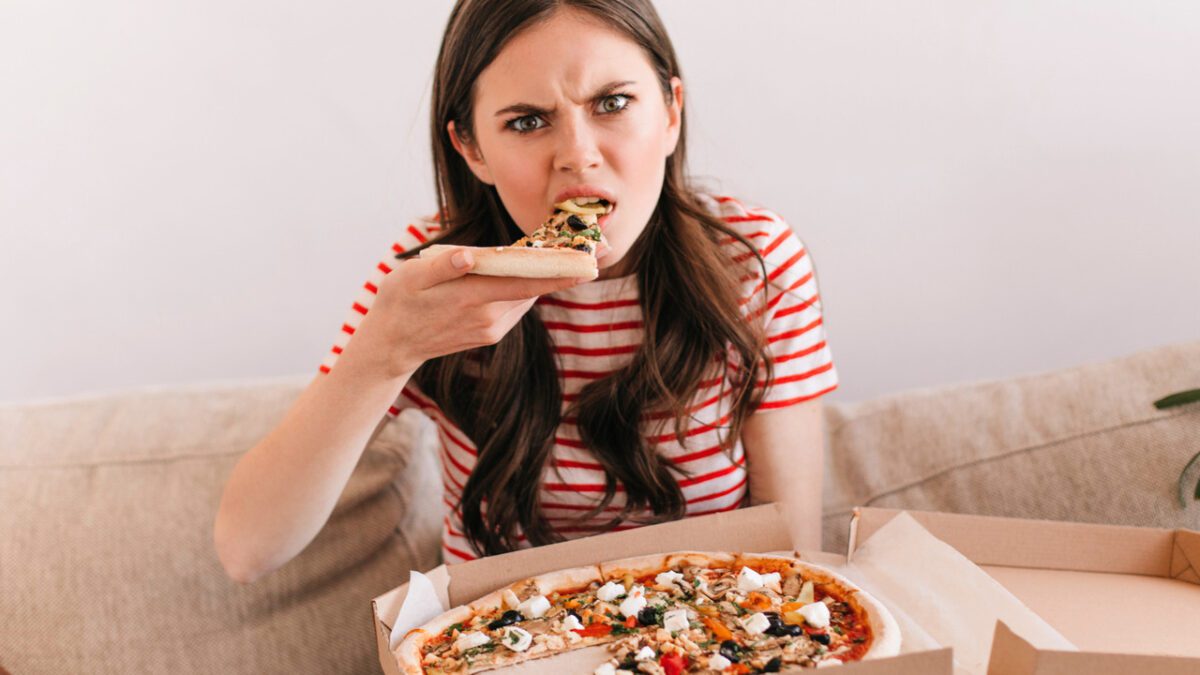
You’d think a dinner table would be a place of peace, but serve the wrong food and suddenly everyone’s a critic. From pineapple on pizza to steak doneness, certain foods can stir up opinions. Here are 10 foods most likely to start a friendly (or fiery) family feud.
10. Ketchup on Hot Dogs

In most places, putting ketchup on a hot dog is normal. But in Chicago, it’s a culinary crime. The Windy City is loyal to a specific combination of toppings: mustard, relish, onion, pickle spear, sport peppers, and tomato slices. Historically, ketchup was allegedly used to mask the flavor of low-quality meat, while a ketchup-free dog was seen as superior. This code of conduct has spread beyond Chicago, creating a nationwide debate.
9. Milk or Cereal First?

The “cereal first” camp (the dominant majority) argues it’s the only logical way to gauge portions and avoid splashing milk everywhere. The “milk first” camp, however, pour the milk and add cereal in small increments, ensuring each bite remains crunchy. The debate has become so widespread it’s often compared to the pineapple-on-pizza controversy.
8. Anchovies on Pizza

The moment a pizza with anchovies is suggested, the room instantly divides. For fans, these little fish are umami powerhouses, offering a flavor complexity that no other topping can match. For haters, the flavor is so overpowering it contaminates the entire pie and lingers long after the meal is over.
7. Runny Egg Yolks

The perfect egg is a matter of fierce debate, and it all comes down to the yolk’s texture. For many, a runny yolk is a sign of a perfectly cooked egg, where the whites are set but the yolk remains creamy and velvety. For others, a runny yolk is described as slimy, undercooked, and unappetizing. This group demands a fully cooked center, preferring the familiar texture of a hard-boiled or well-scrambled egg.
6. Blue Cheese

That pungent aroma and the web of blue-green veins are either beautiful or horrifying. Enthusiasts adore its complex, tangy, and slightly spicy character, while detractors are often repulsed by the smell, which they associate with spoilage or decay. The mere presence of blue cheese on a platter can create an invisible dividing line at any family gathering.
5. Pickles

The core complaint from pickle-haters is that the briny flavor tends to dominate everything it touches. For pickle lovers, that same vinegary crunch is the entire point. It’s a palate-cleansing component that provides a refreshing contrast to fatty foods. Interestingly, science suggests our preferences may be genetic. The TAS2R38 gene, which influences how we perceive bitterness, can play a role in whether you crave that sour crunch or recoil from it.
4. Cranberry Sauce: Canned vs. Fresh

Thanksgiving tables are a battleground for many culinary debates, including the cranberry sauce controversy. Traditionalists swear by the canned, jellied log, complete with the schloop sound it makes as it slides out. And then we have the fresh-cranberry purists, who prefer a homemade sauce, celebrating its tart flavor and the texture of whole berries. Interestingly, cranberry sauce has been voted the most disliked traditional Thanksgiving food overall, yet it remains a holiday staple.
3. Pineapple on Pizza

Does pineapple belong on pizza? This question has divided families for decades. Fans argue that the pineapple cuts through the richness of the ham and cheese, creating a perfectly balanced bite. Meanwhile, detractors, including chef Gordon Ramsay and the late Anthony Bourdain, argue that fruit has no place on a pizza. They said its watery texture makes the crust soggy and the flavor is an unwelcome intruder.
2. Steak Doneness: Well-Done vs. Rare

Those who favor rare or medium-rare steak think that it’s the only way to appreciate the meat’s true flavor and tenderness. Meanwhile, fans of well-done often have concerns about food safety, preferring the peace of mind that comes with a fully cooked piece of meat. For many chefs, ordering a quality cut well-done is a culinary sin, while for others, a hint of red is simply unappetizing.
1. Cilantro: The Soap Gene

The argument over cilantro is one of the most fascinating food debates because it’s not a matter of opinion but of genetics. For the majority of the population, cilantro has a fresh, citrusy, and slightly peppery flavor. But for 3% to 21% of people, depending on ethnicity, it tastes like soap or dirt. This is due to a specific genetic variation, making some individuals highly sensitive to the aldehyde chemicals found in cilantro, which are also byproducts of soap-making.