


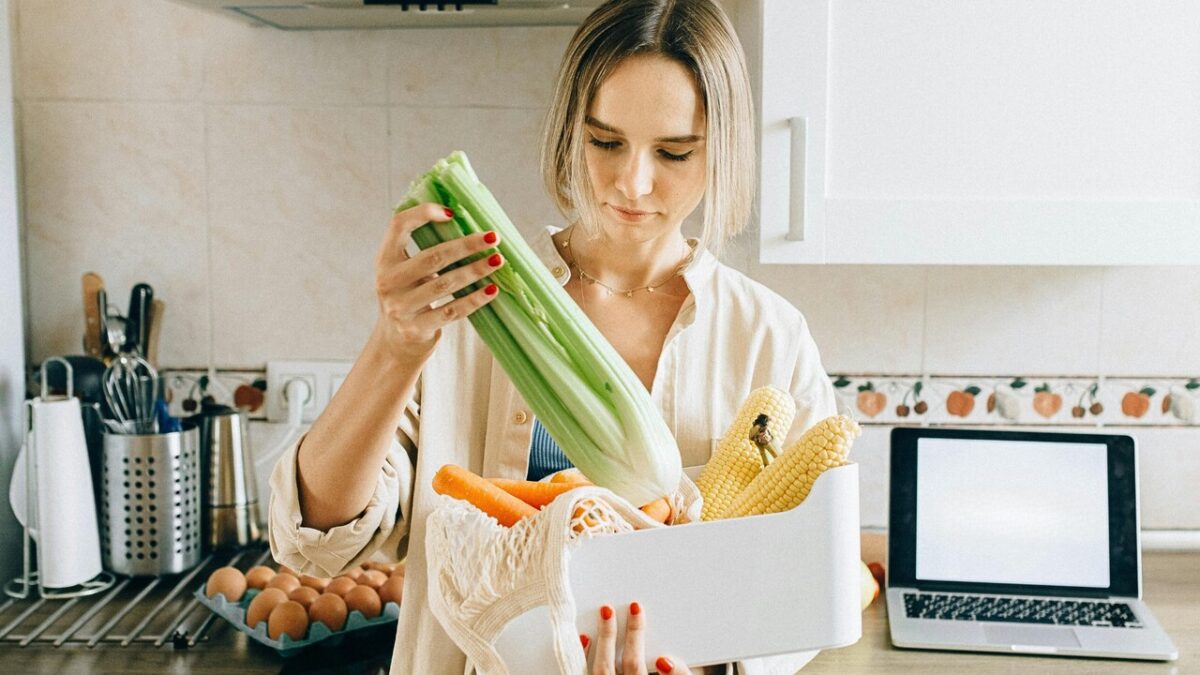
The way you store foods can be the difference between fresh and flavorful or sad and spoiled. But don’t worry, because there are a few quick storage tweaks that can make your food taste better for longer. Here are 10 foods you’re probably storing wrong, and how to make things right.
10. Cut Apples in Open Bowls

If you haven’t noticed yet…cut apples go brown quickly when left in air. Plus, they also dry out unevenly. A quick fix would be to toss slices with a squeeze of lemon juice or a sprinkle of salt water, then store in an airtight container. If you don’t want another flavor, you can submerge slices in cold water, then store in a fridge in a sealed container.
9. Dry Grains

We’re talking about rice, oats, flour, and quinoa. If you leave them in their original paper or plastic bags, they become vulnerable to pantry pests and moisture. Transfer them to plastic or airtight glass containers and store in a cool, dry cupboard. Whole grains with more oils are better in the fridge to prevent rancidity.
8. Bananas Near Other Produce

As they ripen, bananas release ethylene gas, which can cause nearby produce like lettuce, berries, or apples to overripe or spoil faster. The trick? Keep bananas in a hanging basket or separate bowl, away from other produce. If you want to slow the ripening of bananas, peel and refrigerate in a container for smoothies. To speed up ripening, place them in a paper bag with other fruits.
7. Avocados

When you put underripe avocados in the fridge, you interfere with the ripening process. This leaves you with hard, flavorless fruits. A better way is to keep avocados at room temperature until they yield gently to pressure. Transfer ripe ones to the fridge to slow further ripening.
6. Coffee

Storing coffee in clear jars on the counter looks nice. But is it smart? Not so much. Light, air, and heat can quickly steal flavor and aroma. It’s better to keep coffee beans and grounds in an opaque, airtight container, away from the ovens and sunlight. Proper storage is crucial in keeping your morning brew rich and full-bodied.
5. Berries

Berries can mold quickly when stored in sealed, humid containers. What you can do is pick out damaged fruits. Spread the rest in a single layer on a paper towel placed in a shallow container. If possible, use a container with small vents so air can circulate. Refrigerate and don’t wash until you need to eat them. Extra moisture makes berries spoil faster.
4. Leafy Greens

Tired of tossing a slimy mess at the end of the week? Your bagged lettuce or spinach should be taken out from the bag, washed, and stored in a container lined with paper towels that absorb excess water. Seal loosely, and replace damp towels as needed. This should slow down spoilage and keep the leaves crisp for salads and sandwiches.
3. Onions and Potatoes Together

Apparently, it’s better to keep your onions and potatoes away from each other. Why? Because onions release moisture and ethylene gas that can soften potatoes and make them sprout. Potatoes also need slightly more humidity, so they’re better off in a paper bag in a dark, cooler area. The onions? Keep them well-ventilated in a mesh bag or basket.
2. Tomatoes

Putting ripe tomatoes in the fridge can make them bland and grainy. However, if you keep them on the counter, in a cool and shaded spot until you’re ready to eat them, you can retain the flavor and texture. Only refrigerate if they’re fully ripe and you can’t use them right away.
1. Bread

It’s tempting to keep bread in a sealed plastic or in the fridge to make it last, but both can speed up its downfall. Plastic invites moisture and mold, while fridge temperature can turn bread dry. A better move would be to store it in a paper or linen bag, or even a bread box, where air and humidity stay balanced.