


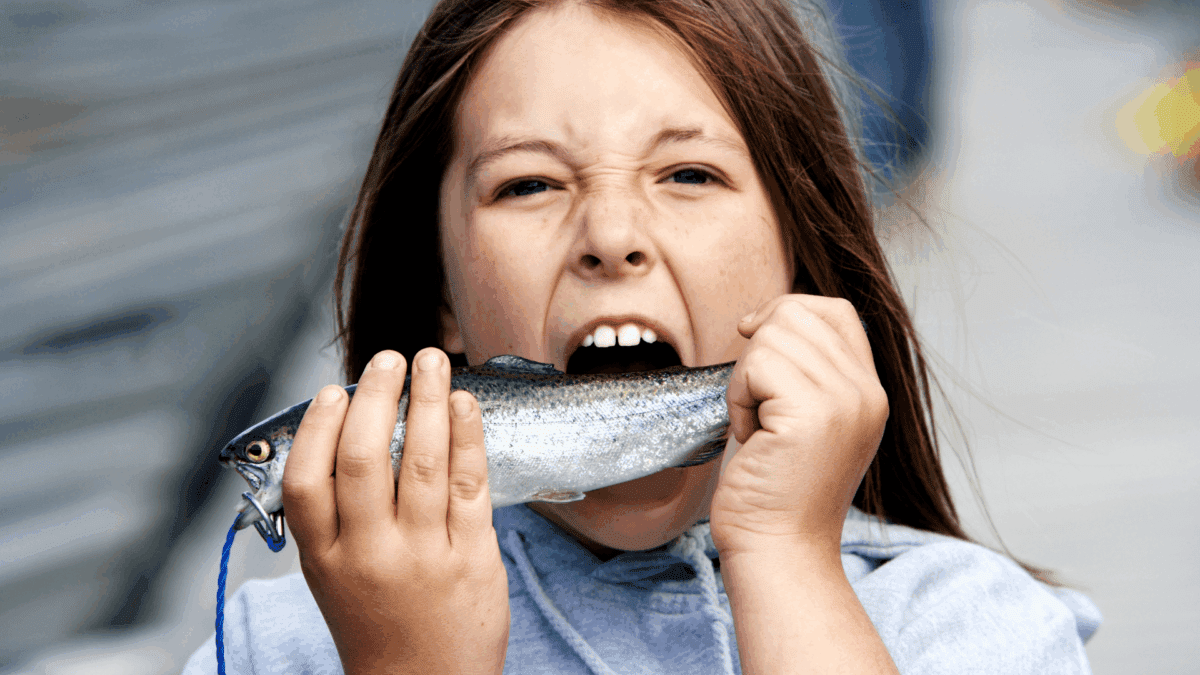
While fish have long been celebrated as one of the healthiest proteins, not all of them are created equal. Some varieties that appear in restaurants and groceries come with serious health risks. Other species are found to have dangerous levels of mercury and industrial pollutants that have been linked to food poisoning. When buying fish, beware of these 10 types that should never make it on your plate.
10. Escolar

Meet the fish that comes with a warning label. Also called “Ex-Lax fish,” this deep-sea dweller is notorious for its rich, buttery taste. However, its flesh is filled with indigestible wax esters, which are a type of fat that our bodies can’t absorb. Some unlucky diners suffer from keriorrhoea, which leads to a sudden, oily, orange-colored rectal discharge. It’s not actually life-threatening, but it can create an uncomfortable experience for them.
9. Bluefin Tuna

While the bluefin tuna is a prized type in the sushi world, its popularity has come at a steep price. Decades of overfishing have pushed this type of fish to the brink. Some populations are showing signs of recovery, but the species is still considered vulnerable. The high demand for bluefin has fueled illegal and unregulated fishing practices, making it difficult to know if you’re eating a sustainably sourced fish. Also, they accumulate high levels of mercury, so skipping them is a better choice.
8. Imported Tilapia

While tilapia is a popular and affordable fish, their origins matter. Much of the tilapia consumed in the U.S. is imported from countries like China and Vietnam, where aquaculture regulations can be lax. With this, a study on tilapia aquaculture found that antibiotic pollution residues can affect the growth and health of the fish. It means that they are often raised in crowded, unsanitary conditions with a diet that can include animal waste. When choosing tilapia, opt for those raised in the U.S. or Canada with stricter regulations.
7. Farmed Salmon

We hate to break it to you, but that perfectly pink salmon on your plate isn’t what it seems. Farmed salmon are often raised in crowded pens, which creates a breeding ground for parasites and diseases. To combat this, farmers often use a cocktail of antibiotics and pesticides; however, they leave residues in the fish. Also, the feed used for farmed salmon can contain contaminants like PCBs and dioxins. Instead, opt for wild-caught salmon as a safer and more sustainable choice.
6. Orange Roughy

It’s cool to think that you’re consuming fish alive during the Roman Empire. However, think again. While the orange roughy can live for over 200 years, it’s a slow-growing and late-maturing species that’s been severely overfished. With that, their population is struggling to recover. Also, they were found with a mercury concentration of 0.571 ppm, which is on the FDA’s list of fish to avoid, especially for pregnant women and children.
5. King Mackerel

King mackerel is a popular game fish, but it’s one you should admire from a distance. Why? This predatory fish has one of the highest mercury levels of any commercially available fish. That’s right, as it has a mean concentration of 0.73 ppm, which is close to the FDA’s 1 ppm limit. With this, the FDA advises that pregnant women, nursing mothers, and young children should avoid king mackerel entirely.
4. Tilefish

If there’s one fish to avoid at all costs, it’s the tilefish from the Gulf of Mexico. This fish is known to have the highest mercury level of any commercially available fish. It has a mean concentration of a whopping 1.123 ppm. The FDA has issued a clear warning: pregnant women, nursing mothers, and young children should not eat tilefish at all.
3. Swordfish

Swordfish is a popular steak-like fish, but it’s also rich in mercury. It features a mean mercury concentration of 0.995 ppm, which makes it one of the most contaminated fish you can eat. The high mercury content is due to the swordfish’s diet of smaller fish, which adds mercury to its flesh. The FDA advises that pregnant women, nursing mothers, and young children should avoid swordfish entirely. For everyone else, consume them rarely.
2. Shark

Not only are many shark populations threatened by overfishing, but their meat is also high in mercury. As apex predators, sharks get the mercury from all the other fish they eat, with a mean concentration of 0.979 ppm. The health risks are so significant that the FDA advises pregnant women, nursing mothers, and young children to avoid shark meat altogether.
1. Freshwater Fish

Behind its innocent name, the freshwater fish is not the type of fish you’d want to consume. According to a recent study from Boston University, many freshwater fish across the U.S. are contaminated with a cocktail of toxic chemicals, including PFAS (forever chemicals) and pesticides that were banned decades ago. They’re linked to health problems such as cancer, immune system dysfunction, and developmental issues.