


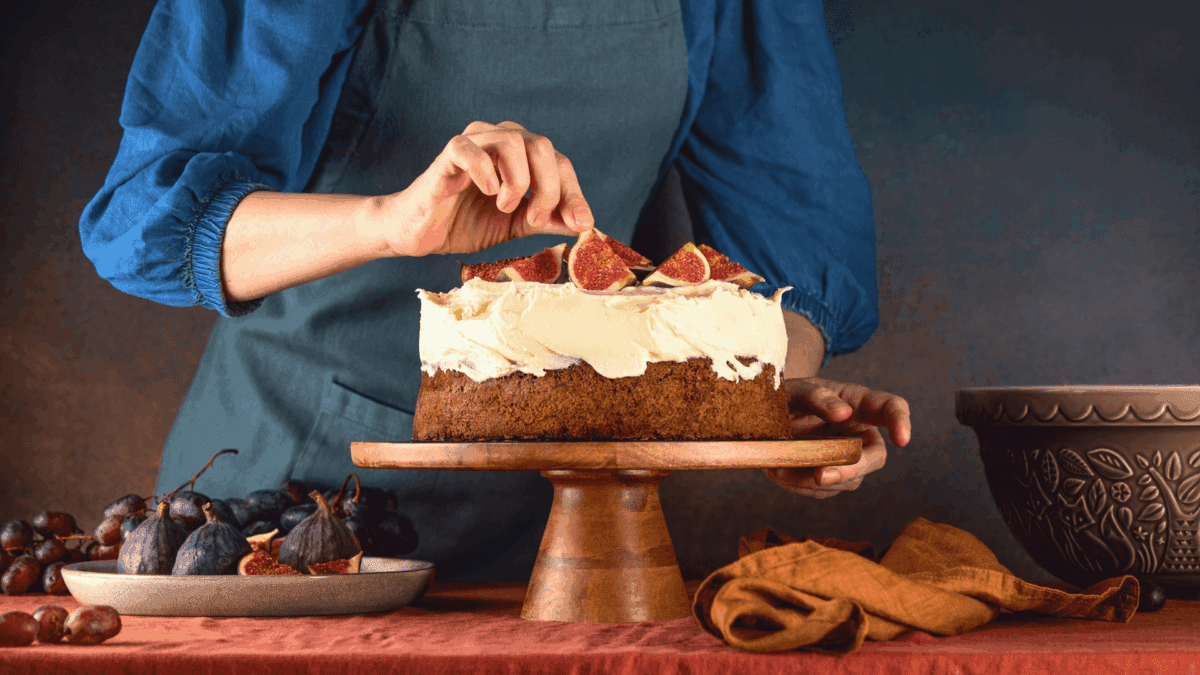
Before fall became officially the pumpkin spice season, people celebrated its return with dishes from fall’s harvest. They were meals that helped them survive the cold weather ahead of winter’s lean months. Sadly, many of these dishes vanished from dinner tables as they were replaced with more convenient options that fit our palates. Today, we’ll be bringing you 10 vintage fall recipes from the past.
10. Pickled Walnuts in Brine

Before the hulls hardened, green walnuts were pickled in spiced brine to create a condiment that lasted through winter. This English tradition made its way to American tables, where pickled walnuts were served alongside roasted meats and strong cheeses. The process required precise timing. If it’s too late and the shells would be too hard, too early, and they wouldn’t develop the proper flavor.
9. Pemmican with Dried Berries

Imagine having this concentrated survival food. It’s combined with dried meat (usually venison or buffalo), rendered fat, and dried berries into nutritionally dense cakes that could last for months. Native American in origin, pemmican became essential food for fur traders, explorers, and even families preparing for winter. One small piece provided enough calories and nutrients to sustain a person through a full day of hard work.
8. Scrapple

This Pennsylvania Dutch creation used every scrap of the pig after butchering. It combines scraps of meat with cornmeal and spices for a breakfast meal. The finish? Freshly made scrapple, seasoned with sage, thyme, and black pepper, was sliced and pan-fried until crispy. It provided essential protein and calories during the physically demanding harvest season in the past.
7. Samp and Milk Porridge

Samp was coarsely ground hominy or dried corn kernels with the hulls removed. They’re cooked slowly with milk and sweetened with maple sugar or molasses. This nutritious porridge was especially popular in New England as it provided sustained energy for cold autumn mornings. The corn was processed using traditional Native American techniques, creating a dish that bridged indigenous and colonial food traditions.
6. Mincemeat

Original mincemeat contained actual minced beef. It could also be venison mixed with suet, dried fruits, spices, and alcohol. This mixture was then packed into crocks and aged for weeks, for it to develop complex flavors that modern fruit-only versions can’t match. The meat provided protein, while the alcohol and spices acted as preservatives. It’s a filling meal that would last through winter without refrigeration.
5. Ash Cakes Baked in Coal

These simple corn cakes were wrapped in cabbage or corn leaves. To cook, they were buried directly in hot ashes to bake. The leaves protected the bread while imparting a subtle, smoky flavor. Ash cakes were the ultimate frontier food as they required no pans, ovens, or even tables. All you need is just hot coals and patience. They provided essential carbohydrates during harvest time for many families.
4. Johnnycakes Cooked on Hot Stones

These simple cornmeal flatbreads were cooked on hot stones or griddles and served as both bread and portable food for travelers. Unlike modern cornbread, johnnycakes were made with just cornmeal, salt, and water, then cooked until crispy outside and soft inside. They were a food that could be eaten warm or carried cold for days.
3. Hasty Pudding with Molasses

This simple cornmeal porridge was the go-to breakfast for early American families throughout fall and winter. Cooked slowly in large pots and sweetened with molasses or maple syrup, hasty pudding was filling and could feed large families with minimal ingredients. It was often served with cream or butter and provided sustained energy for long days of harvest work.
2. Succotash

The original succotash bore little resemblance to the bland corn-and-lima-bean side dish we know today. Both Colonial and Native American versions combined fresh corn kernels with wild beans, chunks of venison or rabbit, and whatever seasonal vegetables were available. This one-pot meal features the “Three Sisters” (corn, beans, and squash) and provides complete protein for harsh autumn weather.
1. Apple Butter Made in Copper Kettles

Long before butter, families would gather to stir a massive copper kettle. It’s filled with apple, cider, and spices burned from open fire. This thick, dark spread was a community affair where neighbors would take turns stirring the constantly cooking mixture for up to 12 hours. The result? A concentrated apple preserve that lasted through winter.