


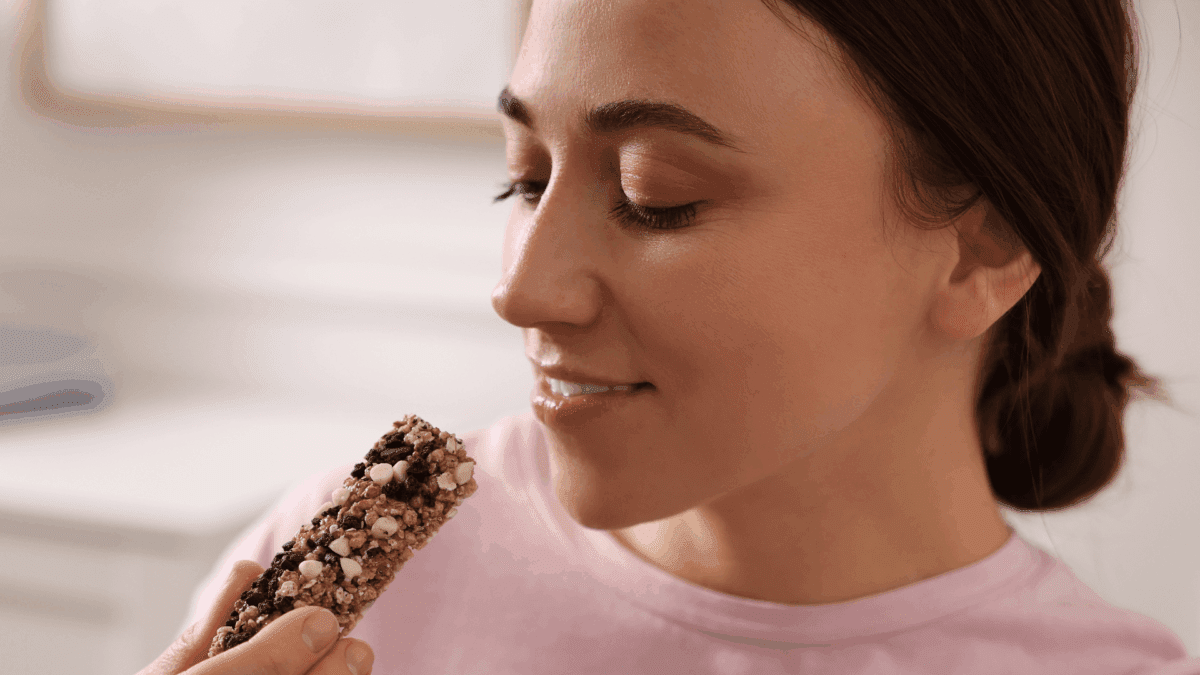
You’ve been doing this every time: swapping regular soda for diet and low-fat yogurt, thinking those calories won’t catch up to you. So why aren’t those pounds melting away? Well, it might have something to do with the ‘diet’ food itself. Surprised? Well, these innocent choices are loaded with hidden sugars and artificial ingredients that sabotage your goals. With that, we’re bringing you 12 so-called “diet” foods that actually make you gain weight.
12. Nuts

Nuts are packed with healthy fats, protein, and fiber, making them a fantastic snack. But here’s the catch: they are calorie-dense. Imagine that a single ounce of almonds has around 160 calories. It was also revealed that while nuts are beneficial for weight control, portion size is the key. With that, to keep nuts as a part of your daily diet, measure out your portions before consuming.
11. Gluten-Free Products

Unless you have celiac disease or a gluten sensitivity, choosing gluten-free products won’t make you shed those extra pounds. In fact, it might do the opposite. A 2025 study in the journal Nature found that gluten intake can actually increase thermogenesis (the body’s heat production), meaning that avoiding it could slow your metabolism. Also, many GF products are made with refined flours like rice or potato starch. Yup, you guessed that right as they translate to calories, carbohydrates, and sugar. That’s weight gain waiting to strike!
10. Salad Dressing

You might want to start looking at your salad when you start gaining weight. Even “light” or “fat-free” dressings can be problematic. Here’s a thing to know: when fat is removed, it’s often replaced with sugar and sodium to add flavor. An article on energy density and portion size stated that people tend to use more of a low-fat dressing as they assume it’s healthier. However, it can lead to consuming more calories than using a smaller amount of a full-fat version.
9. Rice Cakes

News flash: that rice cake isn’t a light choice. Sure, they are low in calories, but they’re also surprisingly high in carbohydrates and have a high glycemic index. This means they can spike your blood sugar, leading to a crash that leaves you feeling hungry again in no time. Take note that a single cup of rice cake pieces contains around 24 grams of carbs. This will make you overeat due to the lack of fiber and protein. Yup, that translates to fueling your cravings.
8. Sports Drinks

Sports drinks are not made to replenish fluids, electrolytes, and carbohydrates during intense workouts. A typical sports drink can contain over 30 grams of sugar, which is comparable to a can of soda. Yup, you’re unknowingly sipping sugar. It highlights that the high sugar and calorie content of sports drinks can increase the risk of becoming overweight, especially when consumed without the accompanying intense physical activity. Unless you’re an athlete in the middle of a workout, just stick to water to avoid that sugar from lingering.
7. Diet Frozen Meals

While these (and most) diet meals are portioned, they may be the reason why you can’t lose the extra weight. Manufacturers often load them with sodium and saturated fats to still make them tasty. It was even found that some frozen meals contain over 2,000 mg of sodium, which is more than the recommended daily intake. It’s important to note that high sodium intake can cause water retention, making you feel bloated and look heavier.
6. Granola

Granola has a health halo that it doesn’t always deserve. While it contains healthy ingredients like oats and nuts, many are still loaded with sugar and fat. The serving size is often deceptively small (around 1/3 cup), and it’s easy to pour a much larger bowl, leading to a massive intake of calories and sugar. It was even found that some granolas contain over 8 grams of sugar per serving. Yup, this translates to a significant glucose spike, followed by a crash that leaves you feeling hungry and craving more.
5. Diet Yogurt

Yogurt is often praised as a healthy, gut-friendly food, but not all yogurts are created equal. Those fruit-flavored and “light” yogurts are loaded with added sugars to make them sweet like candy. Just a single serving can contain a significant portion of your daily recommended sugar intake. That will lead you to blood sugar spikes and subsequent cravings that eventually end with weight gain.
4. Smoothies and Juice Cleanses

Smoothies and juice cleanses are often marketed as the ultimate diet starters. But like any other in this list, they’re still loaded with sugar. Think of this: when you juice fruits, you remove the fiber, the part that keeps you feeling full. The thing that’s left is a concentrated dose of sugar that can cause a rapid spike in blood glucose. While smoothies can be healthy if made with the right ingredients (like vegetables, protein, and healthy fats), avoid the store-bought or pre-made versions.
3. Diet Sodas

Nope, switching to diet soda to save calories isn’t a smart move. A groundbreaking study from the University of Minnesota found that long-term consumption of artificial sweeteners like aspartame and saccharin, found in many diet drinks, causes abdominal fat. The researchers suggest that these sweeteners may interfere with the body’s ability to regulate calorie intake, leading to cravings for sweet foods and drinks. Skip the diet soda and opt for water instead if you’re serious about your weight and health goals.
2. Artificial Sweeteners

Beyond just diet sodas, artificial sweeteners are found to be the bait. It was suggested that there’s a possible link between high intake of artificial sweeteners and altered gut microbiota, which can affect metabolism and lead to weight gain. These sweeteners can be hundreds of times sweeter than sugar, which can heighten your taste for sweetness and make it harder to be satisfied with naturally sweet foods.
1. Low-Fat Foods

We grew up knowing that fat was the enemy, hence the boom of low-fat and fat-free options. While manufacturers may have removed the fat content, they replace it with sugar and salt, which is a no-win situation. This leads to a product lower in fat but higher in calories and sugar. That’s weight gain waiting to happen.