


Food safety sounds simple: keep things clean, cook them hot, and you’re good, right? Wrong. There are tons of myths out there that don’t hold up to science, and believing them could put you at risk. Here are 12 food safety myths you need to drop ASAP.
12. The Five-Second Rule Isn’t a Real Thing

Imagine a tasty bite of food falls on the floor, and you snatch it up, declaring “Five-second rule!” Unfortunately, research says no to this “rule.” Bacteria can contaminate food within milliseconds of contact. The type of surface and food’s moisture level also play a role. A wet piece of fruit will pick up more bacteria from the floor than a dry pretzel. So, next time a tasty morsel takes a tumble, it’s best to say goodbye.
11. Microwaves Don’t Kill All Bacteria

While microwaves do kill bacteria, it’s the heat they generate that does the job. The problem is microwaves heat food unevenly, and this leaves cold spots where bacteria can survive and thrive. To ensure your food is safe, stir the food halfway through the heating process.
10. Not All Foods Are Meant to Be Frozen

Your freezer isn’t a magical time capsule for everything. While most foods freeze well, some will turn mushy or unappetizing once thawed. We’re talking vegetables like lettuce and cucumbers that become watery, and sauces that can separate and curdle. Before you pop something in the freezer, do a quick check to make sure it’s freezer-friendly.
9. Hand Sanitizer Isn’t a Replacement for Handwashing

While hand sanitizer can kill some germs, it doesn’t remove all types of harmful viruses and bacteria. It’s also less effective when your hands are dirty or greasy. For best protection against foodborne illness, the CDC recommends washing hands with warm water and soap for at least 20 seconds, especially after handling raw meat or before preparing food.
8. Plastic and Glass Cutting Boards Aren’t Necessarily Safer

It’s a common belief that plastic or glass cutting boards are more hygienic than wood. But the plastic and glass variations can develop scratches over time, which can harbor bacteria. Wooden cutting boards, meanwhile, have natural antimicrobial properties that help in killing bacteria. To stay on the safe side, it’s best to have separate cutting boards for raw meat and produce, and to sanitize them after each use, no matter what they’re made of.
7. You Still Need to Wash Produce, Even If You’re Peeling It

Dirt and bacteria on the outside of produce can be transferred to the inside when you cut into it. The knife can carry pathogens from the peel to the flesh. That’s why the FDA recommends washing all produce under running water, even if you’re not going to eat the skin. For produce with a tough rind, like pineapples and melons, you can use a clean vegetable brush to scrub the surface.
6. Frozen Food Can Be More Nutritious Than Fresh

It’s a common assumption that fresh produce is superior than frozen, but that’s not necessarily true. Fresh fruits and vegetables are often picked before they’re fully ripe and then transported over long distances, causing them to lose nutrients. Frozen produce, on the other hand, is flash-frozen at its ripe peakness, locking in vitamins and minerals.
5. Organic Doesn’t Mean Pesticide-Free

Many people choose organic foods to avoid pesticides, but the truth is that organic farmers are allowed to use certain pesticides. The difference is that they are often derived from natural sources. The benefit of choosing organic is the reduction in your exposure to antibiotic-resistant bacteria. So, while organic may not be completely pesticide-free, it’s still a healthier choice for you and the environment.
4. The Sniff Test Isn’t a Reliable Way to Detect Spoilage

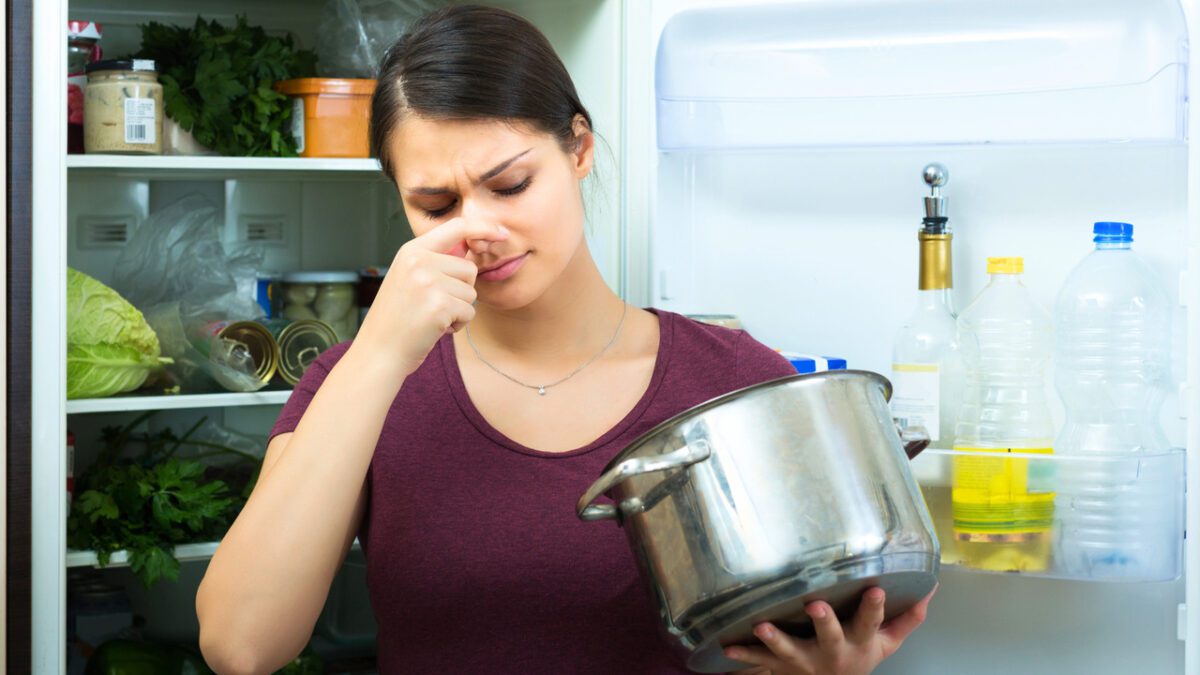
When opening a container of leftovers, your nose isn’t always a reliable guide. You can’t always smell the bacteria that cause food poisoning, as many harmful pathogens, like E. coli and Salmonella, don’t produce off-odors. The best way to ensure that food is safe is to follow proper food storage guidelines and check expiration dates.
3. A Brown Center Doesn’t Mean a Safe Burger

Many home cooks believe that a burger is cooked through once the center is no longer pink. However, a burger can be brown in the center before reaching a safe internal temperature. The only way to be sure is to use a food thermometer. The USDA recommends cooking ground beef to an internal temperature of 160°F (71°C) to kill harmful bacteria like E. coli.
2. Thawing Food on the Counter is a Recipe for Disaster

Leaving a frozen chicken breast on the counter to thaw while you’re at work sounds convenient. But you’re basically creating a breeding ground for bacteria. The food’s outer layer can reach the “danger zone” (between 40°F and 140°F) while the inside is still frozen, causing bacteria to multiply rapidly. A safe way to thaw frozen food is in the fridge or in cold water (changed every 30 minutes).
1. You Should Refrigerate Hot Foods Immediately

For many years, we’ve been told to let hot foods cool down first before putting them in the fridge. The fear was that the heat from the food would raise the fridge’s temperature and put other foods at risk. But modern refrigerators are more powerful and they can easily handle the heat. In fact, the longer you leave food on the counter, the more time you give harmful bacteria to grow. The FDA recommends refrigerating perishable foods within two hours of cooking.