


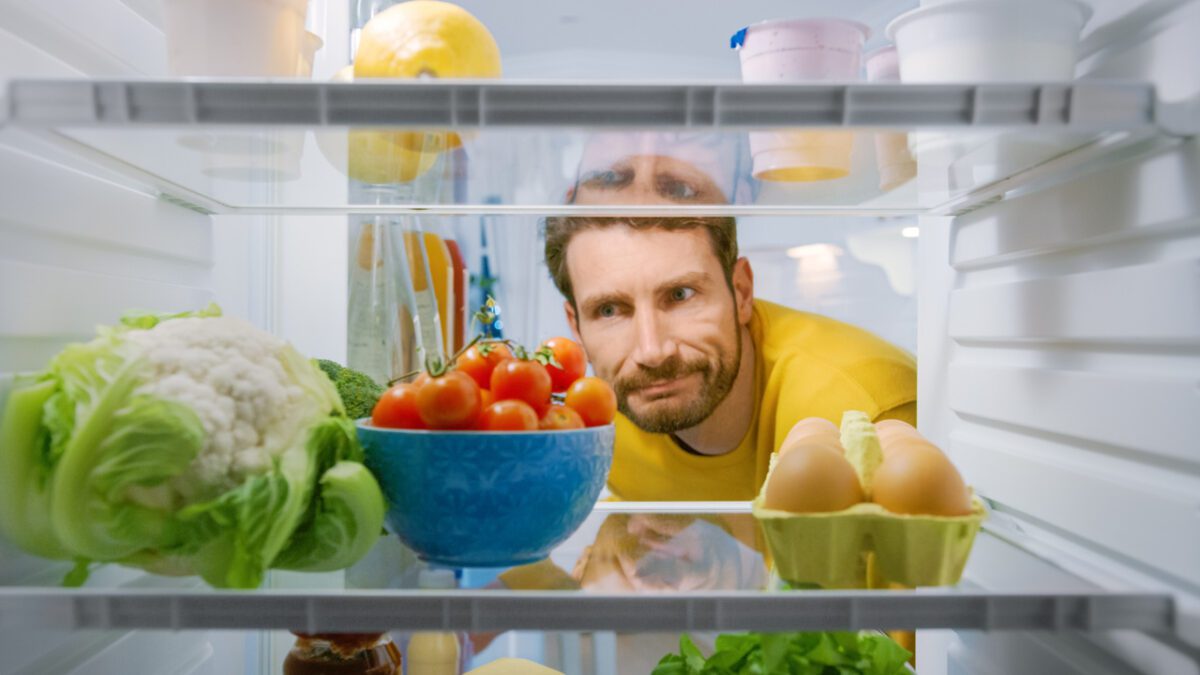
Americans have no chill when it comes to refrigeration. But step outside the US, and you’ll see those peanut butter and tomatoes are just sitting on the counter. This isn’t about who’s right or wrong. It’s about different traditions, habits, and safety rules. Here are 12 foods Americans chill that others don’t.
12. Soy Milk

In the US, many people refrigerate soy milk cartons out of habit. However, in countries like Spain, Brazil, or Japan, shelf-stable soy milk is stored at room temperature. This difference comes from the packaging. Ultra-high temperature (UHT) processing and aseptic cartons are safe in room-temperature storage. The USDA also confirms this, saying that UHT soy milk doesn’t need refrigeration unless opened.
11. Honey

Some US households also refrigerate honey to prevent crystallization. But in Greece, Ethiopia, and India, honey is almost always in the cupboard. Honey is low in moisture and high in acidity, making it shelf-stable for years with no need for refrigeration. The truth? Refrigeration accelerates crystallization, making honey gritty and harder to use.
10. Apples

If you keep your apples in the fridge crisper drawer, you’re not alone. And that’s not exactly wrong. US apples may travel thousands of miles and are stored for months in controlled-atmosphere warehouses. Hence, putting them in the fridge helps extend freshness. However, in Europe and North Africa, apples are sold more seasonally, so room temperature is enough.
9. Potatoes

In the US, potatoes often end up in the fridge, but this isn’t the case in India, Peru, or Ireland. Storing potatoes cold can convert starch into sugar, leading to a sweeter taste and sometimes harmful compounds when fried. The USDA also advises storing potatoes in a cool, dark pantry instead. In other cultures, potatoes are purchased in smaller amounts and used quickly, so room temperature makes sense.
8. Hot Sauce

While Americans refrigerate hot sauce after opening, Mexicans and Asians do the opposite. They let the bottles stay on tables and counters. Traditional hot sauces are packed with chilies, salt, and vinegar, which naturally preserve them. Food scientists also agree that refrigeration isn’t required for safety, but it helps maintain color and flavor over time.
7. Ketchup

Ketchup almost always lives in the fridge door of American households. Yet in the UK, they store ketchup in the cupboard. The difference is connected to usage. In the UK, bottles are used up quickly for daily meals like chips. In the US, larger family sizes and longer storage periods favor refrigeration. Both practices are safe, though.
6. Peanut Butter

Most Americans keep peanut butter in the pantry, but “natural” varieties (without stabilizers) end up refrigerated. In the UK, Canada, and much of Asia, people also keep peanut butter at room temp, especially commercial brands with added stabilizers. It’s important to note, though, that refrigeration helps prevent oil separation, but it also makes spreading harder.
5. Bread

In France or Germany, bread usually stays in a paper bag or breadbox at room temperature. They use fewer preservatives, encouraging same-day consumption. Meanwhile, American supermarket bread is made to last longer, but refrigeration accelerates staling by drying the starch. Mold develops slower in cooler conditions, but texture suffers.
4. Tomatoes

In most households in Spain, Mexico, and Italy, you’ll see tomatoes proudly displayed on kitchen counters. In the US? They end up in the fridge. The difference is culinary. Mediterranean cooking relies on peak flavor, so tomatoes are eaten quickly and kept at room temp. For Americans, refrigeration is practical for longer shelf life.
3. Soy Sauce

Walk into most American kitchens, and you’ll find soy sauce tucked in the fridge door. In China and Japan, it just sits in a cupboard. Traditional soy sauce is brewed with fermentation and high salt content, both of which are natural preservatives. Meaning, it can stay stable for weeks or months without refrigeration. To maintain peak flavor, experts suggest refrigeration after opening.
2. Butter

Butter sticks in the fridge is common in many American kitchens, and US food safety experts still recommend refrigeration for long storage. But in European countries, butter is often left covered on the counter or in a butter bell. This habit is tied to their daily fresh bread rituals, which means people also use butter quickly.
1. Eggs

In the US, eggs are routinely stashed in the fridge. In much of Europe and parts of Asia, eggs just sit on countertop shelves. This difference comes from food-safety systems. Eggs in the US are washed and sanitized before sale. Washing removes a natural protective cuticle, so refrigeration is needed to slow bacterial growth. Meanwhile, many European producers leave that cuticle intact and vaccinate hens against salmonella, making their eggs safe unrefrigerated.