


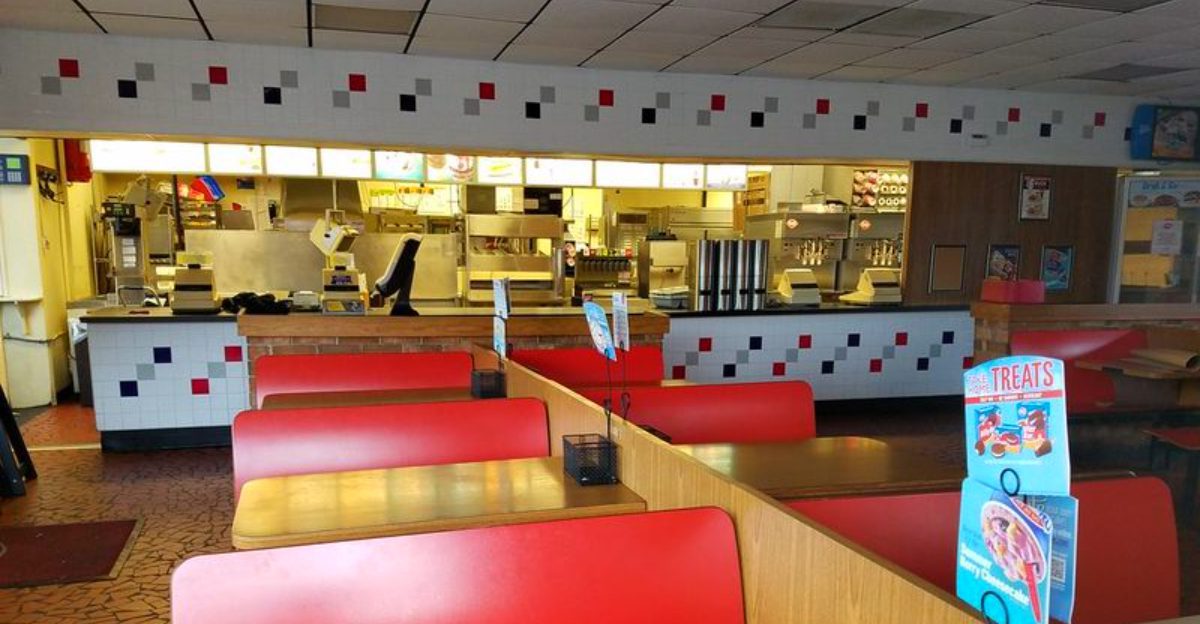
Opening a restaurant can be an exciting venture, but it’s fraught with risks. Certain warning signs can indicate that a restaurant may not make it through the year. By recognizing these red flags, owners can take corrective measures or reconsider their strategies. Here are 12 signals that might spell trouble for your dining establishment.
Constant Menu Changes

When a restaurant frequently alters its menu, it might signal indecision or a lack of identity. Patrons seek a consistent experience, and constant changes can confuse or alienate them.
Moreover, frequent modifications can indicate underlying issues, such as an inability to source ingredients or a failure to identify successful dishes. It may also reflect a frantic attempt to cater to trends rather than establishing a unique culinary voice.
If a restaurant can’t settle on its offerings, it risks losing loyal customers who appreciate familiarity and consistency.
Poor Online Reviews

In today’s digital age, online reviews wield tremendous influence over a restaurant’s success. A pattern of negative feedback can swiftly deter potential customers and damage a restaurant’s reputation.
Poor reviews often highlight issues with food quality, service, or cleanliness, all critical to a dining experience. Addressing these complaints is vital, yet some establishments fail to do so.
Ignoring or mishandling reviews can create a perception of indifference, further alienating patrons. Engaging with customers and making improvements shows commitment to quality and can help reverse a negative trend.
Ineffective Marketing

A restaurant’s visibility depends heavily on its marketing efforts. Ineffective or nonexistent marketing can leave even the best establishments unnoticed.
Using outdated or uninspired advertising methods can fail to capture the interest of potential diners. Creative, targeted marketing can draw in new customers and retain existing ones.
Ignoring social media or failing to engage with the community can result in missed opportunities. Leveraging these tools effectively can set a restaurant apart in a saturated market, while neglecting them can lead to obscurity.
Consistent Staff Turnover

High staff turnover is a red flag for any restaurant. It often signifies underlying issues, such as poor management, lack of training, or an uncomfortable work environment.
When customers encounter new faces with each visit, it disrupts the sense of familiarity and detracts from the overall experience. Consistent staff changes can lead to inconsistency in service and food quality.
Addressing employee concerns, providing proper training, and fostering a positive environment are key. Without stable staffing, maintaining consistent quality and service becomes a struggle, potentially driving patrons away.
Empty Dining Room
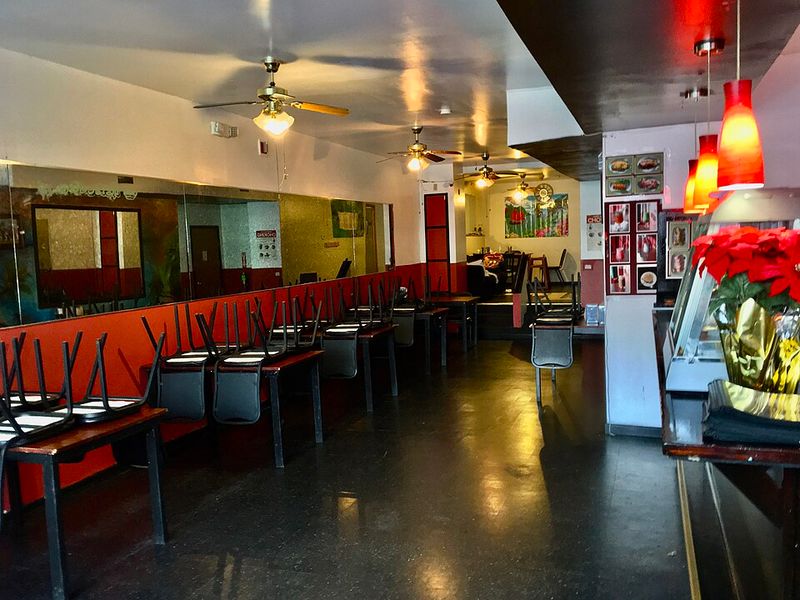
An empty dining room during peak hours is a vivid sign of trouble. It likely reflects a lack of customer interest or satisfaction, indicating potential issues with the food, service, or atmosphere.
An unattractive or outdated ambiance can deter diners, as can poor location choice or ineffective marketing strategies. Identifying and addressing these underlying causes is crucial for recovery.
Revamping the environment, enhancing the menu, and boosting marketing efforts might help fill those seats. An empty restaurant, however, often leads to an early closure if not addressed swiftly.
Multiple Ownership Changes

Frequent changes in ownership might suggest instability and uncertainty within a restaurant. Each new owner may bring different visions and priorities, leading to inconsistency in the dining experience.
This instability can confuse customers and disrupt the establishment’s identity. If changes in management are frequent, it could indicate financial issues or unresolved operational challenges.
A stable ownership that understands and commits to the restaurant’s vision is vital for long-term success. Without it, consistency and quality can suffer, leaving patrons dissatisfied and wary.
Outdated Interior Design
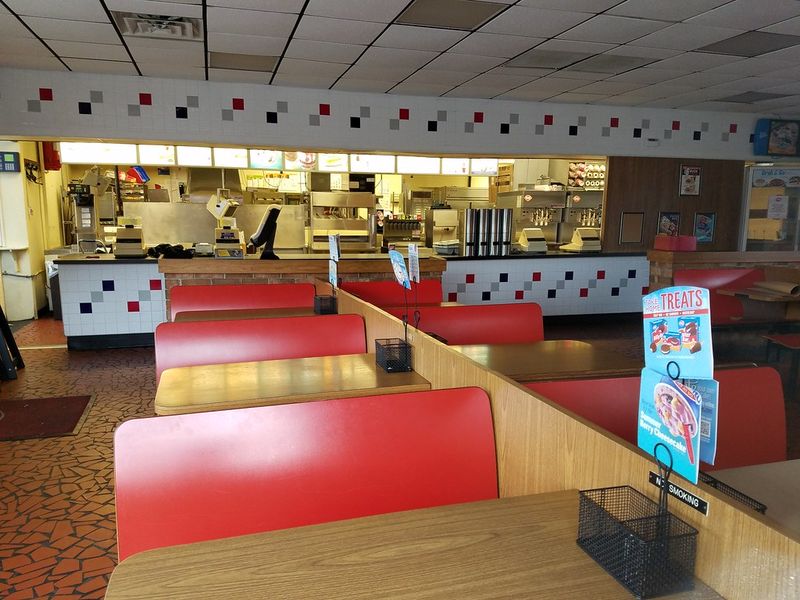
An outdated interior can significantly impact a restaurant’s appeal. While retro charm can work for some, most diners prefer a fresh, inviting atmosphere.
Worn-out furniture, peeling paint, and dim lighting can deter potential patrons, suggesting neglect or a lack of investment. A contemporary, clean look often attracts more diners, reflecting care and attention to detail.
Updating decor can rejuvenate a space and entice new customers while retaining loyal ones. Ignoring this aspect might lead to a declining customer base as other restaurants offer more appealing environments.
Unclear Brand Identity

A strong brand identity is crucial for a restaurant’s success. When a restaurant’s theme, menu, and ambiance don’t align, it can bewilder potential customers.
An unclear concept may result from trying to please too many demographics, leading to a lack of focus. Diners seek unique experiences and clear themes that resonate with them.
Establishing a cohesive identity helps create memorable experiences and build loyalty. Without it, a restaurant risks becoming just another option in a crowded market, struggling to stand out or attract a dedicated clientele.
Financial Mismanagement

Mismanaged finances can spell doom for any restaurant. It’s often a sign of underlying issues such as overspending, inadequate revenue, or poor planning.
Without careful budgeting and financial oversight, even profitable restaurants may find themselves strapped for cash. Regularly reviewing and adjusting financial strategies ensures stability and long-term viability.
Failure to manage finances can lead to unpaid bills, poor supplier relationships, and eventually closure. Ensuring sound financial practices is essential for survival and growth in the competitive restaurant industry.
Consistent Food Quality Issues

Quality is paramount in dining, and consistent food quality issues can drive customers away. Whether it’s inconsistent portions, poor taste, or presentation, diners notice and remember.
Addressing quality issues promptly and maintaining high standards fosters trust and loyalty. Regular staff training and quality control checks are essential to uphold these standards.
If customers frequently encounter unsatisfactory dishes, they are unlikely to return or recommend the restaurant to others. Ensuring consistent quality is crucial for building and maintaining a positive reputation.
Lack of Community Engagement

Community engagement is vital for a restaurant’s visibility and reputation. When a restaurant fails to connect with its community, it misses opportunities to build relationships and awareness.
Participating in events, supporting local causes, or collaborating with nearby businesses can enhance a restaurant’s profile and attract loyal customers. Ignoring these opportunities can result in isolation.
Engaging with the community fosters goodwill and can drive word-of-mouth referrals. Without such connections, a restaurant may struggle to gain traction and establish itself as a beloved local fixture.
Ignoring Customer Feedback

Listening to customer feedback is integral to a restaurant’s success. Ignoring it can result in missed opportunities for improvement and growth.
Feedback offers valuable insights into what works and what doesn’t, helping to refine the dining experience. When customers feel heard and valued, they are more likely to return.
Failing to address criticisms or suggestions can create a perception of indifference, alienating patrons. Engaging with feedback demonstrates a commitment to excellence and fosters loyalty, crucial for thriving in a competitive market.