


Polycystic Ovary Syndrome (PCOS) is a hormone condition affecting millions of women worldwide. While there’s no magic cure for it, lifestyle and diet can make a difference in regulating monthly periods. You’d be surprised that certain foods hiding in plain sight might be a powerful punch against PCOS symptoms. Today, we’re unveiling 14 scientifically-backed foods that can help you manage PCOS.
14. Lentils

Don’t overlook those humble lentils you see. They’re packed with plant-based protein and fiber, which helps regulate blood sugar levels. Also, lentils lead to lower and slower glucose and insulin response compared to starchy foods. You need this to fight insulin resistance, which brings you PCOS. Better add lentils to your meal to also lower cholesterol and reduce inflammation.
13. Berries

Berries are the secret weapon against those PCOS-related inflammations. Being the superfood that they are, the color of the berries comes from anthocyanins, which improve your insulin sensitivity. It doesn’t matter whether you choose blueberries, strawberries, or raspberries, as they’re all packed with compounds that regulate enzymes for hormone production. Opt for mixed berries for dessert to support your hormonal balance and protect your cells from damage.
12. Quinoa

If there’s a near-perfect food for PCOS, look no further than quinoa. Compared to other grains, it’s a complete protein containing all nine essential amino acids. The high protein and fiber, combined with a low glycemic index (GI) of 53, prevent sharp insulin spikes that worsen hormonal imbalances. Additionally, the slow energy release will keep you full and satisfied for longer, helping to curb your cravings. Now, isn’t that the perfect diet addition to fight PCOS?
11. Walnuts

All nuts offer benefits for your health, but walnut has a unique advantage for PCOS. It all lies in their high concentration of plant-based omega-3 fatty acids (ALA). They offer effects to improve your metabolic and endocrine parameters compared to other nuts. The omega-3s found are crucial in combating chronic, low-grade inflammation that contributes to PCOS.
10. Green Tea

Consider a daily cup of green tea if you’re suffering from PCOS. Its rich concentration of catechins is a powerful antioxidant that has been shown to impact weight management and insulin resistance. Since suffering from PCOS also meant gaining weight, drinking green tea will decrease the fasting insulin and lower your free testosterone levels. It works by stimulating energy expenditure and helping your body process sugar effectively.
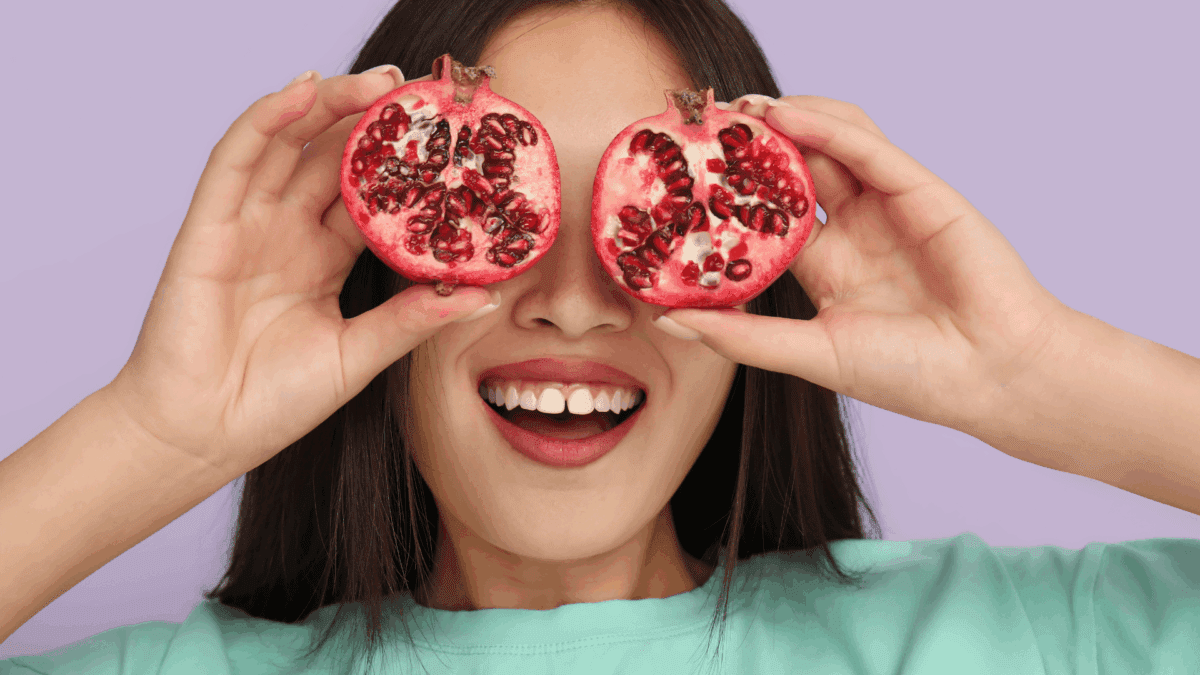
9. Pomegranate

This ancient fruit is considered a potent medicinal food in treating PCOS. Its secret lies in the combinations of antioxidants and anti-inflammatory compounds. Consuming pomegranate, particularly in juice form, can help improve insulin resistance and lower testosterone levels. Its profile also indicates it to be a powerful tool to reduce oxidative stress and inflammation, both of which fuel PCOS symptoms.
8. Turmeric

It’s a fact that turmeric contains curcumin, which is an anti-inflammatory and metabolic regulator. Since the primary concern for PCOS is its direct impact on insulin resistance, the treatment improves those levels to a comparable extent as pharmaceuticals. It works by enhancing the cells’ ability to respond to insulin. Surprisingly, it also reduces hyperglycemia, hyperlipidemia, and hyperandrogenism.
7. Dark Chocolate

The good news is that the dark chocolate you had for dessert is beneficial for the PCOS diet. Of course, it has to be the high-quality dark chocolate cacao. Speaking of cacao, it’s packed with antioxidants and magnesium, a mineral that women with PCOS often lack. Also, the epicatechins of cacao help reduce chronic inflammation that fuels PCOS symptoms. Just make sure your dark chocolate is at least 70% cacao.
6. Apple Cider Vinegar

Everyone has a bottle of apple cider vinegar in their pantry. Well, it’s an effective tool for PCOS thanks to its acetic acid, which improves insulin sensitivity and lowers blood sugar levels after meals. Daily intake of it as a beverage also helps restore ovulatory function. Just incorporate a diluted tablespoon before meals to regulate your body’s insulin response.
5. Fatty Fish

Fatty fish are renowned for their omega-3 fatty acids, which also offer a surprising benefit against PCOS. Specific omega-3s, such as EPA and DHA, are more potent than those found in plant-based sources and are effective in reducing chronic inflammation. Omega-3s are also directly linked to reductions in body fat and improvements in insulin sensitivity. They also lower androgen levels and can even improve the mental health symptoms of PCOS.
4. Pumpkin Seeds

For women, pumpkin seeds are a good source of zinc, which is a mineral that plays a crucial role in hormone regulation. Zinc balances your testosterone by helping the enzyme that directly converts symptoms of hirsutism and acne, which is common in PCOS. Just a small handful of pumpkin seeds each day boosts your intake of a critical, androgen-fighting nutrient.
3. Spearmint Tea

Surprisingly, the simple herbal tea made from spearmint is found to have an anti-androgenic effect. For women struggling with hirsutism, acne, and hair loss because of PCOS, this is for you. The levels of free and total testosterone are reduced by just consuming spearmint tea twice a day, according to one study. Its anti-androgenic properties make it a natural therapeutic option for PCOS.
2. Cinnamon

Cinnamon spice can improve how your body handles sugar, which is effective for PCOS-related insulin resistance. The surprising part? The compounds found appear to mimic insulin and enhance the ability of cells to uptake glucose from the blood. Most of all, it leads to improvement in body weight, blood sugar, and cholesterol in women suffering from PCOS.
1. Flaxseeds

Consider adding flaxseeds to your diet, as they’re a true superfood for PCOS. It is considered the richest source of dietary lignans, with compounds that are over 800 times more concentrated in flax than in other foods. One landmark study features a woman consuming 30 grams of flaxseed a day for four months. The result? A 70% decrease in total testosterone and 89% decrease in free testosterone. The lignans work by increasing the SHBG that binds testosterone in the blood.