


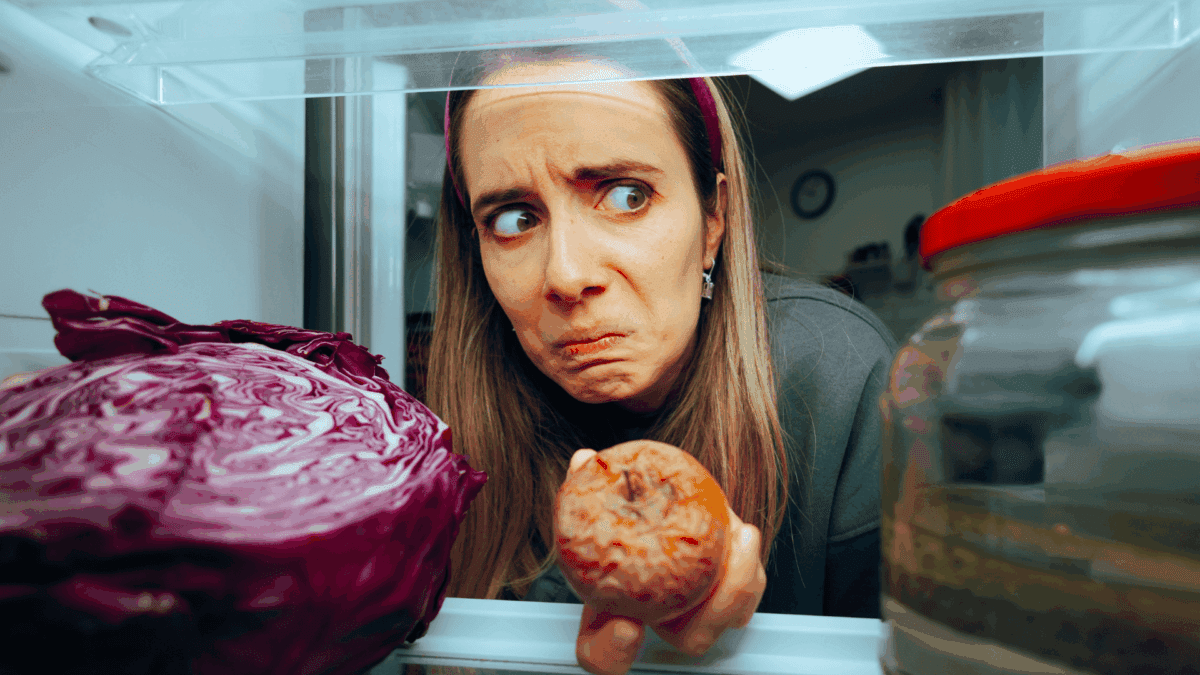
While you religiously wash your hands and cook your meat at the right temperature, it’s a wonder why millions still get food poisoning every year. What many disregard is that they’re walking with a false sense of kitchen security through outdated advice. That innocent spice rack is crawling with bacteria, or your kitchen sponge is actually dirtier than the toilet seat. Foodborne illnesses take weeks to appear, so we’re revealing 15 shocking food safety secrets that may take you to a trip to the emergency room.
15. That “Healthy” Vegan Meal Isn’t Immune to Food Poisoning

Think you’re safe from food poisoning because you’re a vegan? That’s not true at all. While many associate foodborne illnesses with meat and dairy, plant-based foods can also harbor dangerous pathogens. Why? Many vegan-friendly foods, like tofu and certain meat alternatives, are high in protein and moisture, which is an ideal breeding ground for bacteria if not stored or handled properly. This is a reminder that even if you’re a dedicated vegan, you still need to be vigilant about food safety.
14. The 5-Second Rule is a Complete Myth

As a kid, you believed that the food you dropped on the floor was safe for five seconds. But is it really safe? Unfortunately, this is a complete myth. Countless studies show that contamination occurs almost immediately upon contact with a contaminated surface. Bacteria don’t wait for a five-second countdown to hop onto your food. So, if you drop a piece of food on the floor, it’s best to just throw it away.
13. Your Spice Rack Could Be a Hotspot for Germs

When was the last time you wiped down your spice jars? A recent study revealed that spice containers are one of the most contaminated surfaces in the kitchen. Just think about the time you handled raw meat and then touched spice jars. That scenario can easily transfer harmful bacteria like Salmonella and E. coli, and since we rarely think to sanitize our containers, these germs can linger and spread to other surfaces. Make it a habit to wipe down your spice rack with a disinfectant wipe, especially after cooking with raw meat.
12. Don’t Wait for Food to Cool Before Refrigerating

Forget that advice about letting hot food cool down completely before putting it in the refrigerator. You’re just inviting bacteria to grow on them. The longer food sits at room temperature, the more time bacteria have to grow in the “temperature danger zone” (40°F-140°F). The safest way to cool down cooked food is to place it in a shallow container and refrigerate it as soon as it stops steaming. Avoid overstocking your fridge to let the cool air circulate.
11. That Moldy Bread is a Bigger Threat Than You Think

Have you ever thought of just cutting off the moldy part of a piece of bread and eating the rest? Don’t do it. Like plants, molds have roots that can extend deep into the food, and some molds produce mycotoxins, which are toxic to humans and can cause serious illness. These mycotoxins are commonly found in grains, nuts, and milk products. Some mycotoxins, like aflatoxins, have even been linked to long-term health issues like cancer and immune system deficiencies.
10. Cooked Food Can Still Make You Sick

Just because food has been cooked doesn’t mean it’s safe. While cooking kills most bacteria, some, like Staphylococcus aureus, produce toxins that are resistant to heat. So, even if you cook the food to the proper temperature, these toxins can remain and make you sick. This can happen if it’s stored incorrectly or prepared on a contaminated surface. To be safe, store food properly, and reheat it to 165°F before eating.
9. Don’t Bother Rinsing Raw Chicken

Rinsing raw chicken before cooking it is a major food safety no-no. Why? When you rinse them under a tap, the splashing water can spread bacteria like Salmonella and Campylobacter to your hands and beyond. In fact, contaminated water droplets can travel more than 50cm in every direction. Take note of this: the best way to kill bacteria on raw chicken is to cook it to the proper internal temperature (165°F).
8. Your Refrigerator Isn’t as Clean as You Think

Your fridge isn’t a safe haven for your food, as it can surprisingly be a dirty place. Why? Spills and crumbs can harbor bacteria, and if your refrigerator isn’t cold enough, it can become a breeding ground for germs. The FDA recommends keeping your refrigerator at or below 40°F to slow the growth of bacteria. It’s also important to wipe up spills immediately and to avoid overpacking your refrigerator so that cold air can circulate freely.
7. Don’t Thaw Frozen Food on the Counter

Thawing frozen food on the counter might seem convenient, but it’s a recipe for disaster. The outer layers of the food can reach the “temperature danger zone” (40°F-140°F) while the inside is still frozen. The safest way to thaw frozen food is in the refrigerator, where it will stay at a safe temperature. You can also thaw food in cold water or in the microwave, but you should cook it immediately after thawing. Remember, freezing doesn’t kill bacteria; it just puts them on pause.
6. Your Cutting Board is Dirtier Than a Toilet Seat

Surprisingly, your cutting board could contain more fecal bacteria than your toilet seat. One article cited a study that the average cutting board has 200 times more fecal bacteria than a toilet seat. While the exact number is debated, the fact remains that cutting boards are a major source of cross-contamination in the kitchen. Every time you chop raw meat, you’re transferring bacteria from the meat to the cutting board. To keep them clean, wash them with hot, soapy water after each use, and consider using separate cutting boards for raw meat and produce.
5. Food Poisoning Can Strike Weeks Later

If you get sick, you probably blame the last thing you ate. But food poisoning doesn’t always strike right away. Other illnesses can take days or even weeks to show up. For instance, Salmonella can take up to six days to cause symptoms, while Listeria can take as long as 70 days. This long period can make it difficult to pinpoint the source of the illness, which is why it’s so important to practice good food safety all the time.
4. Leftovers Can Be a Minefield of Bacteria

Leftovers can be a minefield of bacteria if not handled properly. The longer leftovers sit in the refrigerator, the more time bacteria have to grow. The general rule of thumb is to eat leftovers within three to four days. After that, the risk of food poisoning increases significantly. When you reheat leftovers, make sure you heat them to 165°F to kill any bacteria that may have grown.
3. Your Kitchen Sponge is a Bacterial Time Bomb

That humble kitchen sponge is likely the dirtiest item in your house. A Clemson University study found sponges can store millions of bacteria, including E. coli. After two weeks, a sponge can have 8 million bacteria, which is more than a toilet seat! The pores of sponges is a perfect breeding ground for germs. To defuse this, microwave your wet sponge for one minute daily, or run it through the dishwasher. Replace your sponge every week or two.
2. The “Smell Test” is a Terrible Way to Judge Food Safety

How many times have you given a questionable food a sniff to decide it’s safe to eat? Here’s the thing: the “smell test” is a bad way to judge spoiled food. Many of the bacteria that cause food poisoning, like Salmonella, E. coli, and Listeria, are odorless and tasteless. A food can be teeming with harmful bacteria and still smell and look fine. Instead of relying on your nose, pay attention to expiration dates and how the food has been handled.
1. Probiotics are a Secret Weapon Against Food Poisoning

Here’s a surprising twist: the same probiotics you take for gut health might also help you recover from food poisoning. While research is still ongoing, some studies suggest that probiotics can help shorten diarrhea caused by foodborne illness. They can be found in yogurt, kefir, and other fermented foods, as well as in supplements. Still, talk to your doctor about whether probiotics are right for you.