


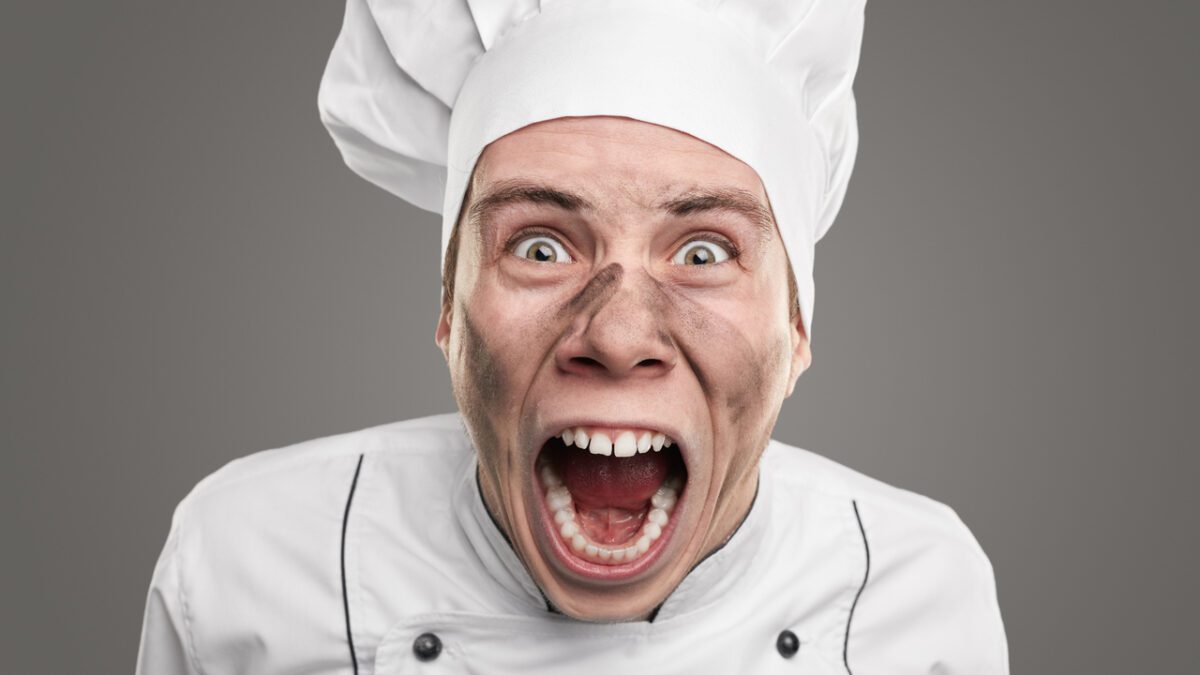
Ever catch a chef giving a side-eye in the kitchen? Well, that’s because there are certain cooking habits that bug the pros. The things we do out of convenience, like overcrowding pans and microwaving, make them cringe. Here’s a peek at the eight kitchen moves they’d love us to rethink.
8. Using Dull Knives

A dull knife may sound harmless, but chefs know it’s frustrating and dangerous. It can crush herbs, tear protein, and slow down prep. Chef Ina Garten insists that a sharp knife is the most important tool in the kitchen. Pros also sharpen daily to preserve texture and control. At home, keeping a sharp knife is a small habit that elevates your cooking and respects the ingredients.
7. Not Prepping Ingredients First

Many chefs notice home cooks jumping into recipes without measuring, chopping, or organizing ingredients. This makes cooking stressful and can lead to mistakes. Meanwhile, professionals prep everything first so cooking will flow smoothly and flavors will stay balanced. Try it next time by taking a few minutes to get the ingredients ready first.
6. Overcrowding the Pan

Are you guilty of overloading the pan, thinking this will speed up cooking? Well, chefs hate it. This tiny habit can trap moisture, which can change the dish’s texture and flavor. Some chefs emphasize that you should give food space to allow caramelization or depth of taste. Small batches cook evenly, show better browning, and taste more vibrant.
5. Cutting Boards Only for Meat

Some home cooks think one cutting board is enough for everything. However, chefs worry because cross-contamination might happen. Chef José Andrés recommends having separate boards for vegetables, proteins, and bread. Using a single board for fresh herbs and raw meat can transfer bacteria and destroy flavors. This separation keeps kitchens safe and ingredients tasting pure.
4. Using Metal Utensils on Nonstick

Scraping nonstick pans with metal? That will stress professional chefs out! It doesn’t just damage cookware. It also leads to uneven cooking, ruining delicate dishes. Pros emphasize that nonstick is only as good as the respect you show it. Wooden or silicone utensils are better since they prevent scratches, prolong pan life, and protect food.
3. Microwaving Everything

While convenient, microwaving certain ingredients can frustrate chefs, especially Chef Alice Walters. She explains that microwave can affect the overall flavor as it doesn’t let ingredients interact gradually. Meats dry out, veggies lose texture, and delicate flavors disappear. Professionals prefer techniques that let flavors develop naturally, like slow cooking, roasting, or even a quick sauté.
2. Crowding the Fridge with Hot Food

Chefs also notice that many home cooks put steaming-hot leftovers straight into the fridge. That’s a no-no. It seems harmless, but it increases the overall temperature, making other foods spoil faster. This habit also forces the fridge to work harder. Instead, let dishes cool slightly before storing. It can protect taste, texture, and safety. Plus, your fridge runs more efficiently.
1. Rinsing Pasta After Cooking

Many chefs cringe when they see pasta being rinsed in the sink. That cloudy coating on the noodles? It’s actually starch, and it helps sauces stick. If you wash it off, the noodles become slippery and the sauce will slide away. Chefs call it “liquid glue” for sauces. Next time, skip the rinse and save some pasta water. It should make your pasta taste like it came out of a restaurant kitchen.