


Fast food isn’t just about burgers and fries. It’s big business. And behind the scenes, billion-dollar mergers and buyouts have shaped what’s in your drive-thru bag. Let’s look at nine fast food mergers that could mean new menu mash-ups, global expansion, or an image overhaul.
9. Wonder Acquires Grubhub for $650M (2024)

Remember when food delivery exploded in popularity? Well, the bubble has officially burst, and the sale of Grubhub is proof of that. In 2020, Just Eat Takeaway bought Grubhub for $7 billion. Fast forward just four years, and they sold it to Wonder for $650 million. That’s a 91% loss in value, showing just how brutal the delivery wars have been.
8. Tropical Smoothie Cafe Sells to Blackstone for $2B (2024)

Private equity giant Blackstone shelled out $2 billion for Tropical Smoothie Cafe, and this was a massive bet on the future of healthy eating. This acquisition proves that the big money is now flowing into health-conscious concepts. Blackstone’s investment will boost Tropical Smoothie Cafe’s growth, allowing them to expand their footprint and invest in new technologies.
7. RBI Acquires Carrols Restaurant Group for $1B (2024)

Restaurant Brands International (RBI), the parent company of Burger King, bought its largest franchisee, Carrols Restaurant Group, for $1 billion. Why? Because it allows RBI to take direct control of over 1,000 Burger King locations and hasten their remodeling plans. Instead of renovating just 45 restaurants annually, they now plan to update 120 a year.
6. Starbucks’ Largest Acquisition Ever – East China Business for $1.3B (2017)

In 2017, Starbucks made its largest acquisition ever, paying $1.3 billion to buy the remaining 50% of its East China business. That’s right, they spent over a billion dollars to fully own their operations in one region of China! This move shows the incredible importance of the Chinese market. With a growing middle class and a burgeoning coffee culture, China represents a massive growth opportunity for Starbucks.
5. Restaurant Brands International Formation (2014)

In case you missed it: Burger King, Tim Hortons, and Popeyes are all part of the same big family. That’s thanks to the creation of Restaurant Brands International (RBI) in 2014. This merger brought together two iconic brands, Burger King and Tim Hortons, to create the world’s third-largest quick-service restaurant company. The deal was valued at $12.5 billion, backed by 3G Capital and Warren Buffett’s Berkshire Hathaway.
4. Yum! Brands Spins Off from PepsiCo (1997)

KFC, Pizza Hut, and Taco Bell were all once owned by PepsiCo. But in 1997, PepsiCo spun off its restaurant division into a new, independent company called Tricon Global Restaurants (later renamed Yum! Brands). By separating the restaurant business from the soda business, Yum! Brands was able to focus on its core strengths.
3. Jersey Mike’s Sells Majority Stake to Blackstone (2024)

The recent sale of a majority stake in Jersey Mike’s to Blackstone was a seismic event. While the exact value of the deal hasn’t been disclosed, it’s estimated to be in the billions. Blackstone’s investment is a clear sign that private equity is willing to pay top dollar for high-growth, well-managed brands.
2. Mars Buys Kellanova for $36B (2024)

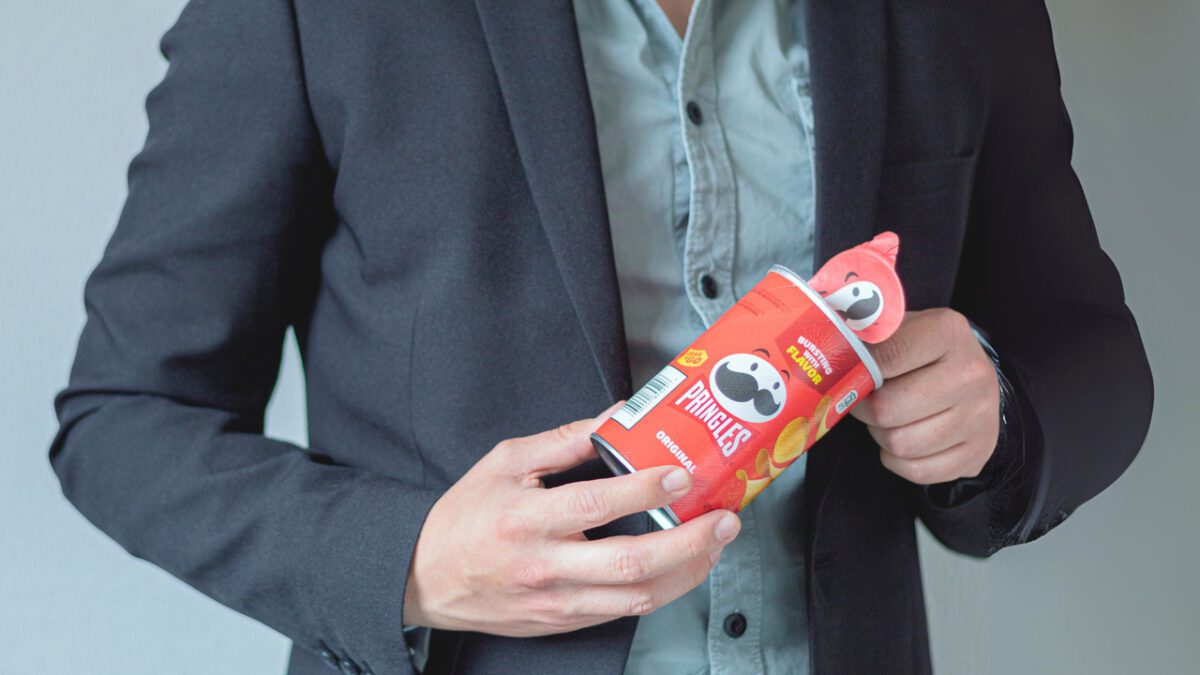
While not a traditional fast food merger, the recent acquisition of Kellanova (owner of Pringles) by Mars is a deal that will have ripple effects across the food industry. With a deal valued at a massive $36 billion, Mars, is clearly coming for the snack food aisle, creating a portfolio of iconic brands that will be hard to compete with.
1. Roark Capital Acquires Subway for $9.6B (2023)

For decades, Subway was the undisputed king of fast food. But in 2023, the sandwich giant was acquired by private equity firm Roark Capital for $9.6 billion. After years of declining sales and a tired brand image, Subway finally decided to sell, and Roark Capital (the owner of Arby’s, Dunkin’, and Baskin-Robbins) was the winning bidder.