


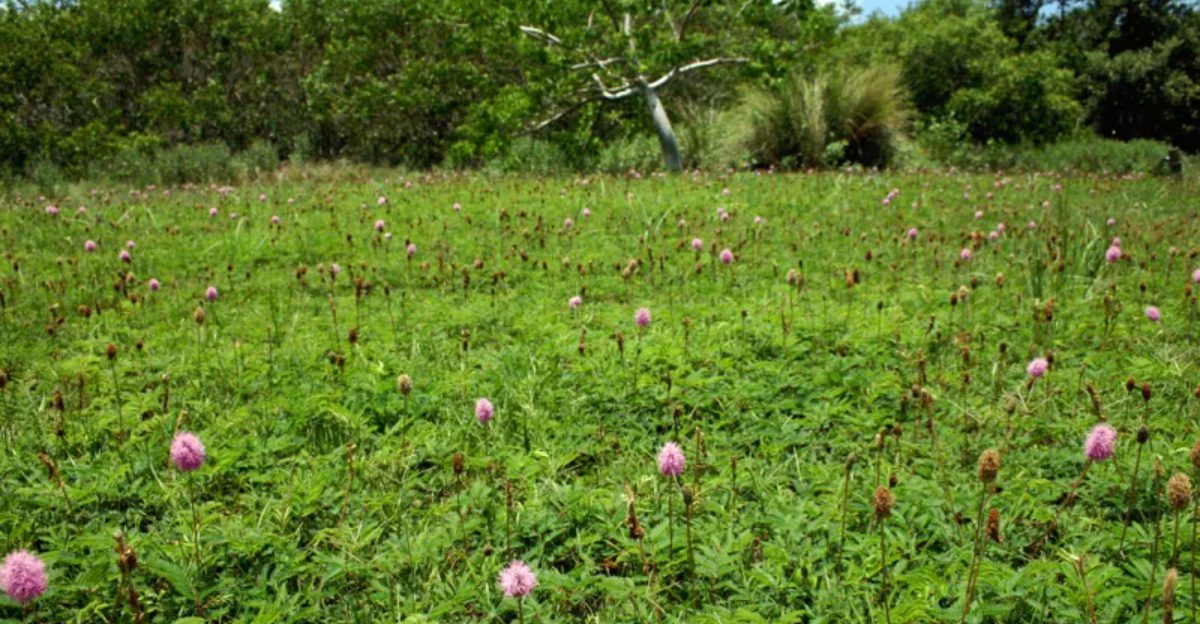
Finding the right ground cover for a Florida yard can feel overwhelming, but the good news is that plenty of plants love the heat, humidity, and sandy soil that come with living in the Sunshine State. Ground covers do more than just look pretty — they crowd out weeds, prevent soil erosion, and save you hours of mowing time.
Whether you have a sunny front yard or a shady backyard corner, there is a spreading plant that will thrive right where you need it. This list covers 22 fast-spreading ground covers that Florida gardeners swear by.
Sunshine Mimosa
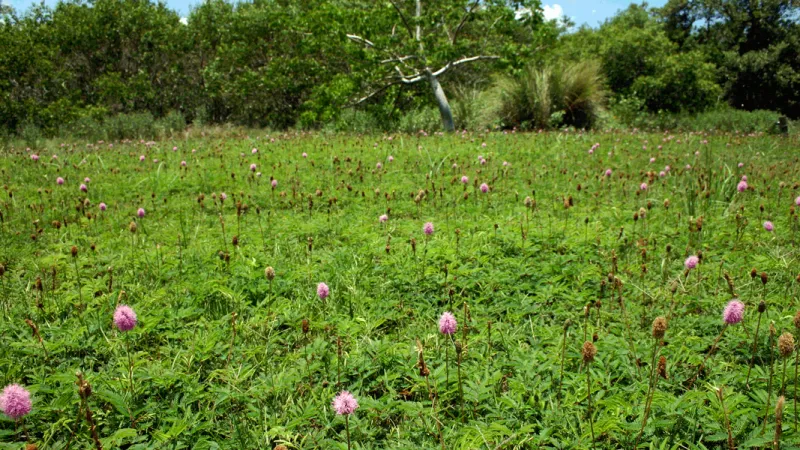
Touch the leaves of sunshine mimosa and watch them fold up like tiny sleeping hands — that trick alone makes it a conversation starter in any yard. This low-growing native plant produces cheerful pink pompom flowers that pollinators absolutely love.
It spreads quickly by runners, filling in bare spots with a lush, soft mat.
Sunshine mimosa handles drought well once established and thrives in full sun. It is a tough, Florida-friendly choice that looks anything but tough.
Perennial Peanut
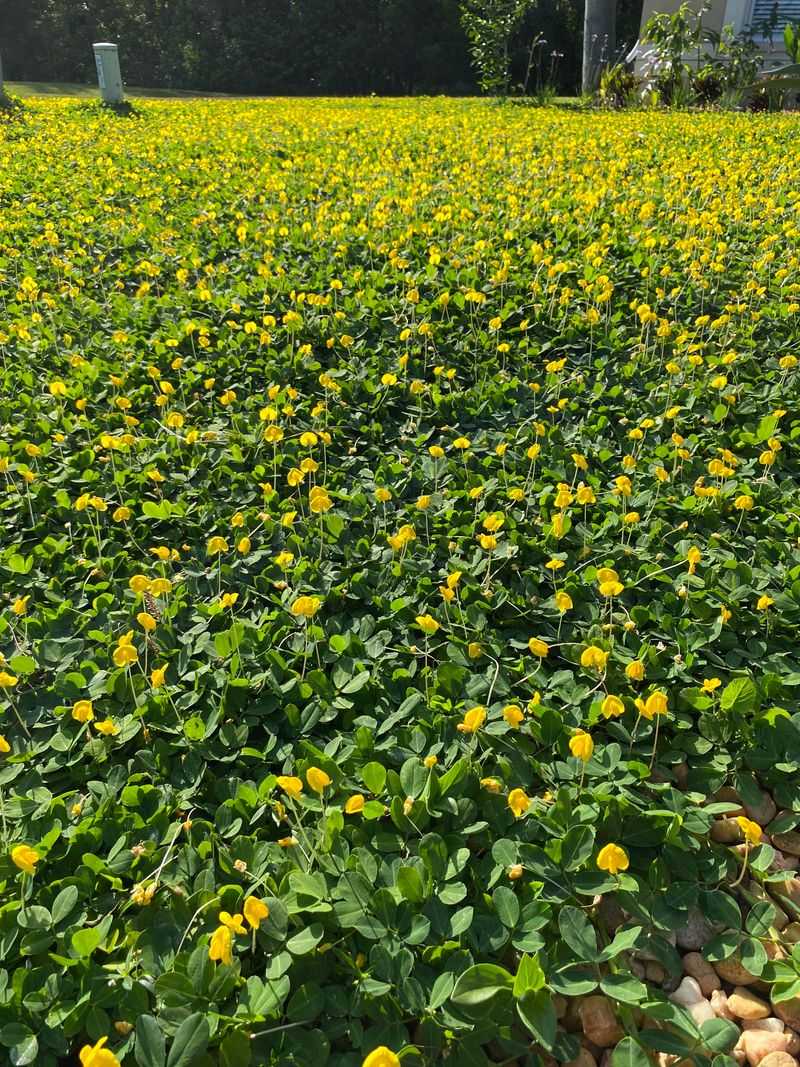
Perennial peanut is basically the overachiever of Florida ground covers — it fixes nitrogen in the soil while spreading into a dense, weed-smothering carpet. Cheerful yellow blooms pop up throughout the warm months, giving your yard a polished, colorful look with almost zero effort.
It thrives in full sun and sandy, well-drained Florida soil.
Once established, this plant is incredibly drought-tolerant and rarely needs fertilizer. Mowing is optional, making it a favorite for low-maintenance landscapes.
Asiatic Jasmine
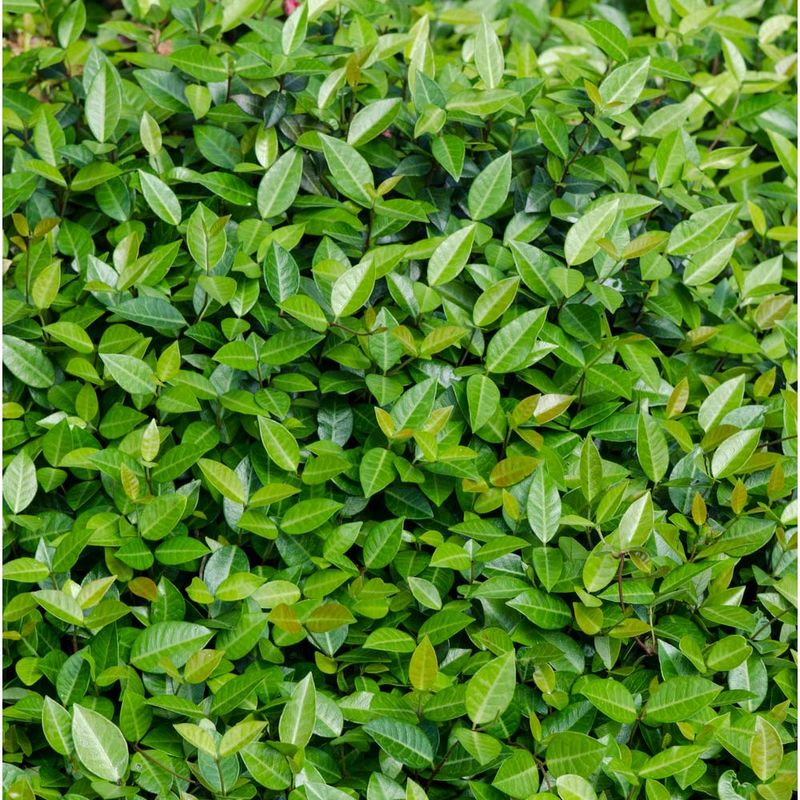
Tough, reliable, and almost impossible to kill — Asiatic jasmine has earned its reputation as one of Florida’s most popular ground covers. It forms a thick, glossy carpet that chokes out weeds without much help from you.
Shade or sun, it adapts surprisingly well to both conditions.
This plant spreads by runners and fills large areas relatively quickly. While it rarely flowers, its rich green color keeps landscapes looking tidy and full year-round, even during Florida’s dry spells.
Frogfruit
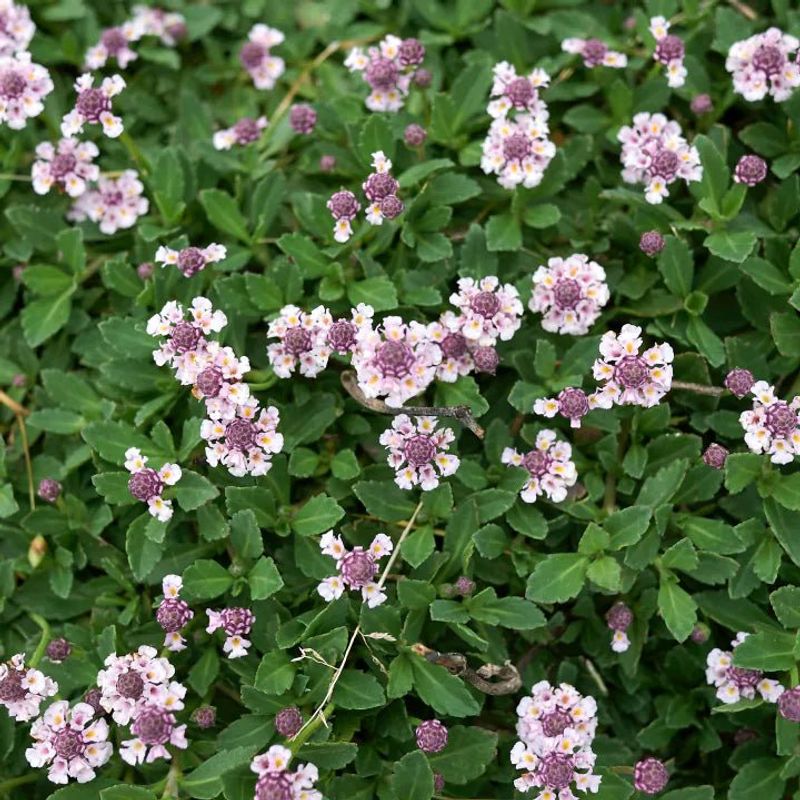
Do not let the quirky name fool you — frogfruit is a powerhouse native ground cover that butterflies and bees cannot resist. Tiny white and lavender flowers bloom almost nonstop through the warm months, turning your lawn area into a mini pollinator paradise.
It hugs the ground tightly and spreads steadily by creeping stems.
Frogfruit handles foot traffic better than most ground covers and tolerates both wet and dry conditions. Florida gardeners love it for tough spots where other plants struggle.
Blue Daze
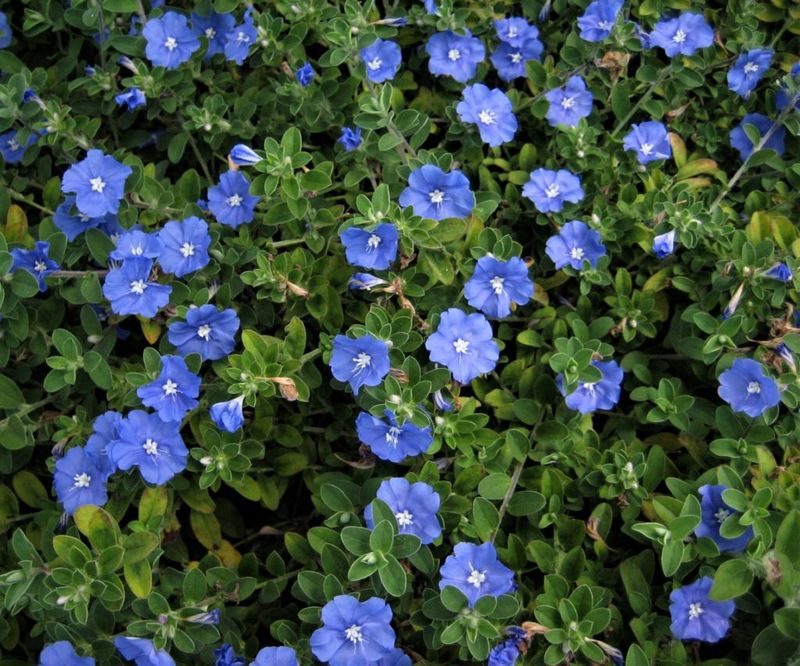
Sky-blue flowers that open each morning and close by afternoon — blue daze has a daily rhythm that makes it feel almost alive in a magical way. This trailing plant spreads readily in warm Florida weather, creating a soft blanket of silver-green foliage studded with blooms.
It performs best in full sun with well-drained soil.
Blue daze is heat-tolerant and thrives in the sandy conditions common across much of Florida. Use it along borders, slopes, or containers for a pop of true blue color.
Beach Sunflower
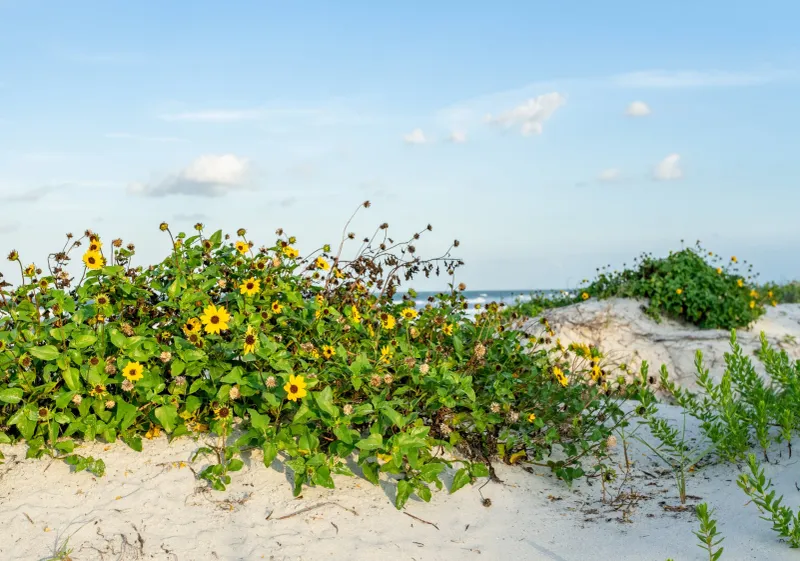
Born on Florida’s sandy coastlines, beach sunflower brings big, golden blooms to even the toughest growing conditions. It spreads aggressively by runners, quickly covering bare ground with cheerful yellow flowers that bloom almost year-round.
Salt spray, drought, and poor sandy soil? No problem for this resilient native plant.
Beach sunflower attracts butterflies and birds, adding wildlife value to your yard. It grows best in full sun and is a go-to choice for coastal homeowners who want color without constant watering.
Railroad Vine
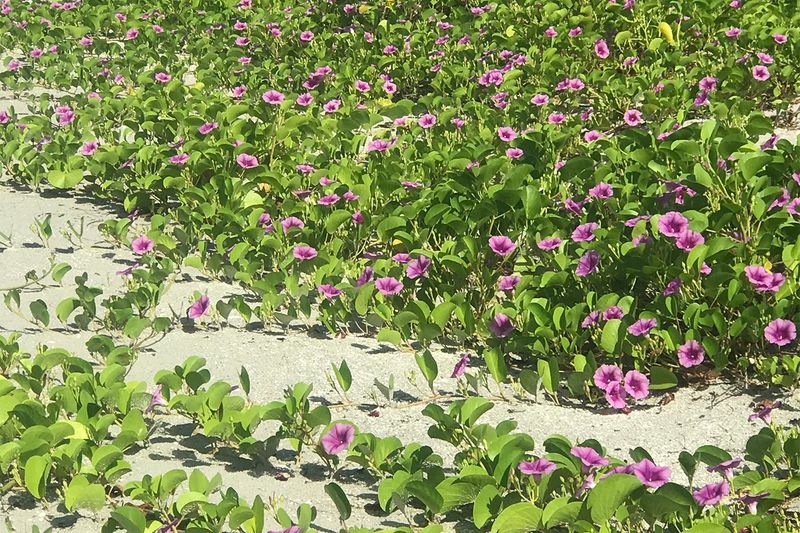
Railroad vine earned its name by running in long, straight lines across open ground — sometimes stretching 50 feet or more from a single plant. Its large, purple morning glory-style blooms are stunning against sandy soil, making it as beautiful as it is functional.
This native vine excels at stabilizing dunes and preventing erosion along Florida’s coasts.
It loves blazing sun and salty air, conditions that would wilt most other plants. For tough coastal spots, railroad vine is practically unbeatable.
Twinflower
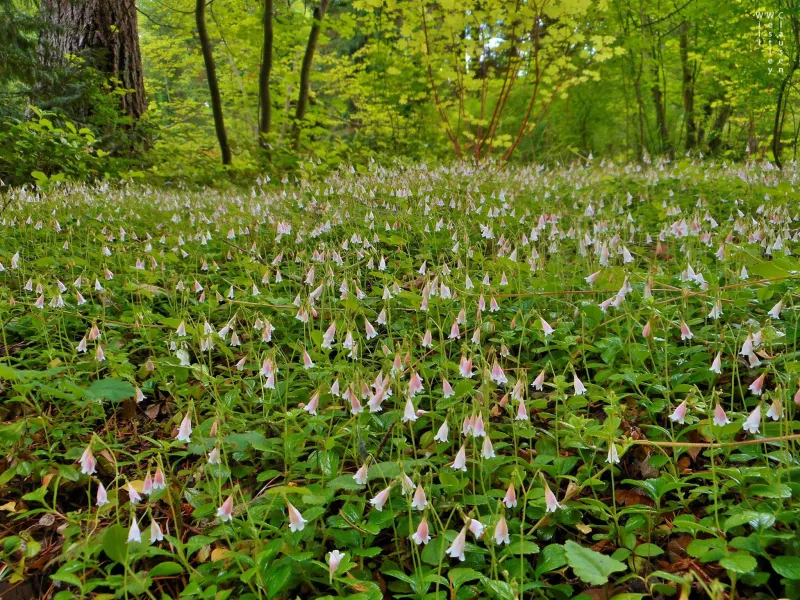
Twinflower gets its charming name from the way its blooms appear in matched pairs, like tiny twins holding hands along slender stems. This Florida native spreads gently by creeping stems, forming a soft, low carpet in shaded or partially shaded spots.
It is especially useful under trees where grass refuses to grow.
The plant produces small but lovely pink-lavender flowers that add a delicate touch to shady garden areas. Twinflower is low-maintenance and well-suited to Florida’s humid, warm climate.
Creeping Sage
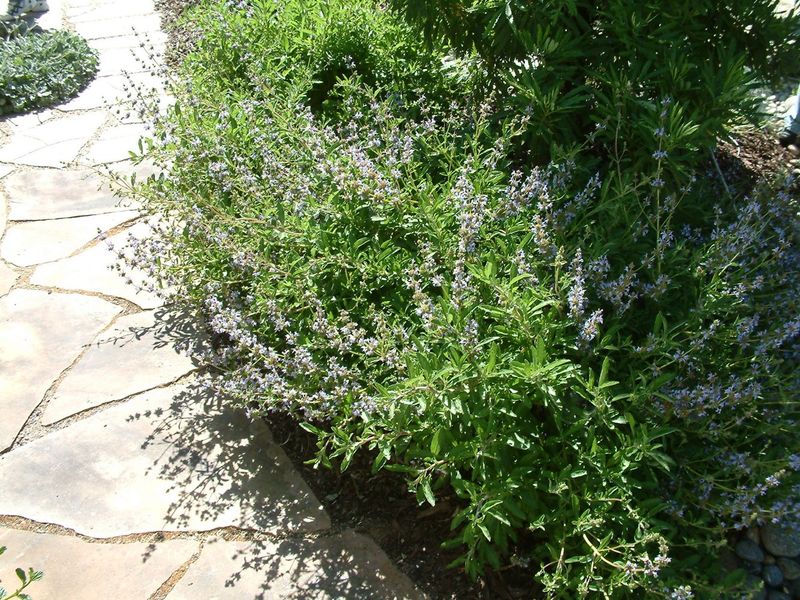
Creeping sage brings a slightly wild, herb-garden feel to Florida landscapes, with fragrant silvery foliage that releases a pleasant scent when brushed. It spreads low across the ground and produces small purple flower spikes that attract bees and butterflies throughout the growing season.
Full sun and well-drained soil keep it happiest.
This plant handles Florida’s heat well and is more drought-tolerant than it looks. It works beautifully along pathways or rock gardens where its aromatic leaves can be enjoyed up close.
Dwarf Mondo Grass
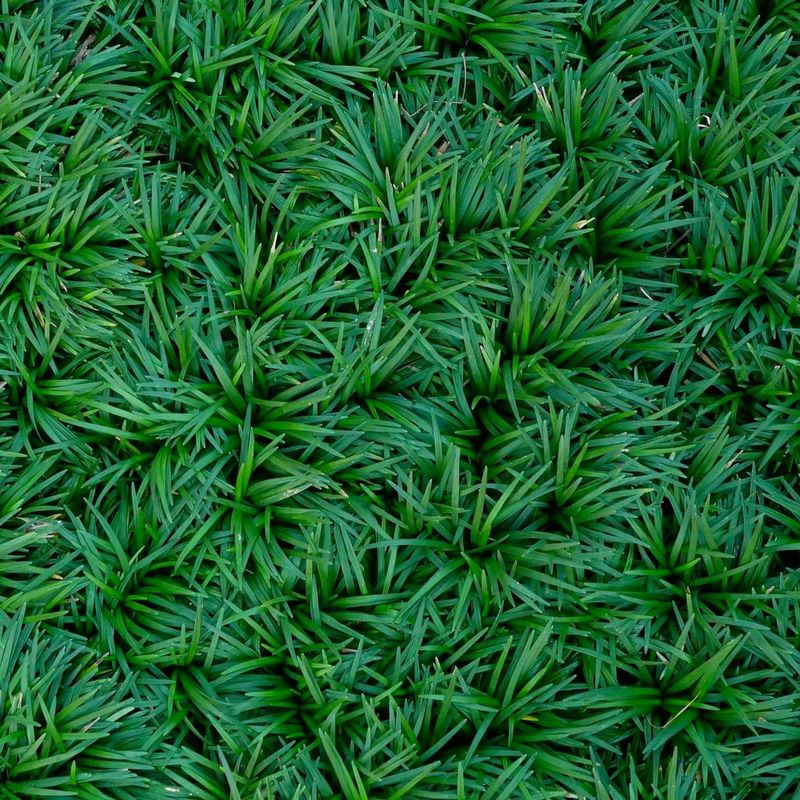
Dwarf mondo grass is the quiet, dependable type — it never makes a fuss, never bolts out of control, and always looks tidy. This miniature grass-like plant forms dense, dark green clumps that slowly spread to create a lush carpet in shaded spots.
It is one of the few plants that genuinely thrives under dense tree canopies in Florida.
It is slow to spread compared to other ground covers, but the wait is worth it. Once established, it is virtually maintenance-free and stays green year-round.
Liriope
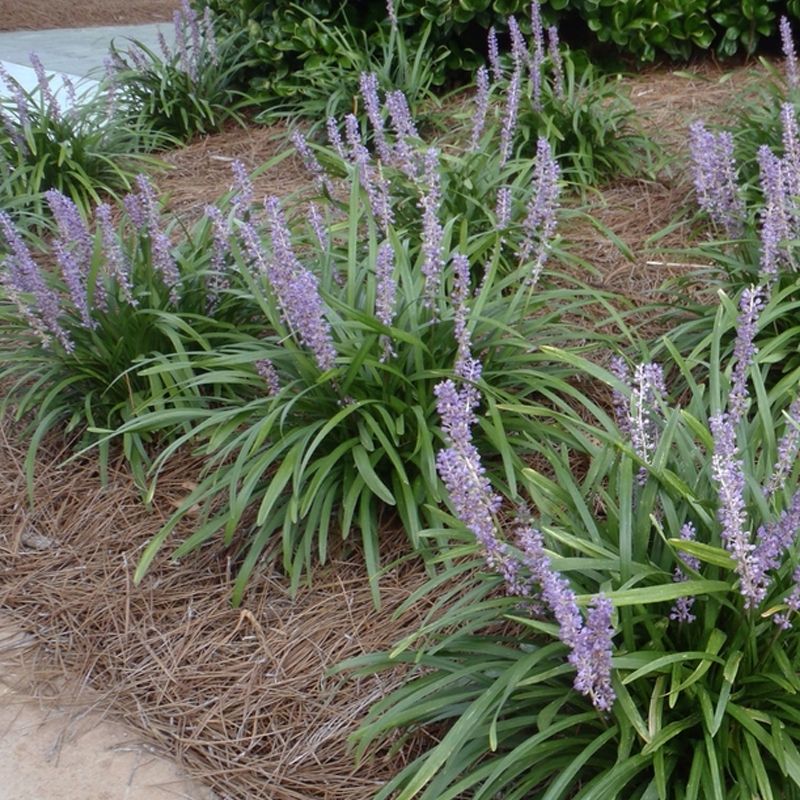
Liriope, often called lily turf, is one of those plants that looks like it belongs in a fancy botanical garden but requires almost no effort to maintain. Its arching, grass-like leaves form tidy clumps that spread steadily over time.
Spikes of purple or white flowers rise above the foliage in summer, adding a graceful touch.
It handles shade, drought, and Florida’s occasional cold snaps without missing a beat. Liriope works well as a border plant or mass planting under trees.
Wedelia
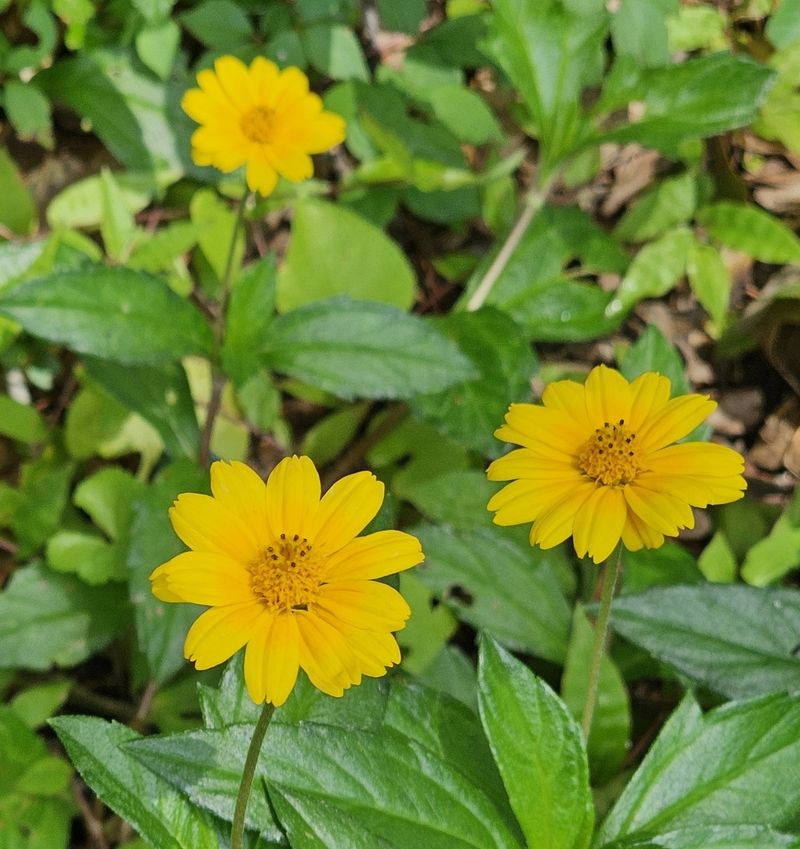
Wedelia is the fast-spreader of the group — give it a sunny spot and it will carpet the ground with cheerful yellow daisy-like flowers faster than almost anything else on this list. It roots wherever its stems touch soil, making it excellent for quickly filling large bare areas.
Butterflies flock to its blooms throughout the warm season.
Keep in mind that wedelia can become invasive if not managed. Regular edging keeps it contained and looking intentional rather than wild.
Society Garlic
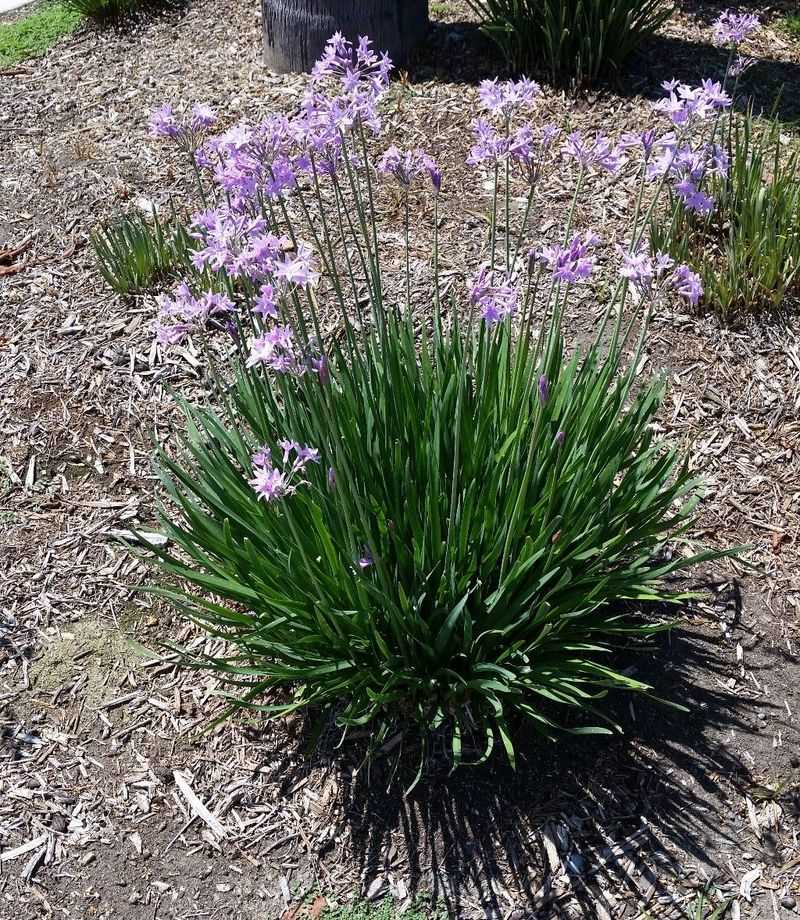
Society garlic has a fun story behind its name — it smells like garlic when the leaves are crushed, but the flowers are so pretty that polite company will never notice. Clusters of soft lavender-pink blooms rise above slender, grass-like foliage throughout the warm months.
It spreads by clumping and division, slowly filling garden beds.
Deer and rabbits tend to avoid it, which is a big bonus in Florida neighborhoods near natural areas. Full sun and decent drainage are all it really needs to thrive.
Purple Heart
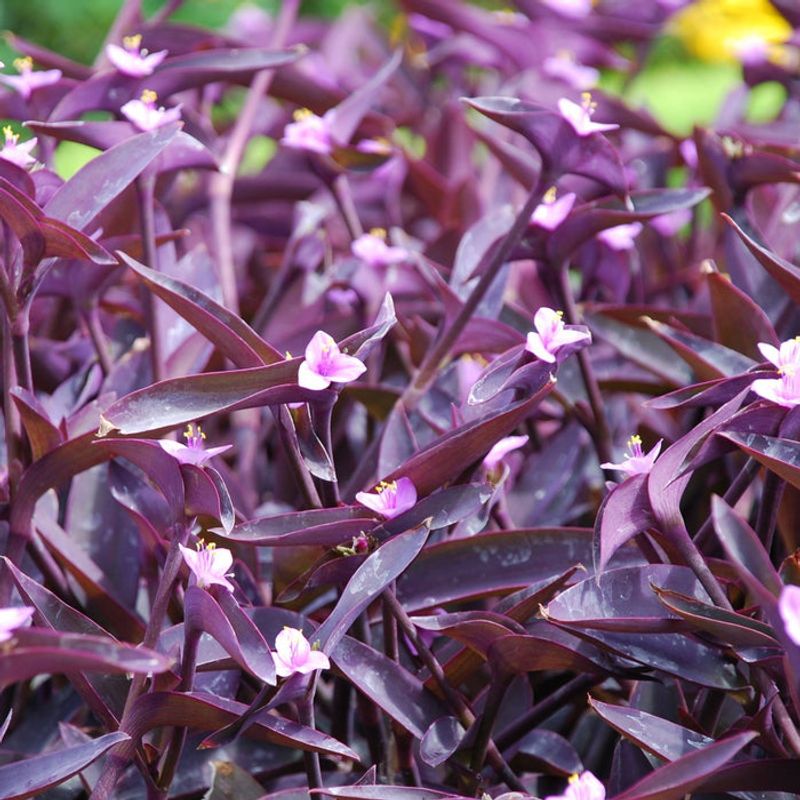
Few plants deliver as much visual drama as purple heart, with its intensely violet-colored leaves that seem almost too vivid to be real. This trailing plant spreads quickly in warm Florida weather, cascading beautifully over garden edges, slopes, and containers.
Small pink flowers appear periodically, adding a soft contrast to the bold foliage.
Purple heart thrives in full sun to partial shade and tolerates drought well once established. It is a bold, eye-catching choice for gardeners who want maximum color with minimal watering.
Oyster Plant
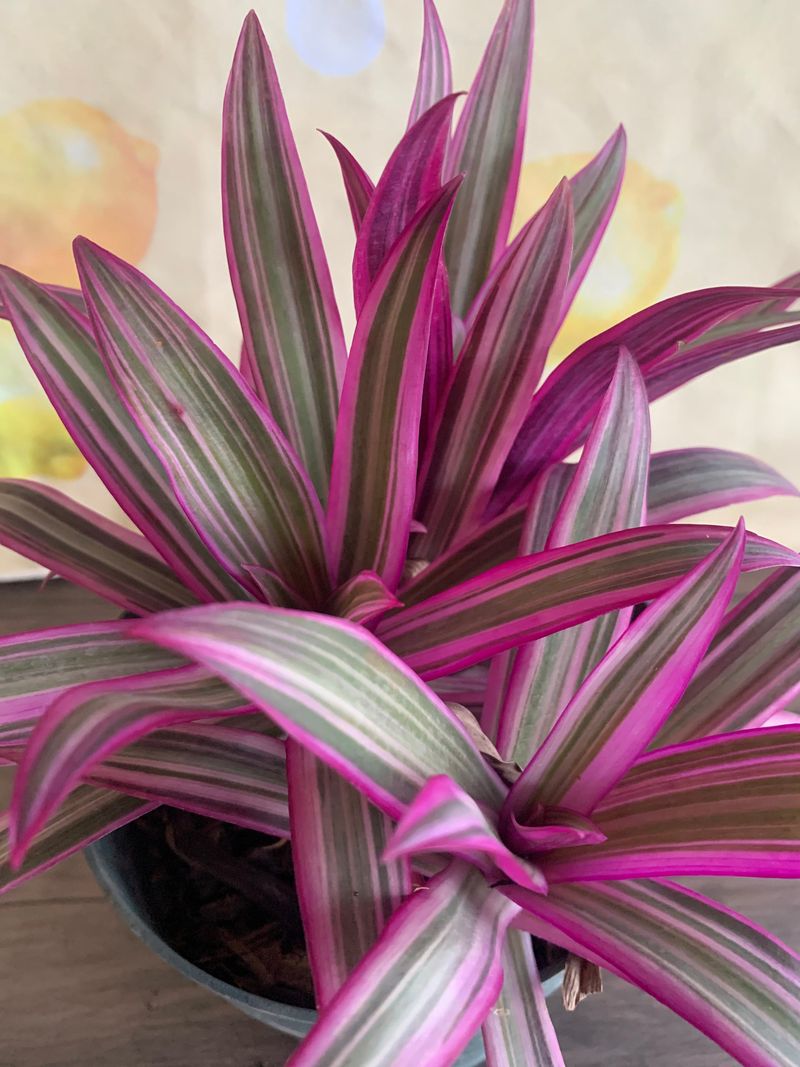
Oyster plant looks like it belongs in a tropical jungle, with its bold, sword-shaped leaves colored deep purple underneath and green on top. It forms dense clumps that expand steadily, making it a striking ground cover for garden beds and borders.
Tiny white flowers hide inside the leaf folds, giving it its oyster-inspired nickname.
It handles heat, humidity, and occasional drought with ease, making it a natural fit for Florida landscapes. Use it for a dramatic, low-maintenance splash of tropical color.
Creeping Fig
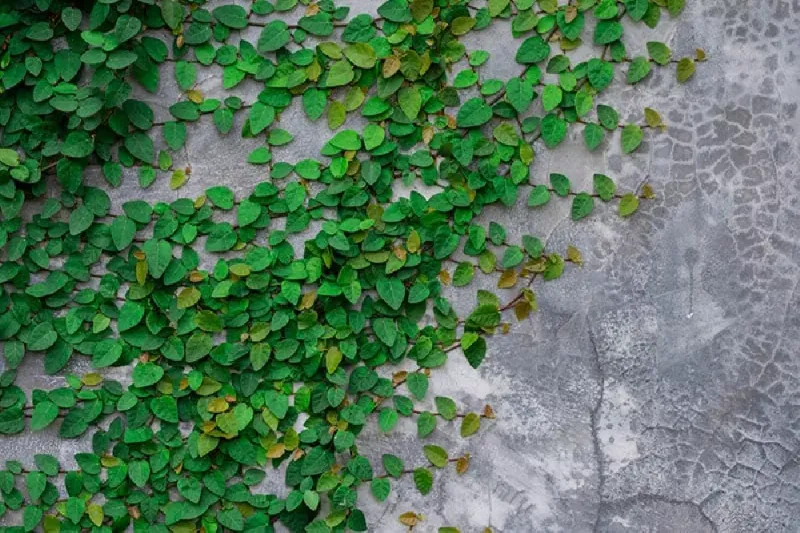
Creeping fig is the kind of plant that starts small and polite, then slowly takes over everything around it — in the best possible way. Its tiny, heart-shaped leaves cling tightly to walls, fences, and the ground, creating a dense, elegant green carpet.
In Florida’s warm climate, it spreads enthusiastically and stays evergreen year-round.
It works beautifully as a ground cover on slopes or as a living wall covering. Just be ready to trim it back occasionally, because this plant has big ambitions.
Trailing Lantana
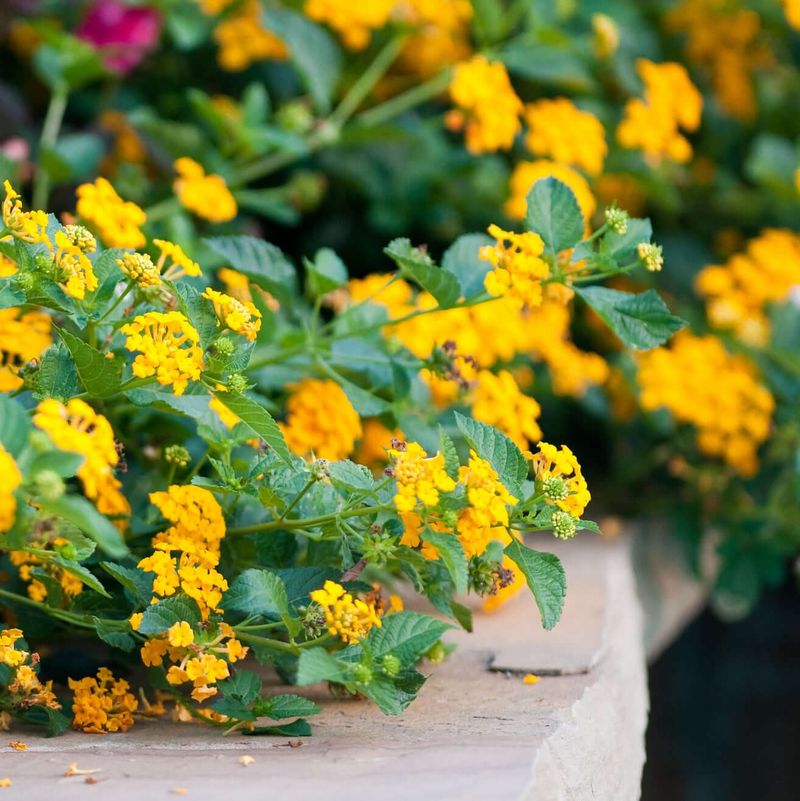
Trailing lantana is basically a butterfly magnet in plant form, producing nonstop clusters of tiny flowers in combinations of pink, orange, yellow, and purple all season long. It spreads vigorously by trailing stems that root as they grow, quickly covering large areas.
Full sun and heat bring out its very best performance.
This plant is incredibly drought-tolerant once established, making it ideal for Florida’s dry spells. Regular light pruning keeps it looking full and encourages even more blooms throughout the season.
Bacopa
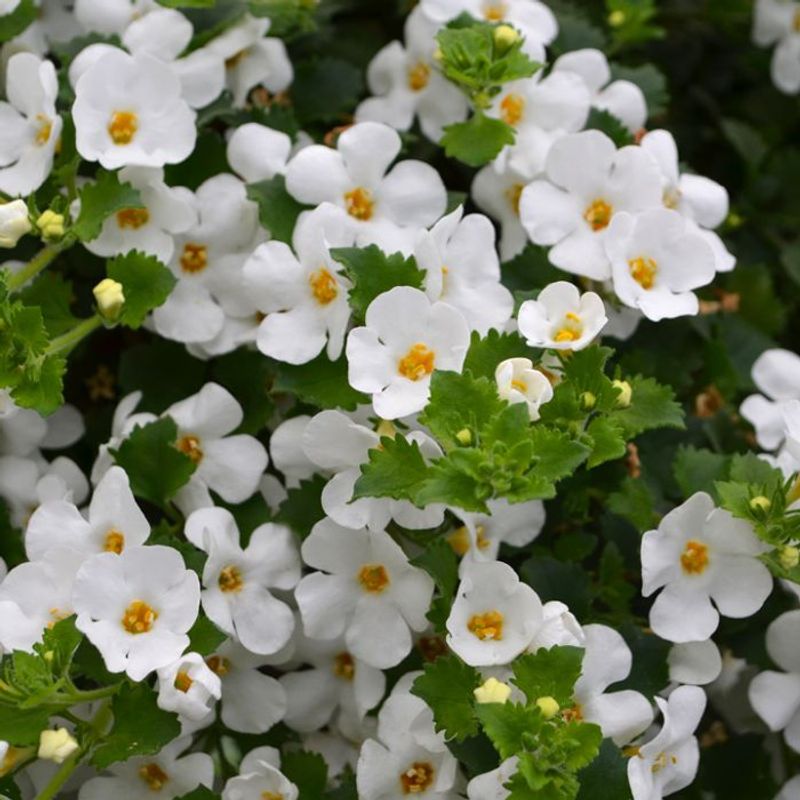
Bacopa is like a tiny jewel box — small in scale but absolutely packed with dainty white or lavender flowers that seem to never stop blooming. It spreads by creeping along the ground, rooting as it goes, and fills in garden edges and shady spots beautifully.
Florida’s humidity actually suits it well, especially in partially shaded areas.
It pairs wonderfully with taller plants, weaving around their bases like a flowering carpet. Keep the soil consistently moist for the best results and longest bloom time.
Green-and-Gold
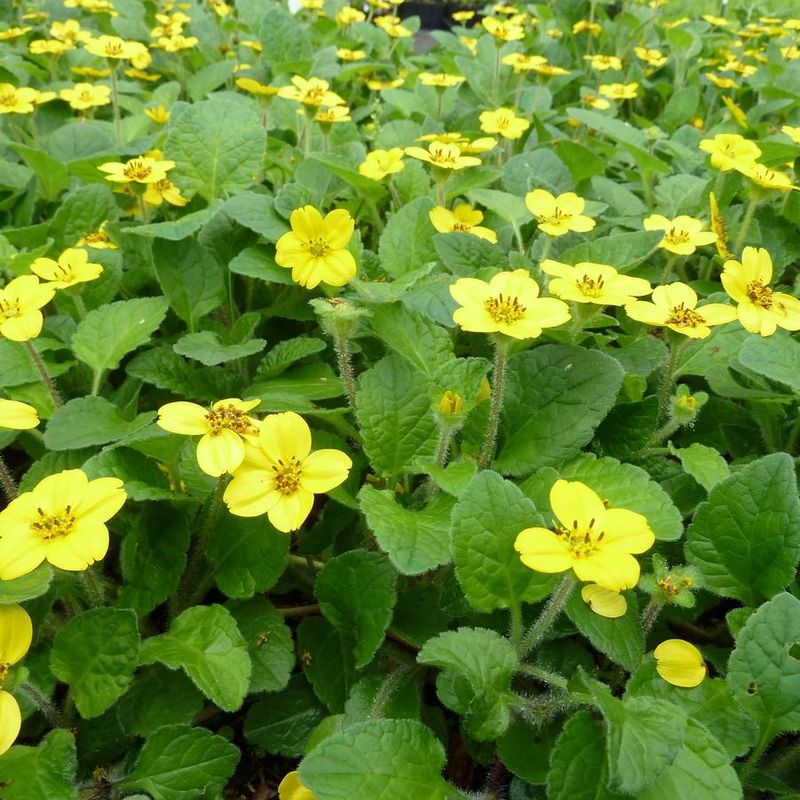
Green-and-gold earns its name honestly — the glossy dark green leaves and vivid golden-yellow flowers together create a striking two-toned display in shaded garden spots. Originally from the southeastern United States, it is well-adapted to Florida’s climate and spreads steadily by runners to form a neat, attractive mat.
It blooms most heavily in spring.
This plant is a solid performer in areas where sunlight is limited. It tolerates dry shade reasonably well, making it useful under large trees where little else thrives.
Mimosa Strigillosa
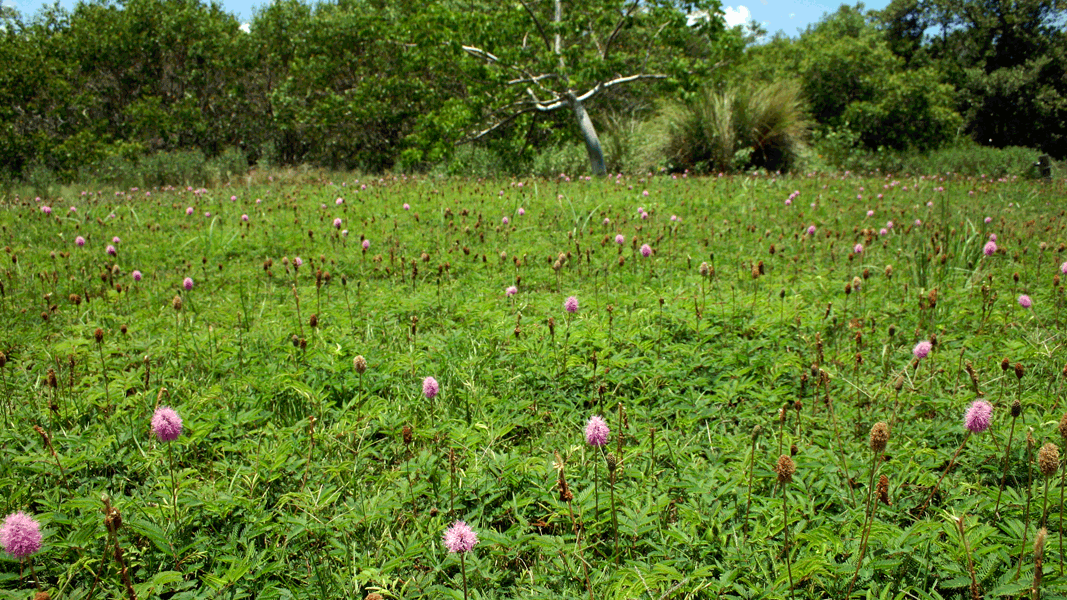
Mimosa strigillosa and sunshine mimosa are close cousins, but mimosa strigillosa has a slightly wilder, more sprawling habit that makes it excellent for naturalizing large open areas. Its feathery, fern-like leaves and fluffy pink flowers give it a soft, meadow-like appearance that feels both wild and intentional.
Pollinators visit the blooms constantly.
Like its cousin, the leaves fold when touched, which never gets old. It thrives in full sun and spreads aggressively enough to outcompete many common Florida weeds.
Peanut Grass
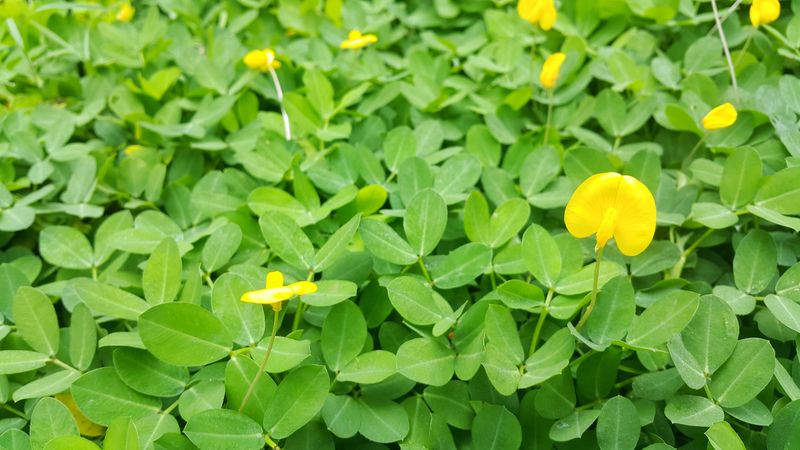
Peanut grass is sometimes used interchangeably with perennial peanut, but in Florida landscaping circles it often refers specifically to the wild, more compact varieties used as turf alternatives. It creates a tight, weed-suppressing mat that stays low without mowing and produces cheerful yellow flowers throughout the growing season.
Sandy, well-drained soil is where it truly shines.
It is nitrogen-fixing, which means it actually improves the soil as it grows. For homeowners tired of babying traditional grass lawns, peanut grass is a refreshing, low-effort switch.
Castor Aralia
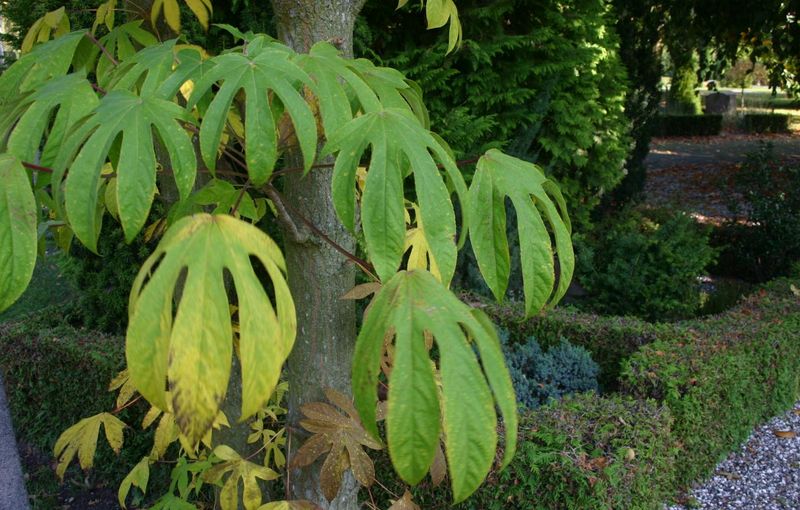
Castor aralia brings a bold, architectural presence to Florida gardens that most ground covers simply cannot match. Its large, deeply lobed leaves create a lush, tropical canopy close to the ground, making it feel more like a miniature jungle than a typical lawn alternative.
It spreads by suckering from the roots, gradually forming impressive colonies.
Partial shade suits it best in Florida’s intense summer sun. Use castor aralia in larger garden spaces where its dramatic foliage can be appreciated without overwhelming smaller plantings nearby.