



America’s dining history is rich with incredible stories, unforgettable flavors, and restaurants that have stood the test of time. From coast to coast, every state has that one special place where generations have gathered to share meals and make memories. Whether you’re a history buff, a food lover, or someone who enjoys discovering hidden gems, exploring these legendary eateries offers a delicious journey through our nation’s past.
Bright Star Restaurant – Bessemer, Alabama
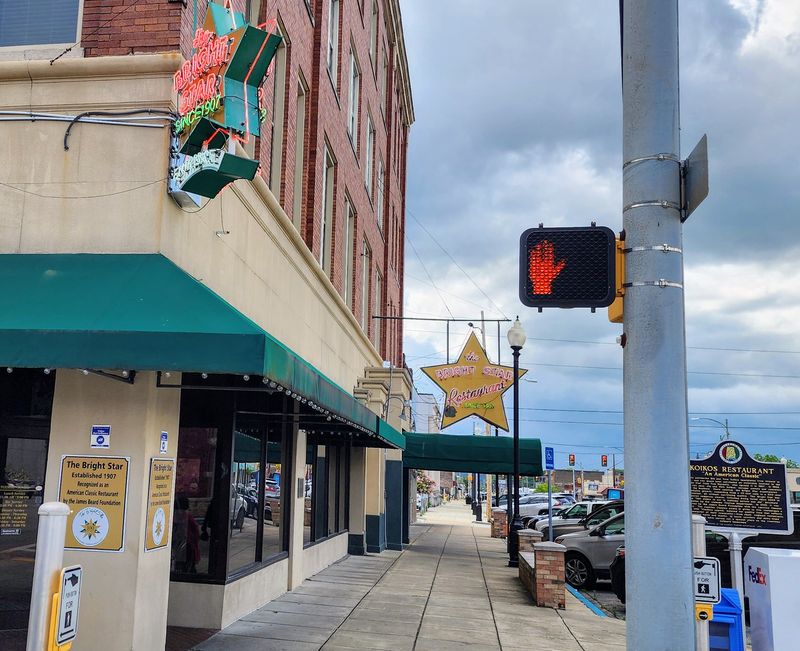
Alabama’s oldest restaurant has been serving hungry diners since 1907, making it a true culinary landmark. Families have celebrated birthdays, anniversaries, and everyday moments here for over a century.
Famous for its Greek-influenced Southern cuisine, the restaurant blends two rich food traditions perfectly. The snapper throats are legendary, drawing visitors from across the country. Fresh seafood arrives regularly, ensuring quality that matches the restaurant’s storied reputation.
Walking through the doors feels like stepping back in time, with vintage décor and warm hospitality. The walls hold countless stories of the community’s history and growth. Service remains attentive and genuine, just as it was generations ago.
The Salty Dawg Saloon – Homer, Alaska
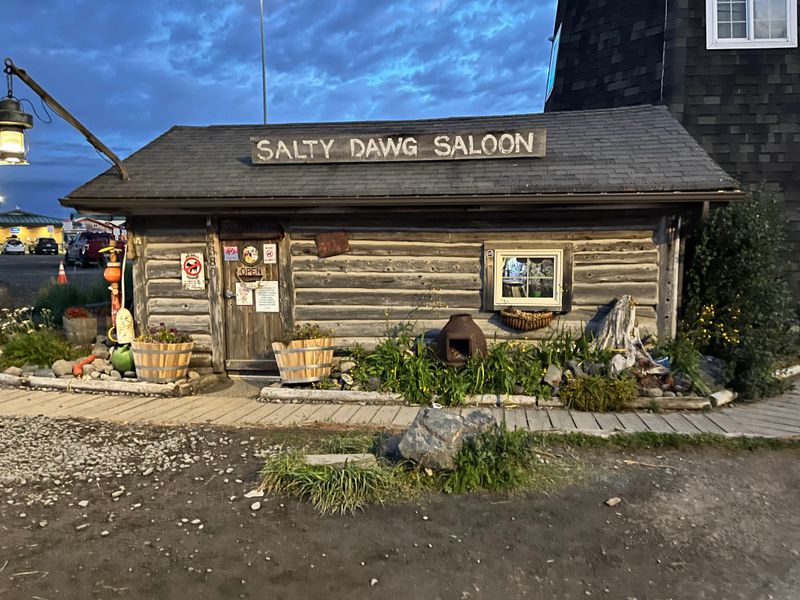
Originally built as a cabin in 1897, this quirky lighthouse-shaped saloon has become Alaska’s most photographed bar. Gold rush history runs deep through its weathered wooden walls.
Thousands of dollar bills signed by visitors cover nearly every inch of the interior ceiling and walls. Starting a tab here means potentially adding your own bill to the collection. The tradition began decades ago and continues to attract curious travelers daily.
Located at the end of the Homer Spit, the views of Kachemak Bay are absolutely breathtaking. Fresh halibut and local brews complement the salty maritime atmosphere perfectly. Live music and friendly locals create an authentic Alaskan experience you won’t forget.
El Charro Café Downtown – Tucson, Arizona
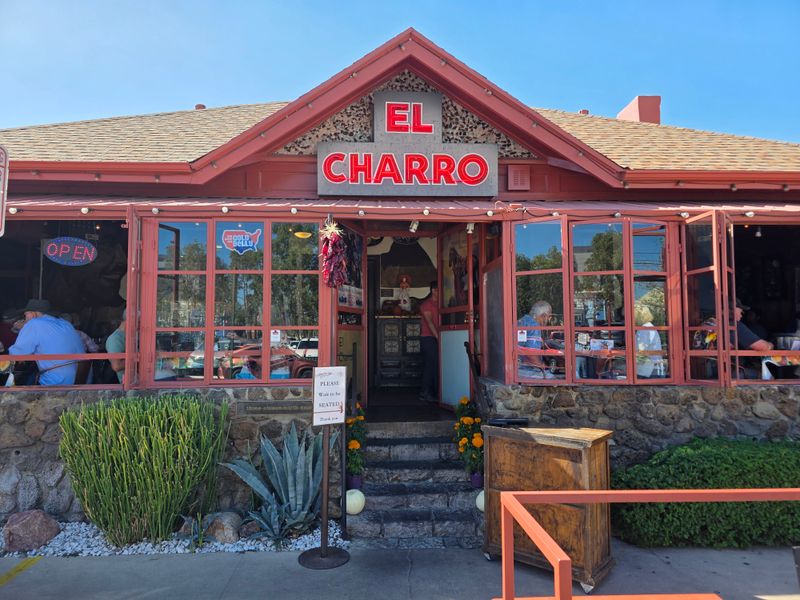
Founded in 1922 by Monica Flin, this family-owned gem claims the title of America’s oldest Mexican restaurant continuously operated by the same family. Monica invented the famous chimichanga right here when she accidentally dropped a burrito into hot oil.
Authentic Sonoran recipes passed down through generations keep customers coming back for more. The carne seca dries on the rooftop in the Arizona sun, following traditional methods. Handmade tortillas and fresh salsa capture the true flavors of the Southwest.
Dining on the patio under twinkling lights creates magical evening experiences. The colorful décor celebrates Mexican heritage with vibrant artwork and traditional touches throughout.
Doe’s Eat Place – Little Rock, Arkansas
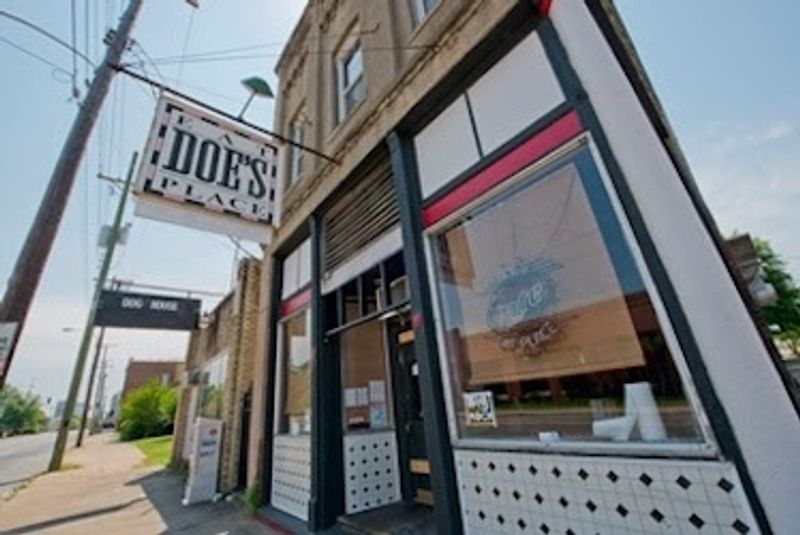
What started as a grocery store in 1941 accidentally became one of America’s most beloved steakhouses. Dominick “Doe” Signa began serving hot tamales to workers, and word spread quickly about his incredible food.
The restaurant’s humble appearance surprises first-time visitors expecting fancy décor and white tablecloths. Simple wooden tables and a no-frills atmosphere let the food do all the talking. Massive T-bone steaks sizzle in the kitchen, cooked to perfection every single time.
Hot tamales remain a menu staple, honoring the dish that started everything decades ago. Families sit elbow-to-elbow, sharing stories and passing platters around crowded tables. Reservations are essential because locals guard this treasure fiercely.
Tadich Grill – San Francisco, California
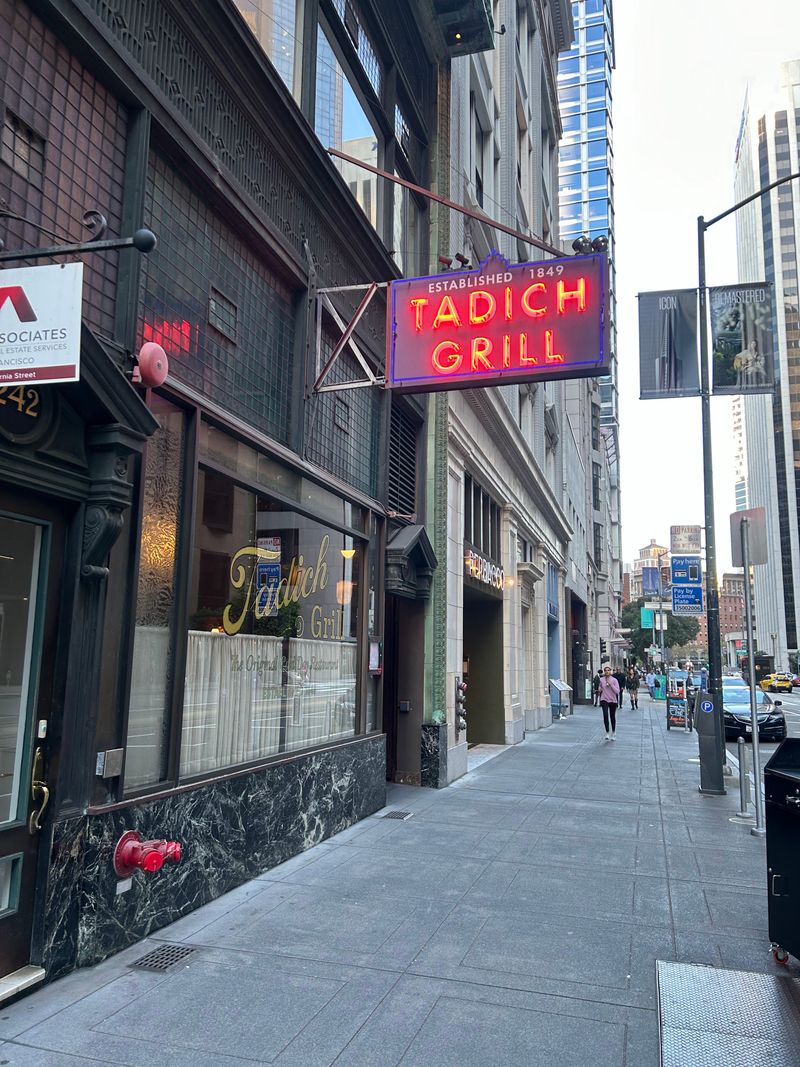
California’s oldest restaurant opened during the Gold Rush in 1849, serving hungry miners seeking fortune and good food. Original wooden booths and a long mahogany bar transport diners to another era entirely.
Waiters in crisp white jackets deliver impeccable service, maintaining traditions that have defined this establishment for generations. The cioppino, a hearty seafood stew, has warmed countless souls on foggy San Francisco evenings. Fresh Dungeness crab and sourdough bread celebrate California’s coastal bounty perfectly.
Private booths offer intimate dining experiences, perfect for business deals or romantic dinners. Politicians, celebrities, and everyday folks have all enjoyed meals here over the decades. No reservations accepted means everyone waits equally, creating a democratic dining experience.
The Buckhorn Exchange – Denver, Colorado
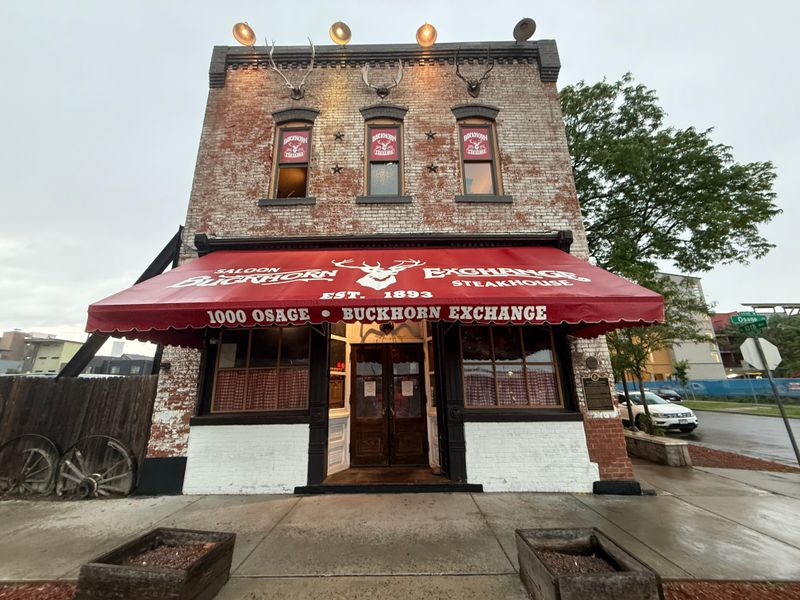
Colorado’s oldest restaurant received liquor license number one when it opened in 1893. Buffalo Bill Cody, Teddy Roosevelt, and countless other Wild West legends dined within these historic walls.
Over 500 taxidermied animals gaze down from every available surface, creating a museum-like atmosphere. Antique firearms, Native American artifacts, and Victorian furnishings fill the space with frontier history. The collection took decades to assemble and tells Colorado’s story through carefully preserved objects.
Rocky Mountain oysters, elk, and buffalo steaks celebrate the region’s hunting heritage and culinary traditions. Each dish honors the Old West while satisfying modern appetites for adventurous eating. Family ownership has preserved authenticity while welcoming new generations of curious diners.
Louis’ Lunch – New Haven, Connecticut
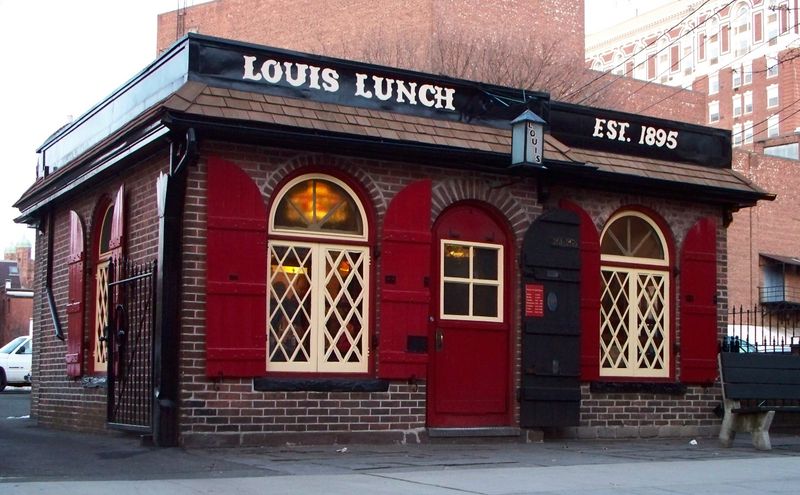
Legend says the hamburger was born here in 1900 when Louis Lassen served ground beef between toast slices. Whether true or not, this tiny eatery has served burgers the same way for over 120 years.
Vertical cast-iron grills from 1898 still cook every burger to perfection daily. No ketchup, no mustard, no modifications allowed—only cheese, tomato, and onion are permitted toppings. Purists appreciate the simplicity, while rebels occasionally sneak condiments from neighboring establishments.
The building itself was moved twice to preserve this important piece of American food history. Cooking methods haven’t changed because, frankly, they don’t need improvement. Lines form quickly during lunch, with locals and tourists waiting patiently for history on toast.
The Green Room at Hotel du Pont – Wilmington, Delaware
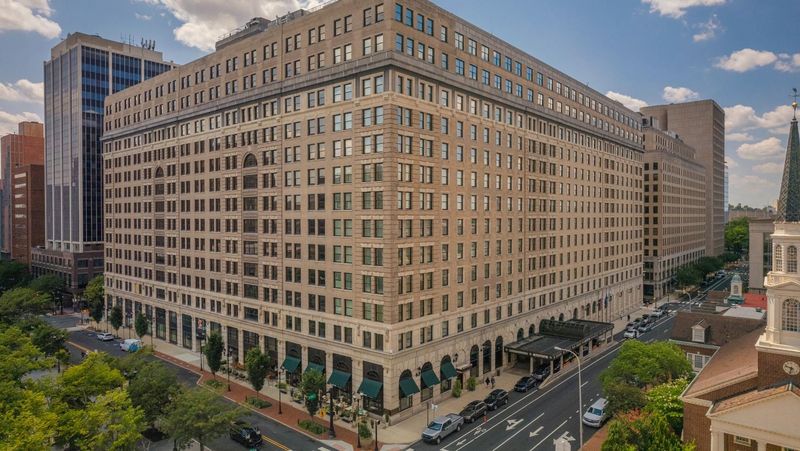
Elegance reaches its peak in this grand dining room that has hosted presidents, royalty, and Delaware’s most important celebrations since 1913. Crystal chandeliers sparkle above tables set with fine china and fresh flowers daily.
The hand-carved oak paneling and gold-leaf ceiling create an atmosphere of refined luxury rarely found today. Classical French cuisine prepared with impeccable technique has earned numerous awards over the decades. Sunday brunch here feels like attending a sophisticated garden party from another century.
White-gloved service and attention to detail make every meal feel like a special occasion worth celebrating. Jackets are required for gentlemen, maintaining standards of formal dining traditions. Reservations book weeks in advance for holidays and special events.
Columbia Restaurant – Tampa, Florida
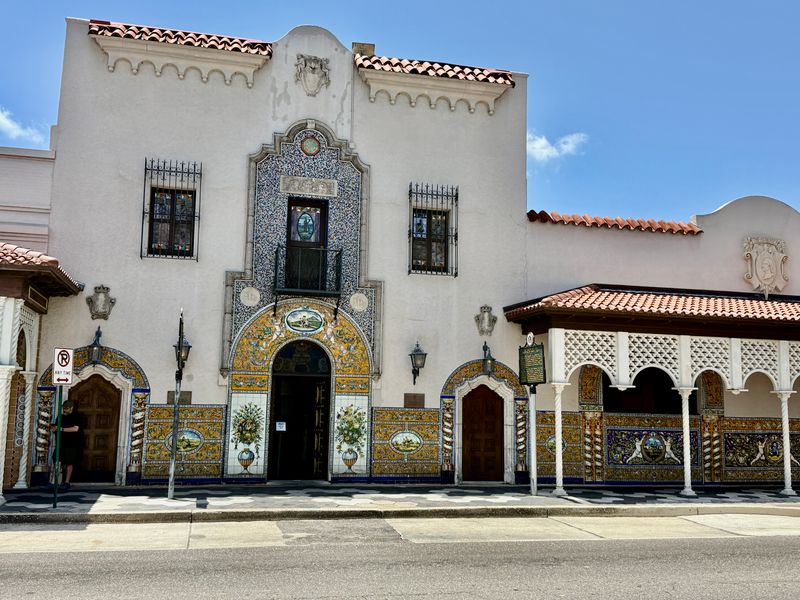
Florida’s oldest restaurant spans an entire city block in Tampa’s historic Ybor City neighborhood. Since 1905, five generations of the Gonzmart family have served authentic Spanish and Cuban cuisine with unmatched passion.
Fifteen dining rooms decorated with hand-painted tiles and sparkling chandeliers accommodate over 1,700 guests nightly. The famous “1905 Salad” is prepared tableside with dramatic flair by skilled servers. Flamenco dancers perform Monday through Saturday, adding entertainment to already spectacular dining experiences.
Original recipes brought from Cuba and Spain remain closely guarded family secrets passed down through generations. The sangria flows freely, complementing paella and fresh seafood dishes perfectly. Tourists and locals alike consider dining here essential to understanding Tampa’s rich cultural heritage.
The Plaza Restaurant – Thomasville, Georgia
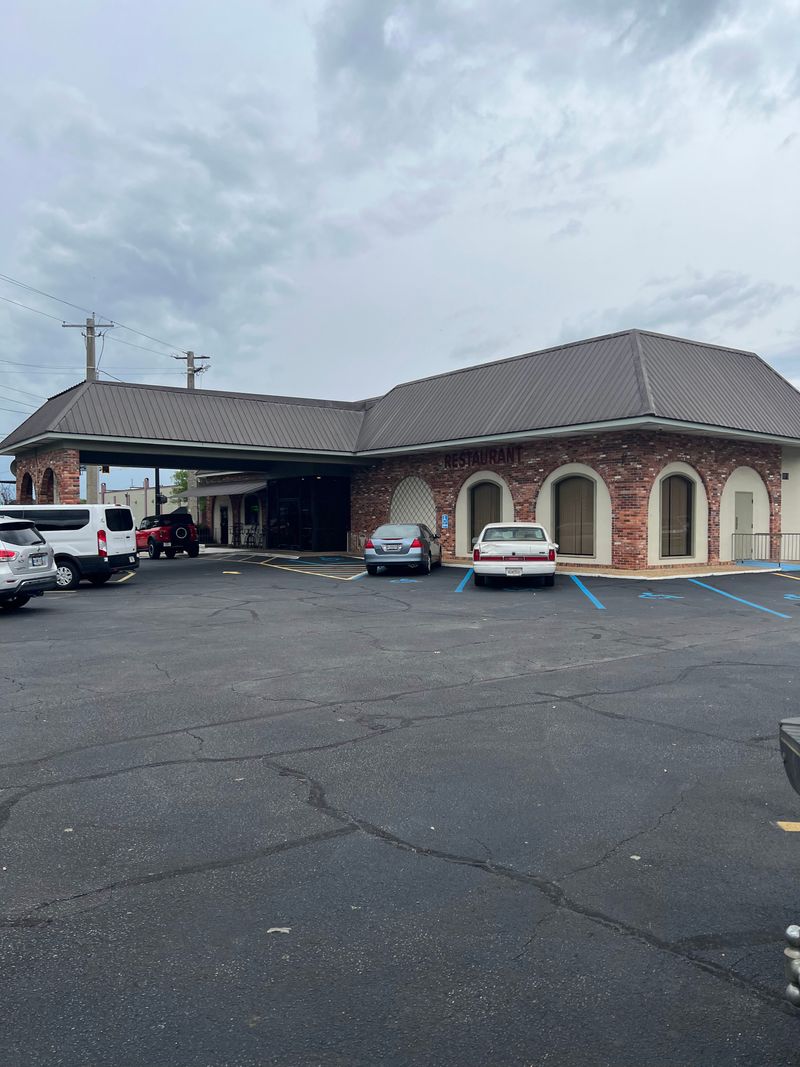
Small-town Southern hospitality shines brightest at this charming restaurant that’s served Thomasville since 1916. Generations of families have celebrated life’s milestones over plates of comfort food here.
Fried chicken, collard greens, and cornbread represent Georgia cooking at its absolute finest and most authentic. The recipes haven’t changed because they were perfect from the start, using fresh local ingredients. Sweet tea flows freely, refilled before your glass ever runs completely empty.
Friendly waitresses know regular customers by name and remember their usual orders without asking. The atmosphere feels like visiting your grandmother’s dining room for Sunday supper. Prices remain reasonable, proving that quality doesn’t require fancy presentations or expensive ingredients to shine through beautifully.
Manago Hotel Restaurant – Captain Cook, Hawaii
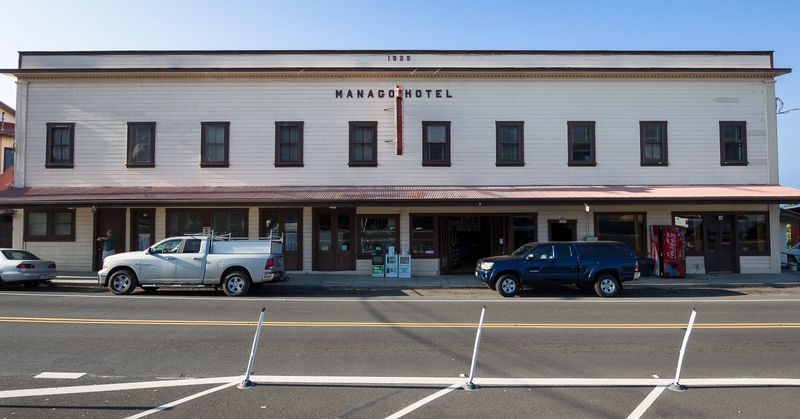
Perched on the Big Island’s Kona coast, this family-run establishment has fed travelers and locals since 1917. Three generations of the Manago family have maintained traditions while welcoming everyone like ohana.
The pork chops here achieve legendary status among those lucky enough to taste them perfectly prepared. Thick-cut, tender, and seasoned with a secret recipe, they’re worth the drive from anywhere on the island. Simple preparations let quality ingredients speak for themselves without unnecessary complications.
Ocean breezes drift through the dining room while guests enjoy authentic local flavors and generous portions. The restaurant captures old Hawaii’s spirit before tourism changed the islands forever. Prices remain surprisingly affordable, reflecting the family’s commitment to serving their community faithfully and well.
The Snake Pit – Enaville, Idaho
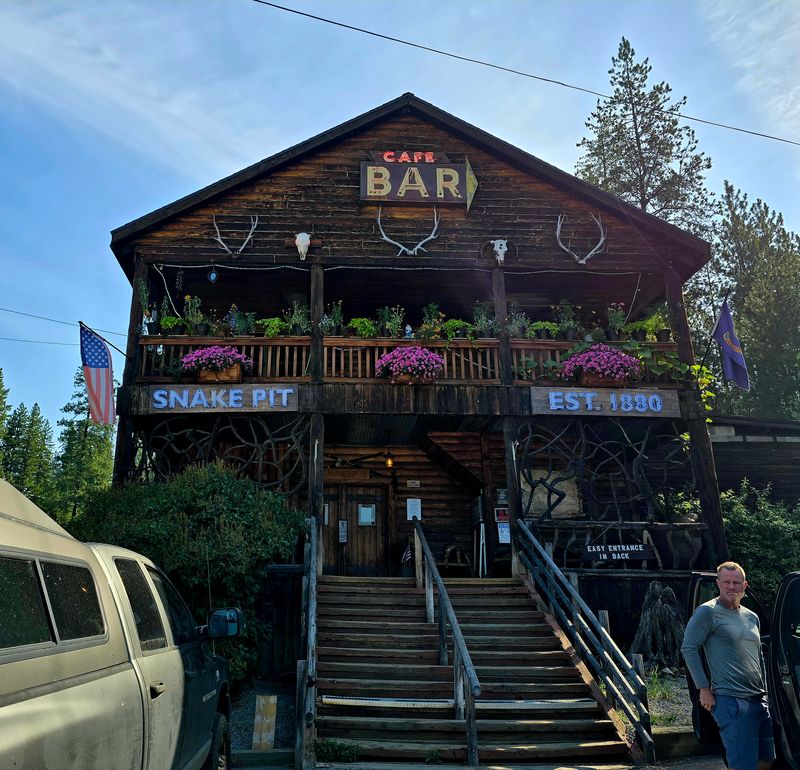
Hidden in Idaho’s northern forests, this rough-and-tumble saloon has served miners, loggers, and adventurers since 1880. The building survived fires and floods while maintaining its authentic frontier character throughout decades of change.
Dollar bills cover the walls and ceiling, signed by visitors from around the world seeking this legendary spot. Pool tables, dartboards, and a jukebox provide entertainment between bites of surprisingly good bar food. The burgers are massive, messy, and exactly what you want after exploring Idaho’s wilderness areas.
Motorcycle clubs, families, and curious tourists all find welcome here among the friendly chaos. Stories swapped over cold beers connect strangers through shared appreciation for authentic Western experiences. No pretense exists, just good times and honest hospitality.
The Berghoff – Chicago, Illinois
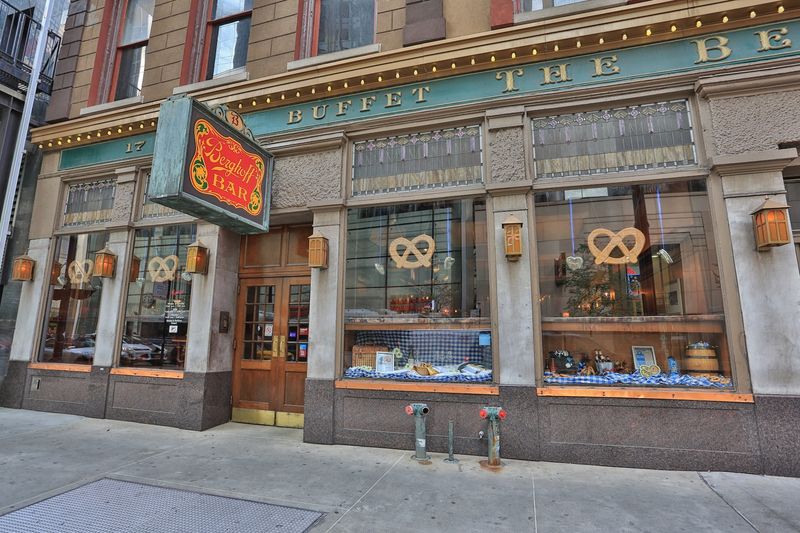
German immigrants Herman and Henni Berghoff opened this Chicago institution in 1898, bringing Old World recipes to America’s heartland. The restaurant served the city’s first legal beer after Prohibition ended, pouring draft number one at midnight.
Dark wood paneling, stained glass, and vintage beer steins create an atmosphere of gemütlichkeit—German coziness and good cheer. Sauerbraten, schnitzel, and potato pancakes honor traditional recipes perfected over multiple generations. The root beer, brewed in-house, offers a family-friendly taste of the restaurant’s brewing heritage.
Despite Chicago’s constantly changing dining scene, The Berghoff remains a beloved constant for locals and tourists. Lunch crowds pack the dining rooms with businesspeople and families seeking reliable quality and nostalgic charm.
St. Elmo Steak House – Indianapolis, Indiana
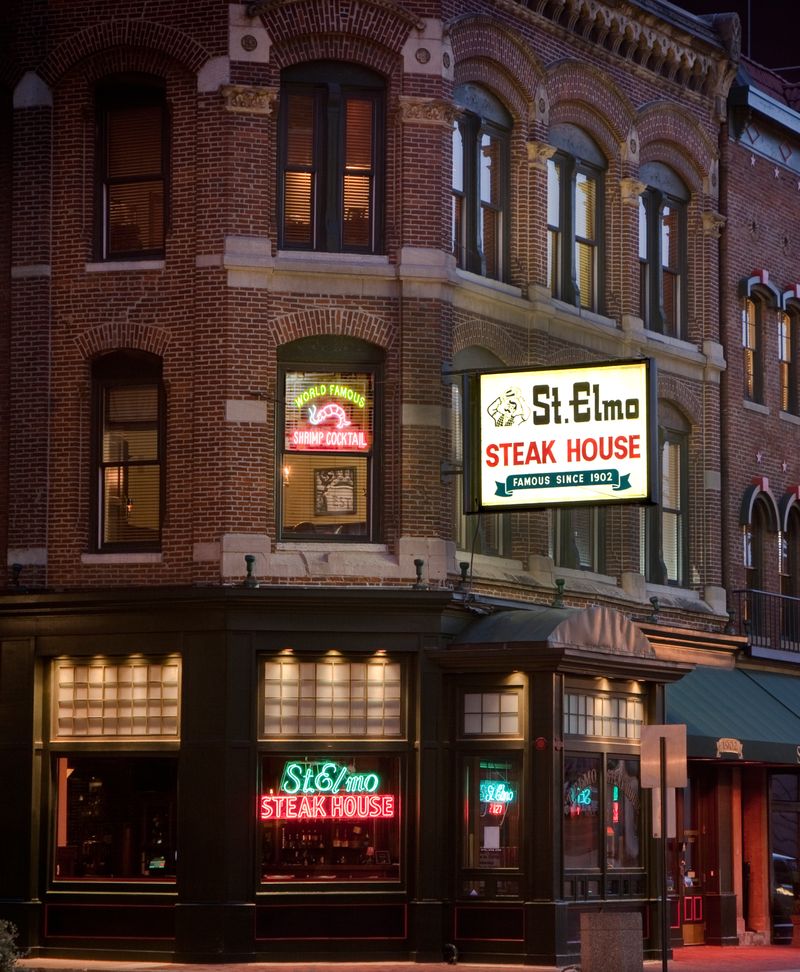
Indianapolis racing legends, politicians, and celebrities have devoured perfectly aged steaks here since 1902. The restaurant’s location near the city’s theater district made it a natural gathering spot for performers and audiences alike.
St. Elmo’s shrimp cocktail achieves legendary status thanks to its incredibly spicy horseradish cocktail sauce. First-timers often underestimate the heat, leading to watering eyes and laughter from experienced diners nearby. The burn is worth it because the flavor underneath the fire is absolutely extraordinary and memorable.
Dark wood, vintage photographs, and white tablecloths create a classic steakhouse atmosphere that never goes out of style. Dry-aged beef cooked to perfection arrives sizzling on hot plates. Reservations are essential, especially during Indianapolis 500 race week festivities.
Breitbach’s Country Dining – Sherrill, Iowa
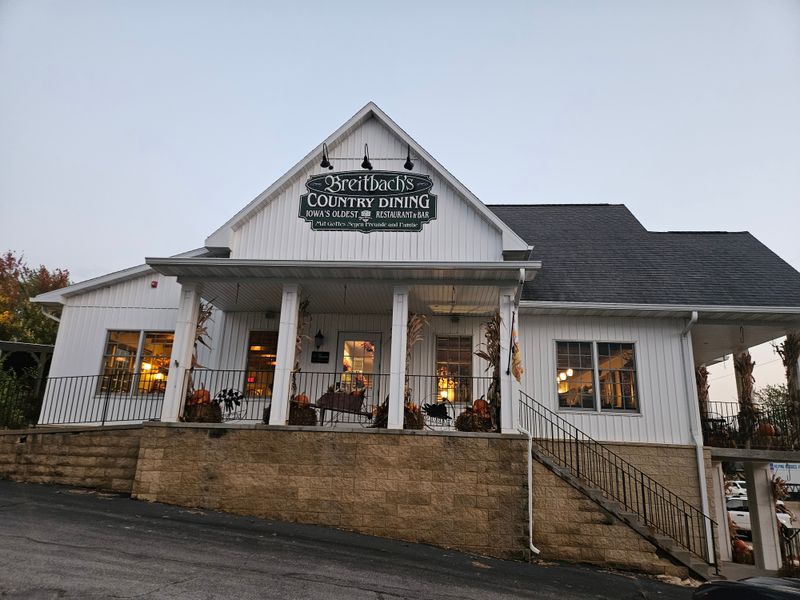
Iowa’s oldest bar and restaurant has served travelers since 1852, surviving two devastating fires that could have ended its story. The community rallied after each disaster, rebuilding this beloved gathering place with determination and love.
Homestyle cooking features fried chicken, roast beef, and pies that taste like Grandma made them yesterday. Portions are generous, reflecting Midwestern hospitality and the belief that no one should leave hungry. The salad bar offers fresh vegetables alongside traditional Jello salads that spark nostalgic memories.
Walls display photographs documenting the restaurant’s long history and the community’s resilience through challenging times. Famous visitors include Brooke Shields and Johnny Carson, who appreciated the authentic down-home atmosphere. Locals and tourists share tables, swapping stories over coffee and pie.
Hays House 1857 – Council Grove, Kansas
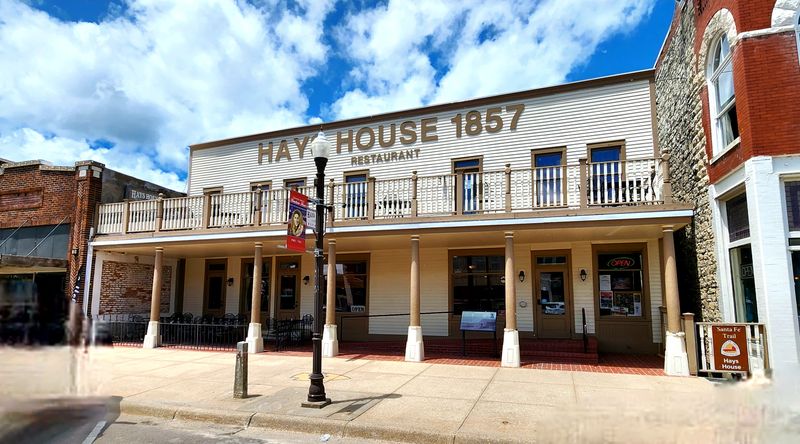
Claiming the title of oldest continuously operating restaurant west of the Mississippi River, Hays House opened when Kansas was still a territory. The stone building witnessed the Santa Fe Trail’s heyday, serving pioneers heading west toward uncertain futures.
Fried chicken dinners served family-style honor traditions established over 160 years of continuous operation. Homemade cinnamon rolls arrive warm from the oven, their sweet aroma filling the dining room. Everything tastes like it came from a Kansas farmhouse kitchen, simple and satisfying.
The building’s thick limestone walls keep diners cool during hot prairie summers and cozy during harsh winters. History buffs appreciate the authentic frontier atmosphere preserved carefully throughout the years. Seth Hays, Daniel Boone’s great-grandson, founded this remarkable establishment that still thrives today.
Old Talbott Tavern – Bardstown, Kentucky
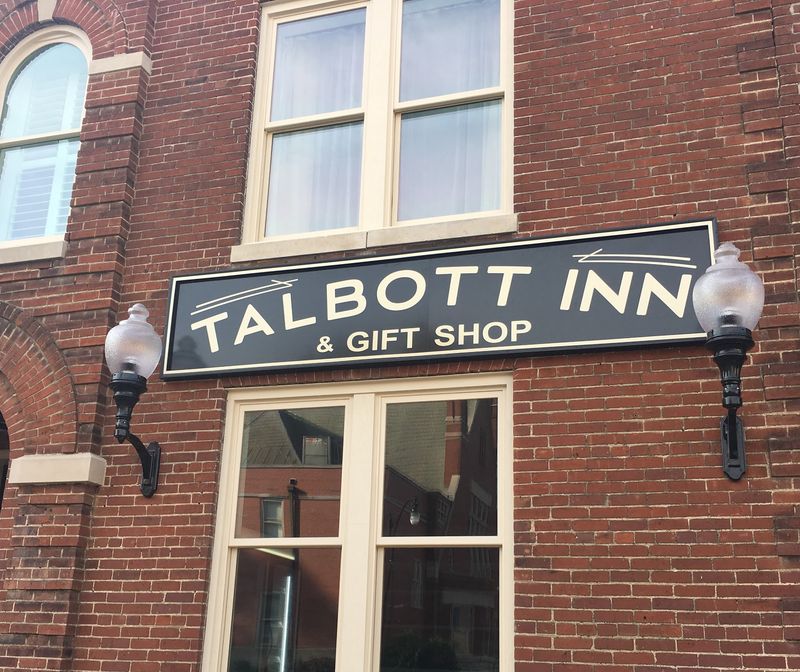
Kentucky’s oldest bourbon bar has served whiskey and hospitality since 1779, when the frontier was wild and dangerous. Daniel Boone, Abraham Lincoln, and Jesse James all walked through these doors seeking food, drink, and shelter.
Original stone walls over two feet thick have witnessed countless historic conversations and celebrations throughout American history. Bullet holes from a Jesse James shooting remain visible, adding authentic Wild West character to the atmosphere. The tavern survived the Civil War, serving soldiers from both sides with equal bourbon-soaked hospitality.
Bourbon flows freely here, with an impressive selection of Kentucky’s finest distilleries represented proudly. Traditional Southern cooking complements the spirits perfectly, with hot browns and burgoo satisfying hungry visitors. Upstairs rooms offer overnight accommodations for those wanting the complete historic tavern experience.
Antoine’s – New Orleans, Louisiana
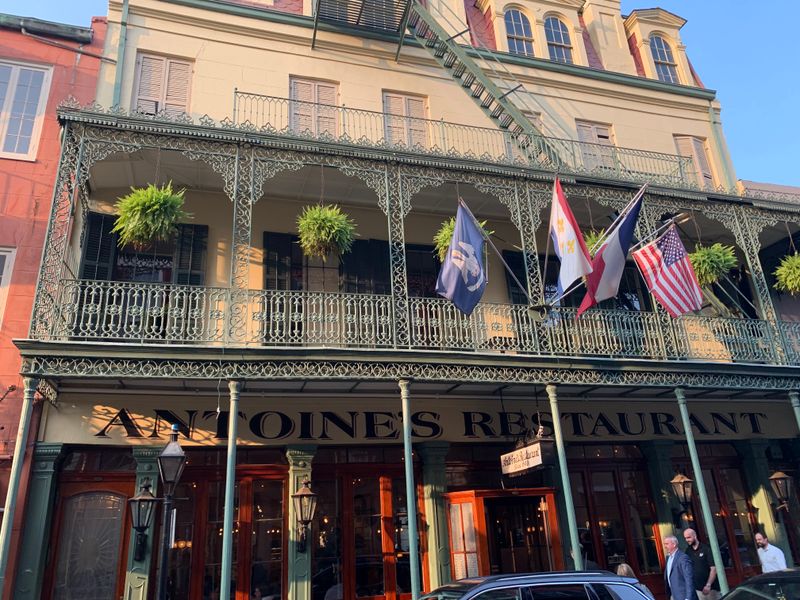
America’s oldest family-run restaurant opened in 1840, bringing French fine dining to New Orleans’ vibrant culinary scene. Five generations of the Alciatore family have maintained traditions while adapting to changing times and tastes.
Oysters Rockefeller was invented here in 1899, and the original recipe remains a closely guarded family secret. Fourteen dining rooms, each with unique décor and history, accommodate guests seeking unforgettable dining experiences. The Mystery Room displays Mardi Gras memorabilia collected over decades of carnival celebrations.
Classic Creole dishes prepared with time-honored techniques showcase New Orleans’ unique culinary heritage perfectly. Pompano en Papillote arrives at tables dramatically puffed and golden brown. Reservations and jackets are required, maintaining standards of elegance that define old New Orleans dining traditions beautifully.
Palace Diner – Biddeford, Maine
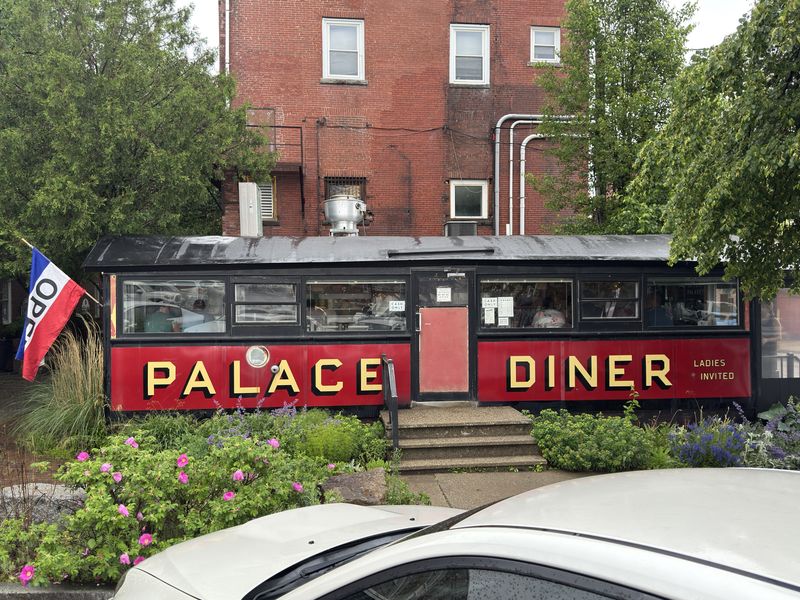
This tiny 1927 diner car serves just fifteen people at a time, making every meal feel intimate and special. Lovingly restored to its original glory, the chrome gleams and the counter shines like new.
Chef-driven comfort food elevates classic diner fare to unexpected heights of deliciousness and creativity. The French toast, made with homemade bread, achieves legendary status among breakfast enthusiasts statewide. Fresh Maine ingredients transform simple dishes into memorable culinary experiences worth traveling miles to enjoy.
Lines form early because word spreads quickly about quality this exceptional in such humble surroundings. The cramped quarters encourage conversation between strangers who become friends over coffee and eggs. James Beard Award recognition brought national attention, but locals knew this secret long before the accolades arrived.
The Horse You Came In On Saloon – Baltimore, Maryland
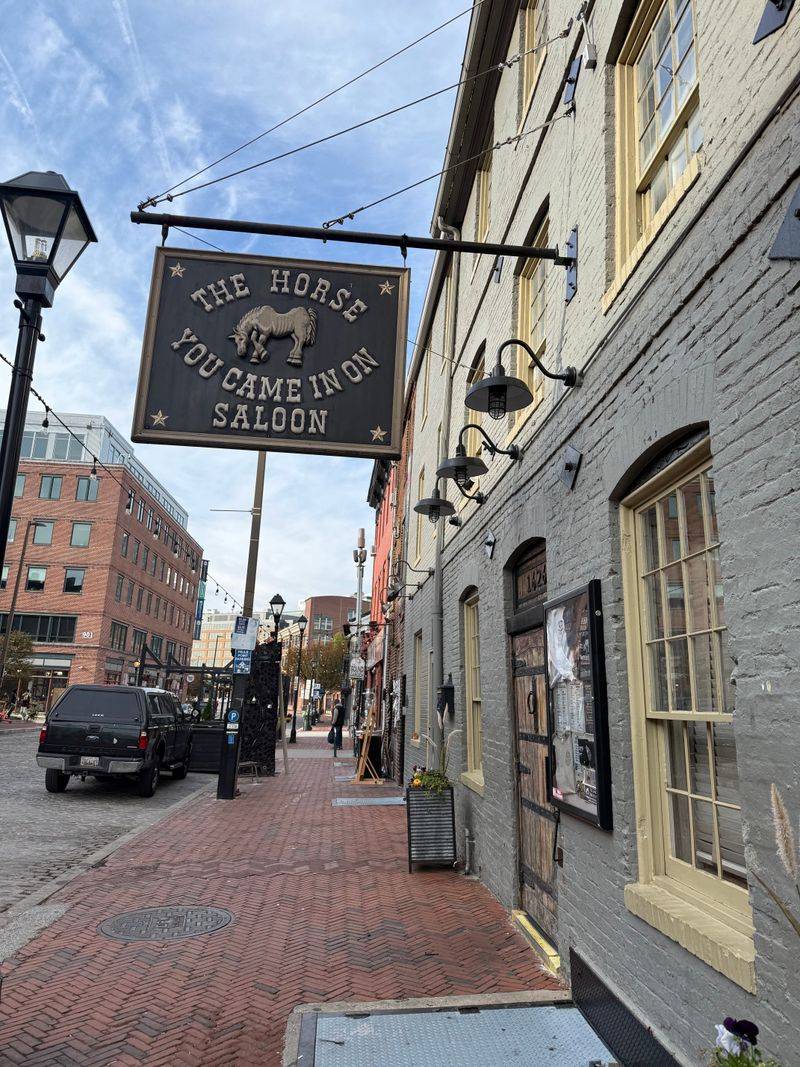
Baltimore’s oldest continuously operating bar opened in 1775, serving sailors, dockworkers, and revolutionaries plotting independence from British rule. Edgar Allan Poe allegedly drank his last drink here before dying mysteriously just days later.
The building’s age shows beautifully in warped wooden floors, low ceilings, and walls that lean slightly after centuries. Live music fills the space nightly, continuing a tradition of entertainment that dates back to colonial times. The atmosphere feels authentically gritty, refusing to sanitize history for modern comfort or tourist expectations.
Ghosts reportedly haunt the upper floors, adding supernatural intrigue to the historical atmosphere already present. Bar food and cold beer satisfy customers seeking substance over fancy presentations. Fells Point’s maritime heritage lives on in this remarkable survivor of Baltimore’s colorful past.
Union Oyster House – Boston, Massachusetts
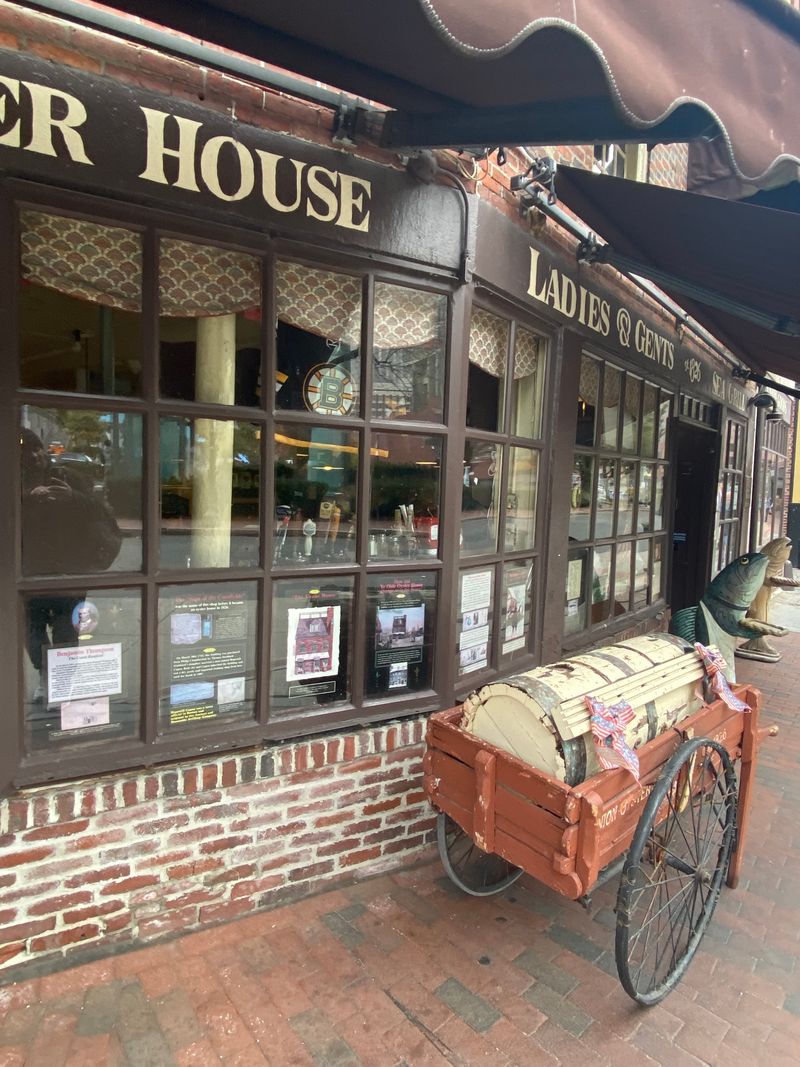
America’s oldest continuously operating restaurant opened in 1826 in a building dating back to 1704. Daniel Webster regularly consumed at least six plates of oysters with brandy while conducting political business here.
The curved oyster bar, unchanged since the 1800s, seats diners on the same stools their great-great-grandparents might have used. Expert shuckers work with impressive speed, opening dozens of fresh oysters hourly for eager customers. Watching them work is entertainment worth the visit alone, showcasing skills perfected through years of practice.
Clam chowder, lobster rolls, and Boston cream pie represent Massachusetts cuisine at its most traditional and satisfying. The building’s historic atmosphere transports diners to colonial Boston without any modern distractions. Tourists and locals alike treasure this connection to America’s revolutionary past and culinary heritage.
Old Tavern Inn – Niles, Michigan
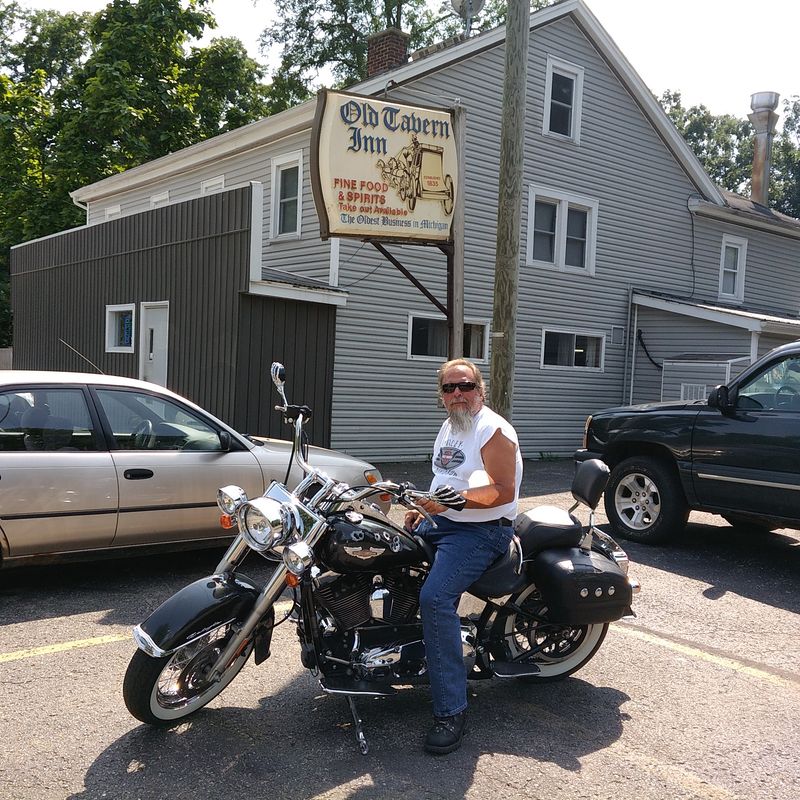
Michigan’s oldest continuously operating restaurant has welcomed guests since 1835, when the frontier was just beginning to feel civilized. The building served as a stagecoach stop, providing weary travelers with meals and rest along their journeys.
Prime rib carved tableside remains the signature dish, prepared exactly as it was generations ago. The Friday fish fry draws crowds from surrounding counties, continuing a Midwestern Catholic tradition faithfully. Homemade soups and fresh-baked bread accompany every meal, adding warmth to already generous hospitality.
Victorian-era décor and antique furnishings create an atmosphere of nostalgic charm that appeals to all ages. The restaurant’s longevity speaks to consistent quality and the community’s loyalty through economic ups and downs. Family celebrations happen here, creating new memories in a place that holds so many old ones dear.
Neumann’s Bar – North St. Paul, Minnesota
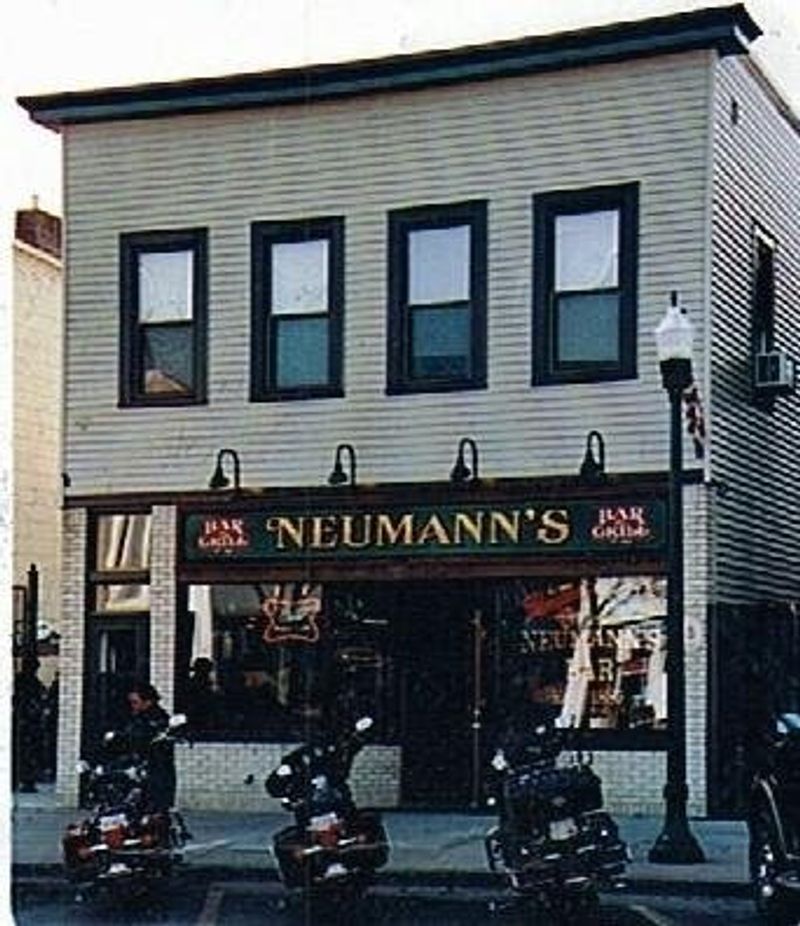
Minnesota’s oldest bar has served the community since 1887, surviving Prohibition by selling soft drinks and staying open legally. The original back bar, imported from Germany, showcases intricate woodcarving that modern craftsmen struggle to replicate.
Regulars occupy the same barstools night after night, maintaining traditions of neighborhood camaraderie and conversation. The jukebox plays a mix of old favorites and newer hits, providing soundtrack to countless stories shared. Pool tables and dartboards offer entertainment between rounds of cold beer and friendly debates.
Burgers and bar food satisfy hunger without pretense or inflated prices that drive away loyal customers. The atmosphere feels like visiting a friend’s basement, comfortable and welcoming to everyone who enters. No fancy cocktails or craft beer snobbery here, just honest drinks served to honest folks.
Weidmann’s – Meridian, Mississippi
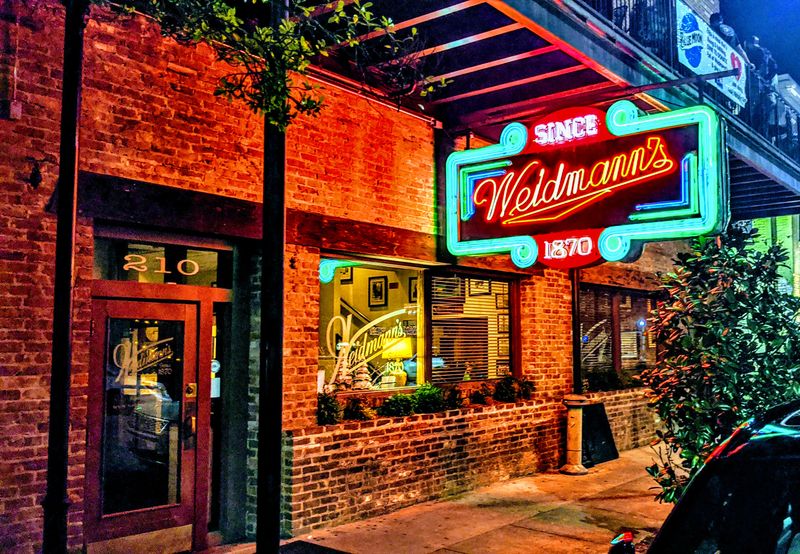
Mississippi’s oldest restaurant opened in 1870, bringing European culinary traditions to the Deep South’s hospitality culture. Swiss immigrant Felix Weidmann combined his homeland’s techniques with local ingredients, creating something uniquely delicious and memorable.
Black bottom pie achieves legendary status, with chocolate and rum creating a dessert that haunts dreams. The recipe remains unchanged because perfection doesn’t need improvement or modern reinterpretation. Fried chicken, seafood gumbo, and other Southern classics round out a menu that satisfies diverse appetites.
The dining rooms maintain elegant simplicity, letting food and service take center stage without distracting décor. Politicians, businesspeople, and families celebrate special occasions here, continuing traditions established over 150 years. Meridian’s history and Weidmann’s story intertwine inseparably, each reflecting the other’s character and resilience through changing times.
Booches Billiard Hall – Columbia, Missouri
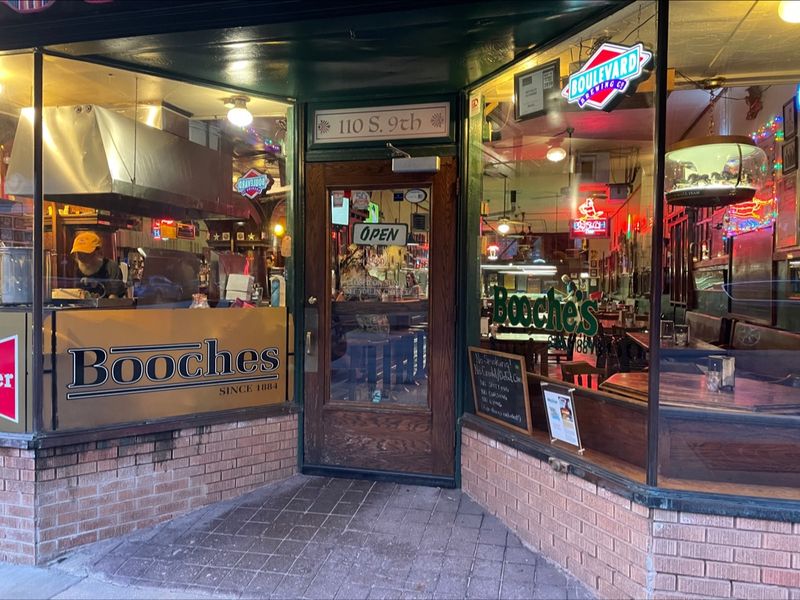
University of Missouri students have fueled their studies with Booches burgers since 1884, making this a true college town institution. The name comes from owner Paul Booche, who operated the pool hall through the early 1900s.
Simple burgers cooked on a flat-top grill achieve perfection through quality beef and time-tested technique. No frills, no fancy toppings, just meat, cheese, pickles, and onions on a toasted bun. The simplicity forces excellence because there’s nowhere to hide mistakes or mask inferior ingredients.
Pool tables remain operational, connecting current students to generations of Tigers who played here before them. The walls display decades of Missouri memorabilia, documenting the university’s growth and achievements. Cold beer and cheap prices keep students coming back throughout their college careers and beyond, creating lifelong loyalty and nostalgia.
Pioneer Bar & Grill – Virginia City, Montana
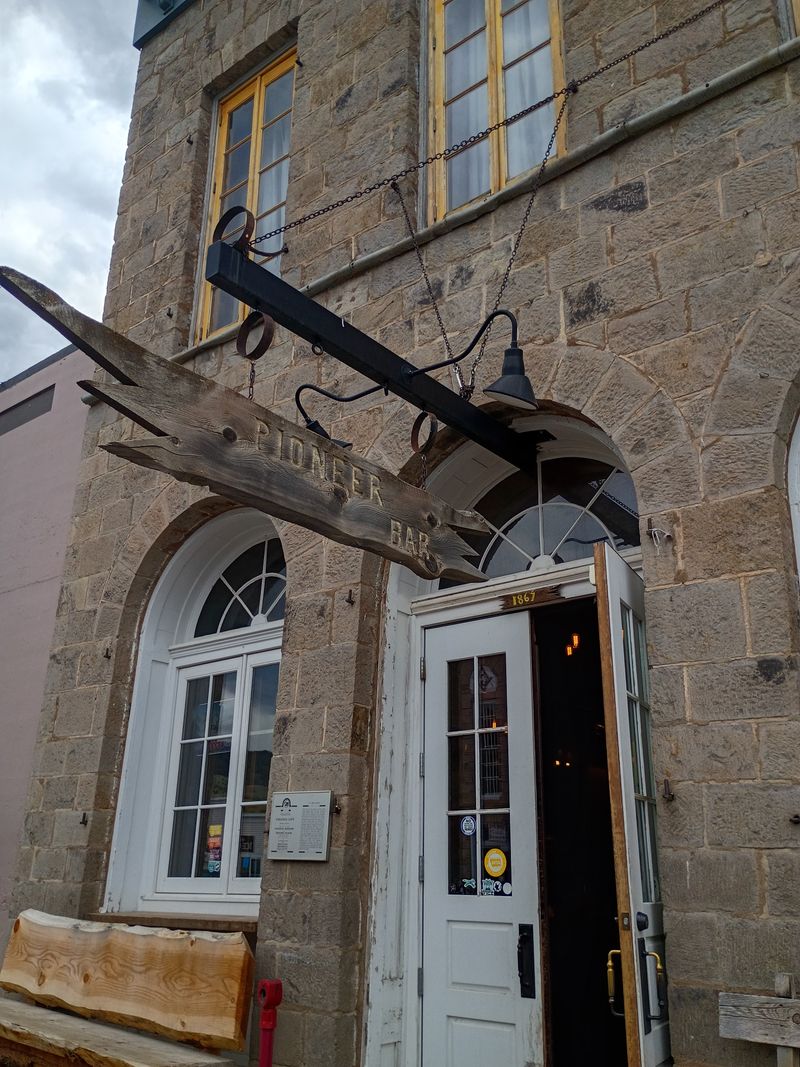
Montana’s gold rush created Virginia City overnight in 1863, and this saloon opened to serve thirsty miners seeking fortune. The bar itself traveled by steamboat and wagon from St. Louis, arriving as fine furniture in rough territory.
Bullet holes, original fixtures, and weathered wood create an atmosphere so authentic it feels like a movie set. But this is real history, preserved by people who understood its value long before tourism became important. The back bar’s ornate mirror reflects faces of visitors wondering what stories these walls could tell.
Burgers, steaks, and cold beer fuel modern visitors exploring Montana’s ghost town history and preserved buildings. Summer brings crowds, but winter offers solitude for those seeking genuine connection with the past. The Pioneer remains a working bar, not a museum, keeping history alive through continued use.
Glur’s Tavern – Columbus, Nebraska
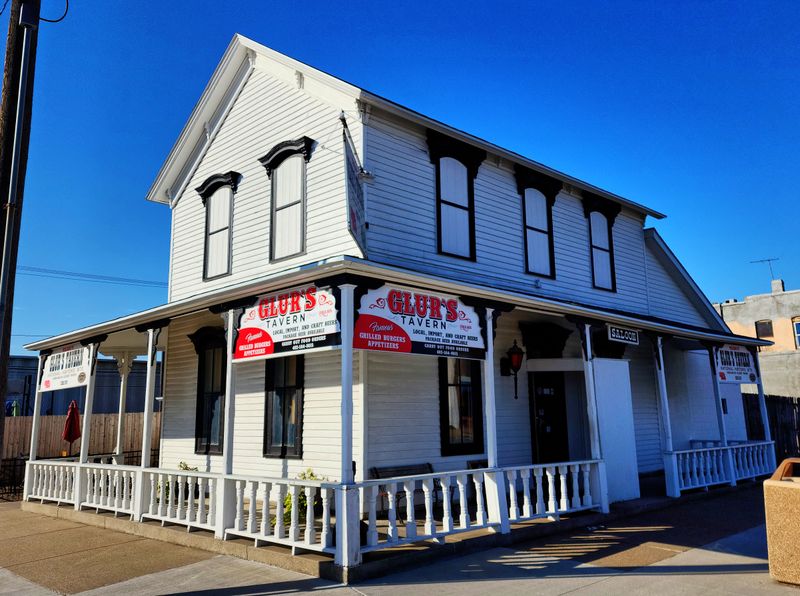
Nebraska’s oldest continuously operating bar opened in 1876, serving German immigrants who settled the prairie seeking farmland and opportunity. Louis Glur built a business that outlasted him by over a century through quality and community connection.
The back bar, imported from Germany in the 1800s, showcases craftsmanship rarely seen in modern establishments. Original woodwork and tin ceiling tiles transport visitors to frontier Nebraska when the railroad was still new. Regulars mix with curious travelers, sharing stories over cold beer and honest conversation.
Bar food is simple but satisfying, perfect for soaking up drinks during long Nebraska evenings. The jukebox plays country music and classic rock, providing background to games of pool and darts. No pretense exists here, just genuine Midwestern hospitality served with every drink poured and every greeting offered warmly.
The Martin Hotel – Winnemucca, Nevada
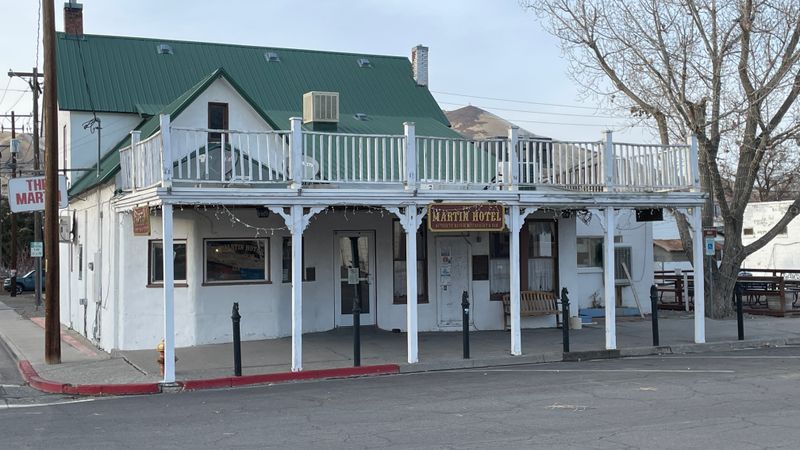
Basque shepherds found home away from home at this hotel when they arrived in Nevada seeking work in the late 1800s. Family-style dining traditions brought from the Pyrenees continue today, with strangers sharing tables and passing platters communally.
Enormous meals include soup, salad, beans, bread, stew, and a main course, all served until everyone is stuffed. The portions seem impossible to finish until you try, then somehow you manage to clean your plate. Lamb dishes honor the Basque shepherding heritage that shaped Nevada’s ranching industry significantly.
Dining here feels like attending a family reunion where you’re related to everyone through shared appreciation for good food. Conversations flow easily between tablemates who arrived as strangers but leave as friends. Reservations are essential because word has spread about this unique dining experience in the high desert.
The Fox Tavern at The Hancock Inn – Hancock, New Hampshire
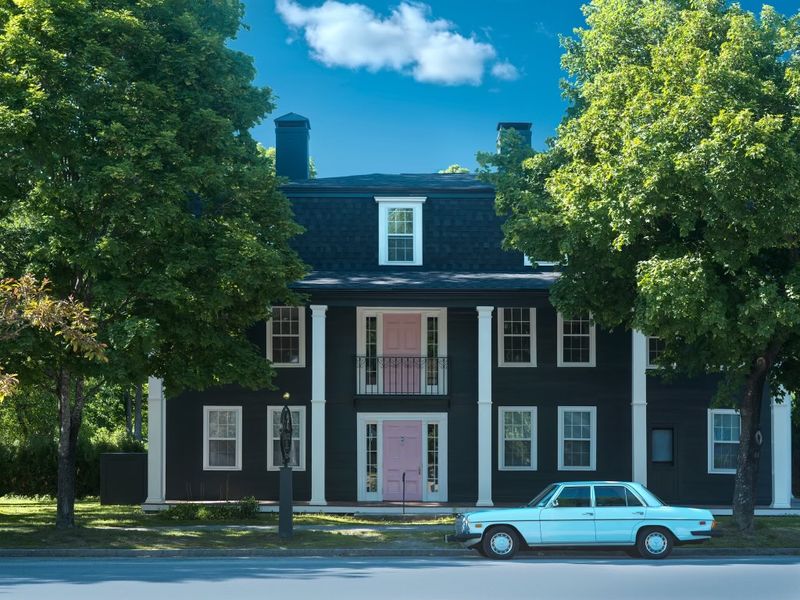
New Hampshire’s oldest continuously operating inn opened in 1789, the same year George Washington became president. Colonial travelers on the Boston-to-Montreal route stopped here for meals, rest, and news from other parts of the young nation.
The Fox Tavern’s low ceilings and wide-plank floors speak to the building’s authentic 18th-century origins. Modern diners sit in rooms where revolutionary-era discussions might have occurred over ale and stew. Yankee pot roast, shepherd’s pie, and other traditional New England fare honor regional culinary heritage respectfully.
A resident ghost named Grace reportedly haunts the upper floors, adding supernatural charm to historical authenticity. The inn’s location in a picturesque New England village completes the time-travel experience perfectly. Overnight guests can sleep in rooms that have sheltered travelers for over 230 years of continuous operation.
Barnsboro Inn – Sewell, New Jersey
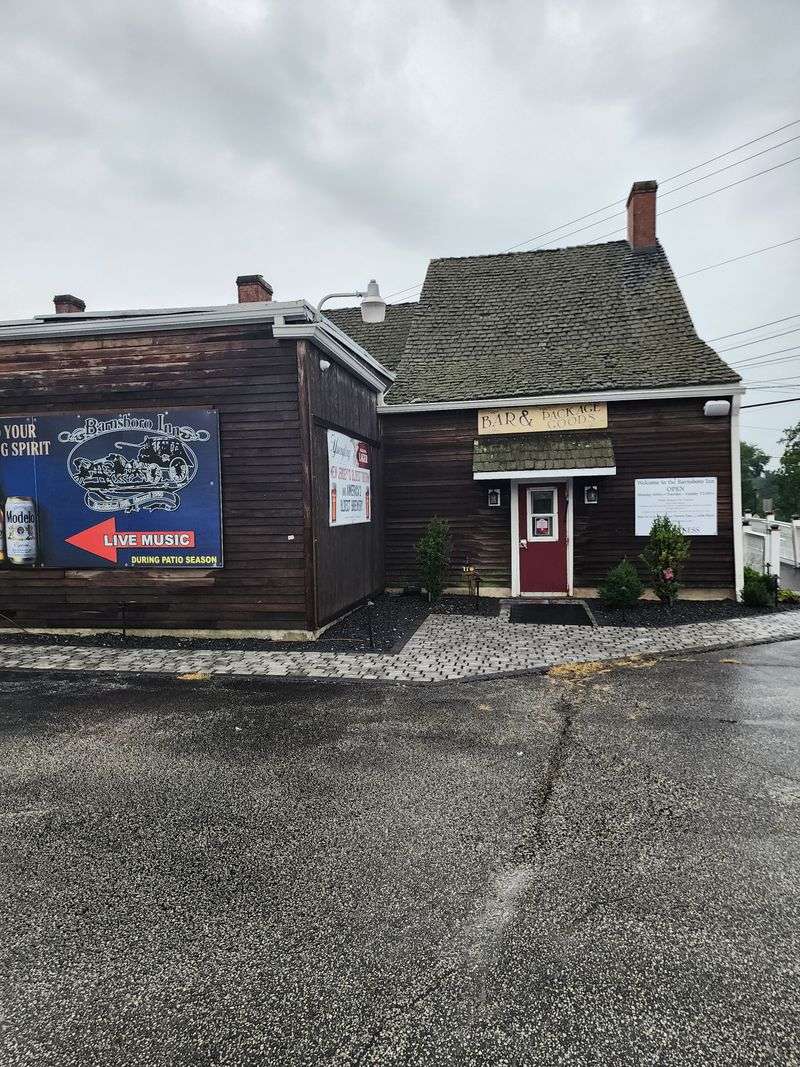
New Jersey’s oldest restaurant opened in 1720 as a stagecoach stop between Philadelphia and the shore. The building’s thick walls and low doorways reflect colonial construction, when people were shorter and winters were colder.
Continental cuisine prepared with modern technique respects the building’s history while satisfying contemporary tastes perfectly. Fresh seafood from nearby waters arrives daily, ensuring quality that has kept customers loyal across three centuries. The wine list impresses with selections that complement the menu’s diverse offerings beautifully.
Multiple dining rooms offer intimate spaces for romantic dinners or private celebrations with family and friends. Fireplaces crackle during winter months, creating cozy warmth reminiscent of colonial hospitality and comfort. The restaurant’s survival through centuries of change demonstrates adaptability while maintaining core values of quality and service that never go out of style.
El Pinto – Albuquerque, New Mexico
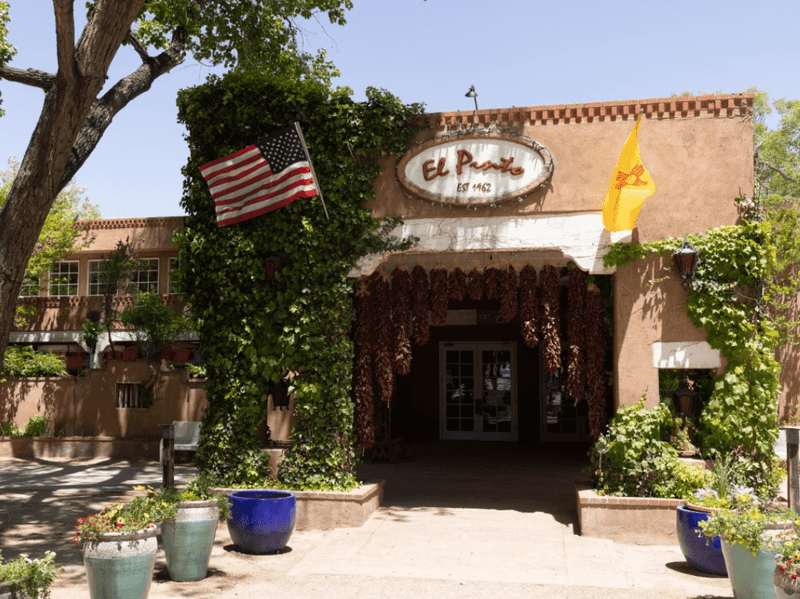
Family recipes from northern New Mexico come alive at this beloved restaurant that started as a small café. The Gonzales family transformed their grandmother’s cooking into a culinary empire that ships salsa nationwide while maintaining authentic flavors.
Red and green chile grown on the family farm ensures freshness and quality control from seed to table. The question “red or green?” challenges visitors unfamiliar with New Mexico’s official state question regarding chile preference. Christmas-style means both, creating a colorful and flavorful combination that represents the state’s cuisine perfectly.
Patio dining under ancient cottonwood trees creates magical evenings, especially during Albuquerque’s famous balloon fiesta. Margaritas flow freely, complementing enchiladas, tamales, and sopapillas drizzled with honey. The restaurant’s success proves that authentic family recipes and genuine hospitality never go out of style, regardless of size or fame.
Fraunces Tavern – New York City, New York
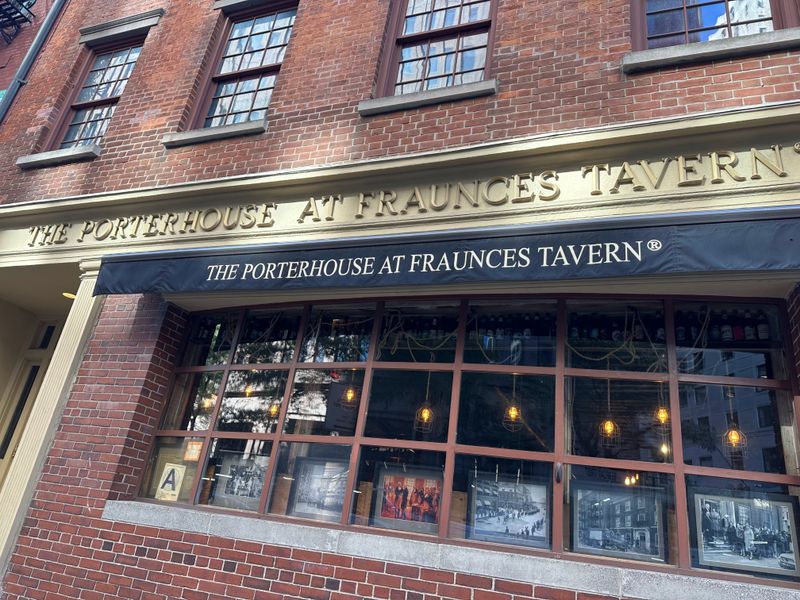
George Washington bid farewell to his officers here in 1783, creating one of American history’s most poignant moments. The building, dating to 1719, survived fires and development that erased most of colonial New York from the modern landscape.
The museum upstairs displays revolutionary-era artifacts and tells stories of the tavern’s role in America’s founding. Downstairs, the restaurant serves traditional American fare in rooms that witnessed history being made firsthand. Sitting where Washington sat creates connections to the past that textbooks can never quite capture adequately.
Wall Street workers and tourists share the dining room, united by appreciation for history and good food. The atmosphere balances reverence for the past with the energy of modern Manhattan perfectly. Reservations help, especially during lunch when nearby offices empty and history-hungry visitors fill every available table quickly.
The Angus Barn – Raleigh, North Carolina
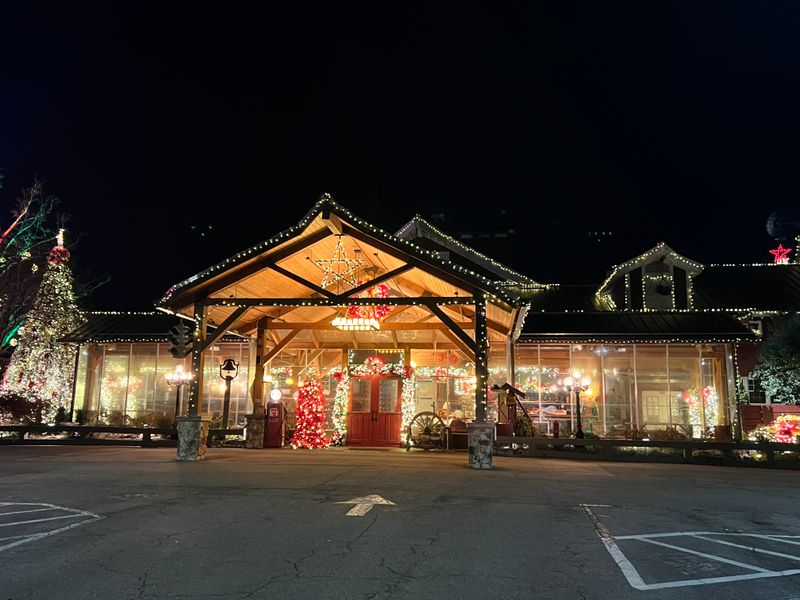
This enormous red barn has served legendary steaks to North Carolinians since 1960, becoming a Raleigh institution. The wine cellar holds over 35,000 bottles, earning awards that rival restaurants in much larger cities.
Aged beef cooked to perfection arrives sizzling alongside twice-baked potatoes and fresh vegetables. The salad bar, legendary in its own right, offers variety that satisfies even the pickiest eaters. Chocolate chess pie for dessert completes meals that feel like special occasions regardless of the actual calendar date.
The building’s rustic charm combines with impeccable service, creating experiences that generate lifelong memories and loyalty. Families celebrate graduations, anniversaries, and promotions here, marking life’s milestones with excellent food. Thad Eure Jr.’s vision created more than a restaurant; he built a gathering place that defines Raleigh’s dining culture beautifully and completely.
The HoDo Restaurant (Hotel Donaldson) – Fargo, North Dakota
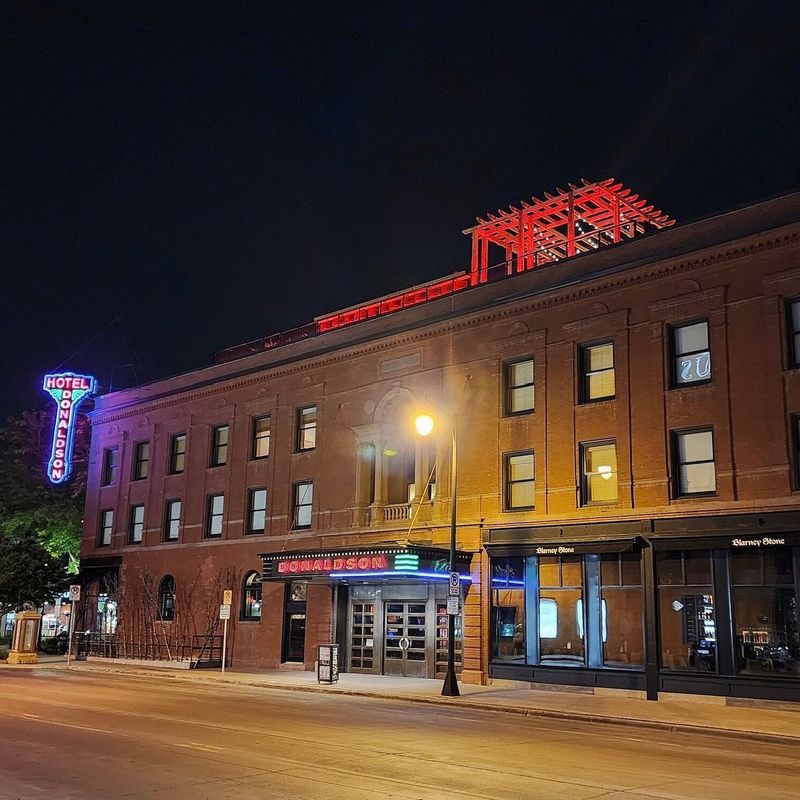
While newer than most entries here, the HoDo occupies a beautifully restored 1893 building that anchors downtown Fargo. The transformation from forgotten structure to boutique hotel and restaurant sparked the city’s urban renewal efforts significantly.
Contemporary American cuisine prepared with locally-sourced ingredients showcases North Dakota’s agricultural bounty creatively and deliciously. The menu changes seasonally, reflecting what farmers and ranchers bring to market throughout the year. Presentation rivals restaurants in much larger cities, proving that culinary excellence isn’t limited to coastal areas.
The dining room’s modern design contrasts beautifully with the building’s historic bones and architectural details. Original brick walls and high ceilings create atmosphere that feels both fresh and respectful of history. Fargo’s dining scene needed this catalyst, and the HoDo delivered beyond anyone’s expectations, becoming a point of pride for the entire community.
The Golden Lamb – Lebanon, Ohio
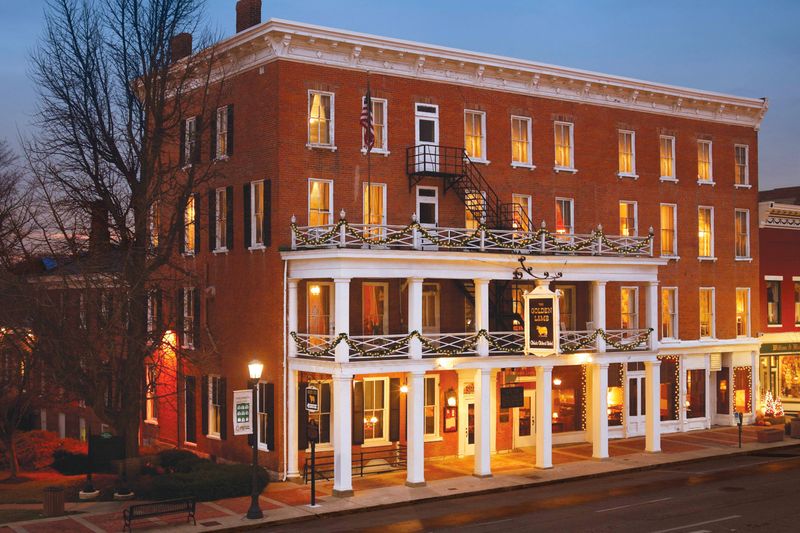
Ohio’s oldest continuously operating business opened in 1803, serving travelers on the stagecoach route between Cincinnati and Columbus. Twelve presidents have dined here, along with countless other notable figures throughout American history.
Each dining room upstairs is named for a famous guest, with period furnishings and memorabilia creating museum-quality atmosphere. Charles Dickens slept here during his American tour, as did Mark Twain and Harriet Beecher Stowe. The building holds stories in every corner, whispered by floorboards that creak under modern footsteps.
Traditional American cuisine emphasizes comfort over trends, with pot roast and fried chicken satisfying appetites unchanged by time. Shaker sugar pie for dessert honors the nearby Shaker community that influenced the region’s culture significantly. Dining here means participating in Ohio history while enjoying hospitality perfected across more than two centuries of continuous service.
Cattlemen’s Steakhouse – Oklahoma City, Oklahoma
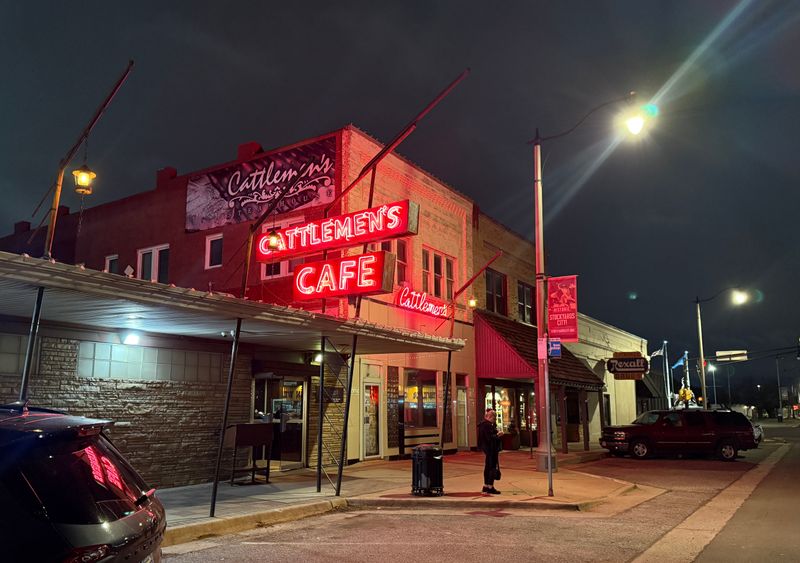
Located in Stockyards City since 1910, this restaurant has fed ranchers, cowboys, and cattle buyers for over a century. The location wasn’t accidental—being near the stockyards meant serving people who understood beef quality intimately.
Massive steaks, lamb fries, and breakfast served 24 hours accommodate schedules dictated by livestock rather than clocks. The early morning crowd includes real working cowboys grabbing food before dawn auctions begin nearby. Authenticity can’t be faked when your customers live the lifestyle your restaurant celebrates daily.
Gene Wade bought the restaurant in 1945, and his family continues operating it with the same commitment to quality. Presidents, celebrities, and regular folks all receive the same generous portions and friendly service. The dining room’s Western décor feels genuine because it reflects the real culture surrounding the restaurant completely and honestly.
Huber’s Café – Portland, Oregon
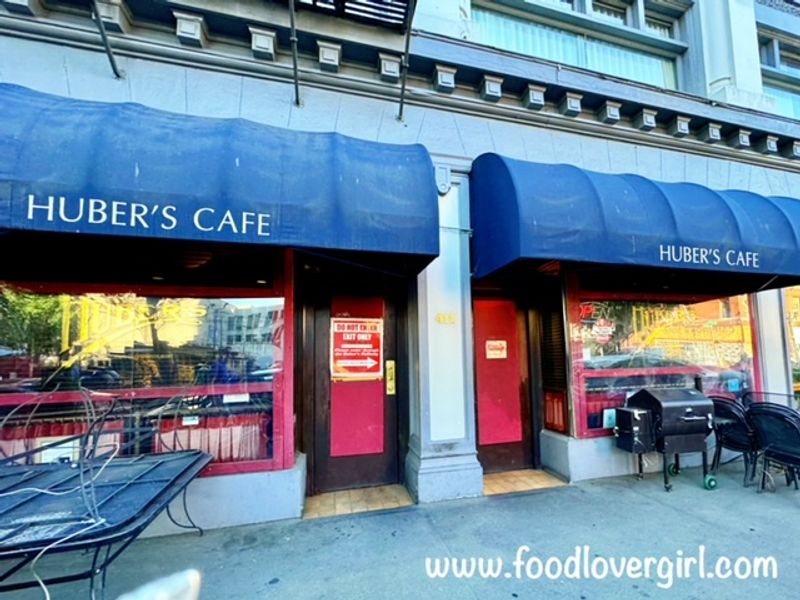
Oregon’s oldest restaurant opened in 1879, making it a Portland institution that has survived economic booms and busts. The spectacular Philippine mahogany paneling and stained glass ceiling create an atmosphere of old-world elegance downtown.
Spanish Coffee prepared tableside with dramatic flaming theatrics has become the restaurant’s signature beyond just the food. Watching skilled servers ignite the drinks provides entertainment that never gets old, no matter how many times witnessed. The turkey dinner, served year-round, satisfies comfort food cravings with Thanksgiving-quality preparation and generous portions.
The location has changed twice, but the restaurant’s character and commitment to quality remained constant throughout. Families return generation after generation, introducing children to traditions their grandparents enjoyed decades earlier. Downtown Portland’s constant evolution makes Huber’s permanence even more remarkable, valued, and appreciated by longtime residents especially.
McGillin’s Olde Ale House – Philadelphia, Pennsylvania
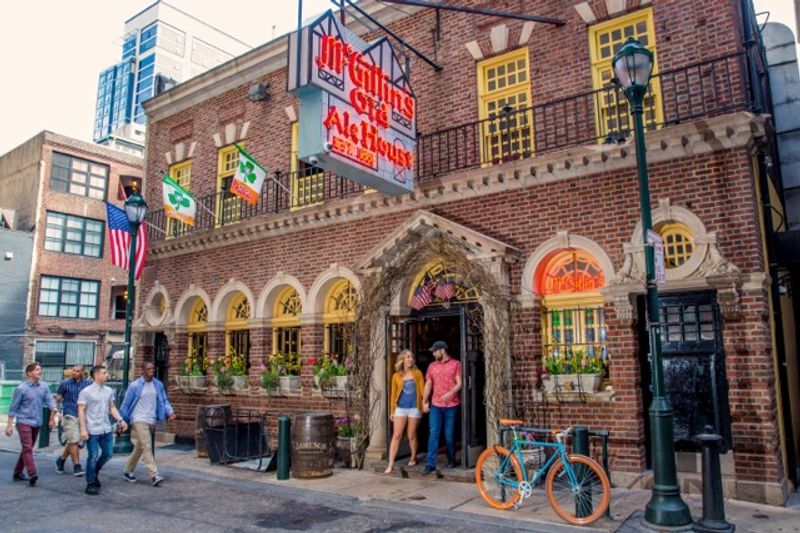
Philadelphia’s oldest continuously operating tavern opened in 1860, serving the city through Civil War, Prohibition, and countless Eagles victories and defeats. The McGillin family operated it for over a century before selling to the Mullins and Spaniak families.
The narrow building tucked on a side street near City Hall feels like discovering a secret despite its fame. Wooden booths, vintage beer signs, and friendly bartenders create atmosphere that feels authentically Philly through and through. The wings are legendary, and the beer selection showcases Pennsylvania’s thriving craft brewing scene alongside traditional favorites.
During Prohibition, McGillin’s survived by serving “near beer” and food, waiting patiently for sanity to return. Sports fans pack the place during games, creating energy that shakes the old building’s foundations. Tourists and locals share space, united by appreciation for cold beer and Philadelphia’s rich tavern traditions.
The White Horse Tavern – Newport, Rhode Island
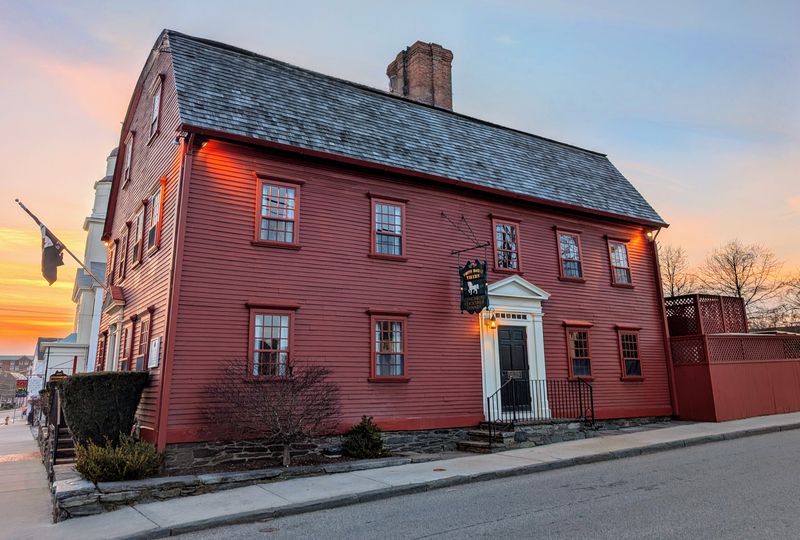
America’s oldest operating tavern opened in 1673, when Newport was a thriving colonial port city. The building served as a meeting place for Rhode Island’s General Assembly and Criminal Court before dedicated government buildings existed.
The dark wood, low ceilings, and massive fireplaces create an atmosphere so authentic that modern visitors feel transported to colonial times. Contemporary American cuisine prepared with refined technique respects history while satisfying modern palates expecting excellence. Beef Wellington and fresh seafood showcase the kitchen’s range and skill beautifully.
Dining here requires reservations and appropriate attire, maintaining standards befitting the building’s historic significance and elegance. The experience costs more than casual dining, but the setting and quality justify the investment completely. Newport’s Gilded Age mansions may be grander, but none can match this tavern’s connection to America’s earliest days and founding.
Villa Tronco – Columbia, South Carolina
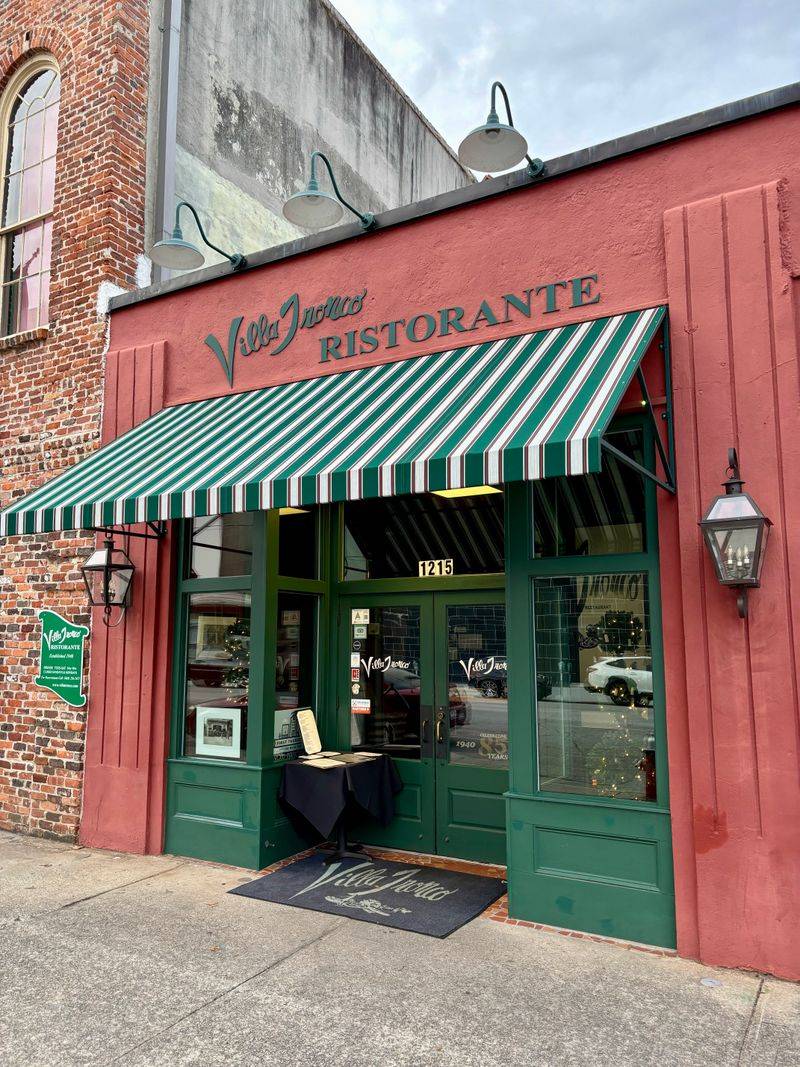
Italian immigrants brought their family recipes to Columbia in 1940, creating South Carolina’s oldest Italian restaurant. The Tronco family’s commitment to authentic preparation and fresh ingredients built loyalty that spans multiple generations of customers.
Red-checkered tablecloths and Chianti bottles create a classic Italian-American atmosphere that feels nostalgic and comforting. Pasta made fresh daily and sauces simmered for hours produce flavors that can’t be rushed or faked. The veal dishes showcase old-world technique rarely found outside Italian grandmothers’ kitchens anymore.
Family ownership ensures consistency and quality control that corporate restaurants struggle to match despite larger resources. Regulars have favorite tables and usual orders, treated like family by servers who remember their names. Columbia’s dining scene has evolved dramatically, but Villa Tronco remains a constant, proving that classic never goes out of style completely.
Deadwood Social Club – Deadwood, South Dakota
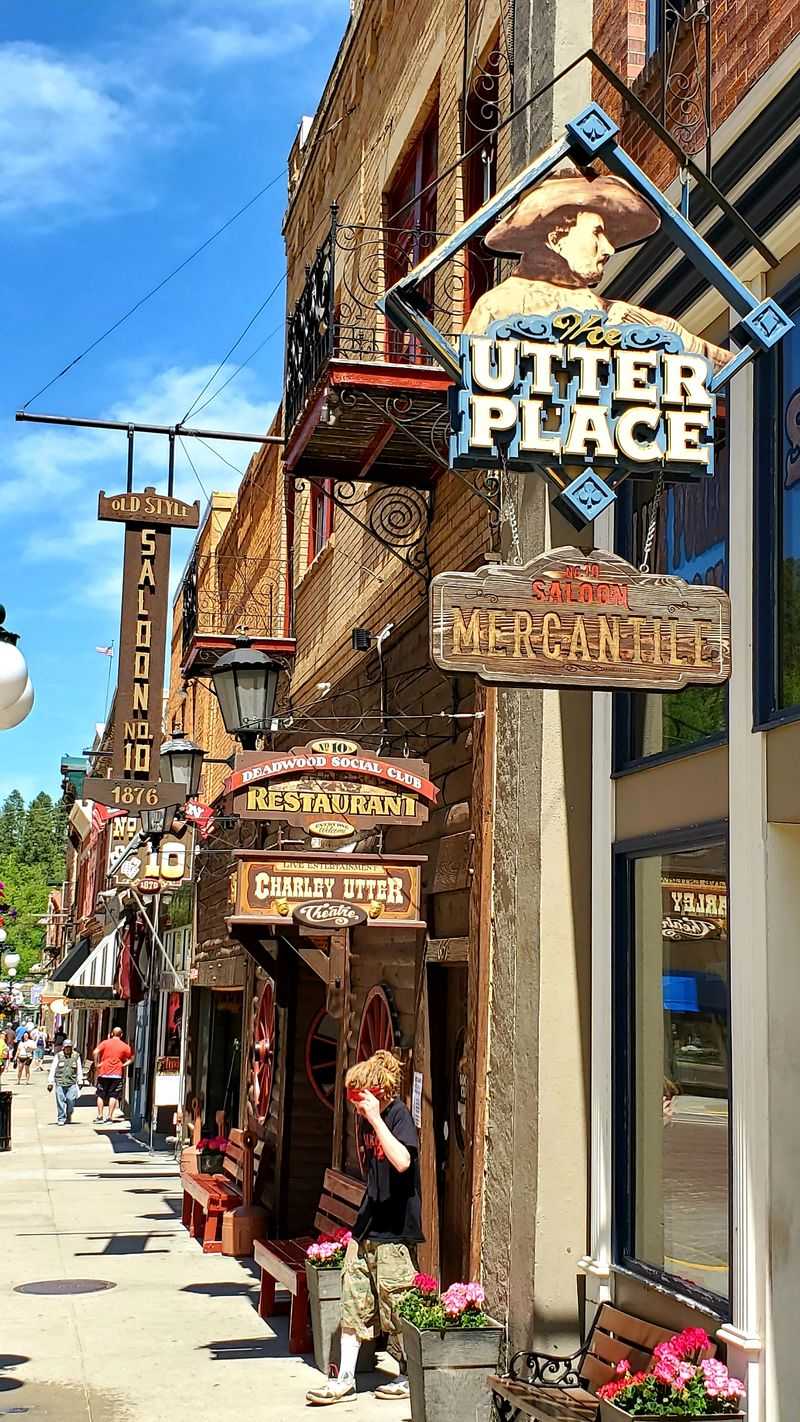
Located above Saloon Number 10 where Wild Bill Hickok was shot, this restaurant occupies a building steeped in Wild West history. Deadwood’s gold rush era created the town overnight, and this building witnessed the chaos, violence, and opportunity.
Contemporary cuisine prepared with fresh ingredients contrasts beautifully with the historic setting’s rough edges and authentic character. Walleye, bison, and pheasant celebrate South Dakota’s natural resources and hunting traditions respectfully. The wine list impresses visitors who didn’t expect such sophistication in a former gold rush town.
Exposed brick walls and original tin ceilings preserve the building’s 19th-century character while accommodating modern comfort. Dining here means experiencing Deadwood beyond the casinos and tourist traps that dominate the main street. Reservations are wise, especially during motorcycle rallies when the town’s population explodes with visitors seeking Black Hills adventure and history.
Varallo’s – Nashville, Tennessee
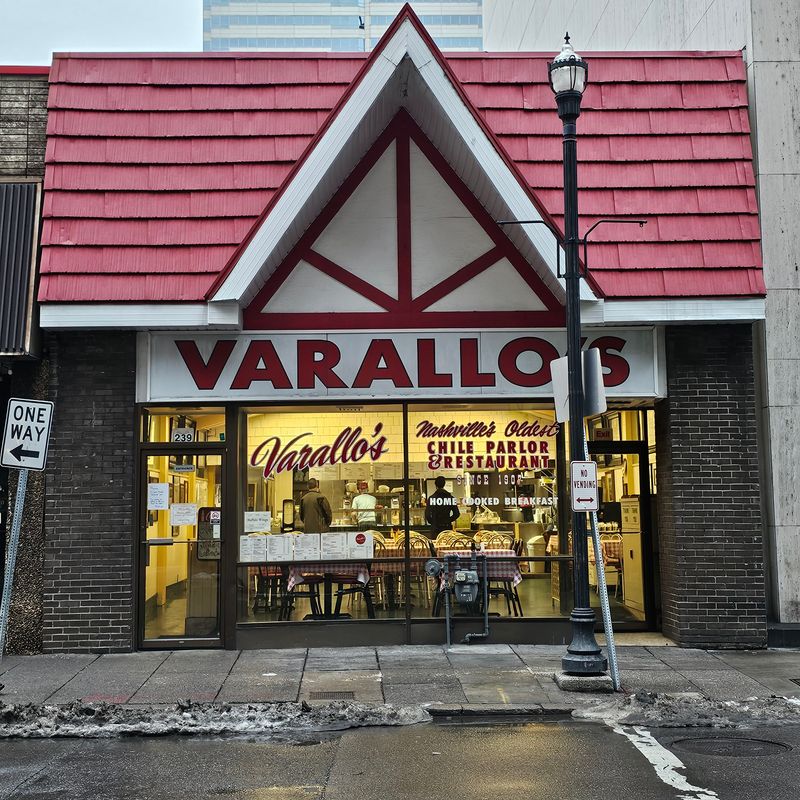
Nashville’s oldest restaurant opened in 1907, serving workers building the city into the capital it is today. The original chili recipe, brought from Italy by founder Frank Varallo Sr., remains unchanged and beloved by generations.
The three-way (spaghetti, chili, and beans) has fueled Nashville musicians, construction workers, and office employees for over a century. Tamales served with chili represent the unique fusion that defines Nashville’s working-class food culture. Everything arrives quickly, hot, and reasonably priced, respecting customers’ time and budgets equally.
The downtown location has changed, but the commitment to quality and speed never wavered through economic changes. Counter service and simple tables keep overhead low and prices affordable for everyone, regardless of income. Varallo’s proves that longevity comes from consistent quality and fair treatment of customers who become family over time and shared meals.
Scholz Garten – Austin, Texas
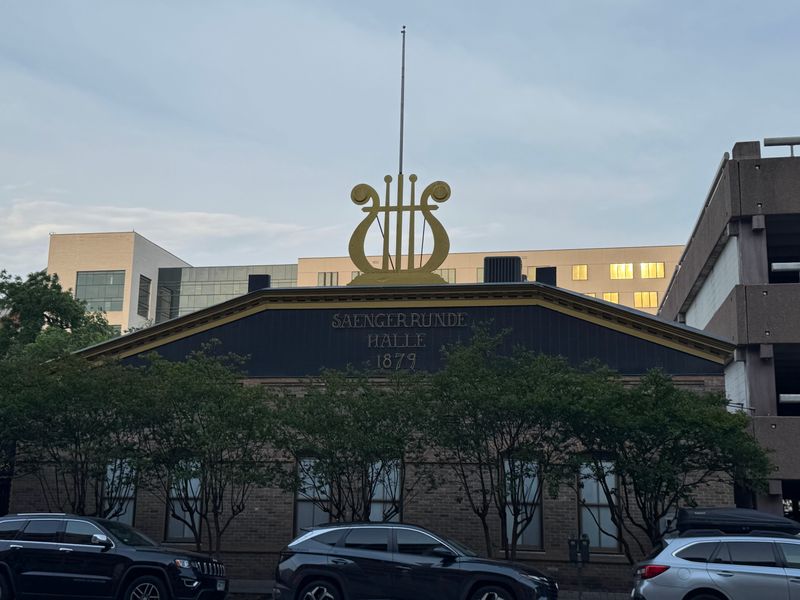
Austin’s oldest continuously operating business opened in 1866 as a German beer garden serving the city’s immigrant population. The outdoor biergarten, shaded by ancient oak trees, provides escape from Texas heat while enjoying cold beer.
German immigrants brought traditions of communal outdoor drinking and simple food that complemented beer perfectly. Bratwurst, pretzels, and potato salad honor those origins while satisfying modern appetites for authentic flavors. The beer selection emphasizes Texas craft breweries alongside German imports, bridging old world and new.
University of Texas fans gather here before football games, continuing traditions their grandparents started decades earlier. Political discussions happen over beer, just as they did when the building served as Democratic Party headquarters. Scholz Garten survived by adapting to Austin’s growth while maintaining the core values that made it special from the beginning.
The Oaks – Ogden Canyon, Utah
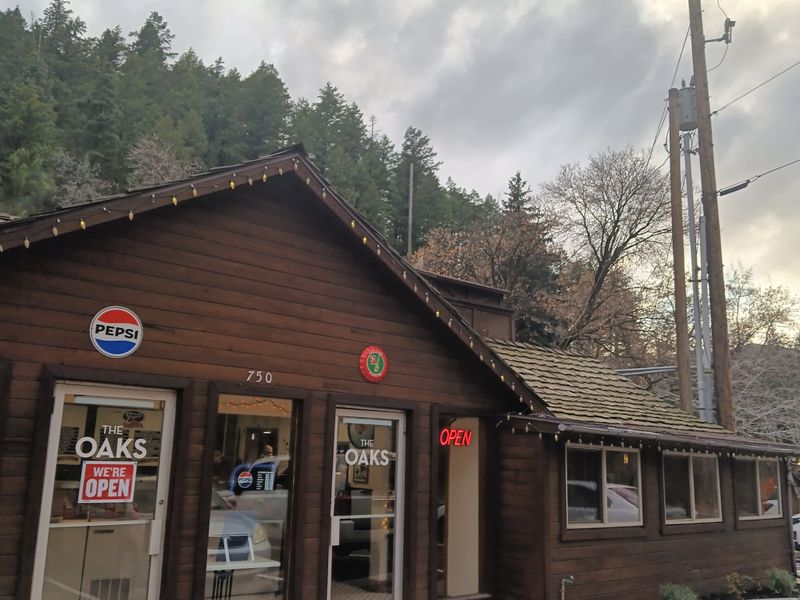
Nestled in Ogden Canyon since 1933, this restaurant serves diners surrounded by stunning mountain scenery year-round. The stone fireplace and log construction create a cozy lodge atmosphere perfect after hiking or skiing nearby.
Trout pulled fresh from the Ogden River once stocked the menu, connecting diners directly to the landscape. Today, steaks and seafood satisfy visitors seeking hearty meals after outdoor adventures in Utah’s beautiful mountains. The setting makes every meal feel special, whether it’s a casual lunch or anniversary celebration.
The building survived floods and fires that threatened to end its story multiple times throughout the decades. Each rebuilding effort preserved the character that makes The Oaks a beloved destination for locals and tourists. Summer brings motorcyclists cruising the canyon, while winter attracts skiers heading to nearby resorts seeking warmth and sustenance.
Ye Olde Tavern – Manchester, Vermont
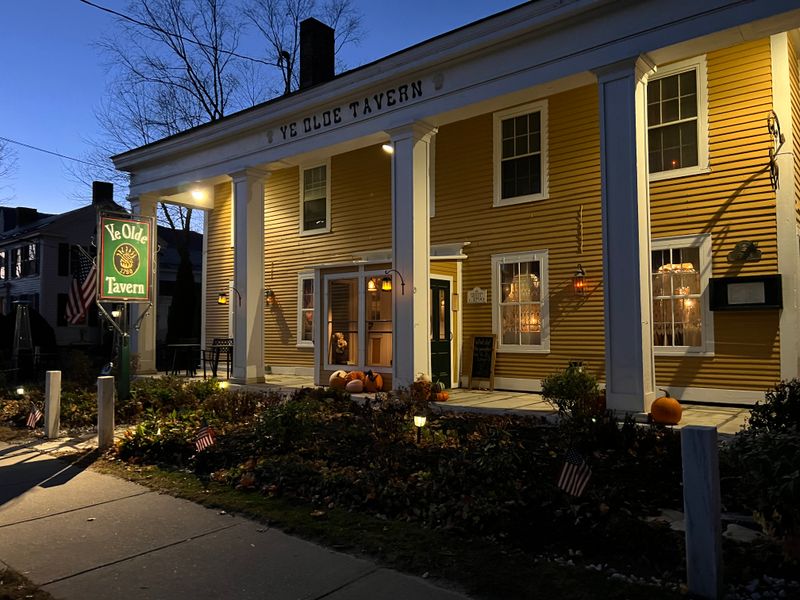
Vermont’s oldest restaurant opened in 1790, serving travelers on the post road between Boston and Montreal. The building’s colonial architecture and period furnishings transport diners to early America when Vermont was newly admitted to the Union.
Traditional New England fare emphasizes local ingredients and time-honored preparation methods passed down through generations. Maple syrup features prominently, celebrating Vermont’s most famous agricultural product in both sweet and savory applications. Turkey dinners, pot roast, and apple pie satisfy comfort food cravings year-round, but especially during cold winters.
The tavern’s location in picture-perfect Manchester Village adds to the historic atmosphere and charm significantly. Outlet shopping and skiing bring visitors, but the tavern’s reputation for quality keeps them coming back repeatedly. Dining here means experiencing Vermont’s hospitality traditions that have welcomed travelers for over 230 years of continuous operation and service.
The Red Fox Inn & Tavern – Middleburg, Virginia
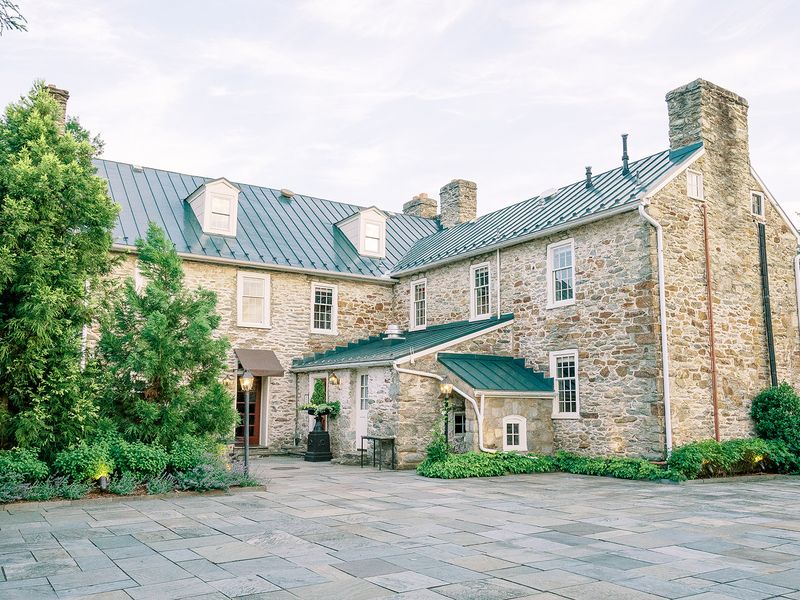
Virginia hunt country’s most famous inn opened in 1728, serving travelers and locals for nearly 300 years continuously. The building’s fieldstone construction and colonial architecture represent some of America’s oldest surviving commercial structures still operating.
The tavern has hosted everyone from Revolutionary War officers to modern presidents seeking privacy in Virginia’s countryside. Low ceilings, uneven floors, and massive fireplaces create atmosphere that no modern construction can replicate authentically. Contemporary American cuisine prepared with seasonal ingredients respects tradition while embracing current culinary excellence and innovation.
Middleburg’s horse culture influences the menu subtly, with hearty portions satisfying appetites built by days outdoors. The wine list emphasizes Virginia’s growing wine industry alongside international selections carefully chosen. Overnight accommodations let guests experience colonial-era lodging updated with modern comfort, completing the journey through Virginia’s history beautifully and memorably.
Merchant’s Cafe & Saloon – Seattle, Washington
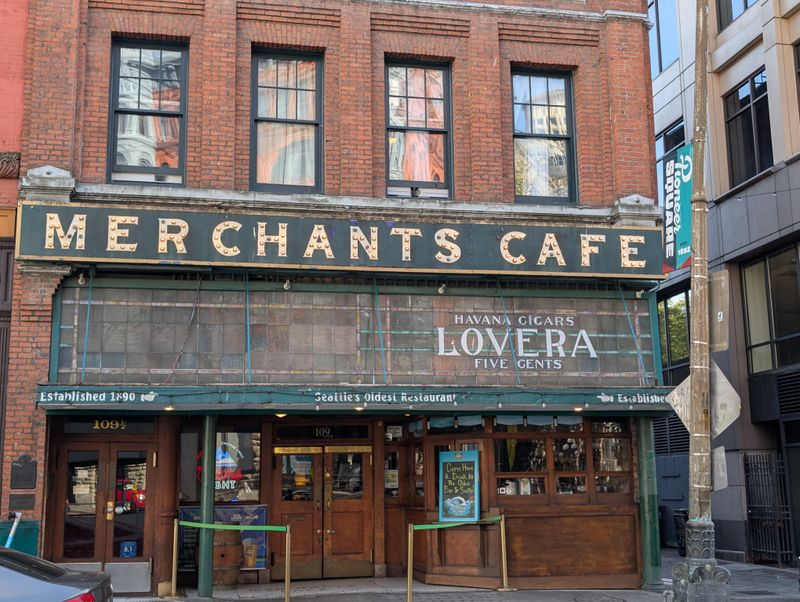
Seattle’s oldest restaurant opened in 1890, serving miners heading to Alaska’s gold fields seeking fortune and adventure. The building survived the Great Seattle Fire and subsequent rebuilding that created the city’s famous underground.
Located in Pioneer Square, the restaurant occupies Seattle’s original downtown area, now revitalized and historic. The bar’s ornate woodwork and vintage fixtures survived Prohibition and numerous ownership changes through the decades. Ghost tours stop here regularly because multiple spirits reportedly haunt the building’s upper floors and basement.
Traditional American fare and Washington craft beers satisfy modern diners seeking connection to Seattle’s colorful past. The atmosphere balances tourist appeal with genuine local character, avoiding the theme-park feeling some historic establishments develop. Merchant’s proves that respecting history doesn’t mean being stuck in it, adapting while maintaining the character that makes it special and worth preserving.
The North End Tavern & Brewery – Parkersburg, West Virginia
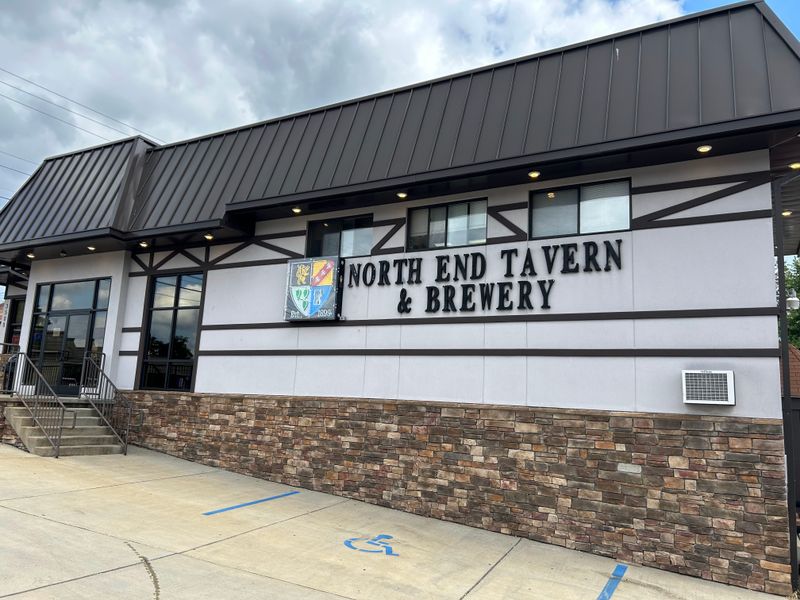
West Virginia’s oldest continuously operating bar opened in 1899, serving the oil and gas workers who built Parkersburg’s economy. The building’s Victorian architecture and original fixtures survived economic booms and busts that transformed the region repeatedly.
Adding a brewery modernized the tavern while respecting its historic character and commitment to quality drinks. House-brewed beers complement traditional bar food, creating combinations that satisfy after long workdays. The brewing equipment visible behind glass connects modern craft beer culture to tavern traditions dating back centuries.
Regulars and newcomers share the bar, swapping stories over cold beer in atmosphere that encourages conversation. The jukebox plays country music and classic rock, providing soundtrack to games of pool and darts. Parkersburg’s challenges haven’t dimmed the North End’s appeal; if anything, its constancy provides comfort during uncertain times for the entire community.
Red Circle Inn – Nashotah, Wisconsin
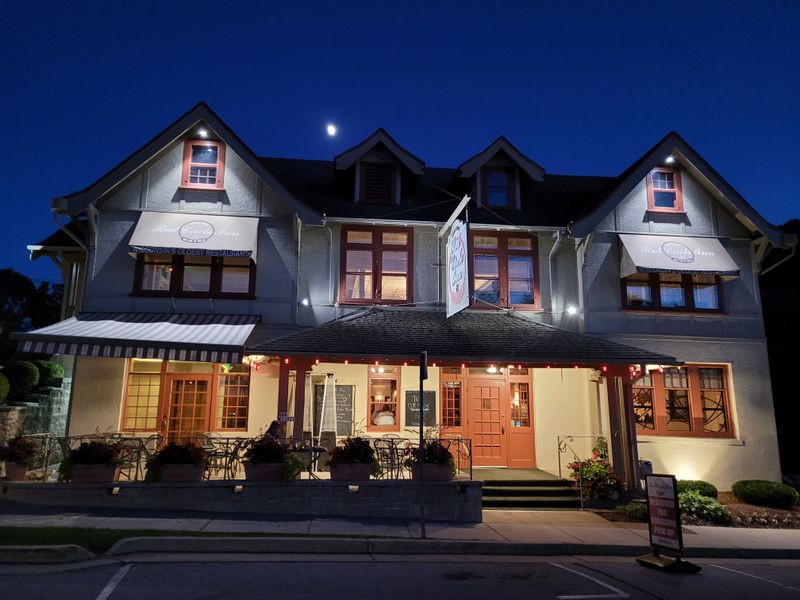
Wisconsin’s second-oldest restaurant opened in 1848 as a stagecoach stop between Milwaukee and Madison. The building served travelers needing rest and meals along the muddy, difficult roads connecting Wisconsin’s growing cities.
Classic Wisconsin supper club traditions define the dining experience here, with relish trays and old fashioneds starting every meal. Friday fish fry draws crowds from surrounding counties, continuing a Catholic tradition that became universal Wisconsin culture. Prime rib on weekends satisfies carnivores seeking quality beef prepared with time-tested technique and careful attention.
The lakeside location provides beautiful views that enhance meals during every season of Wisconsin’s dramatic weather. Summer patios and cozy winter dining rooms adapt to conditions while maintaining consistent hospitality year-round. Family ownership through multiple generations ensures traditions continue while adapting to changing tastes and expectations carefully and thoughtfully always.
Miners and Stockmen’s Steakhouse – Hartville, Wyoming
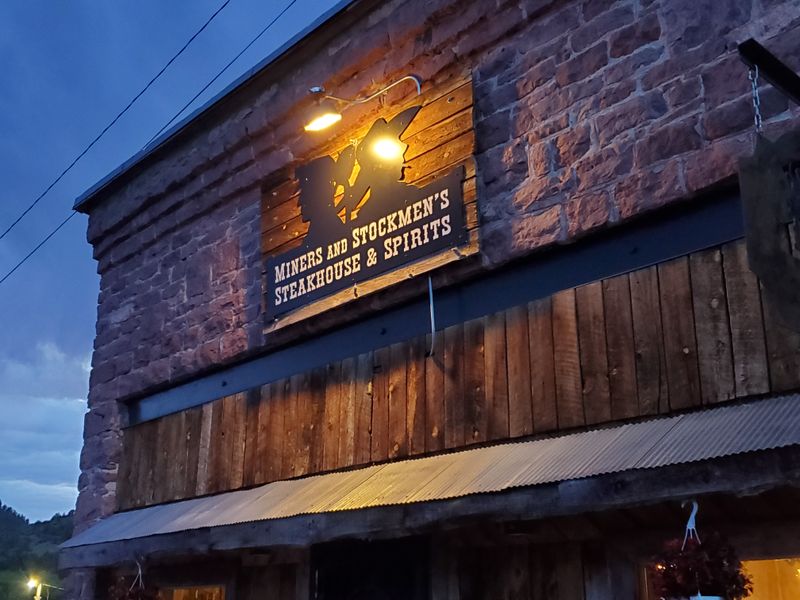
Wyoming’s oldest bar and restaurant opened in 1862, serving copper miners and ranchers in this tiny high-plains community. The population of Hartville hovers around 60 people, but the restaurant draws visitors from across the state and beyond.
Massive steaks cooked over an open pit create smoky, delicious flavors that define Wyoming ranch cooking perfectly. The meat comes from local ranches, ensuring quality and supporting the community that has supported this restaurant. Portions are generous because Wyoming’s work demands fuel, and skimpy servings insult both cook and customer.
The bar’s collection of antique guns, mining equipment, and ranching tools documents Wyoming’s frontier history authentically. Conversations at the bar connect strangers through shared appreciation for wide-open spaces and honest living. Visiting Miners and Stockmen’s means experiencing Wyoming’s character distilled into one unforgettable meal in an unlikely location that somehow makes perfect sense.