


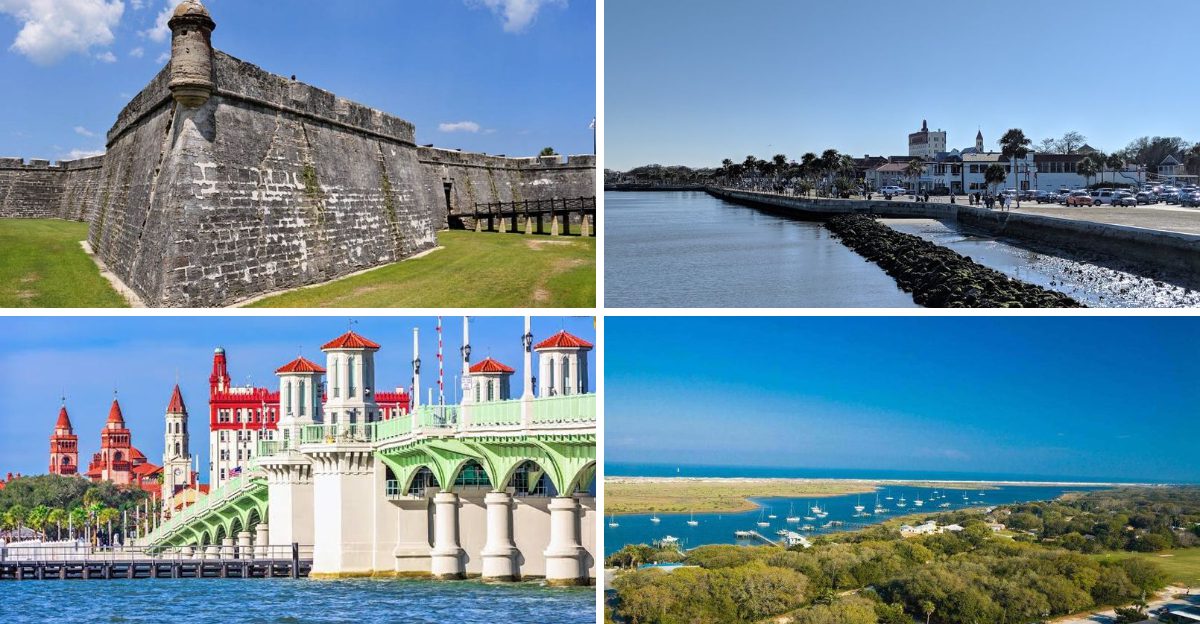
Tucked along the northeast coast of Florida, St. Augustine is unlike any other city in America. Founded in 1565, it holds the title of the oldest continuously occupied European settlement in the United States, making every cobblestone street and centuries-old building feel like a living history lesson.
From stunning Spanish colonial architecture to breezy Atlantic Ocean beaches, this city offers something for every kind of traveler. Whether you are a history buff, a beach lover, or simply looking for a charming getaway, St. Augustine will capture your heart the moment you arrive.
Castillo de San Marcos: A Fortress Frozen in Time
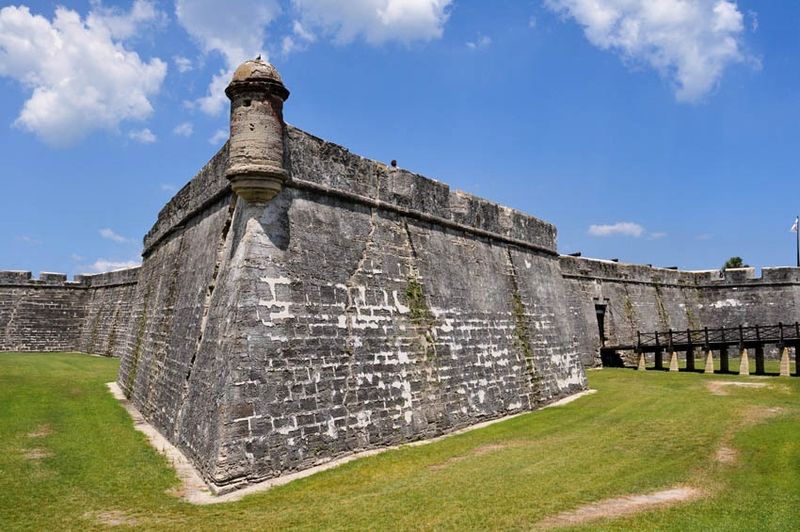
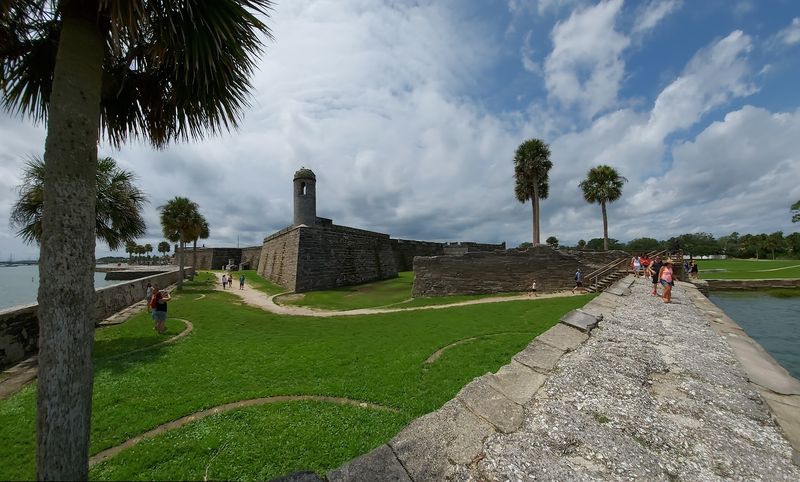
Standing tall since 1695, the Castillo de San Marcos is one of the most awe-inspiring landmarks you will ever set eyes on. Built by the Spanish from a shell-based stone called coquina, this fortress was designed to protect St. Augustine from enemy attacks — and it did its job remarkably well.
The coquina walls are so tough that cannonballs would actually sink into them rather than shatter them apart. Walking through the fort today feels genuinely dramatic, like stepping into a chapter of a history book.
You can explore the inner rooms, climb to the upper deck, and gaze out over the shimmering St. Augustine Inlet.
Rangers offer engaging talks that bring the stories of soldiers, sieges, and colonial life to vivid reality. Admission is affordable, and the views alone are worth every penny.
Do not leave St. Augustine without visiting this national monument.
St. Augustine Beach: Sandy Shores and Atlantic Breezes
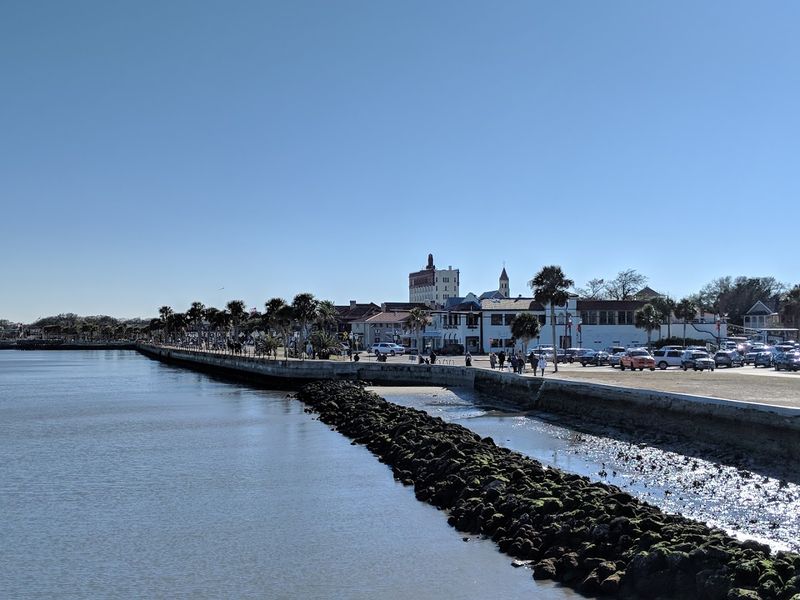
Few things beat the feeling of warm sand between your toes and a cool ocean breeze on your face. St. Augustine Beach delivers exactly that — a wide, welcoming stretch of Atlantic coastline that draws families, couples, and solo travelers year after year.
The beach has a laid-back, friendly vibe that feels refreshingly unhurried compared to busier Florida resort towns. You will find lifeguards on duty during peak season, beach volleyball nets, and nearby restaurants serving fresh seafood just steps from the water.
Surfing is popular here too, with consistent waves that attract both beginners and seasoned surfers.
Parking is relatively easy to find, and the beach town itself has a charming selection of shops and casual eateries. Sunrise walks along the shoreline are particularly magical, painting the sky in brilliant shades of orange and pink.
Pack a picnic and plan to stay all day.
The Historic District: Where Every Street Tells a Story
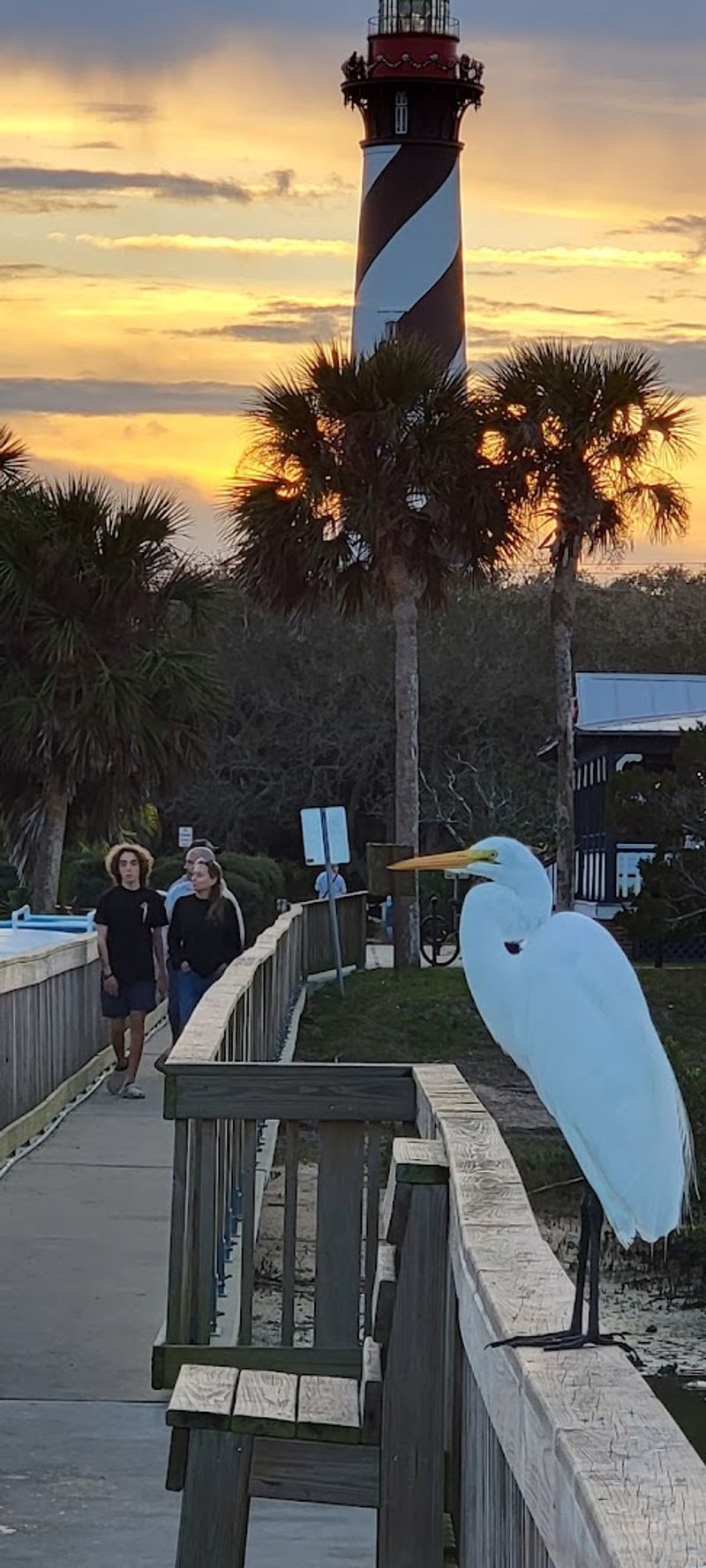
Strolling through St. Augustine’s Historic District feels like wandering through a beautifully preserved postcard from the past. The narrow streets, many still paved with old cobblestones, are lined with Spanish colonial buildings, charming boutiques, art galleries, and cozy cafes.
St. George Street is the heart of it all — a pedestrian-friendly stretch bursting with energy, history, and local flavor. Street performers entertain passersby, and the aroma of fresh pastries drifts out of bakery doors.
History plaques dot the route, giving curious visitors bite-sized facts about the buildings and people who shaped this remarkable city.
The best way to experience the district is simply on foot, moving at your own pace and ducking into whatever catches your eye. Horse-drawn carriage rides are also available for a more romantic, old-fashioned perspective.
No matter how you explore it, the Historic District never disappoints.
Anastasia State Park: Wild Florida at Its Finest
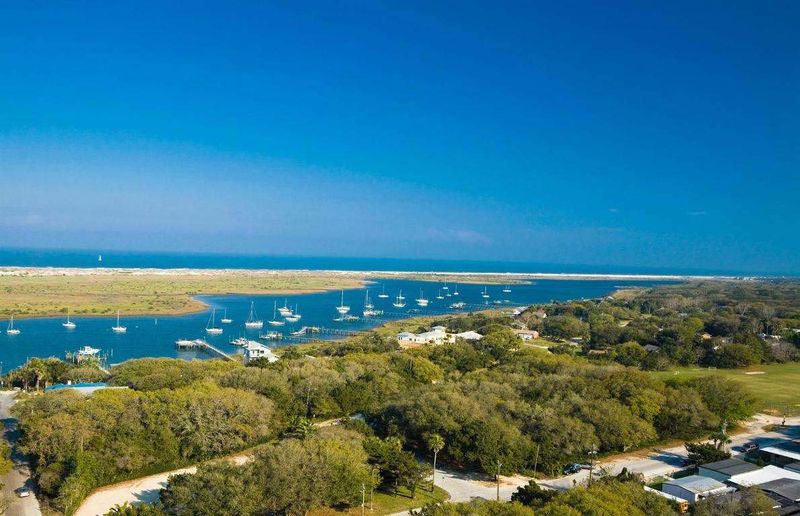
Just across the Bridge of Lions from downtown, Anastasia State Park is a stunning reminder of what Florida looked like long before highways and hotels arrived. Spanning over 1,600 acres, this protected wildlife sanctuary offers beaches, tidal marshes, ancient coquina rock formations, and dense coastal forests.
Birdwatchers absolutely love it here. Over 160 species of birds have been spotted within the park, making it a prime destination for nature enthusiasts with binoculars in hand.
Kayaking and canoeing through the calm Salt Run lagoon is a peaceful way to experience the park’s quieter side.
Camping is available for those who want to fall asleep to the sound of ocean waves and wake up to birdsong. The park also has picnic areas, nature trails, and a boat launch.
Anastasia State Park proves that wild, unspoiled Florida is still very much alive and worth protecting.
Flagler College: A Gilded Age Gem You Can Actually Visit
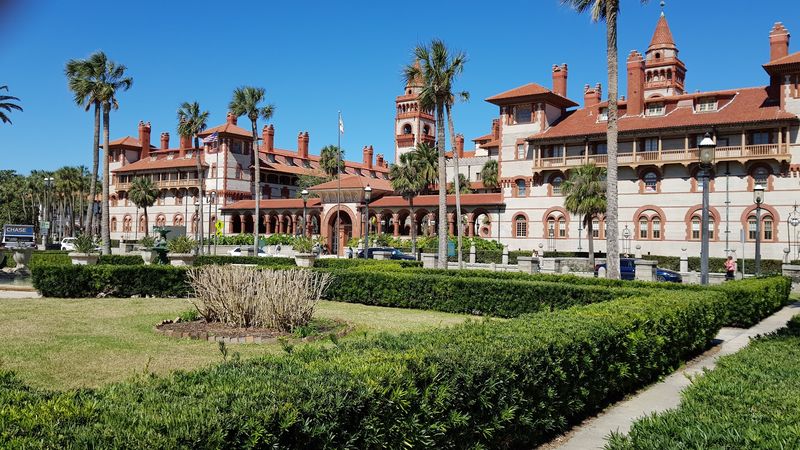
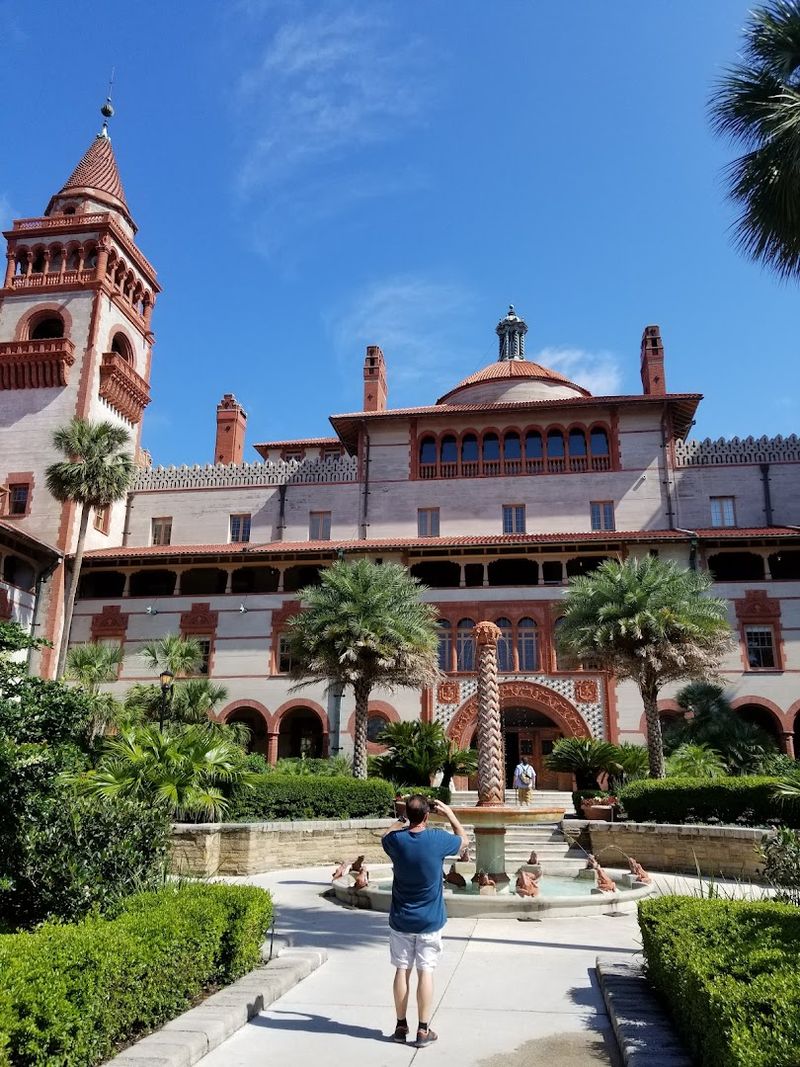
Originally built in 1888 as the luxurious Ponce de Leon Hotel by railroad magnate Henry Flagler, this breathtaking building is now home to Flagler College. The Spanish Renaissance architecture is so jaw-dropping that even people with zero interest in higher education stop to photograph it from the sidewalk.
Guided tours are offered to the public and are genuinely fascinating. You will walk through the grand rotunda, admire original Tiffany stained-glass windows, and hear stories about the hotel’s glamorous heyday when wealthy guests arrived by private railcar.
The dining hall alone — with its painted ceilings and carved oak furniture — looks like something out of a fairy tale.
Admission for tours is budget-friendly, and the college grounds are open to visitors during daytime hours. Flagler College stands as a testament to the ambition and artistry of America’s Gilded Age, beautifully preserved in the heart of St. Augustine.
Crescent Beach: A Quiet Escape from the Crowds
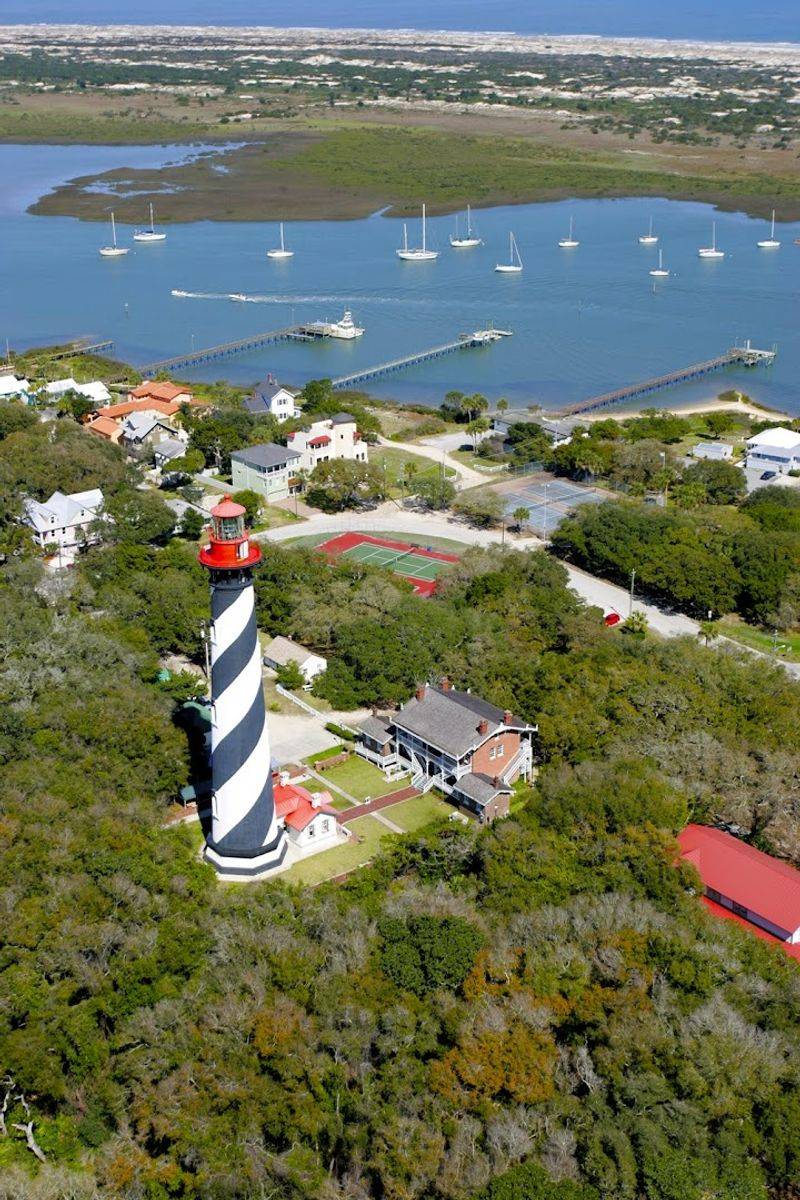
Not everyone wants a beach scene packed with umbrellas and noise. Crescent Beach, located just south of St. Augustine Beach, offers a quieter, more serene coastal experience that feels like a well-kept local secret.
The water here tends to be calmer, making it ideal for swimming and wading.
Families with young children especially appreciate the gentler surf and the uncrowded shoreline. Shelling is a favorite activity along this stretch, and patient beachcombers often find beautiful sand dollars and whelks washed up by the tide.
There are no massive resort hotels looming over the sand — just open sky, ocean, and peace.
A small park area with picnic tables and restrooms makes it easy to spend a full afternoon here without needing to run back to town. Crescent Beach is the kind of place that reminds you why people fall in love with Florida in the first place.
The Lightner Museum: Art, Antiques, and Pure Elegance
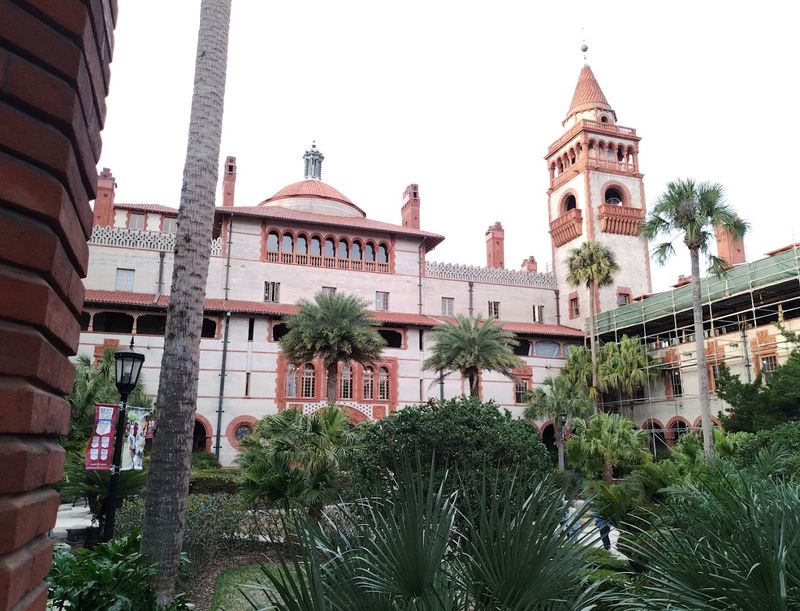
Housed inside the former Alcazar Hotel — another Henry Flagler masterpiece from 1889 — the Lightner Museum is one of those places that surprises you with how much it has to offer. Chicago publisher Otto Lightner purchased the building in 1947 and filled it with his extraordinary collection of Gilded Age art and antiques.
Three floors of galleries showcase Victorian-era furniture, stained glass, mechanical musical instruments, and fine art from across the globe. The old hotel swimming pool has been transformed into a charming cafe where you can sip coffee surrounded by stone arches and hanging plants.
It is genuinely one of the most atmospheric lunch spots in all of Florida.
The museum hosts regular events, temporary exhibitions, and even an antique mall on the lower level. Entry fees are reasonable, and the sheer variety of things to see makes a two-hour visit feel like it flew by in twenty minutes.
Spanish Colonial Architecture: Beauty Built to Last Centuries
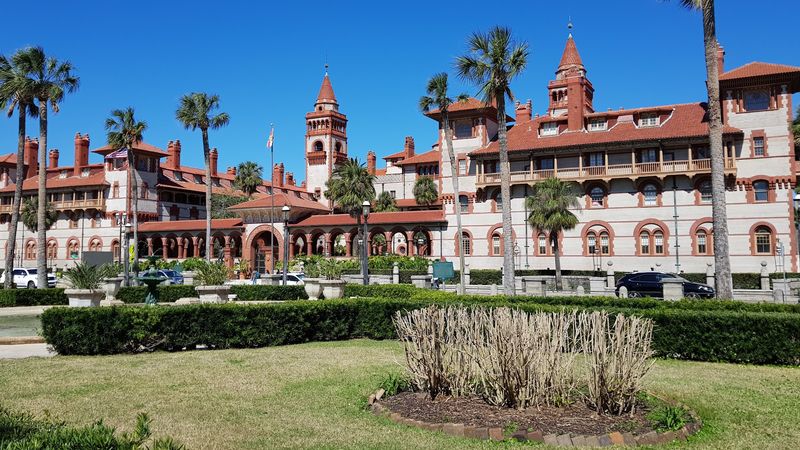
Walk almost anywhere in old St. Augustine and you are surrounded by architecture that has stood the test of centuries. The Spanish colonial style — characterized by thick coquina or stucco walls, wrought iron balconies, red clay tile roofs, and arched doorways — gives the city a look and feel found nowhere else in the continental United States.
Many of these buildings are still in active use as homes, restaurants, and shops, which makes the experience feel authentic rather than like a museum exhibit. The González-Alvarez House, known as the Oldest House, dates back to the early 1700s and offers tours that reveal layers of history through its changing architectural styles.
Photography enthusiasts could spend days framing the perfect shots of doorways, courtyards, and sun-dappled alleyways. The architecture is not just a backdrop — it is the soul of St. Augustine, telling the story of a city that has been shaped by many cultures over many centuries.
Old Town Trolley Tours: The Smartest Way to See It All
Trying to see everything St. Augustine has to offer on foot in a single day is a tall order. That is where the Old Town Trolley Tours come in, offering a hop-on, hop-off experience that covers over 100 points of interest across the city.
The narrated commentary is entertaining, informative, and surprisingly funny.
Drivers double as tour guides and share stories about St. Augustine’s history, legends, and hidden gems that most visitors would never discover on their own. You can jump off at any of the stops — like the Castillo de San Marcos or Flagler College — explore at your own pace, and then board the next trolley that rolls by.
Tickets can be purchased online in advance, often at a slight discount. For first-time visitors especially, the trolley is an excellent way to get your bearings and figure out which neighborhoods and attractions deserve a longer, deeper visit on foot.
St. Augustine’s Food Scene: Fresh, Flavorful, and Full of Character

The food culture in St. Augustine is as rich and layered as its history. From waterfront seafood shacks serving platters of fresh-caught shrimp to elegant farm-to-table restaurants tucked inside 200-year-old buildings, the dining scene here genuinely punches above its weight for a city of its size.
Minorcan clam chowder is the local specialty you absolutely must try. Unlike New England or Manhattan-style chowders, the Minorcan version is tomato-based and spiced with datil peppers — a fiery little chili unique to St. Augustine brought by settlers from the Mediterranean island of Minorca in the 1700s.
St. George Street and the surrounding blocks are lined with restaurants, bakeries, and ice cream shops that make choosing where to eat a genuinely delightful problem to have. Many establishments are locally owned and have been serving the community for generations, giving every meal a sense of place and personality.
The Bridge of Lions: An Icon Worth Crossing
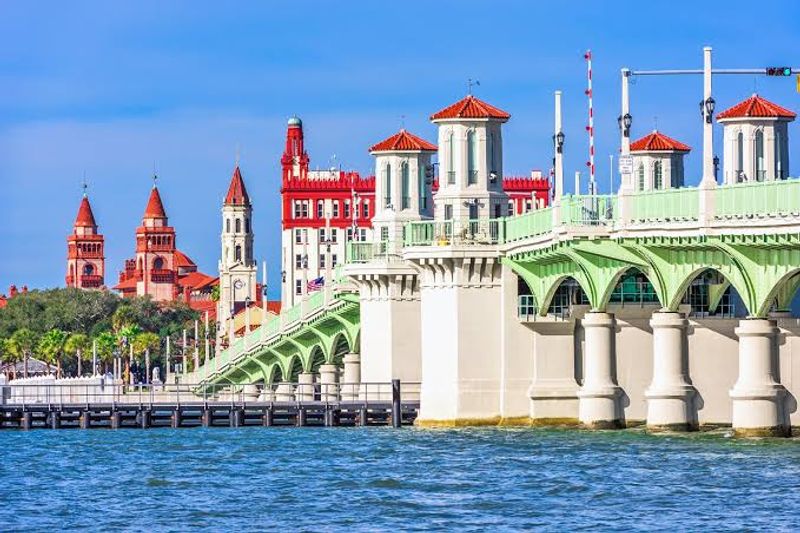
Few bridges in Florida carry the same visual punch as the Bridge of Lions. Completed in 1927 and named for the two marble lion statues that guard its western entrance, this stunning drawbridge spans the Matanzas Bay, connecting downtown St. Augustine to Anastasia Island.
The bridge is a beloved symbol of the city and one of its most photographed landmarks. Watching the drawbridge rise to allow tall sailboats and fishing vessels to pass underneath is a surprisingly entertaining spectacle that draws small crowds of onlookers every time it happens.
Walking or cycling across the bridge offers sweeping views of the bay, the old city skyline, and the Castillo de San Marcos in the distance. At sunset, the scene becomes almost impossibly beautiful, with golden light reflecting off the water.
The Bridge of Lions is not just a way to get from one place to another — it is a destination all on its own.
Ghost Tours: The Spookier Side of America’s Oldest City
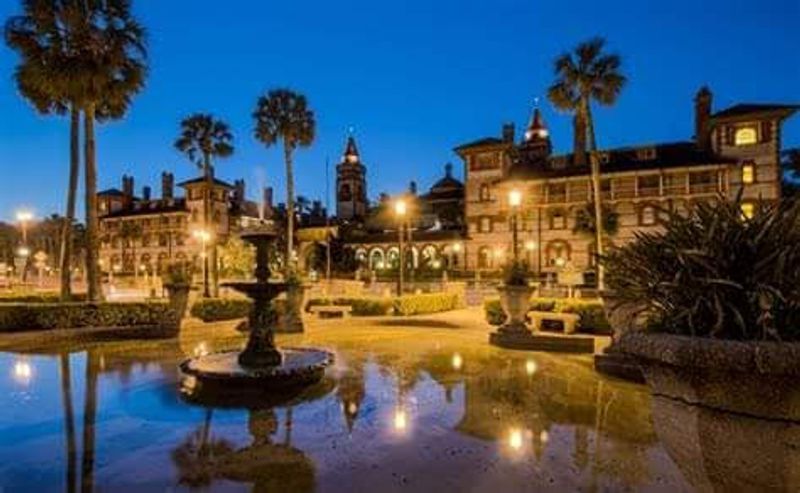
With over 450 years of recorded history, St. Augustine has accumulated more than its fair share of ghost stories, legends, and unexplained mysteries. The city has earned a reputation as one of the most haunted places in the entire United States, and the evening ghost tours here are legendary among paranormal enthusiasts.
Several tour companies offer lantern-lit walking tours through the darkened historic district, sharing tales of restless spirits, tragic love stories, and centuries-old curses. Whether you are a true believer or a healthy skeptic, the storytelling is atmospheric and genuinely gripping.
The old buildings, dimly lit alleyways, and creaking wooden floors set the perfect mood.
Ghost tours typically run for about 90 minutes and are suitable for older children and adults. Booking in advance is strongly recommended, especially on weekends and around Halloween when spots fill up fast.
Prepare to look over your shoulder a time or two.
Ponce de Leon’s Fountain of Youth Archaeological Park
Legend has it that Spanish explorer Juan Ponce de Leon landed here in 1513 searching for a magical spring that could restore youth. Whether the legend is true or not, the Fountain of Youth Archaeological Park built around that storied spring is one of the most unique and entertaining attractions in all of St. Augustine.
Visitors can actually drink from the spring — the water tastes slightly sulfuric, which may explain why eternal youth never quite caught on. Beyond the novelty of the spring itself, the park contains genuine archaeological discoveries, including a Native American burial ground and artifacts from the earliest days of Spanish settlement in North America.
Peacocks roam freely throughout the grounds, adding an unexpected and delightful touch to the experience. Planetarium shows, costumed interpreters, and cannon firings make this attraction fun for all ages.
It blends history, legend, and pure entertainment in a way that is hard to find anywhere else.