


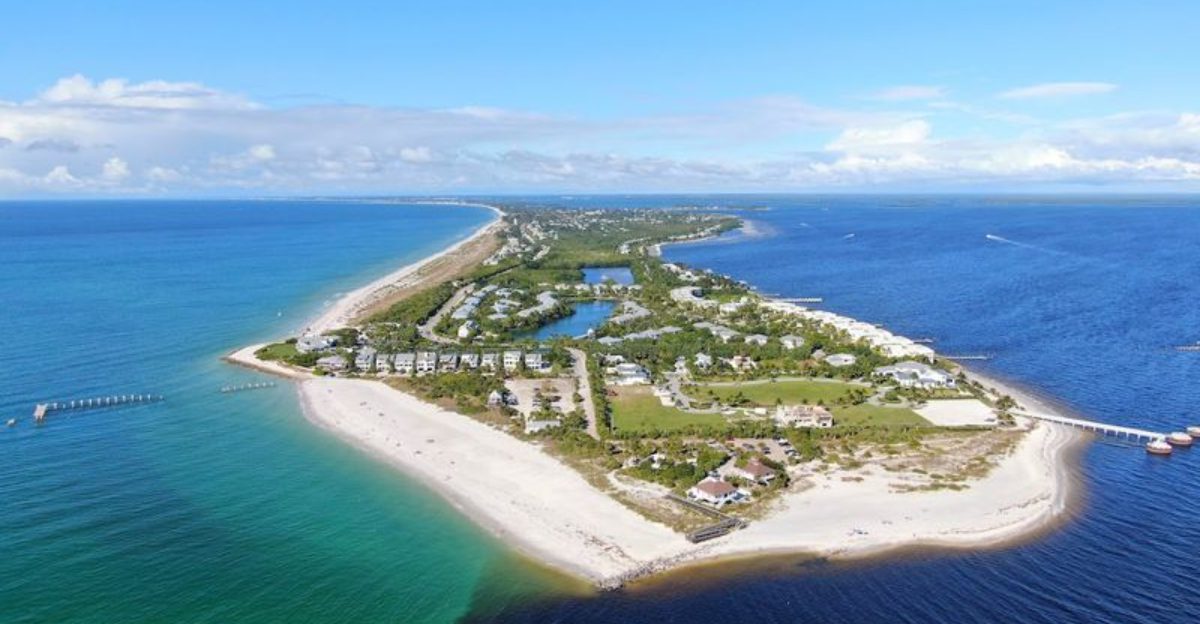
Tucked away on Gasparilla Island in southwest Florida, Boca Grande is the kind of place that feels like a well-kept secret. Unlike the crowded beach towns that dominate Florida’s coastline, this small village moves at its own quiet, unhurried pace.
Year-round residents and seasonal visitors alike treasure its old-Florida charm, stunning natural beauty, and streets that feel wonderfully untouched by modern chaos. If you have ever wondered what Florida looked like before the tourist rush changed everything, Boca Grande is your answer.
Gasparilla Island: The Barrier Island That Time Forgot
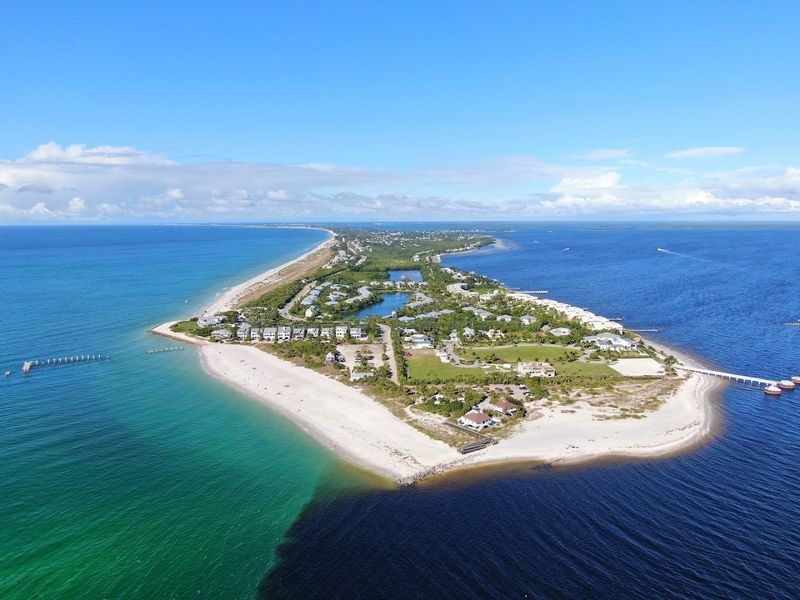
Long before condos and chain restaurants took over Florida’s coastline, places like Gasparilla Island existed in a league of their own. Boca Grande sits on this narrow barrier island, stretching about seven miles long and barely a mile wide at its widest point.
The Gulf of Mexico wraps around it like a gentle embrace.
What makes Gasparilla Island remarkable is how little it has changed over the decades. There are no high-rise buildings blocking the horizon, no flashy neon signs competing for attention.
Instead, you find canopied roads lined with Australian pines and quiet neighborhoods where neighbors actually know each other’s names.
The island is shared between Charlotte and Lee counties, though Boca Grande village itself falls entirely within Lee County. Getting here requires crossing the Gasparilla Island Bridge, which already feels like stepping through a portal into a slower, gentler world.
Boca Grande Lighthouse: A Beacon with 130 Years of Stories
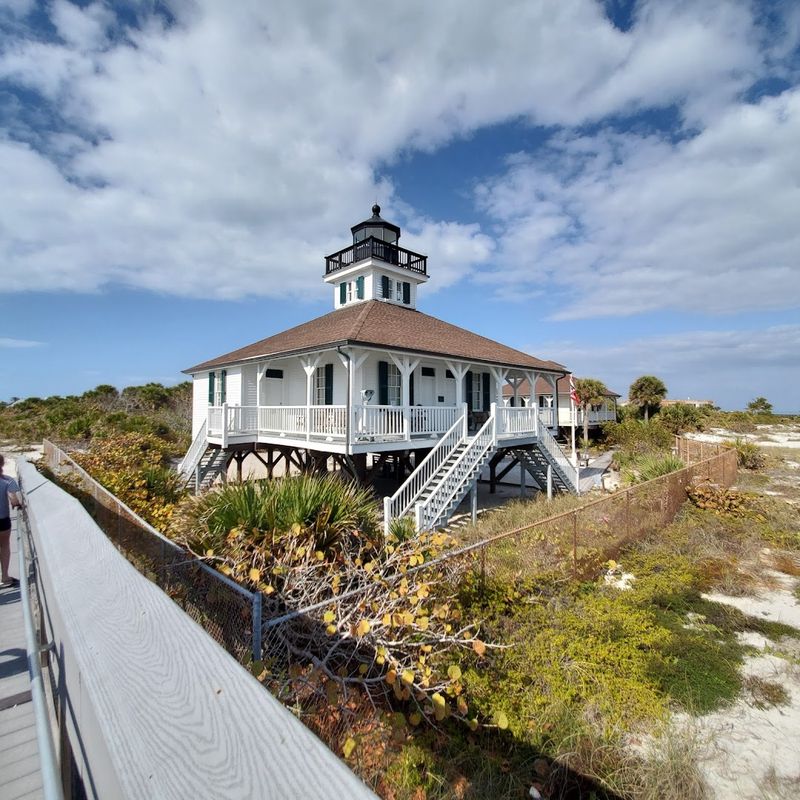
Standing proudly at the southern tip of Gasparilla Island, the Boca Grande Lighthouse has guided ships safely through Charlotte Harbor since 1890. Few landmarks in Florida carry this kind of quiet, weathered dignity.
The lighthouse is not just a pretty photo opportunity — it is a living piece of American maritime history.
Today, the lighthouse serves as the centerpiece of Gasparilla Island State Park. Visitors can explore the beautifully restored structure, which now houses a charming museum dedicated to the island’s fishing and phosphate shipping heritage.
Sunset from this spot is genuinely breathtaking.
Locals treat the lighthouse as a neighborhood landmark rather than a tourist attraction, jogging past it on morning runs or fishing nearby in the late afternoon. That casual relationship between residents and history is part of what makes Boca Grande feel so refreshingly real compared to more commercialized Florida destinations.
Tarpon Fishing Capital of the World: A Title Earned, Not Marketed
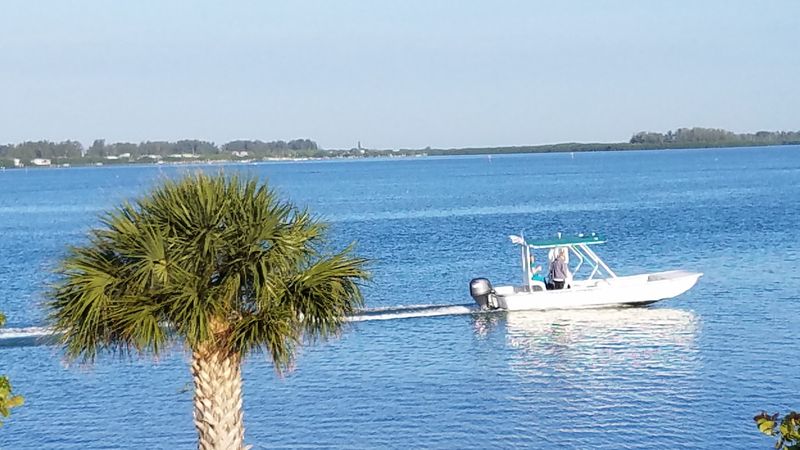
Every May, something extraordinary happens in the waters surrounding Boca Grande Pass. Thousands of Atlantic tarpon — some weighing over 200 pounds — gather here in one of the most impressive natural fish migrations on the planet.
Anglers from across the world make the pilgrimage specifically for this experience.
Boca Grande has earned its reputation as the Tarpon Fishing Capital of the World through decades of consistent, world-class fishing rather than clever branding. The deep waters of Boca Grande Pass create the perfect environment for tarpon to congregate during spawning season, making catches both frequent and unforgettable.
Even outside of tarpon season, the fishing here is exceptional. Snook, redfish, and grouper are regular catches.
Charter captains who have worked these waters for generations bring an expertise and passion that no app or fishing guide can replicate. Fishing here feels less like a sport and more like a tradition.
Park Avenue: The Charming Main Street That Skipped the Chain Store Era
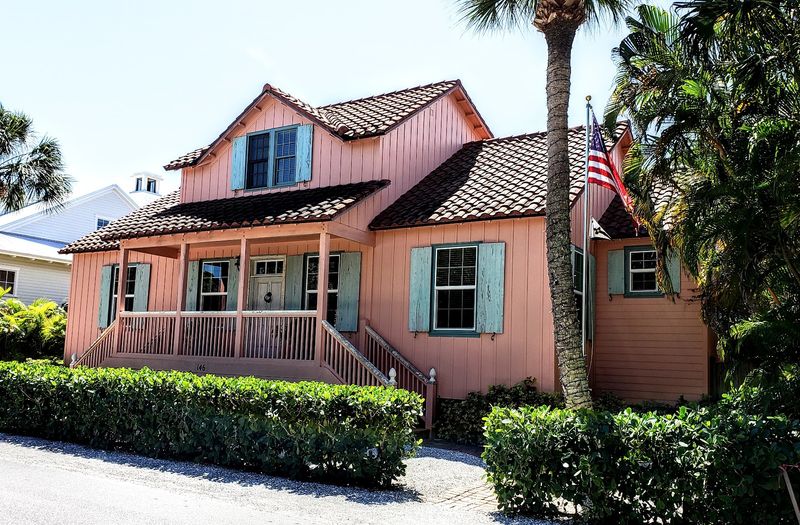
Park Avenue is Boca Grande’s version of a main street, and it is wonderfully different from what that phrase usually means in Florida. You will not find a single chain restaurant or big-box store here.
Instead, the avenue is lined with locally owned boutiques, art galleries, and casual eateries that have been serving the community for years.
Cyclists outnumber cars on most days, and that alone tells you something important about the vibe. Residents pedal from the bakery to the post office to the bookshop without ever feeling rushed.
Visitors quickly fall into the same relaxed rhythm, often abandoning their original plans just to wander.
The architecture along Park Avenue is classic Old Florida — wooden buildings painted in soft pastels, wide porches, and mature tropical landscaping. It feels like a film set, except everything here is completely authentic.
Spend an afternoon here and you will understand why people return to Boca Grande year after year.
Gasparilla Island State Park: Where Wild Florida Still Breathes Freely
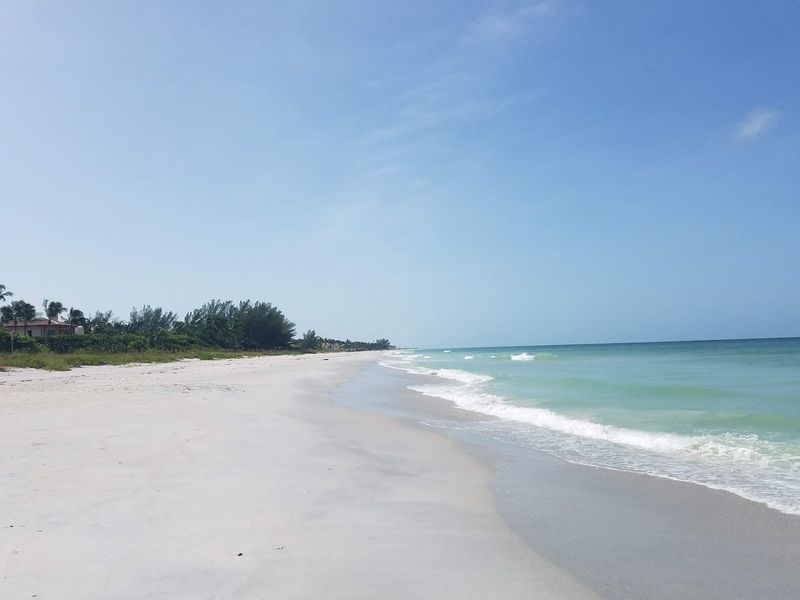
At the southern end of the island, Gasparilla Island State Park preserves one of the most unspoiled stretches of Gulf Coast shoreline in all of Florida. The beach here is wide, white, and remarkably uncrowded even during peak season.
That is not an accident — it is the result of deliberate conservation efforts stretching back decades.
Shelling enthusiasts particularly love this park because the combination of tidal patterns and the pass’s strong currents deposits an impressive variety of shells along the shore. Early morning walks here often yield lightning whelks, alphabet cones, and even the occasional junonia shell, which collectors consider a true prize.
Wildlife thrives throughout the park as well. Gopher tortoises lumber across the paths without a care, ospreys circle overhead, and bottle-nosed dolphins regularly play in the pass just offshore.
Gasparilla Island State Park is proof that Florida’s natural magic is still very much alive when given the space to exist.
Cycling Culture: The Two-Wheeled Way of Life in Boca Grande
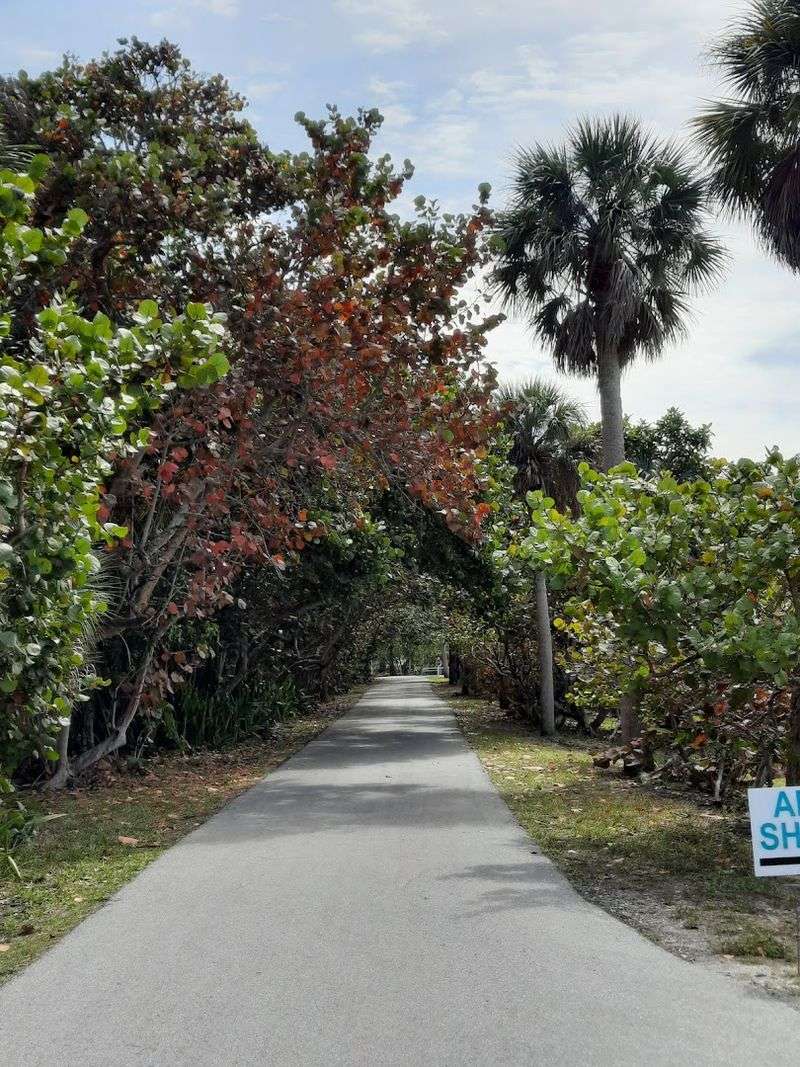
Forget renting a car — in Boca Grande, the bicycle is king. The island’s flat terrain, shaded paths, and compact layout make cycling the most natural and enjoyable way to get around.
Locals have embraced this for generations, and the cycling culture here feels organic rather than trendy.
A dedicated multi-use trail runs along the old railroad corridor, offering a scenic and traffic-free route from one end of the island to the other. Families, retirees, and solo adventurers all share the path with easy camaraderie.
Bike rental shops near the village make it simple for visitors to join in without any planning stress.
There is something almost meditative about cycling through Boca Grande. The canopy of Australian pines filters the sunlight into soft, shifting patterns on the path below.
Time seems to slow down in the best possible way, and suddenly the idea of rushing anywhere feels completely foreign.
Old Florida Architecture: Buildings That Tell the Island’s Real Story
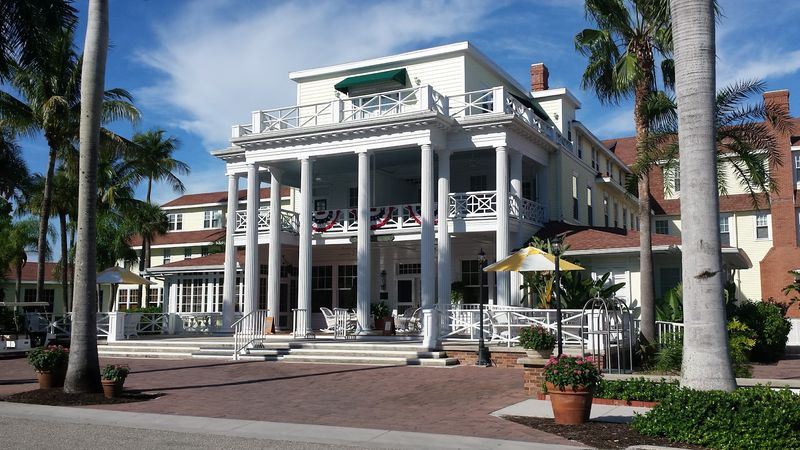
One of the first things visitors notice about Boca Grande is that it actually looks old — and that is meant as the highest compliment. The island has managed to preserve an architectural character that most of Florida erased long ago in the name of development and profit.
Historic cottages with deep front porches, tin roofs, and clapboard siding line the shaded residential streets. Many of these homes date back to the early 1900s when Boca Grande served as a key port for phosphate shipping.
The Gasparilla Inn, a landmark hotel that opened in 1913, still anchors the community with its graceful Southern elegance.
Strict local building codes have protected this character from the kind of overdevelopment that transformed other Florida towns into look-alike resorts. Walking through Boca Grande’s neighborhoods feels like flipping through a beautifully preserved photo album of what coastal Florida once was — and still can be.
The Gasparilla Inn and Club: Graceful Elegance Since 1913
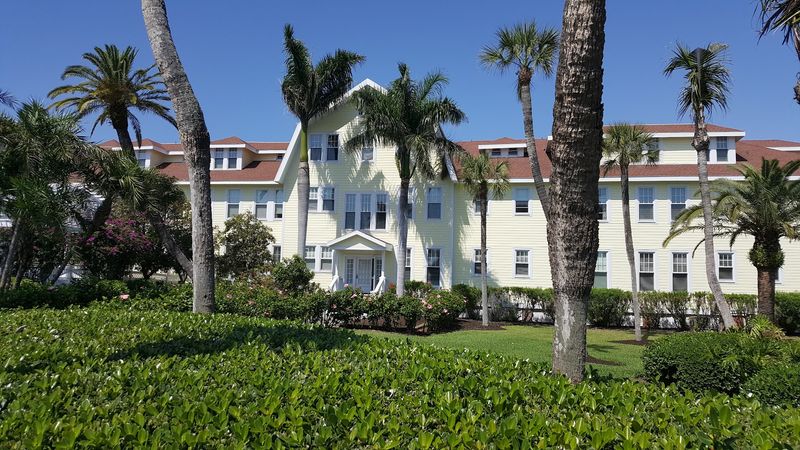
Few hotels in Florida carry the quiet prestige of the Gasparilla Inn and Club. Opened in 1913, this pale yellow landmark has welcomed presidents, industrialists, and celebrities without ever making a fuss about it.
The inn operates with an understated grace that feels almost deliberately out of step with the modern world.
Croquet lawns, a championship golf course, and a stunning beach club are among the amenities, but the real draw is the atmosphere. Guests dress for dinner, children learn proper tennis technique on clay courts, and conversations happen face-to-face rather than through screens.
It is a place where old-fashioned hospitality is not a marketing strategy — it is simply how things are done.
The inn has remained family-owned for generations, which explains why it has never chased trends or compromised its character. Staying here even for a single night gives you a vivid sense of what gracious Florida living once looked like across the entire state.
Charlotte Harbor: The Vast Estuary That Feeds the Island’s Soul
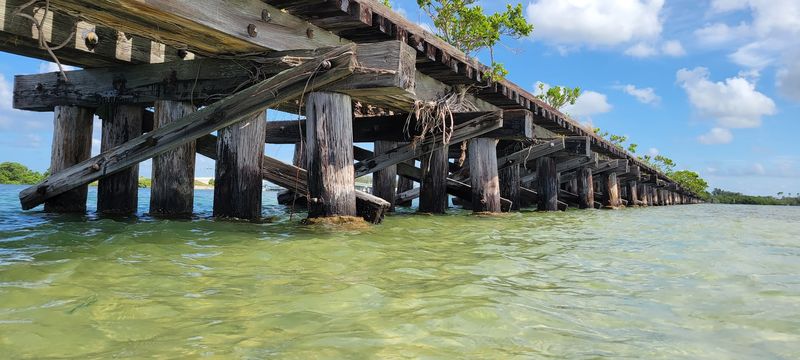
Charlotte Harbor stretches out behind Gasparilla Island like a vast, shimmering mirror. This estuary — one of the largest in Florida — is the ecological engine that powers the extraordinary marine life the region is famous for.
Its waters are rich, complex, and teeming with creatures that draw scientists, anglers, and nature lovers from around the world.
Kayaking through Charlotte Harbor’s backwater channels is one of the most rewarding outdoor experiences available in southwest Florida. Manatees drift lazily through the shallows, roseate spoonbills wade through the mangrove edges, and mullet leap from the surface in sparkling arcs.
Every paddle stroke reveals something worth stopping to appreciate.
Local guides who know these waters intimately offer eco-tours that balance education with genuine wonder. Spending a morning on Charlotte Harbor has a way of recalibrating your priorities — suddenly the noise of everyday life feels very far away, and that distance is deeply welcome.
Boca Grande Causeway and Bridge: The Gateway to a Different Florida
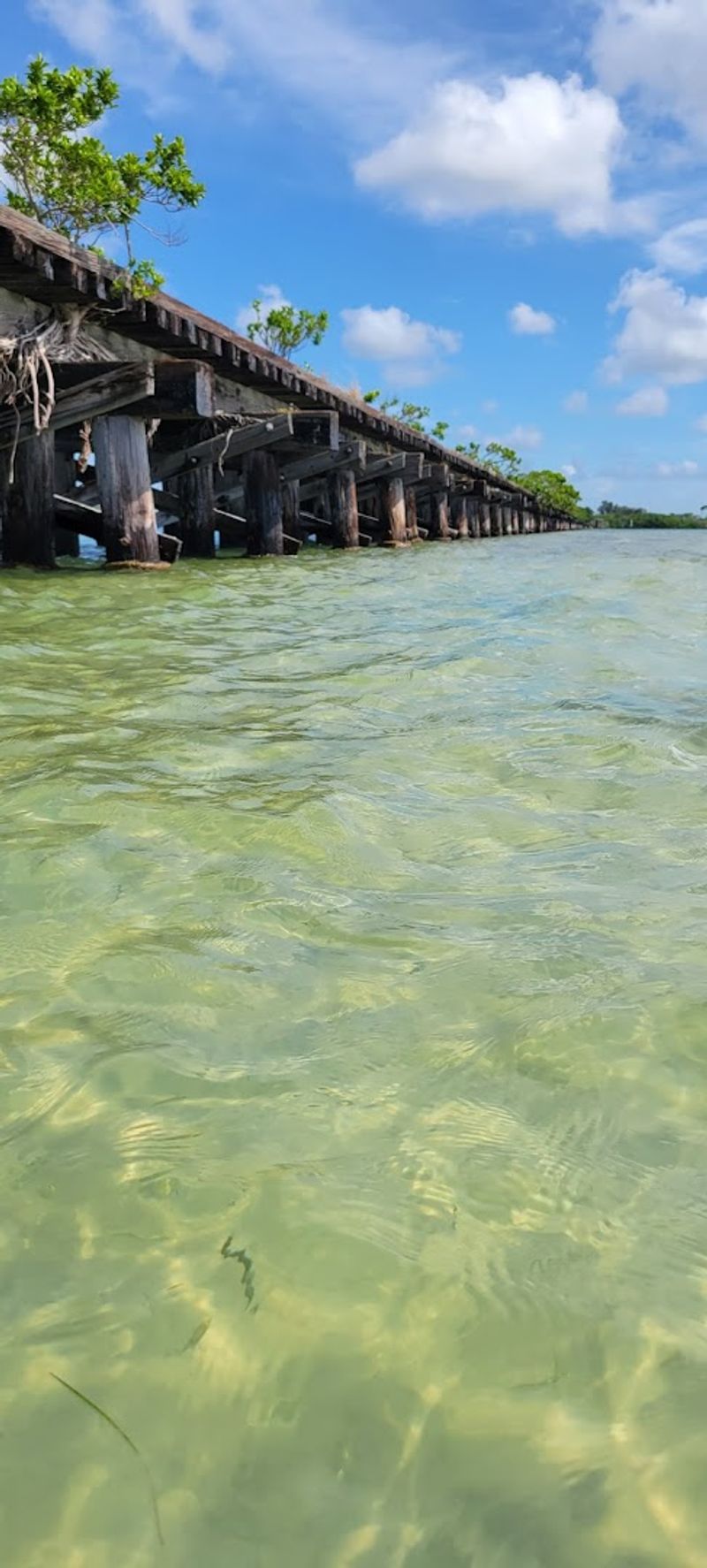
Crossing the Boca Grande Causeway feels like crossing a boundary between two completely different Floridas. On one side is the mainland with its strip malls, traffic lights, and familiar commercial clutter.
On the other side is Gasparilla Island, where the air smells different and the pace of life immediately shifts.
The bridge itself offers stunning views of Charlotte Harbor and the surrounding waterways. Pelicans perch on the railings, dolphins occasionally surface below, and the color of the water shifts from green to aquamarine as you approach the island.
First-time visitors often slow their cars instinctively, not wanting to miss a single detail of the transition.
There is a small toll to cross the causeway, and locals will tell you it is the best money they spend all week. That modest barrier has helped keep Boca Grande from being overrun by casual day-trippers, preserving the island’s community-first character in a way that feels increasingly rare across Florida.
Sea Turtle Nesting Season: When the Beach Belongs to Ancient Visitors
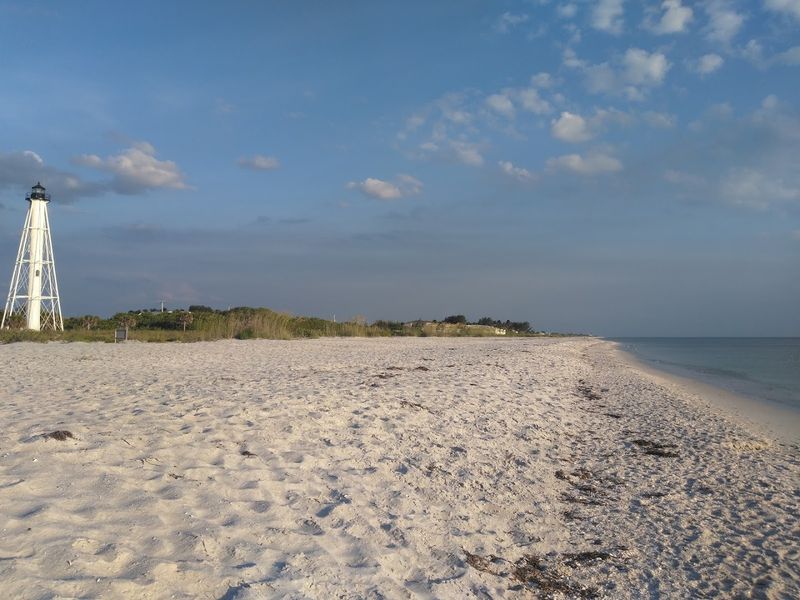
Between May and October, Boca Grande’s beaches transform into one of the most important sea turtle nesting sites in southwest Florida. Loggerhead sea turtles haul themselves ashore under the cover of darkness to lay their eggs in the warm sand, continuing a ritual that has been happening on these shores for millions of years.
Volunteers from local conservation groups patrol the beaches each morning to locate and protect new nests. Marked with wooden stakes and bright tape, these nest sites become small community landmarks that residents check on with genuine personal investment.
It is one of the most touching examples of how deeply Boca Grande’s community cares about its natural environment.
Turtle walks — guided nighttime excursions to observe nesting activity — occasionally take place during the season. Watching a loggerhead emerge from the surf and begin her ancient work is a humbling, unforgettable experience that no wildlife documentary can fully prepare you for.
Local Dining: Flavor Without the Fuss or the Tourist Markup
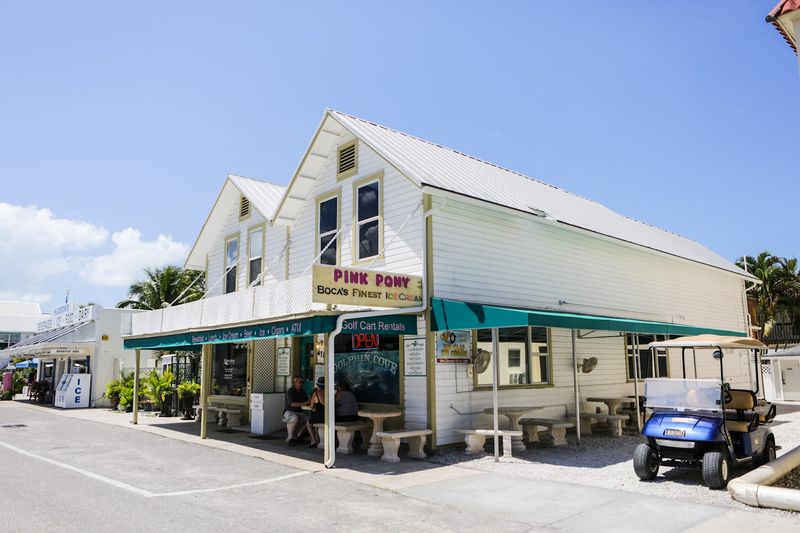
Boca Grande’s dining scene mirrors the island itself — unpretentious, genuinely good, and completely free of the manufactured atmosphere that plagues tourist-heavy Florida towns. Fresh seafood is the obvious star, and the proximity to some of Florida’s richest fishing grounds means that “fresh” here is not just a menu buzzword.
The Loose Caboose, a beloved local institution, serves breakfast and lunch in a casual, come-as-you-are environment that has been welcoming regulars for decades. Pink Elephant is another community staple, offering cold drinks and honest food in a setting where you are just as likely to be seated next to a commercial fisherman as a retired CEO.
Menus change based on what is actually running in local waters, which gives every meal a spontaneous quality that feels refreshing. Dining in Boca Grande is not just eating — it is participating in the rhythm of an island community that has never needed to perform for anyone.
Why Boca Grande Locals Would Rather Keep It a Secret
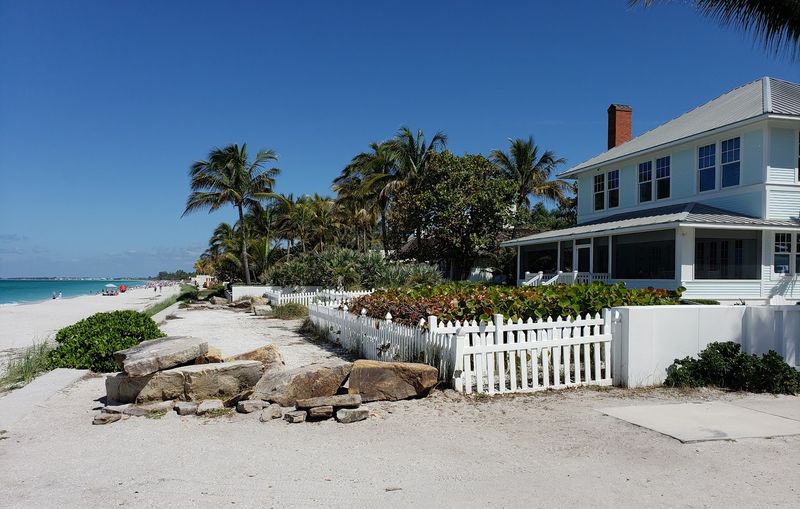
Ask a Boca Grande local what makes the island special and they will likely pause before answering — partly because it is hard to put into words, and partly because they are a little reluctant to share. There is a collective, unspoken agreement among residents that Boca Grande works precisely because it has not been discovered by the masses.
The community is tight-knit in a way that larger Florida towns can only pretend to be. Neighbors look out for each other, local businesses support one another, and the island’s natural beauty is treated as a shared responsibility rather than a commercial resource.
Year-round residents take enormous pride in maintaining the character that drew them here in the first place.
Seasonal visitors who return year after year eventually become part of the fabric too, absorbing the island’s quiet rhythms and carrying them home like a souvenir that cannot be bought. Boca Grande does not need to advertise — it simply rewards those patient and curious enough to find it.