


Florida’s heat and occasional drought can make keeping a yard green feel like a tough battle. The good news is that native plants are naturally built to handle the local climate, which means they need far less water than most store-bought varieties.
Choosing the right native plants saves you time, money, and effort while keeping your yard looking beautiful all year long. Here are eight of the best native Florida plants that thrive with minimal watering.
Muhly Grass
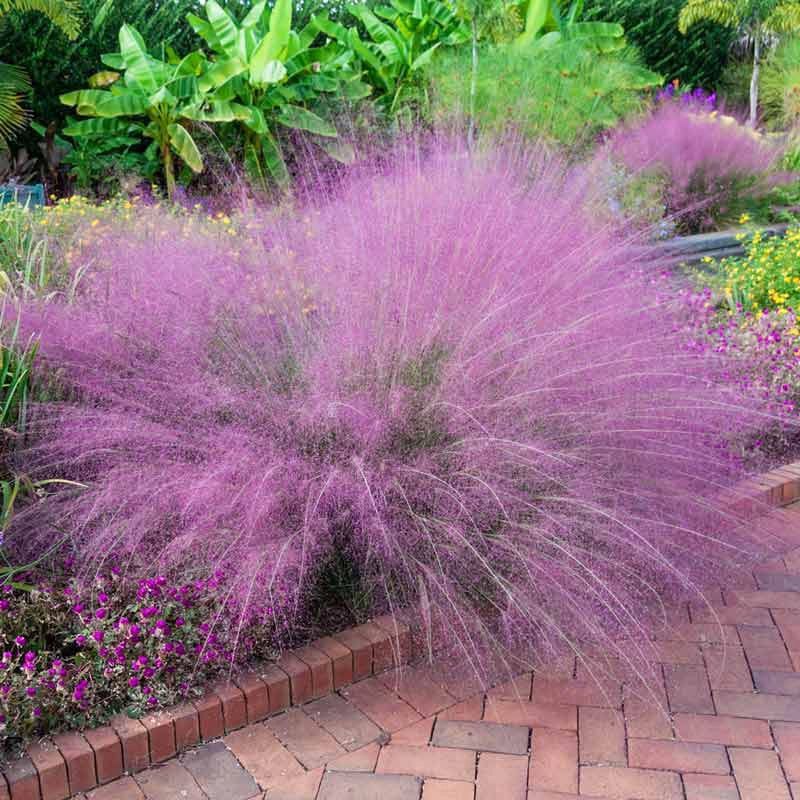
Every fall, Muhly Grass puts on a show that stops neighbors in their tracks. This ornamental grass bursts into a cloud of soft, rosy-pink plumes that look almost magical in the sunlight.
Once established, it barely needs any watering at all.
It grows in clumps about three feet tall and thrives in sandy Florida soil. Plant it along borders or in open spaces for a dramatic, low-effort display that comes back stronger every year.
Firebush
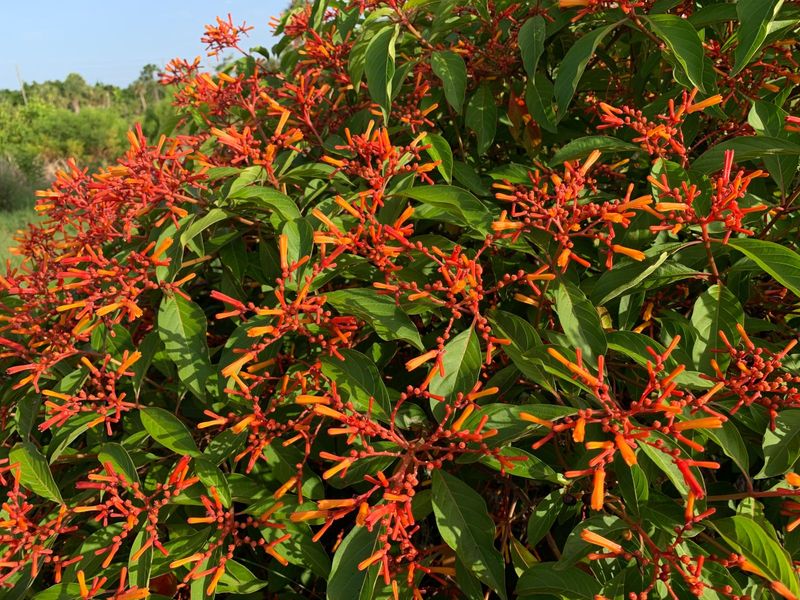
Hummingbirds and butterflies absolutely cannot resist Firebush, and honestly, who can blame them? This bold, fast-growing shrub produces clusters of flame-colored tubular flowers from spring all the way through fall.
It handles Florida heat and dry spells like a champion.
Firebush can grow six to eight feet tall if left unpruned, but it responds well to trimming. Use it as a hedge, a backdrop plant, or a wildlife magnet in any sunny corner of your yard.
Coontie
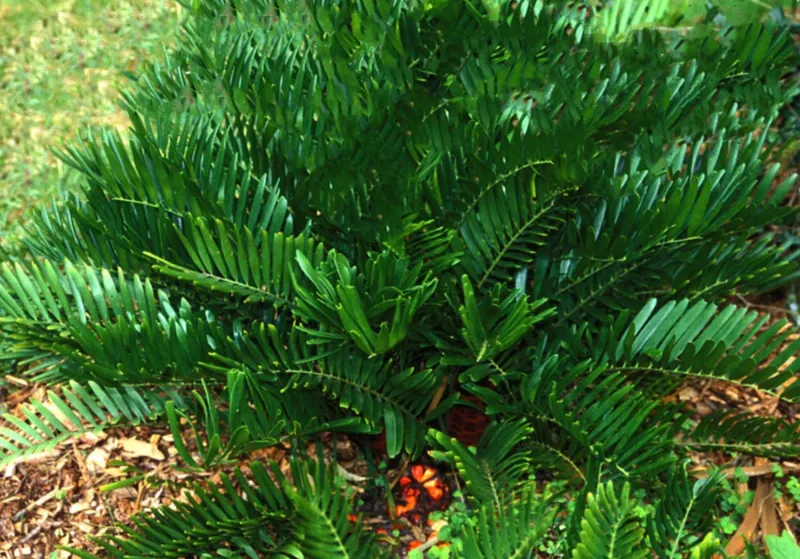
Coontie is one of Florida’s oldest native plants, and it has been thriving here long before anyone was watering it. This compact, cycad-like plant has glossy, dark green leaves that stay attractive year-round.
It is nearly indestructible once established in the right spot.
Coontie grows slowly to about two feet tall, making it ideal for borders, foundation plantings, or shaded spots under trees. As a bonus, it is the only host plant for the rare Atala butterfly.
Saw Palmetto
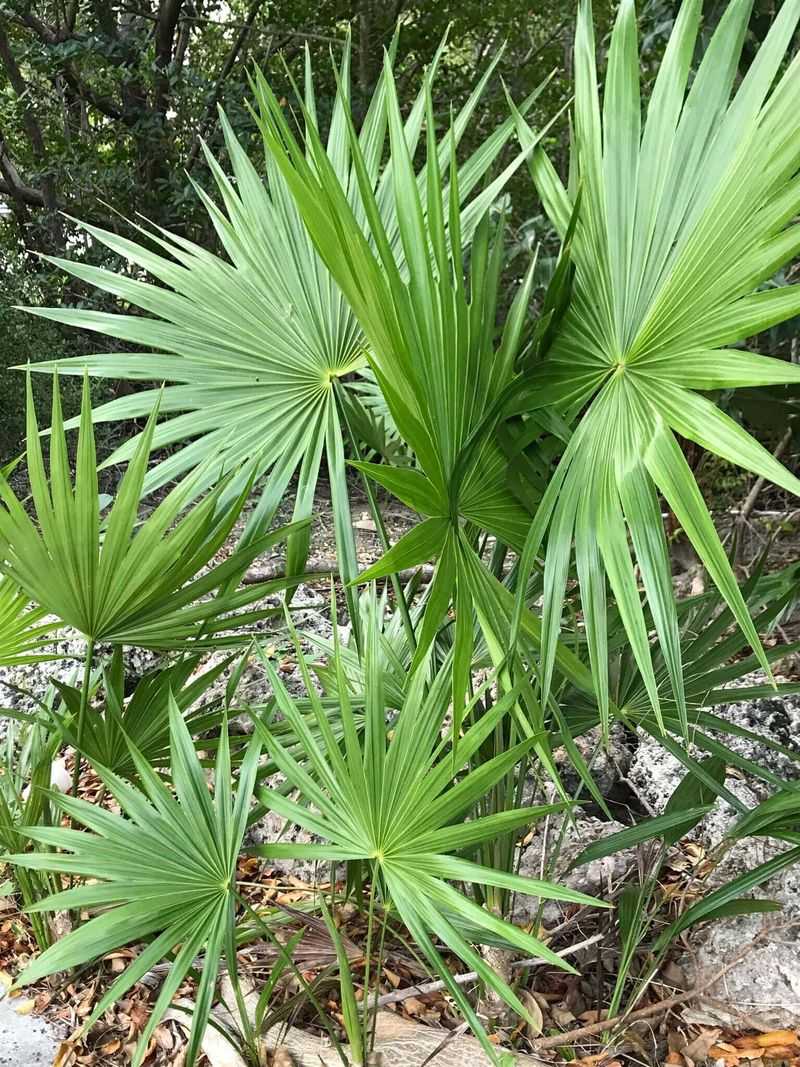
Tough as nails and deeply Floridian, Saw Palmetto has been part of this state’s landscape for thousands of years. Its fan-shaped fronds create a bold, textured look that works in both wild and manicured gardens.
Drought resistance is practically built into its DNA.
This slow-growing palm stays low to the ground, usually under six feet, making it great for large open areas or natural garden designs. Wildlife like birds and small mammals depend on its berries for food.
Blanket Flower (Gaillardia)
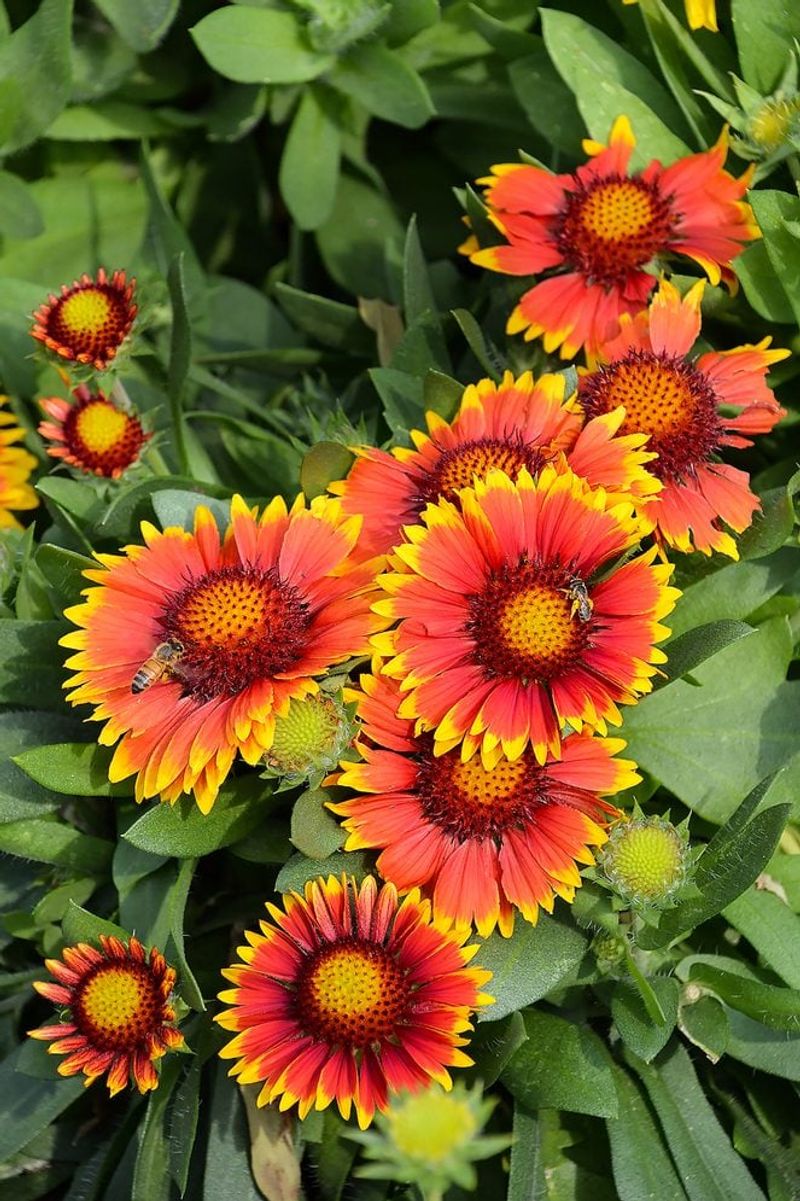
Cheerful and sun-loving, the Blanket Flower looks like it was painted by hand with rings of red, orange, and gold. It blooms almost nonstop from spring through fall, even during the driest stretches of a Florida summer.
Few flowers give you this much color for so little effort.
Gaillardia grows about one to two feet tall and thrives in sandy, well-drained soil. Plant it in full sun for the best bloom show, and pollinators will visit your yard all season long.
Simpson’s Stopper
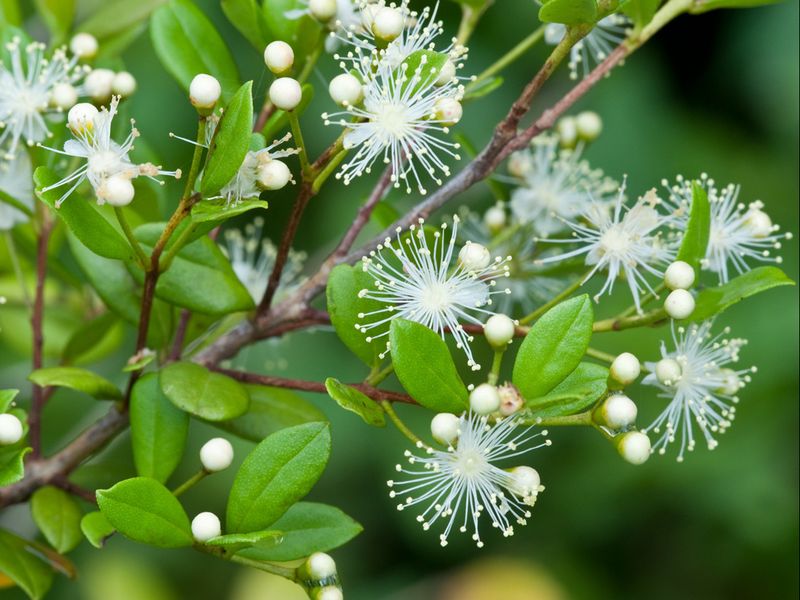
Not every great native plant needs to shout for attention, and Simpson’s Stopper proves that quietly. This evergreen shrub offers small white flowers, glossy leaves, and bright orange-red berries that birds absolutely love.
It is naturally suited to Florida’s climate and handles drought without complaint.
Simpson’s Stopper can be shaped into a formal hedge or left to grow naturally up to fifteen feet. It works well in both sun and partial shade, making it one of the most flexible plants on this list.
Beautyberry
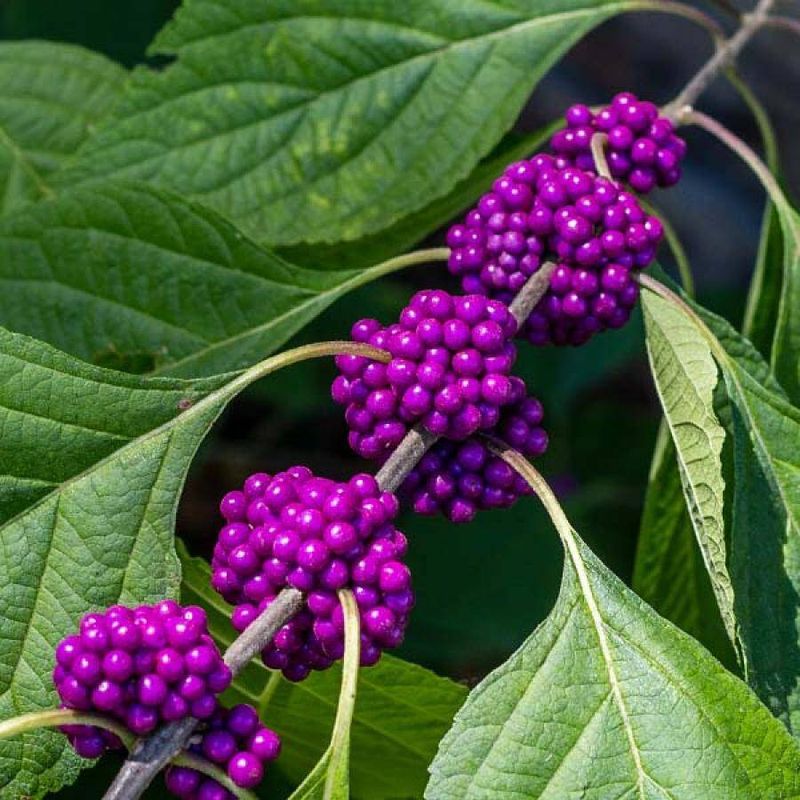
You might do a double-take the first time you see Beautyberry loaded with its shocking clusters of bright purple berries. Nature rarely produces a color quite that vivid, and it makes this shrub an instant conversation starter.
It grows fast and handles dry conditions well once rooted.
American Beautyberry reaches about six feet tall and wide, with arching branches that look stunning in fall. Birds feast on the berries, and the plant dies back in winter only to return strong each spring.
Lantana
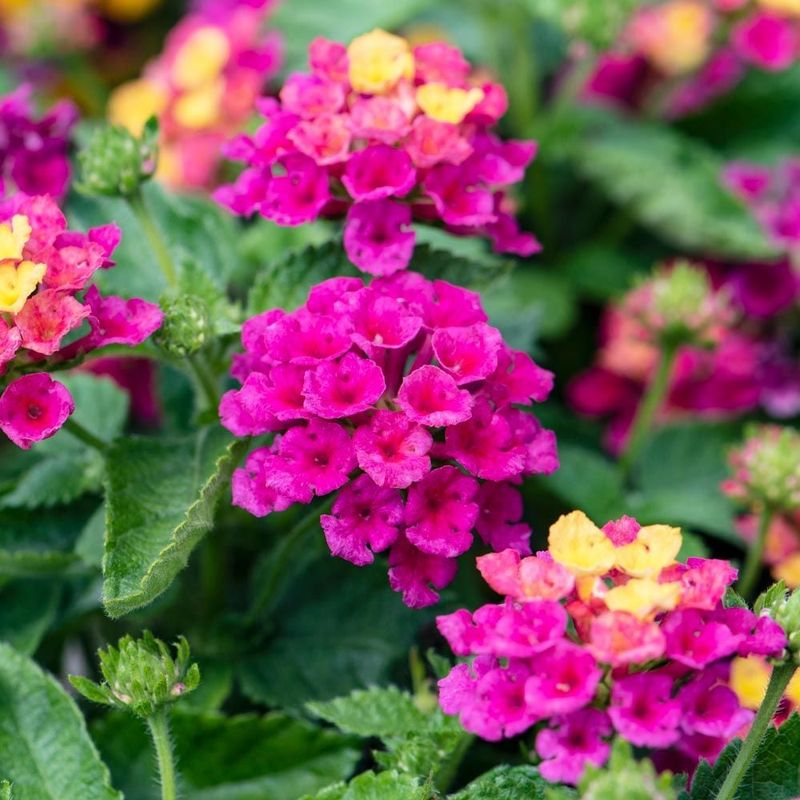
Few plants hustle harder in a Florida yard than Lantana. It blooms in eye-catching clusters of yellow, orange, pink, and red, often all at the same time on the same plant.
Butterflies treat it like an all-you-can-eat buffet from spring through fall.
Native varieties stay more compact than invasive types, so always look for Florida-native cultivars at your local nursery. Lantana thrives in full sun and poor, dry soil, making it one of the easiest drought-tolerant choices for any yard.