


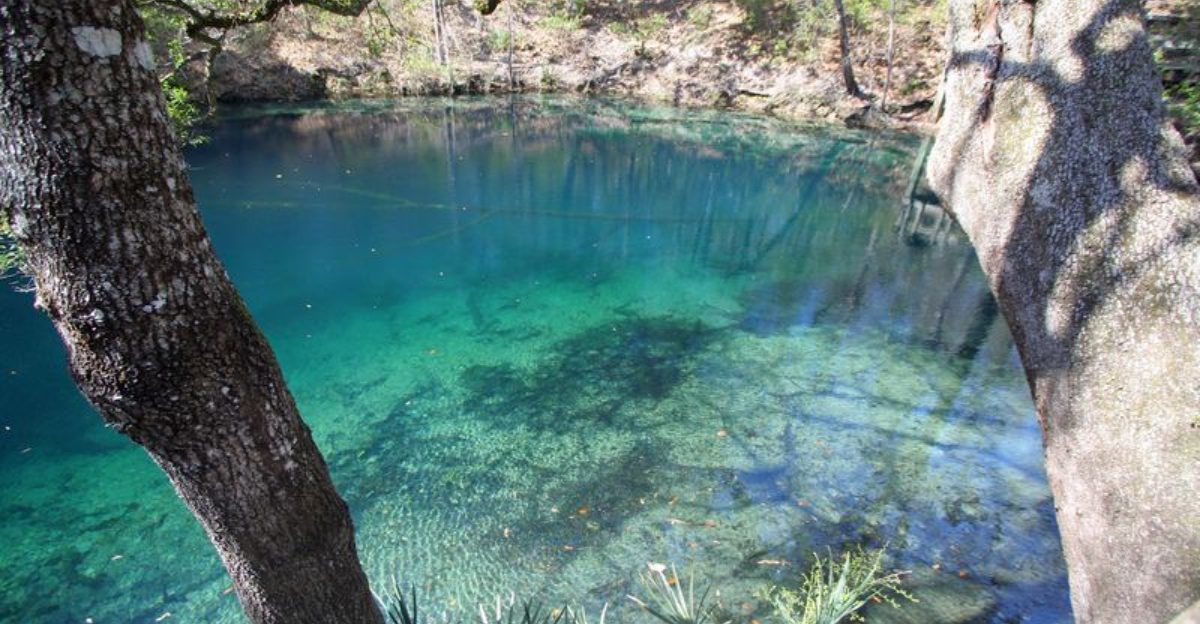
Just south of Tallahassee, Florida, a hidden gem called Leon Sinks Geological Area offers one of the most fascinating hikes in the entire state. Along a 3.6-mile trail, you can walk past 18 sinkholes and caves, each one shaped by thousands of years of water carving through limestone underground.
Whether you are a curious beginner or a seasoned hiker, this trail delivers a jaw-dropping look at Florida’s wild, underground world. Pack your water, lace up your shoes, and get ready for an adventure unlike anything else in the Sunshine State.
The Big Dismal Sinkhole
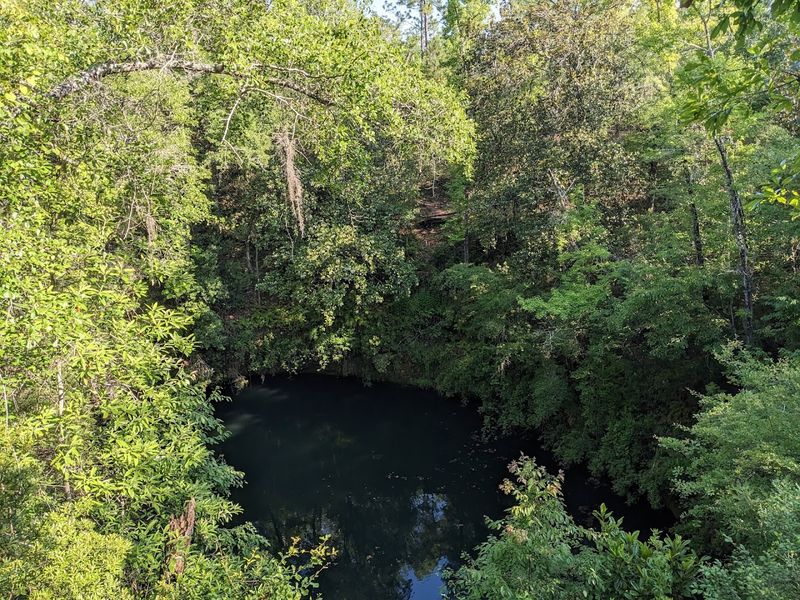
Locals and visitors alike agree on one thing: the Big Dismal Sinkhole is the crown jewel of Leon Sinks Geological Area. Despite its gloomy-sounding name, there is nothing truly dismal about it.
Standing at the edge and peering down into the shadowy depths is genuinely thrilling.
The sinkhole formed when underground limestone dissolved over thousands of years, causing the ground above to collapse. The result is a massive, bowl-shaped pit surrounded by tall trees and rocky walls.
It feels like looking into a secret world hidden beneath Florida’s surface.
Most hikers say this is the highlight of the entire trail. Bring a camera, because photos here are absolutely stunning.
The viewing platform nearby gives you a safe, clear look into the depths. Arriving in the morning light makes the colors even more vivid and dramatic.
Hammock Sink and Its Blue Waters
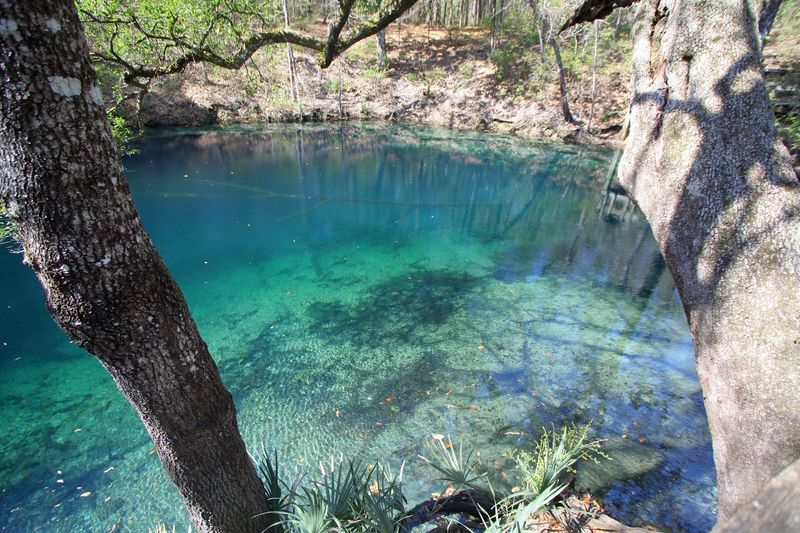
Only half a mile from the trailhead, Hammock Sink greets hikers with water so blue it looks almost unreal. Many first-time visitors stop and stare, convinced they are looking at a painted backdrop rather than a natural Florida sinkhole.
The color comes from sunlight filtering through the water and reflecting off the white limestone bottom below.
Wet sinkholes like this one are connected to Florida’s underground aquifer system, meaning the water is constantly refreshed from below. Swimming is not allowed, but simply watching the surface shimmer in the sunlight is reward enough.
Hammock Sink is a perfect early stop on the trail, offering a dramatic preview of what the rest of the hike holds. Its accessibility makes it great for families, including young kids.
Even hikers short on time can reach this sinkhole and return to the parking lot in under 20 minutes.
Gopher Hole Cave
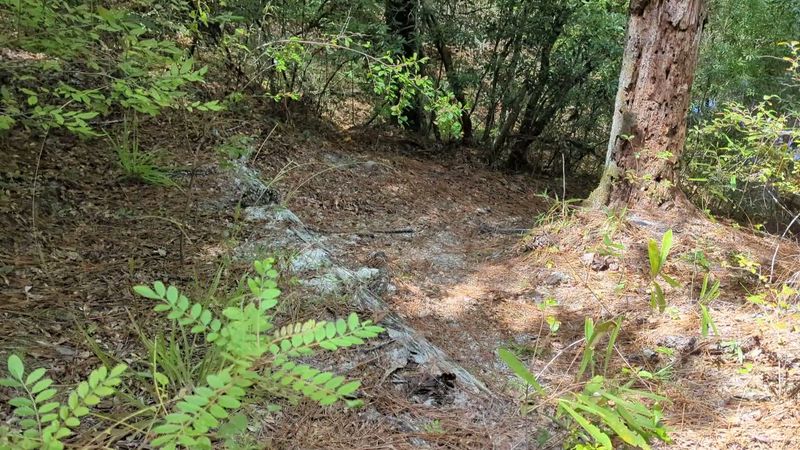
Gopher Hole Cave has a charm all its own. Tucked just 0.2 miles from the parking area, it is the closest cave on the trail and one of the most beloved stops for families.
Getting right up to the edge and peering inside feels like uncovering a tiny secret the forest has been keeping.
Reviewers rave about spotting a white crayfish inside the cave, which is a rare and exciting find. These pale creatures have adapted to life in complete darkness underground, making them a truly unique part of Florida’s ecosystem.
Because it sits so close to the trailhead, even visitors with limited time or young children can experience it easily. The trail to Gopher Hole is well-maintained and flat, making it one of the most beginner-friendly stops in the park.
Flashlights are handy for getting a better look inside the cave opening.
The Disappearing Stream
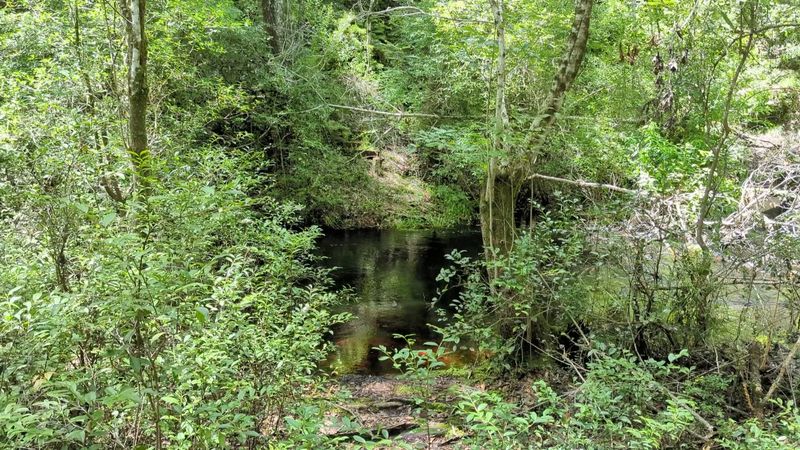
Water that vanishes right before your eyes sounds like a magic trick, but at Leon Sinks it is just geology doing its thing. The disappearing stream is one of the most talked-about side features along the trail, and for good reason.
Watching a flowing stream suddenly sink into the ground and disappear is genuinely mind-bending.
Florida sits on top of a thick layer of porous limestone called karst. When rainwater flows across the surface, it can find cracks and openings in the rock, draining underground into the aquifer below.
The disappearing stream is a perfect real-life example of this process happening right in front of you.
A short side trail leads to the best viewing spot, adding only about five to fifteen minutes to your hike. Visiting after heavy rain makes the disappearing effect even more dramatic and visible.
Kids especially love watching the water vanish like a natural magic act.
Dry Sinkholes Along the Trail
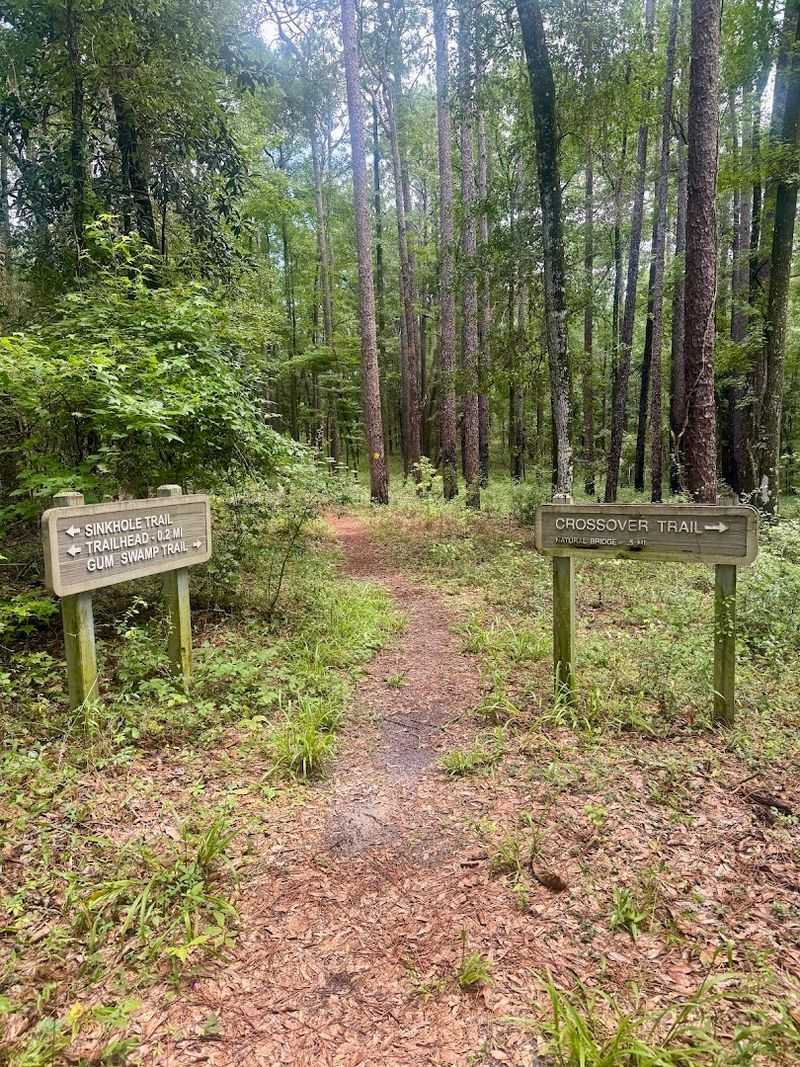
Not every sinkhole at Leon Sinks is filled with water, and the dry ones are fascinating in their own right. These bowl-shaped depressions in the earth look like giant scoops taken out of the forest floor, exposing the layers of limestone and sandy soil beneath.
Dry sinkholes form through the same underground limestone erosion process as wet ones, but they have not yet connected to the water table. Some are shallow and gradual, while others drop sharply and dramatically.
Each one has its own personality and shape.
Interpretive signs posted along the trail explain how both dry and wet sinkholes form, turning your hike into a mini geology lesson. Hikers of all ages find these signs genuinely interesting and easy to understand.
Walking between a dry sinkhole and a water-filled one just minutes apart really drives home how dynamic Florida’s underground geology truly is.
The Gum Swamp Trail Loop
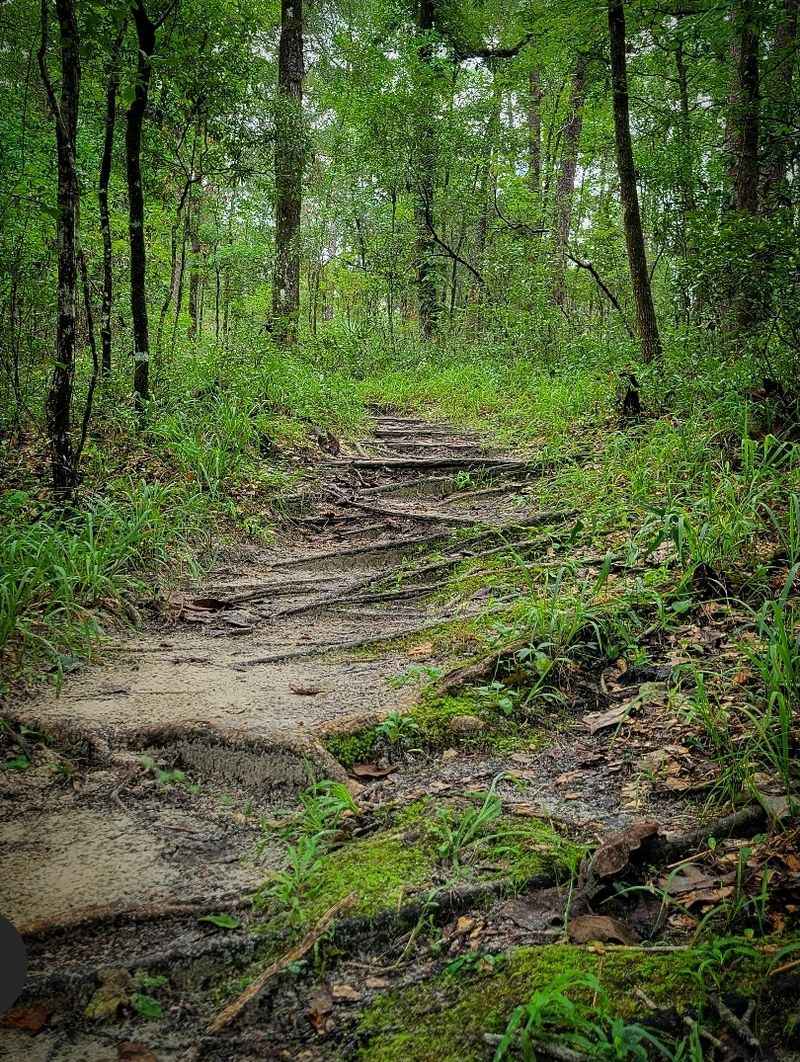
For hikers who want a little extra adventure, the Gum Swamp Trail offers a wilder, more rugged experience branching off the main sinkhole loop. Swap the polished overlooks for muddy boots and the sounds of frogs and birds echoing through cypress trees.
It is a completely different vibe from the rest of the park.
During Florida’s rainy season, parts of the Gum Swamp Trail can flood, so waterproof shoes or sandals you do not mind getting wet are a smart call. Reviewers mention that the western end of the trail can have standing water stretching about 50 meters during wetter months.
The reward for pushing through is a deep sense of immersion in wild Florida nature. Cypress knees jut up from the water, birds call from the canopy above, and the whole scene feels wonderfully untouched.
Trekking poles can also help with balance on slippery or uneven sections of this trail.
Interpretive Signs and Educational Stops
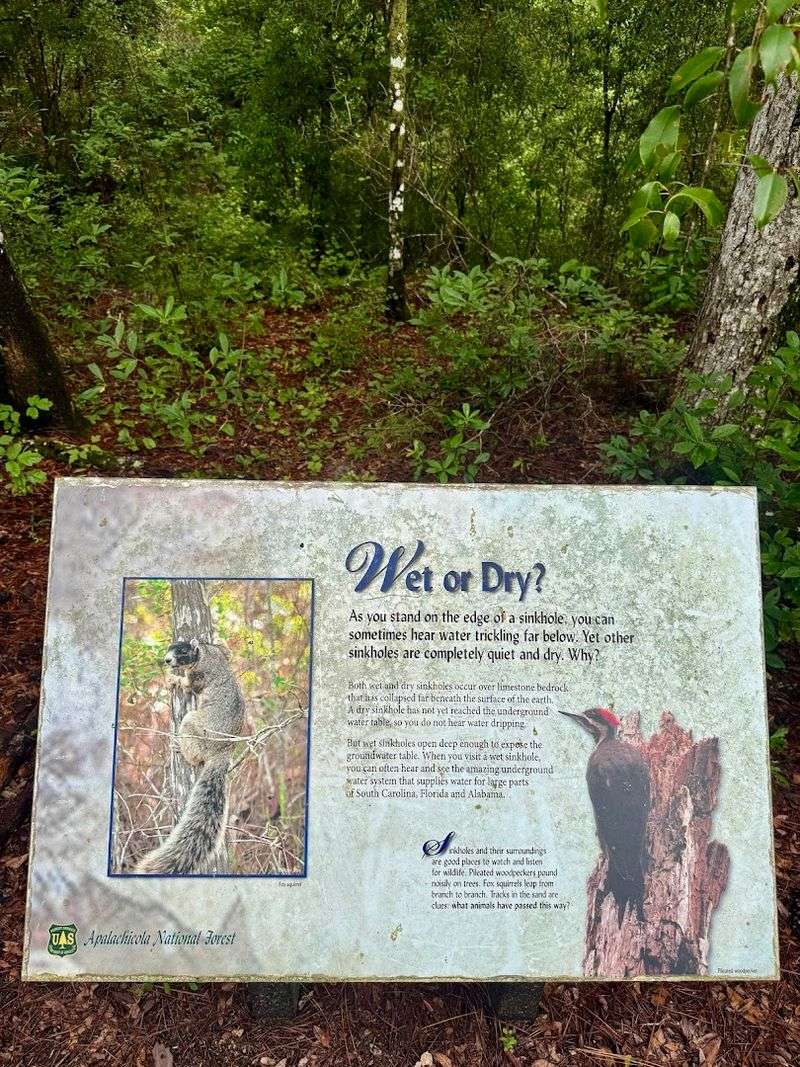
Learning while hiking is one of the best parts of visiting Leon Sinks Geological Area. Throughout the trail, well-placed interpretive signs explain the geology behind the sinkholes, the local wildlife, and the history of the landscape.
You leave the trail knowing far more than when you arrived.
One camper host even approached a visiting family to give them a personal geology lesson, explaining how limestone erosion created the sinkholes over thousands of years. That kind of real-world storytelling makes the science feel alive and relevant, not just something read in a textbook.
Kids tend to love reading the signs, especially when the explanations connect to something they can see right in front of them. Parents appreciate how the educational stops break up the hike naturally, giving everyone a chance to rest and absorb.
The park does an excellent job making complex geology approachable and genuinely fun for all ages.
Wildlife You Might Spot on the Trail

Banana spiders, ticks, white crayfish, and small woodland critters are just a few of the wild residents you might encounter at Leon Sinks Geological Area. The park is rich with biodiversity, and keeping your eyes open makes the hike feel like a real wildlife safari through a Florida forest.
Banana spiders, also called golden silk orb-weavers, are especially common after rain. Their enormous webs can stretch several feet wide between the trees, and while they look intimidating, they are harmless to humans.
Spotting one up close is actually a pretty cool experience.
Tick awareness is important here. Reviewers recommend wearing long pants and applying insect repellent before heading out, especially during warmer months.
Doing a thorough tick check after your hike is also a smart habit. Staying on marked trails reduces your chances of brushing against vegetation where ticks like to hide.
The Boardwalks and Overlook Platforms
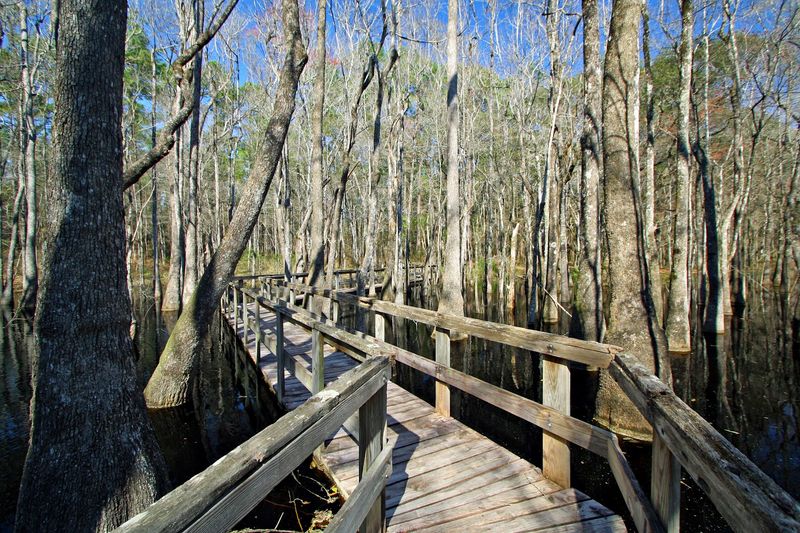
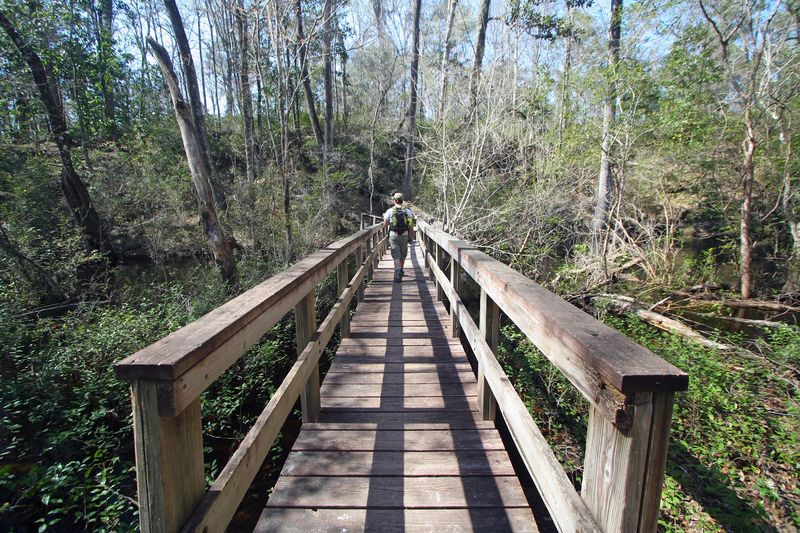
Some of the best views at Leon Sinks come from standing on a wooden boardwalk or overlook platform built right at the edge of a sinkhole. These structures let you peer safely into the depths without worrying about loose soil or steep drop-offs.
They also make for incredible photo opportunities.
Reviewers have noted that some of the older overlooks were in need of repair during past visits, but the park continues to maintain and improve these features over time. Even without all platforms fully operational, the trail still offers plenty of breathtaking views.
The boardwalks also serve an environmental purpose, keeping foot traffic off fragile edges and protecting the natural limestone formations. Walking across the wooden planks with water glimmering below is one of those simple but unforgettable moments that stays with you long after the hike ends.
Sunrise visits make the light on the water especially magical.
Practical Tips for Visiting Leon Sinks
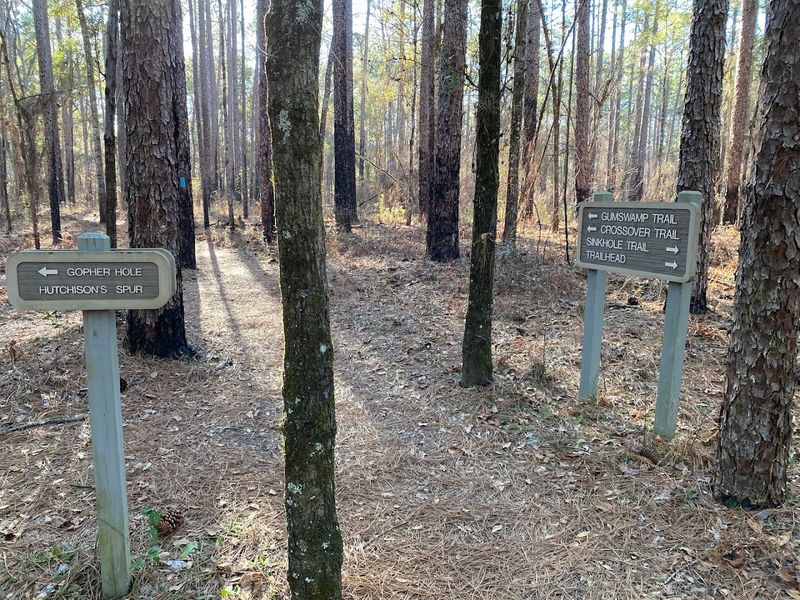
Planning ahead makes a huge difference at Leon Sinks Geological Area. Entry costs just five dollars per car, paid by placing cash or a check in an envelope at the entrance drop box.
No ATM or credit card reader is available on-site, so bringing exact cash is essential.
The park is open every day from 8 AM to 6 PM, giving you plenty of time for a morning or early afternoon hike. Arriving early on weekdays means you will likely have the trails mostly to yourself, which makes the peaceful atmosphere even more special.
Weekends can attract more visitors, especially during cooler months.
Restrooms are available in the main parking lot, and garbage cans are spaced along the trail. Dogs are welcome but must stay on a leash at all times.
Most importantly, bring more water than you think you need because Florida heat can sneak up on you fast.
Trail Difficulty and Terrain Overview
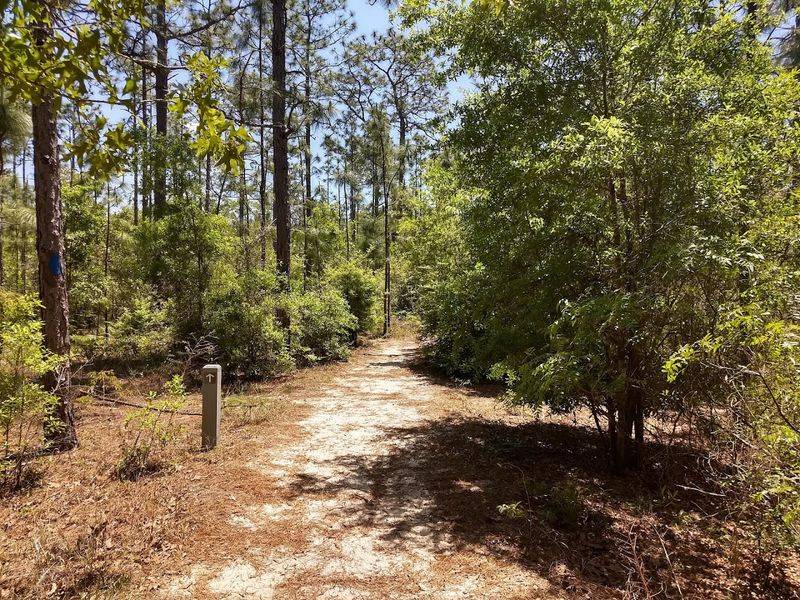
Most of the Leon Sinks trail system is surprisingly flat and easy to walk, making it accessible for a wide range of hikers. Families have completed it with children as young as two years old, and casual walkers find the terrain comfortable and manageable.
A few spots do have tree roots and small hills that require a bit more attention.
The trail is wide, clearly marked, and well-maintained throughout most of its length. Numbered markers and signage at each sinkhole make navigation simple, so getting lost during daylight hours is unlikely.
That said, reviewers warn that the area gets very dark quickly after sunset, so finishing before 6 PM closing time is strongly advised.
Sensible footwear matters more than people expect. Sneakers or light hiking shoes work well on dry days, but waterproof options are smarter after rain.
The trail can get slippery near sinkhole edges when wet, so cautious footing is always a good idea.
Photography Opportunities Throughout the Hike
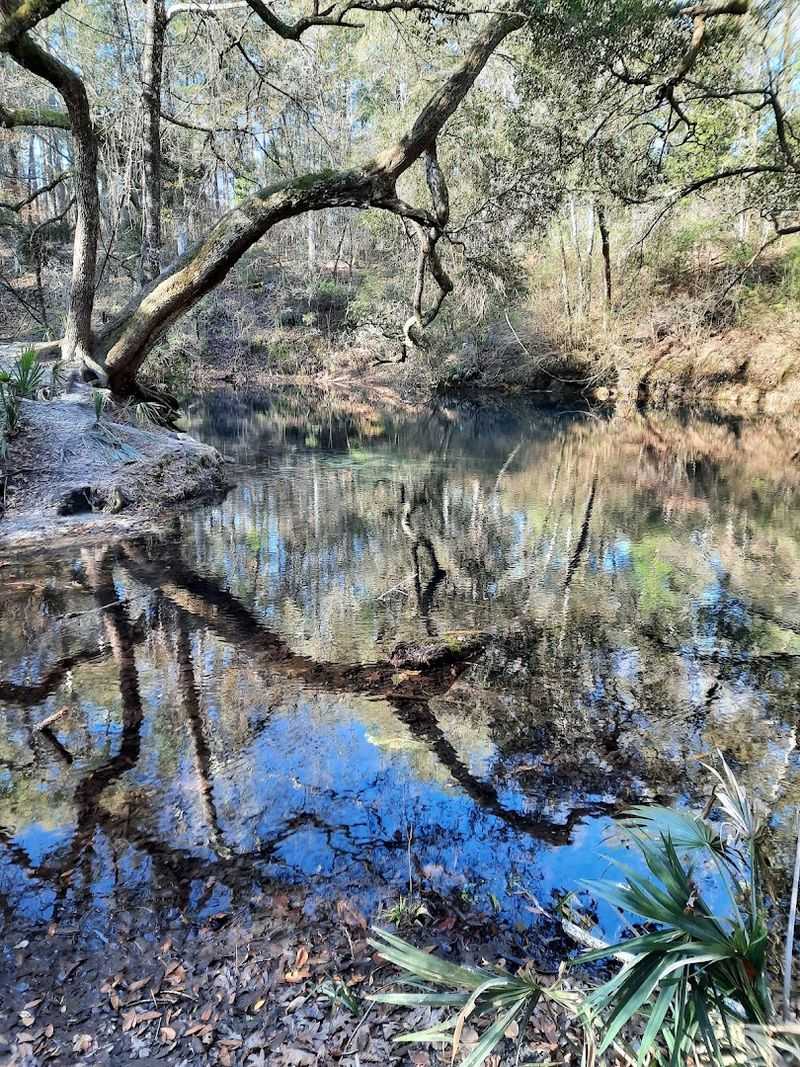
Photographers absolutely love Leon Sinks Geological Area, and it is easy to understand why. Every turn in the trail reveals something worth capturing, from crystal-blue water shimmering inside a sinkhole to enormous spider webs glowing in the morning light.
Even smartphone cameras produce stunning results here.
The contrast between dark cave openings, vivid green forest, and brilliantly blue water creates naturally dramatic compositions. Arriving just after sunrise gives you soft, golden light filtering through the tree canopy, making every shot look professionally lit.
After a rainstorm, the sinkholes fill deeper and the colors become even richer and more saturated.
Benches positioned along the trail give photographers a comfortable spot to sit, observe, and wait for the perfect shot. Wide-angle lenses work especially well for capturing the full scale of the larger sinkholes.
Even if photography is not your hobby, you will almost certainly pull out your phone to snap a few pictures here.
Why Leon Sinks Belongs on Your Florida Bucket List
Florida is famous for beaches and theme parks, but Leon Sinks Geological Area proves the state has so much more to offer. Walking past 18 sinkholes and caves in a single 3.6-mile hike is an experience that feels completely unique, even by Florida’s already impressive standards of natural beauty.
Rated 4.6 stars by hundreds of visitors, this park consistently earns praise for being peaceful, educational, scenic, and well worth the modest five-dollar entry fee. Whether you are a geology enthusiast, a casual nature lover, or a parent looking for an adventure the whole family can enjoy, Leon Sinks delivers on every front.
Located at 6605 Crawfordville Road just south of Tallahassee, the park is easy to reach and open seven days a week. Calling ahead at 850-926-3561 or checking the official USDA Forest Service website can help you plan the perfect visit.
Add it to your list now.