


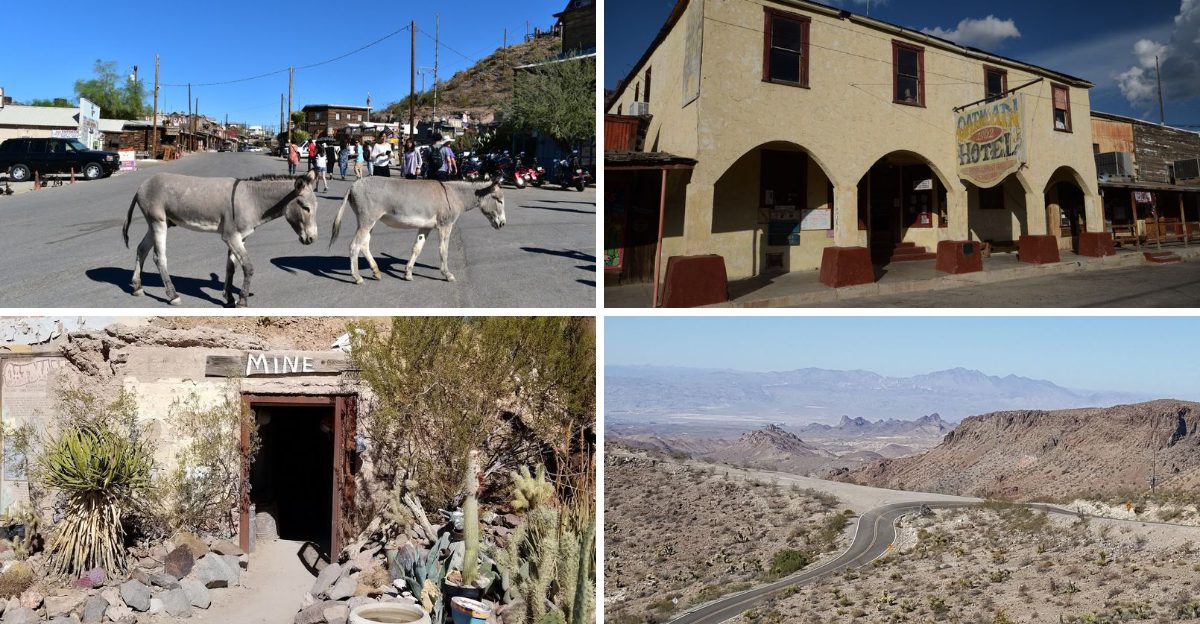
Tucked away in the rugged Black Mountains of Mohave County, Arizona, Oatman is a tiny town that seems frozen in time. Once a booming gold mining camp in the early 1900s, today it welcomes visitors with wooden storefronts, dusty streets, and wild burros roaming freely.
Whether you love history, adventure, or just a good road trip story, Oatman has something that will genuinely surprise you. Get ready to explore one of Arizona’s most unforgettable hidden gems.
The Wild Burros Roaming the Streets
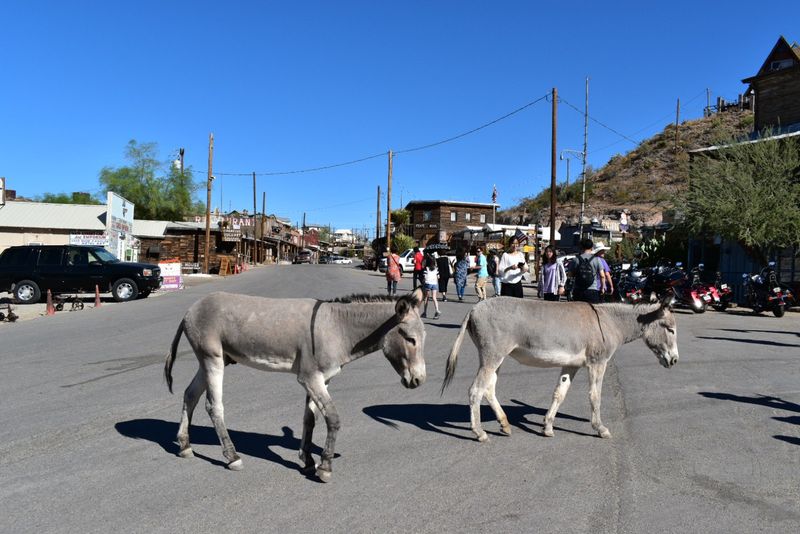
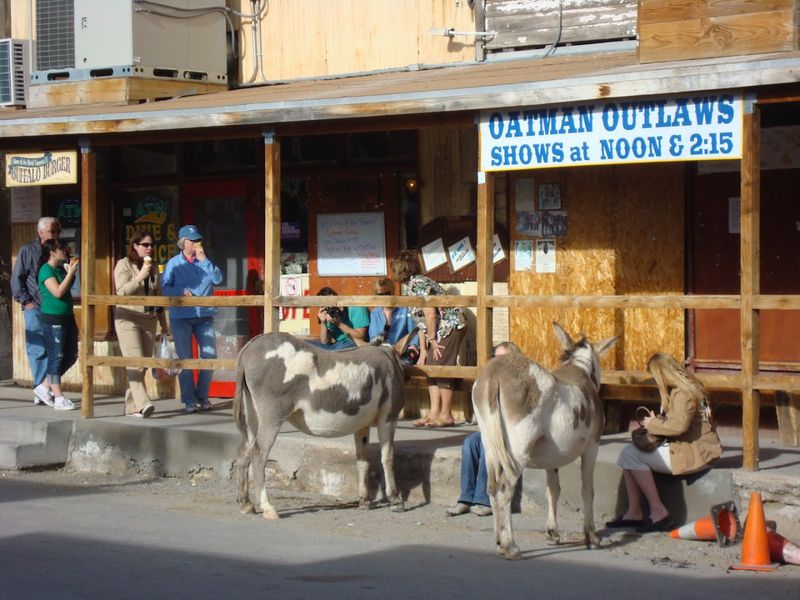
Forget traffic jams — in Oatman, the real road blockers have four legs and fuzzy ears. Wild burros casually wander the main street like they own the place, and honestly, they kind of do.
These animals are descendants of the pack burros that miners once used to haul gold out of the mountains.
When the mines closed, the burros were set free and have lived in and around the town ever since. Visitors can buy small bags of hay-based treats sold by local vendors to feed them.
The burros are surprisingly friendly and used to people, though they can be a little pushy when snacks are involved.
Spotting a burro nuzzling up to a tourist is one of Oatman’s most iconic moments. Kids absolutely love it, and even the most seasoned travelers find it charming.
It is one experience you simply cannot replicate anywhere else.
Oatman Hotel: A Living Piece of History
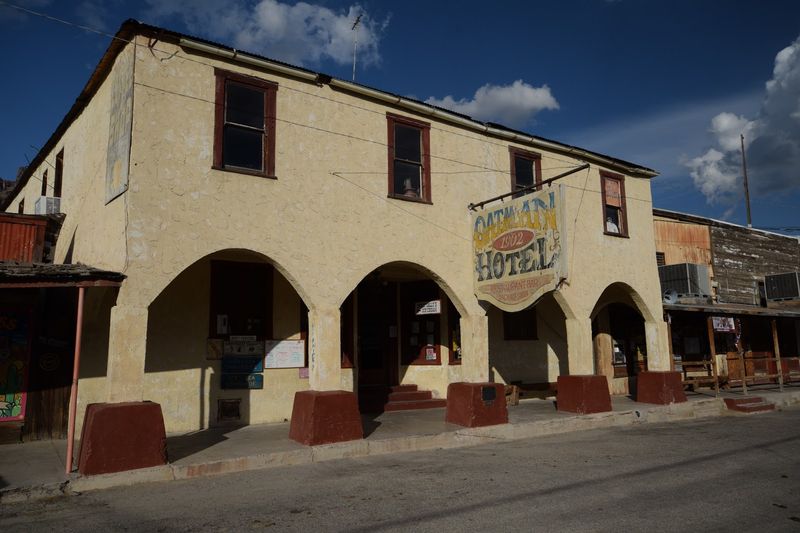
Built in 1902, the Oatman Hotel is the oldest two-story adobe structure in Mohave County, and it practically breathes history. Clark Gable and Carole Lombard famously spent their honeymoon night here in 1939, and the room they stayed in has been preserved as a tribute to the Hollywood couple.
Old dollar bills pinned to the ceiling and walls give the lobby a wonderfully quirky character.
The hotel no longer operates as a place to sleep overnight, but its saloon and restaurant are open to visitors. Stepping inside feels like walking straight into an old Western movie set, minus the scripted drama.
The worn wooden floors and antique decor make every corner worth photographing.
History lovers will appreciate the stories attached to nearly every wall and artifact. The Oatman Hotel is not just a building — it is a storyteller standing tall in the middle of the desert.
Gold Mining Heritage That Started It All
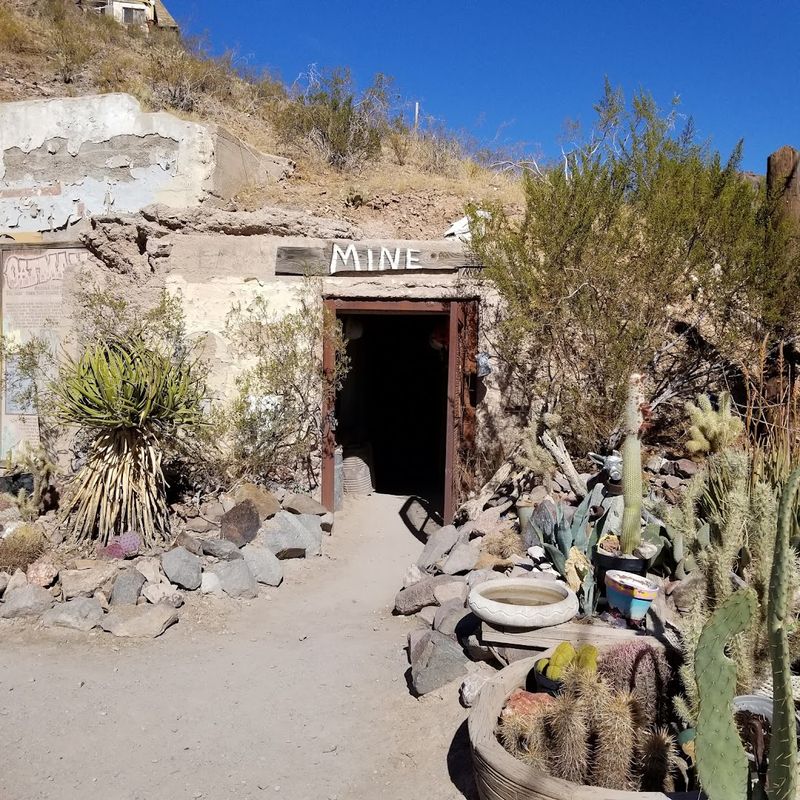
Back in 1915, two prospectors struck gold worth roughly $10 million in the Black Mountains, and that single discovery changed everything. Almost overnight, Oatman transformed from a quiet desert settlement into a buzzing mining camp packed with workers, merchants, and dreamers.
At its peak, the town had a population of around 10,000 people.
The gold mines operated actively until the early 1940s, when the U.S. government declared gold mining non-essential during World War II. After that, the population dropped sharply and the town nearly disappeared.
What remained slowly evolved into the quirky tourist destination visitors know today.
Learning about Oatman’s gold rush roots adds real depth to any visit. Several shops and exhibits around town share artifacts, photographs, and stories from the mining era.
Understanding where this town came from makes walking its streets feel even more meaningful and surprisingly emotional for history fans.
Route 66: The Mother Road Runs Right Through
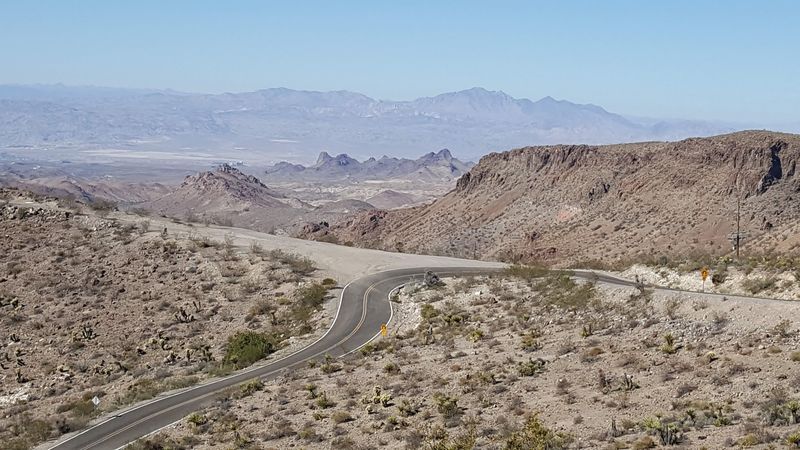
Oatman sits right along one of the most legendary stretches of historic Route 66, the famous highway that once connected Chicago to Los Angeles. This particular section of the road twists dramatically through the Black Mountains, offering jaw-dropping views and hairpin turns that old-school road trippers still rave about.
Driving it feels like a true American adventure.
Before Interstate 40 was built, Route 66 through Oatman was the primary route for travelers heading west to California. Thousands of families during the Dust Bowl era passed through this very road in search of a better life.
That weight of history makes every mile feel significant.
Today, vintage car enthusiasts, motorcyclists, and road trip lovers make a special detour just to drive this section. The combination of dramatic scenery and deep American history makes the Route 66 passage through Oatman genuinely unforgettable.
Pack a camera — every curve deserves a photo.
Gunfight Reenactments on Main Street
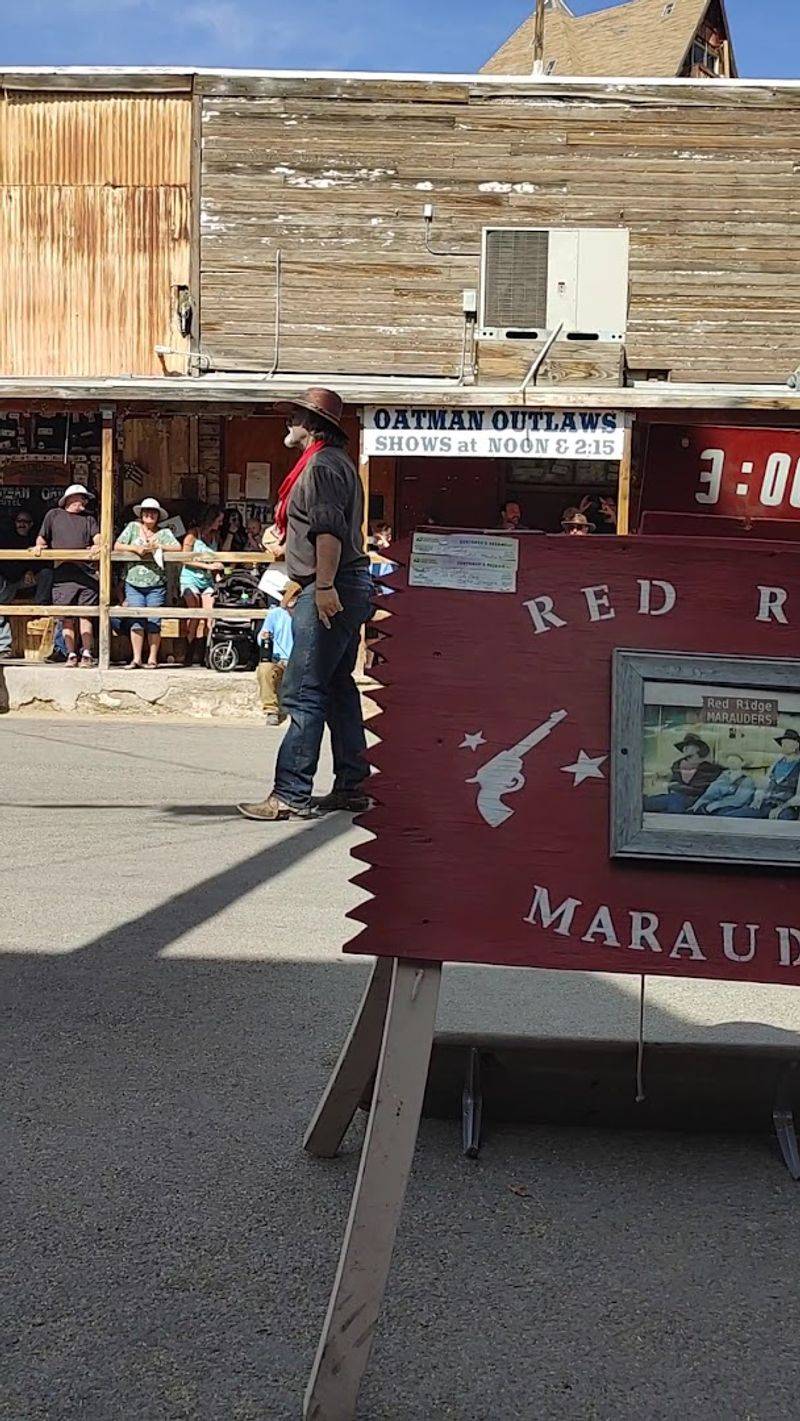
On weekends, Oatman’s main street turns into a full-blown Wild West showdown. Costumed actors stage dramatic gunfight reenactments right in the middle of the road, drawing crowds of laughing, cheering visitors of all ages.
The performances are theatrical, entertaining, and surprisingly well-rehearsed.
These shows are a fun nod to Oatman’s rough-and-tumble past, when the town was filled with miners, gamblers, and characters straight out of a Western novel. The actors play it up with exaggerated bravado, dramatic falls, and plenty of audience interaction.
Kids especially go wild for the whole spectacle.
Reenactments typically happen on Saturday and Sunday afternoons, though schedules can vary by season. Arriving early means you can snag a good spot along the wooden boardwalk to watch the action unfold.
It is the kind of spontaneous, joyful experience that makes Oatman feel genuinely alive rather than just a dusty relic.
The Quirky Shops and Souvenirs Along the Boardwalk
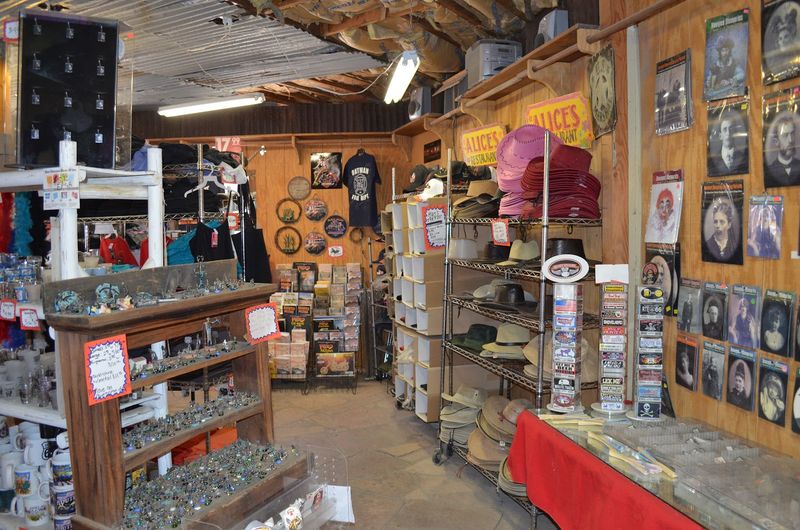
Walking along Oatman’s wooden boardwalk is like browsing through a living museum that also happens to sell really fun stuff. Tiny shops tucked into old storefronts offer everything from handmade turquoise jewelry to Route 66 memorabilia, leather goods, and gold-themed trinkets.
Each store has its own personality and charm.
Many of the shop owners are locals with deep roots in the area, and chatting with them often reveals fascinating stories about the town’s colorful past. Shopping here is not just about buying things — it is about connecting with a community that genuinely loves where it lives.
That warmth makes browsing feel enjoyable rather than commercial.
Budget-conscious visitors will find affordable keepsakes like magnets, postcards, and small gold panning kits. Splurge-worthy finds include hand-crafted jewelry and artisan Western wear.
Whatever you pick up, you will always remember exactly where you bought it — and that is the real souvenir.
Gold Panning Activities for All Ages
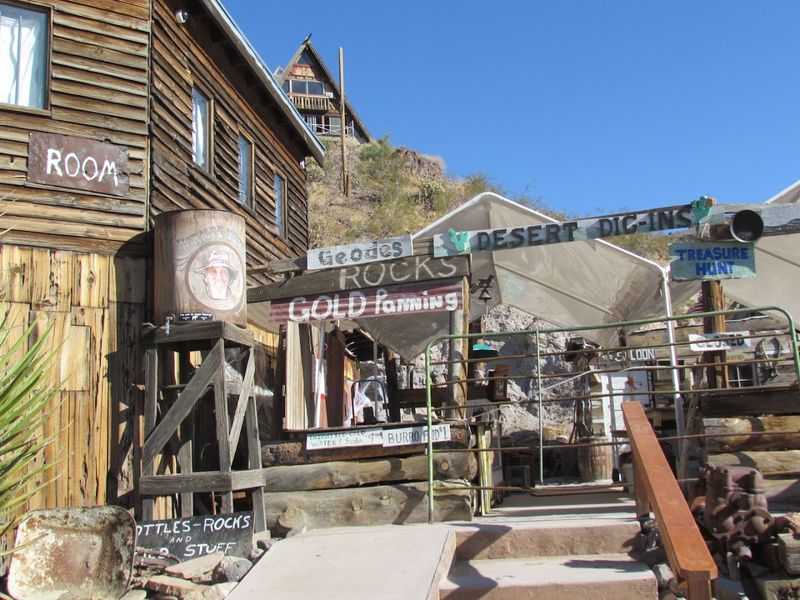
Want to feel like a real prospector for an afternoon? Gold panning is one of the most hands-on and genuinely exciting activities available in Oatman.
Several vendors along the main street set up panning stations where you can try your luck at sifting gold flakes from sand and gravel. It sounds simple, but it gets surprisingly addictive.
The technique involves swirling water in a shallow pan to separate heavy gold particles from lighter sediment. Instructors walk beginners through the process step by step, making it accessible even for young kids.
Most participants actually find at least a few tiny flakes, which feels like a major victory every single time.
Any gold you find is yours to keep, usually stored in a small vial of water as a keepsake. It is a perfect blend of education and entertainment.
Gold panning connects visitors directly to Oatman’s mining roots in the most tactile way possible.
Stunning Desert Mountain Scenery
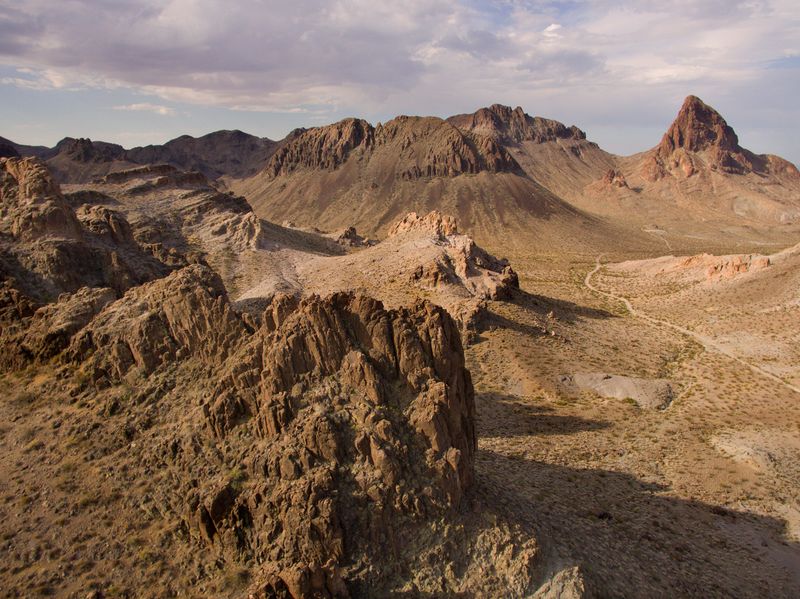
Oatman sits at an elevation of 2,710 feet in the heart of the Black Mountains, and the scenery surrounding it is nothing short of spectacular. Jagged rocky peaks, sweeping desert valleys, and dramatic skies create a backdrop that makes every photo look professionally taken.
Sunrise and sunset here are particularly breathtaking.
Hikers and nature lovers will find plenty of trails and open terrain to explore around the area. The landscape shifts in color throughout the day, moving from golden yellows in the morning to deep purples and reds by evening.
Being surrounded by that kind of raw natural beauty has a way of making everyday stress feel very far away.
Even if you are not an outdoor adventurer, simply standing on the edge of town and gazing out at the mountains feels rewarding. The scenery alone is worth the drive.
Oatman proves that ghost towns and gorgeous landscapes make an unbeatable combination.
The Spirit of Clark Gable Still Lingers
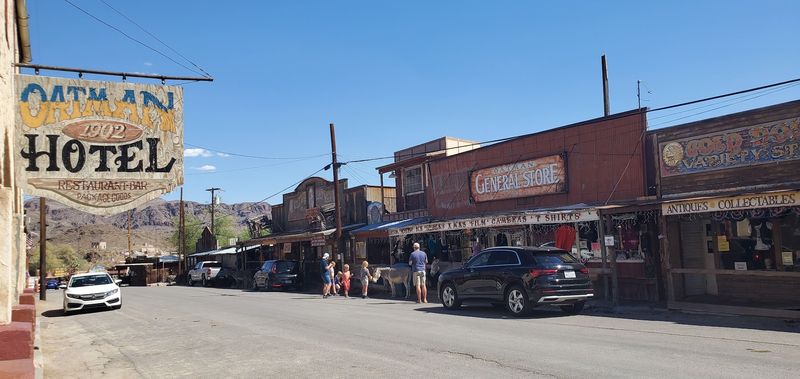
Hollywood royalty once walked the same dusty streets you will stroll today. Clark Gable and Carole Lombard, two of the biggest movie stars of the 1930s, chose Oatman as their honeymoon destination after their secret wedding in Kingman, Arizona in March 1939.
That single romantic decision put this tiny desert town on a very glamorous map.
The room they stayed in at the Oatman Hotel has been kept largely intact, with period-appropriate furnishings and photographs celebrating their visit. Fans of Old Hollywood find the whole setup deeply touching and surprisingly moving.
There is something magical about standing in a space where legends once shared a quiet moment.
Gable reportedly loved the area so much that he returned multiple times to go hunting in the surrounding mountains. His connection to Oatman gave the town a star-powered identity that still draws curious visitors decades later.
Romance, history, and Hollywood — Oatman delivers all three.
A Town That Nearly Disappeared Forever
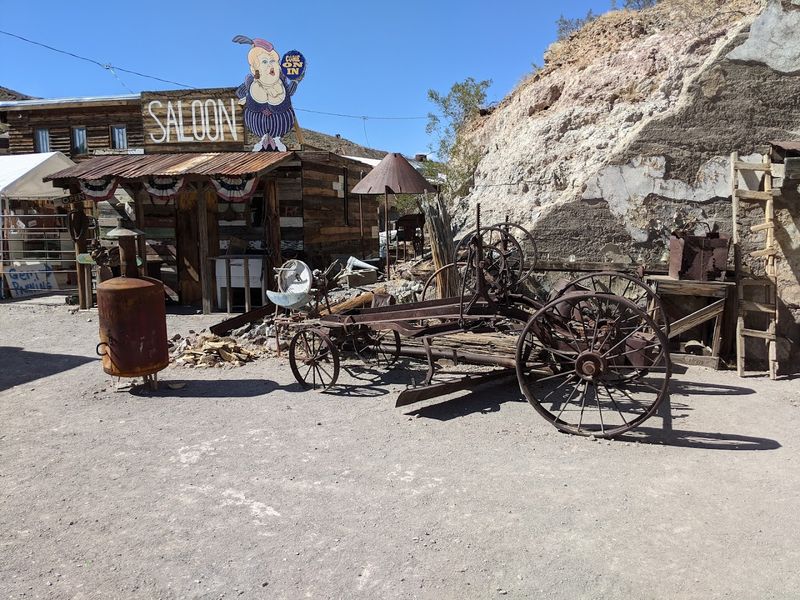
By the mid-1940s, Oatman was on the verge of becoming a true ghost town. After gold mining was shut down during World War II, residents packed up and left in droves.
Buildings were abandoned, businesses shuttered, and the population plummeted from thousands to just a few dozen stubborn souls who refused to leave.
Then came the tourists. As Route 66 nostalgia grew in the 1970s and 1980s, travelers began rediscovering Oatman as a quirky roadside attraction.
The town slowly reinvented itself, leaning into its Wild West identity to draw curious visitors rather than miners. It became a second-act success story that few expected.
Today, Oatman sits in a sweet spot between ghost town and living community. Some buildings remain in picturesque ruin while others buzz with activity.
That tension between decay and revival is part of what makes the town so visually compelling and emotionally resonant for first-time visitors.
The Elevation and Climate Make It Surprisingly Comfortable
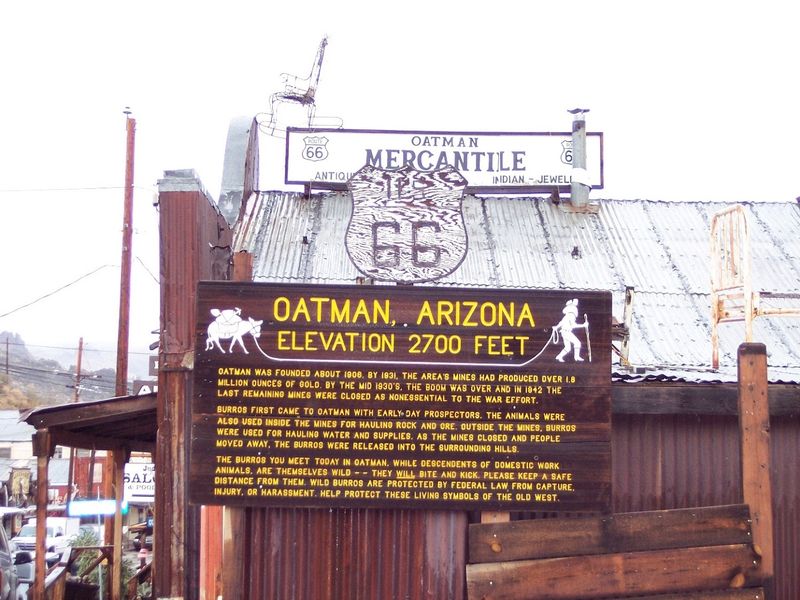
Many people assume that visiting an Arizona desert town means suffering through unbearable heat, but Oatman’s elevation of 2,710 feet makes it noticeably more comfortable than the scorching valley floors below. The higher altitude brings cooler breezes, especially in the morning and evening hours.
Spring and fall visits are particularly pleasant.
Summer temperatures can still climb into the 90s, so bringing water and wearing sunscreen is always a smart move. Early morning visits during summer offer the best combination of comfortable temperatures and fewer crowds.
The light at that hour is also gorgeous for photography.
Winter in Oatman can occasionally bring frost and even light snow to the Black Mountains, which transforms the landscape into something surprisingly magical. Checking the weather forecast before visiting ensures you dress appropriately for whatever the desert throws your way.
No matter the season, Oatman rewards those who come prepared.
Annual Events That Keep the Town Buzzing
Oatman may be small, but it throws a seriously good party. Throughout the year, the town hosts a handful of beloved annual events that draw visitors from across the Southwest.
The most famous is the Oatman Sidewalk Egg Fry on the Fourth of July, where participants attempt to cook eggs on the pavement using only sunlight and solar reflectors.
Halloween in Oatman is another crowd favorite, transforming the already theatrical main street into a full-on spooky celebration with costumes, decorations, and festive activities for families. The holiday season also brings Christmas-themed events that feel wonderfully cozy against the rugged desert backdrop.
These events give visitors an extra reason to plan their trip around a specific date. Attending one of Oatman’s celebrations turns a simple sightseeing trip into a full experience with community energy and genuine local flavor.
Check the town’s event calendar before booking your visit for maximum fun.
How to Get There and Make the Most of Your Visit
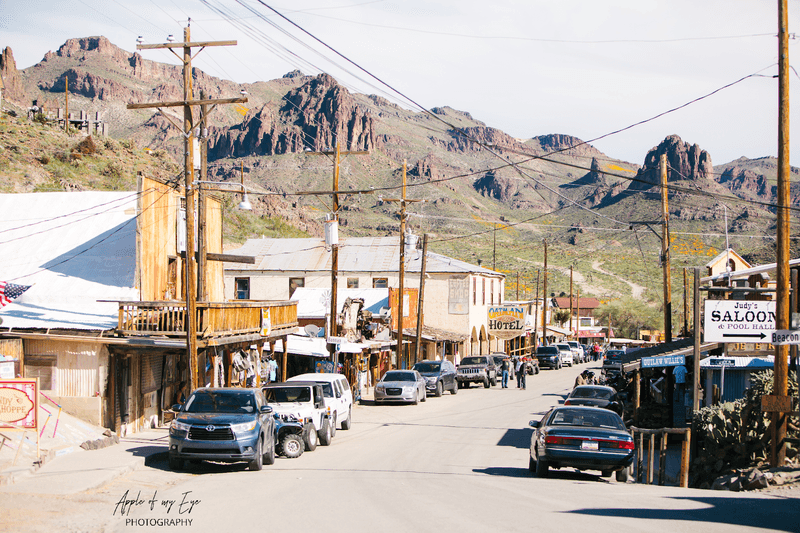
Getting to Oatman is half the adventure. The town is located about 28 miles south of Kingman, Arizona, and the drive along historic Route 66 through the Black Mountains is one of the most scenic routes in the entire state.
Tight switchbacks and dramatic overlooks make the journey feel like an event in itself.
Most visitors spend two to four hours exploring Oatman, which is enough time to feed the burros, browse the shops, catch a gunfight show, and grab a bite to eat at one of the local spots. Arriving on a weekend gives you the best chance of seeing the gunfight reenactments and running into more vendors and open shops.
Parking is available near the main street, though it can fill up quickly on busy weekend afternoons. Wearing comfortable walking shoes is highly recommended since the terrain is uneven in places.
Oatman rewards visitors who take their time and soak everything in slowly.