


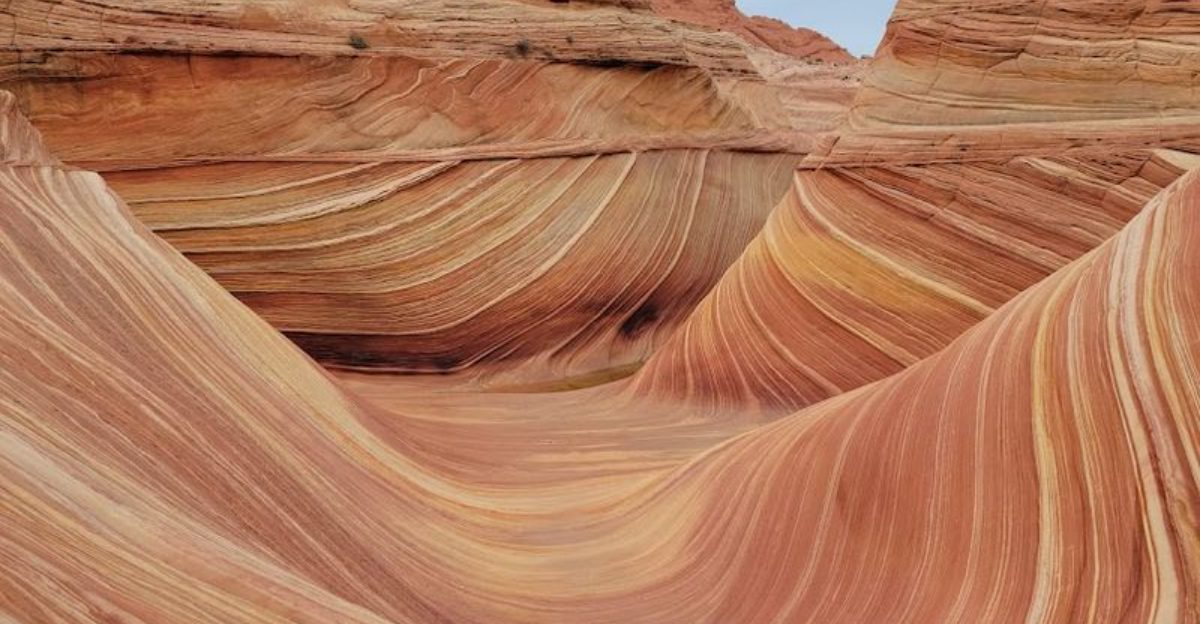
Tucked away in the remote corners of northern Arizona, Vermilion Cliffs National Monument is the kind of place that makes you stop and wonder if you’ve stepped onto another planet. Stretching across 280,000 acres near Marble Canyon, this stunning reserve is packed with towering red rock formations, narrow slot canyons, and sweeping desert vistas that look almost too beautiful to be real.
Whether you’re a seasoned hiker, a road trip lover, or simply someone who appreciates jaw-dropping scenery, this monument has something truly unforgettable waiting for you.
The Wave: Nature’s Most Famous Swirling Rock Formation
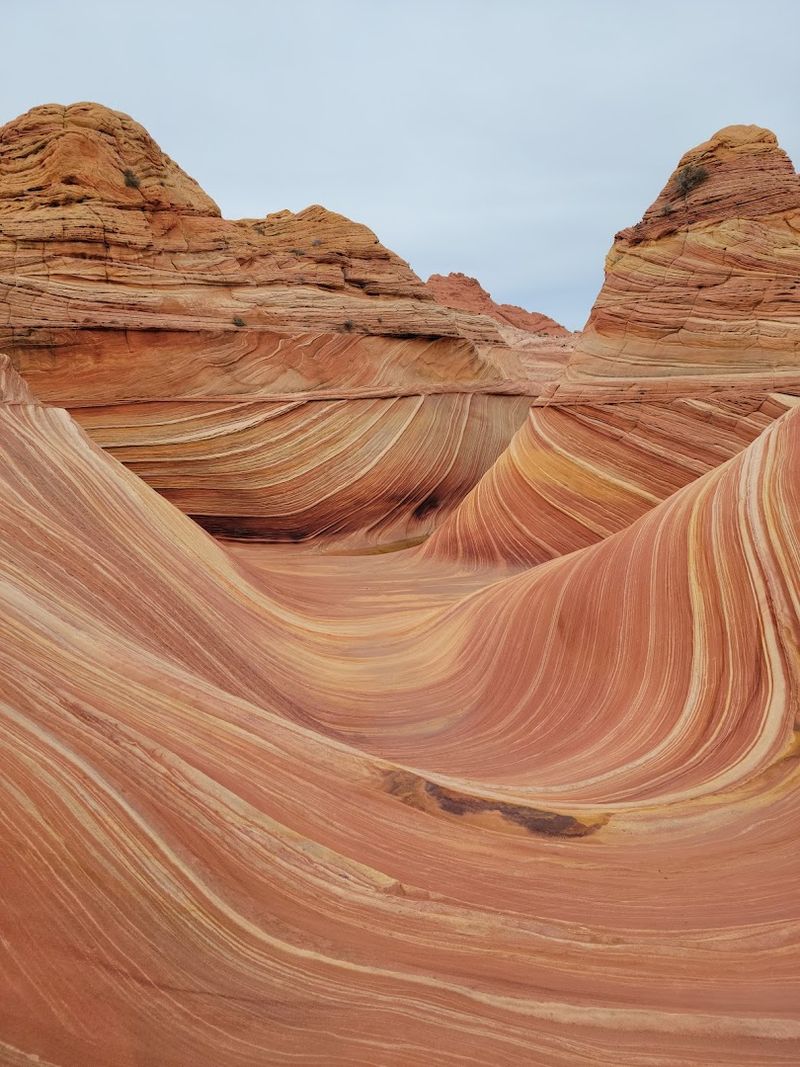
Few places on Earth stop people in their tracks quite like The Wave. Hidden within the Coyote Buttes North area of Vermilion Cliffs, this sandstone formation looks like a frozen ocean of red and orange ribbons carved by millions of years of wind and water erosion.
Getting here isn’t easy — you’ll need to win a permit through a competitive lottery system run by the Bureau of Land Management. Only 64 people are allowed to visit per day, which keeps the area pristine and uncrowded.
The hike itself covers about 6 miles round trip across unmarked terrain, so a map and solid navigation skills are a must.
Sunrise and sunset light up those swirling patterns in truly magical ways. If you’re serious about visiting, apply for the lottery months ahead and keep your fingers crossed.
Most visitors say the effort is absolutely worth every step.
White Pocket: The Monument’s Best-Kept Secret
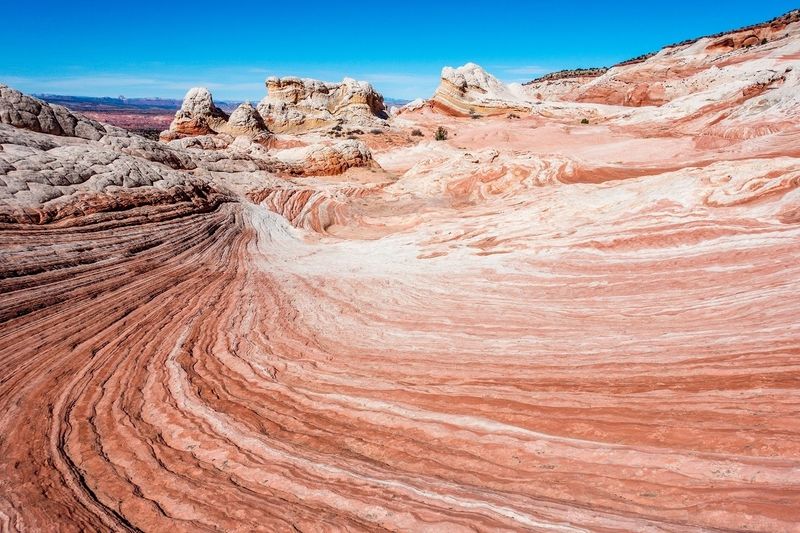
Imagine stepping into a landscape that looks like melted wax frozen in time — that’s White Pocket in a nutshell. Located in the southern section of Vermilion Cliffs, this area features bulbous, swirling rock formations in shades of white, cream, and deep red that seem almost sculpted by an artist’s hand.
Unlike The Wave, White Pocket doesn’t require a permit, which makes it a fantastic alternative for visitors who don’t win the lottery. However, reaching it requires a high-clearance 4×4 vehicle because the access road crosses miles of deep sand and rough terrain.
Many visitors hire local guided tours to get there safely.
Photography enthusiasts absolutely love this spot during golden hour, when warm light turns the pale rocks into glowing amber. Pack plenty of water, snacks, and extra fuel before heading out — services are extremely limited in this remote corner of Arizona.
Buckskin Gulch: The World’s Longest Slot Canyon
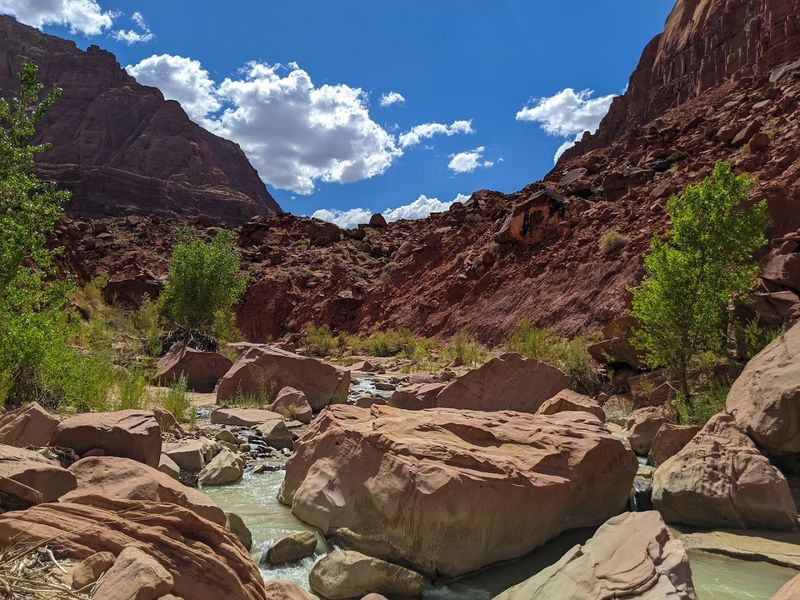
Stretching over 20 miles, Buckskin Gulch holds the title of the world’s longest slot canyon — and walking through it feels like traveling through the inside of the Earth itself. Walls soar hundreds of feet overhead while narrowing to just a few feet wide in places, creating an otherworldly tunnel of sculpted sandstone.
Hikers who’ve explored both Buckskin Gulch and the famous Antelope Canyon often say Buckskin wins for raw, untamed beauty. The colors shift from deep burgundy to golden orange depending on the light filtering down from above.
Some sections involve wading through shallow pools, so waterproof boots are a smart choice.
Flash floods are a real danger here, so always check weather forecasts before entering. A permit from the BLM is required, and camping inside the canyon is possible for multi-day adventurers.
It’s one of those hikes that stays with you long after you’ve returned home.
Paria Canyon Wilderness: A Backpacker’s Dream
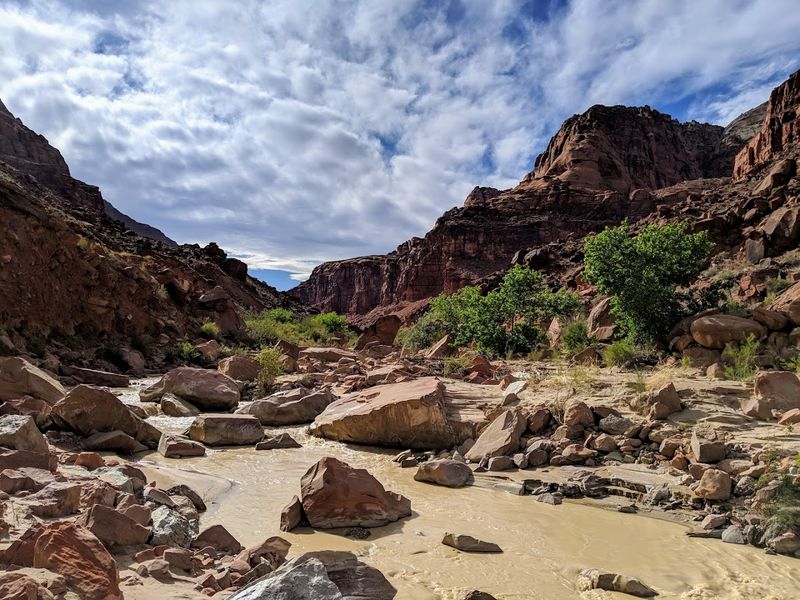
For backpackers who crave solitude and stunning scenery in equal measure, Paria Canyon is a dream come true. Running roughly 38 miles from the Utah border down to Lee’s Ferry in Arizona, this wilderness corridor winds through some of the most dramatic canyon landscapes in the American Southwest.
The multi-day hike requires crossing the Paria River dozens of times, so expect wet feet and a bit of mud. Permits are required and group sizes are limited to protect the fragile desert ecosystem.
Spring and fall offer the most comfortable temperatures, while summer heat and monsoon flooding make those seasons less ideal.
Along the way, hikers encounter ancient petroglyphs, towering canyon walls, and quiet stretches of wilderness that feel completely untouched. Wildlife sightings — including bighorn sheep and various bird species — add extra excitement to the journey.
Paria Canyon rewards patient, well-prepared adventurers with memories that last a lifetime.
California Condors: Watching the Giants of the Sky
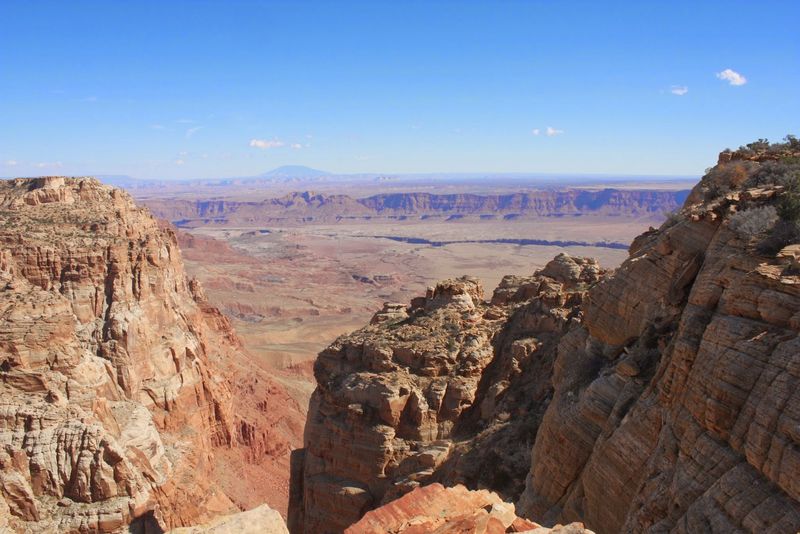
One of the most thrilling wildlife experiences at Vermilion Cliffs has nothing to do with rocks — it’s watching California condors ride the thermals overhead. With wingspans stretching nearly 10 feet, these birds are North America’s largest flying land birds, and they were once critically close to extinction.
Thanks to a captive breeding and release program centered right here at Vermilion Cliffs, the condor population has been slowly climbing back from the brink. Each year, young condors raised in captivity are released into the wild at this monument, giving the species a fighting chance at survival.
Spotting one soaring above the cliffs is genuinely breathtaking.
The best place to look for condors is near the Vermilion Cliffs viewpoint along Highway 89A, especially in the early morning hours. Bring binoculars for a closer look and keep a respectful distance — these birds are federally protected and deeply important to the region’s ecosystem.
Lee’s Ferry: Where History Meets the Colorado River
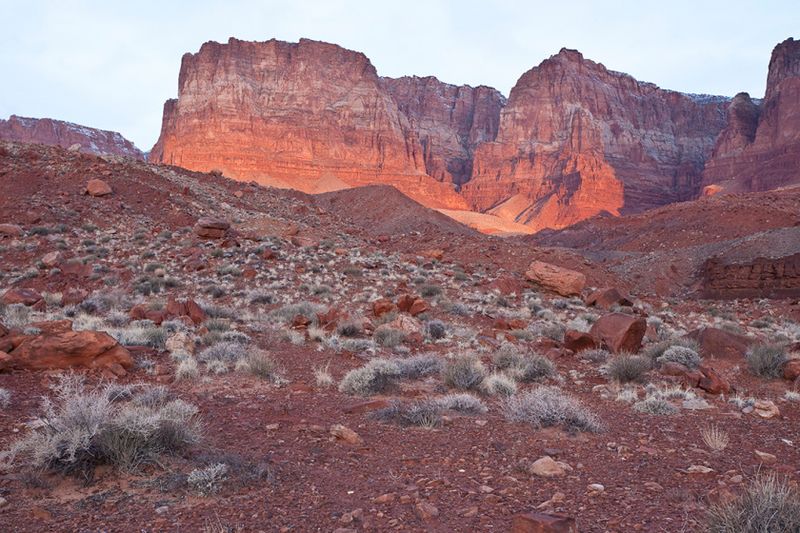
Sitting at the very tip of Marble Canyon where the Colorado River flows through red canyon walls, Lee’s Ferry is one of the most historically loaded spots in all of Arizona. For centuries, this was the only practical place to cross the Colorado River for hundreds of miles in either direction, making it a critical waypoint for explorers, settlers, and traders.
Today, visitors can explore the ruins of the old stone fort and ferry landing, walk along the riverbank, and learn about the fascinating — and sometimes tragic — story of John D. Lee, the outlaw for whom the site is named.
The area also serves as the launching point for Grand Canyon whitewater rafting trips.
Fishing for trout in the cold, clear waters below Glen Canyon Dam is hugely popular here. Even if you’re just passing through, stopping at Lee’s Ferry gives you a genuine sense of the wild history woven into this remarkable landscape.
Navajo Bridge: Twin Spans Over a Stunning Gorge
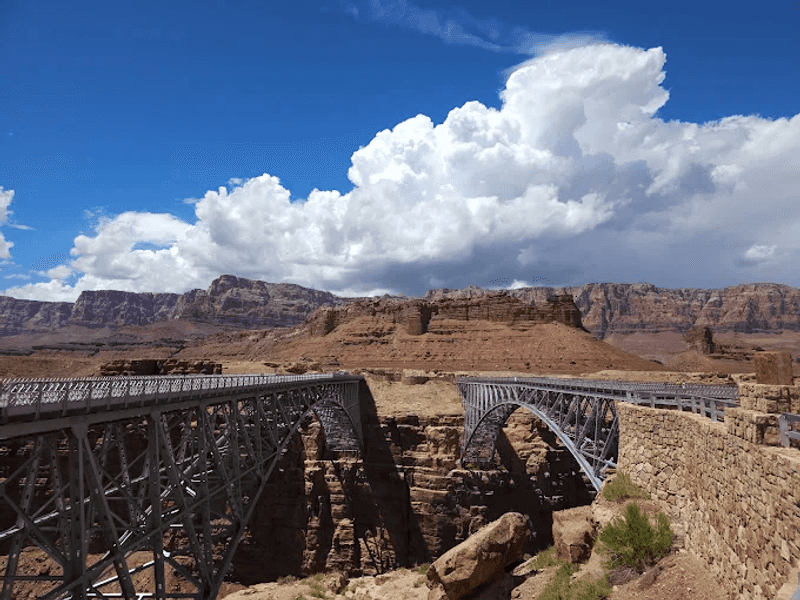
Standing on Navajo Bridge and peering down into the 467-foot gorge below is one of those experiences that makes your stomach do a little flip — in the best possible way. Located just a short drive from the Vermilion Cliffs viewpoint, this iconic crossing actually consists of two bridges standing side by side: a historic 1929 span that’s now a pedestrian walkway and a modern 1995 bridge that carries vehicle traffic.
The views from the pedestrian bridge are absolutely spectacular, offering clear sightlines down into Marble Canyon and along the Colorado River. California condors are frequently spotted perching on the bridge’s steel arches, making it a favorite wildlife-watching location as well.
A small interpretive center nearby tells the fascinating story of both bridges and the Navajo Nation’s deep connection to this land. Admission is free, and the stop takes only about 30 minutes — making it a perfect addition to any Vermilion Cliffs road trip itinerary.
Driving Highway 89A: The Road Trip of a Lifetime
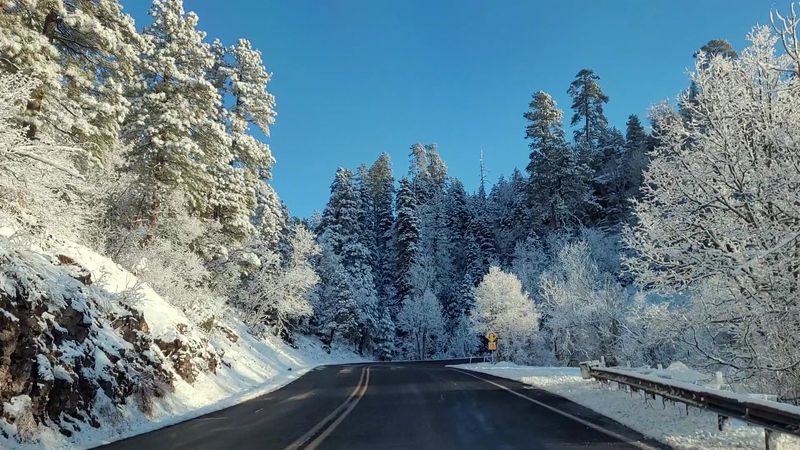
Some roads are just roads. Then there’s Highway 89A between Kanab, Utah, and the junction with Highway 89 near Page, Arizona — a stretch of pavement that motorcycle riders, road trippers, and photographers consistently rank among the most breathtaking drives in the entire country.
For roughly 70 miles, the highway hugs the base of the Vermilion Cliffs, offering unobstructed views of towering red and orange escarpments rising thousands of feet above the desert floor. Pullouts along the way invite you to stop, step out, and simply stare.
Morning light paints the cliffs in warm gold tones, while late afternoon turns them a deep, fiery crimson.
Gas stations are few and far between, so fill up before you leave Kanab or Page. Cell service is also spotty through much of the route.
Bring snacks, a full tank, and a camera with plenty of storage — you’ll use every gigabyte.
Wire Pass Trail: A Slot Canyon Hidden in Plain Sight
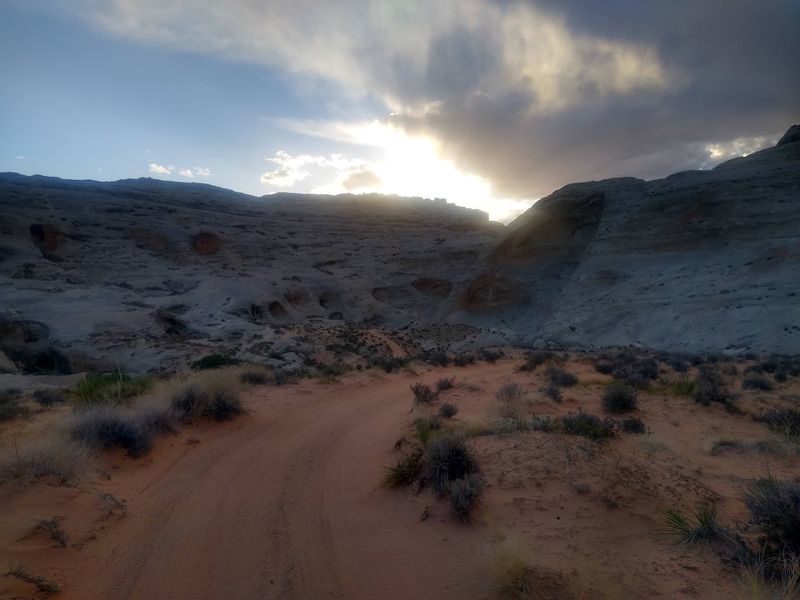
Not everyone wins the lottery for The Wave, but Wire Pass Trail offers a spectacular slot canyon experience that rivals anything in the region — and it’s far easier to access. Starting from a trailhead off House Rock Valley Road, this relatively short hike winds through a beautifully carved sandstone slot canyon before connecting to the longer Buckskin Gulch.
The canyon walls press in close, sometimes just a shoulder’s width apart, while light filters down in glowing beams that photographers absolutely adore. Ancient Ancestral Puebloan petroglyphs are etched into the walls near the trailhead, adding a layer of cultural history to the natural spectacle.
One reviewer even noted a hidden area just off the main trail filled with teepee-shaped rock formations that most visitors walk right past. A permit is required, available through the BLM website or self-service at the trailhead.
Go early in the day to enjoy the best light and the most peaceful experience.
Coyote Buttes South: Color and Texture Without the Crowds
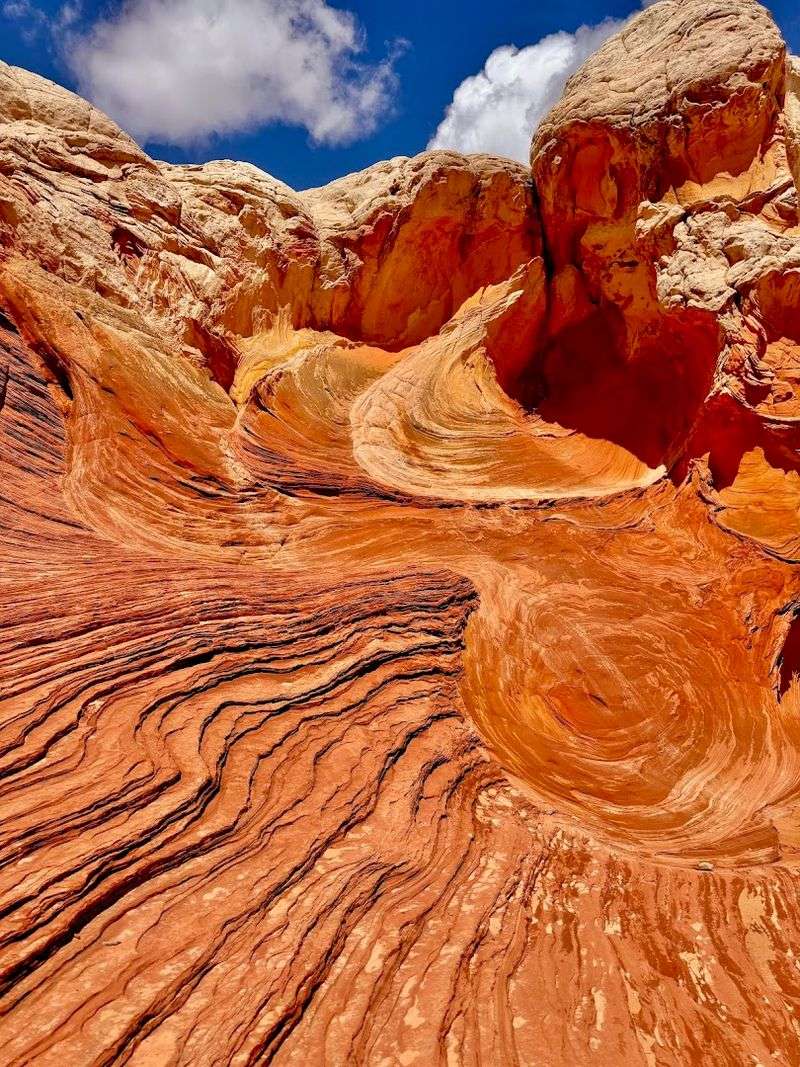
While Coyote Buttes North gets most of the attention thanks to The Wave, its southern counterpart quietly delivers one of the most colorful and texturally rich landscapes in the entire monument. Coyote Buttes South features an extraordinary mix of layered sandstone formations in shades of red, pink, orange, and cream that shift dramatically depending on the time of day.
A lottery permit system is also in place here, but the odds of winning are generally better than for the North area. Winners often describe their visit as a highlight of their entire trip through the Southwest.
The terrain is rugged and routes are unmarked, so solid navigation skills and a downloaded GPS map are essential.
Spring wildflowers occasionally add pops of yellow and purple against the red rocks, creating scenes that look almost digitally enhanced. Bring at least two liters of water per person, sturdy hiking boots, and a sense of wonder — this place rewards the curious and the well-prepared.
Cathedral Wash: A Rugged Hike to the River’s Edge
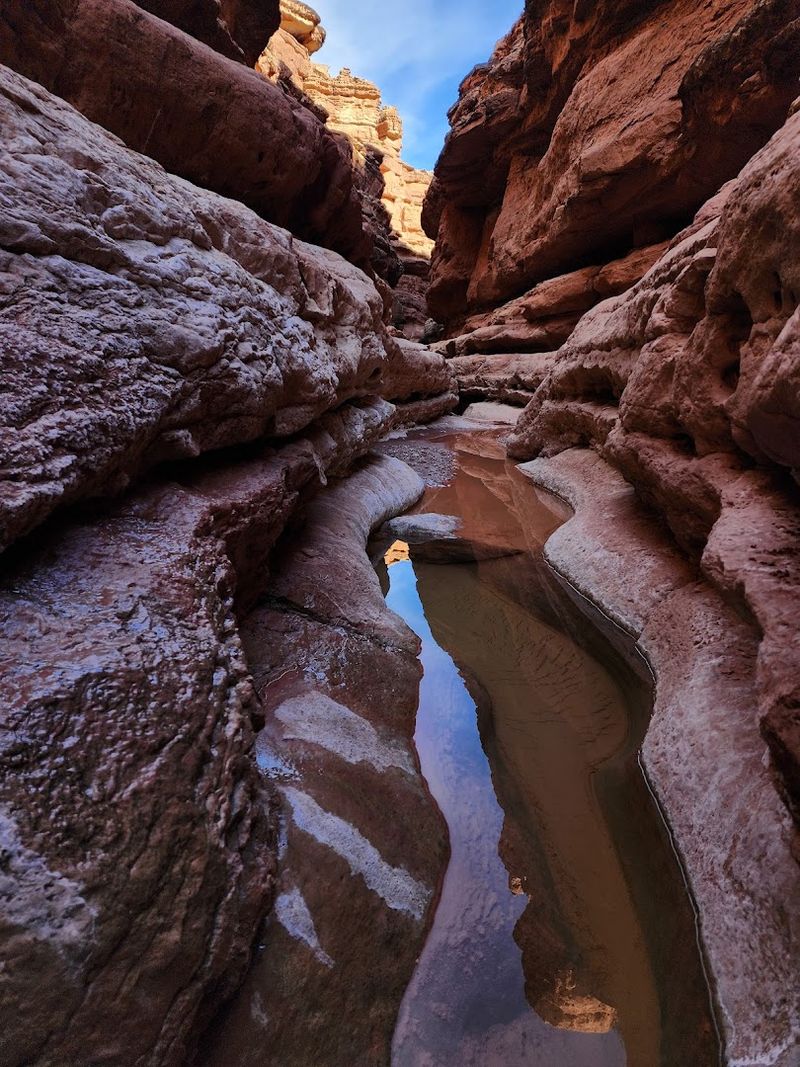
Cathedral Wash is the kind of hike that surprises you — in the best and most exhausting way possible. Located near Lee’s Ferry, this short but intense trail covers only about 3 miles round trip, yet involves serious scrambling over boulders, squeezing through narrow rock passages, and climbing more than you might expect for such a compact route.
One reviewer perfectly summed it up: you do almost as much climbing as walking. The reward at the end is a quiet stretch of the Colorado River framed by towering canyon walls — a scene of raw, unfiltered desert beauty that feels earned after the effort to reach it.
Sturdy hiking shoes with ankle support are strongly recommended, and trekking poles can make the rocky scrambles much more manageable. The hike is best attempted in cooler months since there’s virtually no shade along the route.
Start early, go slow, and savor every boulder scramble — it’s genuinely one of a kind.
Marble Canyon: Where Geology Tells a Million-Year Story
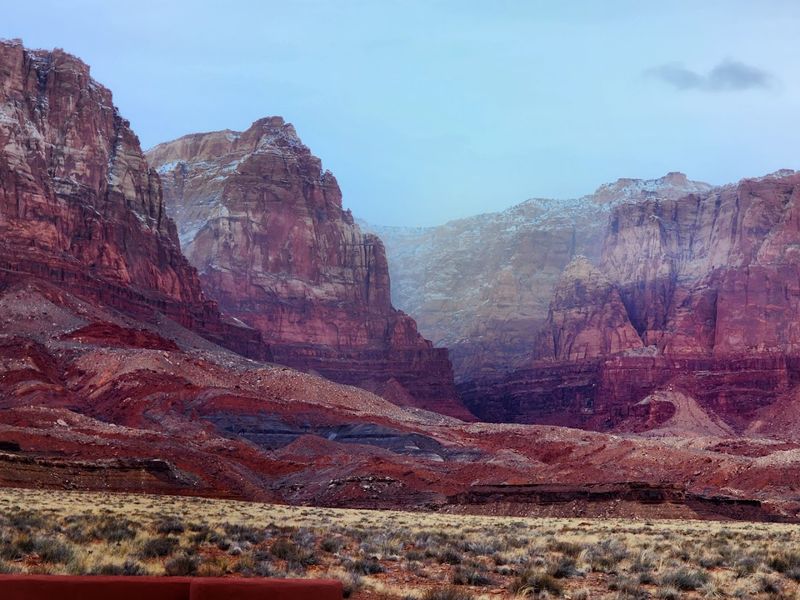
Marble Canyon isn’t just a pretty name — it’s a geological storybook written in layers of sandstone, limestone, siltstone, and shale that rise thousands of feet above the canyon floor. Carved over millions of years by the Colorado River, the canyon exposes rock strata that scientists use to read the deep history of the Earth itself.
The canyon sits right along Highway 89A, making it one of the most accessible dramatic landscapes in the entire monument. Even a quick stop at a roadside pullout delivers views that many visitors describe as otherworldly.
The contrast between the deep blue-green river below and the warm red canyon walls above is genuinely stunning at any time of day.
Geology enthusiasts could spend hours studying the exposed rock layers, each one representing a different chapter in Earth’s history. For everyone else, it’s simply one of those views that makes you feel wonderfully small in the best possible way.
Sunrise and Sunset at the Vermilion Cliffs Viewpoint
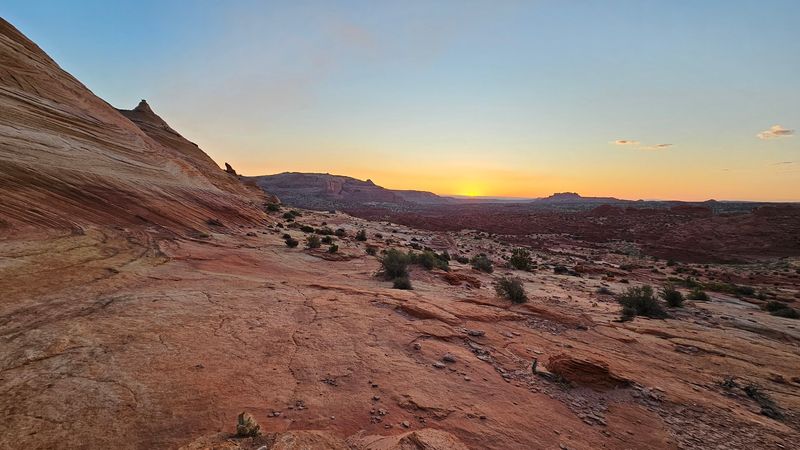
One reviewer put it beautifully: the two golden hours on either end of daylight at Vermilion Cliffs are something you need to use wisely. At sunrise, soft pink and gold light skims across the cliff faces, pulling out colors and textures that the harsh midday sun completely flattens.
At sunset, the entire escarpment transforms into a blazing wall of crimson and amber that seems almost too vivid to be real.
The main viewpoint along Highway 89A is easy to reach and requires no hiking whatsoever — just park, walk a few steps, and prepare to have your breath taken away. California condors are frequently spotted soaring above the cliffs during these golden hours, adding a wildlife dimension to the already spectacular light show.
Photographers should arrive at least 20 minutes before sunrise or sunset to claim a good spot. Tripods are helpful for capturing the low-light scenes.
Even a smartphone camera can produce stunning results when the light is this extraordinary.