


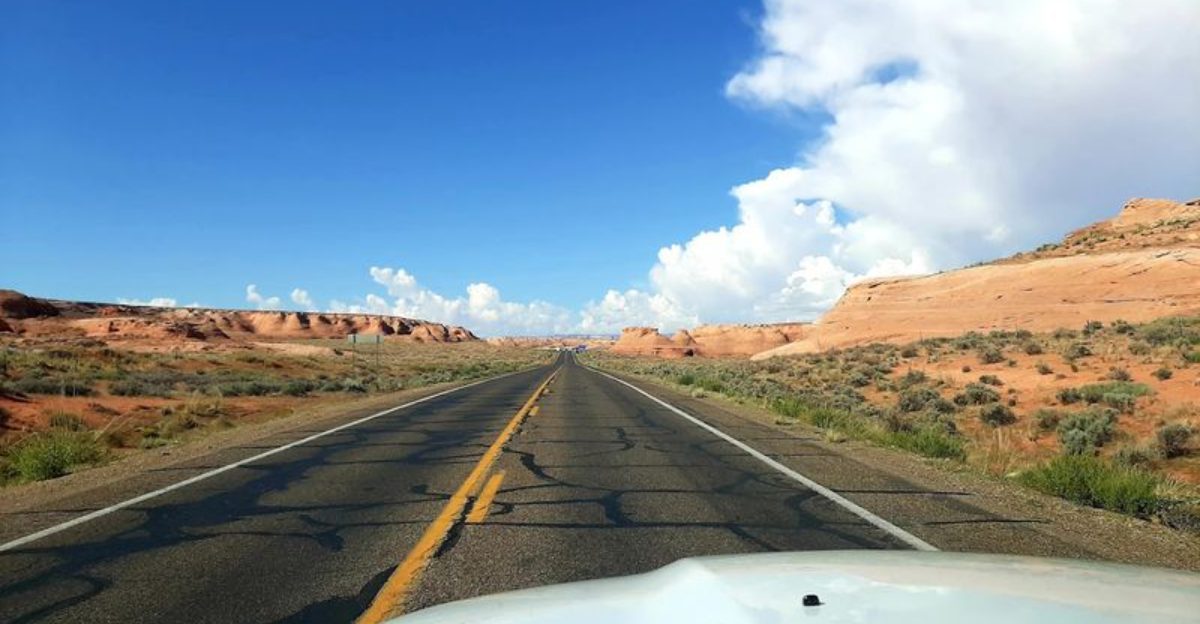
Tucked away in the northern corner of Arizona, AZ-98 is a 67-mile highway that most travelers simply drive past without a second thought. Stretching from Page, Arizona, toward the Navajo Nation and beyond, this route is packed with jaw-dropping scenery, rich cultural history, and hidden gems waiting to be discovered.
Whether you love wide-open desert landscapes, ancient rock formations, or peaceful roadside stops, this drive delivers all of that and more. If you are looking for an adventure that feels genuinely off the beaten path, AZ-98 might just be your new favorite road trip route.
Starting Point: Page, Arizona
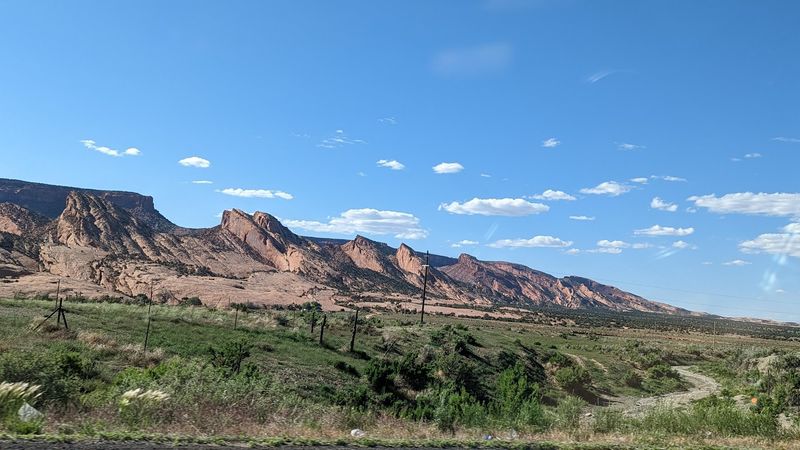
Page, Arizona is the kind of town that sneaks up on you. Sitting at the edge of the Colorado Plateau at about 4,300 feet above sea level, it offers sweeping views before you even leave the city limits.
Most visitors know Page as the gateway to Lake Powell, but it is also the perfect launching pad for the AZ-98 drive.
The town has a handful of gas stations, diners, and supply shops, making it a smart place to fuel up before heading out. Grab a breakfast burrito from a local spot and fill your water bottles, because the desert does not forgive those who forget to hydrate.
Page itself was built in the 1950s to house workers constructing the Glen Canyon Dam, giving it a fascinating origin story. Starting your adventure here means beginning with history already under your wheels.
Glen Canyon Dam Overlook
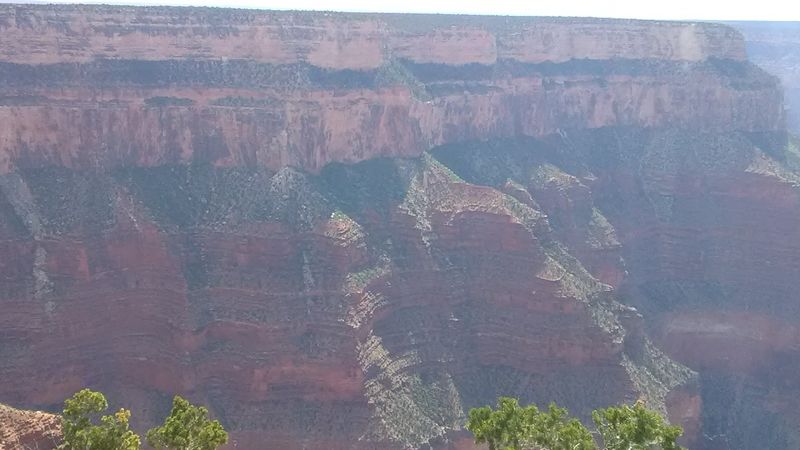
Few sights along AZ-98 hit as hard as the first glimpse of Glen Canyon Dam. Standing 710 feet tall, this concrete arch dam is one of the tallest in the entire United States, and it holds back the massive reservoir known as Lake Powell.
Seeing it in person makes every photo you have ever seen of it look small.
There is a free overlook area near the Carl Hayden Visitor Center where you can stop, stretch your legs, and stare down into the brilliant blue-green water below. Rangers are often on hand to answer questions, and the exhibits inside are genuinely interesting, even for younger visitors.
The dam was completed in 1966 and remains a feat of mid-century American engineering. Standing at the railing and looking down at the Colorado River churning far below is one of those moments that stays with you long after the drive is over.
Navajo Bridge at Marble Canyon
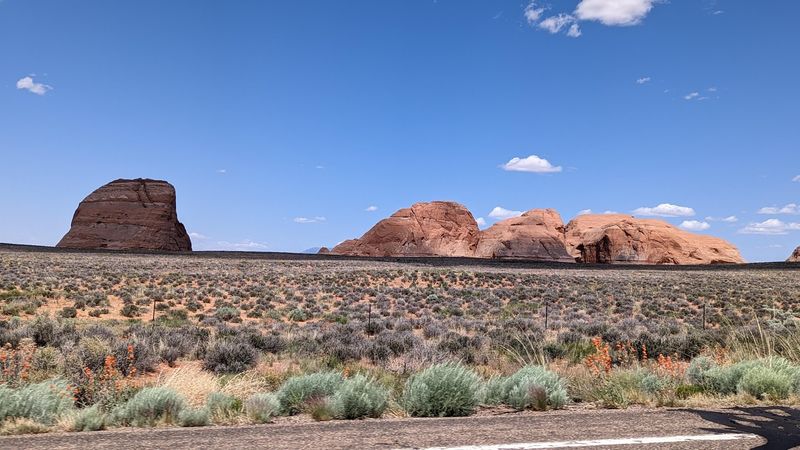
Two bridges stand side by side at Marble Canyon, and together they make one of the most photographed spots along the entire AZ-98 corridor. The original Navajo Bridge, built in 1929, was once the only crossing of the Colorado River for hundreds of miles.
Today it serves as a pedestrian walkway, while the newer 1995 bridge carries vehicle traffic.
Walking across the old bridge is absolutely worth the few minutes it takes. The drop to the Colorado River below is around 470 feet, which is enough to make your stomach flip in the best possible way.
California condors are frequently spotted soaring in the thermals here, making this a birdwatcher’s dream stop.
The Navajo Bridge Interpretive Center nearby is free to enter and offers great context about the history of this crossing. Do not rush through this stop, because the canyon views reward patience and a slow pace.
Vermilion Cliffs National Monument
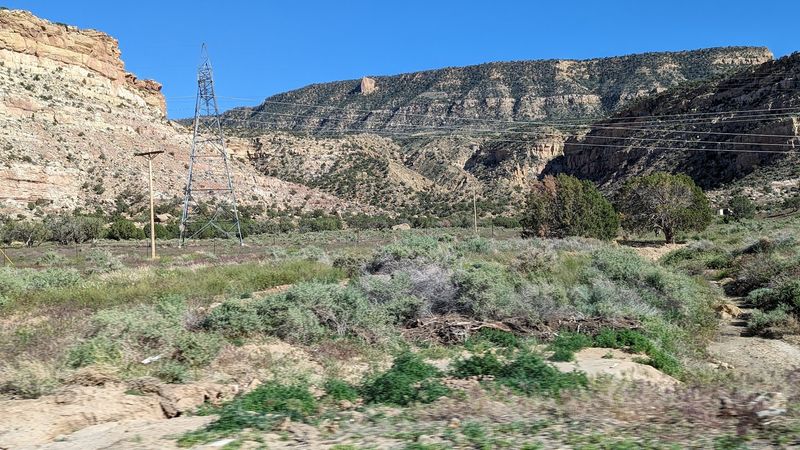
Stretching along the southern edge of the drive like a burning wall of color, the Vermilion Cliffs are one of the most visually striking features of the entire AZ-98 experience. These towering sandstone formations glow in shades of deep red, orange, and pink depending on the time of day and the angle of the sun.
The cliffs rise over 3,000 feet in some places and extend for roughly 30 miles along the highway. Pulling over at any of the informal roadside viewpoints gives you a completely different perspective each time.
Sunrise and late afternoon light are especially dramatic here, turning the rock faces into something that looks almost painted.
The monument is also home to the California Condor Reintroduction Program, which has been running since 1996. Spotting one of these massive birds with a wingspan of nearly 10 feet soaring overhead is an experience that feels almost prehistoric.
Cliff Dwellers Lodge Area
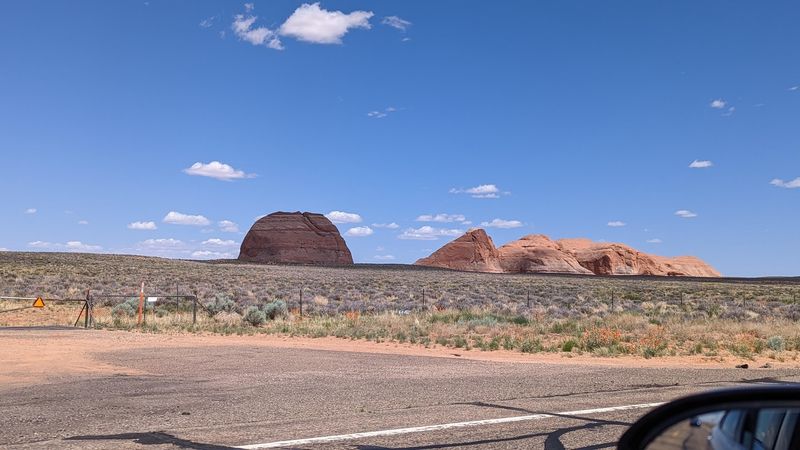
Somewhere between quirky roadside stop and genuine historical curiosity, the Cliff Dwellers Lodge area is a place that makes you slow down and look twice. Giant boulders the size of houses are stacked along the base of the Vermilion Cliffs here, creating natural shelters that have attracted human habitation for centuries.
A small lodge and trading post have operated in this area since the 1920s, and the current establishment keeps that old-West charm alive. It is a wonderful place to grab a cold drink, use the restroom, and chat with locals who know the land better than any guidebook could explain.
The rock formations here also make for outstanding photography, especially when the afternoon light hits the boulders and turns them golden. Kids especially love scrambling around the base of the rocks, and the whole area has a playground-of-the-gods kind of energy that is hard to describe but easy to feel.
House Rock Valley Road Junction
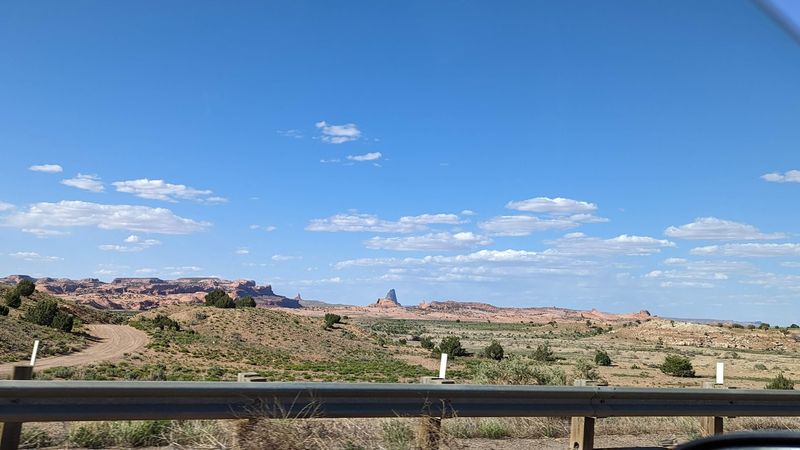
About halfway through the AZ-98 drive, a dirt road peels off toward House Rock Valley, and if you have a high-clearance vehicle, following it even a short distance is well worth it. The valley opens up into an enormous flat expanse framed by the Vermilion Cliffs on one side and the Kaibab Plateau on the other.
This remote area is home to one of the few free-roaming American bison herds in Arizona, managed by the Arizona Game and Fish Department. Spotting a bison moving slowly across the sage-covered flats is a genuinely wild experience that most visitors to Arizona never get to have.
The road is unpaved and can become impassable after rain, so always check conditions before turning off the main highway. Even just pulling over at the junction and scanning the valley with binoculars can reward you with wildlife sightings that feel a million miles from civilization.
Kaibab Plateau Views
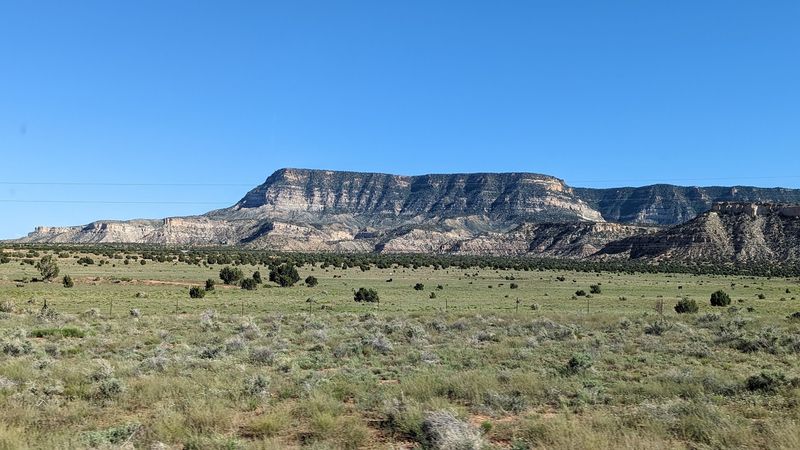
One of the most surprising visual moments on AZ-98 happens when the Kaibab Plateau comes into full view. Rising sharply from the desert floor to over 9,000 feet, this forested plateau looks almost impossibly green compared to the surrounding red and tan desert landscape.
It feels like someone placed a chunk of Colorado in the middle of Arizona.
The contrast between the low desert scrub along the highway and the thick ponderosa pine forest blanketing the plateau is genuinely stunning. On clear days, the treeline is sharp and crisp against the sky, and you can easily see weather systems forming over the higher elevations while you drive in sunshine below.
The Kaibab Plateau is also the North Rim side of the Grand Canyon, which sits just beyond it. Knowing that one of the world’s most famous natural wonders is tucked just behind that forested ridge adds a layer of quiet awe to the entire drive.
Jacob Lake Junction
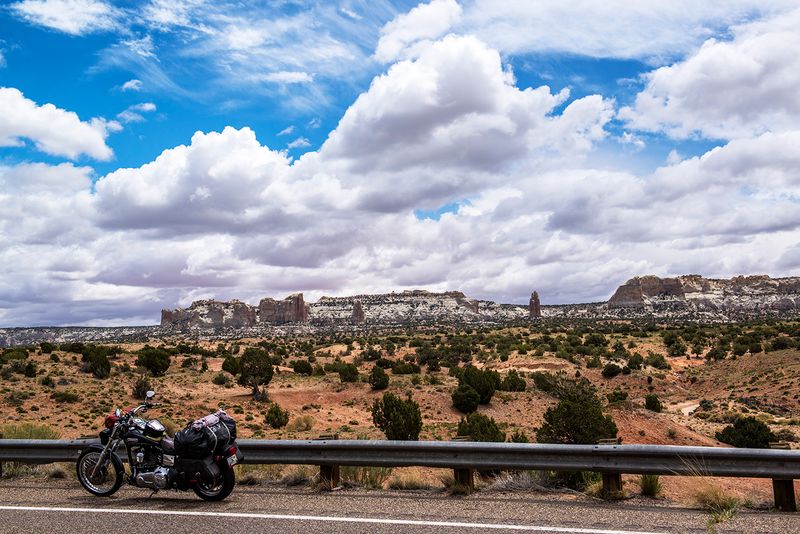
Jacob Lake Junction feels like a breath of fresh mountain air, literally. Sitting at around 7,900 feet elevation where AZ-98 meets Highway 89A, this small crossroads community is centered around the beloved Jacob Lake Inn, which has been welcoming travelers since 1923.
The smell of pine trees and the cooler temperatures are an immediate sensory shift after the lower desert miles.
The inn is famous for its homemade cookies, which locals and road-trippers alike stop for religiously. Picking up a few for the road is practically a rite of passage on this route.
The small gift shop also carries books, maps, and Navajo crafts that make for thoughtful souvenirs.
Jacob Lake also serves as the last fuel and food stop before the North Rim of the Grand Canyon, so many visitors use it as a strategic rest point. Even if the Grand Canyon is not on your itinerary, stopping here feels like a reward for the miles already covered.
Navajo Nation Cultural Significance
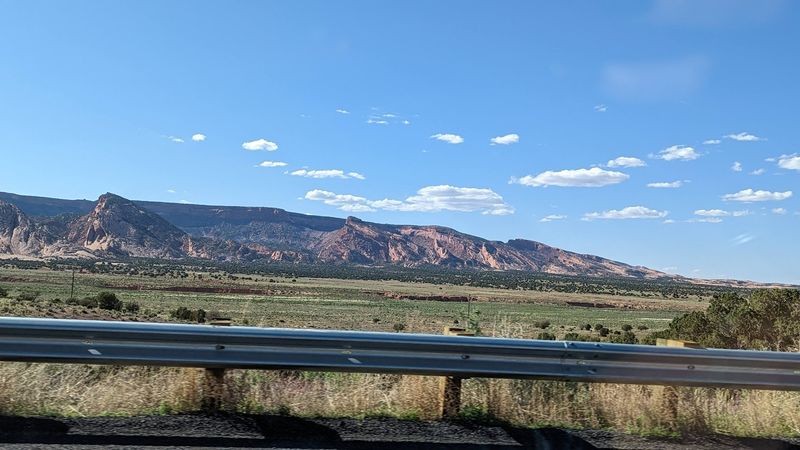
A significant portion of the AZ-98 corridor passes through or alongside Navajo Nation land, the largest Native American reservation in the United States. Driving through this area carries a weight and a meaning that goes beyond scenery.
The land here has been home to the Navajo people, the Dine, for centuries, and that presence is felt in everything from the roadside art vendors to the names on the map.
Respecting Navajo Nation protocols while traveling through is essential. Photography of people and ceremonies requires permission, and some areas along the route are restricted to tribal members only.
Being a thoughtful visitor means learning a little about the culture before arriving, not just after.
Several roadside stands offer handmade jewelry, rugs, and pottery crafted by local Navajo artisans. Buying directly from these vendors supports families and communities in a meaningful and direct way, making your purchase far more than just a souvenir.
Antelope Pass Elevation Change
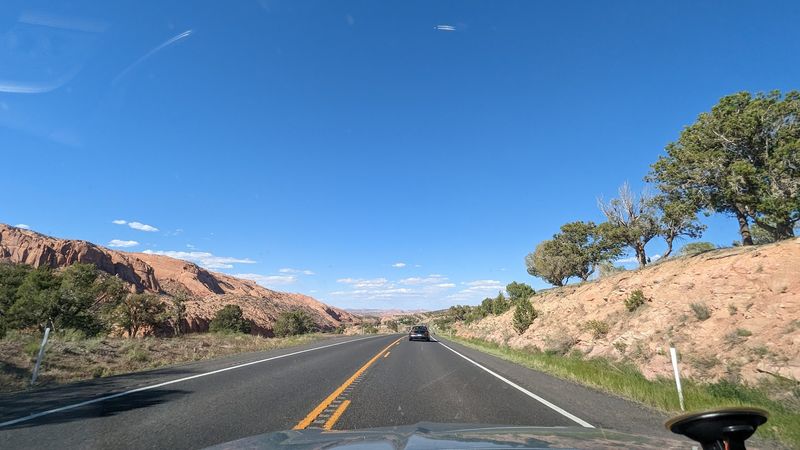
Road trips are not just about destinations, and the elevation changes along AZ-98 prove that beautifully. As the highway climbs from the lower desert toward the Kaibab Plateau, the landscape transforms in real time around you.
Plants change, temperatures drop, and the air itself feels different within just a few miles of climbing.
The transition zones along this drive are genuinely fascinating from a natural science perspective. You move through desert scrubland, pinyon-juniper woodland, and eventually into ponderosa pine forest, all within a single drive.
Each zone supports completely different wildlife and plant communities, which keeps the scenery constantly fresh and interesting.
For families with curious kids, this elevation change is a fantastic teaching moment about how altitude affects ecosystems. Pointing out the shift from cactus to pine trees makes the science feel real and tangible rather than something stuck in a textbook.
Few drives make ecology this easy to observe firsthand.
Wildlife Watching Opportunities
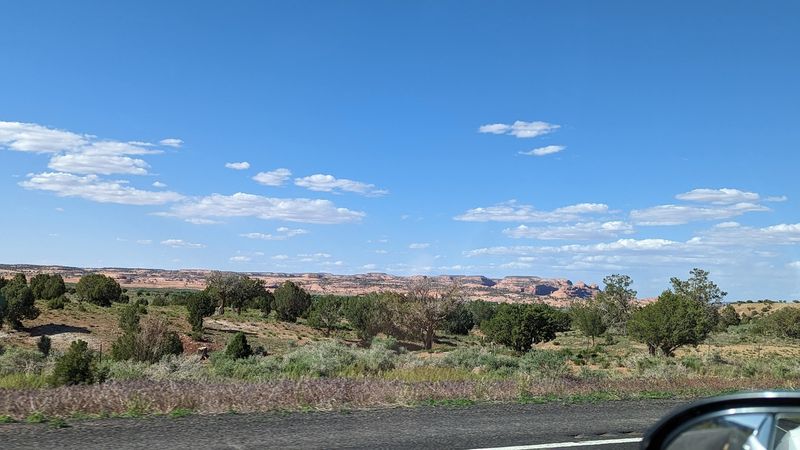
Wildlife watching along AZ-98 is not just a bonus, it is practically a guaranteed feature of the drive. Mule deer are commonly spotted near the treeline at dawn and dusk, often standing just a few feet from the highway shoulder with complete composure.
Pronghorn antelope occasionally appear in the lower desert sections, sprinting alongside the road in short breathtaking bursts.
Raptors are everywhere along this corridor. Red-tailed hawks perch on fence posts and telephone poles, while golden eagles circle lazily overhead.
Near Marble Canyon, California condors make dramatic appearances, sometimes landing close enough to the road that you can see the numbered tags on their wings.
The key to good wildlife sightings on any road trip is patience and timing. Early morning and late afternoon are peak activity hours for most desert and forest animals.
Keeping binoculars in the car and driving at a relaxed pace dramatically increases your chances of memorable encounters along this remarkable route.
Photography Golden Hours Along the Route
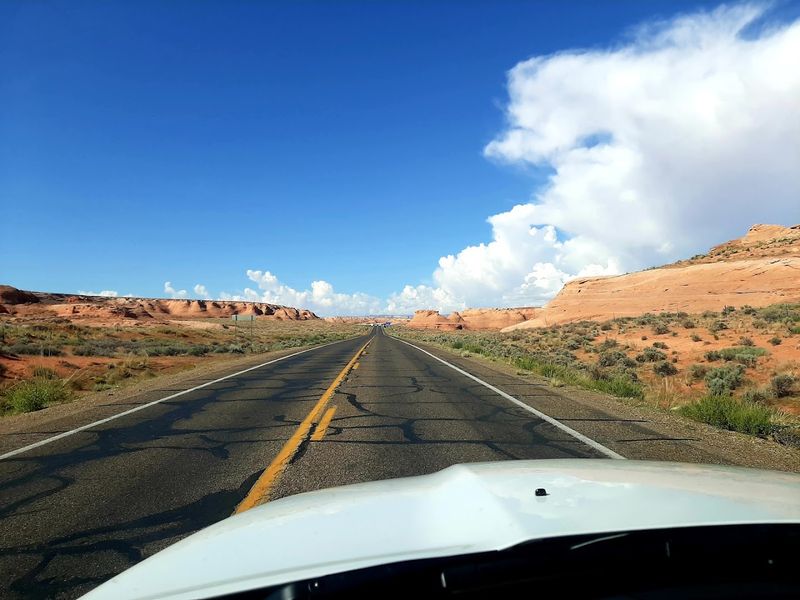
If you have any interest in photography, AZ-98 should be on your must-drive list for the light alone. The combination of red sandstone, open sky, and dramatic elevation changes creates conditions that professional landscape photographers travel thousands of miles to find.
The Vermilion Cliffs section is especially magical during the first and last hours of daylight.
Sunrise along this route is something special. The low-angle light catches every ridge and crevice in the rock faces, creating deep shadows and brilliant highlights that make even a smartphone camera look like a pro setup.
Arriving at Marble Canyon or the Vermilion Cliffs viewpoints before sunrise is absolutely worth the early alarm.
Sunset from the higher elevation sections near Jacob Lake can be equally stunning, with alpenglow turning the clouds above the plateau into shades of purple and rose. Planning your drive so that you hit different sections at different times of day will reward you with a wildly varied photo album.
Road Trip Tips for Driving AZ-98
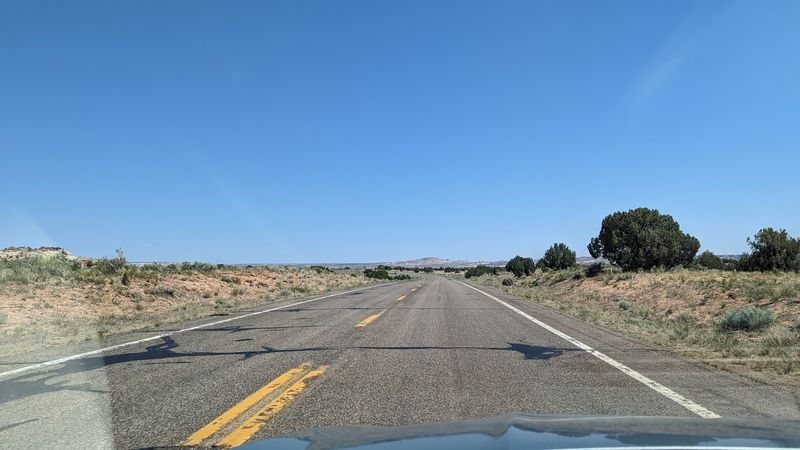
Planning ahead makes all the difference on AZ-98. Cell service along much of this route is limited to nonexistent, so downloading offline maps before you leave Page is a smart move.
Gas stations are spaced far apart, and running low on fuel in the middle of the desert is a situation nobody wants to be in.
Carry more water than you think you need, especially in summer when temperatures in the lower desert sections can climb well above 100 degrees Fahrenheit. A cooler with snacks and cold drinks turns a good drive into a great one.
Sun protection, including sunscreen and a hat, is not optional out here.
The drive itself takes roughly two hours without stops, but planning for at least a full day gives you room to actually enjoy it. Rushing through AZ-98 would be like reading only the first sentence of a great book.
Slow down, pull over often, and let the landscape do what it does best.