


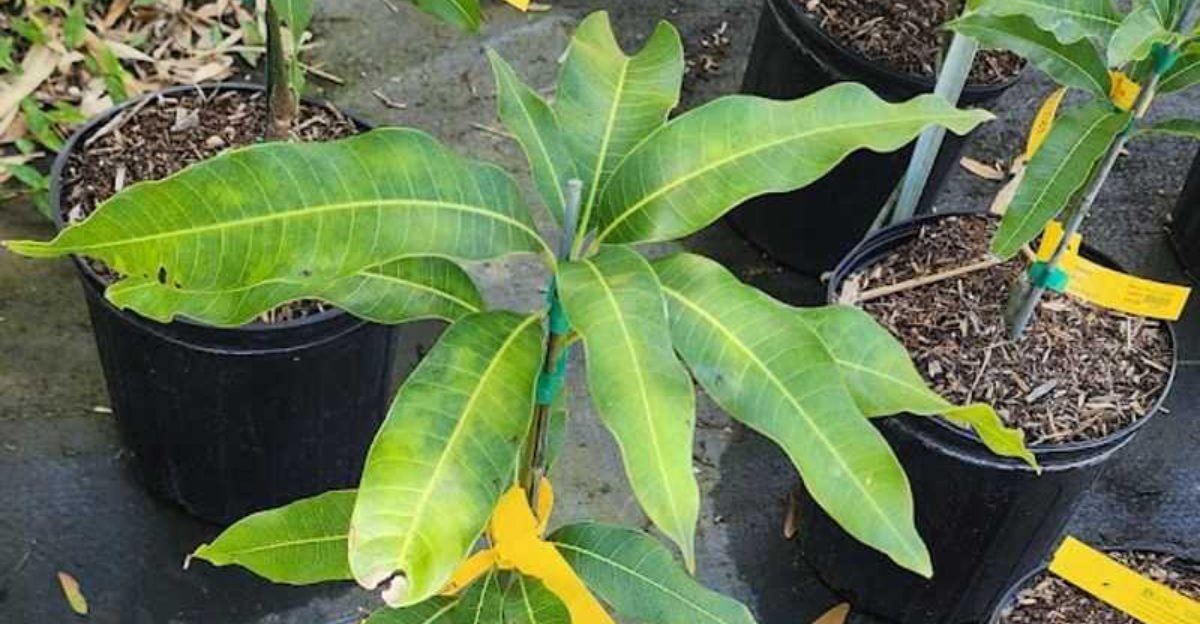
Tucked away in North Fort Myers, Florida, the ECHO North America Impact Center is changing the way people think about growing food. This incredible nonprofit organization uses creative greenhouse and farming techniques to help gardeners and small-scale farmers succeed even in tough conditions.
Whether you are a curious beginner or a seasoned gardener, ECHO offers practical wisdom that makes growing food feel less overwhelming and a whole lot more rewarding. Here are 13 powerful approaches from ECHO that can help any gardener grow more with less stress.
Growing Plants Adapted to Florida’s Harsh Climate
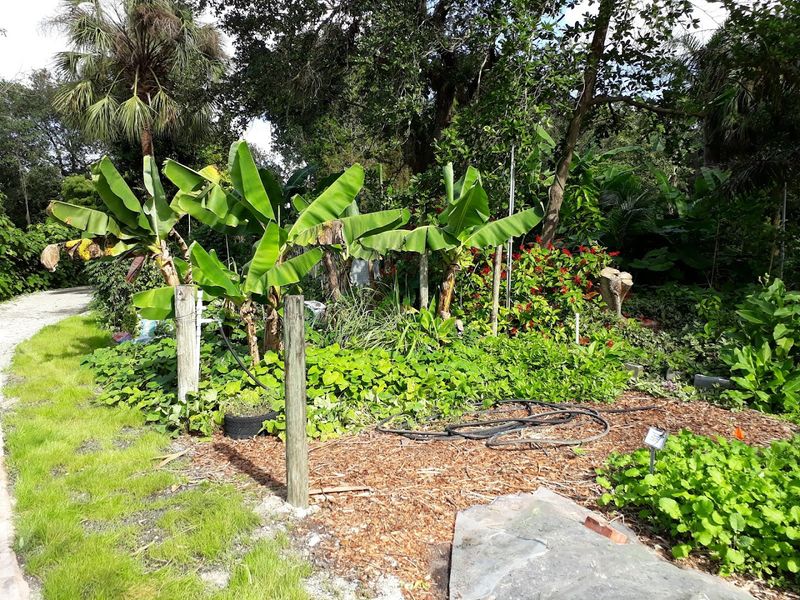
Florida’s heat and humidity can crush a gardener’s motivation fast. At ECHO North America Impact Center, the secret weapon is simple: grow plants that actually belong in your climate.
Staff and volunteers have spent decades identifying edible plants that thrive in hot, wet, and sometimes drought-prone Florida conditions.
Visitors are often surprised to discover fruits and vegetables they have never seen before, all flourishing without constant fuss. Plants like moringa, lemongrass, and various tropical greens handle Florida summers like champions.
Instead of fighting the weather, ECHO teaches you to work with it.
Choosing climate-adapted plants means fewer losses, lower water bills, and a garden that practically takes care of itself. Reviewers consistently rave about the wide variety of unusual edible plants on display.
This approach turns frustrating growing seasons into genuinely enjoyable experiences for gardeners at every level.
Small-Scale Farming Strategies That Actually Work
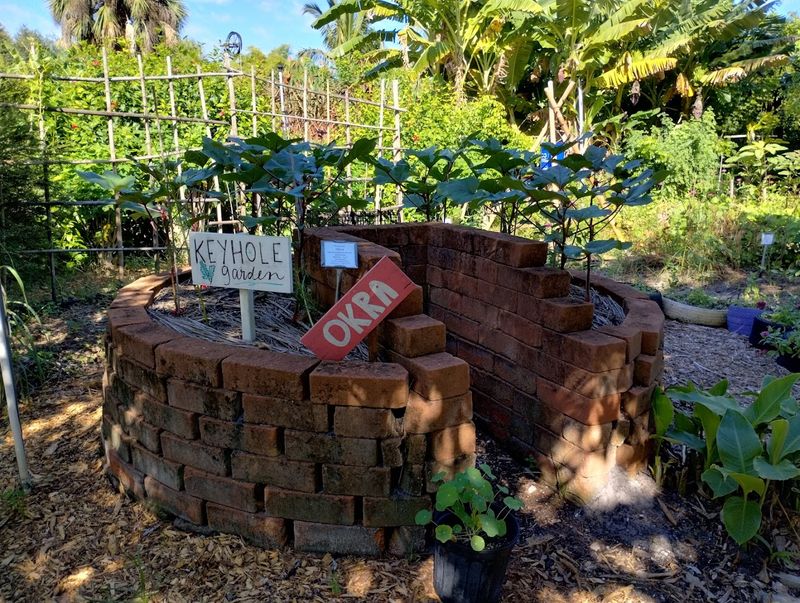
Not everyone has acres of land, and ECHO proves that you do not need them. The center showcases brilliant small-scale farming strategies designed for real people with limited space, limited money, and limited time.
One reviewer described the strategies as “incredible” and directly applicable around the world.
ECHO focuses on maximizing every square foot of growing space through smart companion planting, vertical gardening, and densely packed raised beds. These methods produce surprising amounts of food without requiring expensive equipment or endless labor.
Even a backyard or balcony can become a productive mini-farm.
The beauty of small-scale farming is that mistakes are manageable and lessons come quickly. ECHO’s guides walk visitors through real examples growing right on the property.
Seeing food production at a human scale makes the whole idea feel achievable rather than overwhelming, which is exactly the confidence boost most gardeners need.
Shade Structures That Beat the Florida Heat
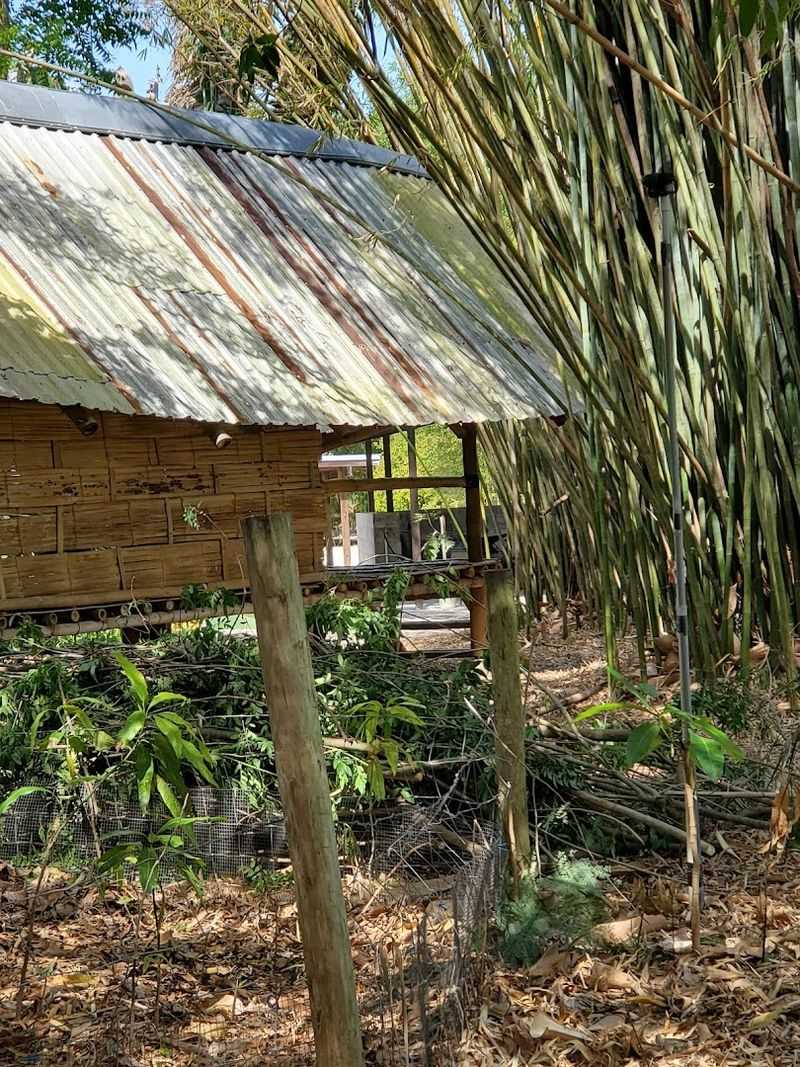
One family visiting ECHO with toddlers worried the September heat would ruin their tour. Instead, they were amazed at how well-shaded the entire property was, keeping everyone comfortable for a full two hours.
That is no accident. ECHO intentionally designs growing spaces with strategic shade structures that protect both plants and people.
Shade cloth, trellised vines, and carefully placed trees work together to reduce soil temperatures and cut water evaporation dramatically. In a Florida summer, this can mean the difference between a thriving garden and a wilted disaster.
Many of these shade solutions are built from low-cost or recycled materials, making them realistic for home gardeners on a budget.
Learning to manage sunlight rather than surrender to it gives Florida gardeners a serious edge. ECHO demonstrates how thoughtful design transforms even the hottest growing spots into productive, comfortable spaces where plants and people can both breathe easy.
Water Access and Purification Techniques for Sustainable Gardens
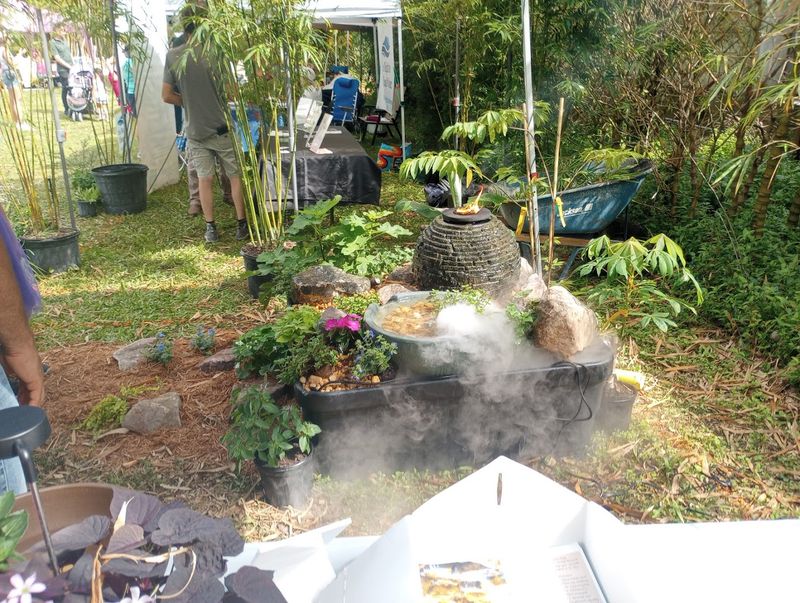
Water is life, and ECHO takes that seriously. One enthusiastic visitor called the water wells and purification techniques their absolute favorite part of the entire tour.
ECHO showcases a remarkable variety of water access methods, from hand-dug wells to simple filtration systems built from everyday materials.
For Florida gardeners, water management is especially important. Heavy rains can drown plants, while dry spells can stress them overnight.
ECHO teaches rainwater harvesting, drip irrigation, and soil moisture management strategies that keep gardens hydrated without wasting a single drop.
These techniques are not just for remote villages. Home gardeners in Fort Myers and beyond can apply them directly to reduce water bills and keep plants healthier through unpredictable weather patterns.
Understanding how to collect, store, and deliver water efficiently is one of the most practical skills any gardener can develop, and ECHO makes it surprisingly approachable.
Worm Farming for Richer, Healthier Soil
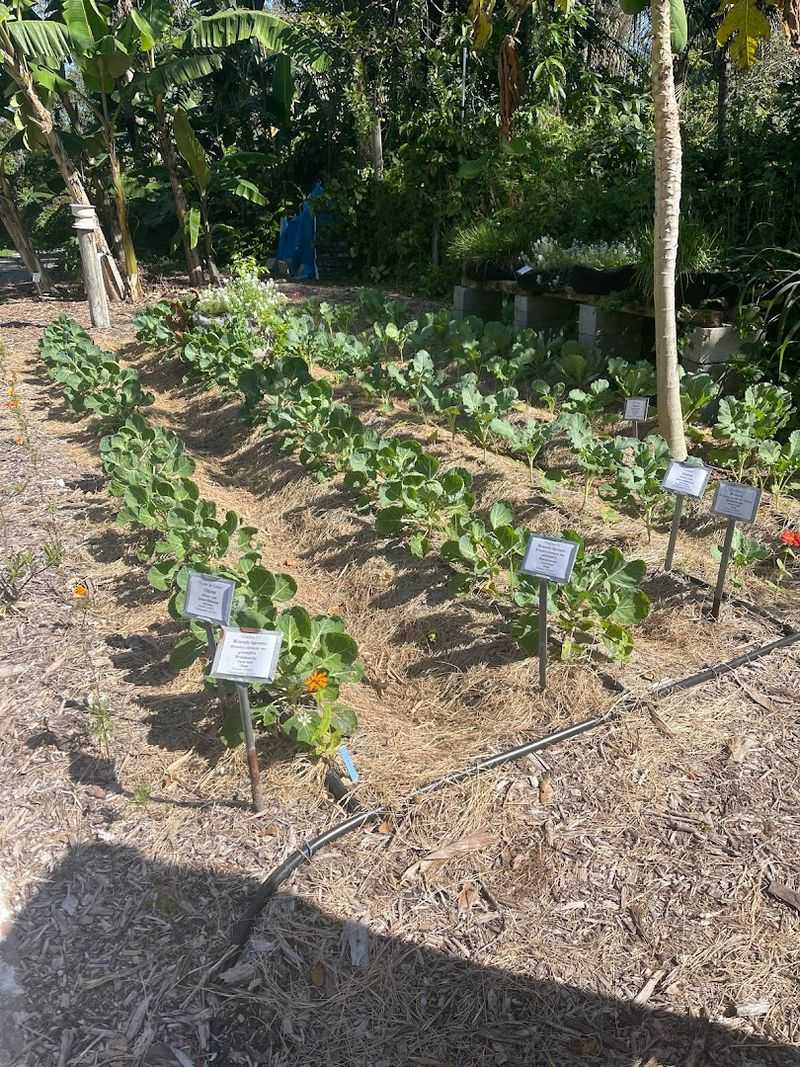
Healthy soil is the foundation of every successful garden, and worms are nature’s best soil builders. ECHO North America features active worm farming demonstrations that show visitors how easy it is to turn kitchen scraps into dark, nutrient-rich compost.
One reviewer specifically called out the worm farms as a highlight of the tour.
Vermicompost, the fancy name for worm castings, feeds plants slowly and steadily without the risk of burning roots. Florida’s sandy soils desperately need organic matter to hold moisture and nutrients, and worm compost delivers both beautifully.
Starting a worm bin at home requires almost no space and very little investment.
A small bin under a kitchen counter or on a shaded porch can process food waste year-round. ECHO guides explain exactly what worms need to thrive, making the whole process feel totally manageable.
Healthier soil means healthier plants, and healthier plants mean a far less stressful gardening experience overall.
Moringa Trees: The Miracle Plant for Florida Yards
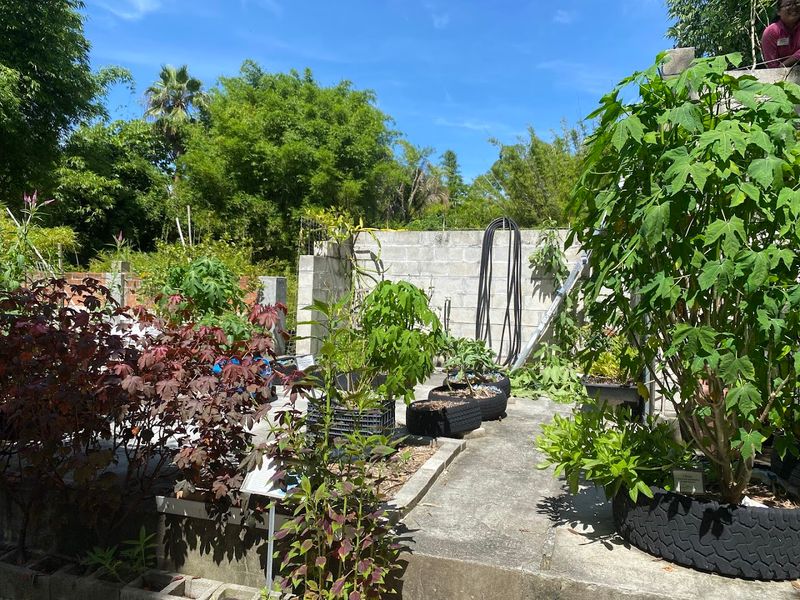
If there is one plant that ECHO visitors talk about over and over, it is moringa. Multiple reviewers mentioned going home and planting their own moringa tree after touring ECHO’s farm.
It is easy to see why. Moringa trees grow incredibly fast, tolerate poor soil and drought, and produce leaves packed with protein, vitamins, and minerals.
In Florida, moringa thrives in the warm climate and can be harvested within months of planting. Leaves can be eaten fresh, dried into powder, or added to smoothies and soups.
The tree coppices beautifully, meaning you can cut it back hard and it regrows quickly, providing a continuous harvest without replanting.
ECHO’s nursery sells moringa trees so visitors can bring the magic home immediately. For gardeners who want maximum food production with minimal maintenance, moringa is practically a dream come true.
It is one of those plants that makes you wonder why every Florida yard does not already have one growing.
Neem Trees and Natural Pest Management
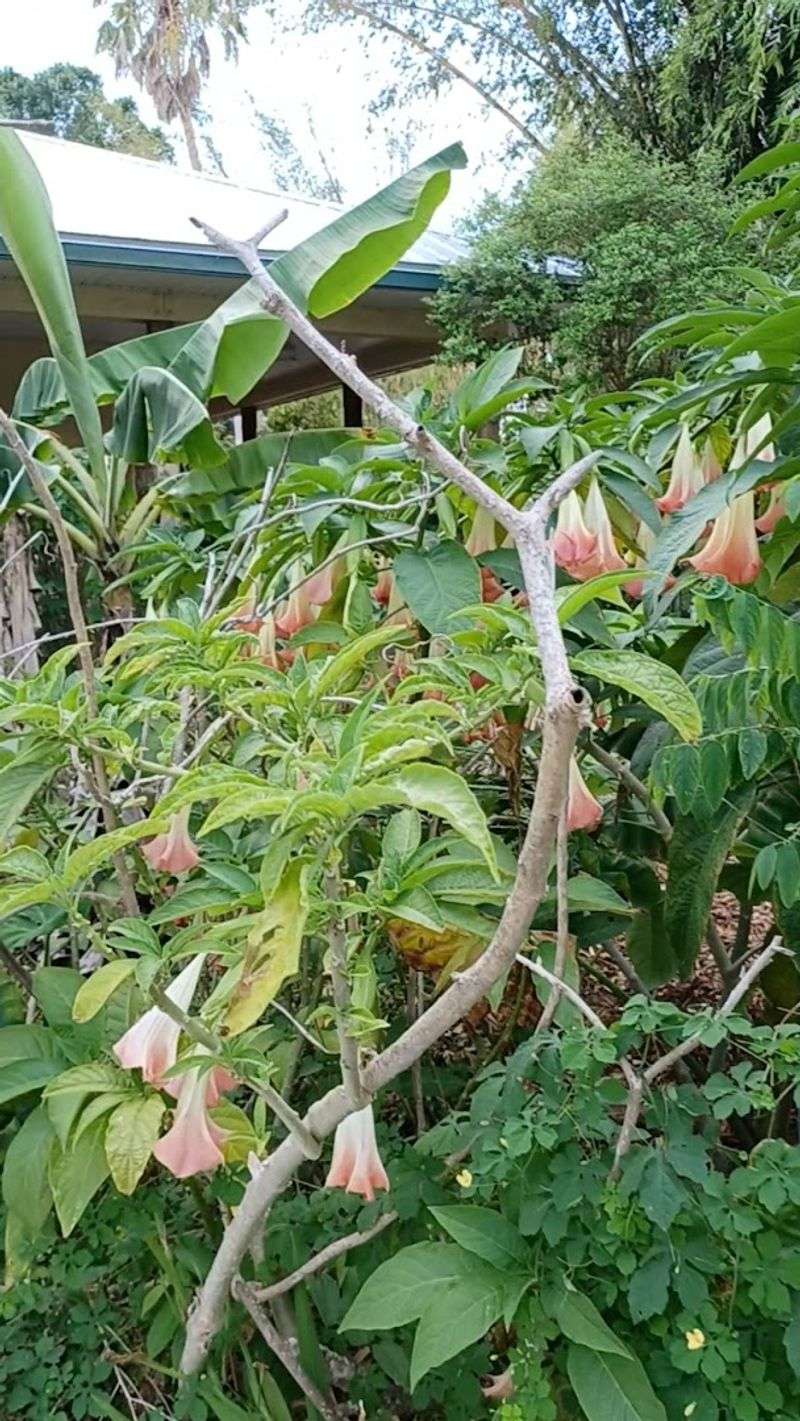
Chemical pesticides are expensive, harmful to beneficial insects, and frankly exhausting to manage. ECHO offers a far smarter path through natural pest management, with neem trees playing a starring role.
One reviewer specifically called out neem trees as a fascinating discovery during their tour, and it is easy to understand the excitement.
Neem oil, extracted from the tree’s seeds, works as a powerful natural insecticide and fungicide. Florida gardeners deal with everything from aphids to fungal diseases, and neem handles many of these challenges without poisoning the soil or harming pollinators when used correctly.
The tree itself grows vigorously in Florida’s climate, making it a practical addition to any yard.
Beyond neem, ECHO demonstrates companion planting and physical barrier methods that discourage pests naturally. Managing pests without chemicals reduces stress on both the gardener and the garden ecosystem.
Healthy, balanced gardens with natural defenses simply require less intervention and less worry throughout the growing season.
Permaculture Design Principles for Home Gardens
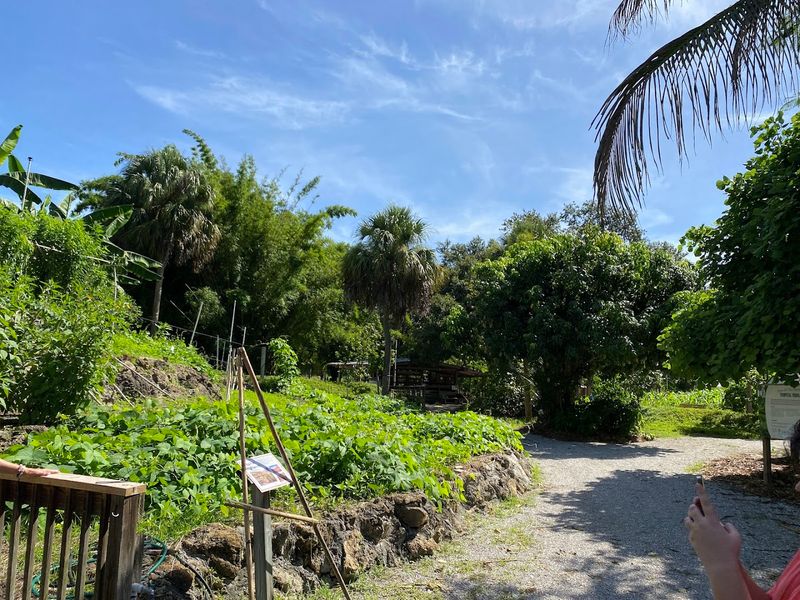
Permaculture sounds complicated, but ECHO breaks it down into ideas any gardener can use at home. Several visitors praised ECHO specifically for its permaculture demonstrations and food forest plantings.
The concept is beautifully simple: design your garden to mimic a natural ecosystem so it largely takes care of itself over time.
Instead of rows of single crops that need constant replanting, a permaculture garden layers fruit trees, shrubs, ground covers, and root vegetables together. Each plant supports the others, creating a system that builds soil, manages water, and resists pests with far less human effort.
Florida’s climate is actually ideal for food forest development because plants grow year-round.
ECHO’s property shows what a mature permaculture garden looks like in a real Florida setting, which is deeply inspiring for visitors. Walking through a food forest that produces abundantly while needing minimal inputs makes the whole idea click.
It shifts gardening from a chore into something that genuinely works with nature.
Appropriate Technology for Low-Cost Greenhouse Structures
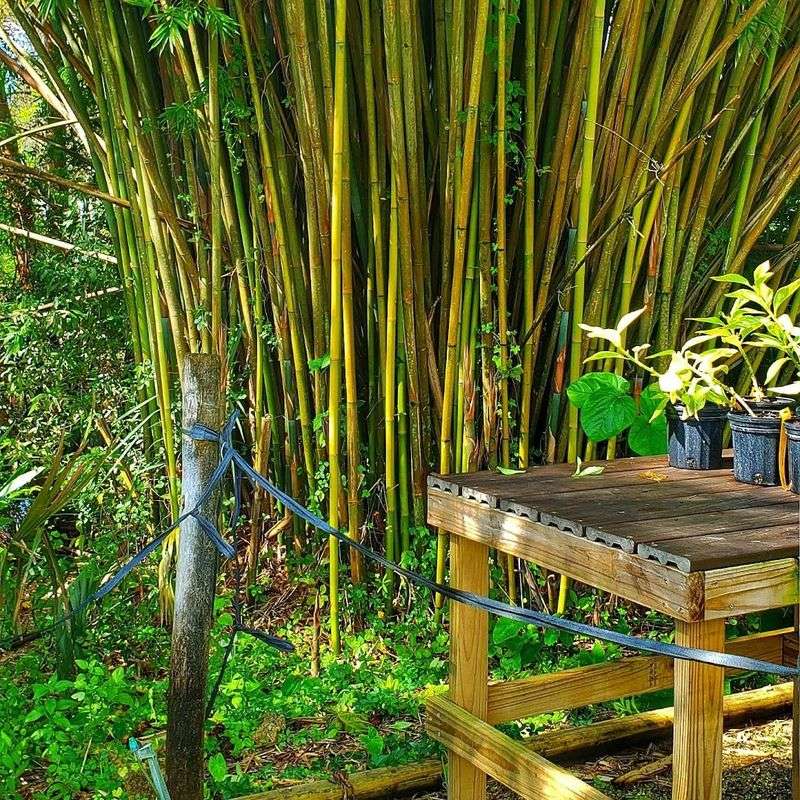
Not every gardener can afford a fancy prefab greenhouse, and ECHO celebrates that reality rather than ignoring it. The Appropriate Technology Village Tour at ECHO blew visitors away with its demonstrations of simple, locally sourced tools and structures that support food production without big price tags.
One reviewer called their guide Jeff “fantastic” for bringing this tour to life.
Greenhouse structures at ECHO are often built from bamboo, reclaimed wood, and basic hardware. Shade cloth replaces expensive glass.
Simple ventilation techniques keep temperatures manageable without electricity. These designs prove that protecting plants from extreme weather does not require a major financial investment.
For Florida gardeners, even a basic hoop house built from PVC pipe and plastic sheeting can extend the growing season and protect delicate seedlings from sudden cold snaps. ECHO makes these building techniques accessible by showing real working examples on the farm.
Practical, affordable, and genuinely effective is the ECHO way.
Methane Gas and Renewable Energy on the Farm
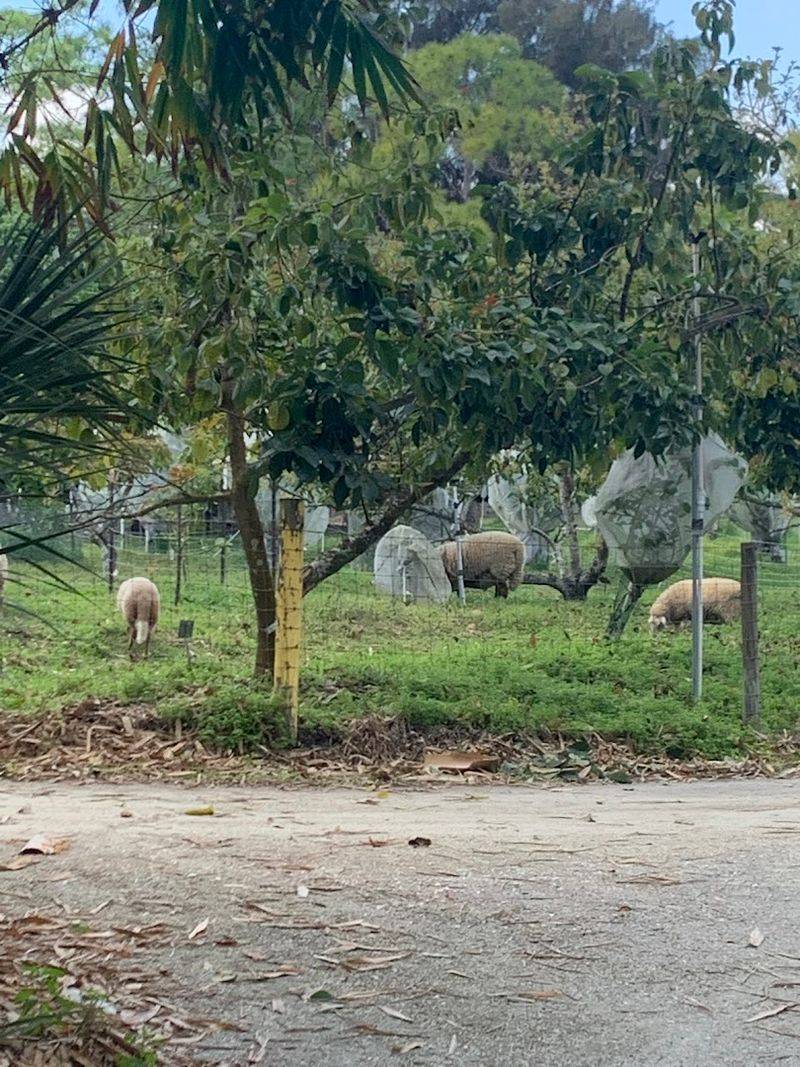
Here is something most gardeners never think about: cooking with gas produced by their own organic waste. ECHO’s farm includes a working methane biogas system that converts animal manure and food scraps into usable cooking fuel.
One visitor called it one of the most fascinating parts of the entire technology tour, and it is hard to argue with that assessment.
Biogas digesters are not just a novelty. They reduce waste, eliminate the need for purchased fuel, and produce nutrient-rich slurry that feeds garden beds.
In resource-limited communities worldwide, this technology makes an enormous difference. But the principles apply just as well to a Florida homestead looking to reduce its environmental footprint.
ECHO demonstrates how these systems can be built from inexpensive, accessible materials. Understanding renewable energy at a farm scale opens up a completely different way of thinking about gardening and homesteading.
Energy and food production become part of the same beautiful, circular system.
The ECHO Plant Nursery: Rare and Useful Plants for Florida Gardeners
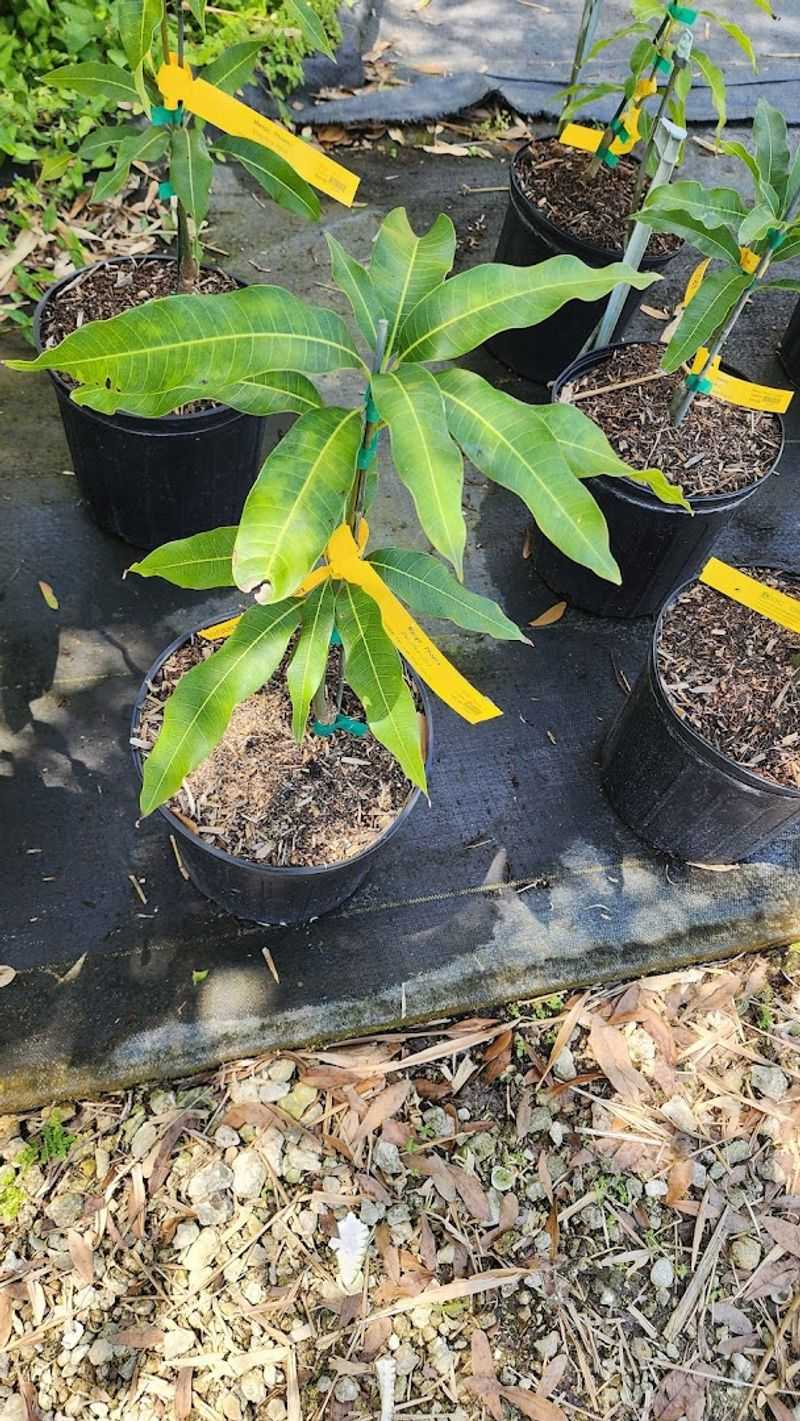
Walking out of ECHO empty-handed is nearly impossible once you discover their nursery. Multiple reviewers raved about buying plants they had been searching for everywhere else without success.
The ECHO nursery specializes in tropical, subtropical, and climate-adapted edibles that mainstream garden centers simply do not carry.
Moringa, shampoo ginger, unusual citrus varieties, and dozens of other hard-to-find plants are available for purchase, all grown on-site with serious care and expertise. Knowing that a plant was raised at ECHO means it is already proven to handle Florida’s conditions, which takes a huge amount of guesswork out of the buying decision.
The nursery also sells Florida-specific gardening books that reviewers described as genuinely useful resources for local growing conditions. Whether you are building a food forest, starting a herb garden, or just looking for something unique for your backyard, the ECHO nursery delivers.
It turns a tour visit into a tangible, growing reminder of everything learned that day.
Family-Friendly Learning That Makes Kids Excited About Growing Food
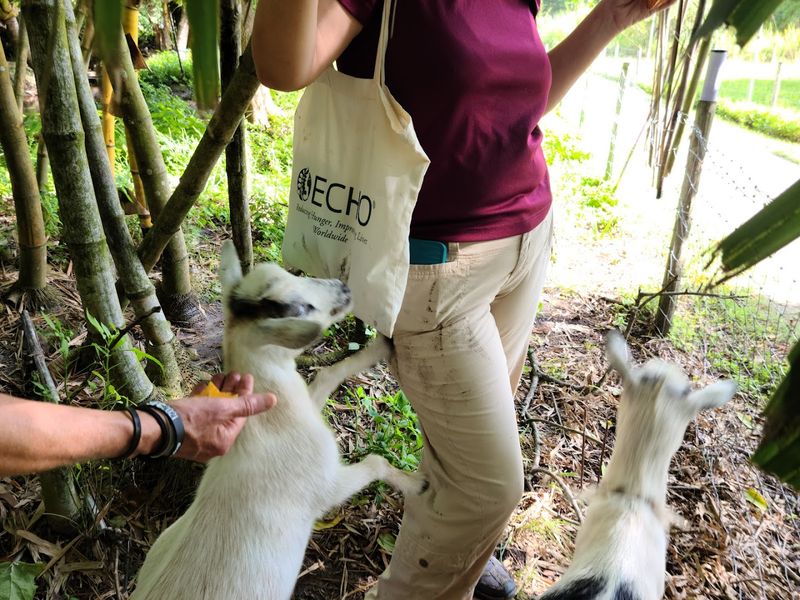
Getting kids excited about where food comes from is one of the best gifts a parent can give, and ECHO makes it genuinely fun. Families with children of all ages consistently leave glowing reviews, noting that even toddlers stayed engaged throughout the two-hour tour.
Tour guides at ECHO have a wonderful talent for making complex ideas feel like adventures.
Kids get to taste unusual leaves and fruits, interact with farm animals including ducks, chickens, and pigs, and explore diverse growing environments that feel like something out of a storybook. The hands-on nature of the experience creates memories that last far longer than any classroom lesson.
Several reviewers noted that children asked thoughtful questions and left genuinely curious about food and farming.
For families visiting the Fort Myers area, ECHO offers something truly different from a beach day. It plants seeds of curiosity and environmental awareness in young minds, which is honestly one of the most valuable things any attraction can do.
ECHO’s Global Mission: Local Lessons With Worldwide Impact
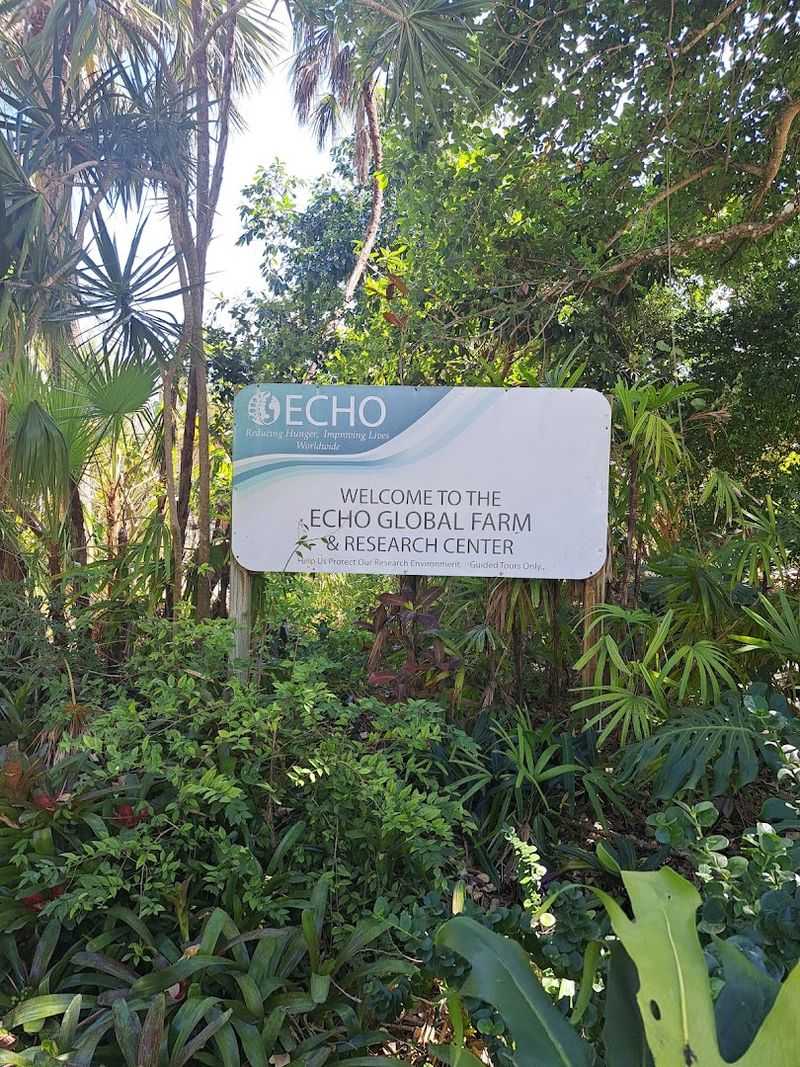
Everything at ECHO carries a bigger purpose. Founded on faith and a mission to fight hunger worldwide, ECHO trains missionaries, farmers, and community leaders from across the globe to grow food in challenging environments.
Visitors often describe leaving the tour with a completely changed perspective on food, farming, and global responsibility.
The farm is divided into sections representing different world climates, from arid tropics to humid lowlands, showing how farming strategies must adapt to local conditions. Techniques proven at the North Fort Myers campus get shared with communities in Africa, Asia, and Latin America where food security is a daily struggle.
That connection between a Florida garden and a village halfway around the world is genuinely moving.
ECHO also donates thousands of pounds of produce annually to local food banks, making its impact felt right at home too. Supporting ECHO through a visit, a donation, or a plant purchase means joining something far larger than a single garden.
It means investing in a world where everyone has enough to eat.