


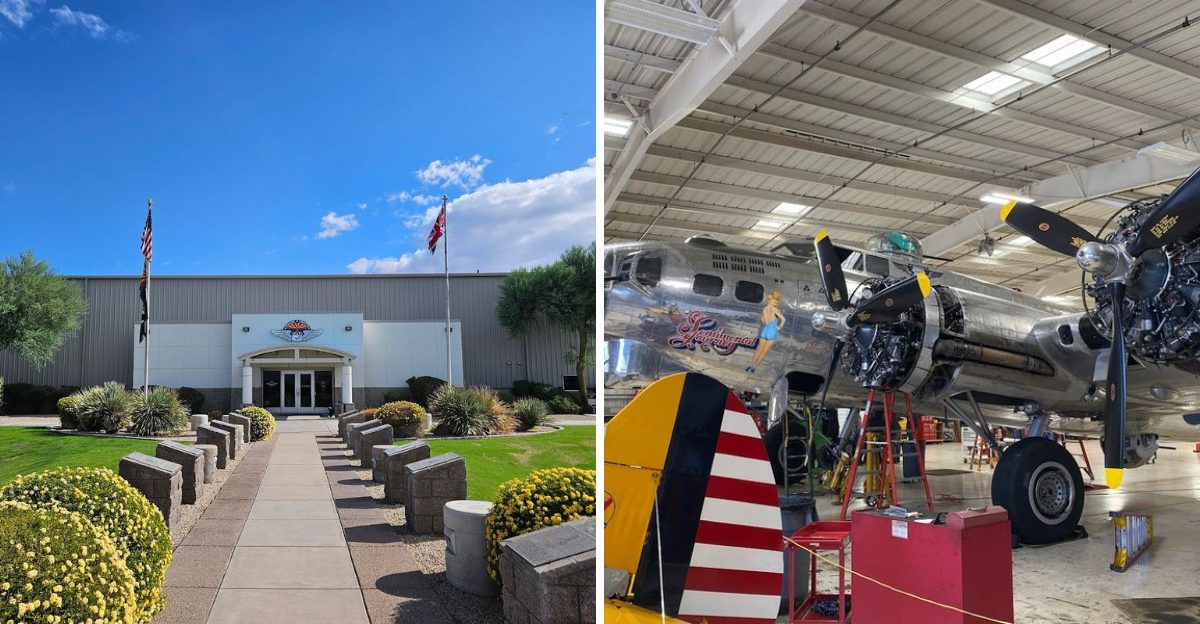
Tucked away in Mesa, Arizona, the Arizona Commemorative Air Force Museum is one of the most thrilling places you can visit in the entire Southwest. From World War I biplanes to Cold War jets, this massive museum brings military aviation history to life in a way that textbooks simply cannot.
Whether you are a history buff, a plane enthusiast, or just looking for a genuinely exciting family outing, this place has something incredible waiting around every corner. Get ready to walk through history, climb inside legendary aircraft, and maybe even feel like you belong in the cockpit.
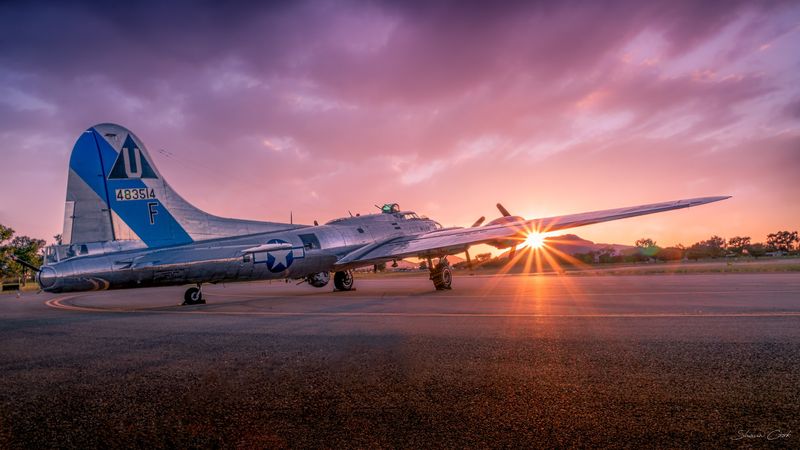
The B-17G Sentimental Journey: A Flying Fortress You Can Walk Through
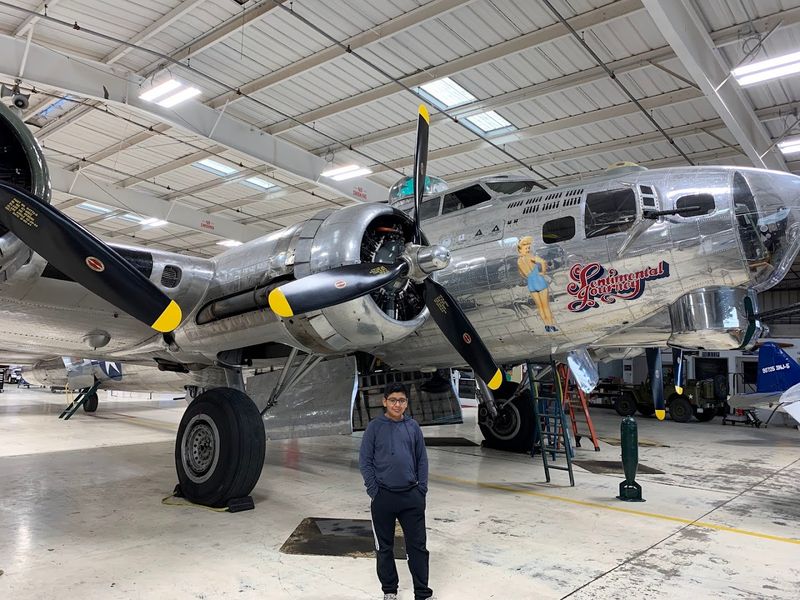
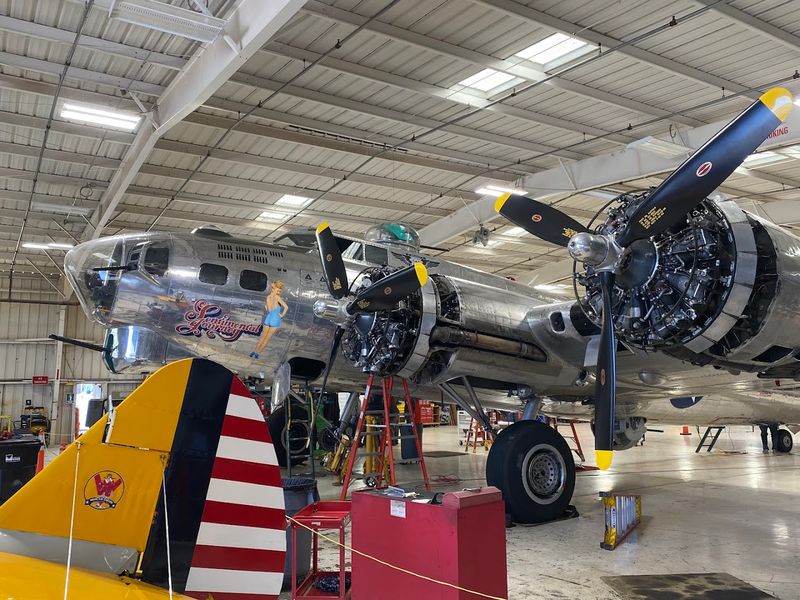
Few aircraft in history carry as much weight as the B-17G bomber, and the museum’s “Sentimental Journey” is the real deal. This flying fortress actually still takes to the skies, making it one of the most carefully preserved warbirds in the country.
Visitors can walk through the entire aircraft and feel the cramped, rugged reality of what World War II crews endured on every mission.
What really stops people in their tracks is the bomb bay, where the signatures of veterans who actually flew combat missions are still visible. The engine sounds from this very plane were even used in the production of the acclaimed HBO series Masters of the Air.
Plan extra time here because most visitors end up spending far longer inside than they expected.
WWI Display: Where Aviation History Actually Began
Long before radar, missiles, or jet engines, pilots fought in open-cockpit biplanes held together with wood and wire. The museum’s World War I section brings that raw, early era of aerial combat vividly to life.
One of the standout pieces is a Fokker DR1 triplane, the same type of aircraft flown by the legendary Red Baron himself.
A Nieuport 15 sits nearby, offering a fascinating side-by-side comparison of the aircraft that faced off over Europe’s skies. One display even explains the German interrupter mechanism that allowed machine guns to fire through spinning propeller blades without shooting them off.
That clever piece of engineering changed the entire nature of aerial warfare and is explained here in a way that makes total sense even to first-time visitors.
Falcon Field Heritage: The RAF Cadets Who Never Came Home
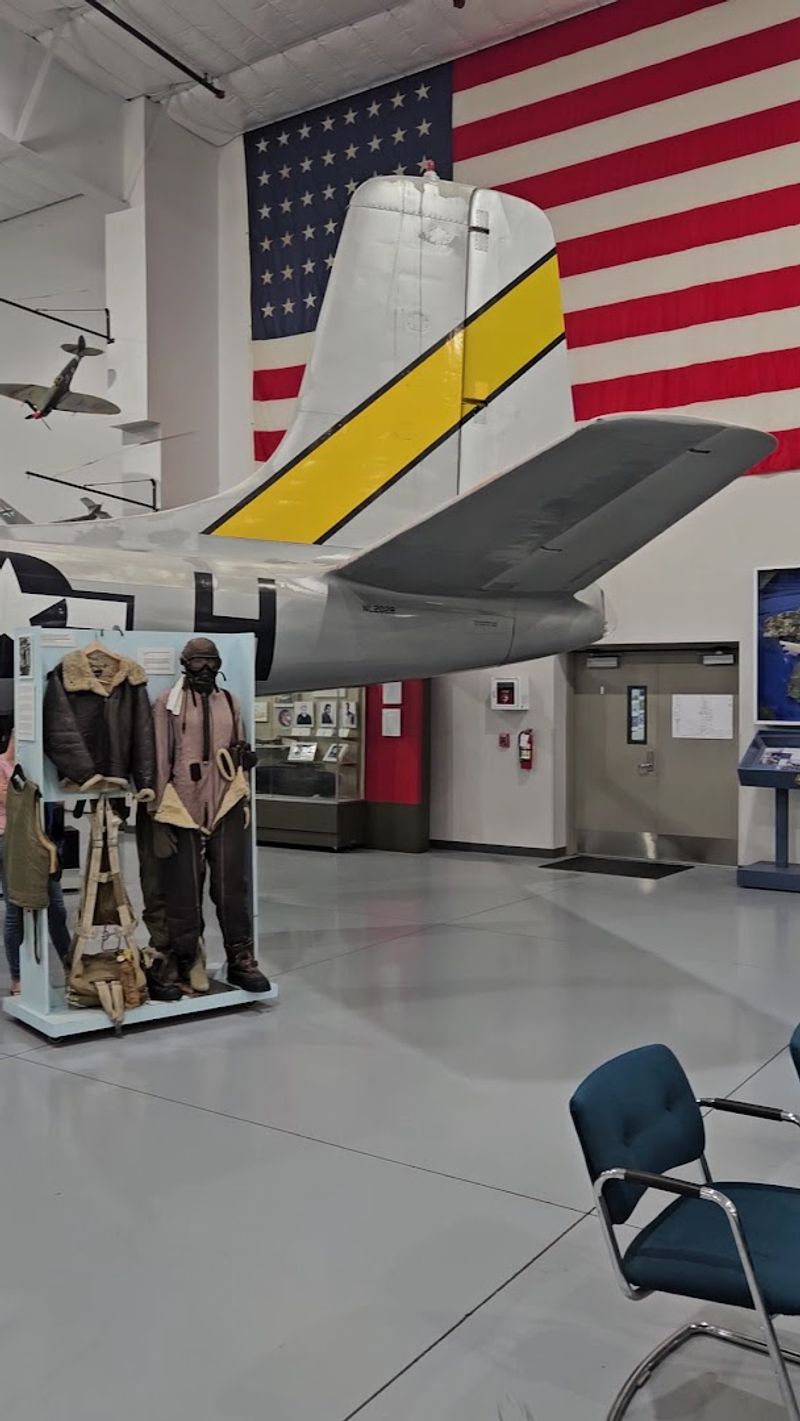
During World War II, Falcon Field in Mesa served as No. 4 RAF Flying Training School, where hundreds of young British cadets learned to fly before heading into combat. Tragically, 23 of those cadets lost their lives during training and were buried in Arizona, far from home.
The museum honors their sacrifice with a deeply moving and carefully curated display.
Reading through the names and stories of those young men makes the cost of war feel personal in a way that statistics never could. Some visitors travel specifically from the United Kingdom to see this exhibit and pay their respects.
Nearby, the Mesa City Cemetery holds the graves of those 23 RAF cadets, and many museum visitors choose to visit both locations on the same day to fully honor their memory.
The USS Arizona Bulkhead: A Piece of Pearl Harbor History
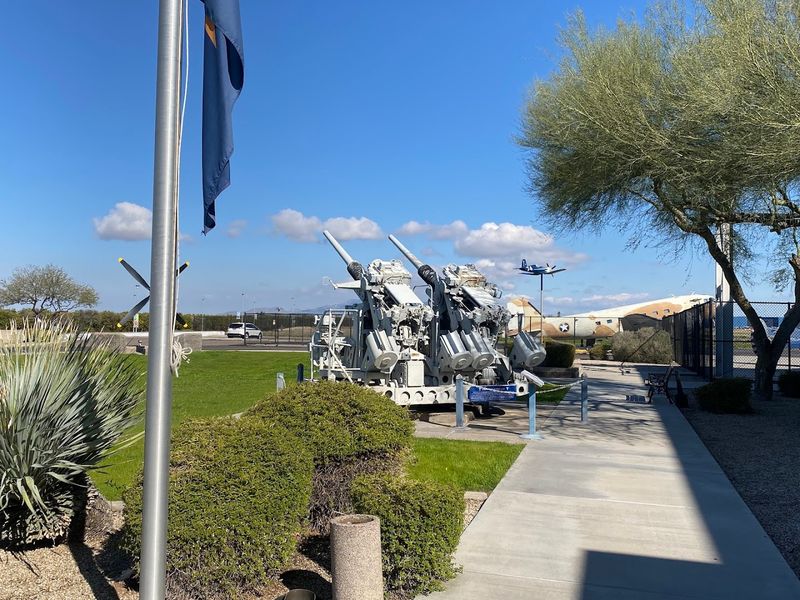
Not everything in this museum has wings. One of the most emotionally powerful artifacts on display is an actual bulkhead from the USS Arizona, the battleship sunk during the Japanese attack on Pearl Harbor on December 7, 1941.
Seeing a physical piece of that ship puts you face to face with one of the most pivotal moments in American history.
The display surrounding it tells the full story of the USS Arizona, from her construction to her final moments and the more than 1,100 sailors and Marines who went down with her. Touching a piece of that history feels surreal and sobering all at once.
It is a quiet reminder that this museum is not just about planes; it is about the people who served, sacrificed, and shaped the world we live in today.
Vietnam and Desert Storm Helicopters: Up Close and Personal
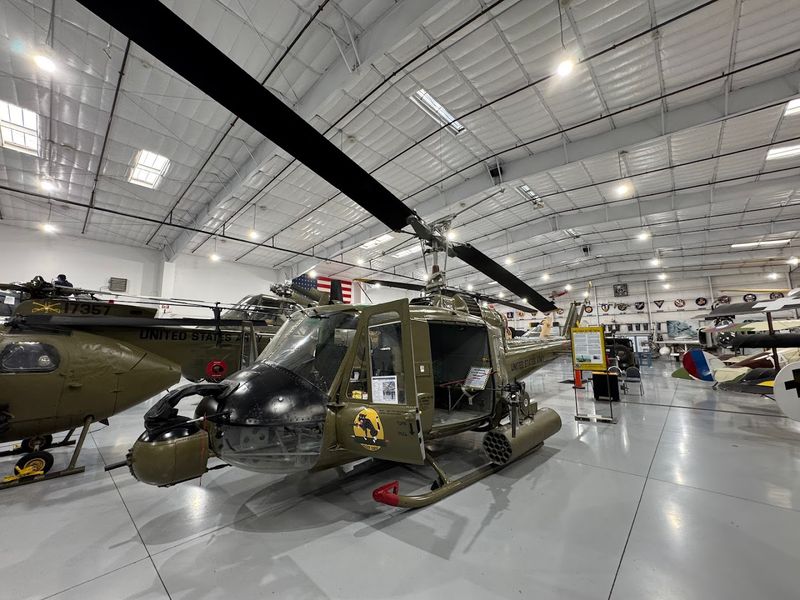
Rotary-wing aircraft changed the face of modern warfare, and the museum gives them the spotlight they deserve. The Vietnam and Desert Storm helicopter displays let you get closer to these machines than you would ever expect, close enough to study every rivet, panel, and rotor blade.
These were not museum pieces when they were built; they were tools of survival in some of the most dangerous conflicts of the 20th century.
Standing next to a Vietnam-era helicopter, you start to imagine the chaos of jungle insertions and rescue missions under fire. The Desert Storm aircraft tell a different story, one of high-speed precision warfare in the desert.
Informational panels fill in the tactical and human context behind each aircraft, turning what could be a simple hardware exhibit into a genuinely gripping story about how warfare evolved decade by decade.
Jet Age Evolution: From Korea to Vietnam in One Hangar
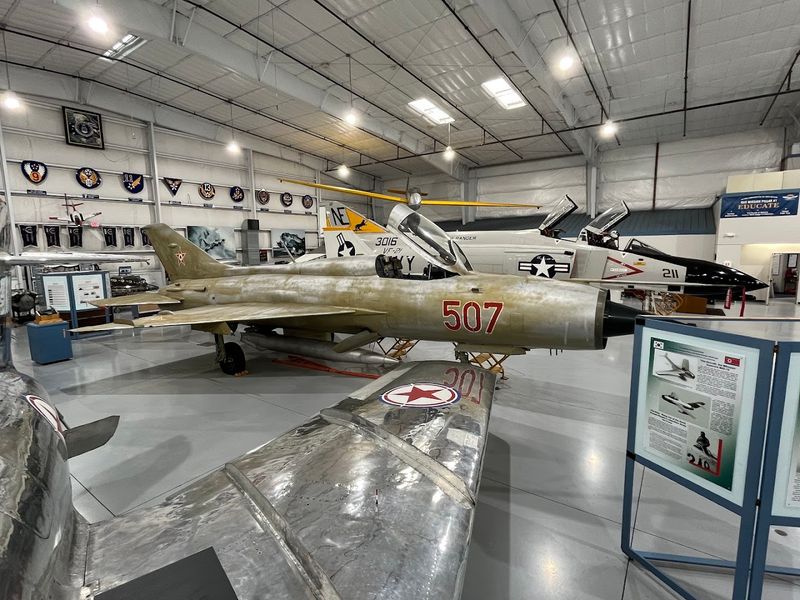
The shift from propeller-driven warbirds to screaming jet fighters happened faster than most people realize, and the museum walks you through every major leap. The collection includes a MiG-15, a MiG-21, and an F4 Phantom, giving visitors a rare chance to see both sides of the Cold War arms race in the same building.
Two F-16s round out the modern jet section with their sleek, unmistakable profiles.
What makes this section especially fascinating is the contrast. Standing next to a MiG-15 and then walking over to an F4 Phantom, you can physically feel how dramatically aircraft design changed in just a few decades.
The docents here are especially knowledgeable about the technical differences and combat histories of these jets. Ask them a question and prepare to get an answer that goes way deeper than any Wikipedia article ever could.
Cockpit Tours: Climb In and Feel the Pilot’s Perspective
Most aviation museums keep their aircraft behind ropes and glass. Not here.
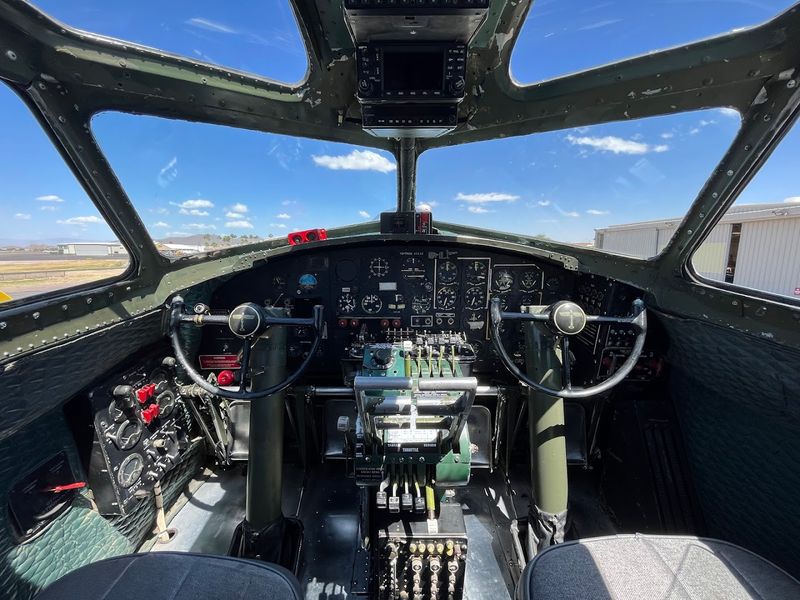
For a small additional fee, visitors can take cockpit tours that put them right inside the pilot’s seat of multiple historic aircraft. Suddenly, those dials, switches, and throttle handles are not just things you read about in books; they are right there in front of you.
Reviewers consistently rave about the cockpit tours as the single most memorable part of their visit. One visitor described it as finally understanding what it actually feels like to be a pilot.
The volunteer guides who lead these tours are often former pilots or mechanics with real hands-on experience, so their stories bring every instrument and lever to life in a way no placard ever could. Budget extra time because it is nearly impossible to rush through this experience.
The Restoration Hangar: Where Warbirds Get a Second Life
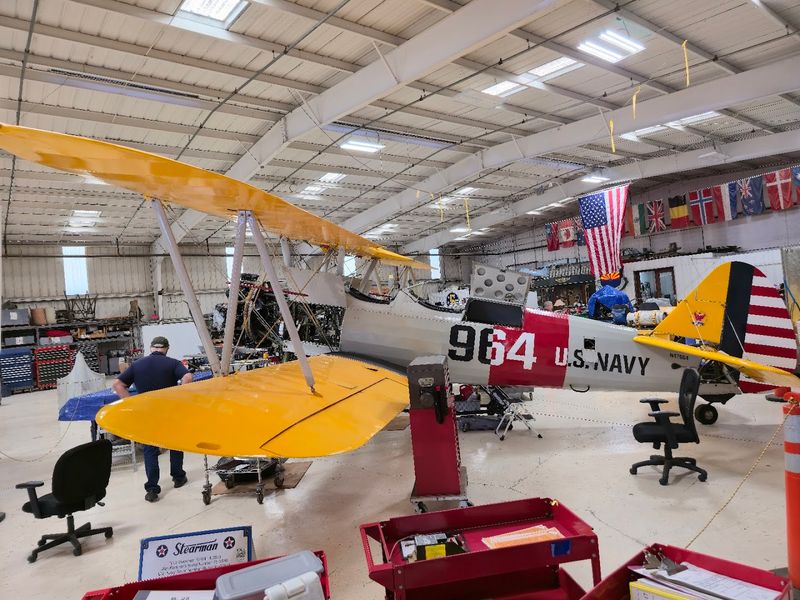
Behind the main exhibit hangar lies one of the most fascinating spaces in the entire museum: the active restoration hangar. This is not a display; it is a working shop where skilled volunteers labor to keep historic warbirds in genuine flying condition.
Visitors are actively encouraged to walk in and watch the work in progress, which is a level of access you rarely get anywhere else.
Seeing a decades-old aircraft being carefully disassembled, repaired, and put back together gives you a whole new appreciation for the dedication it takes to preserve aviation history. The mechanics and volunteers here often have decades of experience and love talking about what they do.
One reviewer called it the hidden gem of the entire visit, a raw, behind-the-scenes look at the passion that keeps these legendary aircraft alive and airborne.
The WWII Briefing Room Replica: Step Into 1944
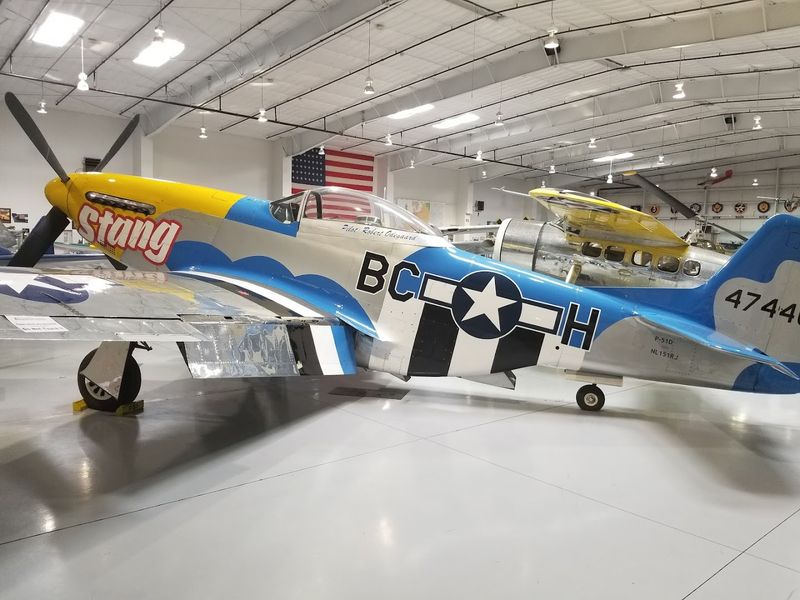
Tucked toward the rear of the museum is a meticulously recreated World War II briefing room that transports you straight back to 1944. Period-accurate maps, chairs, uniforms, and equipment fill the space, and short films play continuously to give visitors a feel for what bomber crews experienced before climbing into their aircraft for a mission.
It is immersive in a way that a simple photo display could never achieve.
The atmosphere is quieter here, almost reverent, which gives you a moment to absorb everything you have seen throughout the museum. Watching a film about a bombing mission in a room that looks exactly like where real airmen received their orders hits differently than watching the same content on a phone screen.
For visitors who need a short break from walking, this cool, shaded theater space also offers welcome relief from the Arizona heat outside.
The B-25J Mitchell Bomber: Another Giant on the Flight Line
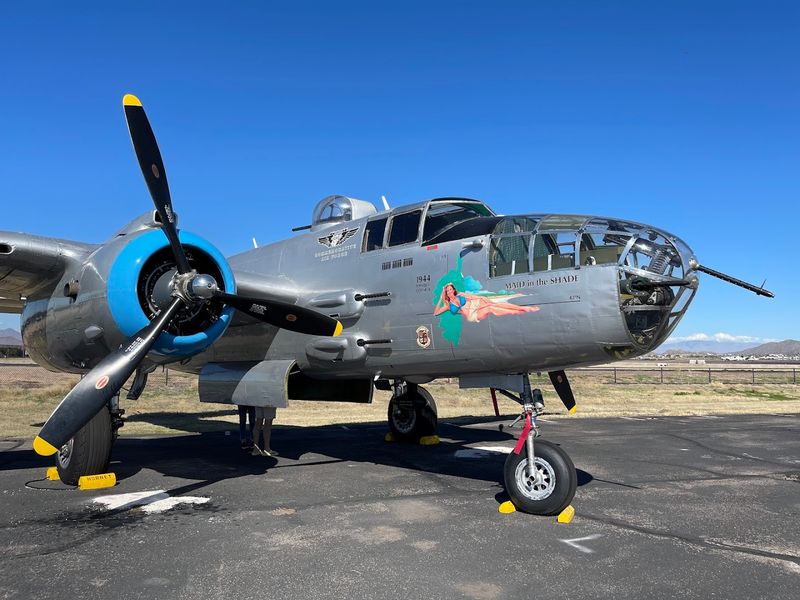
Parked alongside the legendary B-17 on the outdoor flight line, the B-25J Mitchell bomber is a beast of an aircraft with one of the most storied combat histories of the entire war. The B-25 is famous for the Doolittle Raid of 1942, when 16 of these planes launched from an aircraft carrier to bomb Tokyo in one of the most daring missions in military history.
Seeing one up close makes that audacious story feel absolutely real.
The museum’s example is kept in impressive condition, and visitors can get close enough to study the nose art, gun turrets, and engine nacelles in detail. Comparing it to the B-17 parked just a short walk away is a fascinating exercise in understanding how different design philosophies produced two very different but equally legendary aircraft.
Both represent the peak of American wartime manufacturing ingenuity.
Passionate Volunteer Docents: The People Who Make It Extraordinary
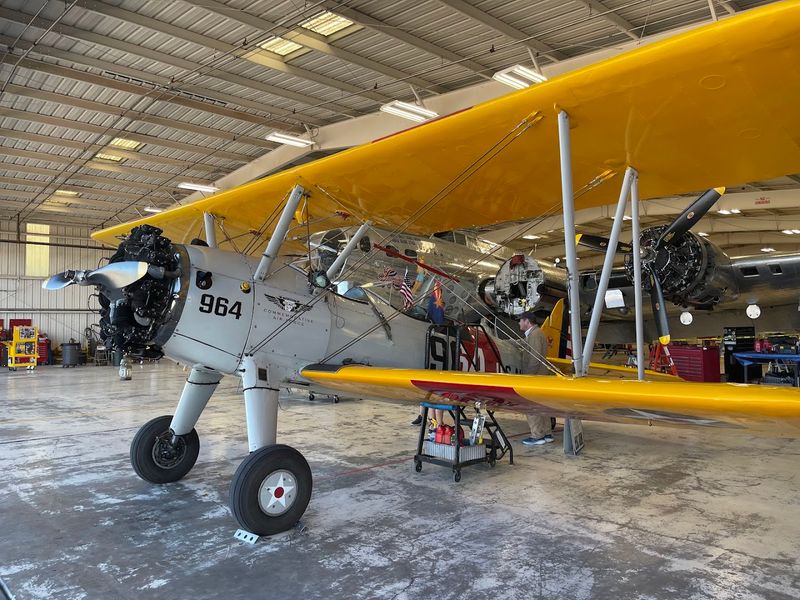
Every great museum needs great storytellers, and the Arizona Commemorative Air Force Museum has some of the best you will ever meet. The entire staff is made up of volunteers, many of them former military pilots, mechanics, or aviation professionals who bring decades of firsthand experience to every conversation.
Reviewers mention specific volunteers by name, including Martin, Larry, Max, and Ed, which tells you everything about the personal connections visitors make here.
Ask one of them a question and you might end up standing there for twenty minutes, completely absorbed in a story about a combat mission or a tricky engine repair. That kind of knowledge cannot be scripted or manufactured.
It comes from people who genuinely love what they do and believe deeply in preserving these stories for future generations. They are, without question, the soul of this museum.
Special Events and the Wheels and Wings Car Show
The Arizona Commemorative Air Force Museum is not just a place to visit once and check off your list. Throughout the year, the museum hosts a variety of special events that bring the community together in genuinely exciting ways.
The annual Wheels and Wings car show is one of the most popular, combining stunning vintage automobiles with the museum’s incredible aircraft collection for a one-of-a-kind double attraction.
During events like these, the grounds come alive with vendors, demonstrations, and extra activities that make the visit feel like a full day of entertainment rather than just a museum tour. You can also watch real aircraft take off and land at the adjacent Falcon Field Airport, adding a layer of live aviation action to the experience.
Checking the museum’s event calendar before your visit is always a smart move to catch something extra special.
Practical Visit Tips: Making the Most of Your Trip to Mesa

Located at 2017 N Greenfield Rd in Mesa, Arizona, the museum is open Wednesday through Sunday from 10 AM to 4 PM and is closed on Mondays and Tuesdays. General admission is $20 per adult, and the museum is run entirely by volunteers as a nonprofit organization.
Every dollar spent on admission goes directly toward maintaining and preserving these irreplaceable aircraft for future generations.
Most visitors recommend arriving early and budgeting at least three to four hours to see everything properly. Summers in Arizona can be intense, so wearing comfortable clothing and staying hydrated is genuinely important advice.
The museum also has a small theater showing aviation films, which makes for a perfect mid-visit cool-down break. You can reach the museum by phone at +1 480-924-1940 or visit their website at azcaf.org for the latest event listings and admission details.