


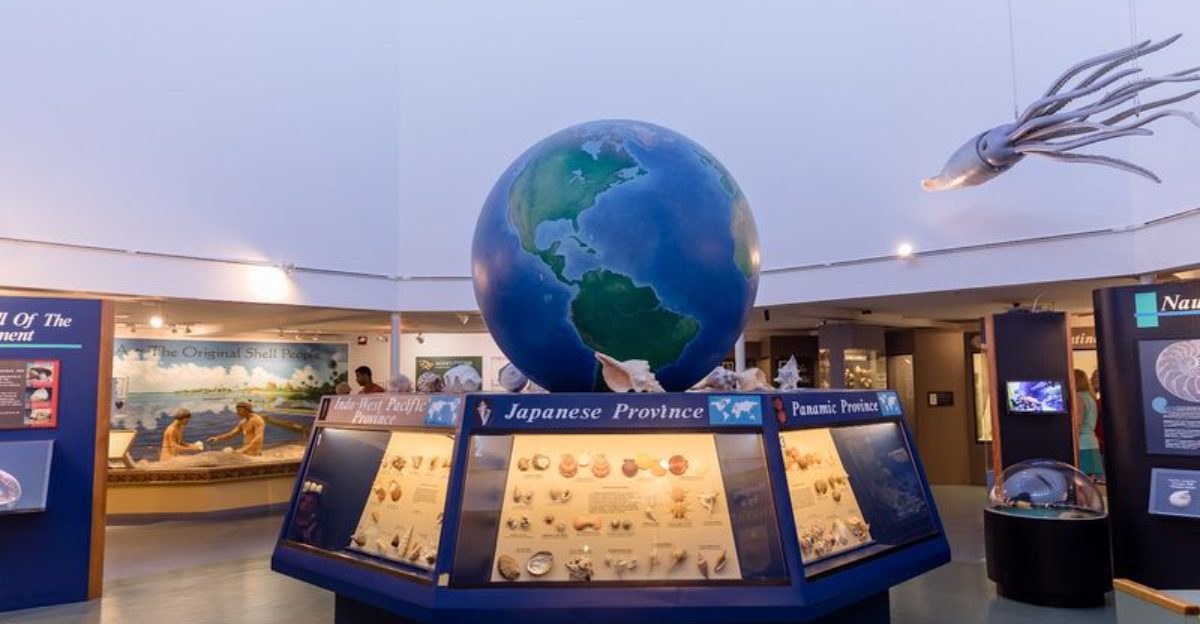
Tucked away on Sanibel Island in Florida, the Bailey-Matthews National Shell Museum & Aquarium is a hidden gem that most travelers completely overlook. With over 30 million shells from around the world, this museum is the only one in the United States dedicated entirely to shells and the creatures that make them.
Whether you love marine life, history, or just want a fun family outing, this place has something amazing for everyone. Get ready to discover why this little museum is actually one of the most fascinating spots in all of Florida.
The Great Hall of Shells: A Room That Will Stop You in Your Tracks
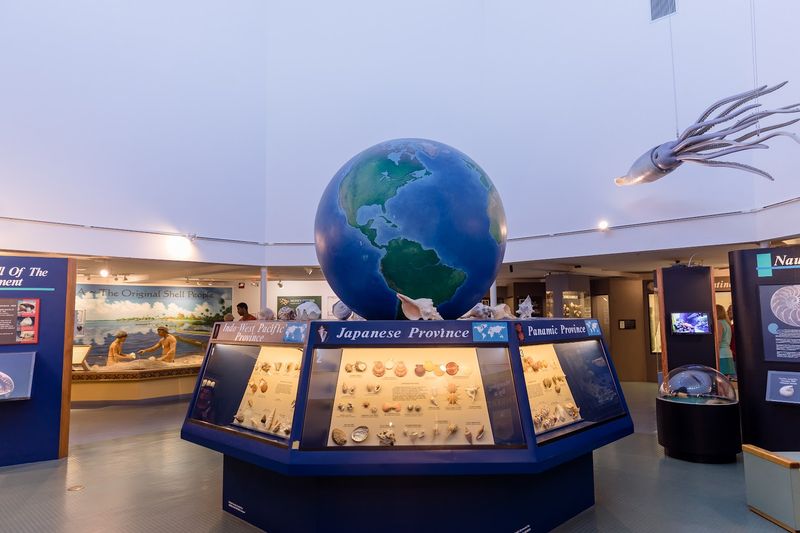
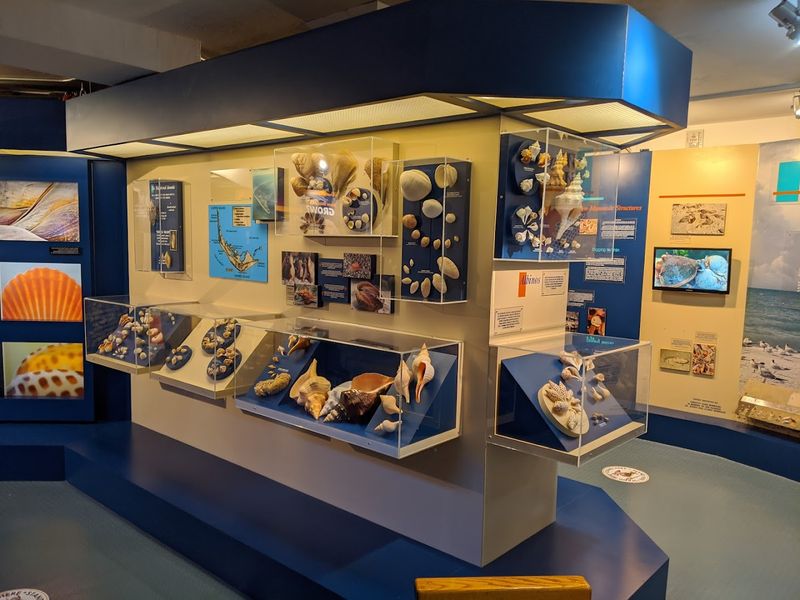
Walking into the Great Hall of Shells feels a little like stepping into another world. The large, circular room is lined with stunning displays featuring shells of every shape, color, and size imaginable.
Visitors often pause in the doorway, genuinely speechless at the sheer scale of it all.
The collection spans shells from every corner of the globe, and each display is carefully labeled with information about where the shell came from and the creature that once lived inside it. You do not need to be a shell expert to appreciate the beauty here.
Even kids who came in reluctantly end up pressing their noses against the glass cases, pointing at favorites. The Great Hall is currently expanding, which means future visits will be even more spectacular.
For now, what is already on display is more than worth the trip to Sanibel Island.
Live Aquarium Tanks Full of Color and Wonder
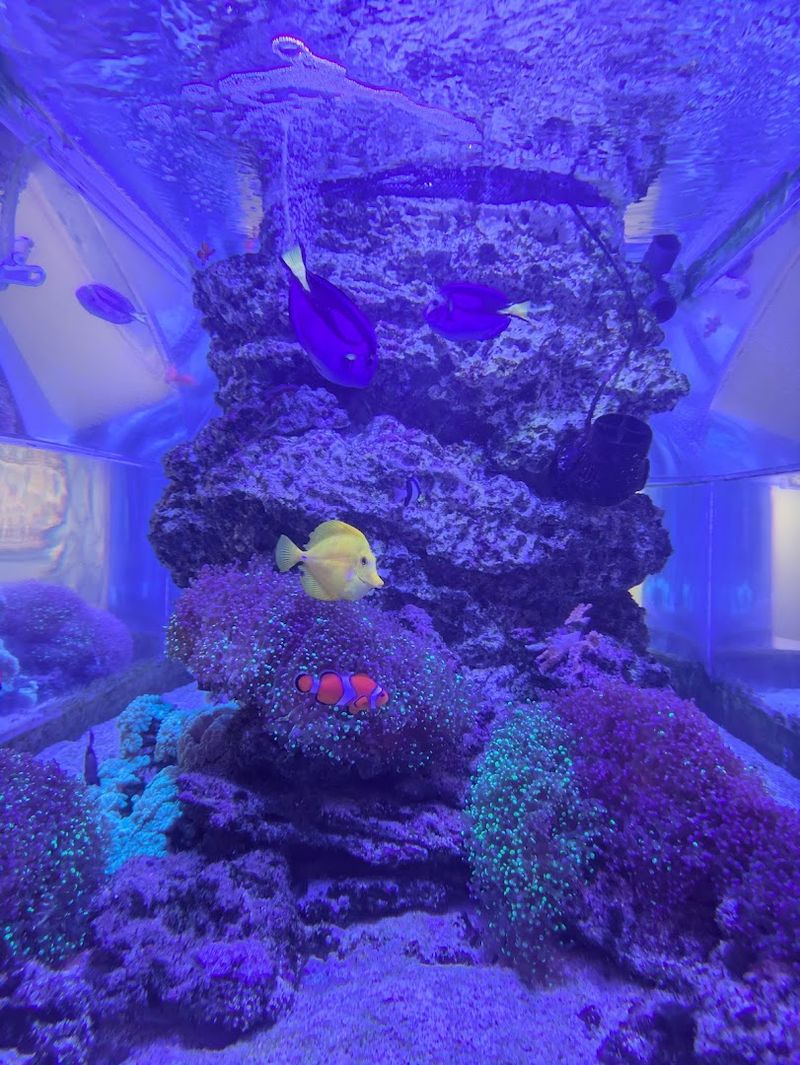
Forget everything you think you know about small museum aquariums, because the tanks at Bailey-Matthews are genuinely impressive. The lower floor is home to several beautifully maintained tanks filled with vibrant marine life, including clownfish, blue tangs, and other tropical species that light up the room.
One reviewer compared the experience to finding a mini-ocean right inside the building. The tanks are thoughtfully arranged so visitors of all heights, including toddlers and wheelchair users, can get a great view without any trouble.
Staff members are often nearby to answer questions and share fun facts about the animals on display. Seeing real, living sea creatures alongside the shell collection creates a powerful connection between the shells and the animals that create them.
It transforms the whole experience from a simple exhibit into something that genuinely feels alive and exciting for every age group.
The Giant Pacific Octopus: The Star of the Show
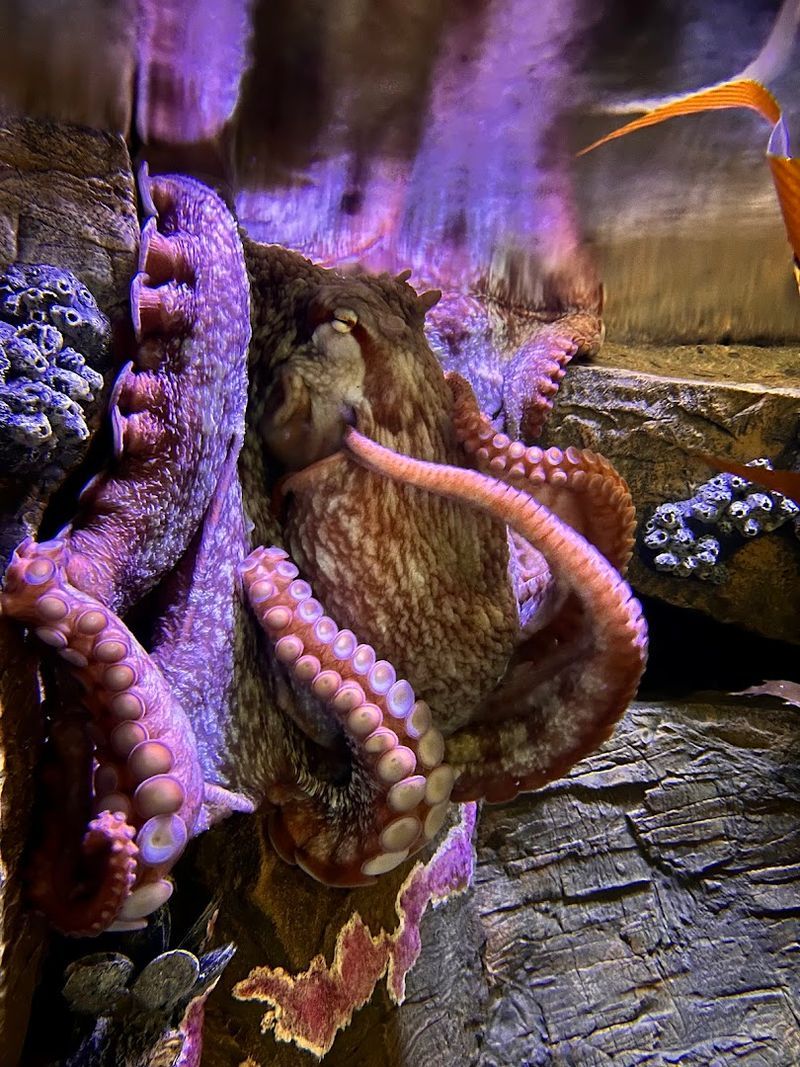
Ask any visitor what surprised them most, and a huge number will say the same thing: the Giant Pacific Octopus. This magnificent creature has its own dedicated display and presentation, and watching it move is genuinely mesmerizing.
Its tentacles glide across the tank glass in a way that feels almost hypnotic.
Museum educators lead keeper talks near the octopus tank, sharing fascinating details about octopus intelligence, behavior, and biology. Did you know a Giant Pacific Octopus can change both its color and texture in under a second?
Visitors who catch a live presentation walk away with a whole new respect for these extraordinary animals.
One reviewer called it the reason they made the trip specifically to this museum, and it is easy to understand why. Even if you came just for the shells, the octopus alone is worth every penny of admission.
Touch Tanks: Where Hands-On Learning Gets Real
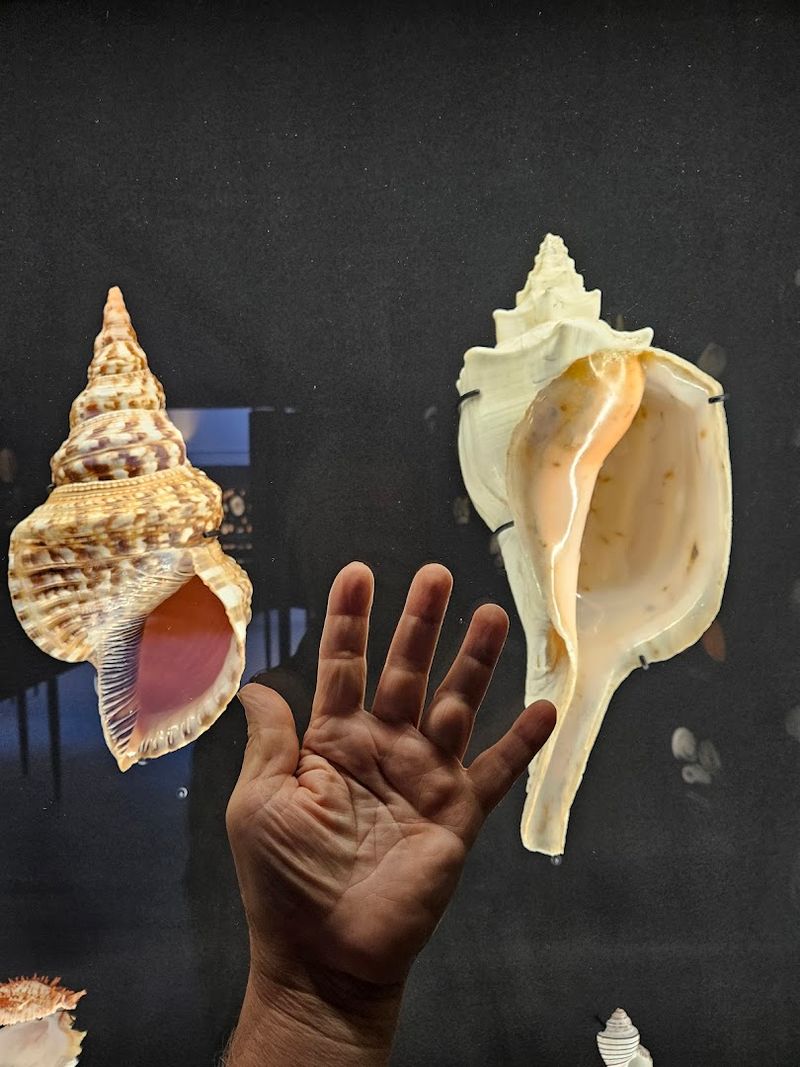
There is something genuinely thrilling about reaching into a tank and feeling a live moon snail glide across your palm. The touch tanks at Bailey-Matthews are one of the most talked-about features of the entire museum, and for very good reason.
Both cold-water and warm-water tanks are available, giving visitors a chance to feel the difference between marine environments.
Docents stand nearby, ready to answer every question and make sure both kids and adults feel comfortable handling the animals. Sea hares, abalones, conchs, whelks, and starfish are just some of the creatures you might encounter.
The museum even rotates animals between tanks to give them proper rest periods.
Unlike many aquariums where everything is behind glass, this hands-on approach makes the experience deeply personal and memorable. Parents consistently mention that the touch tanks are the moment their children truly fell in love with marine science.
The Seahorse Exhibit: Small Creatures With a Big Story
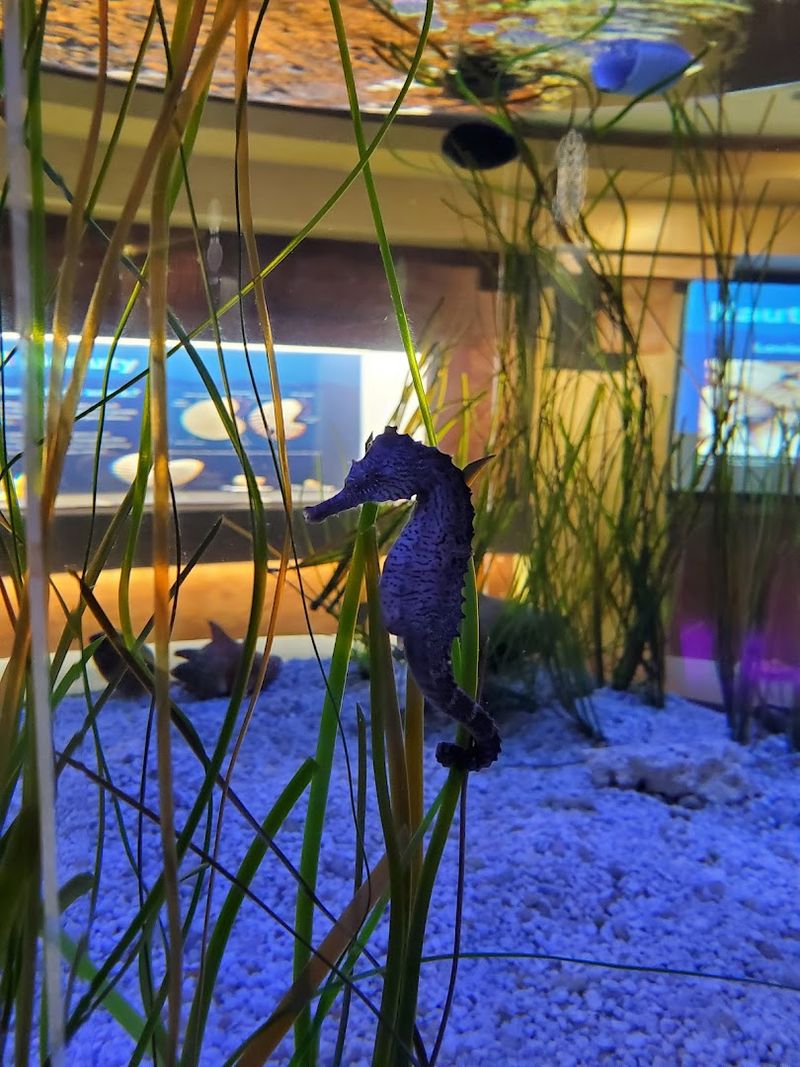
Seahorses have a way of making everyone stop and stare, and the seahorse exhibit at Bailey-Matthews is no exception. These delicate, otherworldly creatures float through the water with a kind of effortless grace that feels almost magical.
Multiple visitors have listed the seahorse display as their personal highlight of the entire visit.
Aquarist education sessions focused on seahorses are offered regularly, and they cover everything from how seahorses mate to how they hunt their tiny prey. Fun fact: seahorses are the only species on Earth where the male carries and gives birth to the young.
That single fact alone tends to send kids into a flurry of excited questions.
The presentations are described as engaging, informative, and clearly delivered by knowledgeable staff who genuinely love what they do. Catching one of these sessions adds a whole extra layer of depth to an already wonderful museum experience.
The Cuban Polymita Display: Nature’s Most Colorful Shells
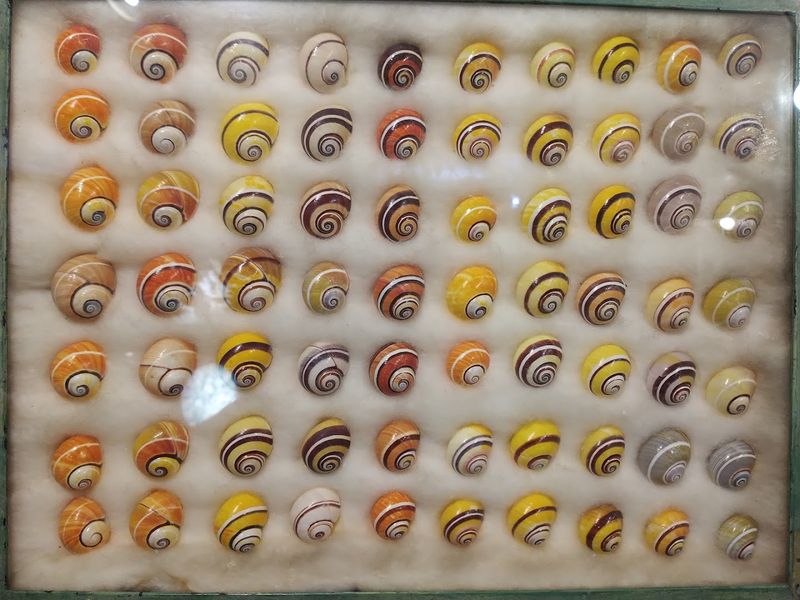
Most people have never heard of the Cuban Polymita, and that is exactly what makes stumbling upon this display so rewarding. These land snails from Cuba produce some of the most brilliantly colored shells found anywhere on the planet, ranging from fiery oranges and deep reds to vivid yellows and forest greens.
No two shells are exactly alike.
The display at Bailey-Matthews presents these shells with thoughtful context, explaining their cultural significance and the conservation challenges they face. Polymita snails are unfortunately endangered due to habitat loss and over-collection, so seeing them displayed with such care feels meaningful rather than just decorative.
Visitors frequently describe this as one of the most unexpected and emotionally resonant parts of the museum. You walk in expecting to see pretty shells and walk out genuinely concerned about protecting a species you had never even heard of an hour earlier.
That is the power of excellent museum storytelling.
Shells in Human Culture: A Fascinating History Lesson
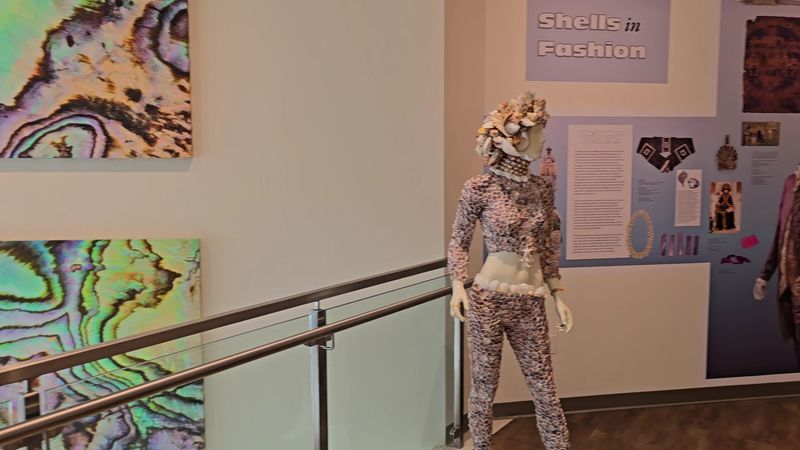
Shells have been used by humans for thousands of years, and the cultural history exhibits at Bailey-Matthews bring that story to life in surprisingly compelling ways. From ancient currency to elaborate jewelry, ceremonial objects to architectural decoration, shells have played a central role in civilizations around the world.
One particularly popular section focuses on the use of shells in fashion, featuring historical examples that range from elegant to absolutely extravagant. Seeing how differently cultures across time have valued and used the same natural objects creates a real sense of connection across history.
The displays are written in clear, accessible language that works for both adults and younger visitors, making the history feel relevant rather than dusty. Several reviewers specifically called out these cultural exhibits as the part of the museum that surprised them most.
History and nature rarely combine this smoothly, and the result is genuinely thought-provoking.
The Scavenger Hunt: Turning Kids Into Shell Detectives
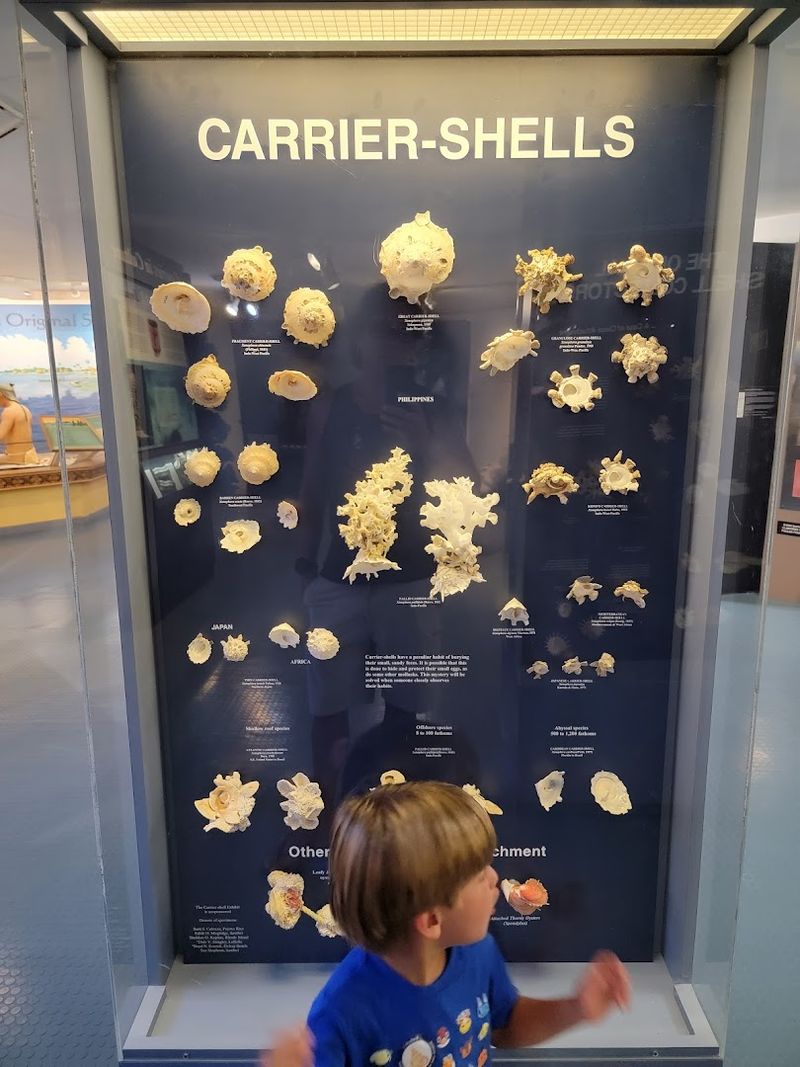
Keeping kids engaged in a museum can sometimes feel like a challenge, but the scavenger hunt at Bailey-Matthews makes it completely effortless. Children receive a hunt sheet and work their way through the museum searching for specific shells and clues hidden throughout the exhibits.
The reward at the end? A free shell to take home.
That small prize carries a surprisingly big emotional punch. Kids who complete the hunt walk out clutching their shell like a trophy, already asking when they can come back.
Parents love it because the hunt encourages careful observation and reading, turning the whole visit into an educational adventure without feeling like schoolwork.
Multiple reviewers mentioned the scavenger hunt as one of the highlights of their family visit, noting that it kept even the youngest and most easily distracted kids focused and enthusiastic. For families traveling with children of different ages, it is a genuine lifesaver and a clever piece of museum design.
The Museum’s Junoinia Collection: Sanibel’s Most Prized Shell
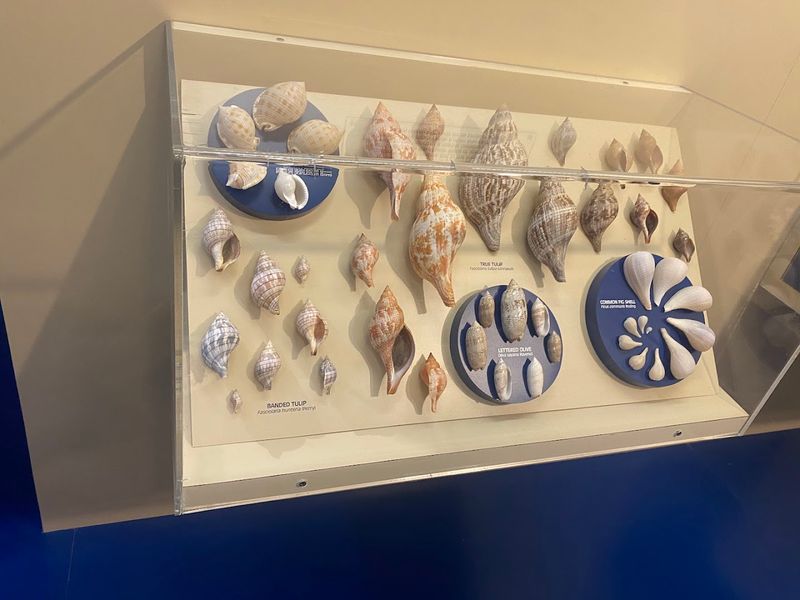
Finding a Junonia on Sanibel’s beaches is considered such a rare and lucky event that local newspapers used to publish photos of lucky beachcombers who discovered one. The Bailey-Matthews museum takes that local legend seriously, devoting a dedicated display to this beloved spotted shell that has become something of a symbol for Sanibel Island itself.
The Junonia display showcases multiple specimens in varying sizes and conditions, giving visitors a clear picture of what makes this shell so special and so sought after. Reading about the shell’s place in Sanibel culture adds a layer of local charm that feels authentic rather than touristy.
One reviewer who grew up visiting Sanibel described finally seeing the Junonia collection as a deeply personal moment. For longtime shell lovers and first-time visitors alike, this display captures something genuinely meaningful about the relationship between a community and the natural world it cherishes.
Knowledgeable Staff Who Actually Love Their Jobs
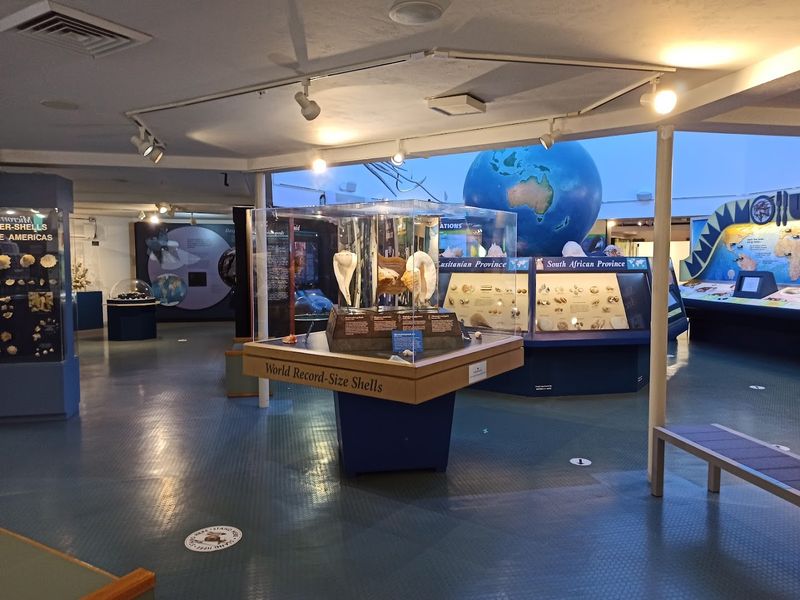
You can tell a lot about a museum by how its staff treats visitors, and by that measure Bailey-Matthews earns high marks every single time. Docents and aquarists roam the floors throughout the day, ready to answer questions, share stories, and enthusiastically talk marine biology with anyone who shows even a hint of curiosity.
Multiple reviewers used the phrase “willing to nerd out” to describe the staff, which is honestly the best possible compliment a museum employee can receive. Whether you are a marine science teacher wanting to talk invertebrate diversity or a seven-year-old asking why crabs are crunchy, the team here meets you exactly where you are.
That kind of personalized, warm engagement transforms a good visit into a great one. Several guests specifically named individual staff members in their reviews, which speaks volumes about the genuine connections being made between visitors and the people who bring this museum to life every day.
The Museum Film: A Short Video That Hits Harder Than Expected
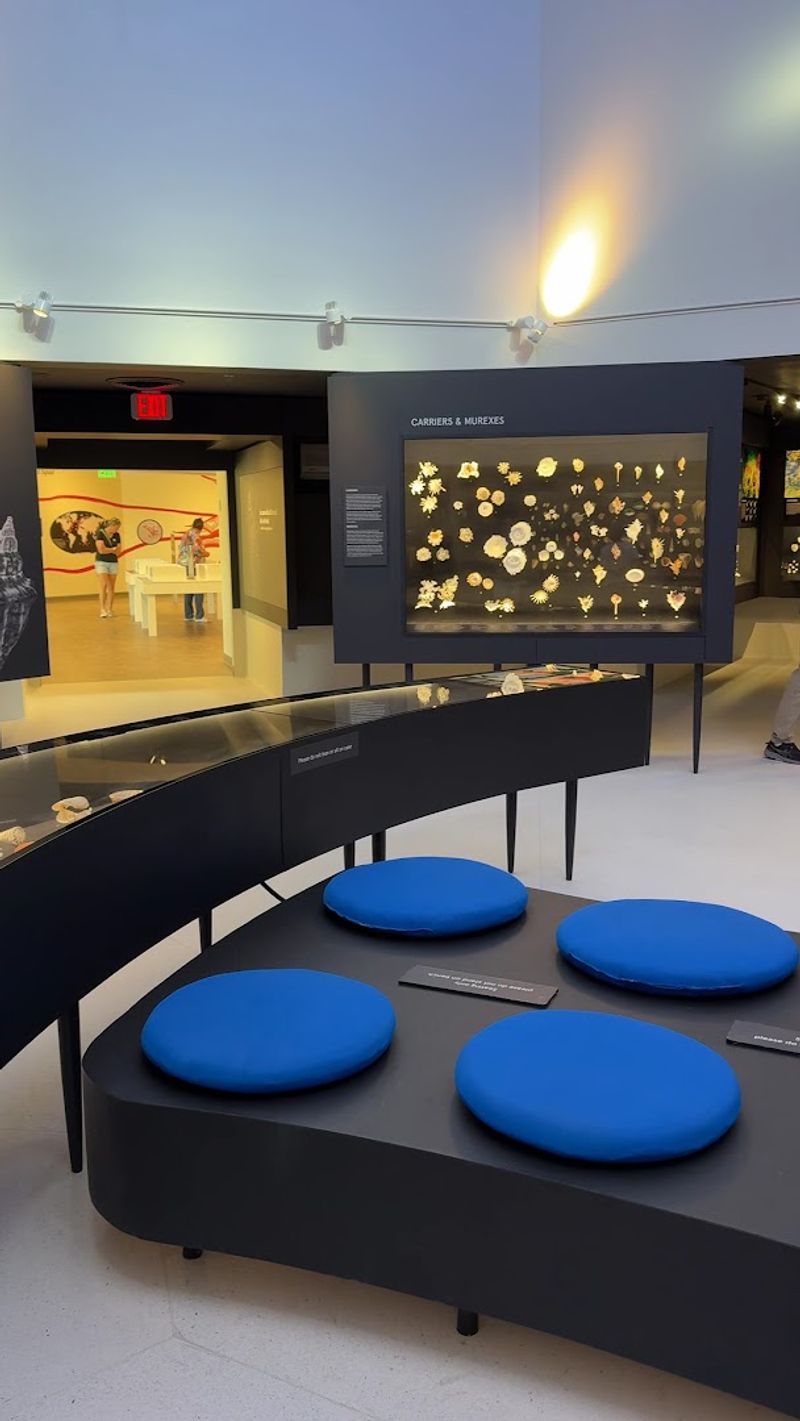
Tucked into the second floor is a short film that more than one visitor has described as unexpectedly moving. The video covers the museum’s core mission around education, conservation, and the incredible diversity of mollusk life on Earth.
Running on a loop, it is easy to catch at almost any point during your visit.
What makes the film stand out is how clearly it communicates why shells and the animals that make them actually matter. It is not a dry lecture.
It uses beautiful visuals and straightforward storytelling to connect viewers emotionally to the subject in a way that sticks with you long after you leave the building.
One reviewer called it “informative” in a way that went beyond just facts, noting it helped them understand the museum’s deeper purpose. Taking twenty minutes to watch it before or after exploring the exhibits genuinely enriches the entire experience and gives meaningful context to everything else on display.
Admission, Hours, and Visitor Tips You Need to Know
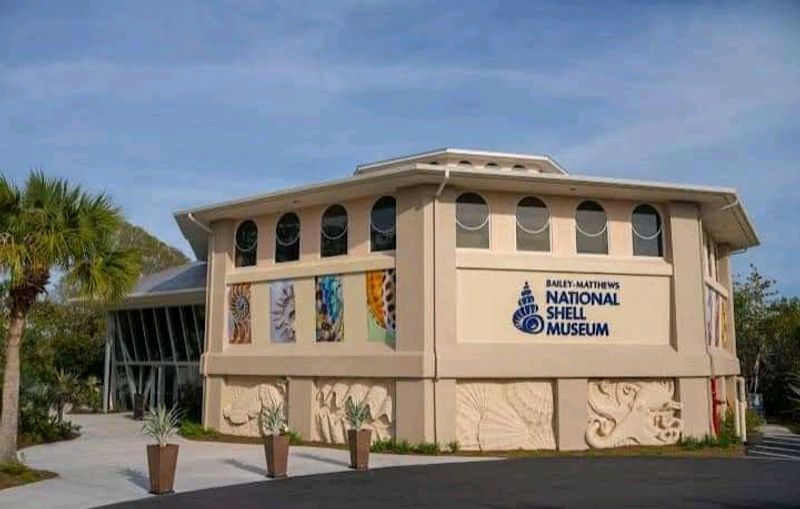
Planning a visit to Bailey-Matthews is pretty straightforward, but a few details are worth knowing before you go. General adult admission is $25, and discounts are available for children, first responders, teachers, and students.
The museum is located at 3075 Sanibel Captiva Road and is open Monday through Saturday from 10 AM to 5 PM, with Sunday hours from 12 to 4 PM.
Most visitors spend between one and three hours exploring, depending on how deeply they engage with the exhibits. If you are traveling with kids, budget closer to two and a half hours to give everyone time to enjoy the touch tanks, scavenger hunt, and aquarium without feeling rushed.
Keep in mind that there is a toll to cross the bridge onto Sanibel Island, so factor that into your trip budget. Parking is available on-site, and the gift shop is well worth a stop on your way out.
You can reach the museum at +1 239-395-2233 or visit shellmuseum.org for updated information.
The Gift Shop: Where the Fun Continues After the Tour
Gift shops at museums can sometimes feel like an afterthought, but the one at Bailey-Matthews is genuinely worth your time. Reviewers consistently praise it as well-curated, reasonably priced, and stocked with items that actually reflect the museum’s character rather than generic tourist trinkets.
Books on marine biology and shell identification are particularly popular picks.
Shoppers have walked out with everything from decorative shell collections and educational books to quirky fridge magnets and nature-themed toys for kids. The selection feels thoughtful, as though someone with real taste assembled it rather than just filling shelves to maximize revenue.
One visitor specifically mentioned finding books in the gift shop that they had been searching for elsewhere without success. Whether you are looking for a meaningful souvenir, a gift for a nature-loving friend, or just a small reminder of a wonderful afternoon on Sanibel Island, the gift shop delivers in a way that feels satisfying rather than obligatory.