



For many Baby Boomers, grocery shopping isn’t just about ticking off items from a list. It’s a journey through nostalgia. Certain vintage brands, rich with history and memories, still hold a special place in their hearts. Despite the ever-changing retail landscape, these brands evoke fond memories of simpler times.
Campbell’s Soup
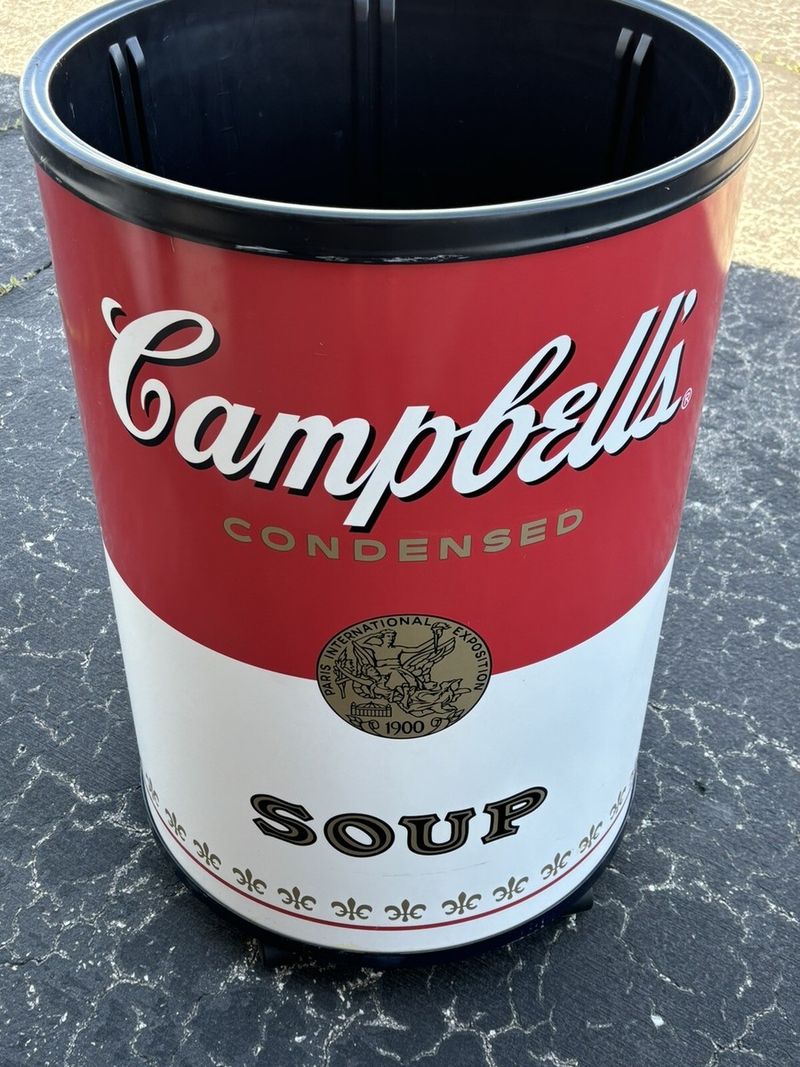
It’s hard to imagine a time when Campbell’s Soup wasn’t a staple in every pantry. The iconic red and white label, reminiscent of Andy Warhol’s art, is a comforting sight for many. Its history dates back to 1869, offering warmth and nourishment through countless winters.
The condensed soup revolutionized meal prep in busy households, and its versatility made it a go-to for casseroles and quick fixes. Who can forget the heartwarming ads featuring smiling children enjoying a bowl of chicken noodle soup? Truly, Campbell’s remains a beloved symbol of comfort food.
Did you know? Campbell’s Tomato Soup was the company’s first canned soup in 1897, showcasing innovation from the start.
Kraft Macaroni & Cheese
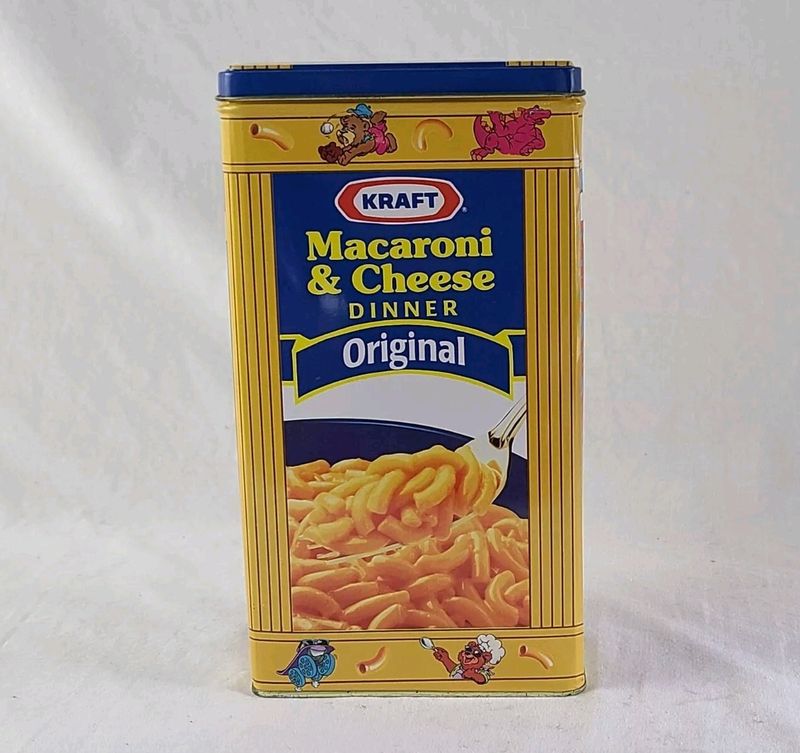
Kraft Macaroni & Cheese has been a family favorite since its introduction in 1937. Known affectionately as “Kraft Dinner” in Canada, it’s been dubbed the “unofficial national dish.” Its cheesy goodness has graced countless dinner tables and provided comfort during hard times.
The simplicity of cooking and affordability made it popular during World War II, becoming a household staple. For Boomers, it’s a taste that sparks fond childhood memories. Whether as a side dish or a main course, Kraft Macaroni & Cheese remains a beloved classic.
Did you know? During WWII, Kraft sold more than 50 million boxes of its macaroni and cheese.
Ovaltine
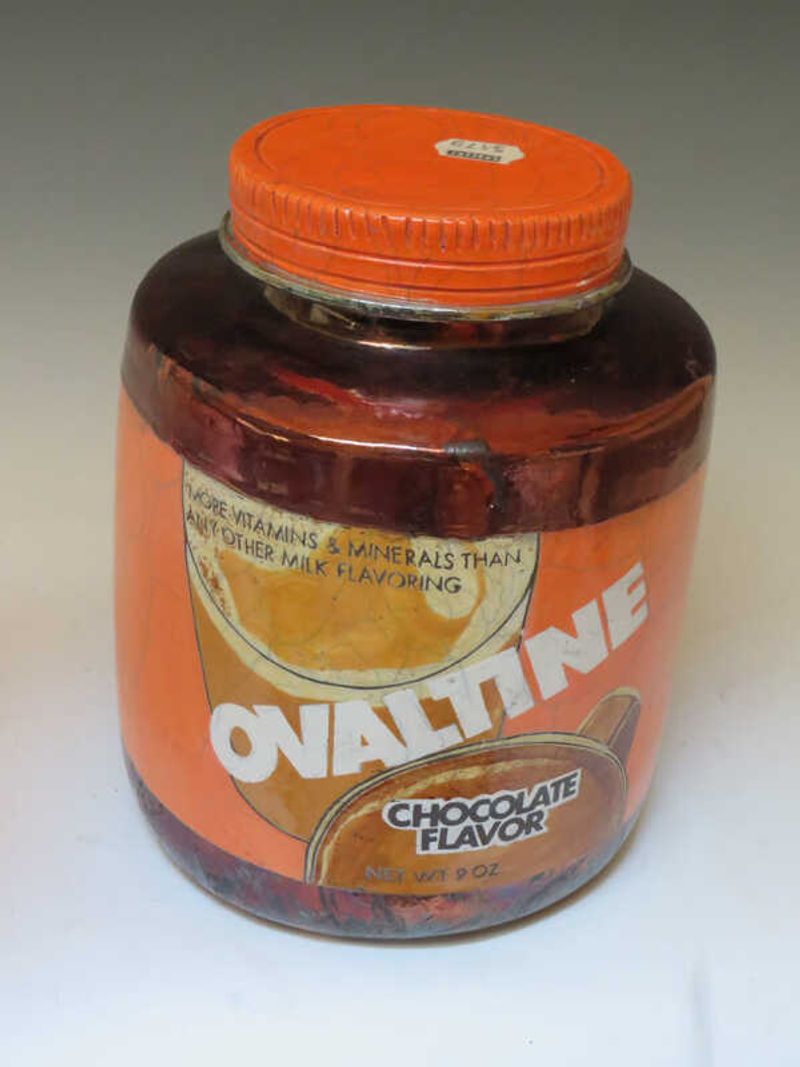
For many Boomers, Ovaltine was more than just a drink; it was a comforting bedtime ritual. This malted milk beverage, packed with vitamins and minerals, was a staple in households looking to boost nutrition.
Originally developed in Switzerland in 1904, its unique taste and health benefits quickly gained popularity. The brand’s catchy jingles and memorable ads linger in the minds of those who grew up with it. Even today, a warm cup of Ovaltine can transport one back to cozy evenings by the fire.
Interesting tidbit: Ovaltine was originally marketed as a restorative health drink for children and the elderly.
Jell-O
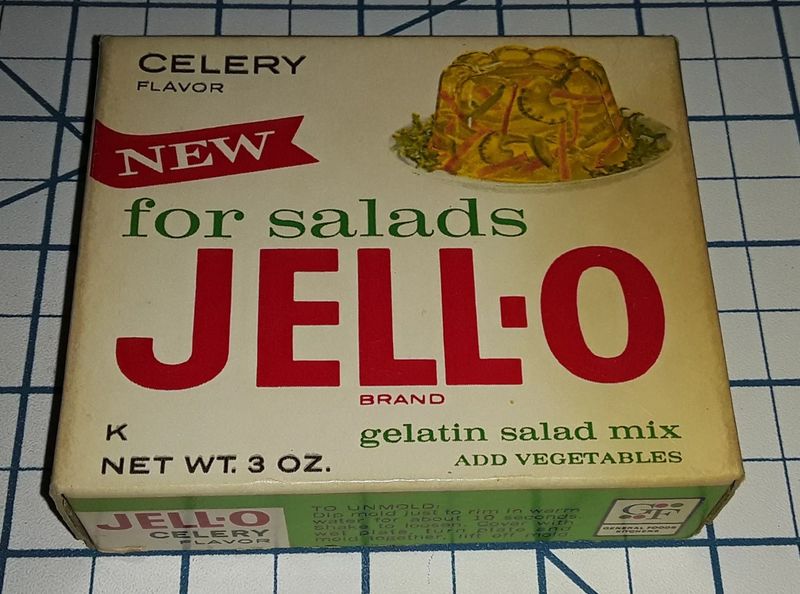
Jell-O, with its wobbly texture and rainbow of flavors, has been a festive favorite since the early 20th century. This gelatin dessert, synonymous with family gatherings and celebrations, became an American icon through clever marketing and endless recipe possibilities.
Kids were especially drawn to its fun, jiggle, and bright colors, while adults loved its versatility. From salads to molds, Jell-O helped add a splash of color to the dining table. The brand’s timeless appeal is evident in its enduring presence in pantries across the country.
Fun fact: Jell-O was declared the “Official State Snack” of Utah in 2001.
Morton Salt
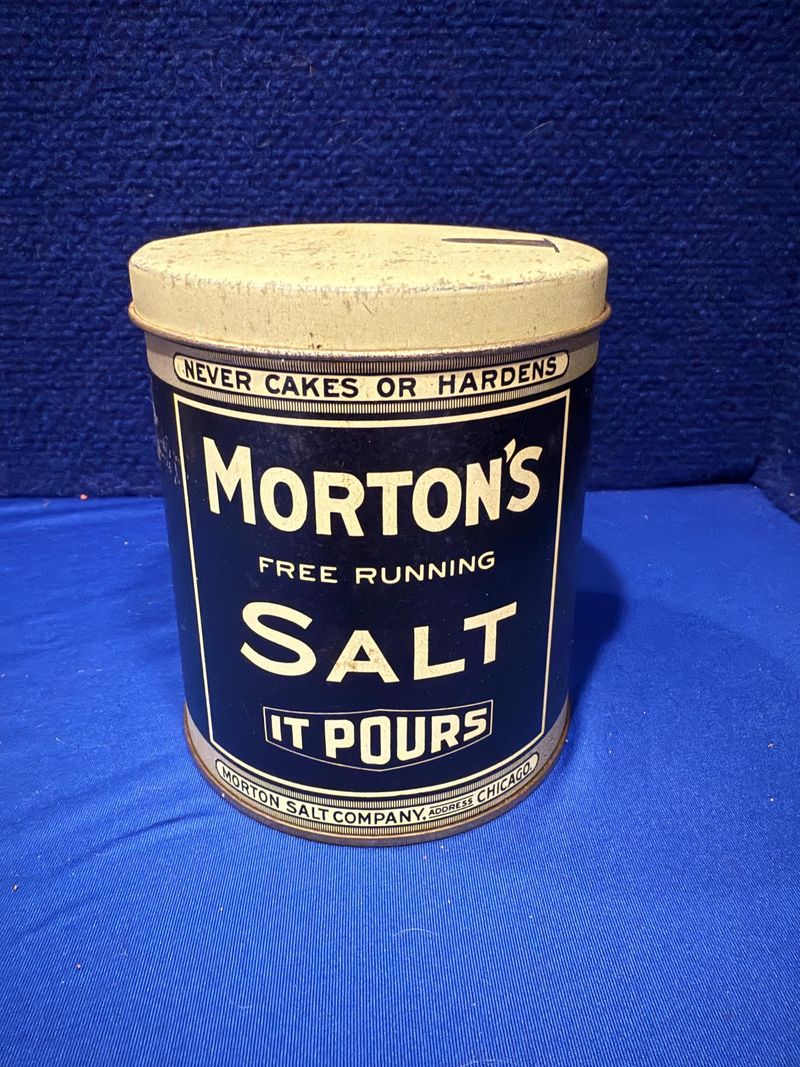
“When it rains, it pours.” This familiar slogan, paired with the iconic girl with the umbrella, has been etched into the collective consciousness. Morton Salt, established in 1848, revolutionized the salt industry with its anti-caking technology.
Beyond its practical use, Morton Salt became a symbol of reliability and quality. The design of the package, unchanged for decades, is a testament to its timeless brand identity. For Boomers, spotting the yellow umbrella girl brings back memories of countless family meals.
Did you know? The Morton Salt girl first appeared on packaging in 1914 and has been updated only a few times since then.
SPAM
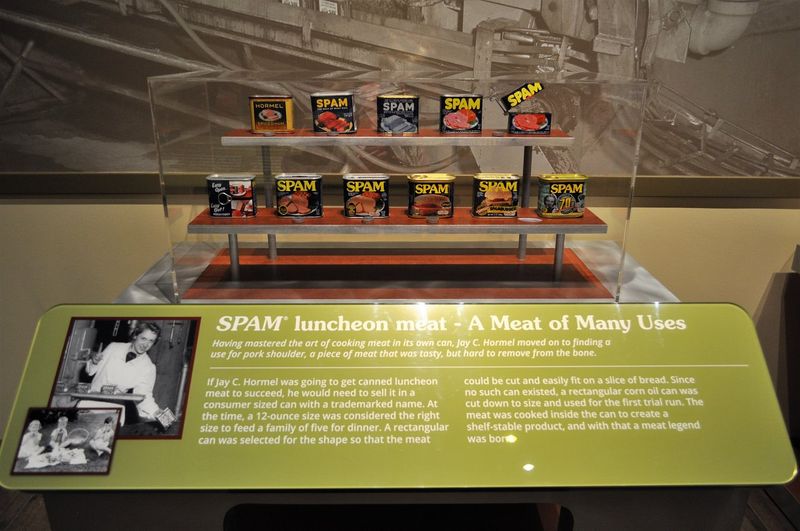
SPAM, a product of the Hormel Foods Corporation, became a pantry staple during World War II. Its long shelf life and versatility made it a convenient meat option during rationing. Introduced in 1937, SPAM quickly became a beloved food item across the world.
For many Boomers, SPAM sandwiches, casseroles, and fried slices were regular meals growing up. The brand’s quirky personality and memorable ads have only added to its charm. Even today, SPAM inspires countless recipes and continues to be a nostalgic favorite.
Fun fact: Over 8 billion cans of SPAM have been sold worldwide since its introduction.
Wonder Bread
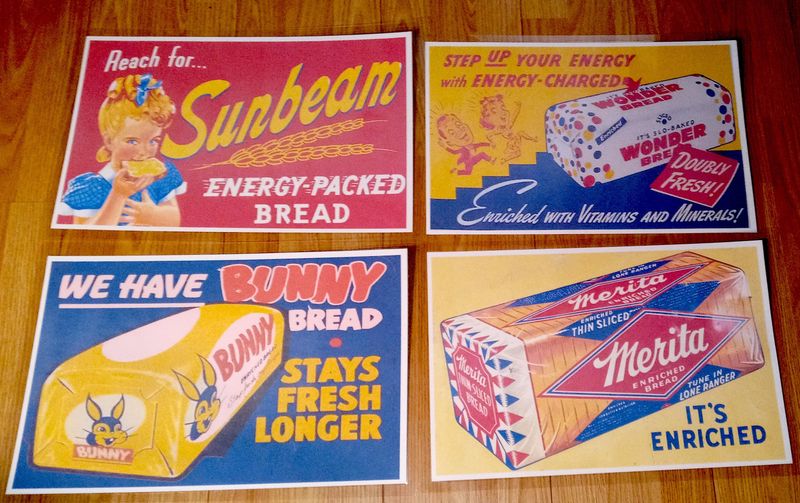
Few brands evoke nostalgia like Wonder Bread, with its fluffy texture and colorful polka-dotted packaging. First introduced in 1921, it quickly became a symbol of soft, pre-sliced bread that’s easy to make into sandwiches.
Its introduction of sliced bread in 1930 was hailed as a revolutionary convenience, giving rise to the phrase “the best thing since sliced bread.” For Boomers, Wonder Bread was a lunchbox staple that still conjures memories of school days and simple sandwiches.
Did you know? Wonder Bread was one of the first brands to include added vitamins and minerals in its bread.
Tang
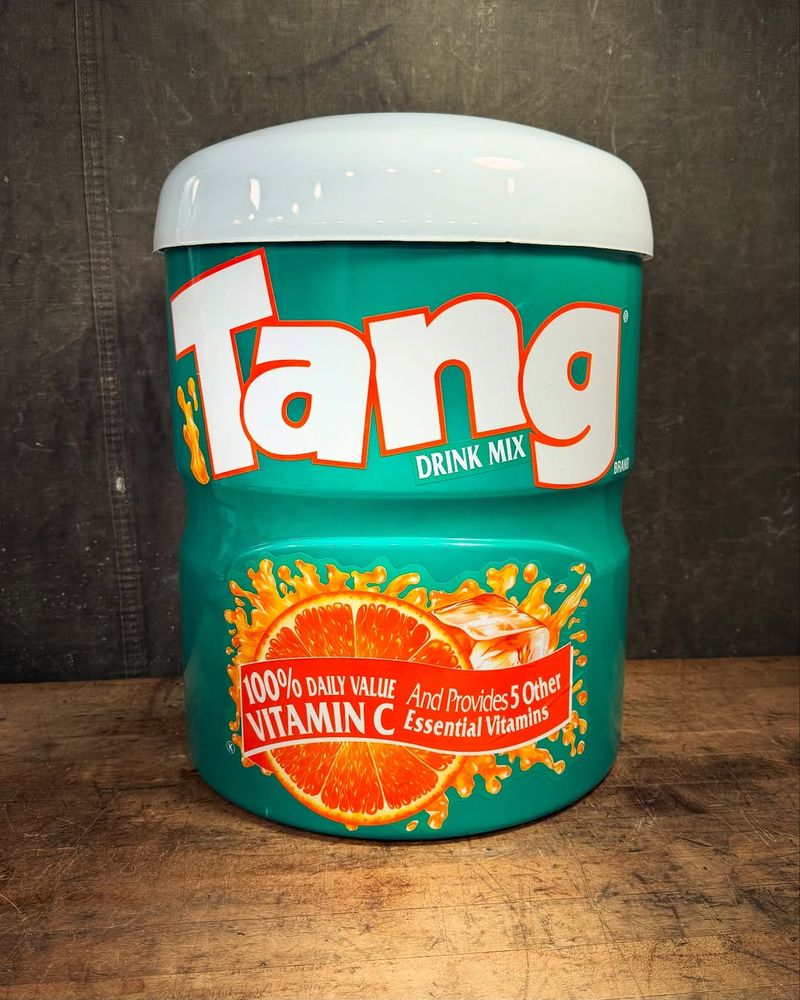
Tang, the orange-flavored drink mix, became famous after being associated with NASA’s Gemini and Apollo missions. Introduced in 1957, it quickly became a symbol of modern convenience and innovation in the American kitchen.
Marketed as a vitamin-C-rich drink, it appealed to families looking for a nutritious beverage. For Boomers, Tang was synonymous with space-age excitement and futuristic tastes. It’s a drink that still brings a smile with its zingy flavor.
Fun fact: Although popularized by NASA, Tang was not developed specifically for space missions but gained fame from its use by astronauts.
Chef Boyardee
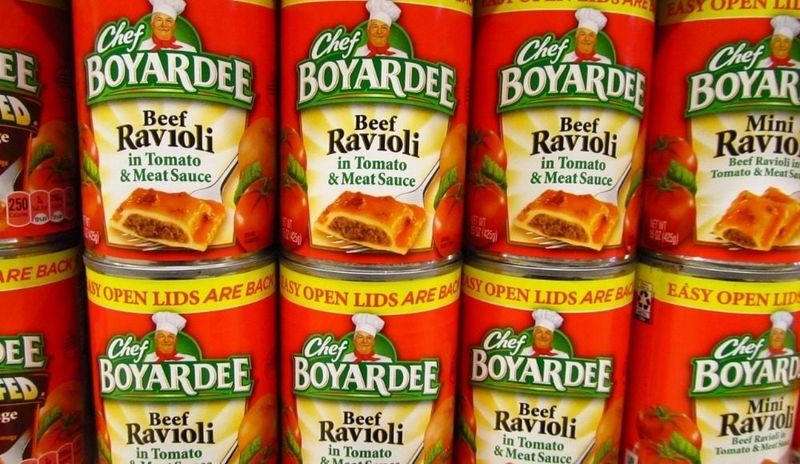
Chef Boyardee, founded by Italian immigrant Hector Boiardi, brought the taste of Italy to American homes. Known for its canned pasta meals, it became a convenient and affordable way to enjoy Italian cuisine.
The brand’s mascot, Chef Boyardee himself, became a beloved figure, teaching households that good food doesn’t have to be complicated. For Boomers, these canned delights were a novelty that introduced exotic flavors to their palates.
Interesting tidbit: Chef Boiardi’s products were served at the White House, making them a prestigious choice for family dinners.
Carnation Evaporated Milk
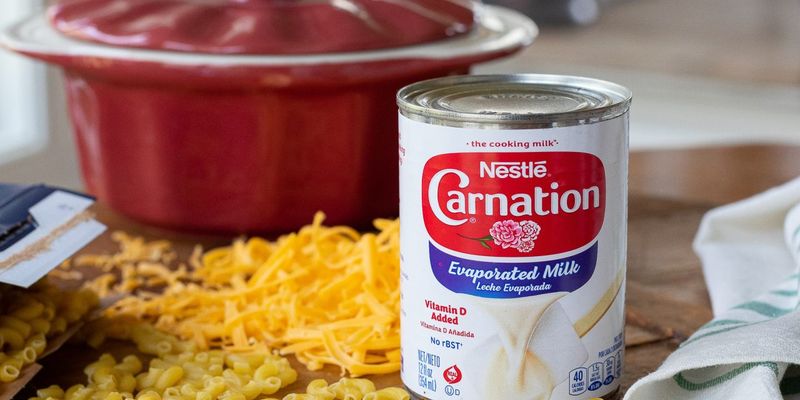
Carnation Evaporated Milk, a staple in many recipes, offers rich and creamy goodness. Since 1899, it has been a trusted ingredient for baking, cooking, and coffee. Its long shelf life made it a dependable choice during times of scarcity.
For Boomers, it was an essential component in family recipes, from desserts to creamy soups. The brand’s reliability and quality have ensured its place in the pantheon of classic kitchen staples.
Did you know? During the 1940s, Carnation was heavily advertised as a wholesome baby formula alternative.