


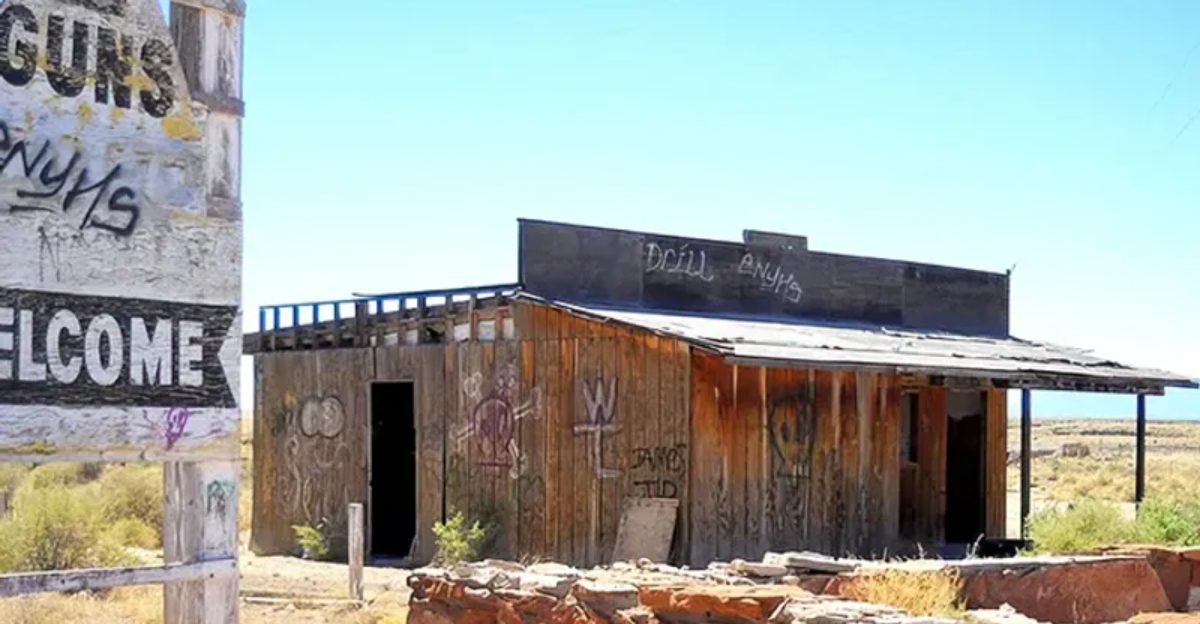
Tucked along old Route 66 in northern Arizona, Two Guns is a ghost town that carries a dark and haunting past. Once a roadside attraction built on the site of a deadly Native American massacre, this abandoned place has been crumbling under the desert sun for decades.
Strange ruins, eerie canyon walls, and a history soaked in violence and tragedy make Two Guns one of the most unsettling spots in the entire state. When the sun goes down, the shadows here tell stories you may not be ready to hear.
The Bloody History Behind Two Guns
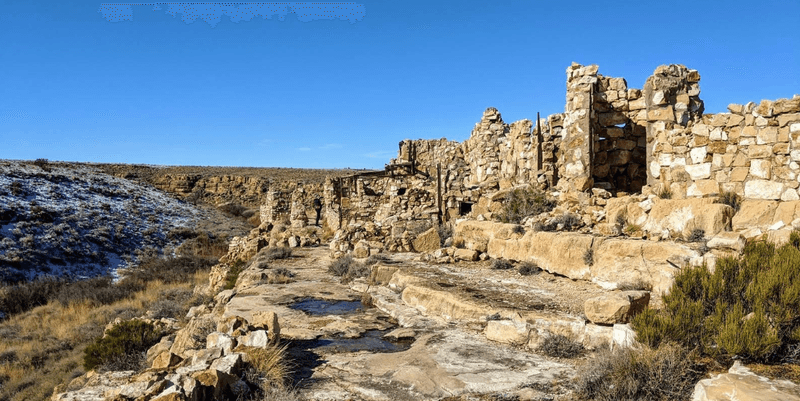
Long before Two Guns became a roadside curiosity, it was the site of something truly terrible. In the early 1800s, a group of Apache raiders attacked a Navajo settlement nearby, killing many people sheltering in a canyon cave.
The Navajo eventually tracked down the raiders and sealed them inside that same cave, leaving them to die.
That cave became known as the Canyon of Death, and decades later, a man named Harry Miller built a tourist attraction right on top of it. He called the place Two Guns and charged visitors to see the bones still inside the cave.
The whole setup was as strange as it sounds.
Two Guns sits at coordinates 35.1177914, -111.0934765 along old Route 66 in Arizona 86047. The land holds grief that seems to seep right out of the ground after dark.
Canyon of Death: Where It All Began
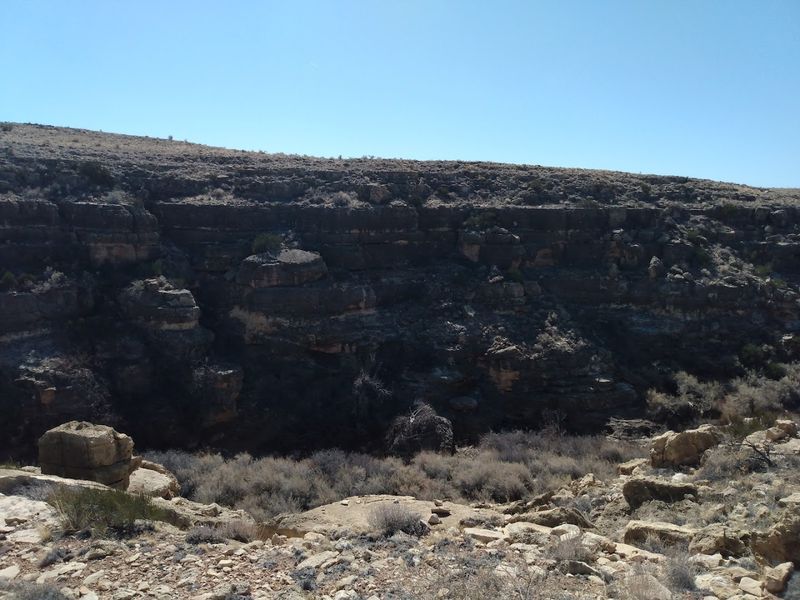
A short walk from the crumbling ruins of Two Guns lies the Canyon of Death, and the name is not an exaggeration. This narrow desert canyon was the setting for one of the most violent episodes in Arizona territorial history.
The Navajo sealed Apache raiders inside a cave here, and the screams reportedly echoed for days.
When tourists first started visiting in the 1920s, human bones were still visible inside the cave. Some say they still are, though most have been disturbed over the decades by careless visitors.
Walking near the canyon edge feels different from anywhere else in Arizona.
Even during daylight, a strange stillness hangs over the canyon. The wind moves through the rock walls in ways that sound almost like voices.
At night, most people who have visited say they will never come back alone.
Harry Miller and His Twisted Dream
Harry Miller, who called himself Two Gun Miller, was the kind of character who could only have existed in the Wild West era. He arrived at this stretch of Arizona desert and decided to turn tragedy into profit.
He built a zoo, charged admission to see massacre bones, and even painted fake Native American symbols on the canyon walls to impress tourists driving Route 66.
His business partner eventually shot and killed him in a dispute over the property. That murder added yet another layer of darkness to a place already soaked in violent history.
The land seemed to attract tragedy like a magnet.
Miller’s story is a cautionary tale about greed and exploitation. He profited from the suffering of others and met a grisly end himself.
Two Guns became a monument to his bad choices, and the ruins still carry that heavy energy today.
The Ghost Town Zoo Nobody Talks About
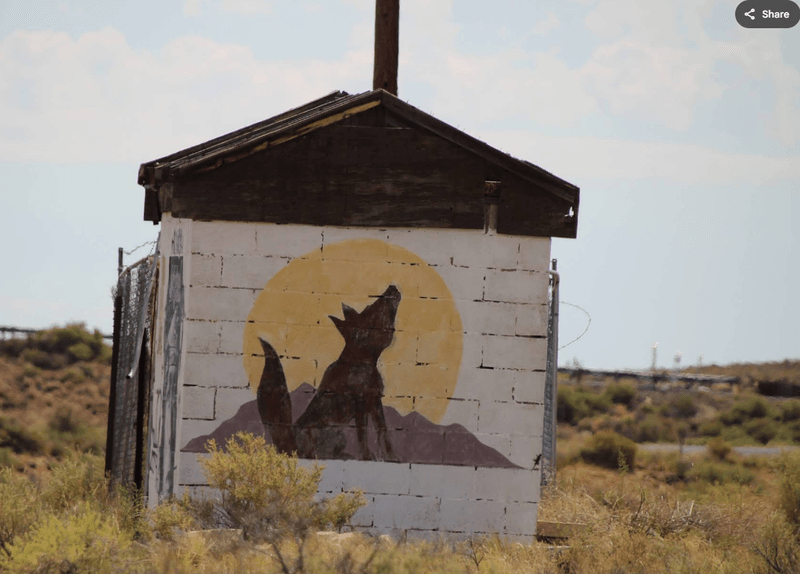
Most people do not know that Two Guns once had a functioning zoo. Harry Miller built it as part of his roadside attraction, housing mountain lions, bobcats, and other desert animals in stone cages right alongside the massacre site.
Tourists would stop along Route 66, pay a small fee, and walk through the whole grim spectacle.
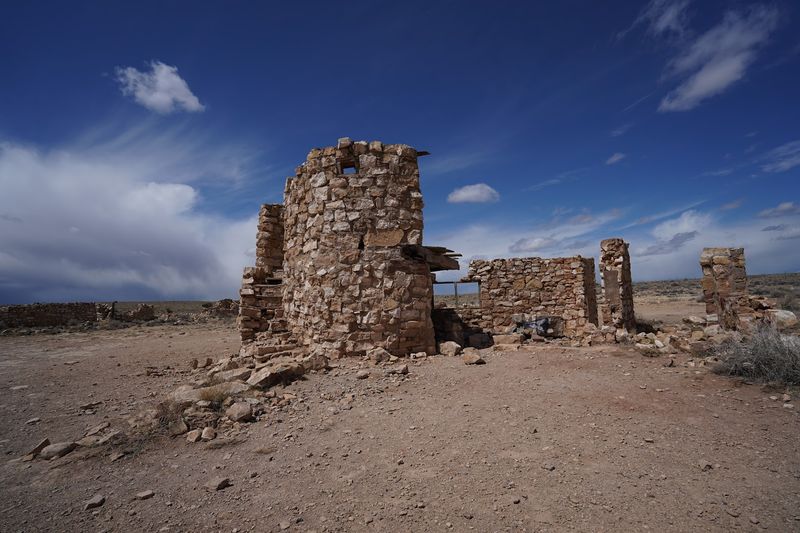
The animal cages are still standing today, their stone walls cracked and sun-bleached. The iron bars have rusted into twisted shapes that look almost like reaching hands in the low light of dusk.
It is one of the more surreal sights in the American Southwest.
Imagining animals pacing in those small enclosures beside a canyon full of human remains is genuinely unsettling. The zoo is a reminder of how differently people once thought about history, entertainment, and respect for the dead.
Those stone cages have outlasted everything else at Two Guns.
Route 66 Ruins That Time Forgot
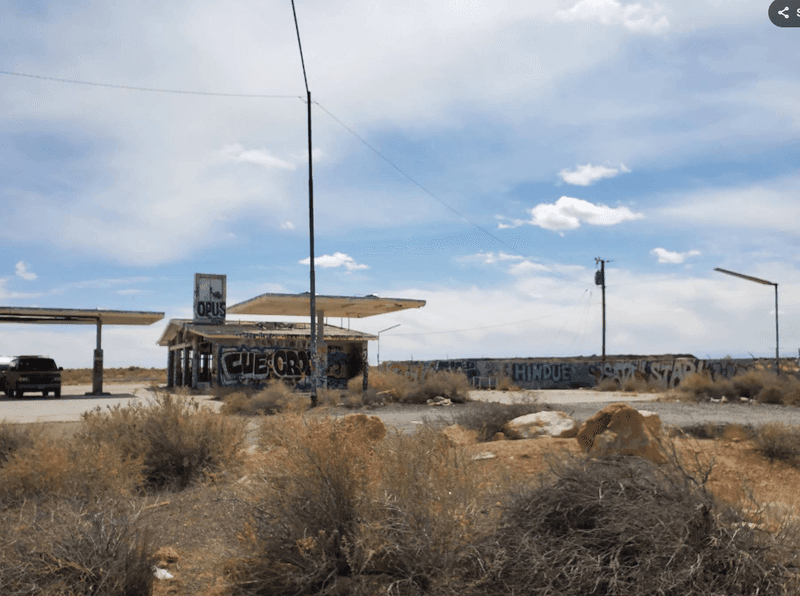
Route 66 was once the beating heart of American road travel, and Two Guns was one of its strangest stops. Drivers heading west would pull off the highway to gawk at the ruins, the zoo, and the so-called death cave.
For a brief time in the 1920s and 1930s, Two Guns was actually a popular destination.
Today, the old highway still runs past the site, but the crumbling stone buildings are all that remain of what was once a bustling roadside stop. The gas station, the trading post, and the tourist cabins have all collapsed into rubble.
Weeds push through the broken concrete, and the wind carries dust across everything.
Standing on the old road at sunset, you can almost hear the ghost of passing traffic. The silence that follows is thick and uncomfortable.
Route 66 moved on, but Two Guns stayed exactly where tragedy left it.
The Abandoned Gas Station Frozen in Time
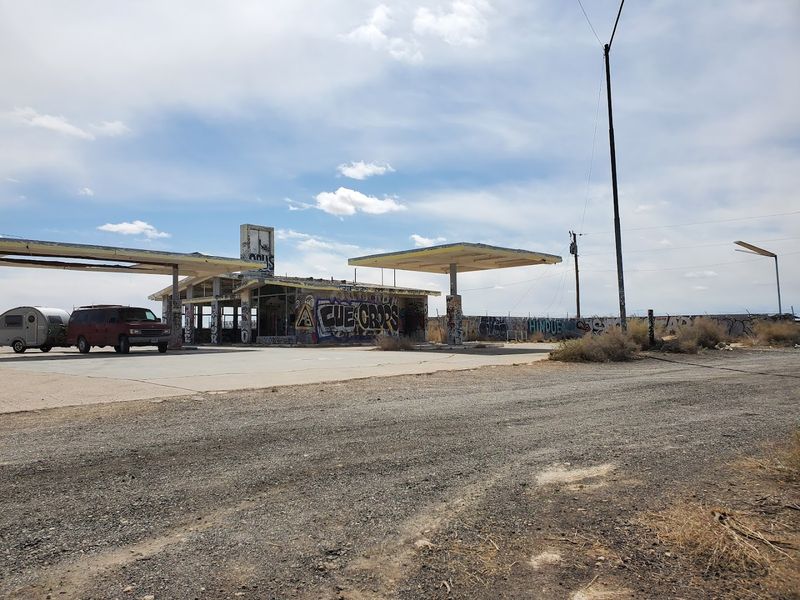
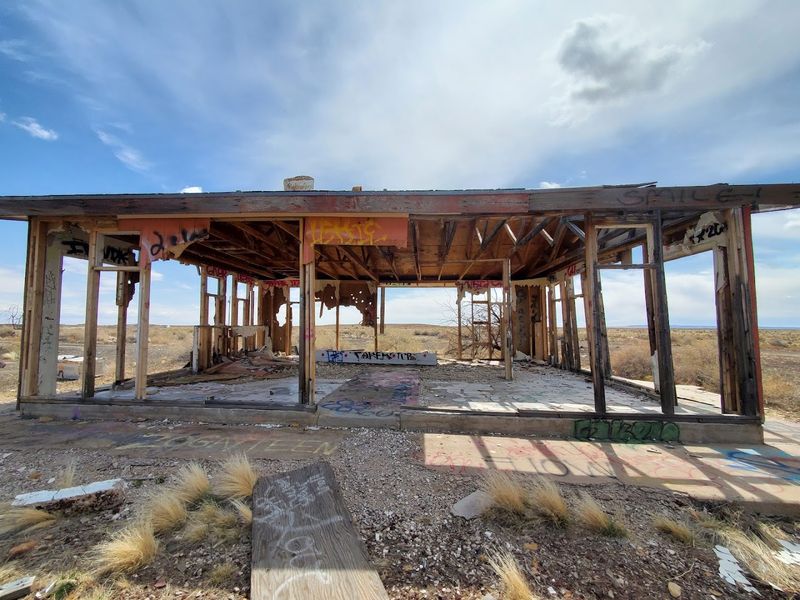
One of the most photographed remnants at Two Guns is the old gas station, now a roofless shell of crumbling masonry. Back when Route 66 was busy, this station served travelers who had no idea they were fueling up next to a massacre site.
The cheerful roadside stop and the dark history beneath it made for a strange combination.
The walls still stand at odd angles, leaning against each other like tired old men. Graffiti covers much of the surface now, left by curious visitors over the decades.
Some of the messages are playful, but others are genuinely strange, as if the place inspired darker thoughts in the people who passed through.
At night, the gas station ruins take on a completely different character. Shadows pool inside the broken walls, and the open sky above feels too wide and too dark.
Many visitors report feeling watched while standing inside those walls after sunset.
Paranormal Reports That Keep Piling Up
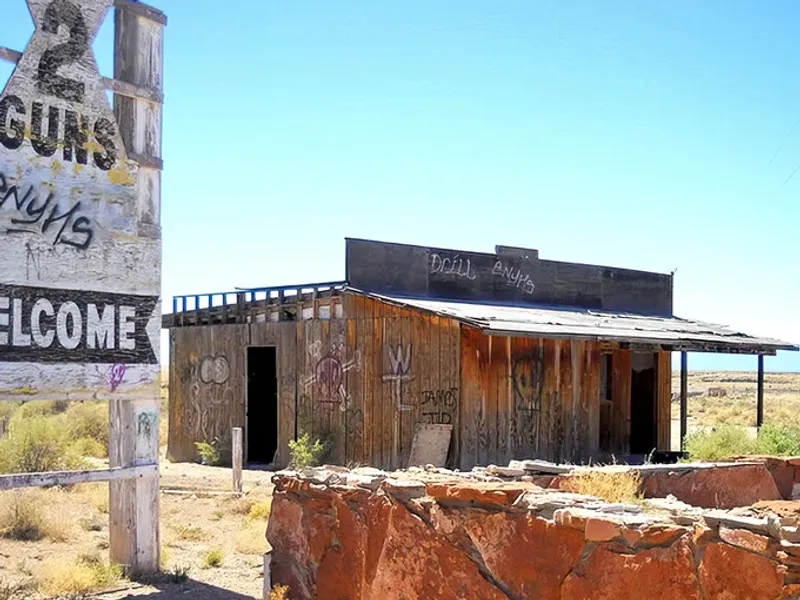
Two Guns has earned a serious reputation among paranormal investigators, and the reports are hard to ignore. Visitors over the years have described hearing voices coming from the canyon, seeing unexplained lights near the ruins at night, and feeling sudden drops in temperature with no wind to explain it.
Some have reported the overwhelming feeling of being followed.
Ghost hunting groups have visited the site multiple times, capturing audio recordings with unexplained sounds and photographs showing strange shapes in the darkness. Whether you believe in that kind of thing or not, the sheer volume of similar reports from unconnected people is worth noticing.
The combination of violent history, multiple deaths on the property, and the isolation of the desert location makes Two Guns a perfect storm for paranormal activity. Skeptics and believers alike tend to feel uneasy once the sun disappears behind the canyon walls.
The Murder That Sealed the Town’s Fate
Harry Miller’s death was not quiet or peaceful. His business partner, Ed Randolph, shot and killed him in a dispute over who actually owned the Two Guns property.
The argument had been brewing for months, fueled by greed, broken agreements, and the general lawlessness that still clung to rural Arizona in the 1920s.
After the murder, the property changed hands several times. A fire destroyed much of the remaining structure in the 1970s, and the Interstate 40 bypass killed whatever tourist traffic remained.
The town was fully abandoned by the late 20th century, left to the desert and whatever spirits chose to stay behind.
The murder felt like the final curse on an already cursed place. Every tragedy at Two Guns seemed to build on the one before it, as if the land itself was unwilling to let anyone prosper there.
That pattern has never really broken.
What the Apache Cave Looks Like Today
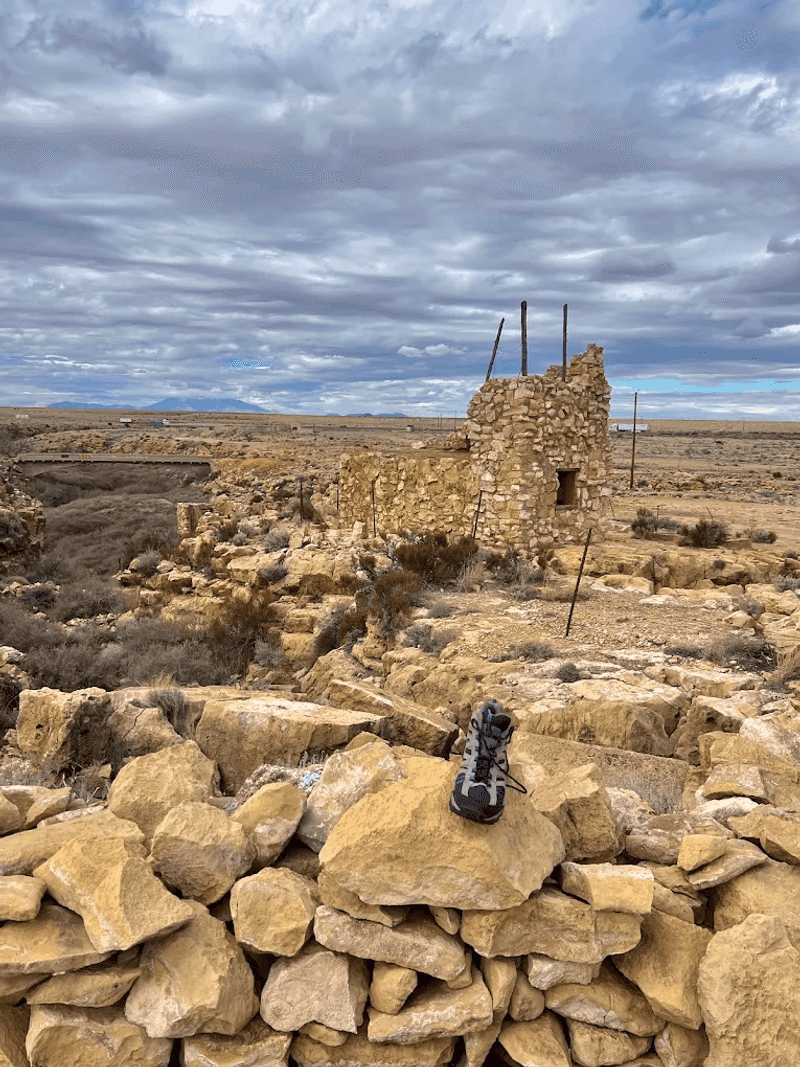
The cave where the Apache raiders were sealed and left to die is still accessible today, though visiting it requires some careful footing along the canyon edge. The opening is low and dark, and the interior smells of dust and something older that is hard to name.
Most people stop at the entrance and do not go further.
Over the years, souvenir hunters and careless visitors have removed many of the bones that were once visible inside. What remains is an empty, echoing space that somehow feels heavier than any cave should.
The rock walls are darkened from decades of exposure, and the silence inside is absolute.
Standing at the cave entrance, even in broad daylight, produces a specific kind of dread. The history is not abstract here.
It happened in this exact space, and the cave has not forgotten it. After dark, almost nobody chooses to get close.
How the Desert Reclaims Everything
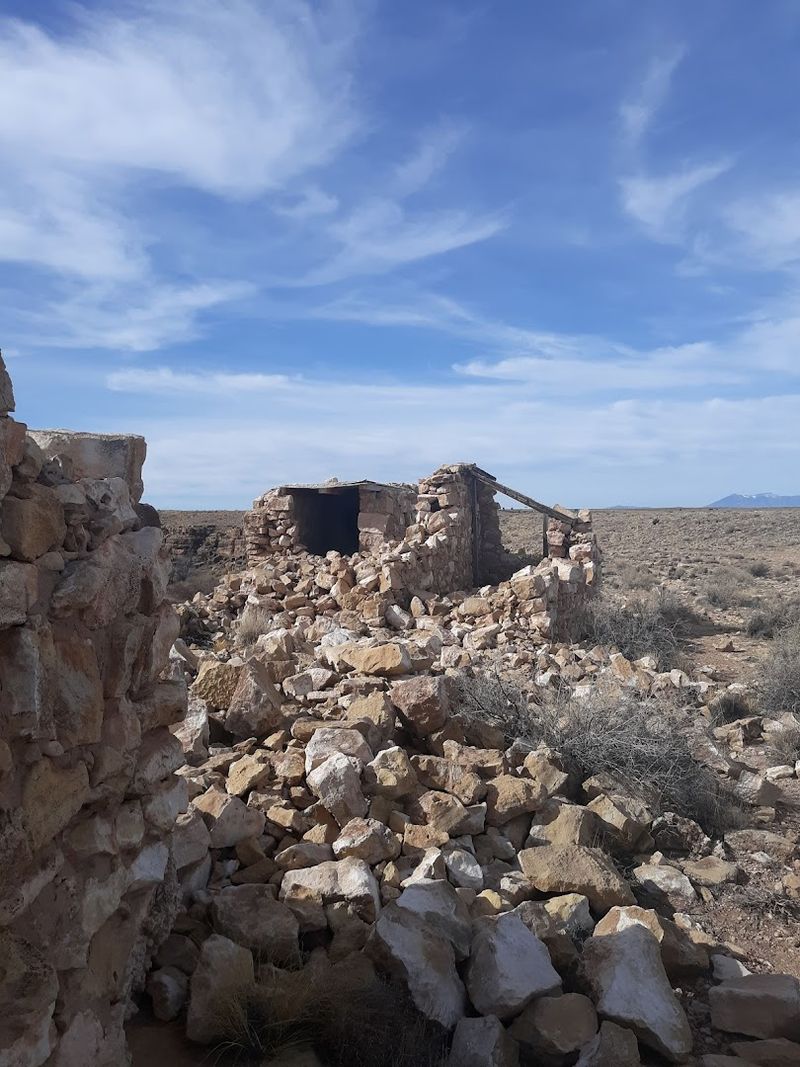
Nature has been quietly taking Two Guns apart for decades. The stone buildings, once solid enough to house a zoo and welcome tourists, are now half-swallowed by sand and scrub brush.
Desert plants push through the floors and up through the walls, slowly pulling everything back into the earth.
Arizona’s extreme temperature swings crack stone and buckle concrete faster than you might expect. Summers push past 100 degrees Fahrenheit, while winter nights drop near freezing.
That constant expansion and contraction does real damage over time, and Two Guns has been absorbing it without any maintenance since the 1970s.
There is something almost poetic about watching the desert reclaim a place built on exploitation and violence. The ruins feel less like a destination and more like a warning.
By the time you visit, the walls may be shorter than they were last year, and that process will keep going.
Visiting Two Guns Safely During the Day
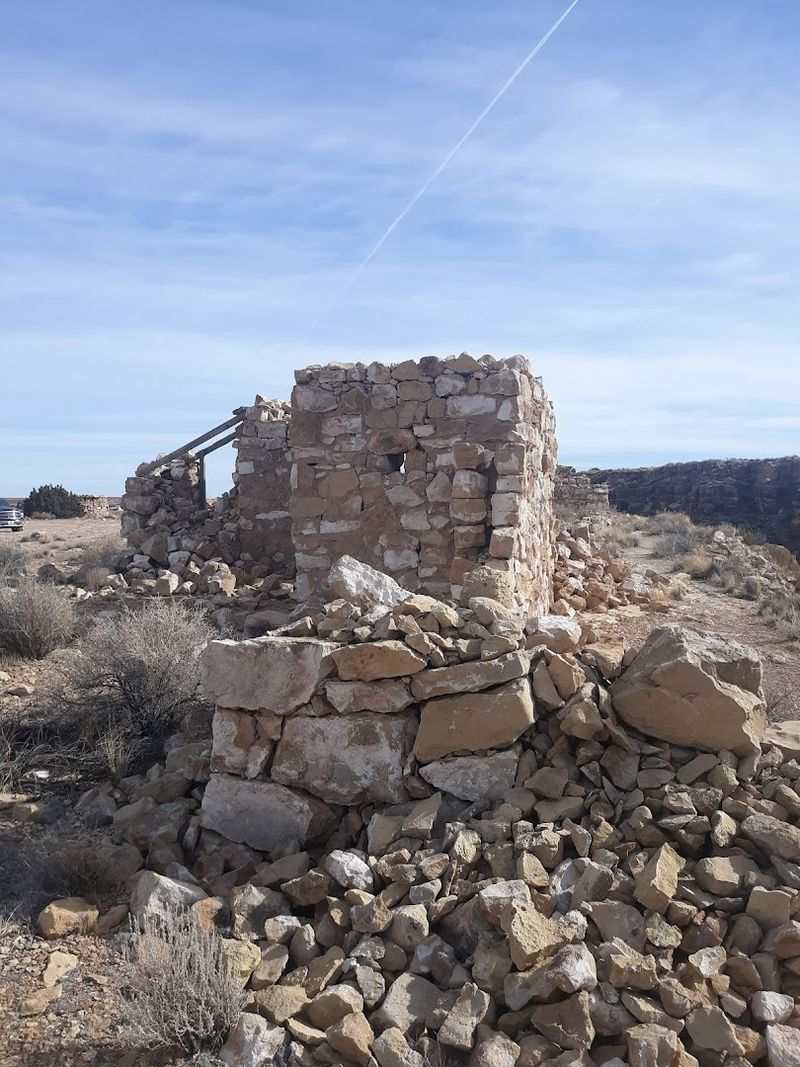
Daytime visits to Two Guns are legal and relatively safe, as long as you pay attention to your surroundings. The ruins are unstable, and several walls have partially collapsed over the years.
Stepping inside any of the remaining structures is risky and not recommended. Wear sturdy shoes and watch where you walk at all times.
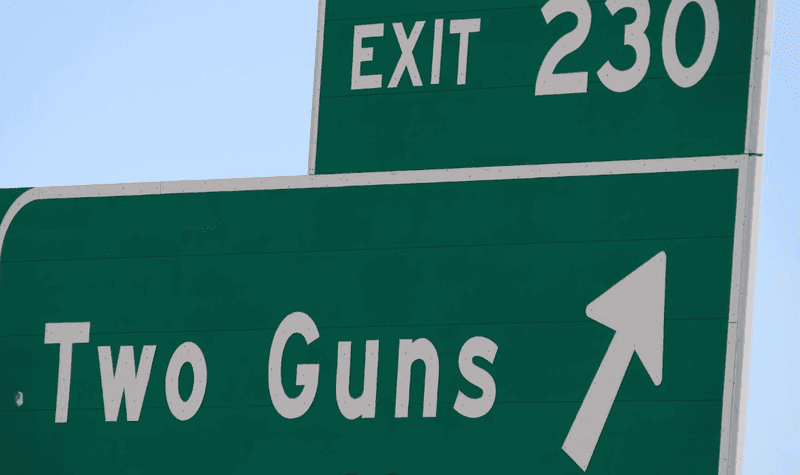
The site is located just off Interstate 40 near the Meteor Crater exit in northern Arizona. There is no entrance fee and no visitor center, so you are entirely on your own once you arrive.
Bring water, sunscreen, and a fully charged phone, because the nearest town is a significant drive away.
Most visitors spend about an hour walking the area and taking photographs. The best light for photography comes in the late afternoon when the shadows grow long and the ruins glow in warm orange tones.
Morning visits are cooler and less crowded during summer months.
Why Nighttime Changes Everything at Two Guns
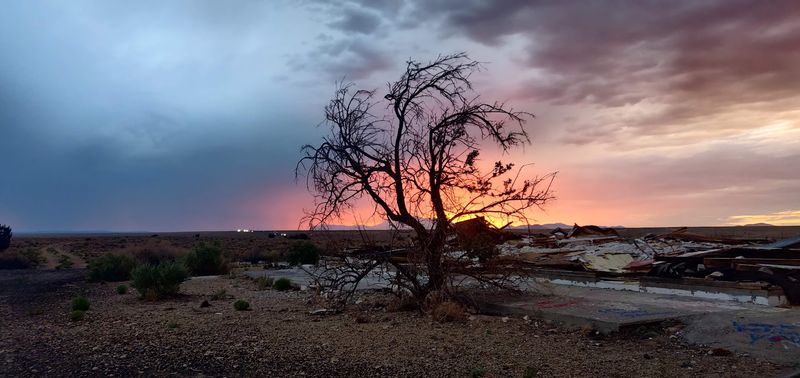
During the day, Two Guns feels eerie but manageable. The open sky and bright sunlight keep the atmosphere grounded, and you can see the ruins clearly enough to feel in control.
Nighttime is a completely different experience, and not in a good way.
There are no lights at Two Guns. None at all.
Once the sun sets, the darkness is total, broken only by moonlight or whatever you brought with you. The canyon becomes invisible, which means the drop is impossible to see from just a few feet away.
The sounds that emerge from the rock walls after dark are difficult to explain in ordinary terms.
Experienced hikers and paranormal enthusiasts who have visited at night consistently describe a feeling of profound unease that builds quickly. The isolation, the history, and the total darkness combine into something that is hard to shake for days afterward.
Most people leave well before sunset and have no regrets about that choice.
The Legacy Two Guns Left Behind
Two Guns is not just a ghost town. It is a layered story about exploitation, violence, and the consequences of building something on a foundation of tragedy.
From the original massacre to Harry Miller’s grim tourist trap to the murder and eventual abandonment, the place accumulated darkness at every turn.
Today it draws photographers, history enthusiasts, Route 66 travelers, and paranormal investigators from across the country. Each group comes looking for something different, but most leave with the same feeling: that Two Guns carries a weight that other abandoned places simply do not have.
The legacy of Two Guns is a reminder that some places hold their history tightly and refuse to let it fade. The ruins keep crumbling, the canyon keeps its silence, and the desert keeps moving in.
But the stories remain as sharp and unsettling as ever, especially when the Arizona night finally falls.