


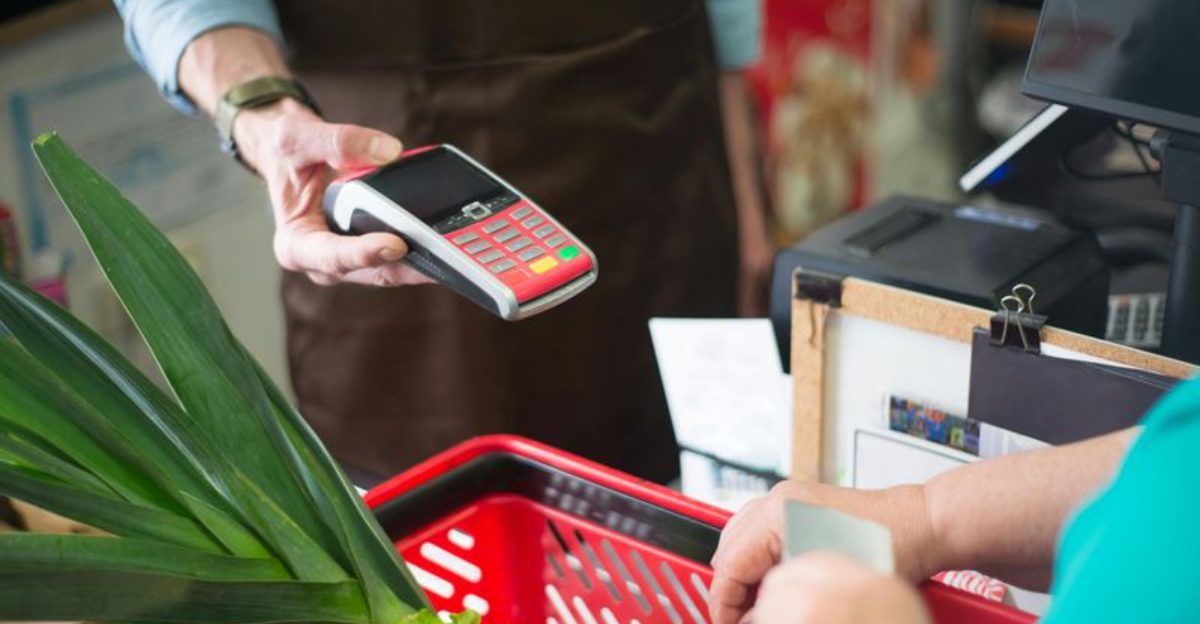
If a bright sign ever made you toss something extra into your cart, you are not alone. Grocery stores are engineered to nudge you toward spending more while thinking you scored a bargain.
The trick is knowing which deals are real and which are booby traps with pretty fonts. Keep scrolling and you will start spotting the pitfalls before they snag your budget.
Buy one get one
BOGO looks generous until you realize the base price quietly climbed. You might grab two when you only needed one, doubling cost and pantry clutter.
Always check unit price and compare with single items.
Ask yourself if you will actually use both before expiry. If not, the freebie becomes waste disguised as value.
Plan-driven shoppers beat BOGO by buying only when the math and timing make sense.
Family size pack
Family size sounds frugal, but per ounce it is not always cheaper. Brands shrink servings or inflate the price, banking on the word family to disarm you.
Compare unit costs on the shelf tag before deciding.
Also consider storage and freshness. If cereal goes stale or chips lose crunch, you pay for food you do not enjoy.
Buy only the amount you will use at peak quality, not the biggest box.
Bulk snacks
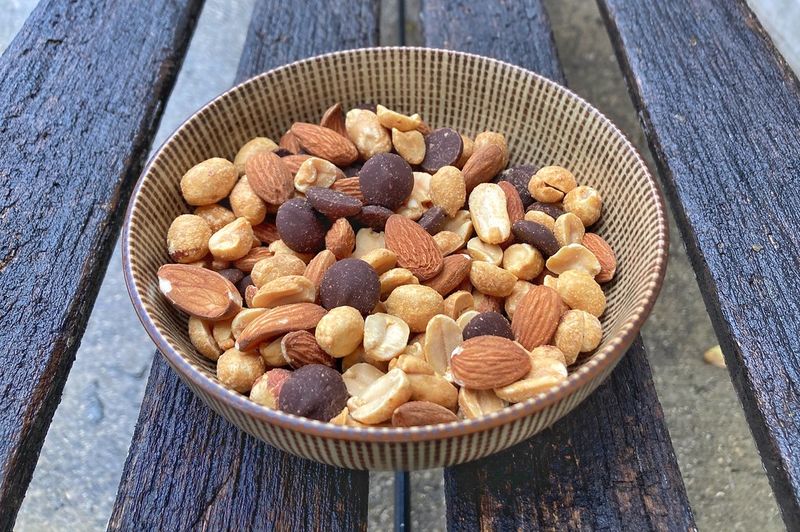
Bulk snacks feel economical until portion creep sets in. With huge boxes at home, people eat more per sitting and blow the savings.
Unit price might be low, but waste and overconsumption erase benefits.
Check expiration dates and storage limits. If you cannot keep them fresh, split with a friend.
Buying smaller amounts more often can beat bulk when freshness and self control matter.
Multi pack chips
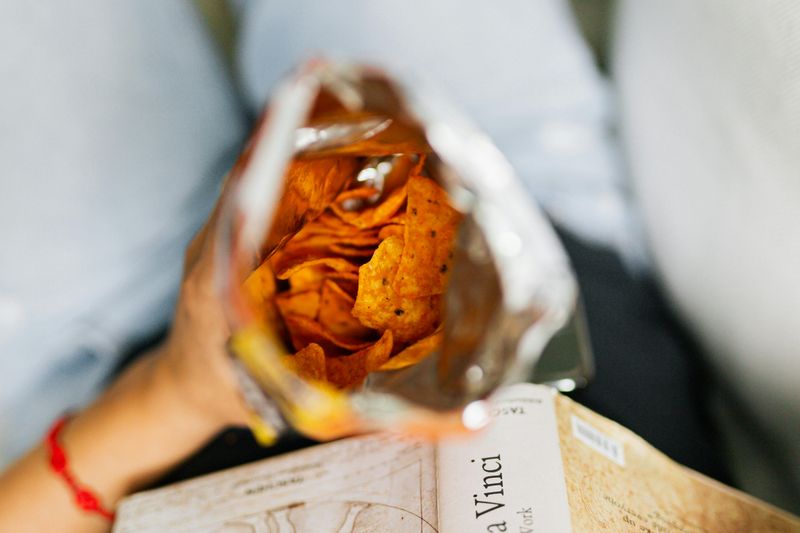
Multipacks trade convenience for a higher price per ounce. You are paying for extra packaging and the illusion of portion control.
Single large bags often deliver better value when you portion at home.
Check flavors too. Variety packs include unpopular options that linger, so you still paid for chips no one eats.
Compare unit price and pick flavors you actually want to finish.
Mega cereal box

That mega box can go stale before you finish it. If crunch matters, the last bowls taste like cardboard and end up trashed.
Unit price may be lower, but real value depends on freshness and speed.
Consider two smaller boxes on sale instead. Rotate flavors and open only what you need.
Savings are not savings if half becomes a dusty reminder on your shelf.
Giant soda pack
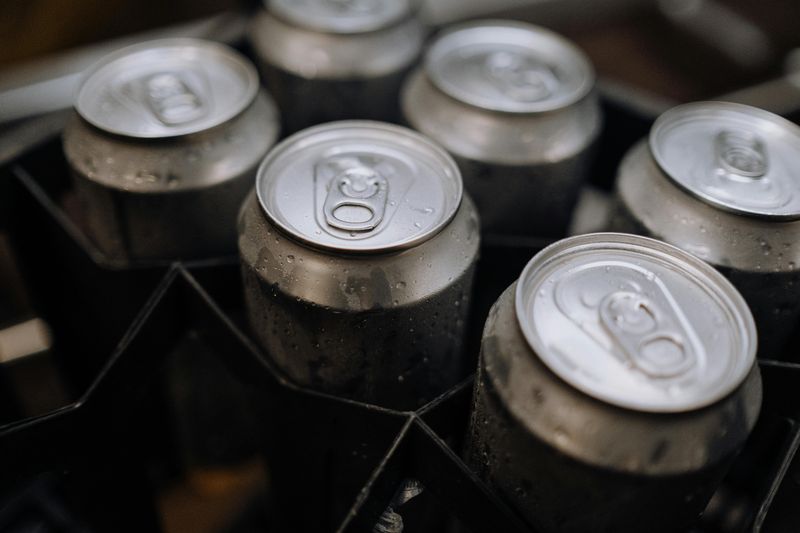
Giant soda packs encourage casual sipping that adds up in sugar and dollars. The bulk discount nudges you to drink more because it feels abundant.
If you are cutting back, smaller purchases help enforce limits.
Also watch brand switch tricks. A flashy discount can hide a higher everyday price.
Compare per can cost and ask if you needed that many cans in the first place.
Snack variety pack
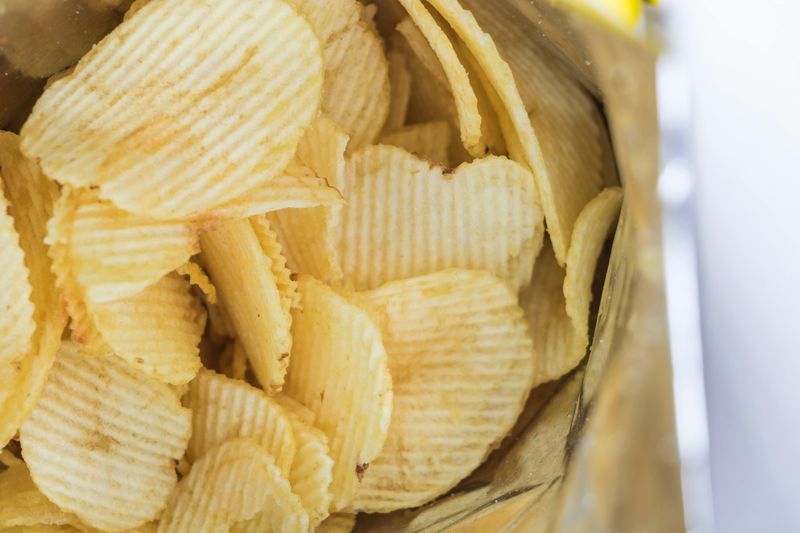
Variety packs promise something for everyone, but you pay for the duds. Those unloved flavors linger until they get tossed.
The cost per favorite snack ends up higher than buying singles you actually like.
Audit your household preferences and skip filler flavors. Build your own variety by mixing individual items on sale.
You get better value and less guilt about wasted packets.
Two for one drinks

Two for one drinks tempt you to grab an extra bottle you did not plan to buy. Often the single price is quietly inflated to fund the deal.
Without the second bottle, you are overpaying anyway.
Compare the per bottle cost to competitors. If you will not finish both before the fizz fades, leave it.
A true deal supports your plan, not impulse thirst.
Limited time offer
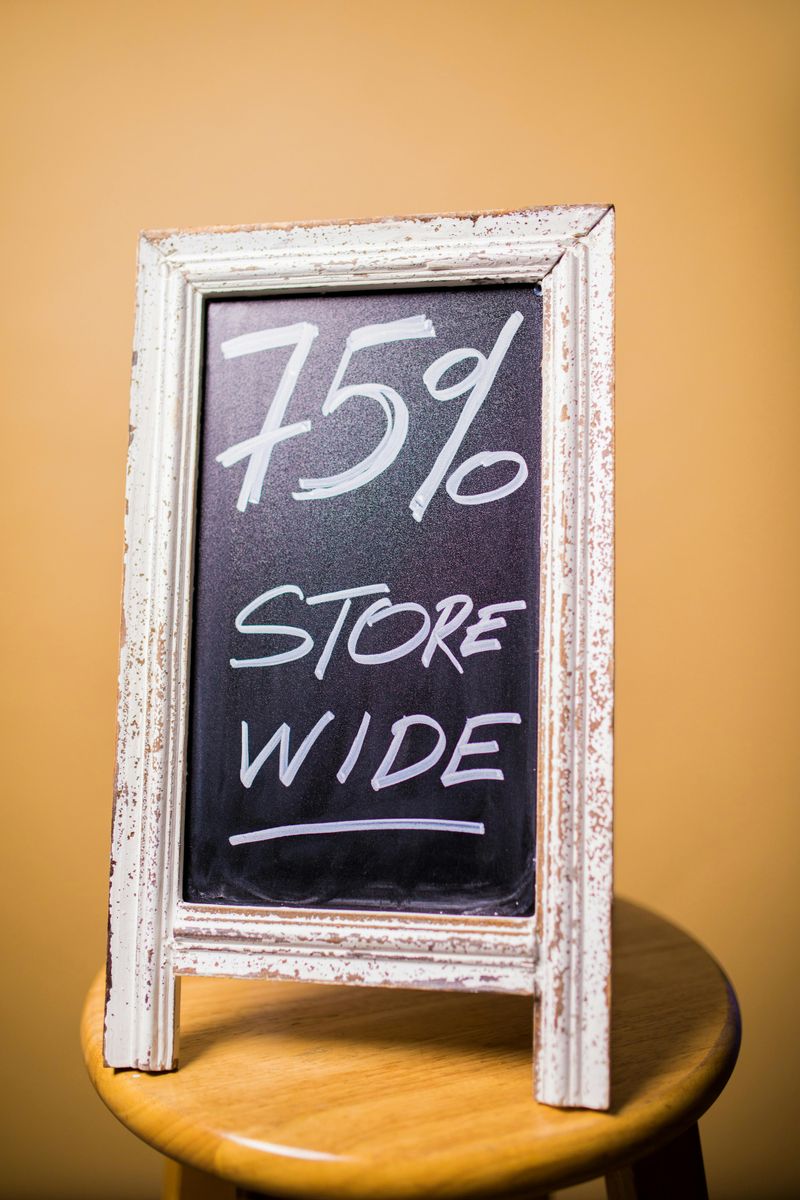
Scarcity sells, not always savings. Limited time banners pressure quick decisions so you skip the math.
When a clock is ticking, your brain favors speed over accuracy.
Pause and check unit prices, store apps, and competitor ads. If it is truly rare value, it will withstand scrutiny.
If not, let the countdown hit zero and keep your cash.
End cap deals
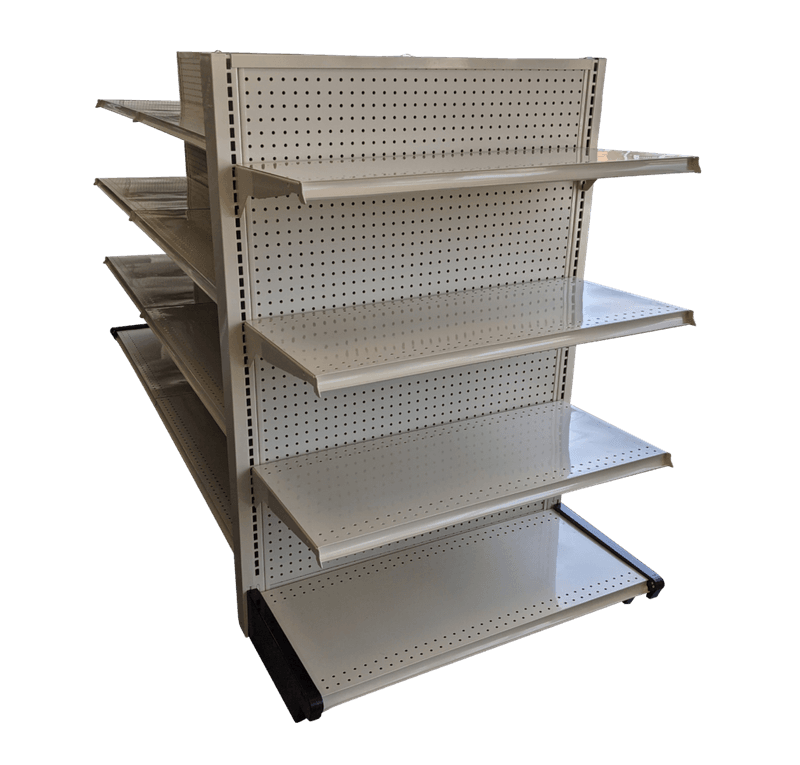
End caps are prime real estate for profits, not always bargains. Brands pay for placement because shoppers grab without comparing.
The same item may be cheaper in the aisle two steps away.
Always pivot and check the shelf. Verify unit prices before the display sweeps you up.
If the end cap really wins, great. If not, move on quietly with your money intact.
Seasonal display
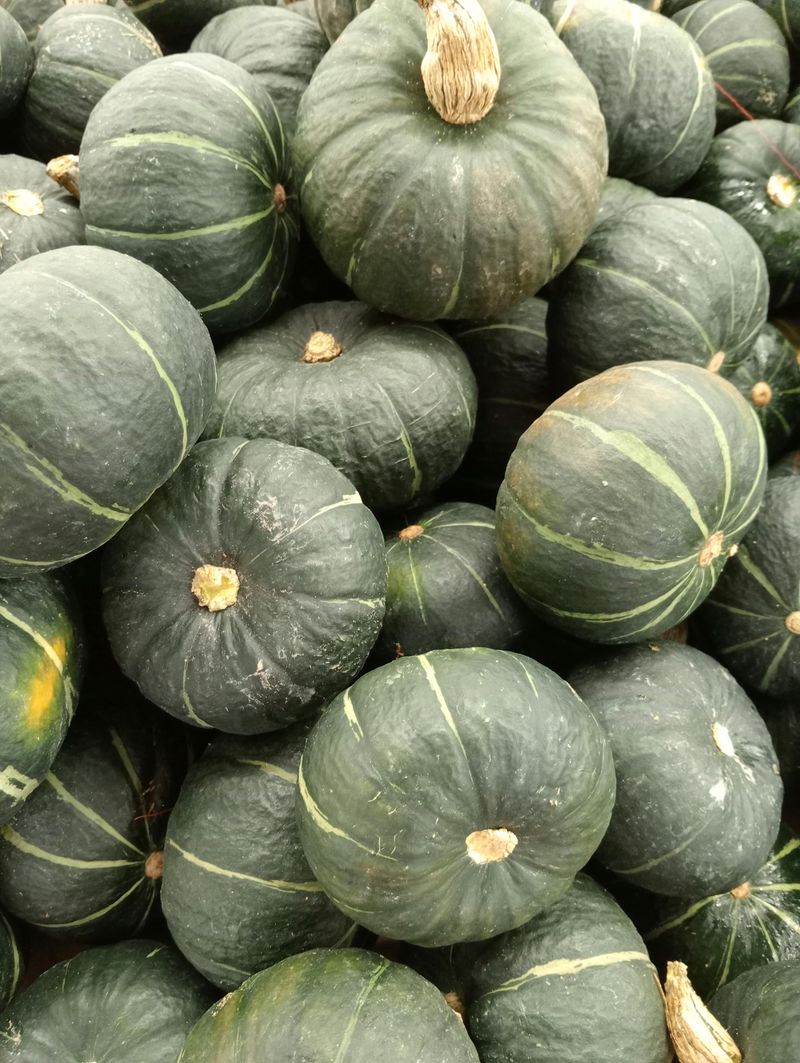
Seasonal goodies look festive but carry holiday markups. Packaging and novelty flavors mask higher prices and smaller sizes.
After the holiday, the same items often drop sharply.
Buy only what you genuinely want to enjoy now. For decor or candy, wait for post-season clearance when possible.
Celebrate without letting the theme siphon your budget.
New product promo

New products often launch with teaser prices that are still higher than staples. Sampling lowers your guard so the novelty rides straight into your cart.
Without a plan, you pay for curiosity instead of utility.
Screenshot the price and revisit later once the hype fades. If it still fits your needs and budget, great.
Otherwise, let early adopters fund the learning curve.
Checkout candy
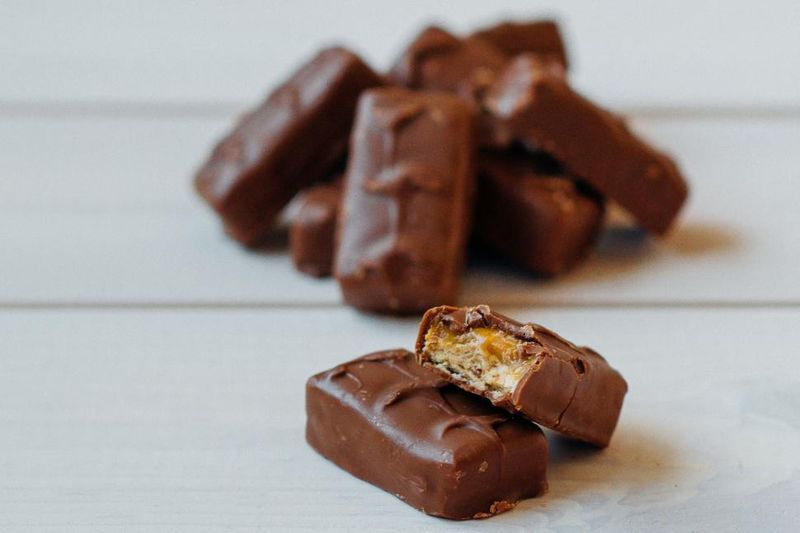
Checkout candy is engineered for impulse. You are tired, you waited, and a sweet hit is inches away.
The price per ounce beats almost nothing except regret.
Keep a planned treat at home or in your bag. That way the lane does not tax your willpower.
Save candy buys for sales in the aisle where unit prices make sense.
Impulse snacks
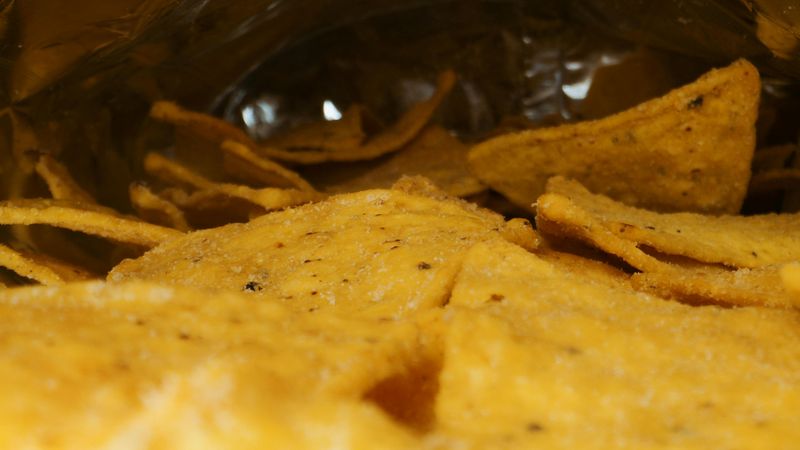
Stores map impulse zones at eye level for a reason. Bright bags, crunch sounds, and scarcity phrases spark instant grabs.
But unplanned snacks inflate your bill and crowd your pantry.
Shop with a list and a time limit. If a snack still looks good next trip, consider it then.
Your budget thrives when cravings do not drive the cart.
Deli meal deal
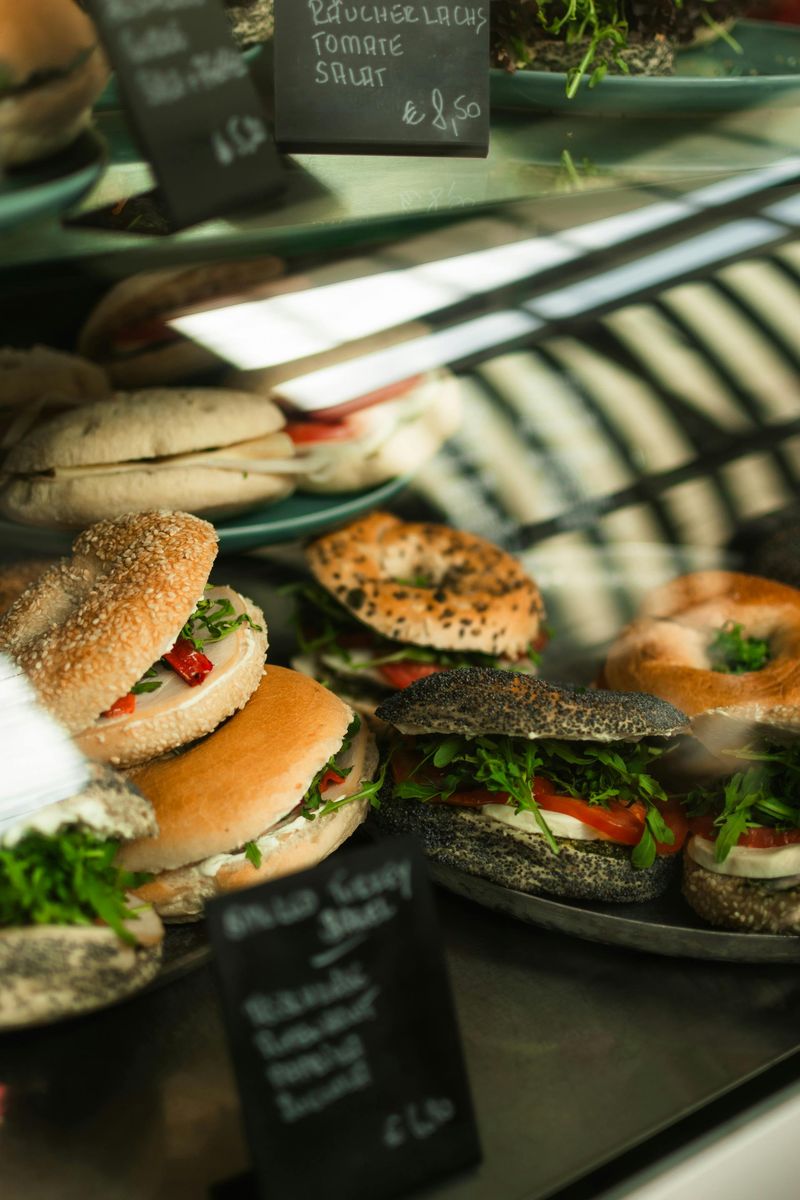
Deli combos feel convenient, but sides and drinks pad the total. The chicken alone might be value, while the extras inflate cost.
Compare the bundle to buying only what you will eat.
Skip the drink and add a simple homemade side. You control portions, ingredients, and price.
Convenience is great, but only when it does not smuggle in markups you would not pay separately.
Bakery promo
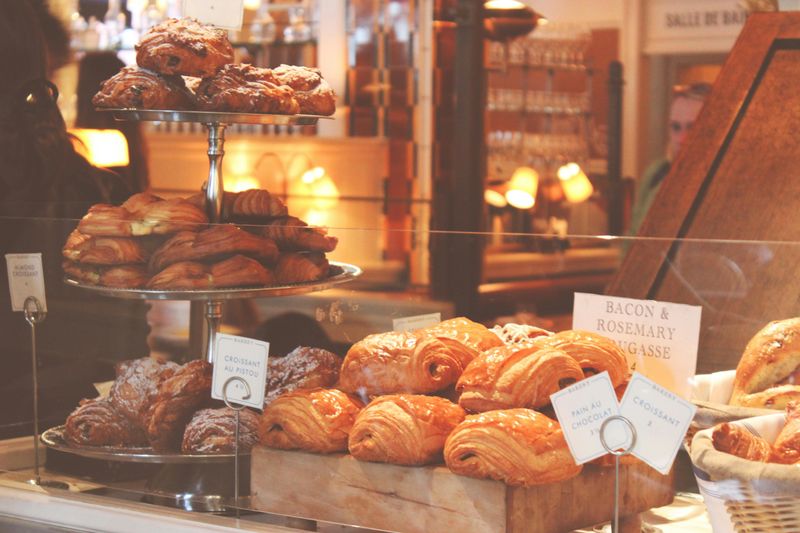
Bakery promos lean on aroma and urgency. A dozen costs less per piece, but day-old leftovers end up stale.
Unless hosting, smaller amounts at full freshness beat a mountain of sugar you cannot finish.
Ask for half-dozens or freeze immediately if you buy big. Freshness is value, not just price per unit.
Let your nose tempt you, but let math decide the quantity.
Coupon trap
Coupons feel like winning, but they steer you toward pricier brands and extras. Saving 1 dollar on something you never needed is not a win.
Always compare the coupon price to store brand or no purchase.
Clip intentionally. Only keep coupons for items you truly buy, and stack with sales when possible.
Otherwise, you are volunteering for marketing experiments with your wallet.
Buy more save more
Buy X save Y promotions push you to add fillers you do not need. The discount looks big, but extra items erase it.
If you were only buying two, forcing five is not savings.
Calculate the net total with and without the threshold. If the math only works by wasting food, skip it.
Real deals fit your list without acrobatics.
Frozen meal bundle
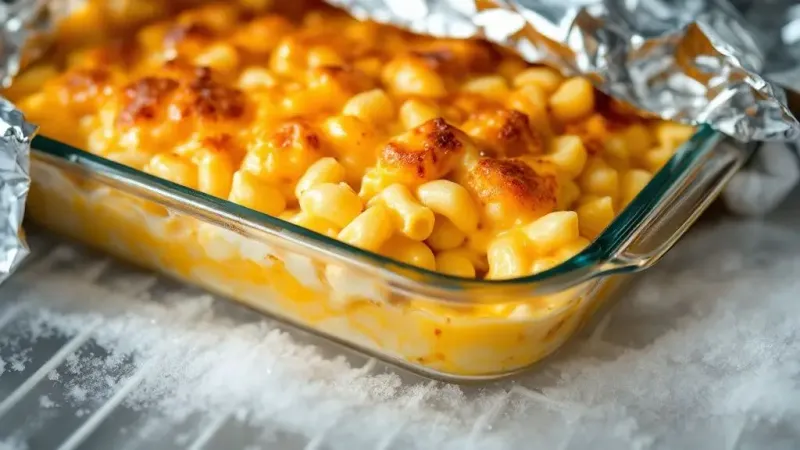
Mix and match frozen bundles lure you with convenience and variety. But portions can be small, sodium high, and unit cost steep.
Buying ingredients and batch cooking often beats the bundle by flavor and price.
If you need backups, pick only the best value boxes. Use unit price and weight, not box size.
Stock your freezer with intent, not colorful rectangles.
Big candy bag
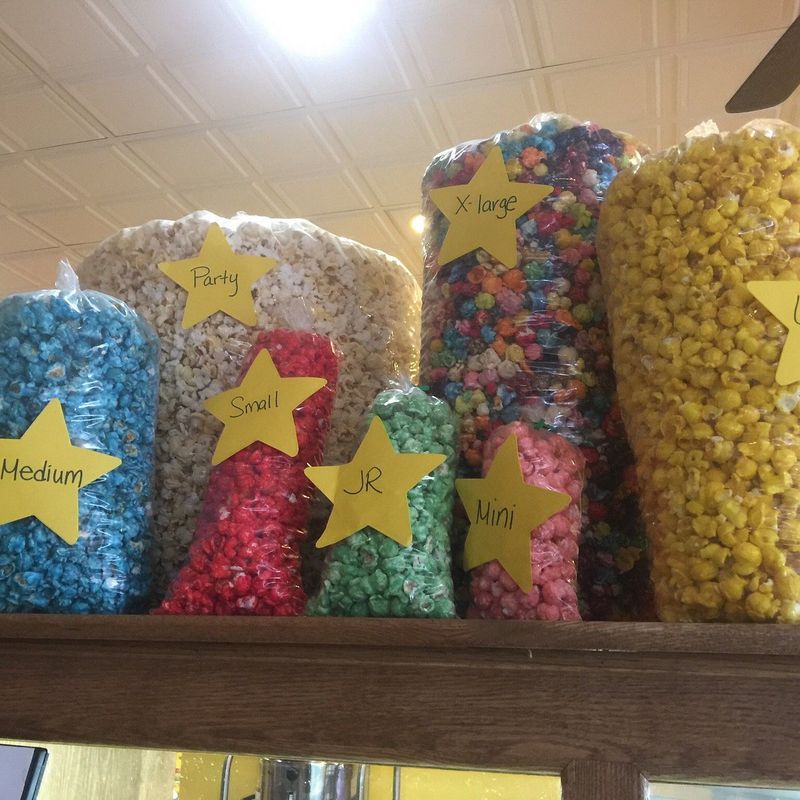
Large candy bags seem economical, but serving creep is real. A bowl always full leads to more unplanned snacking.
The per ounce price can be fine while your health budget pays extra.
Choose smaller treat packs or portion into containers. Keep them out of sight to protect both wallet and goals.
Value is not value if it undermines habits you care about.
Extra large pack

Gigantic household packs can be cheaper per roll, yet storage and cash flow matter. If they crowd your closet or stretch your budget this week, that bargain costs you flexibility.
Sales cycle timing can beat bulk.
Track rock-bottom prices and buy when both space and budget align. Smaller multipacks during a good sale often match the mega pack value without the hassle.
Loyalty points
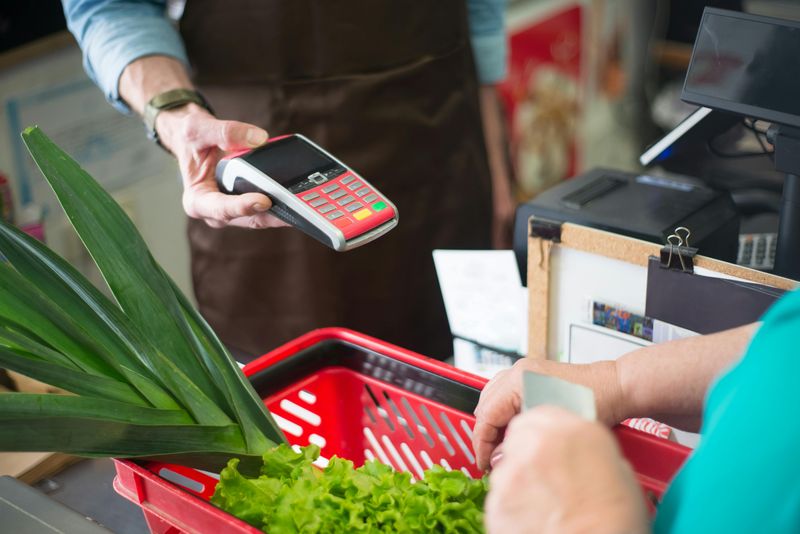
Loyalty points can be fine, but they nudge you to chase bonuses on overpriced items. You pay more now for a future discount worth less than the markup.
Points also expire, turning value into vapor.
Use them passively. Buy what you already planned, ignore bonus bait, and treat points as gravy.
Real savings come from price comparisons and lists, not gamified shopping.
Enjoyed this story?
Add Fast Food Club as a preferred source to see more of our reporting on Google.