


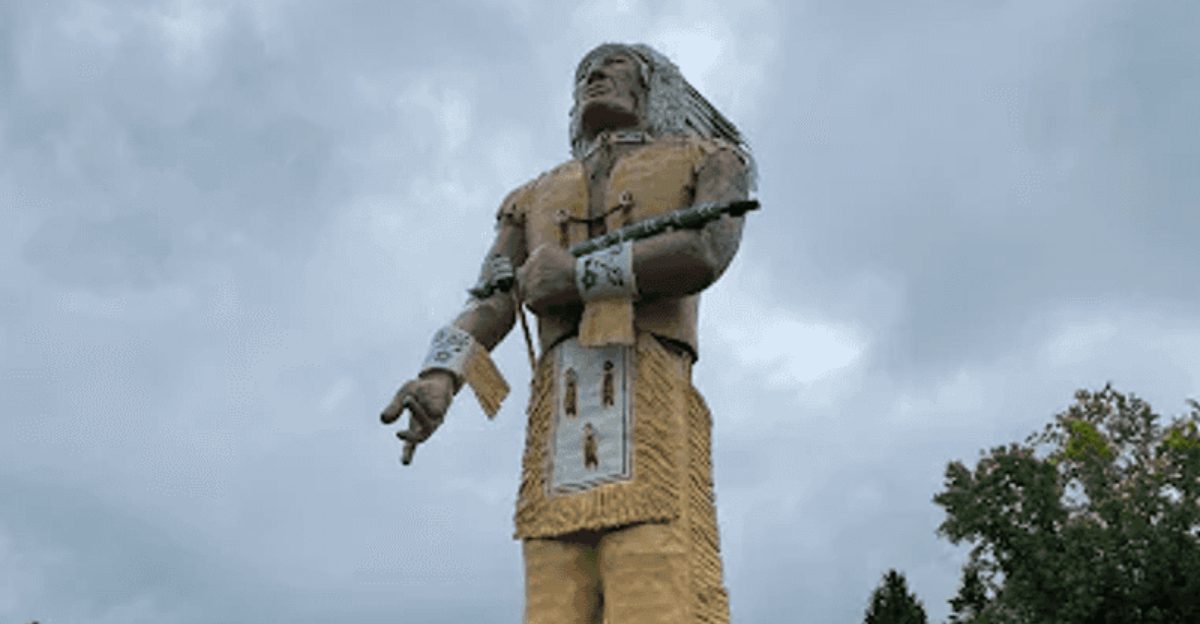
Tucked away in Michigan’s breathtaking Upper Peninsula stands a monument that stops visitors in their tracks — the world’s largest Native American statue. Known as “Hiawatha,” this towering figure rises above the treeline in Ironwood, Michigan, serving as a proud symbol of the region’s rich Indigenous heritage.
The Upper Peninsula itself is a wild, forested wonderland bordered by three of the Great Lakes, full of hidden gems and unforgettable experiences. Whether you’re a history lover, an outdoor adventurer, or just someone looking for something truly unique, this corner of Michigan has something remarkable waiting for you.
The Hiawatha Statue: A Giant Worth the Drive
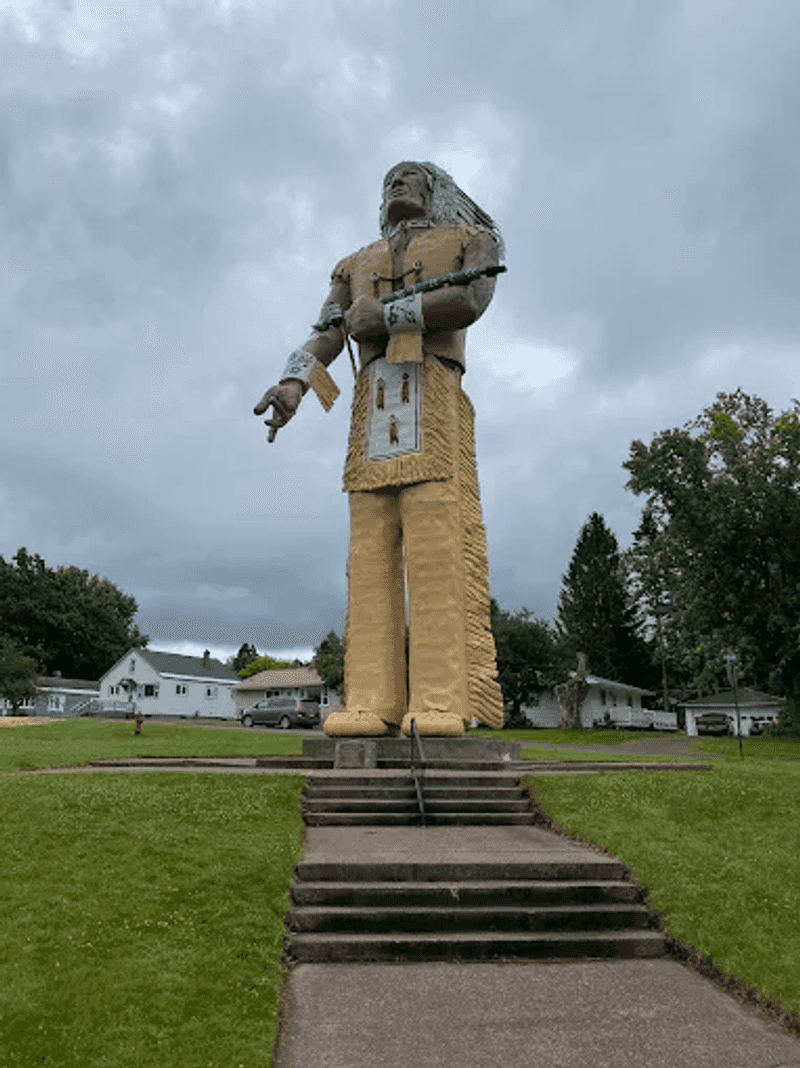
Standing an impressive 52 feet tall, the Hiawatha statue in Ironwood, Michigan holds the title of the world’s largest Native American statue. Built in 1964, this colorful fiberglass figure was inspired by Henry Wadsworth Longfellow’s famous poem “The Song of Hiawatha.” It was designed to draw attention to the Upper Peninsula’s deep cultural roots.
Visiting this statue feels surprisingly emotional. There’s something powerful about standing at the base and looking up at a figure that represents generations of Indigenous history and storytelling.
The bright colors and detailed craftsmanship make it genuinely impressive in person.
The statue is free to visit and located at Curry Park in Ironwood, making it an easy stop for families and road-trippers. Plan your visit during summer months for the best experience, when the surrounding park is lush and green.
Ironwood, Michigan: The Town Behind the Legend
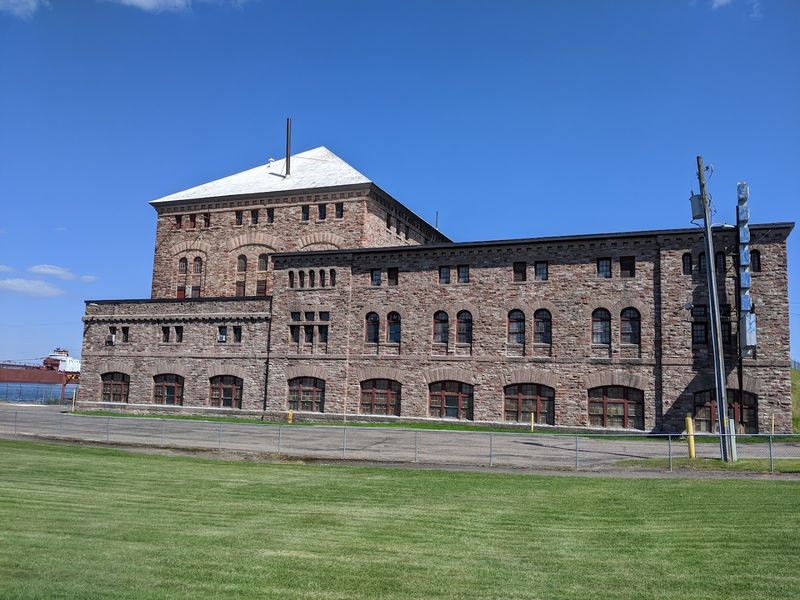
Ironwood is a small but mighty town nestled in Michigan’s Gogebic County, right along the Wisconsin border. Once a booming iron ore mining hub in the late 1800s, the town has reinvented itself as a destination for outdoor adventure and cultural tourism.
The historic downtown still carries echoes of its industrial past through beautiful old architecture.
Beyond the Hiawatha statue, Ironwood offers ski resorts, hiking trails, and a genuinely welcoming community atmosphere. Big Powderhorn and Blackjack ski resorts are just minutes away, making this town a year-round playground for visitors of all ages.
Locals take real pride in their heritage, and that warmth is easy to feel when you walk the streets. If you’re passing through the Upper Peninsula, Ironwood deserves more than just a quick stop — give it a full afternoon at least.
The Upper Peninsula’s Wild and Forested Landscape
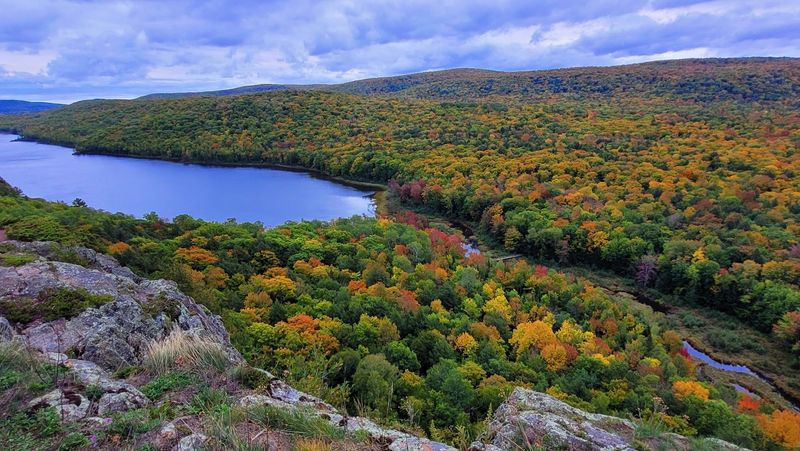
About 90% of the Upper Peninsula is covered by forest, making it one of the most beautifully wild regions in the entire United States. Millions of acres of hardwood and conifer trees create a canopy that transforms into a jaw-dropping mosaic of color every fall.
Hikers, photographers, and nature lovers absolutely adore this place.
The UP, as locals call it, is home to black bears, wolves, bald eagles, and moose — wildlife you won’t spot just anywhere. There’s a rawness to the landscape that feels refreshingly untouched compared to more developed tourist destinations.
Road trips through the UP are legendary. Pull off at any overlook along US-2 or M-28 and you’ll understand why people return here year after year.
Bring your camera, pack sturdy boots, and prepare to be genuinely amazed by what Michigan’s northernmost region has to offer.
Pictured Rocks National Lakeshore: Nature’s Canvas
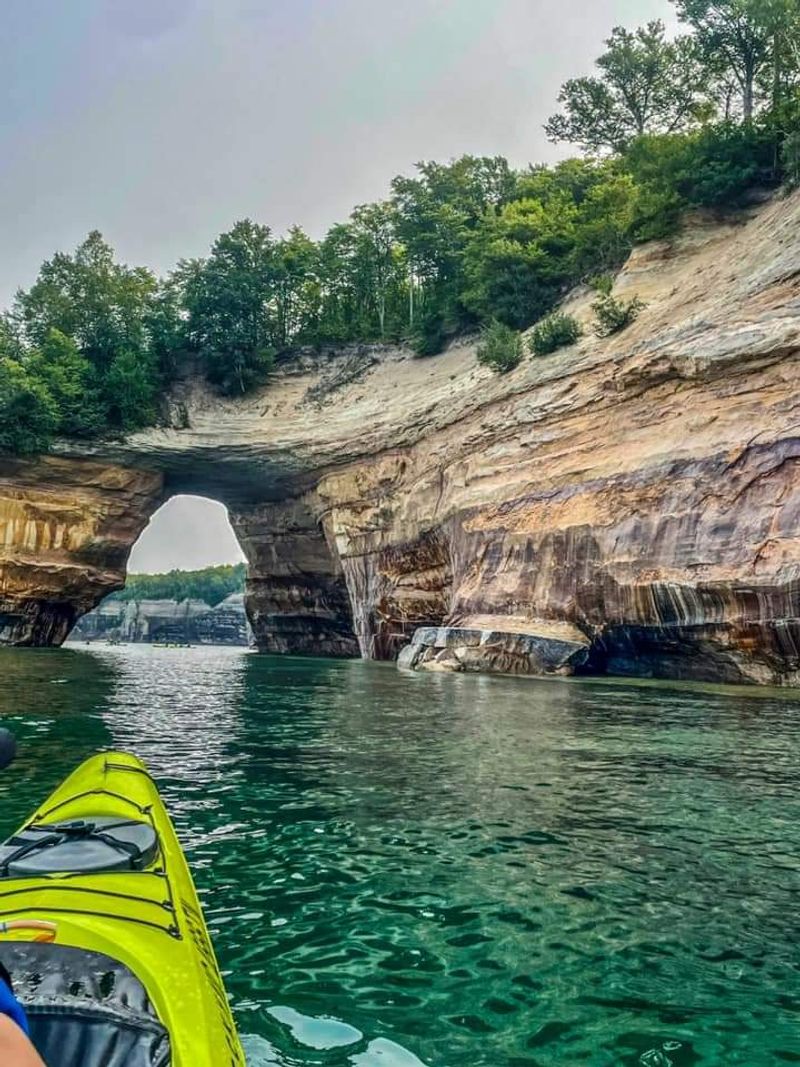
Few natural wonders in the Midwest rival the jaw-dropping beauty of Pictured Rocks National Lakeshore along Lake Superior’s southern shore. Stretching 42 miles, these multicolored sandstone cliffs rise up to 200 feet above the water, streaked with minerals that paint them in shades of copper, iron, and manganese.
The result looks almost like an artist went wild with watercolors.
Kayaking along the base of the cliffs is one of the most thrilling outdoor experiences Michigan has to offer. Guided boat tours are also available for those who prefer to stay dry while soaking in the scenery.
Either way, the views are absolutely unforgettable.
The national lakeshore also features waterfalls, sand dunes, and backcountry camping opportunities. Munising serves as the main gateway town, offering lodging, gear rentals, and local dining.
Early September is arguably the best time to visit when crowds thin and fall colors begin.
Tahquamenon Falls: Michigan’s Mighty Waterfall
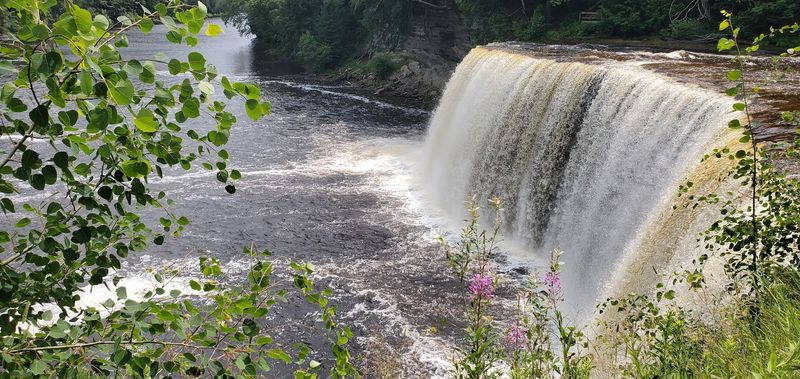
Tahquamenon Falls is one of the largest waterfalls east of the Mississippi River, and it carries a color unlike any other — a rich amber-brown hue caused by tannins leaching from the surrounding cedar swamps. The Upper Falls stretches nearly 200 feet wide with a drop of about 50 feet, creating a roar you can hear long before you see it.
Longfellow himself mentioned the “rushing Tahquamenaw” in his famous Hiawatha poem, which connects beautifully to the statue in Ironwood. That literary link makes visiting both sites feel like following a trail through history and storytelling.
The state park surrounding the falls offers excellent hiking, canoeing, and even rowboat rentals to explore the area between the Upper and Lower Falls. Pack a picnic and spend the whole day here — you absolutely won’t run out of things to see and enjoy.
Mackinac Bridge: Engineering Marvel Connecting Two Worlds
Connecting the Upper and Lower peninsulas of Michigan, the Mackinac Bridge is one of the longest suspension bridges in the Western Hemisphere, stretching nearly five miles across the Straits of Mackinac. Opened in 1957, “Big Mac” took over three years to build and required the work of thousands of laborers.
Crossing it is genuinely thrilling, especially on a windy day when you can feel the bridge sway slightly — by design, of course.
The views from the bridge are spectacular in every direction. On a clear day, you can see Mackinac Island and the blue expanse of both Lake Michigan and Lake Huron simultaneously.
It’s one of those travel moments that sticks with you.
Every Labor Day, the bridge closes to vehicles and opens for the annual Mackinac Bridge Walk, where thousands of people stroll across on foot. It’s a beloved Michigan tradition worth experiencing at least once.
Native American Heritage Across the Upper Peninsula
Long before European settlers arrived, the Upper Peninsula was home to the Ojibwe, Menominee, and Potawatomi peoples, among others. Their presence shaped the land, the language, and the culture of the entire region in ways that still resonate today.
Many place names across the UP — including Tahquamenon, Keweenaw, and Menominee — come directly from Indigenous languages.
Several tribal communities continue to thrive across the region, maintaining traditions through powwows, cultural centers, and educational programs. The Keweenaw Bay Indian Community and the Sault Ste.
Marie Tribe of Chippewa Indians are two of the most prominent groups still active in the area.
Visitors interested in learning more can stop by tribal cultural centers or attend public powwow events held throughout the summer. Understanding the Indigenous history of the UP adds a whole new layer of meaning to experiencing the Hiawatha statue and the broader landscape.
Keweenaw Peninsula: Copper Country History
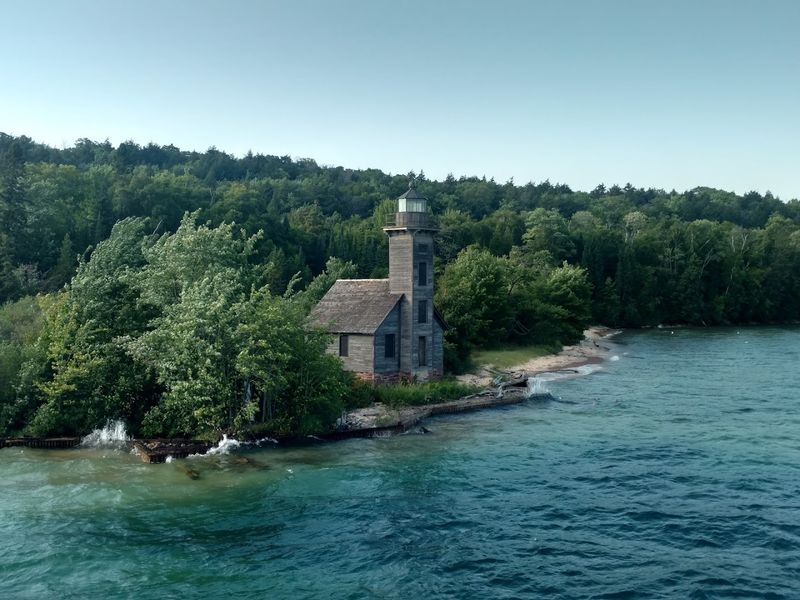
Jutting dramatically into Lake Superior, the Keweenaw Peninsula was once the copper mining capital of the world. During the 1800s, miners extracted billions of pounds of pure copper from the earth here, fueling America’s industrial revolution.
Today, Keweenaw National Historical Park preserves that incredible legacy with museums, mine tours, and preserved industrial sites.
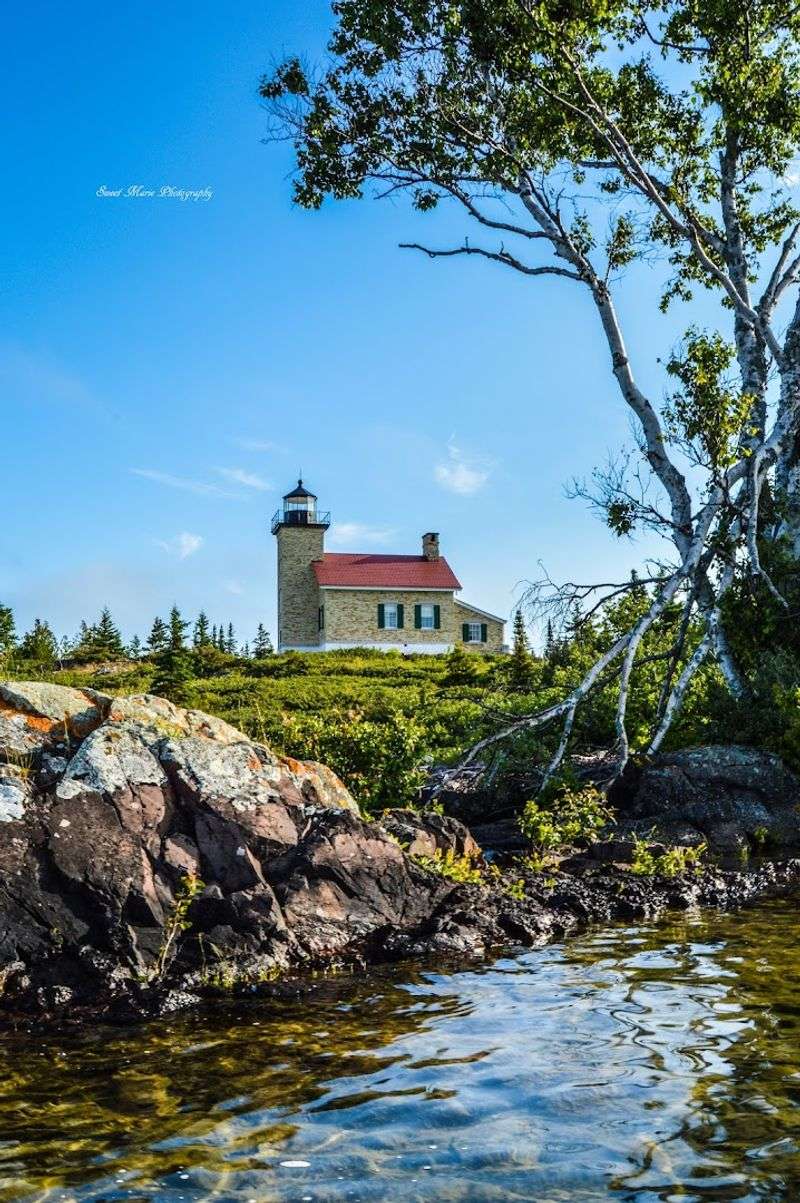
The landscape itself is stunning — rocky coastlines, lighthouse-dotted shores, and dense forests make the Keweenaw one of the most photogenic corners of Michigan. Copper Harbor at the tip of the peninsula is a quirky, beloved little town with great mountain biking trails and ferry access to Isle Royale National Park.
History nerds and outdoor enthusiasts alike find plenty to love up here. The blend of industrial heritage and wild natural beauty creates an atmosphere that feels genuinely unlike anywhere else.
Allow at least two full days to explore this remarkable peninsula properly.
Isle Royale National Park: Michigan’s Remote Wilderness
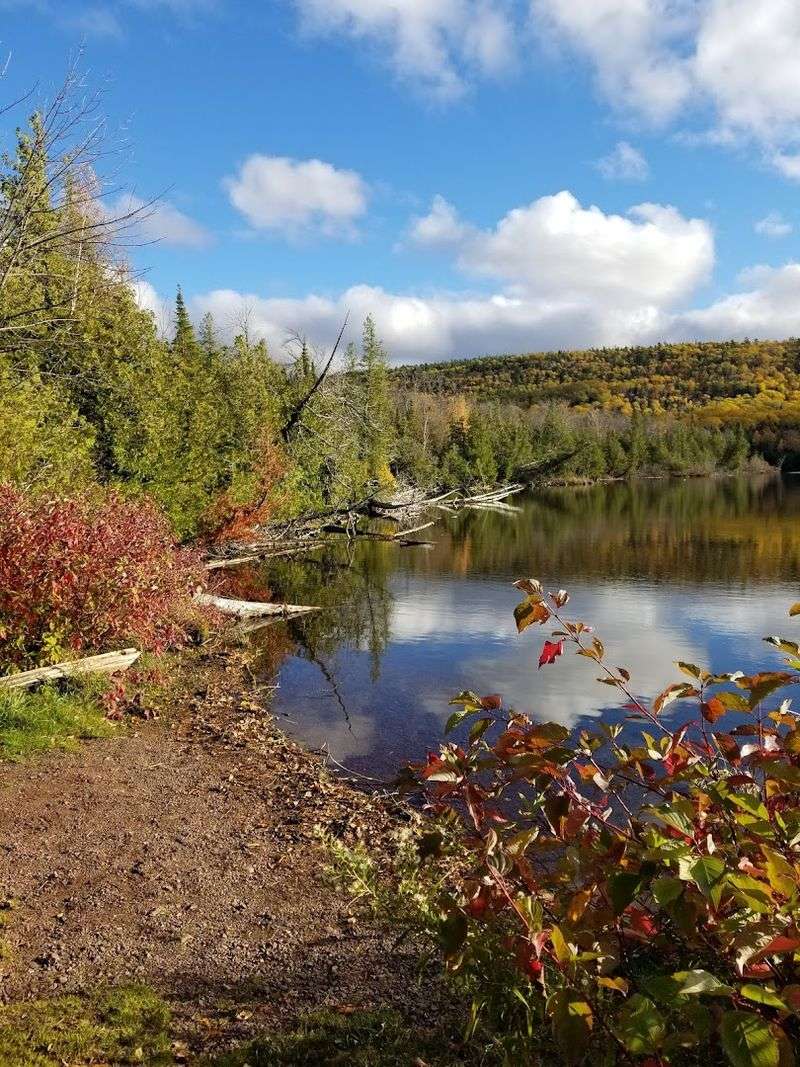
Isle Royale is one of the least visited national parks in the entire country — and that’s exactly what makes it magical. Accessible only by ferry or floatplane from the Keweenaw Peninsula or Houghton, this remote island in Lake Superior offers a true wilderness escape that feels worlds away from everyday life.
No roads, no cars, just trails, lakes, and wildlife.
The island is famous for its wolf and moose population, which has been studied by scientists for over 60 years in one of the longest-running predator-prey studies in history. Spotting a moose in the wild here is surprisingly common for patient hikers.
Backpackers, kayakers, and scuba divers all find their paradise on Isle Royale. Shipwrecks in the surrounding waters attract divers from across the country.
If solitude and raw natural beauty are what you’re after, this park absolutely delivers beyond expectations.
Porcupine Mountains Wilderness State Park
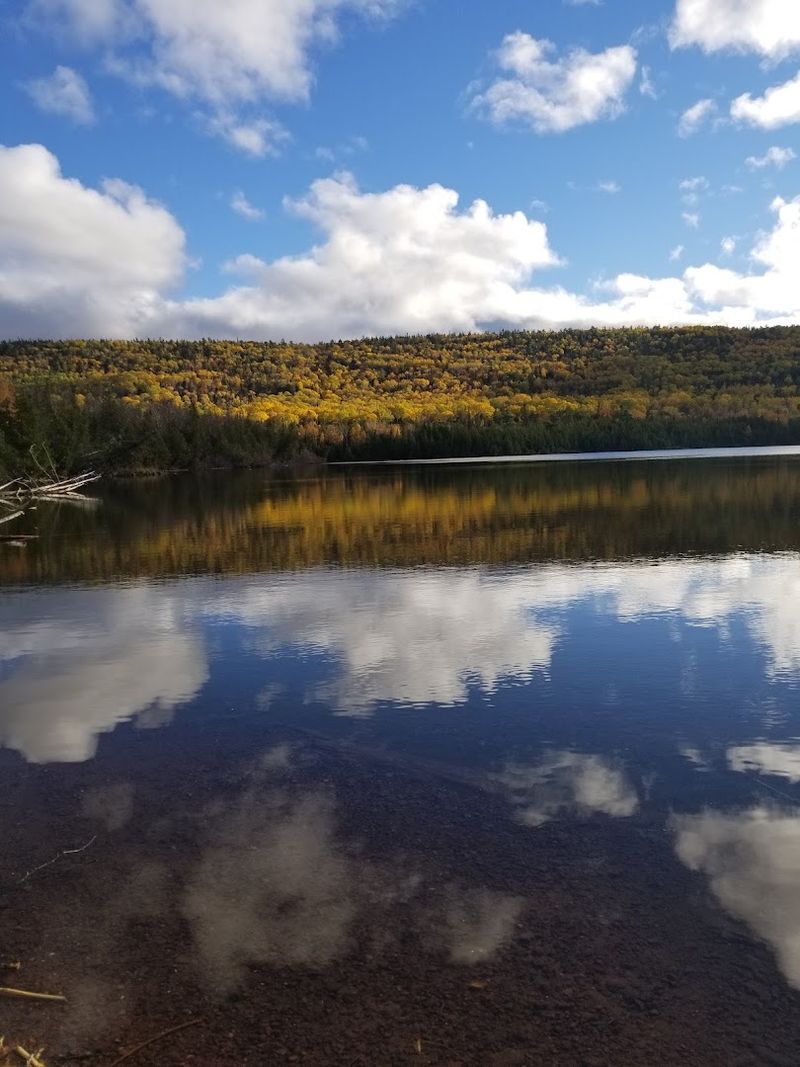
Known affectionately as “the Porkies,” this 60,000-acre wilderness park is the largest state park in Michigan and one of the last large wilderness areas in the Midwest. The crown jewel of the park is the Lake of the Clouds overlook — a view so breathtaking it regularly tops lists of Michigan’s most beautiful spots.
Standing there at sunrise with fall colors blazing is genuinely life-changing.
The park features 90 miles of hiking trails ranging from easy strolls to challenging backcountry routes. Winter transforms the Porkies into a ski and snowshoe paradise with some of the best powder in the Midwest.
Rustic cabins and yurts available for rent inside the park make for an unforgettable overnight experience. Waking up to the sound of the Presque Isle River rushing nearby is the kind of morning that makes you want to stay forever.
Book cabins well in advance, especially for fall visits.
Pasties: The Beloved Food of the Upper Peninsula
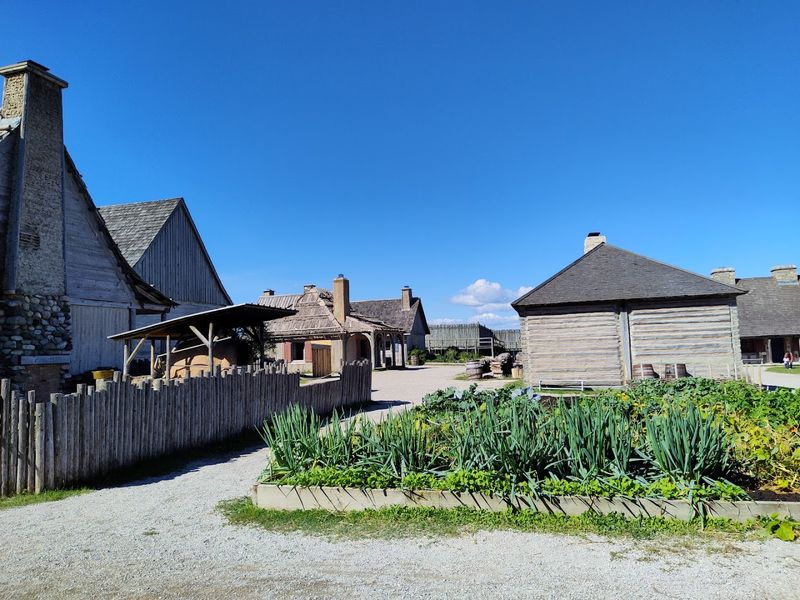
Ask any Yooper — as Upper Peninsula residents proudly call themselves — what food defines their homeland, and the answer will almost always be the pasty (pronounced PASS-tee). This hearty hand-held pie filled with beef, potato, rutabaga, and onion was brought to the UP by Cornish miners in the 1800s and has been a regional staple ever since.
It’s comfort food with a genuine backstory.
Today, pasty shops dot the UP landscape from Ironwood to Sault Ste. Marie, each claiming their recipe is the authentic one.
Debates about whether gravy or ketchup belongs on top can get surprisingly passionate among locals. Either way, eating one fresh from the oven on a cold UP afternoon is an experience all its own.
Trying a pasty is essentially a cultural requirement when visiting the Upper Peninsula. Skip the chain restaurants and find a local shop — your taste buds will absolutely thank you later.
Waterfalls Galore: The UP’s Liquid Treasures
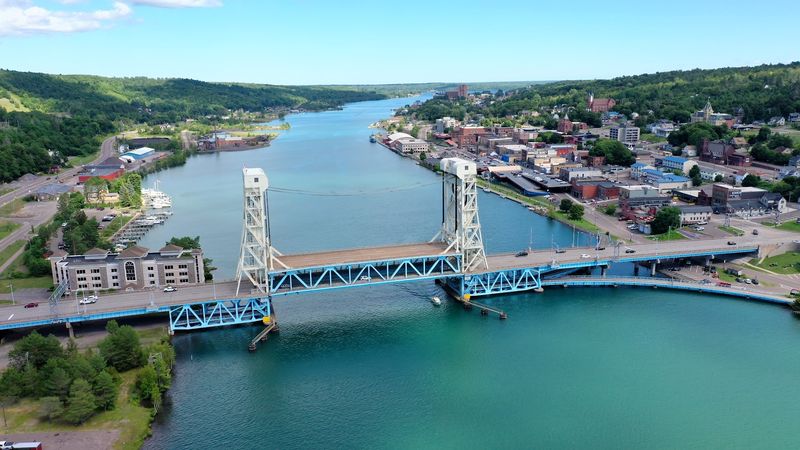
The Upper Peninsula is home to over 300 waterfalls, earning it a well-deserved reputation as one of the best waterfall destinations in North America. From the thundering Tahquamenon Falls to the delicate Bond Falls near Paulding, there’s an incredible variety of cascades waiting to be explored.
Waterfall hunters could spend weeks here and still not see them all.
Bond Falls is often called the most beautiful waterfall in Michigan, spreading across a wide rocky ledge in a lacy curtain of white water. Miners Beach Falls, Agate Falls, and Laughing Whitefish Falls are other crowd favorites that reward visitors with short, manageable hikes.
Fall is the absolute best season to chase waterfalls in the UP. Higher water levels from autumn rains combine with brilliant foliage to create scenes that look almost too stunning to be real.
Grab a waterfall map from any local visitor center and start planning your route.
Why the Upper Peninsula Deserves a Spot on Every Bucket List
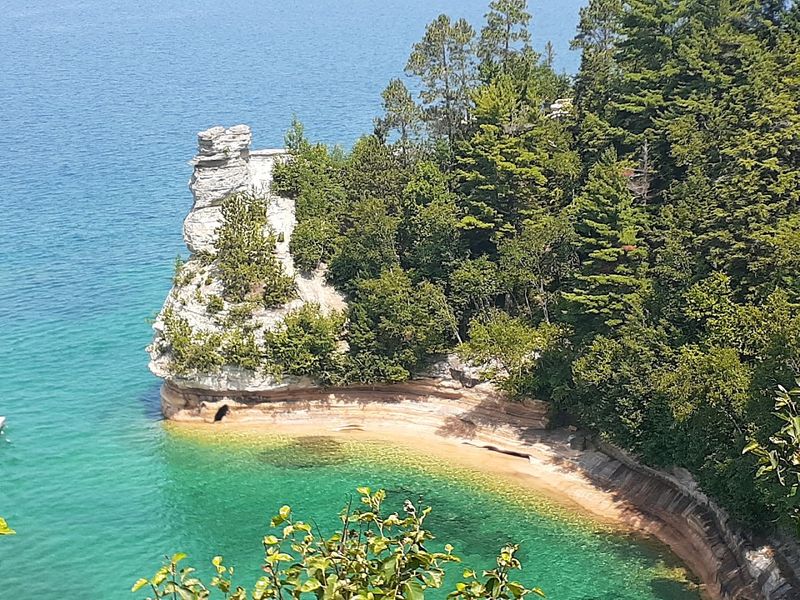
There’s a reason people who visit the Upper Peninsula almost always come back. The combination of stunning natural beauty, rich Indigenous and immigrant heritage, quirky local culture, and genuine off-the-beaten-path charm creates a travel experience that’s hard to replicate anywhere else.
The UP moves at its own pace, and that’s honestly refreshing.
From the world’s largest Native American statue in Ironwood to the remote wilderness of Isle Royale, every mile of this region offers something worth remembering. Yoopers themselves are famously warm and proud of their homeland, and that hospitality makes every visit feel personal.
Whether you’re planning a weekend road trip or a full week of exploration, the Upper Peninsula rewards curious travelers generously. Pack layers — the weather changes fast up here — bring a sense of adventure, and leave room in your schedule for happy surprises.
Michigan’s wild north is absolutely waiting for you.
Enjoyed this story?
Add Fast Food Club as a preferred source to see more of our reporting on Google.