


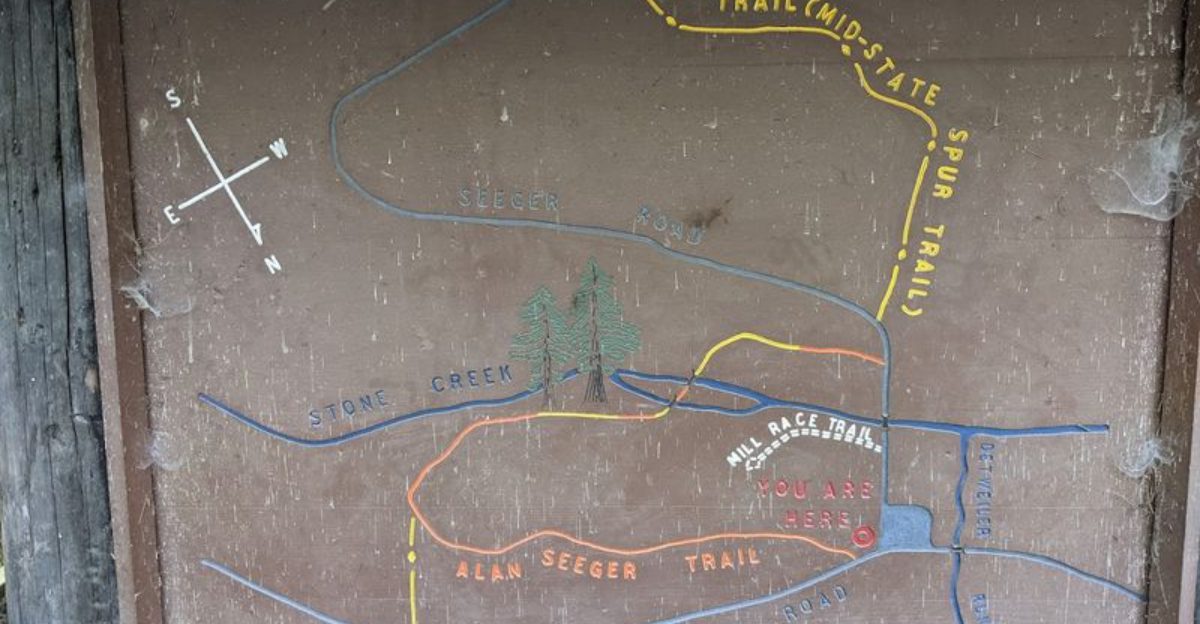
Tucked away in the mountains of Huntingdon County, Pennsylvania, Alan Seeger Natural Area is one of the state’s best-kept secrets. This 390-acre gem inside Rothrock State Forest features ancient hemlock trees, winding streams, and tunnels of blooming rhododendrons that make every step feel like a walk through a fairy tale.
The main trail is just about 1 mile long, making it perfect for families, beginners, and anyone who wants a peaceful escape without a grueling climb. Whether you are visiting for the first time or returning for the hundredth, this hike never gets old.
Ancient Hemlock Trees That Take Your Breath Away
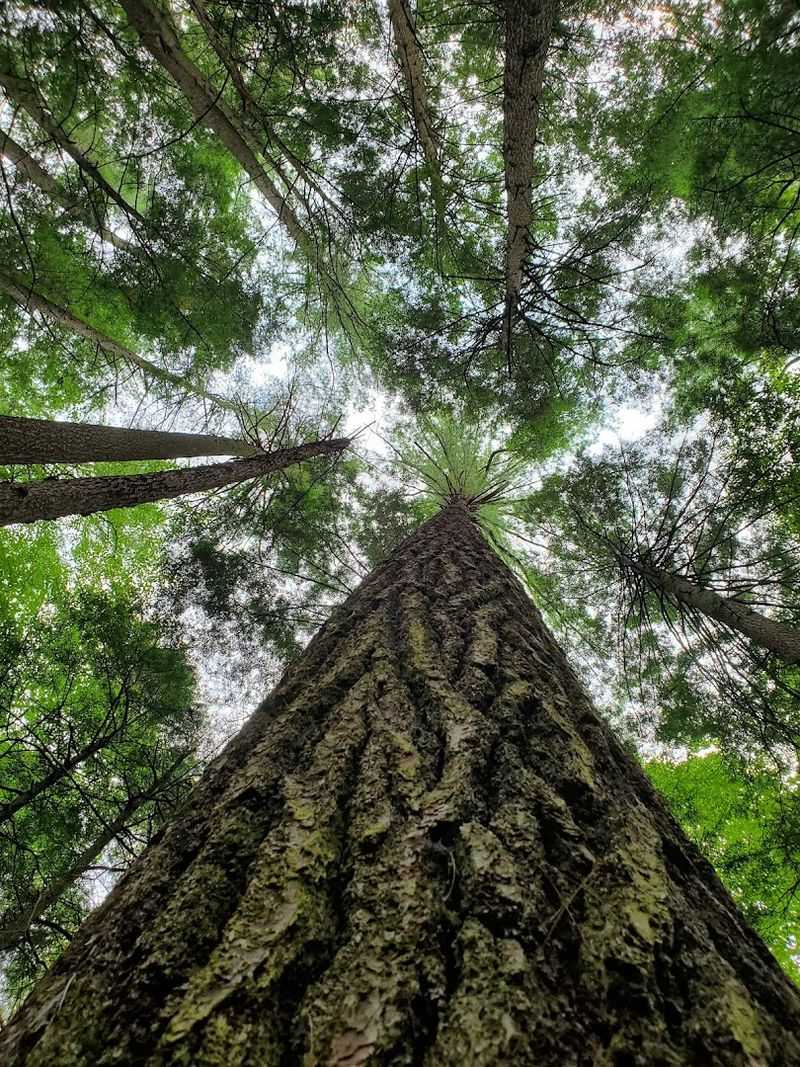
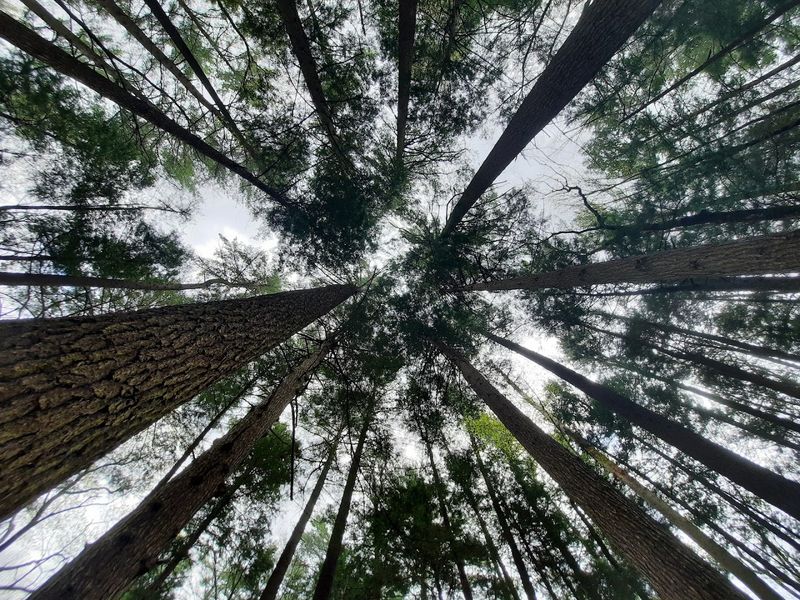
Some trees have been standing for over 200 years, and walking beneath them feels like stepping into another world entirely. The eastern hemlocks at Alan Seeger Natural Area are some of the most impressive in all of Pennsylvania.
Their thick trunks and sweeping branches create a cathedral-like canopy that blocks out the sun and keeps the forest cool even on warm summer days.
Visitors often stop mid-trail just to look up and take it all in. One reviewer described the experience as “nearly spiritual,” and it is easy to understand why.
Though an invasive woolly adelgid beetle has unfortunately taken some of these giants over the years, hundreds of magnificent trees still stand tall.
Bring a camera because no phone photo truly captures how grand these hemlocks really are. Standing beside one puts your own size in a whole new perspective.
Rhododendron Tunnels Worth Hiking Through
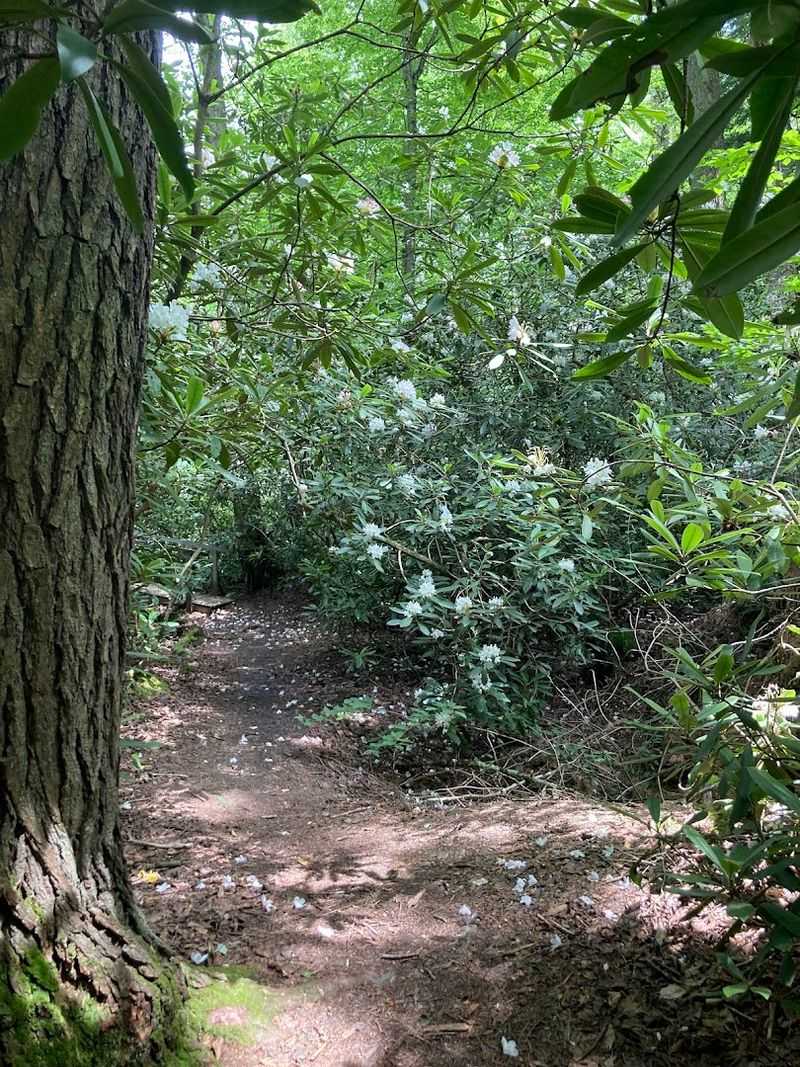
Around the Fourth of July each year, something magical happens along the trail at Alan Seeger. The rhododendron bushes explode into bloom, forming a dense pink-and-white tunnel that hikers walk right through.
It feels less like a nature trail and more like a secret garden hidden deep in the Pennsylvania mountains.
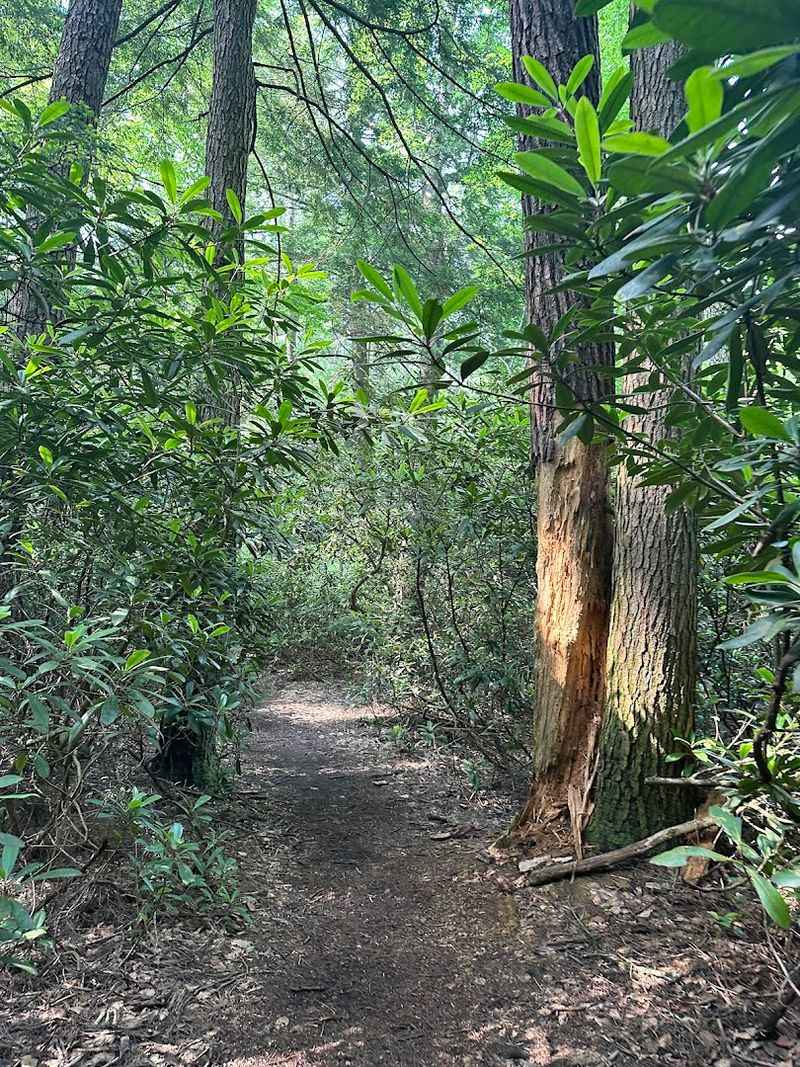
Even when they are not in bloom, the rhododendrons are thick and impressive, creating shaded corridors that give the forest a mysterious, enchanted feel. Multiple visitors have called this feature one of the highlights of the entire hike, and it is easy to see why families return year after year just to catch the blooms at peak color.
If you can plan your visit for late June through early July, you will be rewarded with one of the most stunning natural displays in the entire state. Early morning light through the blossoms is especially beautiful.
Detweiler Run and Standing Stone Creek
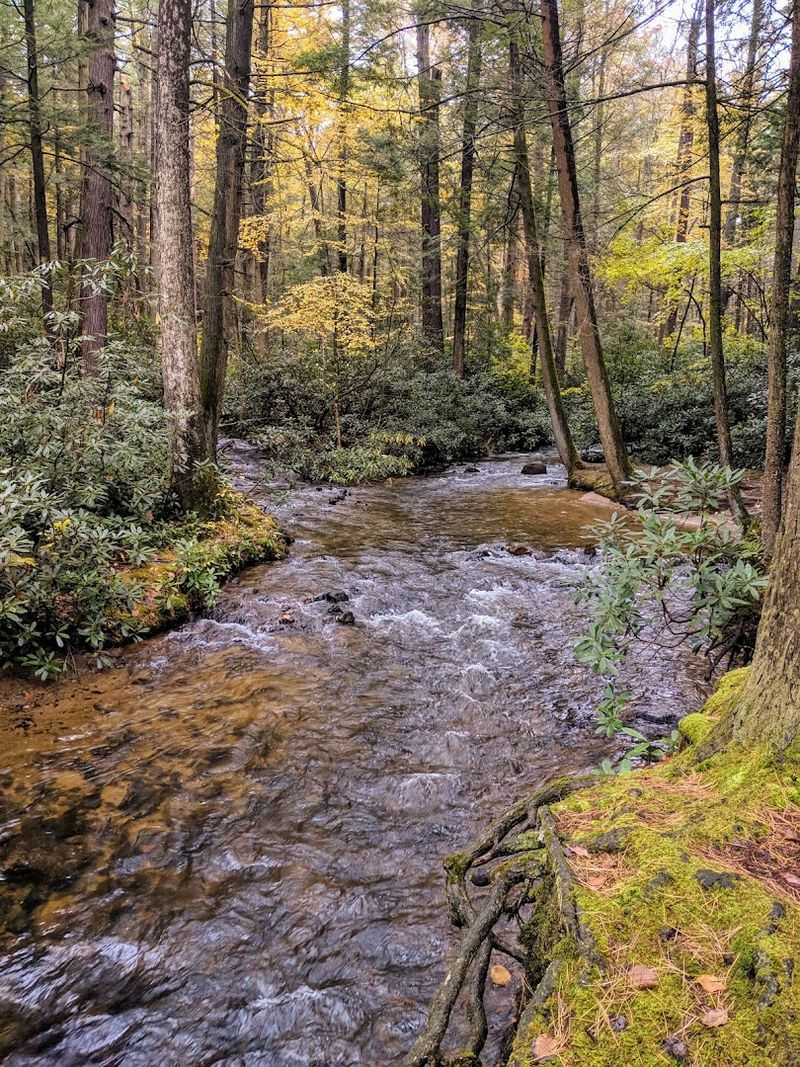
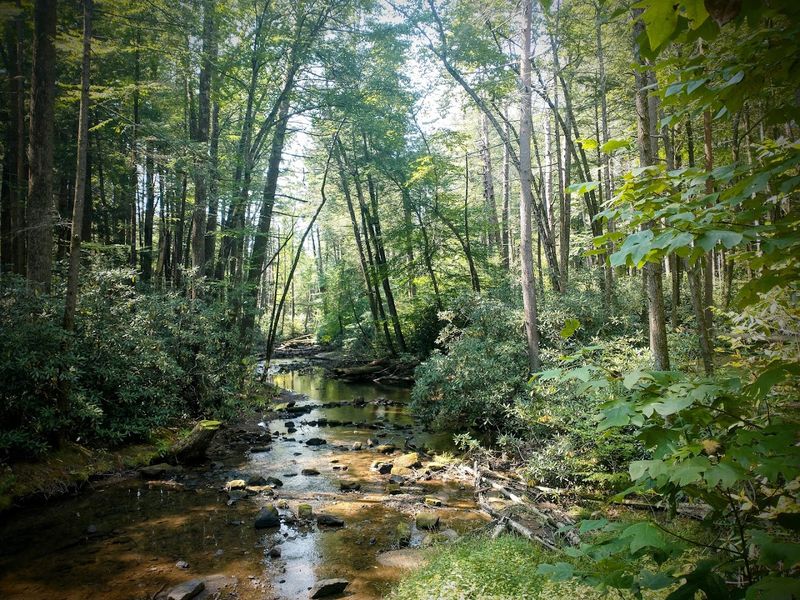
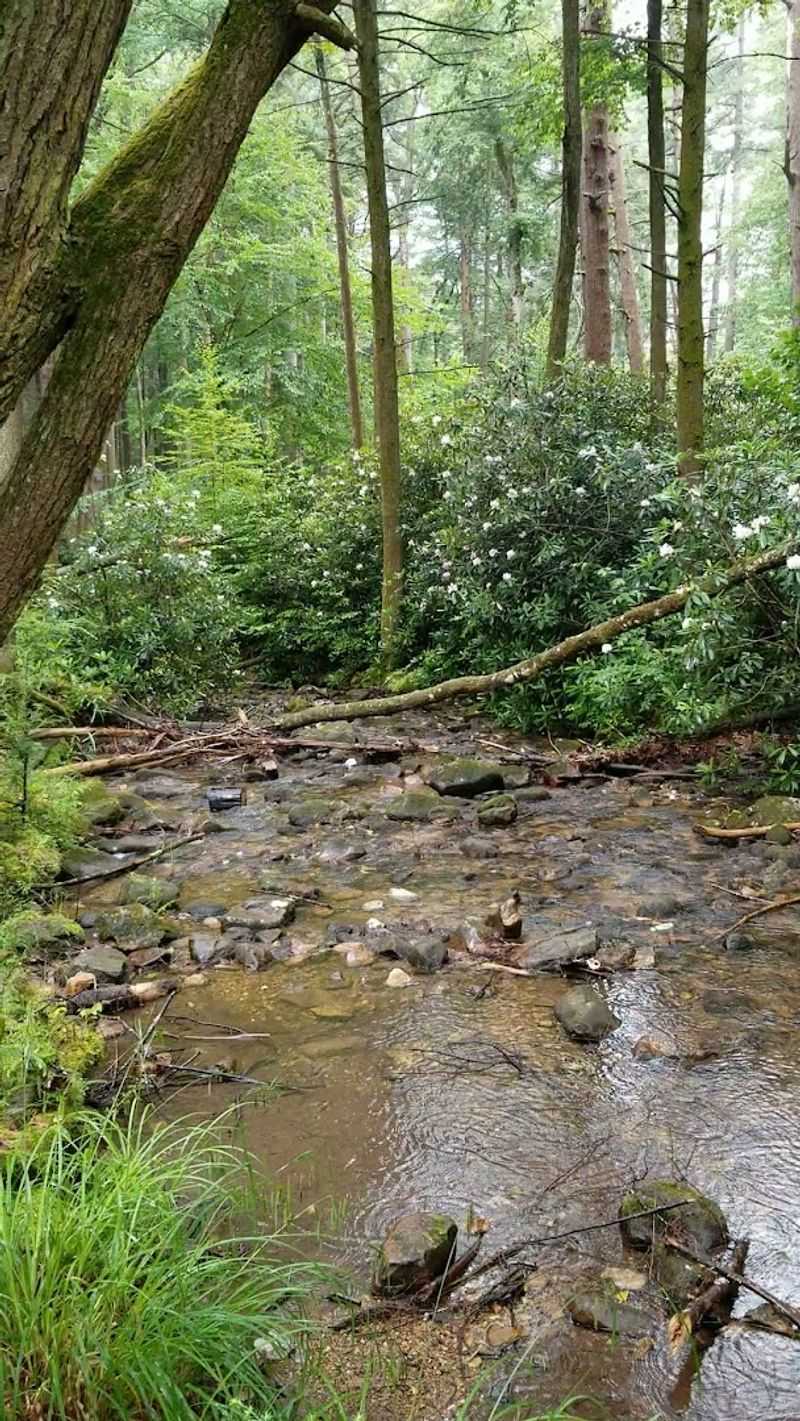
Water has a way of making any hike feel more alive, and Alan Seeger delivers on that front in the best possible way. Two streams, Detweiler Run and Standing Stone Creek, wind through the natural area, adding the soothing sound of rushing water to every step you take.
The creeks are clear and cold, fed by mountain springs and shaded by the massive hemlocks overhead.
Kids absolutely love splashing around near the banks, and the streams have historically been popular spots for fishing brook trout. One longtime visitor recalled bringing their grandparents here decades ago for a picnic and fishing trip, a tradition that has carried through multiple generations.
The combination of towering trees, dense rhododendrons, and babbling streams creates what one reviewer perfectly described as a “fairy tale-like setting.” Honestly, that description is hard to argue with once you are standing there yourself.
Wooden Footbridges That Add to the Charm
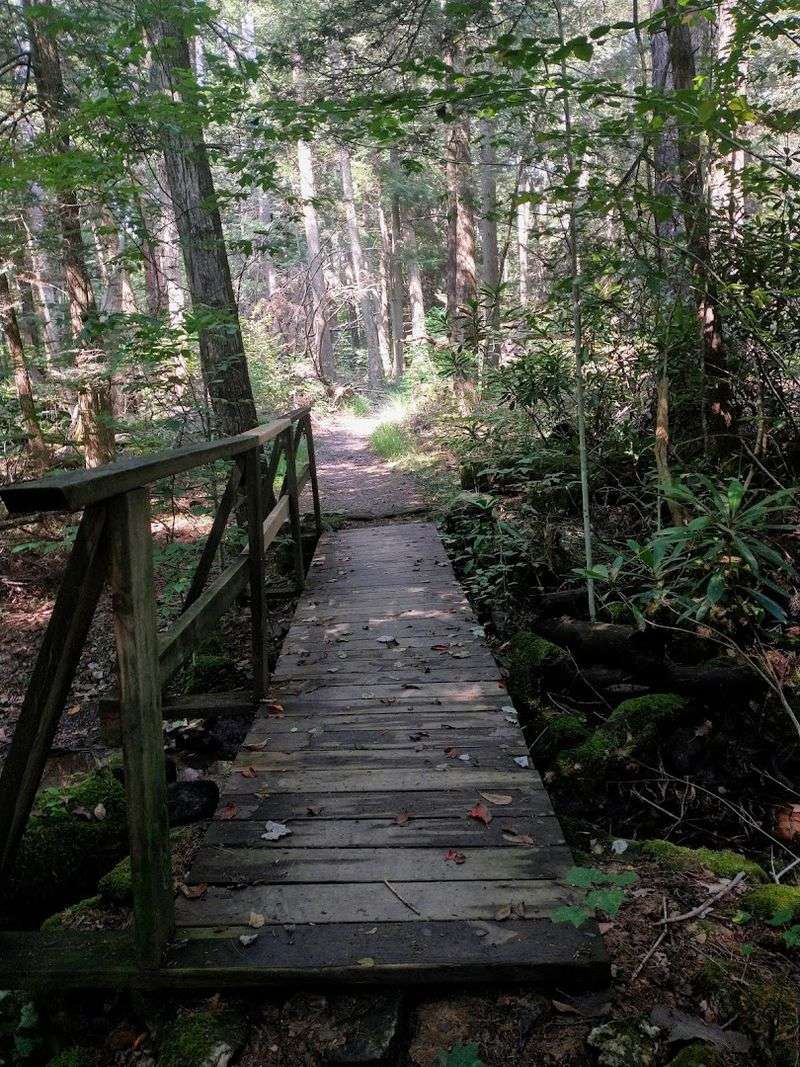
Crossing a wooden bridge over a bubbling creek is one of those small joys that makes a short hike feel like a real adventure. Alan Seeger’s trail features several footbridges, some wooden and some made from stepping stones, that carry hikers across the streams running through the natural area.
Each crossing feels like a little moment worth savoring.
For young children, these bridges add just enough of a fun challenge to keep them engaged without being dangerous. One parent noted that the bridges were “just difficult enough to challenge my 3-year-old,” which is exactly the kind of accessible adventure families are looking for on a weekend outing.
The bridges are well-maintained and add a storybook quality to an already magical place. Pause on one of them and listen to the water rushing underneath.
It is a small moment, but it tends to stick with you long after the hike is over.
A Family-Friendly Trail Anyone Can Handle
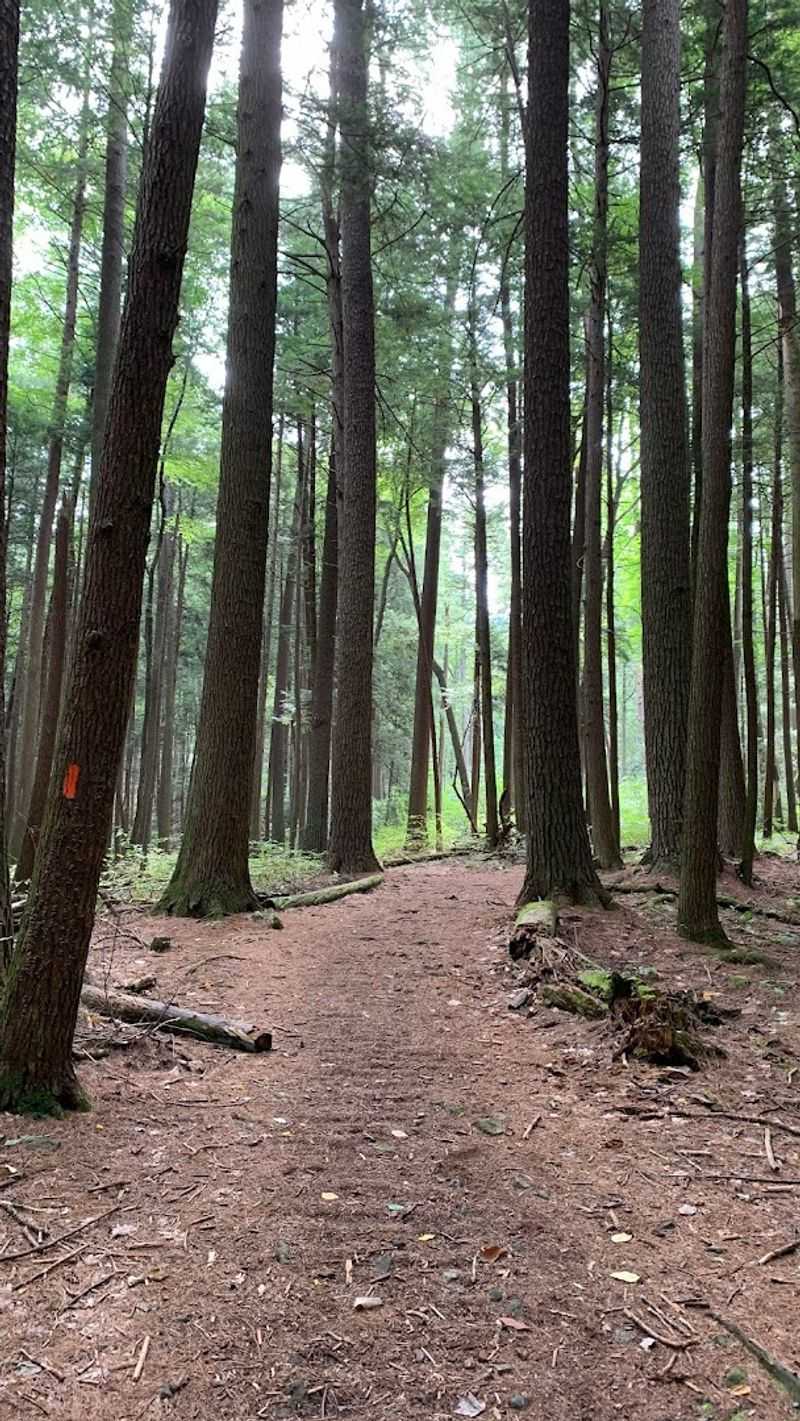
Not every hike needs to be a challenge to be worthwhile. The main loop at Alan Seeger Natural Area is roughly 1 mile long and stays mostly flat, making it one of the most accessible hikes in all of central Pennsylvania.
Adults, kids, grandparents, and even toddlers with a little help can complete this trail comfortably.
Multiple reviewers praised the trail for being the perfect introduction to Pennsylvania wilderness hiking. One family reported completing it with a toddler in tow, calling it “doable for adults, children, and a toddler with assistance.” The wide path is easy to follow and well-marked throughout.
If you are looking for a way to get the whole family outdoors without the stress of a strenuous climb, this is your spot. The scenery is stunning enough to impress adults while the bridges and streams keep kids completely entertained from start to finish.
Picnic Pavilions Perfect for a Relaxing Lunch
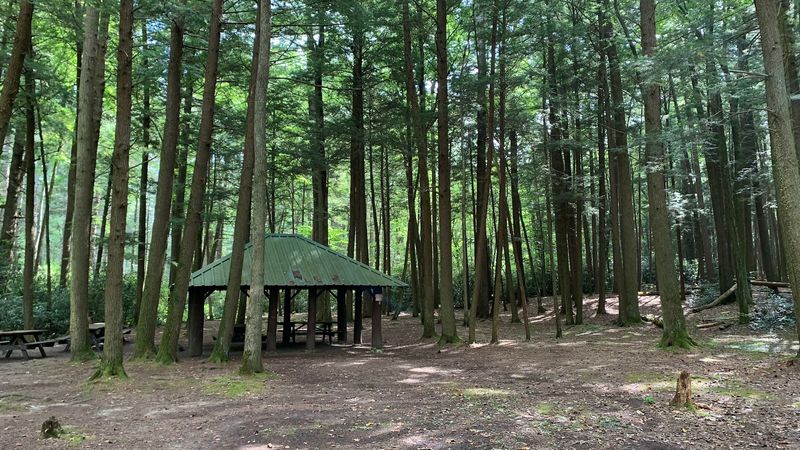
After a peaceful walk through the forest, sitting down for a meal surrounded by ancient trees is a genuinely wonderful experience. Alan Seeger Natural Area has several picnic pavilions equipped with fireplaces, making it a great spot for a family lunch, a quiet afternoon with friends, or even a small gathering in nature.
One visitor humorously noted they “should have brought lunch to eat at the picnic area” after visiting, a regret that is easy to avoid with a little planning. The pavilions are well-placed within the natural area and feel like natural extensions of the forest rather than intrusions on it.
Pack a cooler, bring some sandwiches, and plan to linger after your hike. The combination of fresh mountain air, the sound of nearby streams, and the shade of towering hemlocks makes eating outdoors here feel like a true luxury.
It is the kind of afternoon you will want to repeat.
History Behind the Name: Poet Alan Seeger
The natural area carries the name of Alan Seeger, an American poet born in 1888 who is best known for his moving World War I poem “I Have a Rendezvous with Death.” Seeger volunteered with the French Foreign Legion and was killed in battle in 1916, leaving behind a legacy of powerful, emotionally charged poetry.
The natural area was established in 1921, just five years after his death, as a tribute to his memory and his connection to the beauty of the natural world. Naming such a stunning old-growth forest after a poet feels entirely fitting, because walking through these ancient trees really does inspire the kind of quiet reflection that great poetry demands.
Knowing the story behind the name adds a layer of meaning to your visit. You are not just hiking through beautiful woods.
You are walking through a living memorial to someone who believed deeply in the power of nature and words.
Early July Is the Best Time to Visit
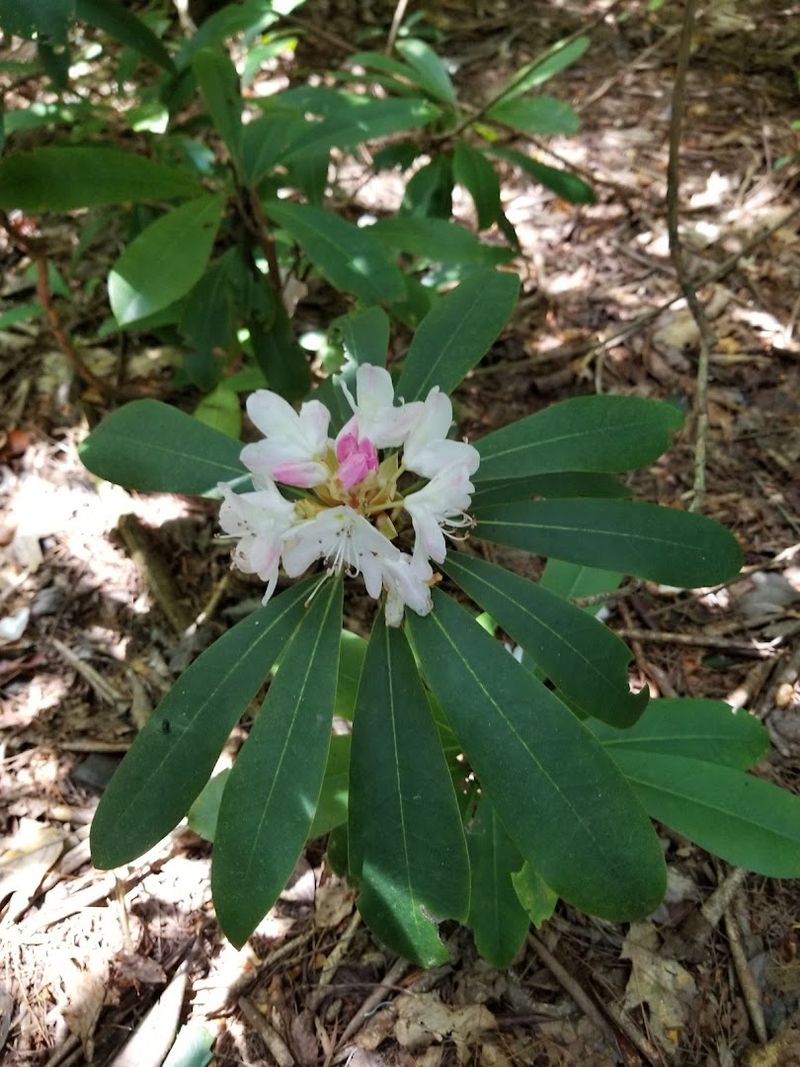
Timing your visit right can turn a great hike into an absolutely unforgettable one. Multiple visitors agree that early July is the sweet spot for Alan Seeger Natural Area, when the rhododendrons are in full bloom and the forest is at its most lush and vibrant.
One reviewer specifically called out early July as the time for “late blooms” that make the park especially magical.
Summer visits also mean the streams are flowing beautifully, the picnic areas are inviting, and the dense tree canopy keeps temperatures noticeably cooler than the surrounding area. On a hot summer day, stepping into this shaded hemlock forest feels like walking into a natural air conditioner.
That said, the park is open year-round from 7 AM to 6 PM daily, and every season brings its own kind of beauty. Fall foliage, winter quiet, and spring wildflowers all offer reasons to come back again and again throughout the year.
Wildlife and Wildflowers Along the Trail
Keep your eyes open as you walk, because Alan Seeger Natural Area is alive with more than just trees. Wildflowers carpet the forest floor during spring and early summer, adding splashes of color beneath the dark hemlock canopy.
Visitors have spotted everything from delicate trilliums to bright yellow celandine scattered along the trail edges.
The streams attract a variety of birds, and the dense forest provides habitat for deer, squirrels, and the occasional black bear passing through. One memorable review even recalled spotting a rattlesnake on the road leading to the park, a reminder that this is genuine Pennsylvania wilderness, not a manicured garden path.
Bringing a simple field guide to local wildflowers or birds can turn this short hike into an educational adventure for curious kids. Spotting something unexpected in the wild has a way of sparking a lifelong love of the outdoors that no classroom lesson can replicate.
Connecting to Longer Trails in Rothrock State Forest
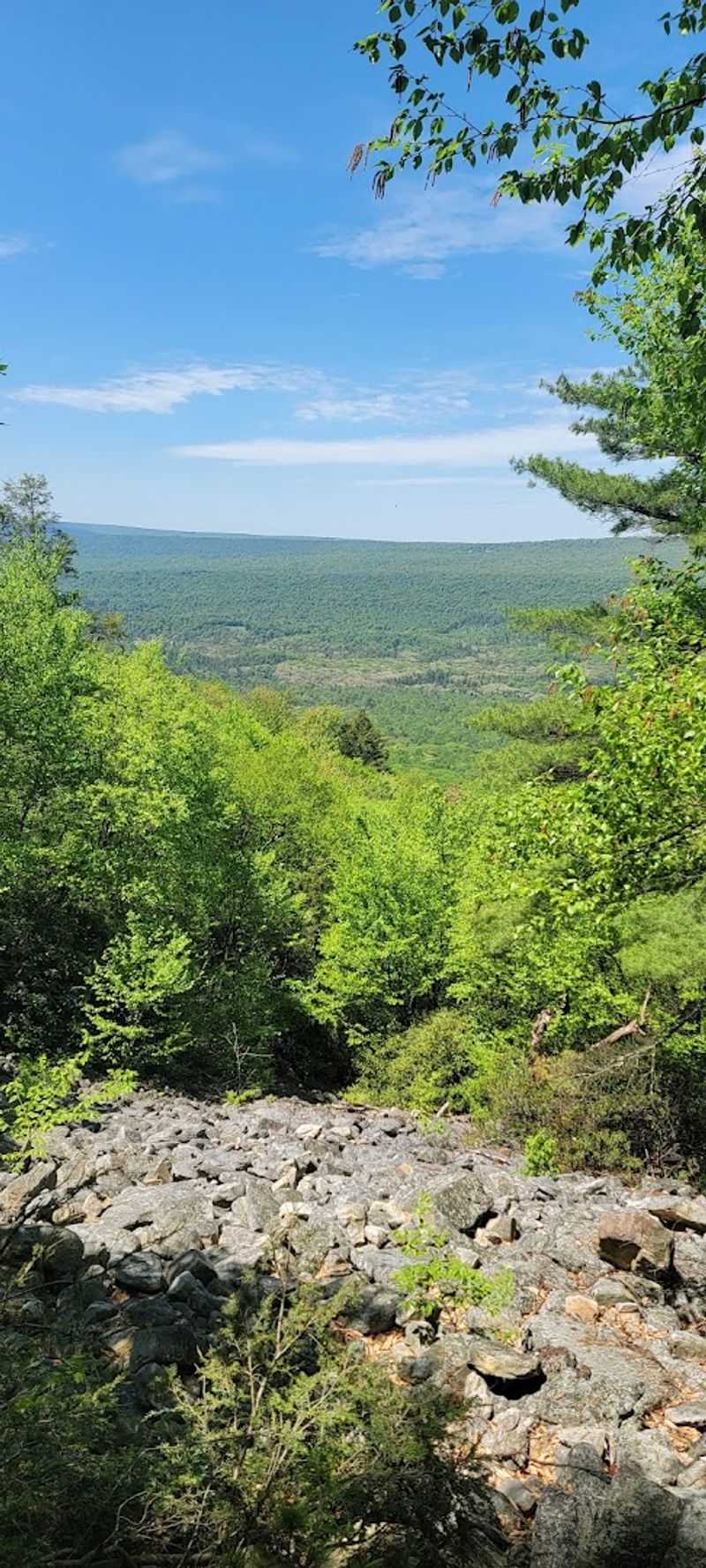
For hikers who finish the 1-mile loop and want more, Alan Seeger serves as a launchpad into the wider Rothrock State Forest trail network. The Greenwood Spur of the Standing Stone Trail departs from this area and climbs 1.75 miles to a fire tower at the highest point on the entire Standing Stone Trail.
That is a solid half-day adventure for those who are ready to push a little harder.
One reviewer recommended picking up the Purple Lizard Rothrock State Forest Map to fully explore the outdoor opportunities available from this trailhead. The map covers a massive area with endless options for hiking, mountain biking, and exploration throughout the surrounding forest.
Whether you stick to the easy 1-mile loop or use Alan Seeger as a base camp for bigger adventures, the location inside Rothrock State Forest means you will never run out of new trails to discover. Every visit can look completely different.
A Short Drive from State College and Penn State
One of the best things about Alan Seeger Natural Area is how surprisingly close it is to a major college town. The park sits less than 30 minutes from State College and Penn State University, making it a perfect quick escape for students, faculty, and local families who want to recharge in nature without a long drive.
Several reviewers called it an “amazing little secret” hiding so close to campus, and the easy parking situation makes it even more convenient. There is no complicated trailhead logistics or long approach roads, just a straightforward drive into the mountains followed by a peaceful walk in the woods.
For Penn State students especially, a Saturday morning trip to Alan Seeger can feel like a total reset from the busy rhythms of campus life. Fresh air, ancient trees, and the sound of a mountain stream have a way of putting everything back into proper perspective remarkably fast.
Forest Bathing and Mindfulness in the Woods
Forest bathing is the Japanese practice of simply being in a forest, breathing the air, listening to the sounds, and letting the natural environment restore your sense of calm. Alan Seeger Natural Area might be one of the best places in Pennsylvania to try it.
The combination of cool air, filtered light, and the steady sound of moving water creates a sensory experience that is hard to find anywhere else.
One reviewer put it perfectly: “A place where time stands still.” Walking slowly through the hemlock groves without any rush, no destination in mind and no timer running, is a genuinely restorative experience that modern life rarely offers.
You do not need any special gear or training to practice forest bathing. Just leave your headphones at home, slow down your pace, and let the forest do the rest.
Most people leave feeling noticeably lighter than when they arrived, which says everything.
Practical Tips Before You Head Out
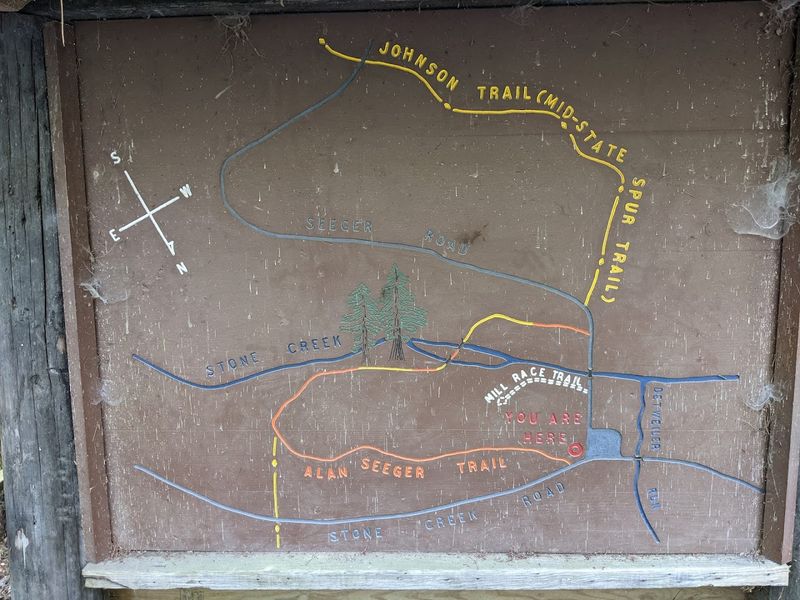
A little preparation goes a long way toward making your Alan Seeger visit smooth and enjoyable. The park is open daily from 7 AM to 6 PM, so plan to arrive with enough time to enjoy the full loop and linger at the picnic area without rushing.
Parking is easy and free, which is a welcome bonus compared to many other popular Pennsylvania hiking destinations.
Wear comfortable walking shoes since the trail is mostly flat but can be muddy near the stream crossings after rain. Bring water, snacks, and sunscreen for the open sections of trail, even though the hemlock canopy provides plenty of shade along most of the route.
Cell service can be spotty deep in the mountains, so download a trail map before you leave home. The Purple Lizard Rothrock State Forest Map is highly recommended by frequent visitors.
For more information, check the official DCNR page at dcnr.pa.gov before your trip.
Enjoyed this story?
Add Fast Food Club as a preferred source to see more of our reporting on Google.