


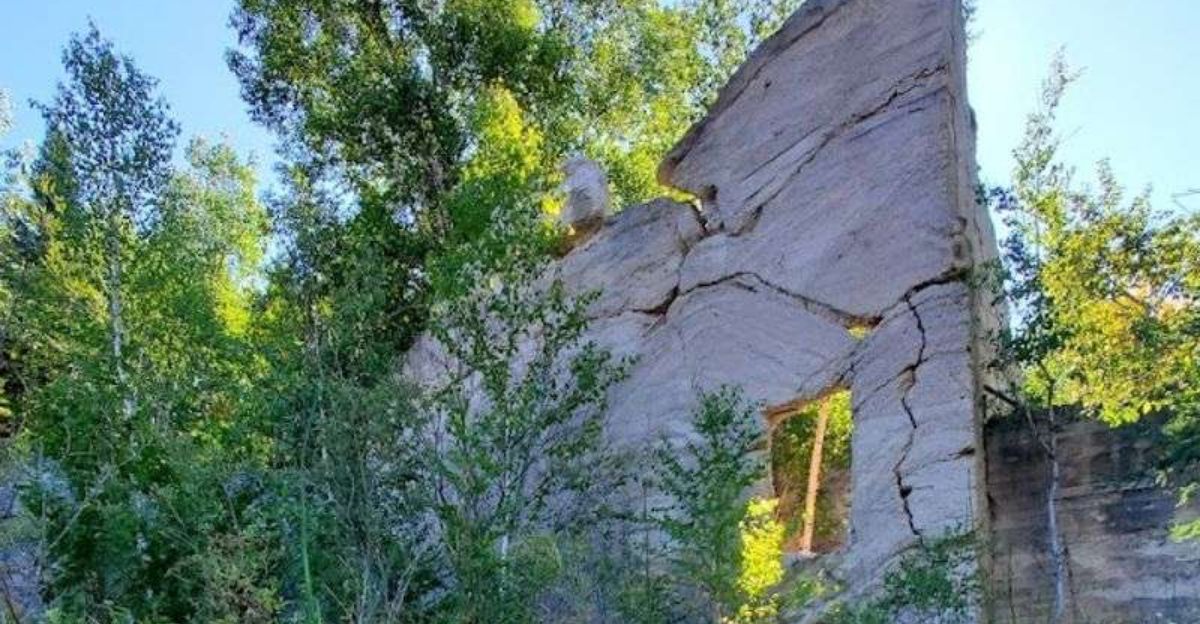
Tucked deep in the Upper Peninsula of Michigan, the Fiborn Karst Preserve near Naubinway holds secrets that most people have never heard of. Once a bustling limestone quarry in the late 1800s, this place is now a hauntingly beautiful ghost town slowly being swallowed by nature.
Crumbling stone buildings, hidden cave-like passages, and rugged karst terrain make it one of Michigan’s most mysterious and underrated spots. If you love history, adventure, and exploring places that feel frozen in time, Fiborn is calling your name.
The Ghost Town That History Forgot
Some places get left behind by time, and Fiborn is one of them. Back in the late 1800s, this site hummed with workers, machinery, and the constant crack of limestone being blasted from the earth.
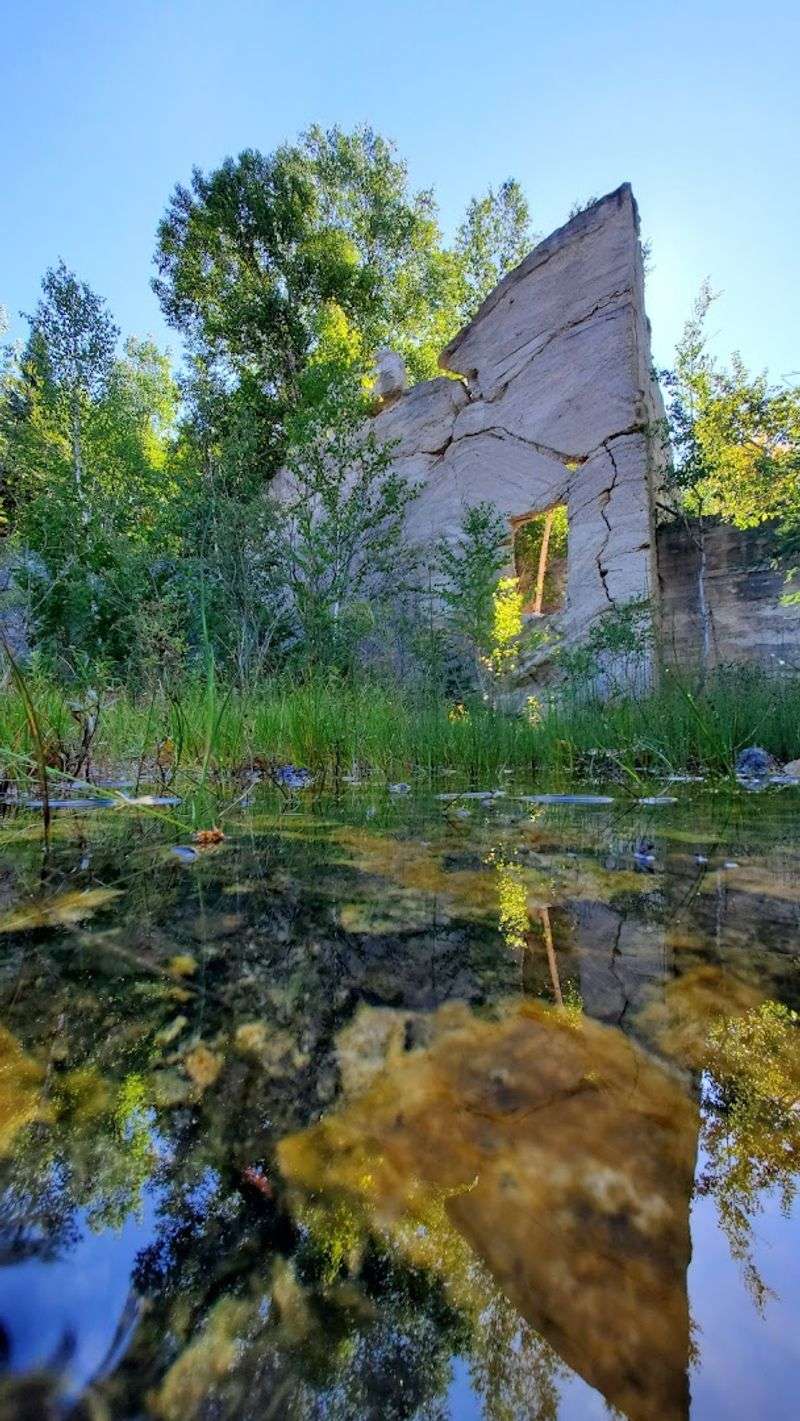
Today, all that remains are ghostly stone walls slowly crumbling under the weight of decades.
Walking through the ruins feels like stepping into a forgotten chapter of Michigan history. The structures are built from the very limestone quarried here, which gives them a raw, almost ancient look.
Trees grow through what used to be floors, and moss carpets everything in green.
Visitors often describe the feeling as eerie but exciting, like discovering something the rest of the world overlooked. There are no tour guides or roped-off areas, just you and the ruins.
That freedom to explore makes every visit feel personal and a little bit thrilling.
What Exactly Is a Karst Landscape?
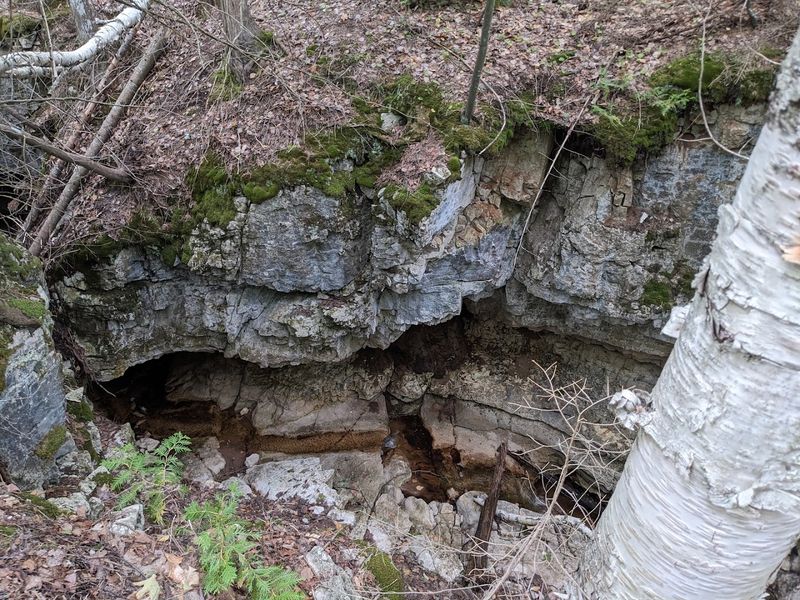
Most people have never heard the word karst before visiting Fiborn, and that is totally okay. A karst landscape forms when water slowly dissolves soluble rocks like limestone over thousands of years.
The result is a dramatic terrain full of sinkholes, caves, and rocky formations that look unlike anything else in the Midwest.
Fiborn sits on one of the most impressive karst systems in Michigan’s Upper Peninsula. The ground here is riddled with hidden passages and pockets carved out by water long before humans ever arrived.
That underground activity is part of what makes the area so geologically fascinating.
Walking the trails, you will notice the ground shifts and dips in unexpected ways. Some spots feel almost hollow underfoot.
Understanding what a karst is makes the whole experience richer, because suddenly every rock and dip in the trail tells a story millions of years in the making.
The Hidden Cave Beneath the Surface
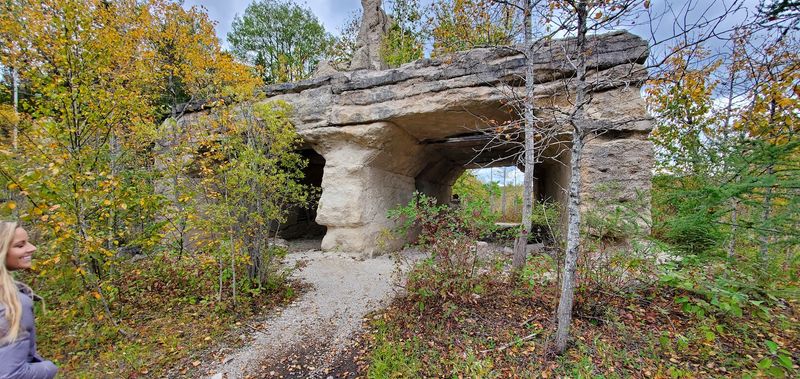
Here is the detail that really gets people talking: beneath the surface of Fiborn Karst Preserve, there are cave-like openings and underground passages formed by the same karst processes that shaped the whole landscape. These hidden cavities are not marked on most tourist maps, which makes finding them feel like a genuine discovery.
The caves here are not massive caverns you can walk through upright, but their presence adds a whole new layer of mystery to the preserve. Some openings peek out from between limestone boulders, while others are tucked beneath root systems deep in the forest.
The cool air that drifts from these gaps on a warm day is unmistakable.
Explorers who take their time and wander off the main path are most likely to spot these features. Always stay safe and never crawl into unknown spaces alone, but absolutely keep your eyes open for these incredible geological surprises.
The Late 1800s Limestone Quarry Operation
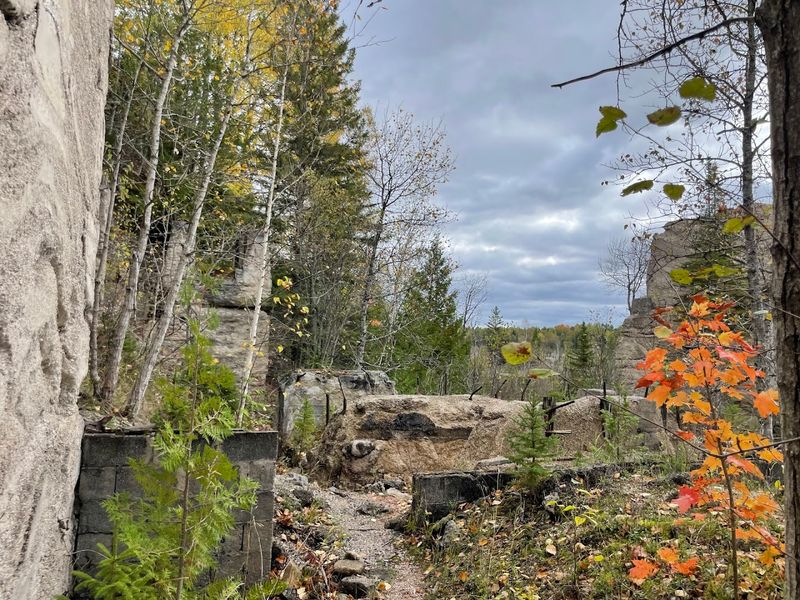
Long before the forest reclaimed it, Fiborn was a serious industrial operation. The Fiborn Quarry was established in the late 1800s to extract limestone, which was in high demand for construction and industrial use across the Great Lakes region.
Workers flooded into this remote part of the Upper Peninsula to keep the operation running.
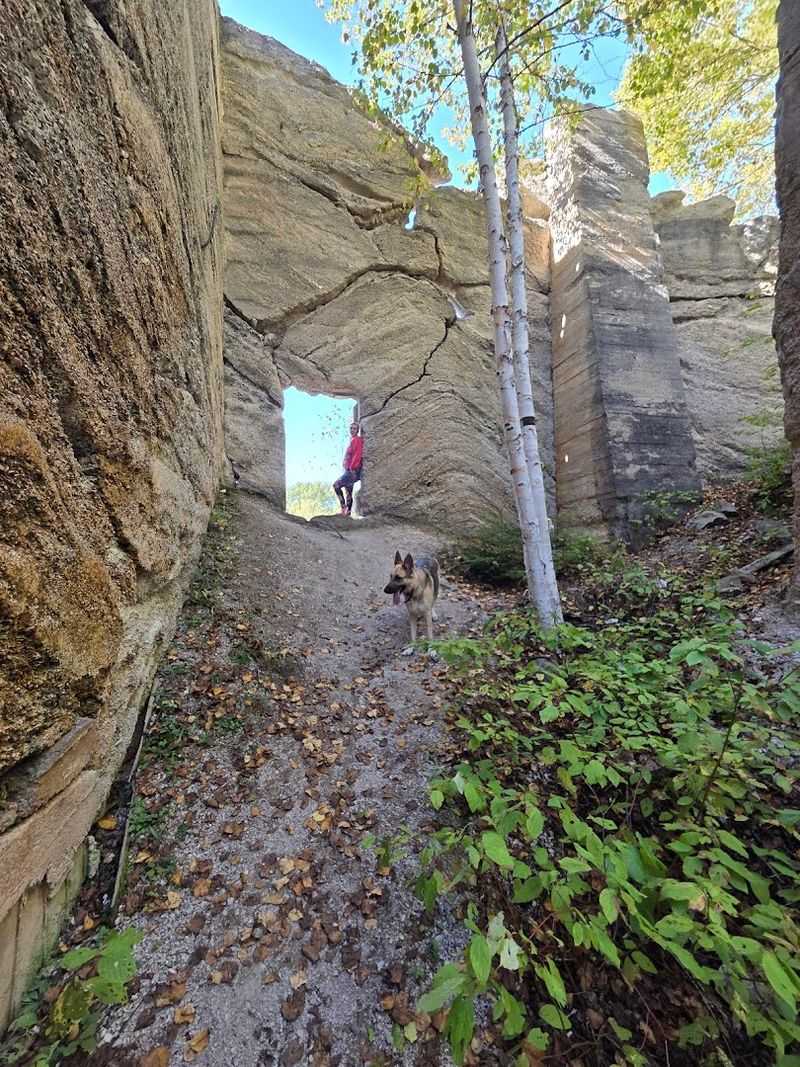
The quarry used blasting techniques to break apart the thick limestone bedrock, which explains the dramatic landscape visible today. Large chunks of rock were hauled away, leaving behind the jagged, uneven terrain that hikers now navigate on foot.
It was hard, dangerous work done in one of Michigan’s most isolated corners.
Eventually the quarry shut down, and the workers left. Buildings were abandoned where they stood.
Nature moved in quickly, wrapping stone walls in roots and vines. What remains today is a rare, unfiltered snapshot of industrial Michigan history hiding in plain sight.
Crumbling Stone Buildings That Still Stand
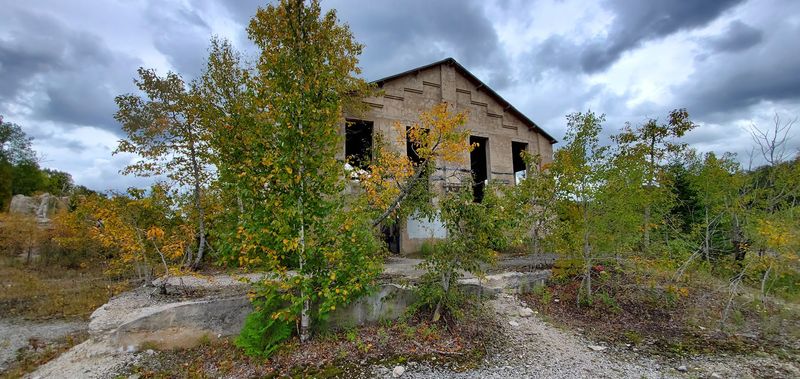
One of the most jaw-dropping things about Fiborn is that many of the original quarry buildings are still standing, at least partially. Built from the limestone pulled right out of the ground here, these structures have a thick, fortress-like quality that has helped them survive well over a century of Michigan winters.
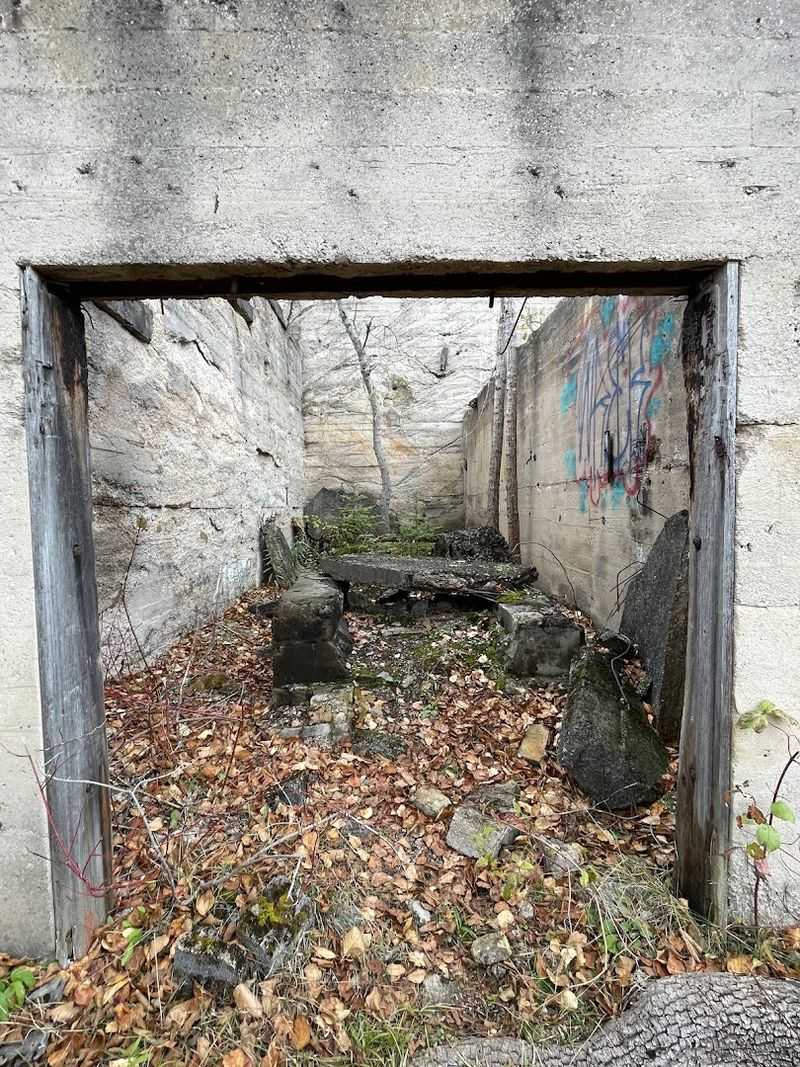
Walking up to these walls feels surreal. You can see the rough-cut stone blocks stacked by hand, the old doorways leading nowhere, and windows framing nothing but forest.
Some structures are roofless, their interiors carpeted with leaves and saplings pushing up through cracked stone floors.
Visitors consistently call these buildings the highlight of the preserve. The combination of human craftsmanship and natural decay creates something genuinely beautiful.
Photography enthusiasts especially love the lighting and textures here. Just remember that the buildings are unstable, so admire them from a safe distance and never climb on the walls.
How to Find the North Entrance
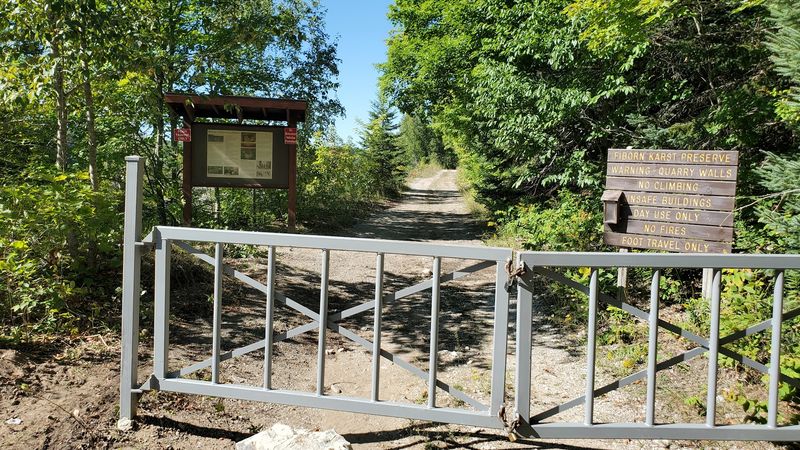
Finding Fiborn can be a small adventure in itself. The preserve is located off Naubinway Road near Naubinway, MI, which is already a pretty remote stretch of the Upper Peninsula.
Cell service can be spotty out here, so downloading offline maps before you leave home is genuinely smart advice, not just a suggestion.
Reviewers strongly recommend heading to the north entrance, which offers the easiest parking and the clearest access to the trails and ruins. There is a small parking area, so arriving early on busy weekends is a good idea.
A gate marks the trailhead, and you simply walk in from there, no tickets and no waiting required.
Once you are through the gate, the trail leads you toward the quarry and ruins within a short walk. The signage is minimal, so staying alert and using your map app will keep you on track and help you find the best spots.
Wildlife and Unique Ecosystems Along the Trail
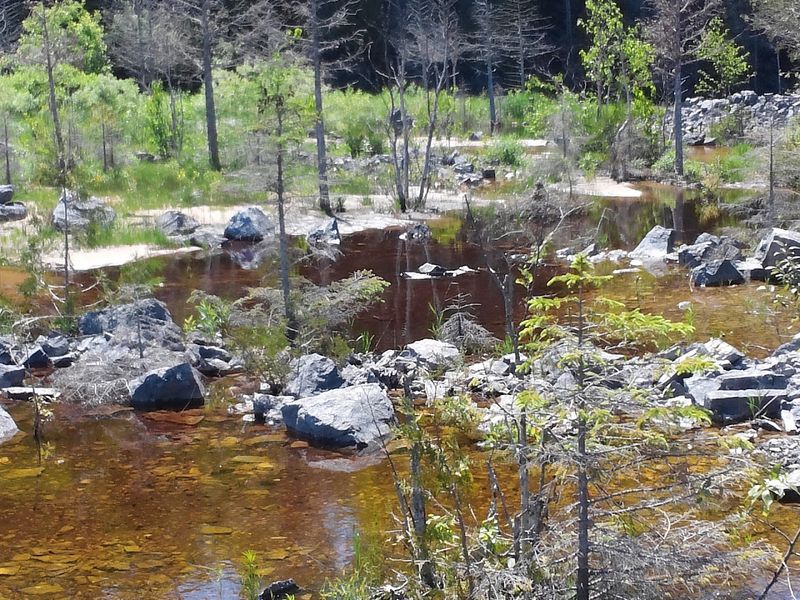
Fiborn is not just about ruins and rocks. The preserve protects a surprisingly diverse mix of ecosystems packed into a relatively small area.
Karst landscapes create unique microhabitats because the rocky terrain, soil chemistry, and underground water movement all combine to support plants and animals you would not find just anywhere in Michigan.
Hikers have spotted white-tailed deer, a wide variety of bird species, and all sorts of wildflowers tucked between limestone boulders. The forest here feels older and wilder than a typical state park trail, with a dense canopy and a lush understory that changes with the seasons.
Spring and early fall are especially scenic.
Bringing binoculars and a field guide can turn a casual hike into a full nature study. Even if wildlife stays hidden, the plant life alone is worth paying attention to.
Rare fern species and unusual mosses thrive in the cool, moist pockets created by the karst geology.
The Quarry Rim Trail and What You Will See
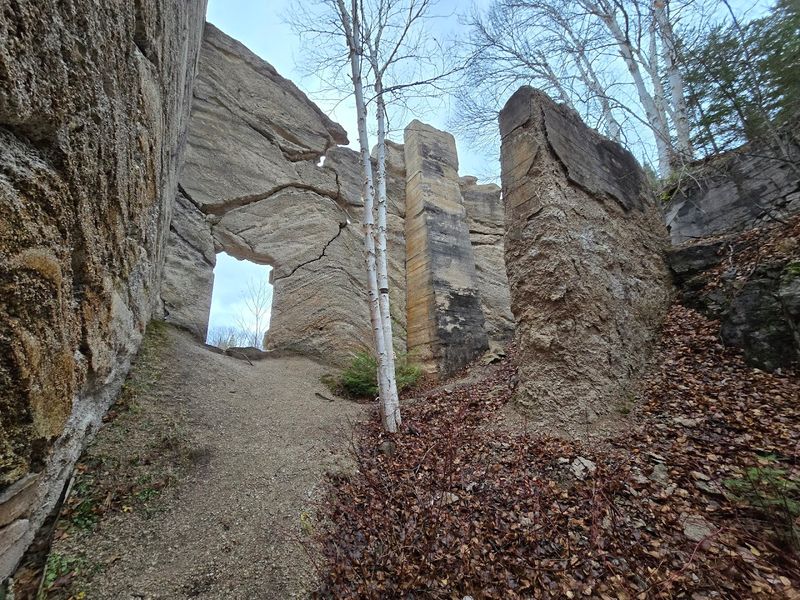
Hiking the west rim of the quarry is one of the most recommended experiences at Fiborn, and for good reason. Standing on the rim gives you a dramatic bird’s-eye view of the quarry floor below, where decades of blasting carved out a deep, rocky bowl now slowly filling with vegetation and young trees.
The trail itself is rugged and uneven, so sturdy footwear is essential. Loose rocks, exposed roots, and sudden elevation changes make this a hike that demands your full attention.
That said, the views are absolutely worth the effort, and most reasonably fit hikers handle it without trouble.
Along the rim, you can see the layers of limestone that workers once extracted, almost like reading pages of a geological textbook. Some sections of the trail offer close-up looks at the karst formations, including small sinkholes and rocky overhangs.
Take your time, pause often, and soak in one of Michigan’s most unusual vistas.
Interesting Graffiti and Urban Exploration Vibes
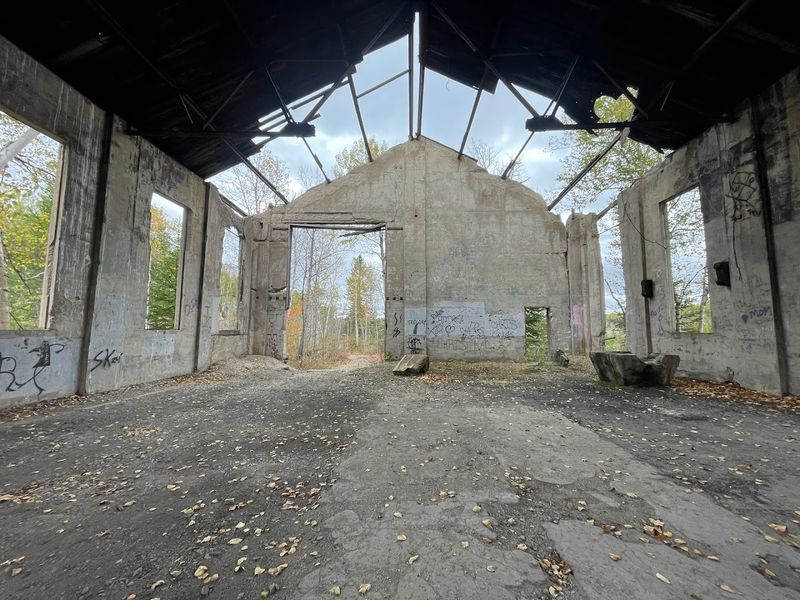
Not everyone expects to find graffiti in the middle of a nature preserve, but at Fiborn it has become part of the experience. Over the years, explorers and artists have left their marks on the crumbling stone walls, adding a layer of modern urban art to the ancient industrial ruins.
Some of it is surprisingly creative.
Opinions on the graffiti are mixed, and that is fair. Purists might prefer the ruins untouched, while others find the contrast between old stone and bright spray paint visually striking.
Either way, it adds to the raw, unfiltered atmosphere that makes Fiborn feel different from polished tourist destinations.
The overall vibe here leans heavily into urban exploration territory, which has earned the preserve a loyal following among adventure seekers and photographers. If you love the aesthetic of abandoned places slowly being reclaimed by both nature and human creativity, Fiborn will absolutely scratch that itch in a big way.
What to Wear and Bring on Your Visit
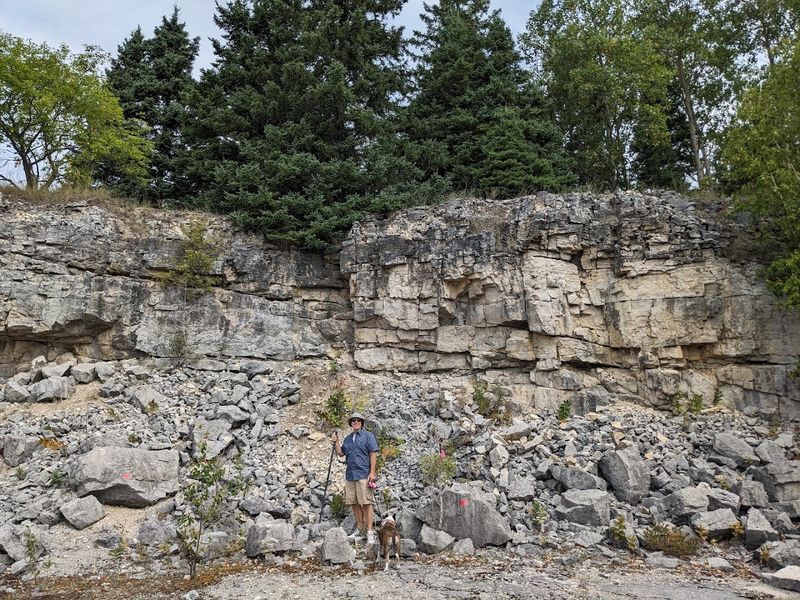
Preparation makes a huge difference at Fiborn. The terrain is rocky, uneven, and in some spots genuinely challenging, so hiking boots with good ankle support are not optional here.
Reviewers repeatedly mention that regular sneakers or sandals are a bad idea. Thick-soled, grippy boots will keep you comfortable and safe throughout the hike.
Beyond footwear, pack a water bottle because there are no facilities or water sources at the preserve. Bug spray is a must from late spring through early fall, as the Upper Peninsula mosquitoes are legendary.
Sunscreen matters too, especially on the open quarry sections where shade disappears fast.
A small backpack with snacks, a fully charged phone with offline maps downloaded, and a light rain jacket covers most situations. The hike itself ranges from a short walk to a 4-5 mile adventure depending on how much you explore.
Plan your time, pack smart, and you will have a fantastic visit.
Visiting in Winter: A Snowy Hidden Gem
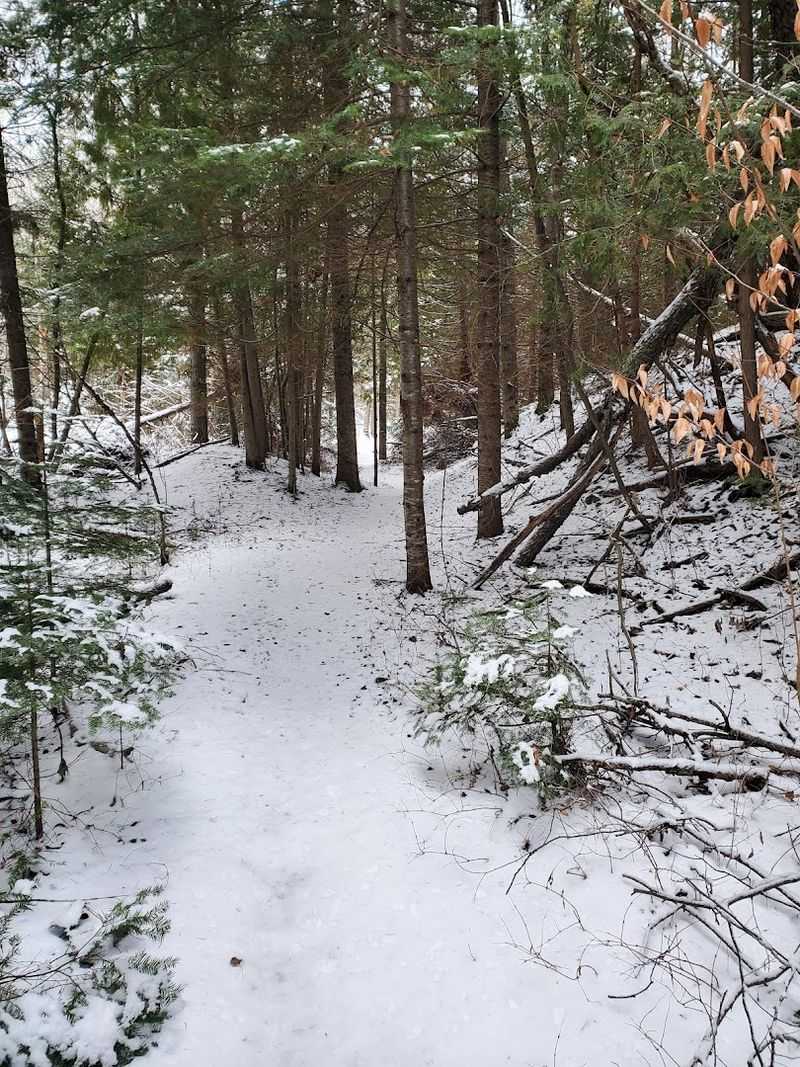
Most people assume outdoor ruins are a summer-only attraction, but Fiborn in winter is something else entirely. A fresh layer of snow transforms the crumbling stone walls and rocky terrain into a quiet, almost surreal landscape.
The silence out here in winter is the kind that actually feels loud, if that makes any sense.
Reviewers who have visited on cold, snowy days rave about how peaceful and uncrowded it is. Without the summer bugs and weekend crowds, you essentially get the whole preserve to yourself.
The bare trees open up sightlines that leafy summer canopies normally block, giving you a completely different perspective on the ruins.
Winter hiking at Fiborn does require extra preparation. Waterproof boots with insulation, warm layers, and traction devices for icy spots are all worth considering.
The trails are not groomed or maintained, so conditions vary. But for those willing to bundle up, a winter visit here is genuinely unforgettable.
The Fascinating History of Karst in the Upper Peninsula
Michigan is not usually the first place people think of when they hear the word caves, but the Upper Peninsula has a surprisingly rich karst history. The limestone bedrock here was laid down in ancient seas hundreds of millions of years ago.
Over time, slightly acidic groundwater carved out the caves, sinkholes, and underground channels that define karst terrain.
The Fiborn area sits within one of the most geologically active karst zones in the state. This is exactly why the quarry was established here in the first place since high-quality limestone was practically everywhere underfoot.
The same geology that made it valuable for industry also made it a fascinating natural laboratory.
Learning about the geological backstory before your visit genuinely enhances the experience. When you understand that the ground beneath you was shaped by millions of years of water and chemistry, every crack in the rock and every sunken patch of trail starts to feel like a clue in a very old mystery.
Why Fiborn Deserves a Spot on Your Michigan Bucket List
Michigan has no shortage of stunning destinations, but Fiborn Karst Preserve earns its place among the most unique. It combines natural geology, industrial history, wildlife, and genuine adventure into one free, accessible experience in the middle of the Upper Peninsula wilderness.
Very few places can claim all of that at once.
The 4.8-star rating from visitors says a lot for a place with zero facilities, minimal signage, and a parking lot that barely fits a handful of cars. People keep coming back and telling their friends because Fiborn delivers something authentic that over-developed tourist spots simply cannot replicate.
It feels discovered, not packaged.
Whether you are a history buff, a geology nerd, an urban explorer, or just someone who loves a good hike off the beaten path, Fiborn has something worth your time. Make the drive, lace up your boots, and see one of Michigan’s most quietly spectacular secrets for yourself.
Enjoyed this story?
Add Fast Food Club as a preferred source to see more of our reporting on Google.