


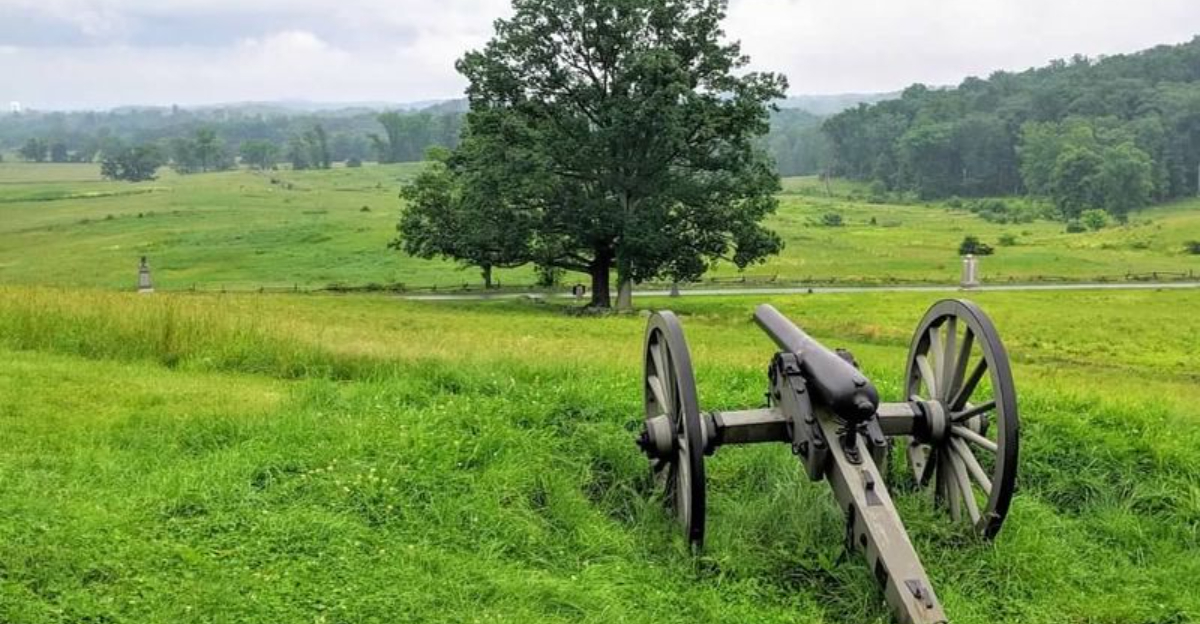
Tucked away in the rolling hills of south-central Pennsylvania, Gettysburg is the kind of town that stops you in your tracks. From its tree-lined streets and charming brick buildings to its sweeping battlefield landscapes, every corner feels like a living painting.
History runs deep here, but so does small-town warmth and beauty that draws visitors back year after year. Whether you’re a history buff, a nature lover, or simply someone chasing a perfect weekend getaway, Gettysburg delivers something truly unforgettable.
Gettysburg National Battlefield
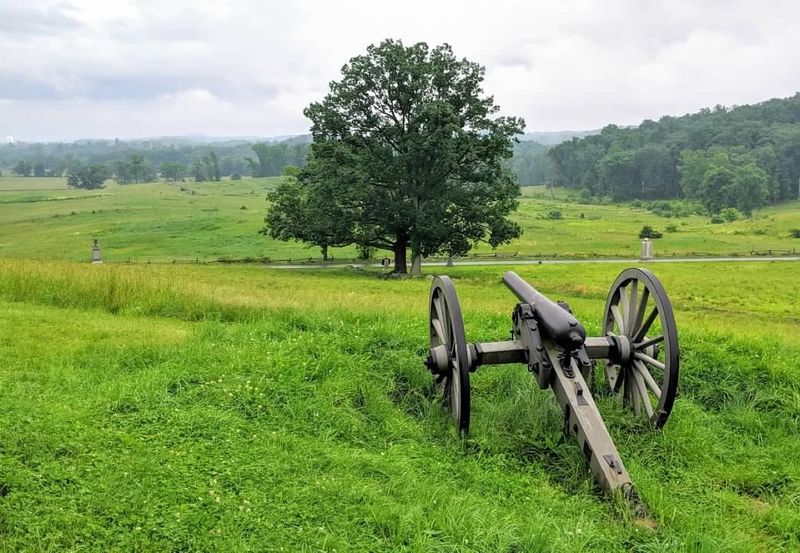
Few places in America carry the weight and beauty of Gettysburg National Battlefield. Spread across nearly 6,000 acres of preserved land, this iconic site was the scene of one of the Civil War’s most pivotal moments in July 1863.
Walking these grounds feels like stepping back through time.
Stone walls, rolling meadows, and hundreds of monuments dot the landscape in every direction. Photographers and history lovers alike find it impossible to put the camera down.
The open fields glow golden at sunrise and turn soft purple at dusk, making every hour feel postcard-perfect.
Guided tours are available by foot, bike, and car, so you can explore at your own pace. Rangers share stories that bring the battles to life in a deeply moving way.
This battlefield is not just a historic site — it’s a sacred and stunningly beautiful piece of American land.
Gettysburg National Cemetery
Gettysburg National Cemetery is one of the most quietly powerful places you will ever visit. Established in 1863, it is the final resting place of more than 3,500 Union soldiers who fell during the Battle of Gettysburg.
The rows of identical white headstones stretch across manicured green lawns in a way that is both heartbreaking and deeply beautiful.
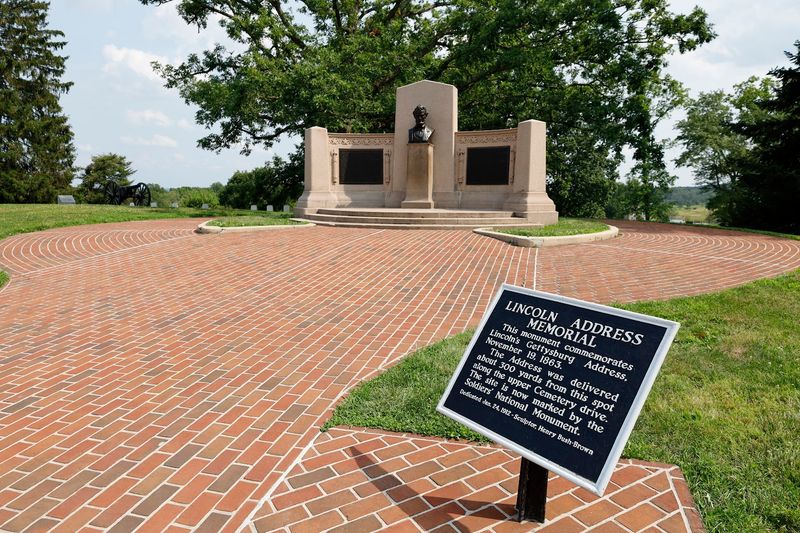
This is also where President Abraham Lincoln delivered his famous Gettysburg Address on November 19, 1863. A bronze memorial marks the exact spot where those 272 unforgettable words were spoken.
Standing there, you can almost feel the gravity of that historic moment.
The cemetery is open year-round and admission is free. Seasonal wildflowers and towering shade trees add natural charm throughout the warmer months.
Even on a quiet Tuesday afternoon, visitors walk slowly and speak softly here — a sign of how profoundly this place touches the soul.
Gettysburg Museum and Visitor Center
Before exploring the battlefield, most visitors make their first stop the Gettysburg Museum and Visitor Center — and for good reason. This world-class facility houses an extraordinary collection of Civil War artifacts, from weapons and uniforms to personal letters written by soldiers on the eve of battle.
Every exhibit tells a deeply human story.
The museum’s crown jewel is the restored Gettysburg Cyclorama, a massive 360-degree painting depicting Pickett’s Charge. Completed in 1884, the painting is 42 feet tall and 377 feet in circumference.
Seeing it in person is genuinely jaw-dropping.
A film narrated by Morgan Freeman introduces visitors to the battle’s significance and sets the tone for the entire experience. The gift shop is well-stocked with books, maps, and keepsakes.
Plan to spend at least two to three hours here — there is simply too much to absorb in one quick pass-through.
Lincoln Square
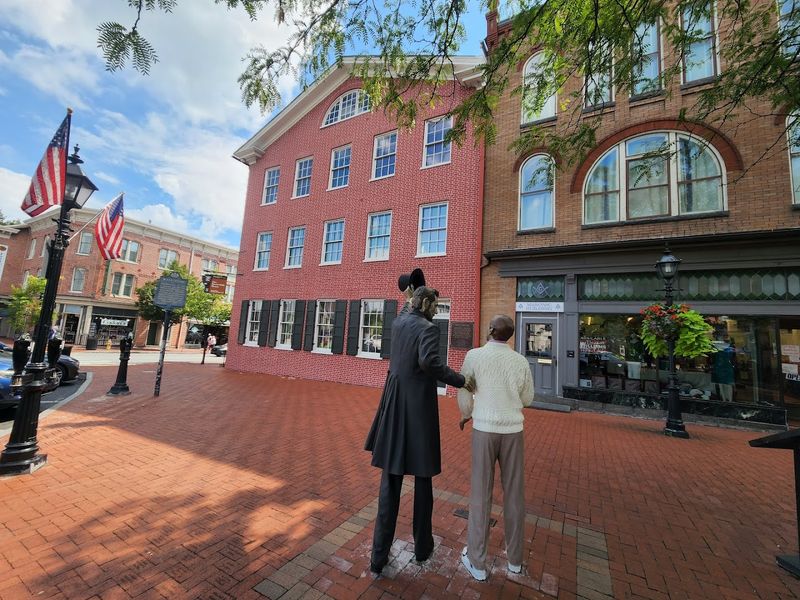
Right in the heart of downtown Gettysburg sits Lincoln Square, the town’s lively and photogenic centerpiece. Framed by beautifully preserved 19th-century brick buildings, this bustling square hums with energy from morning coffee runs to evening strolls.
A statue of Abraham Lincoln greets visitors with a familiar, reassuring presence.
Surrounding the square you’ll find locally owned shops, cozy restaurants, and welcoming cafes that feel nothing like a chain-store strip mall. Window displays change with the seasons, making the square look especially magical during fall foliage and holiday decorating.
It’s the kind of place where strangers smile at each other.
Street musicians sometimes perform on warm weekends, adding a cheerful soundtrack to the scene. Farmers markets and community events pop up throughout the year, drawing locals and tourists together.
Lincoln Square captures Gettysburg’s soul perfectly — historic, warm, and completely charming without even trying.
Devil’s Den
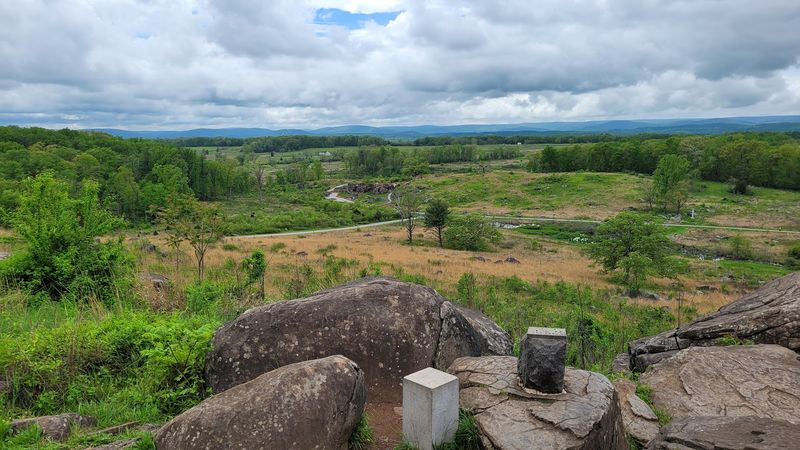
Devil’s Den is one of the most visually dramatic spots in all of Gettysburg. This rugged cluster of massive boulders sits at the southern end of the battlefield and served as a natural sniper’s nest during the battle.
Today, it draws visitors who want to scramble across the rocks and soak in the wild, untamed scenery.
The jagged rock formations create a landscape that looks almost otherworldly, especially when morning mist rolls across the nearby fields. Photographers love the moody, atmospheric quality the location offers at different times of day.
Autumn is especially stunning, when the surrounding trees burst into shades of red, orange, and gold.
Legend has it that Devil’s Den is one of the most haunted spots in Gettysburg — a claim that only adds to its mystique. Ghost tours regularly visit here after dark.
Whether or not you believe in hauntings, the eerie beauty of this place is absolutely undeniable.
Little Round Top
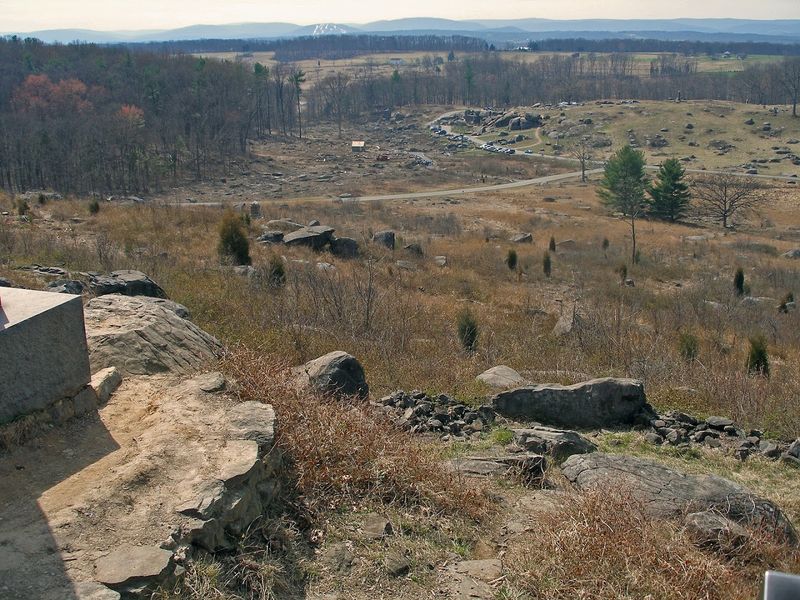
Climb to the top of Little Round Top and you’ll understand immediately why this rocky hill was so fiercely fought over in 1863. The panoramic views from the summit are absolutely breathtaking, stretching across the battlefield in every direction.
On a clear day, the scenery looks like something painted by a landscape artist.
Strategically vital during the battle, this hill was defended heroically by the 20th Maine Infantry under Colonel Joshua Chamberlain. Their story is one of the most celebrated in Civil War history, and visiting the site makes it feel astonishingly real.
Monuments and plaques along the trail tell the full story with moving detail.
The short hike up is manageable for most visitors, including families with older children. Sunrise visits reward early risers with golden light spilling across the treetops.
Little Round Top is the kind of place that makes you stop, breathe deeply, and feel grateful to be standing there.
Gettysburg College Campus
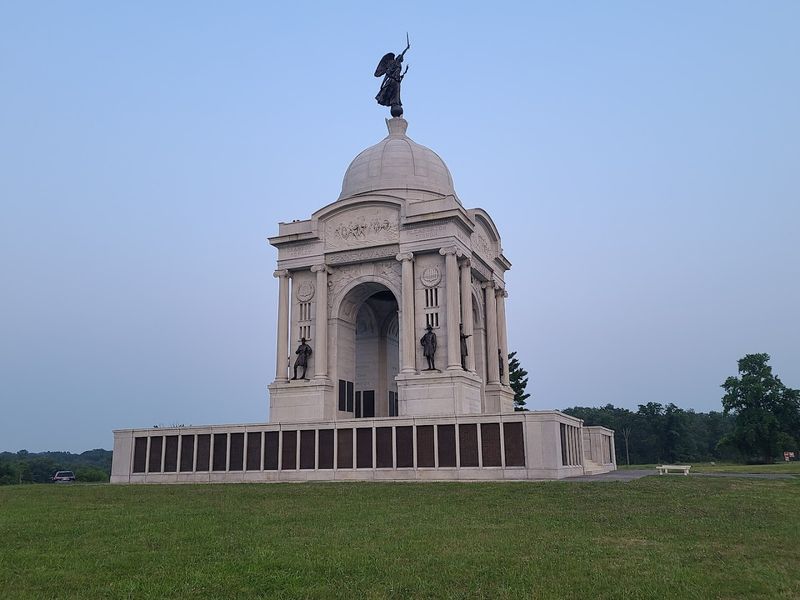
Gettysburg College is one of those campuses that makes you wish you could enroll just to walk its grounds every day. Founded in 1832, the college features a stunning collection of red-brick Federal-style buildings shaded by centuries-old trees.
The campus itself served as a hospital during the Battle of Gettysburg, adding another remarkable layer to its story.
Pennsylvania Hall, the college’s oldest building, still bears the marks of its wartime use and is now a beloved landmark. Students, visitors, and history enthusiasts all wander freely across the beautiful grounds throughout the year.
In autumn, the campus transforms into a fiery canvas of orange and crimson leaves.
The college also hosts public lectures, art exhibits, and cultural events that are open to the community. Strolling through in the early evening, when golden light filters through the trees, feels genuinely magical.
It’s a campus that wears its history with quiet, understated elegance.
Seminary Ridge
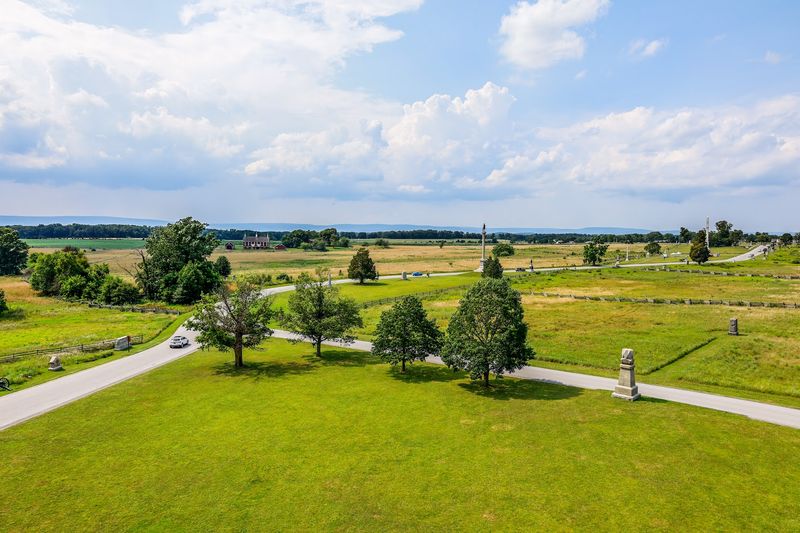
Seminary Ridge stretches along the western edge of the Gettysburg battlefield, offering a quieter and more contemplative experience than some of the busier spots. This tree-lined ridge served as the Confederate line during the battle, and walking it today gives you a fascinating perspective on the military strategy of the era.
The views across the open fields are serene and sweeping.
The Seminary Ridge Museum, housed inside the historic Lutheran Theological Seminary, does an outstanding job of telling the story from multiple human perspectives — soldiers, civilians, and medical workers alike. The exhibits are thoughtfully designed and genuinely moving.
Interactive displays make the history accessible even for younger visitors.
Outside the museum, the grounds are peaceful and perfect for a slow, reflective walk. Mature trees provide welcome shade in summer, and the ridge glows brilliantly in fall.
Seminary Ridge rewards visitors who take their time — the slower you go, the more you notice.
Gettysburg’s Historic Downtown
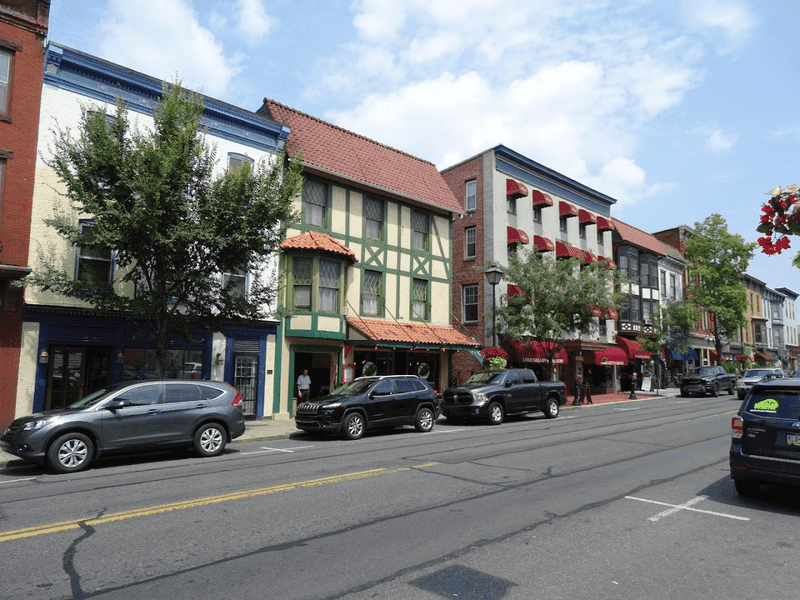
Strolling through Gettysburg’s historic downtown feels like flipping through the pages of a well-loved history book. The streets are lined with 19th-century storefronts that have been lovingly preserved and repurposed into boutique shops, antique dealers, and family-run restaurants.
American flags hang from nearly every building, giving the whole district a warm, patriotic glow.
Antique hunters will be thrilled by the sheer variety of shops tucked into historic buildings throughout the district. You never know what you might find — Civil War memorabilia, vintage jewelry, handmade crafts, or a signed first edition.
Each shop has its own personality and story.
When hunger strikes, the dining options range from hearty Pennsylvania comfort food to artisan bakeries and craft beer taprooms. Many restaurants occupy buildings that date back to the 1800s, which makes every meal feel like a small adventure.
Downtown Gettysburg is the kind of place you accidentally spend an entire afternoon exploring.
Sachs Covered Bridge
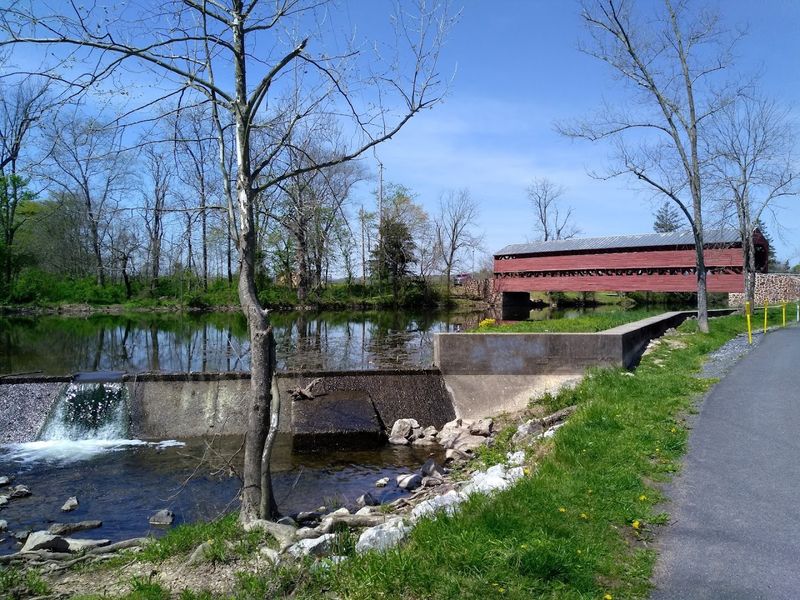
Built in 1854, Sachs Covered Bridge is one of the most photographed spots in the entire Gettysburg area — and it earns every click of the shutter. This charming red wooden bridge spans Marsh Creek just south of town, framed by trees that turn spectacular shades of orange and gold each fall.
It looks like it belongs on a holiday greeting card.
During the Civil War, both Union and Confederate troops crossed this bridge, and it is said that Confederate generals used it as a retreat route after the battle. That history gives this peaceful, picturesque structure an added layer of significance.
Three soldiers were reportedly hanged from its rafters for desertion — a fact that fuels its reputation as one of the region’s most haunted spots.
The bridge is accessible year-round and free to visit. Morning light filters beautifully through the wooden slats.
Whether you’re a history enthusiast or simply a lover of beautiful old things, Sachs Covered Bridge is absolutely worth the short drive.
Eisenhower National Historic Site
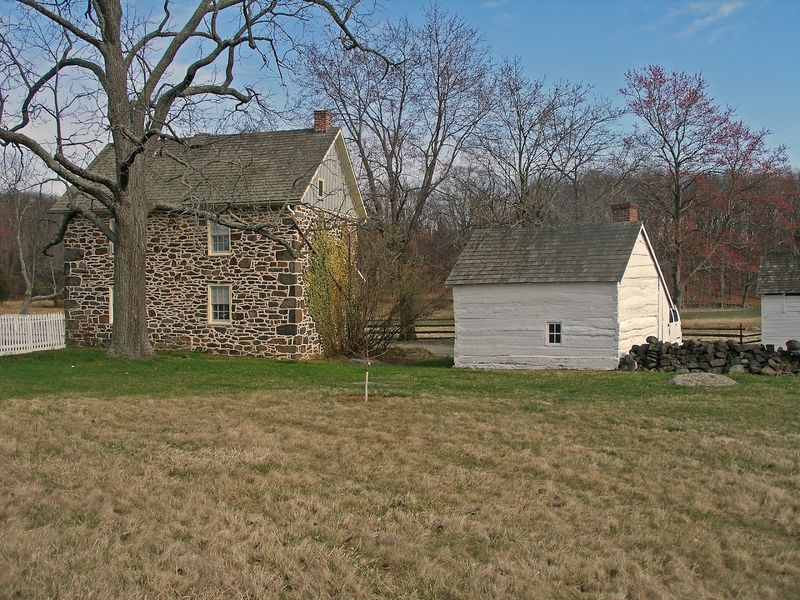
Just a short distance from the battlefield lies a place with a very different kind of history — the Eisenhower National Historic Site. This was the beloved home and farm of President Dwight D.
Eisenhower and his wife Mamie, the only home they ever owned together. The white farmhouse and surrounding fields radiate a genuine sense of peace and simplicity.
Eisenhower purchased the property in 1950 and used it as a weekend retreat during his presidency. World leaders including Winston Churchill and Charles de Gaulle were entertained here, making it a surprisingly significant diplomatic setting.
The farm still looks much as it did during the Eisenhower years, which makes the visit feel wonderfully authentic.
Access is available via shuttle from the Gettysburg Visitor Center. Rangers lead engaging tours through the house and grounds.
For anyone curious about mid-20th century American history, this site offers a warm, personal window into a remarkable presidency.
Gettysburg Ghost Tours
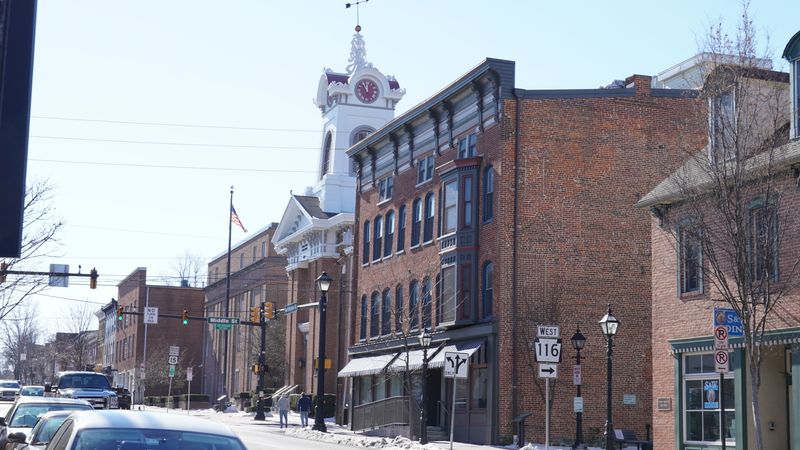
After dark, Gettysburg takes on a whole new personality. The town is widely regarded as one of the most haunted places in America, and its ghost tours have become a beloved tradition for visitors seeking a little thrill with their history.
Dozens of tour companies offer nightly walks through the battlefield, cemetery, and downtown streets.
Stories of apparitions, unexplained sounds, and strange photographs have circulated for decades. Whether or not you’re a true believer, the tours are expertly guided and genuinely entertaining.
Guides weave together historical facts and eerie local legends in a way that keeps even the most skeptical visitors riveted.
Tours typically run from spring through late fall, with October being the most popular month by far. Groups are kept small, lanterns are provided, and the mood is spooky but never too scary for families.
A Gettysburg ghost tour is, without question, one of the most memorable ways to spend an evening in this extraordinary town.
Gettysburg’s Fall Foliage Season
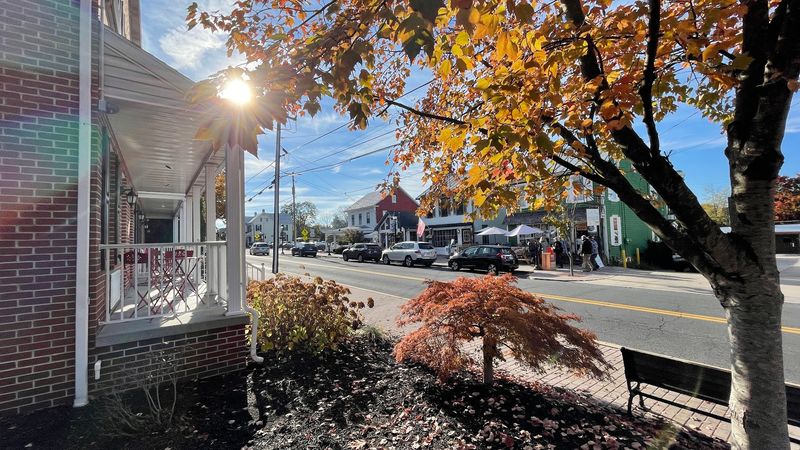
Every autumn, Gettysburg undergoes a transformation that has to be seen to be believed. The battlefield, the campus, the covered bridge, the cemetery — every corner of this already-beautiful town gets wrapped in a blazing tapestry of red, orange, and gold.
Peak foliage typically arrives in mid to late October, drawing leaf-peepers from across the Mid-Atlantic region.
Driving the battlefield auto tour route during fall is an experience that rivals any scenic drive in New England. The combination of historic monuments, open fields, and fiery tree canopies creates a landscape of almost surreal beauty.
Cyclists love this time of year too, pedaling through the crisp air with leaves drifting around them.
Local orchards and farm stands pop up throughout the surrounding Adams County countryside, offering fresh-pressed cider, pumpkins, and homemade pies. The whole region leans into the season with festivals and outdoor events.
Fall in Gettysburg is simply one of Pennsylvania’s finest natural spectacles.
Enjoyed this story?
Add Fast Food Club as a preferred source to see more of our reporting on Google.