


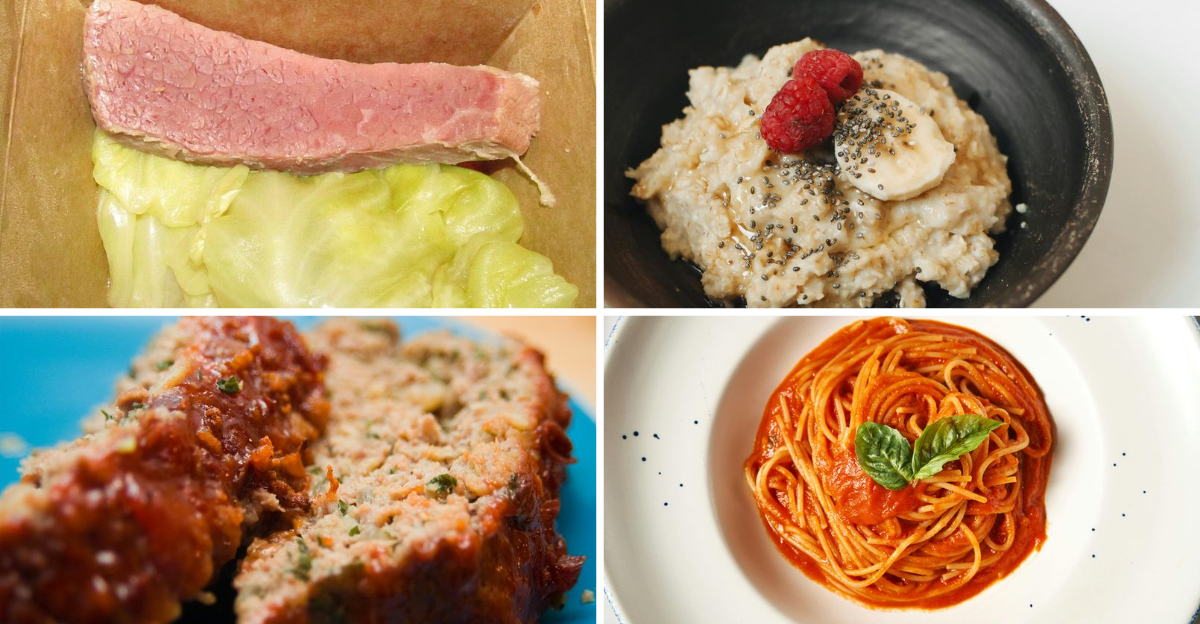
When times got tough, home cooks got creative. During World War I and II, families across the world learned to stretch ingredients, waste nothing, and still put something warm and satisfying on the table.
These meals were born out of necessity, but they stuck around because they taste amazing. Many of them are still favorites in kitchens today, passed down through generations with love.
Beef Stew
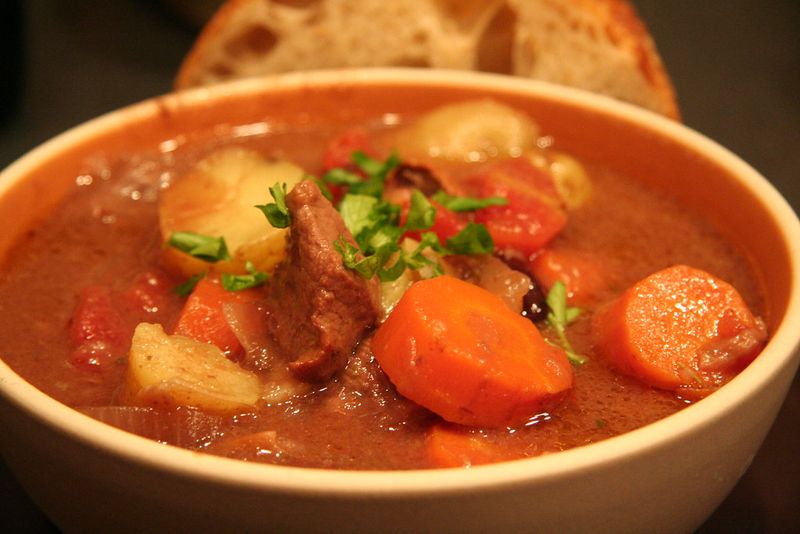
Nothing says comfort food quite like a pot of beef stew bubbling on the stove. During wartime, families used cheaper cuts of meat and whatever vegetables were available to make this filling dish stretch across multiple meals.
The slow cooking process turns tough meat incredibly tender, soaking up the rich broth packed with flavor. Even today, beef stew remains one of the most beloved cold-weather meals in homes everywhere.
A simple loaf of bread on the side makes it absolutely perfect.
Vegetable Soup
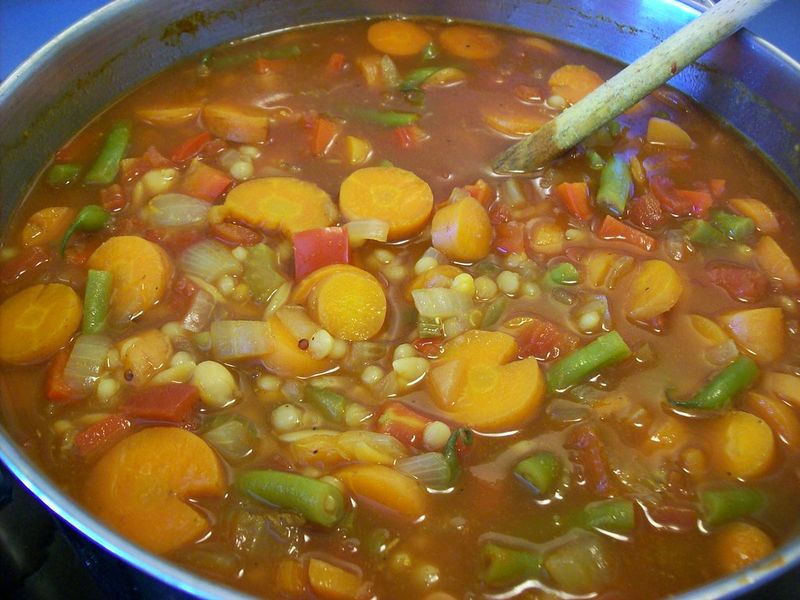
Wartime vegetable soup was practically a miracle in a pot. Families would toss in whatever was growing in the victory garden or left over in the pantry, and somehow it always came out tasting wonderful.
The beauty of this soup is its flexibility. You can use almost any vegetable combination you like, and the longer it simmers, the better it gets.
Packed with vitamins and fiber, it fed families cheaply and kept everyone healthy through the hardest of times.
Lentil Soup
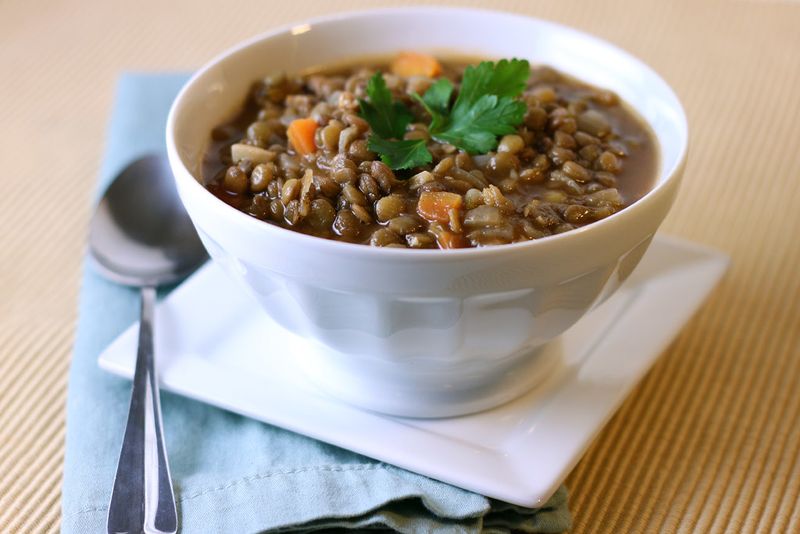
Lentils became a wartime superstar for good reason. They were cheap, easy to store, and packed with protein when meat was rationed or simply too expensive to buy regularly.
Lentil soup has a naturally creamy texture when cooked down, and a handful of simple spices like cumin and garlic transform it into something truly satisfying. Families discovered that this humble legume could fill hungry stomachs just as well as any meat dish.
It still earns a regular spot on dinner tables worldwide.
Split Pea Soup
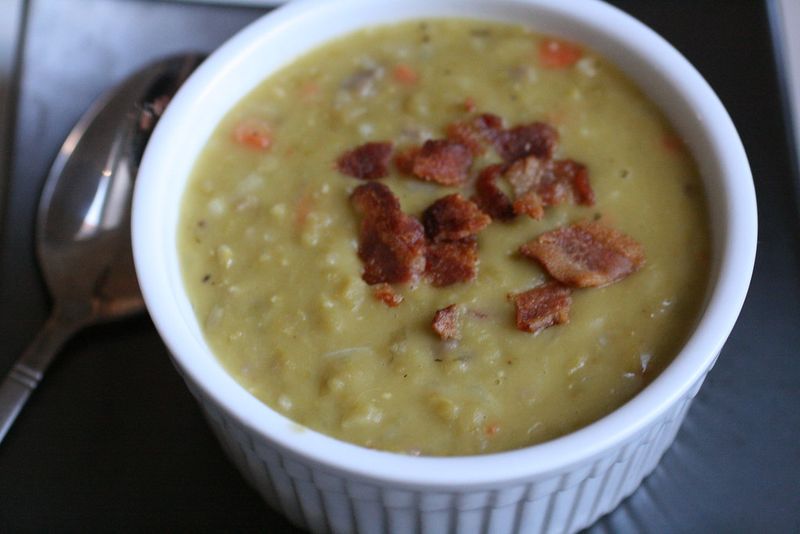
Split pea soup has a long history of feeding people through hard times. During rationing, a ham bone left over from Sunday dinner could be simmered with dried split peas to create a thick, protein-rich meal that stretched across several days.
The earthy sweetness of the peas pairs beautifully with smoky ham, creating layers of flavor that feel far fancier than the simple ingredients suggest. Generations later, families still make this soup when the weather turns cold and comfort is needed most.
Potato Soup
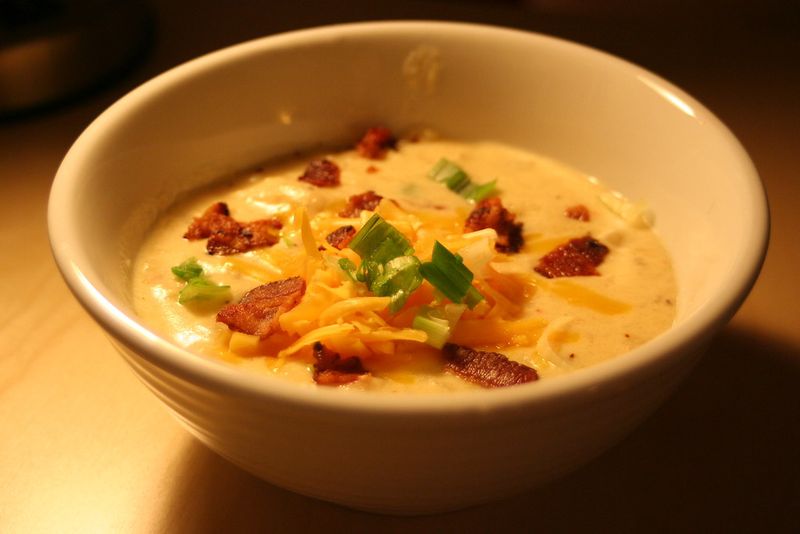
Potatoes were one of the most reliable foods during wartime because they were easy to grow and incredibly filling. Potato soup became a household staple when other ingredients were scarce, turning a simple root vegetable into a creamy, warming meal.
Adding a little butter, onion, and milk creates a rich base that feels indulgent despite being so budget-friendly. Some families add bacon or cheese on top for extra flavor.
It is one of those recipes where less truly is more.
Cabbage Soup
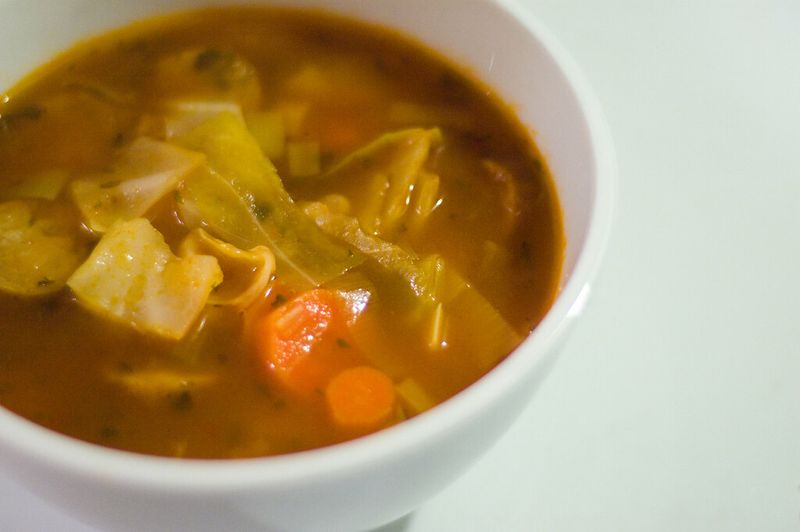
Cabbage was one of the cheapest and most available vegetables during the war years, making cabbage soup a lifesaver for struggling families. It stores well, grows in cold climates, and adds real bulk to any pot of soup.
When simmered with onions, tomatoes, and a bit of seasoning, cabbage transforms into something surprisingly flavorful and deeply satisfying. Some recipes add a little vinegar for brightness or a pinch of caraway seeds for warmth.
Simple, nourishing, and honestly underrated.
Shepherd’s Pie
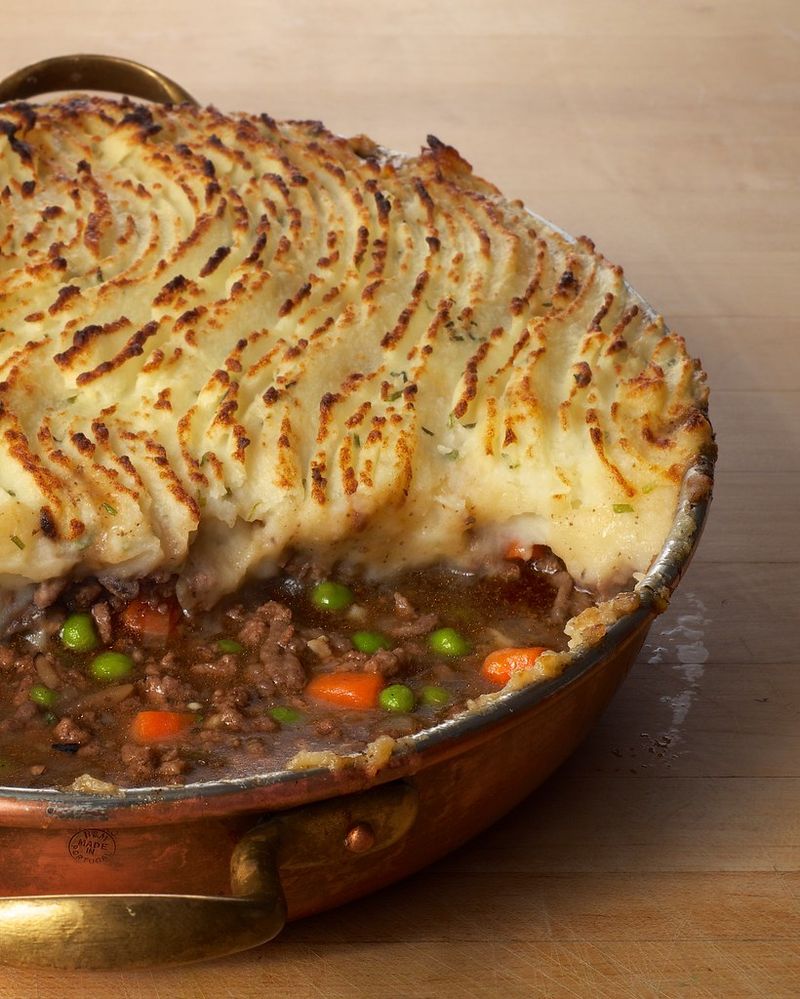
Shepherd’s pie is the kind of meal that feels like a warm hug from the inside out. Traditionally made with leftover lamb mince and topped with mashed potatoes, it was a brilliant way to use up every last bit of meat during rationing.
The golden, slightly crispy potato crust on top is arguably the best part. Baking it in the oven brings everything together into one hearty, unified dish.
Families have been fighting over the last scoop of this classic for well over a century.
Cottage Pie
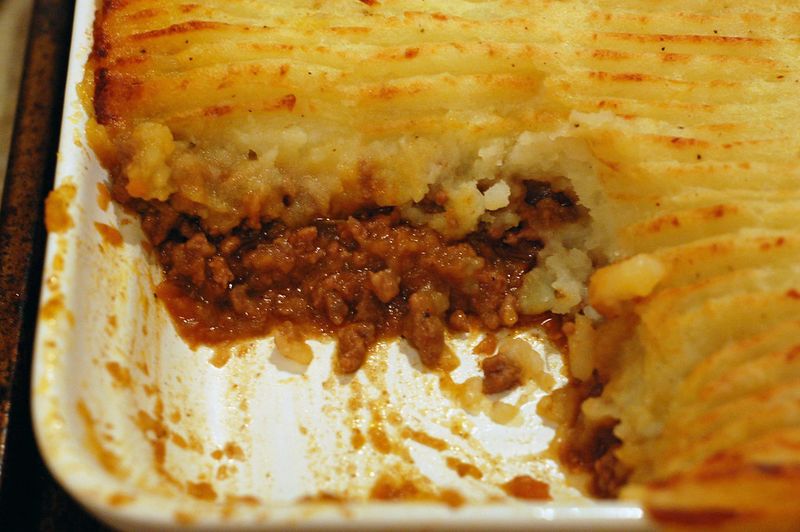
Cottage pie is the beef-based cousin of shepherd’s pie, and it holds just as much nostalgic charm. During the war, families used minced beef mixed with onions, carrots, and gravy, then topped the whole thing with mashed potatoes and baked it until golden.
Using minced meat instead of whole cuts meant the dish could be made with far less beef while still tasting rich and satisfying. It is still a weeknight favorite in many British and American households, loved by both kids and adults equally.
Meatloaf
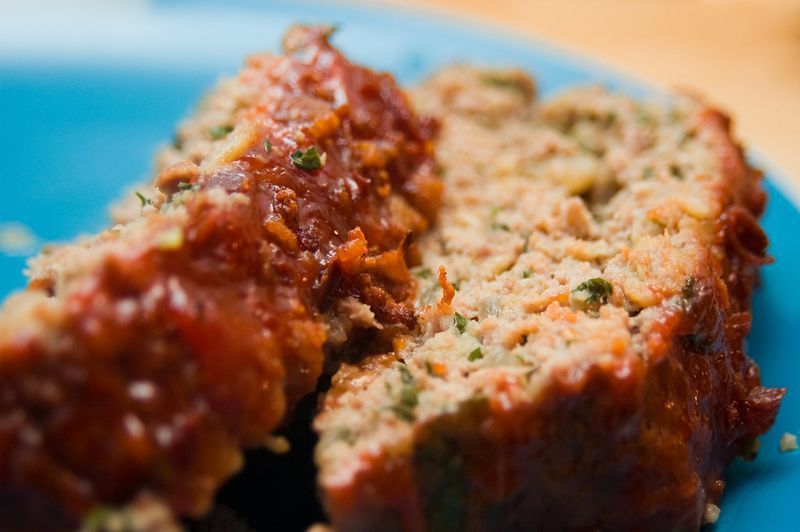
Meatloaf earned its place in wartime kitchens because it made a small amount of ground meat go a very long way. By mixing meat with breadcrumbs, eggs, and onions, families could feed the whole household without spending much at all.
The tangy ketchup glaze on top became a signature touch that most people still expect today. Cold meatloaf sliced the next day makes an incredible sandwich, which means one meal easily becomes two.
It is humble, honest cooking at its absolute finest.
Corned Beef and Cabbage
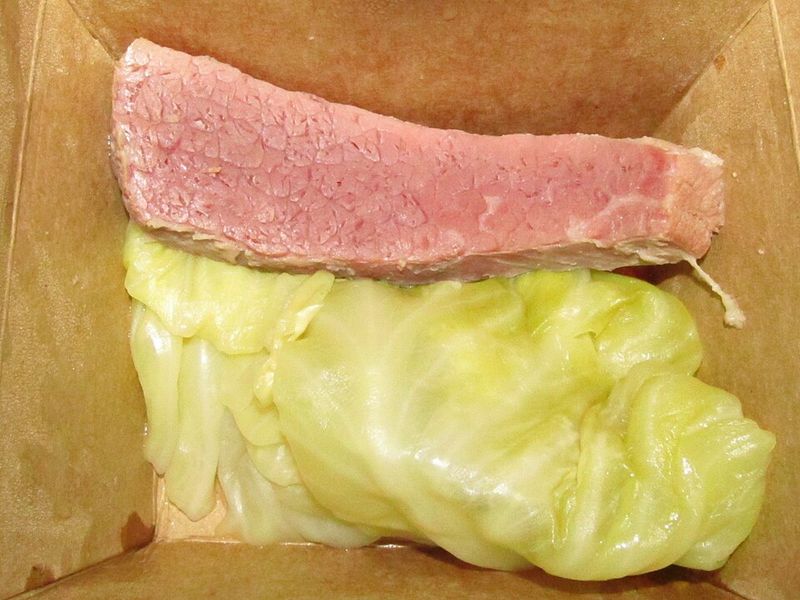
Corned beef and cabbage became a symbol of making do with what you had. Canned corned beef was a wartime staple distributed through rationing programs, and pairing it with boiled cabbage created a filling, nutritious meal from very basic ingredients.
The salty, savory beef contrasts beautifully with the mild, slightly sweet cabbage in a way that just works. Many Irish-American families have kept this dish alive as a cultural tradition.
It shows up on tables every St. Patrick’s Day without fail.
Beans on Toast
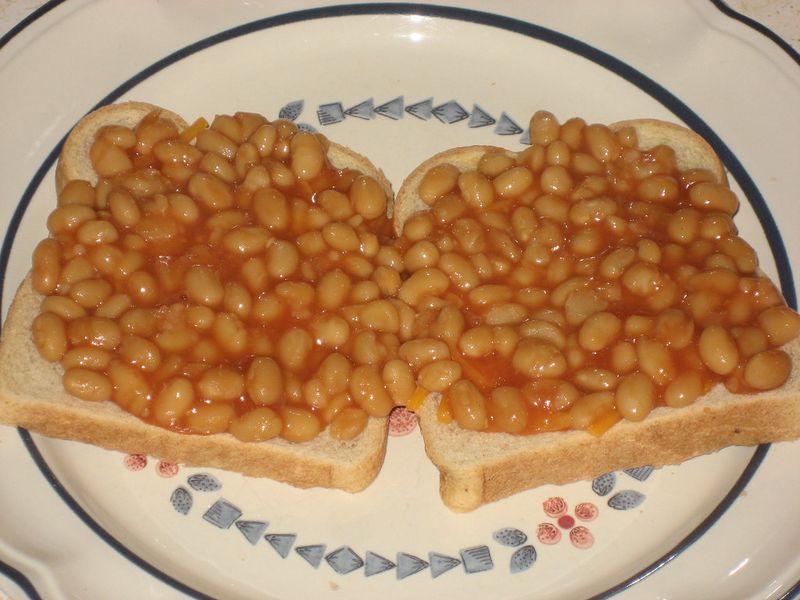
Few meals are more quintessentially British than beans on toast. During World War II, it was a go-to option when time, ingredients, and energy were all in short supply, yet somehow it never felt like a compromise.
The combination of creamy, saucy beans on crispy warm toast is genuinely satisfying in a way that feels far greater than the sum of its parts. Even today, millions of people eat this for breakfast, lunch, or a late-night snack.
Cheap, fast, and oddly comforting every single time.
Spam and Eggs
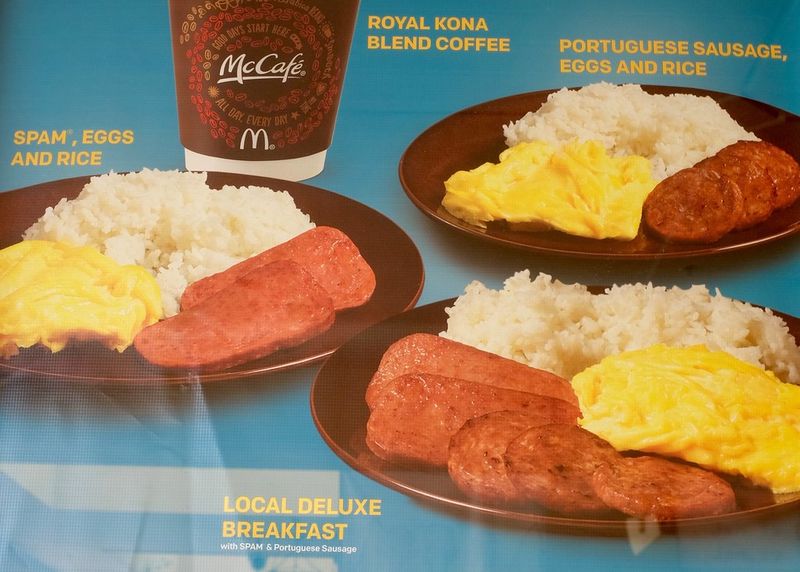
Spam was practically invented for wartime. The canned luncheon meat was shelf-stable, affordable, and packed with protein, making it a lifeline for families when fresh meat was nearly impossible to find during rationing.
Frying slices of Spam in a pan alongside eggs created a quick, filling breakfast or dinner that required almost no preparation. The slightly salty, crispy edges of fried Spam paired perfectly with a runny egg yolk.
It sounds simple, but generations of families genuinely loved it and still do.
Tuna Casserole
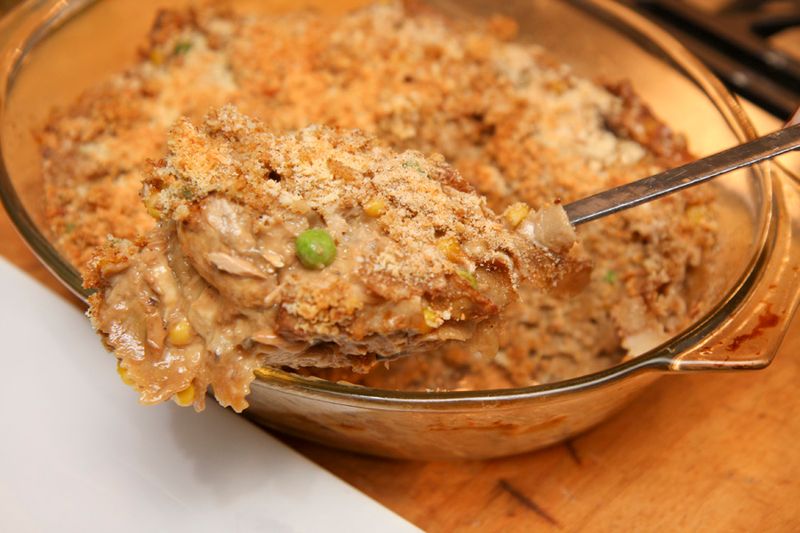
Tuna casserole became a postwar American classic that has its roots firmly planted in wartime resourcefulness. Canned tuna was affordable and widely available, making it a practical choice when budgets were tight and creativity was a must.
Mixed with egg noodles, cream of mushroom soup, and peas, then topped with crunchy crackers, it bakes into something wonderfully comforting. The crispy topping versus the creamy filling is a textural combination that never gets old.
Many families still make this on busy weeknights today.
Chicken and Dumplings
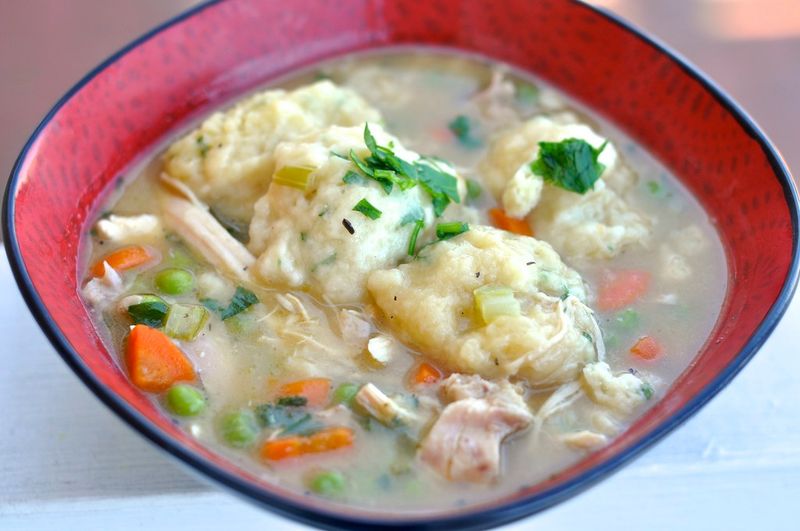
Chicken and dumplings is soul food in the truest sense. During wartime, a whole chicken could be stretched into multiple meals, and making dumplings from simple flour, butter, and milk meant filling up hungry families without spending extra money.
The soft, pillowy dumplings soaking up that rich chicken broth are one of cooking’s greatest simple pleasures. Every family seems to have their own version, some prefer flat dumplings, others like thick fluffy ones.
Either way, this dish delivers pure warmth in every bite.
Rice Pudding
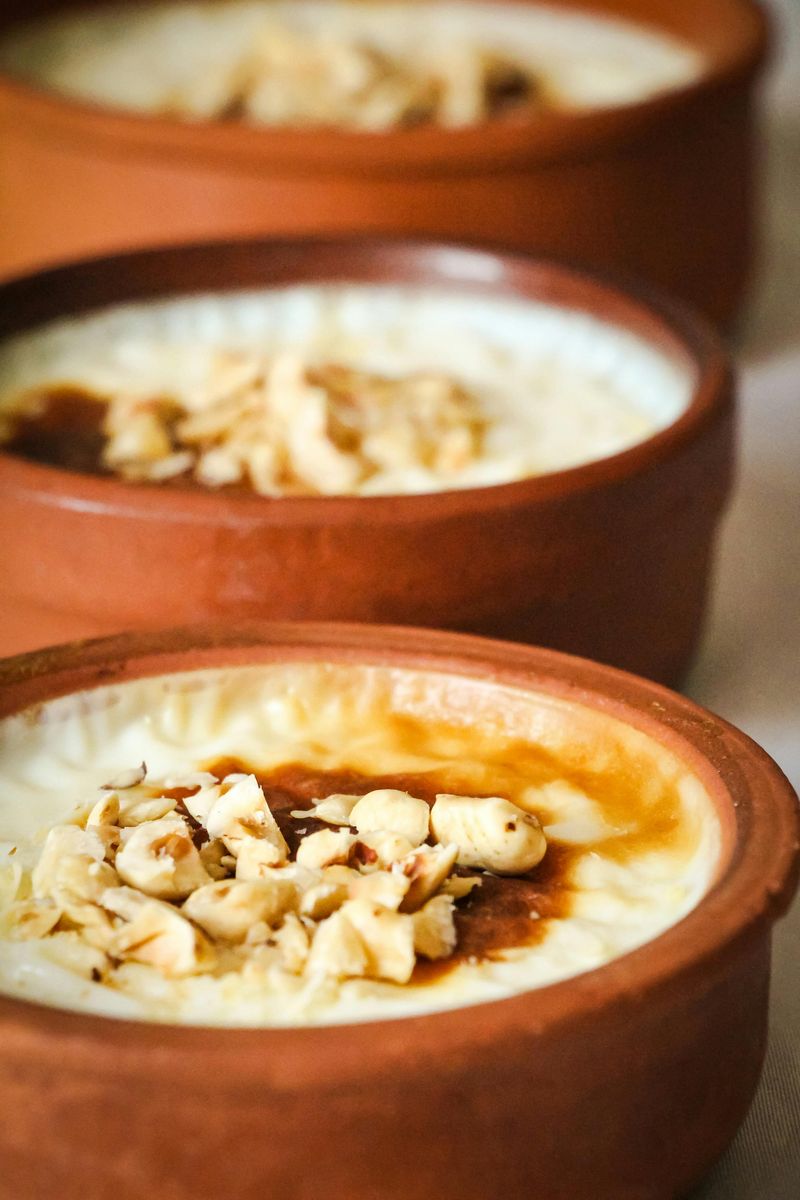
Rice pudding might be the most nostalgic dessert on this entire list. During wartime, sugar was rationed and fancy desserts were a rare luxury, but rice pudding could be made with just rice, milk, a little sugar, and patience.
Slow-baked in the oven, it develops a golden skin on top and a creamy, almost custardy texture underneath. A pinch of cinnamon or nutmeg adds a gentle warmth that makes the whole kitchen smell incredible.
Grandparents across the world still swear by this recipe today.
Bread Pudding
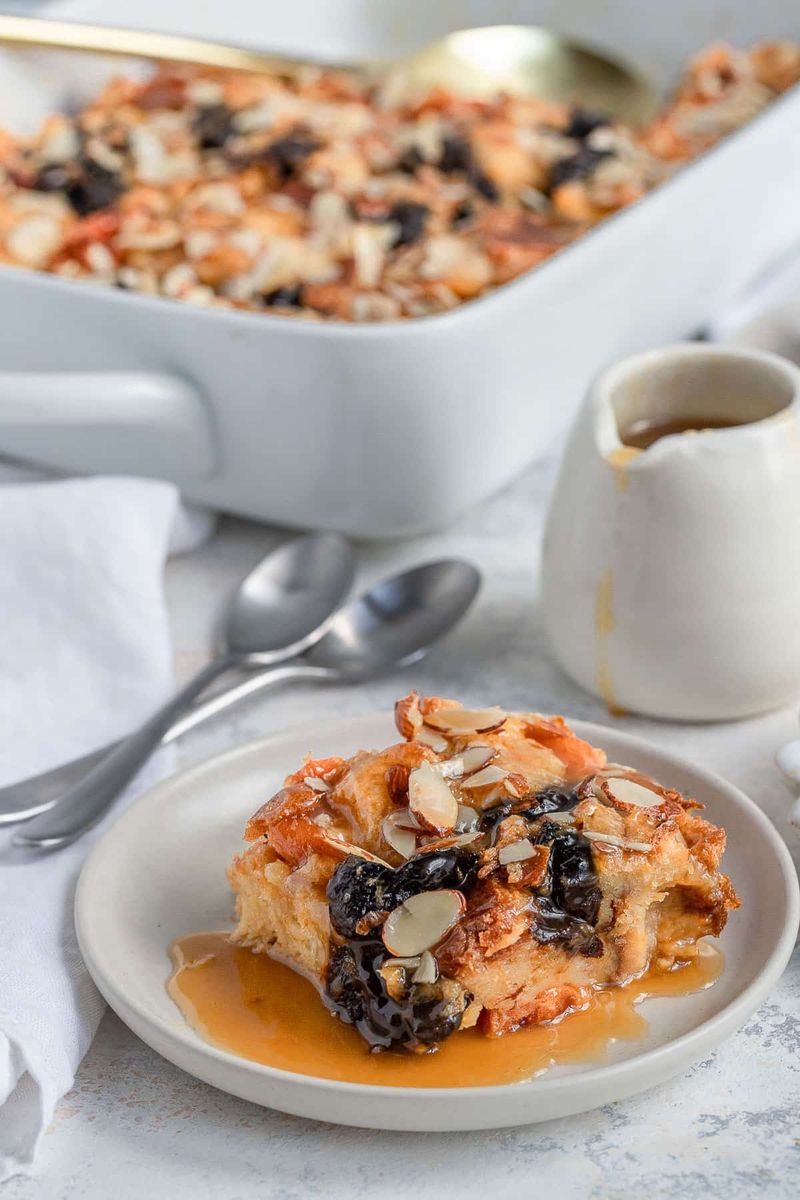
Wasting food during wartime was simply not an option. Bread pudding was the perfect solution for stale or leftover bread, transforming something that might have been thrown away into a rich, custardy dessert that the whole family looked forward to.
Soaking old bread in a mixture of eggs, milk, sugar, and vanilla before baking creates a magical transformation. The outside becomes slightly crispy while the inside stays soft and tender.
Served warm with a drizzle of sauce, it feels like a true treat despite its humble origins.
Oatmeal Porridge
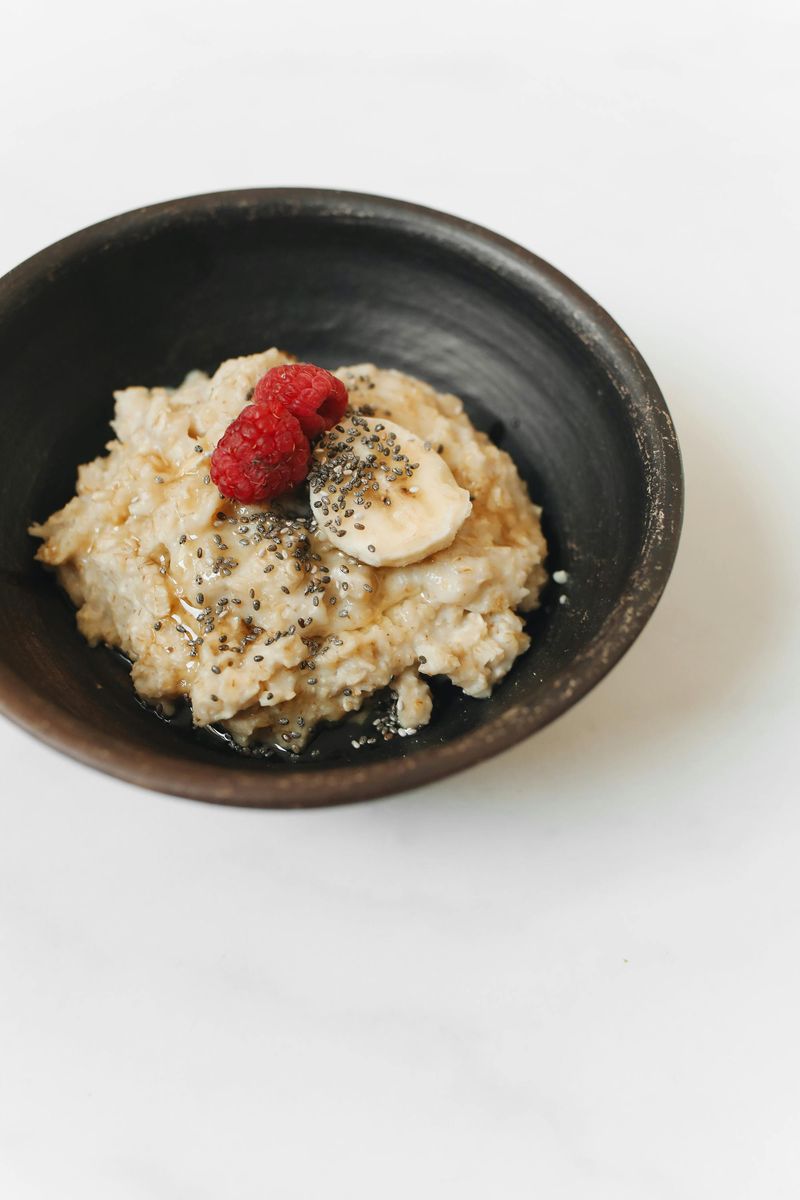
Oatmeal porridge was the wartime breakfast champion. Oats were inexpensive, filling, and could sustain a person through long hours of hard work or a full school day, making them an absolute staple in households everywhere.
A warm bowl of porridge in the morning has a grounding, steady quality that sets the tone for the whole day. Top it with a little honey, fruit, or brown sugar and it becomes genuinely enjoyable rather than just practical.
Millions of people still start their mornings this way, and for very good reason.
Baked Beans
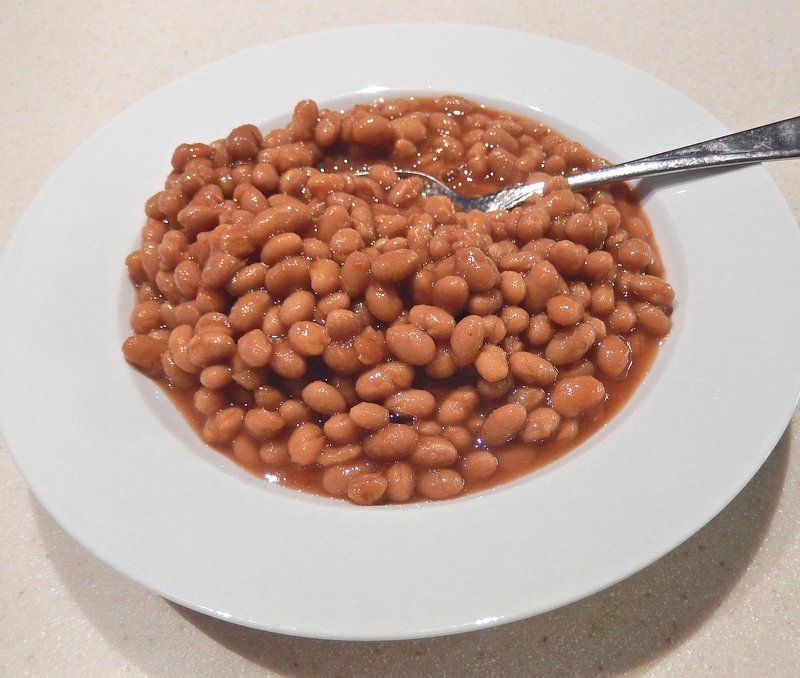
Baked beans have been feeding people through hard times for centuries, but they truly came into their own during wartime rationing. Dried beans were cheap to buy, easy to store, and became a protein powerhouse when meat was in short supply.
Slow-baked with molasses, mustard, and a bit of pork, they develop a deep, smoky-sweet flavor that is nearly impossible to replicate quickly. Making a big pot on the weekend means meals are sorted for days.
Homemade baked beans make the canned version feel like a pale imitation.
Potato Pancakes
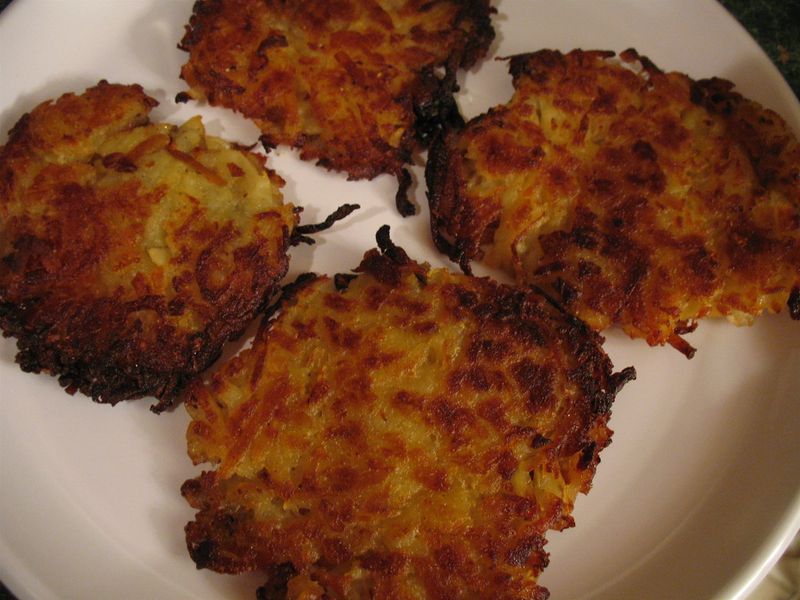
Potato pancakes, also known as latkes in some traditions, were a wartime genius move. When meat and other proteins were rationed, grated potatoes fried in a pan created a crispy, satisfying meal from almost nothing at all.
The outside gets wonderfully crunchy while the inside stays soft and tender, and a dollop of sour cream or applesauce on the side takes them to another level entirely. They work equally well as a side dish or a main course.
Simple ingredients, big flavor, zero waste.
Macaroni and Cheese
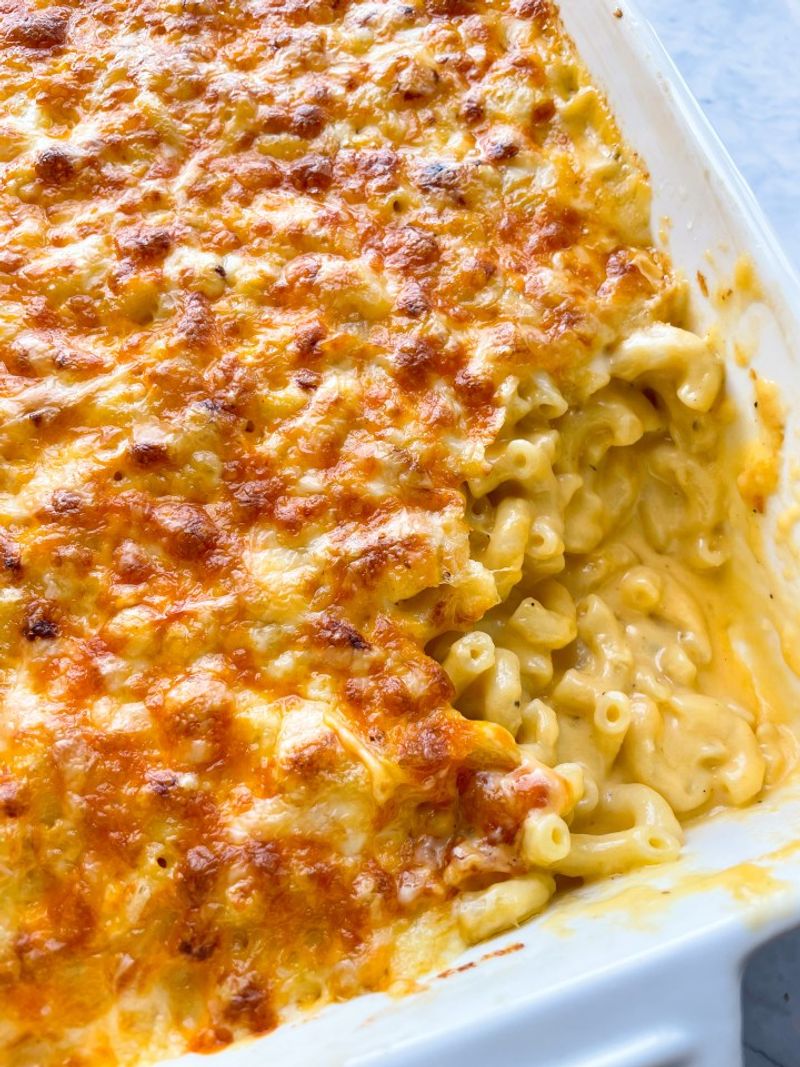
Macaroni and cheese became a wartime staple across North America partly because pasta and cheese were relatively affordable and filling. Kraft even introduced a boxed version in 1937, and by the war years, millions of families were eating it regularly.
Homemade mac and cheese, baked with a crunchy breadcrumb topping, is a completely different experience from the boxed version. The creamy, stretchy cheese sauce coating every piece of pasta is just deeply satisfying.
Kids and adults have argued over the last scoop of this dish for generations.
Fried Rice
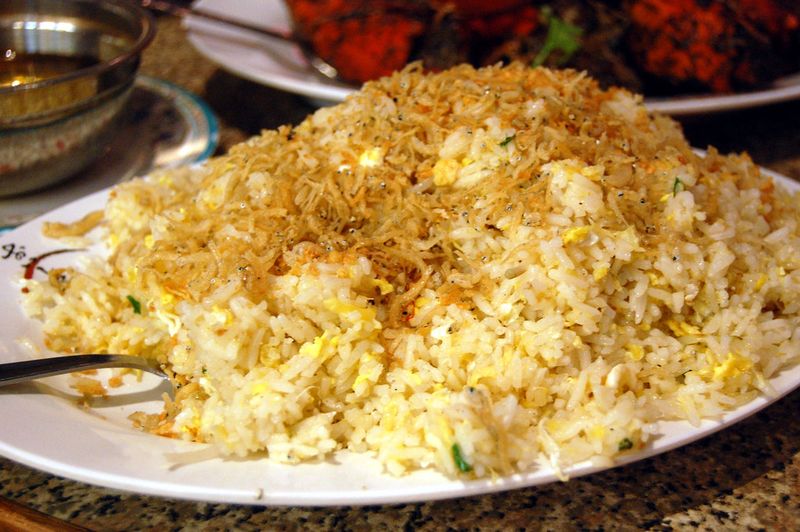
Fried rice is the ultimate no-waste meal, and wartime cooks around the world knew it well. Day-old rice, leftover vegetables, a couple of eggs, and a splash of soy sauce could be transformed into a complete, filling dinner in under fifteen minutes.
The key is using cold leftover rice, which fries up crispy rather than mushy. Every culture has its own version of fried rice, which says a lot about how universally brilliant this concept is.
It remains one of the most popular quick dinners in homes everywhere today.
Vegetable Stir-Fry
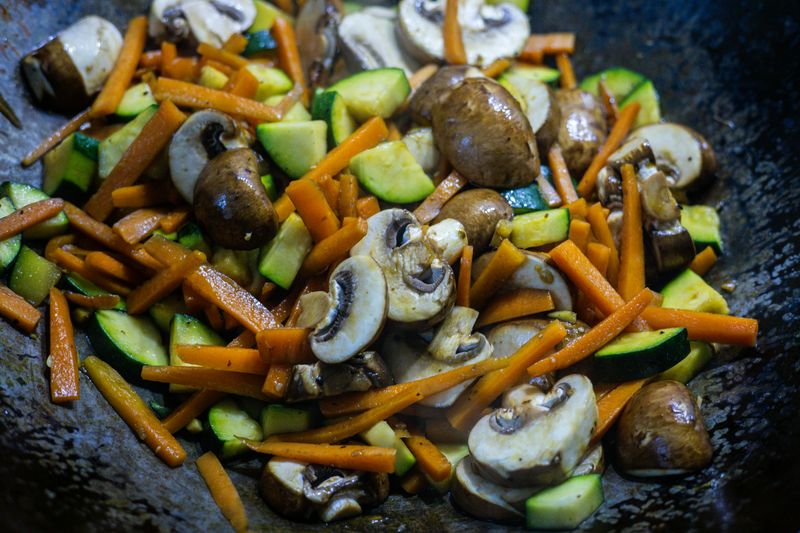
Stir-frying vegetables over high heat is one of the fastest and most efficient cooking methods ever developed. During wartime, this technique allowed families to use up any vegetable scraps they had on hand while preserving maximum nutrition through quick cooking.
The high heat caramelizes the edges of the vegetables, adding a slight char and depth of flavor that makes even simple produce taste exciting. A basic sauce of soy sauce, garlic, and ginger ties everything together beautifully.
Fast, flexible, and genuinely delicious every single time.
Egg Drop Soup
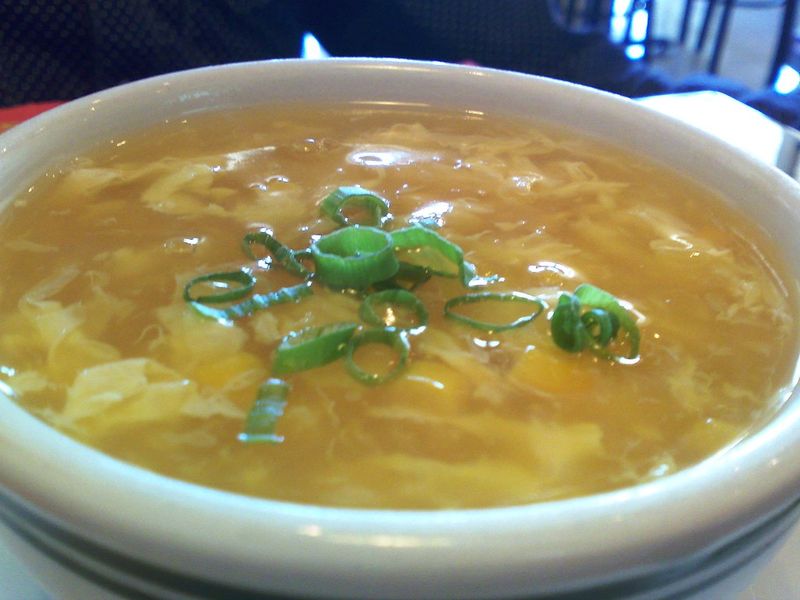
Egg drop soup is one of those recipes where the simplicity is almost shocking given how satisfying the result is. During wartime, eggs were one of the most reliable sources of protein available, and this Chinese-inspired soup made a single egg stretch across a whole serving of nourishing broth.
Slowly drizzling beaten egg into hot broth creates those beautiful wispy ribbons that make this soup look almost elegant. A dash of sesame oil and some green onions on top finish it perfectly.
It takes about ten minutes from start to finish.
Simple Pasta with Tomato Sauce
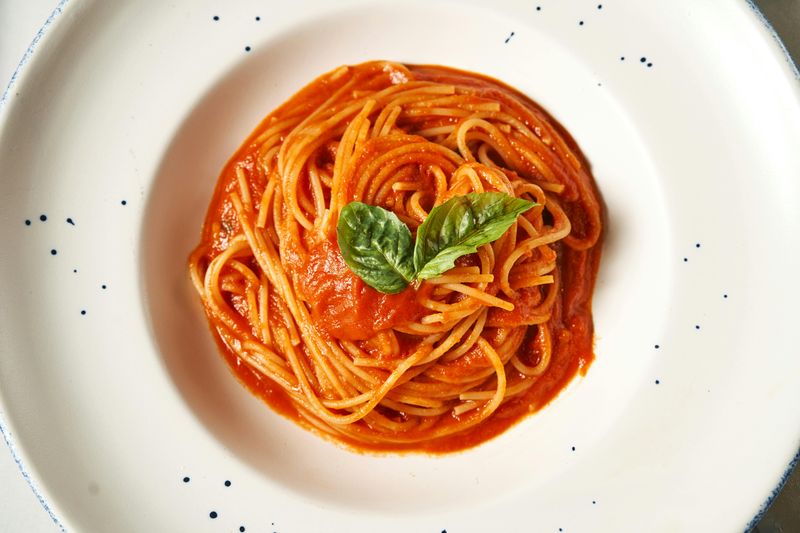
Pasta with tomato sauce is proof that the most straightforward meals are often the most satisfying. Dried pasta stored beautifully without refrigeration, making it a wartime pantry staple, while canned tomatoes provided flavor and nutrition when fresh produce was hard to find.
A good tomato sauce needs very little beyond garlic, olive oil, canned tomatoes, and a pinch of salt to taste incredible. Simmering it low and slow deepens the flavor dramatically.
Families across Europe and America kept this recipe alive through the hardest years, and it remains a weekly dinner staple for millions.
Biscuits and Gravy
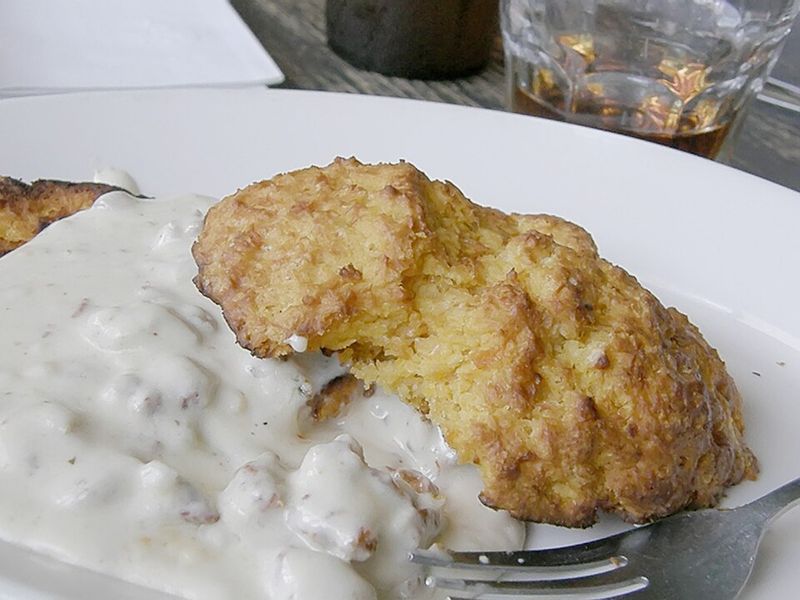
Biscuits and gravy is Southern comfort food with deep wartime roots. When meat was scarce, a small amount of sausage could be crumbled into a flour-thickened milk gravy and served over a pile of fluffy biscuits to feed an entire family for next to nothing.
The richness of the gravy soaking into those warm, buttery biscuits creates a breakfast that sticks with you for hours. It is hearty, affordable, and takes less than thirty minutes to make from scratch.
Diners across America still serve this as their most popular morning item.
Enjoyed this story?
Add Fast Food Club as a preferred source to see more of our reporting on Google.