


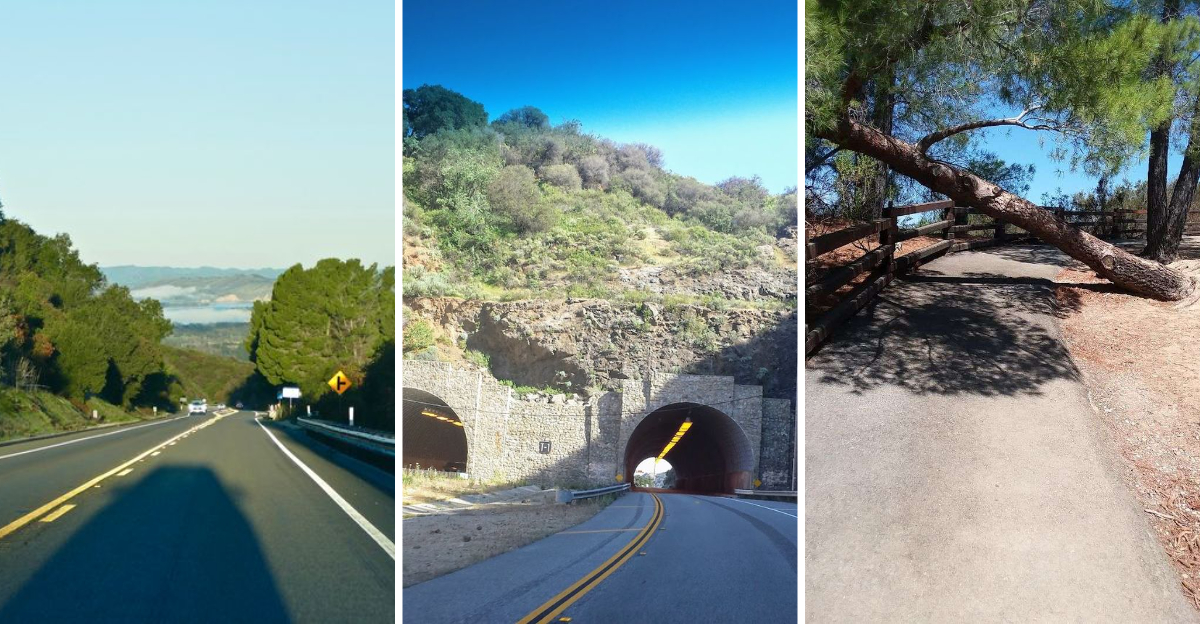
Tucked away in Santa Barbara County, CA-154 — also known as the San Marcos Pass Road — is one of California’s most rewarding and least-talked-about drives. Stretching from Santa Barbara up through the Santa Ynez Mountains and down into the Santa Ynez Valley, this route packs stunning scenery, sparkling lake views, and layers of history into just about 30 miles.
Whether you’re a weekend road tripper or a curious explorer, this highway offers something truly special at every turn. Buckle up, because this hidden gem deserves a spot on every California bucket list.
San Marcos Pass: The Gateway to Adventure
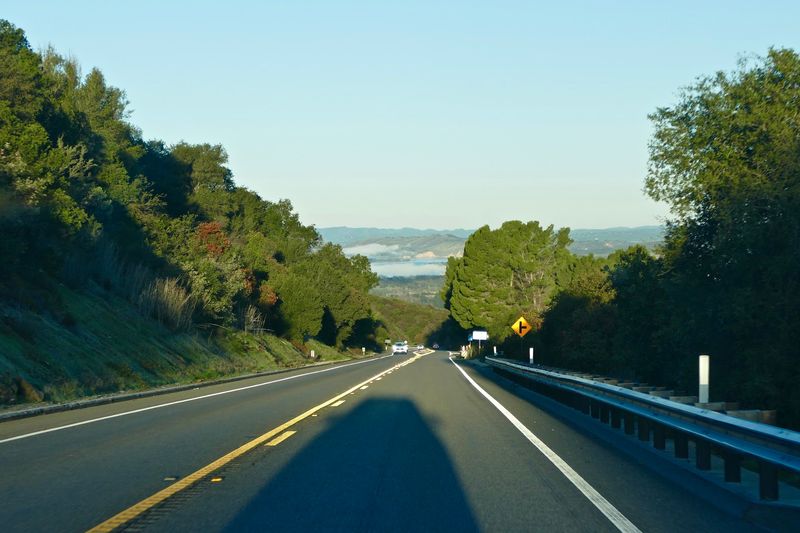
Few mountain passes in Southern California carry the same quiet drama as San Marcos Pass. Sitting at roughly 2,224 feet above sea level, this is the point where CA-154 begins its thrilling climb out of Santa Barbara and into the mountains.
The views from the top stretch all the way back toward the Pacific Ocean on clear days.
Drivers who take it slow are rewarded with sweeping panoramas that feel almost cinematic. The road curves and rises in a way that keeps you alert and excited at the same time.
It’s a genuinely satisfying stretch of asphalt that reminds you why road trips exist.
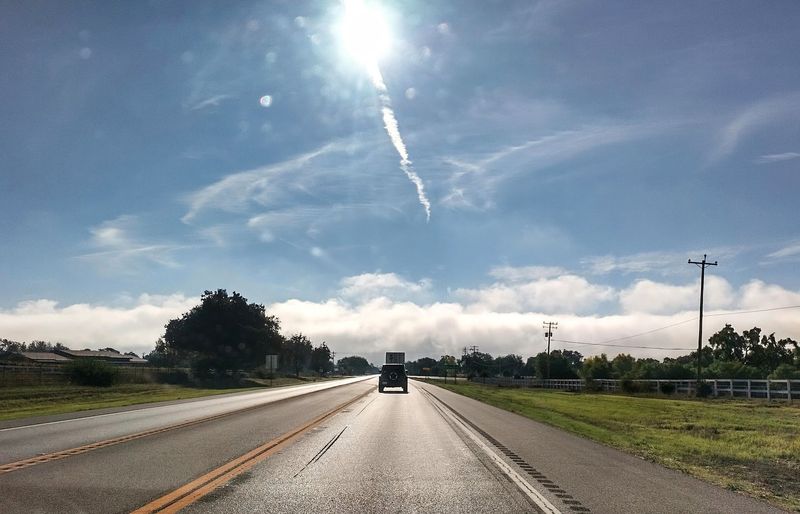
Early morning drives through the pass often come with low-hanging mist drifting over the hills, giving the whole scene an almost magical quality. Pack a camera because you’ll want to remember this moment.
Cold Spring Tavern: A Stagecoach Stop Frozen in Time
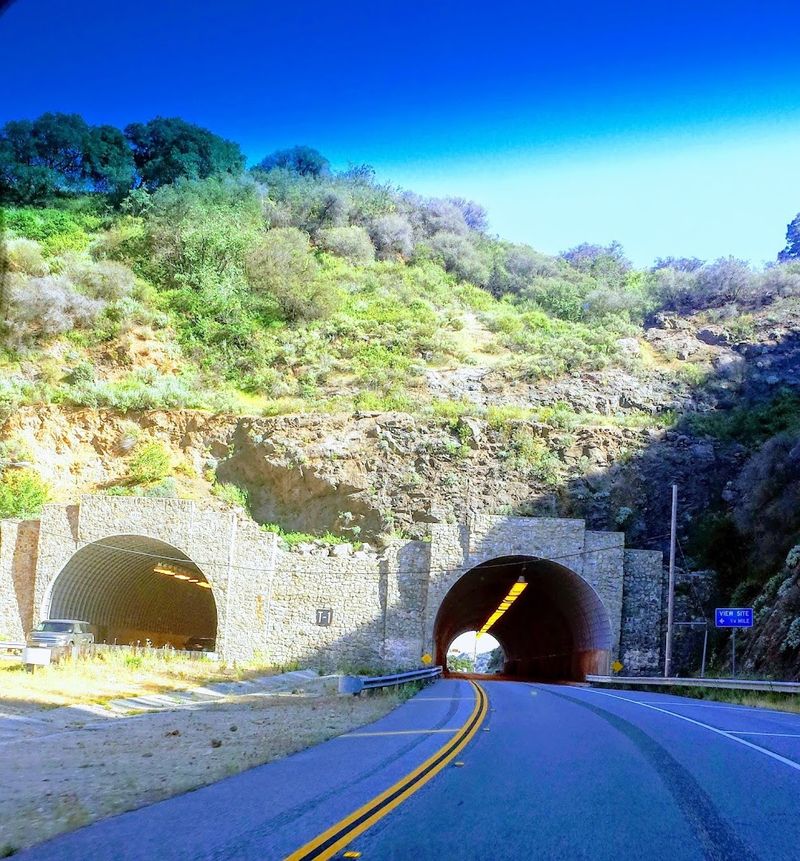
Imagine pulling off the highway and stepping directly into the 1860s. Cold Spring Tavern, nestled just off CA-154 near the summit of San Marcos Pass, started life as a stagecoach rest stop for weary travelers crossing the mountains.
Today it operates as a restaurant and bar, and somehow the whole place still feels like it belongs to another century.
The low-ceilinged rooms, stone fireplace, and rough-hewn wood walls create an atmosphere that no modern restaurant could replicate. On weekends, live music and the smell of tri-tip on the grill fill the air.
Locals and tourists mix easily here, united by good food and a shared appreciation for something genuinely old.
History buffs will love reading about the tavern’s past displayed inside. It’s a living piece of California’s stagecoach era that you can actually eat lunch in — and that’s pretty remarkable.
Cold Spring Bridge: An Engineering Marvel Above the Canyon
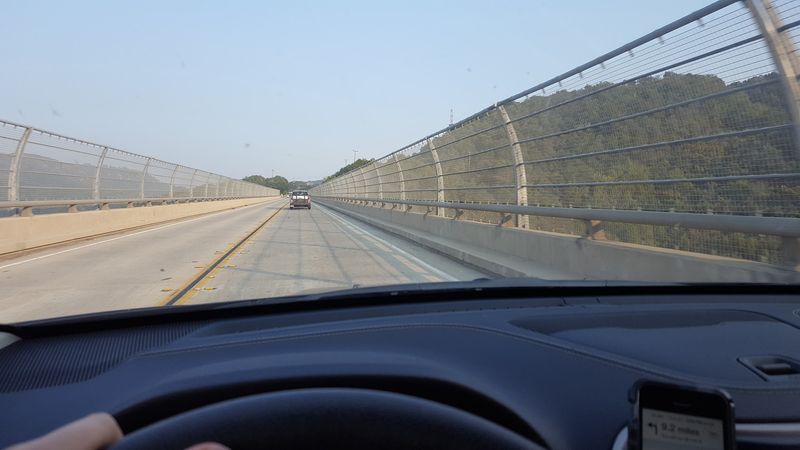
Crossing Cold Spring Canyon on CA-154 is an experience that stops first-time visitors in their tracks. The Cold Spring Canyon Arch Bridge soars 400 feet above the canyon floor, making it one of the highest bridges in California.
When it opened in 1964, it replaced a much slower, winding road that dipped all the way down into the canyon.
Standing on the bridge and peering over the railing is genuinely breathtaking. The canyon below is thick with chaparral and oak trees, and the drop feels almost unreal.
For anyone who appreciates bold engineering, this structure is a masterpiece of mid-century design.
There’s a small pullout area where you can park and take photos of the bridge from a distance — the arch framed against the canyon walls makes for an unforgettable shot. Don’t rush past this one; it deserves a proper stop.
Lake Cachuma: The Sparkling Heart of the Drive
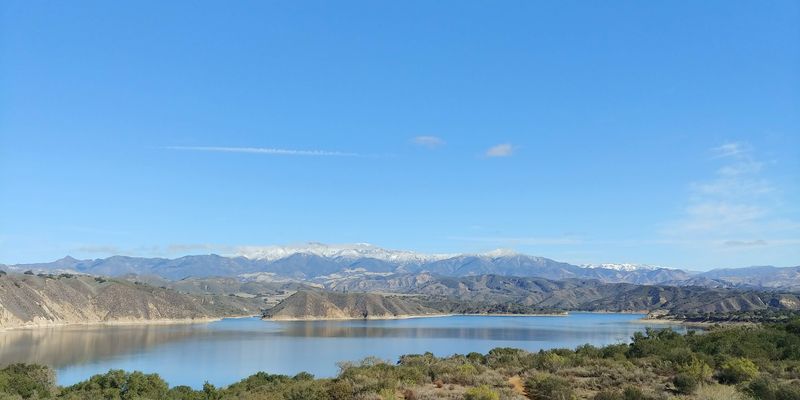
About halfway along CA-154, the road curves around a hillside and suddenly reveals Lake Cachuma shimmering below. This reservoir, created in 1953 by the Bradbury Dam on the Santa Ynez River, stretches across nearly 3,200 acres and serves as a major water source for Santa Barbara County.
The sight of it appearing so unexpectedly feels like a genuine gift.
Lake Cachuma County Park wraps around the water’s edge and offers camping, boating, fishing, and wildlife watching. Bald eagles are frequent winter visitors here, and the park runs popular eagle cruises from December through February.
It’s a rare treat to spot one of these majestic birds gliding low over the water.
Even if you don’t stop for long, driving alongside the lake with its mirror-like surface reflecting the oak hills creates one of the most peaceful moments the entire route has to offer. Slow down and soak it in.
Santa Ynez Valley Wine Country: Sip Your Way Through History
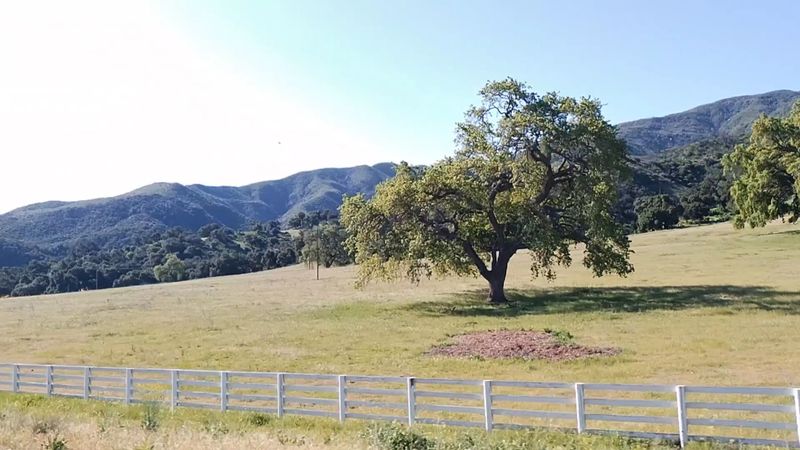
Once CA-154 descends from the mountains, it rolls right into the heart of Santa Ynez Valley wine country — and the atmosphere shifts completely. The landscape opens up into wide, sun-drenched valleys lined with vineyards that produce some of California’s most celebrated Pinot Noir and Chardonnay.
This region gained national fame after the 2004 film Sideways, and wine lovers have been flocking here ever since.
Dozens of tasting rooms dot the valley floor, ranging from casual barn-style spots to elegant estate wineries. Many are family-owned, and the staff genuinely love talking about what makes their grapes special.
Even non-wine drinkers enjoy the scenery and the relaxed pace of the valley.
The combination of ocean breezes funneling through the mountains and warm afternoon sun creates ideal growing conditions. A quick stop at even one tasting room adds a deliciously memorable layer to the CA-154 experience.
Chumash Painted Cave State Historic Park: Ancient Art on the Hillside
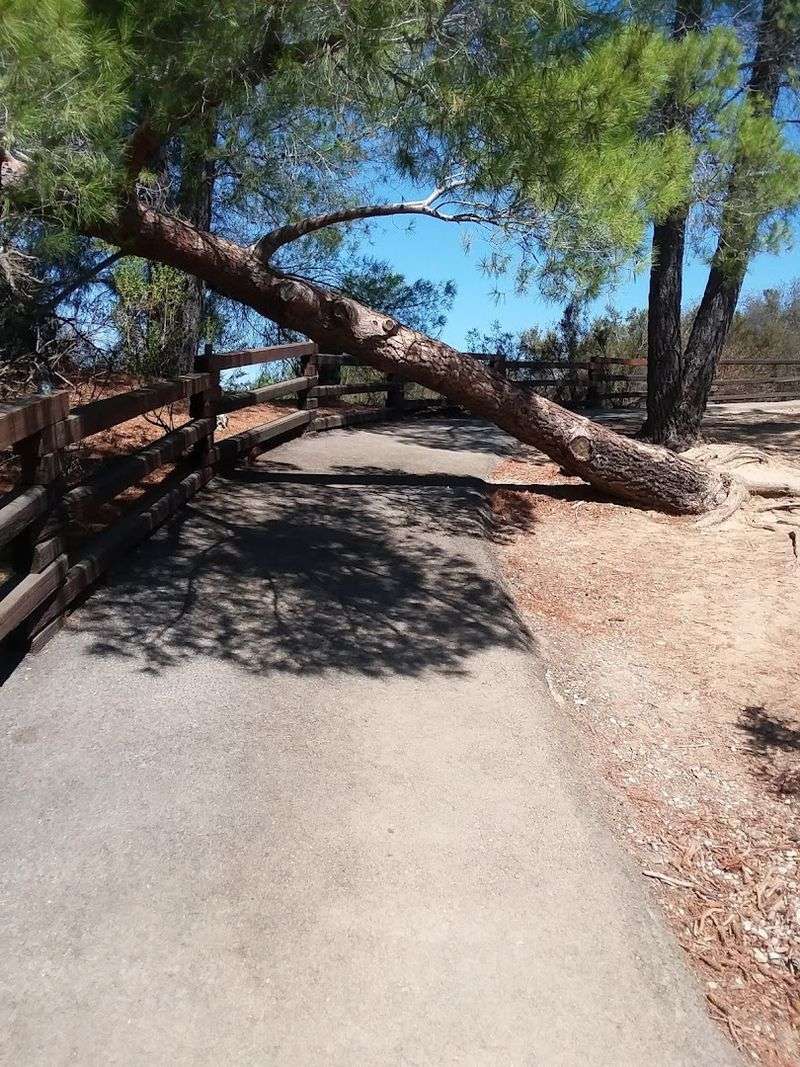
Just a short detour off CA-154 sits one of California’s most extraordinary archaeological sites. Chumash Painted Cave is a small sandstone cave decorated with vivid pictographs created by the indigenous Chumash people, likely between 200 and 1,000 years ago.
The bold circular designs, animals, and abstract shapes painted in red, black, and white are remarkably well-preserved.
A protective iron gate keeps visitors from entering the cave directly, but the paintings are clearly visible from just outside. Standing there and considering how long those images have survived on that rock wall is genuinely humbling.
The Chumash people lived throughout this region for thousands of years before European contact.
The site is easy to miss if you’re not looking for it, so check your map before you head out. Parking is extremely limited — just a couple of roadside spots — so arrive early for the best experience.
Los Padres National Forest: Wild California at Its Best
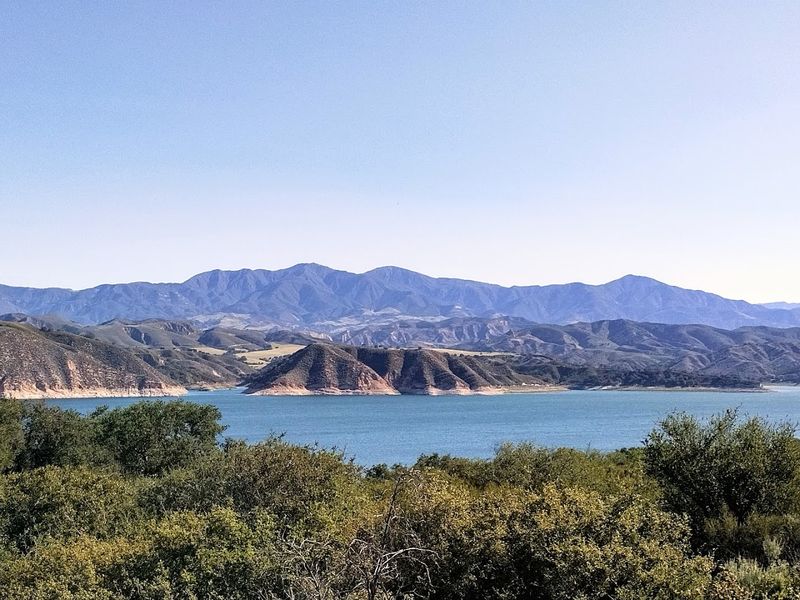
Much of the mountain section of CA-154 passes through or alongside Los Padres National Forest, one of the largest national forests in California. Covering nearly two million acres, it stretches from Monterey County all the way down to Los Angeles County, and the stretch near San Marcos Pass gives drivers a genuine taste of its rugged character.
Hiking trails branch off from roadside pullouts, leading into oak woodland and chaparral terrain that feels refreshingly untamed. Wildflowers carpet the hillsides in spring, and the earthy smell of sage after a light rain is something you’ll remember long after the trip ends.
Wildlife sightings — deer, red-tailed hawks, even the occasional black bear — are real possibilities here.
For anyone who wants to stretch their legs and breathe some mountain air, a short trail walk off CA-154 through Los Padres forest is a perfect midway break on the drive.
Bradbury Dam: The Force Behind Lake Cachuma
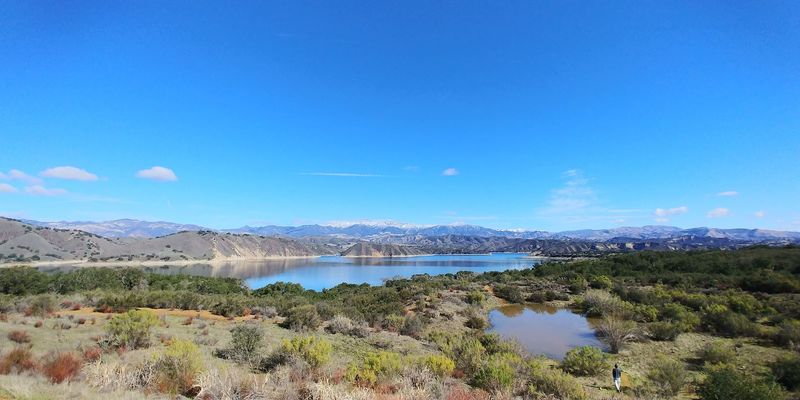
Behind every beautiful reservoir is a story of engineering ambition, and Lake Cachuma’s story runs through Bradbury Dam. Completed in 1953 by the U.S.
Bureau of Reclamation, the dam stands 206 feet tall and stretches 3,000 feet across the Santa Ynez River. It was built to solve a serious water supply problem for a rapidly growing Santa Barbara region.
What makes the dam particularly interesting is its role in displacing the town of Montecito — not the famous coastal neighborhood, but a small inland community that was flooded when the reservoir filled. Remnants of old roads and structures occasionally surface during drought years when water levels drop significantly, giving the lake an eerie, time-capsule quality.
You can view the dam from an overlook near the park entrance. It’s a reminder that the gorgeous lake you’re admiring came at a real cost, and that’s worth pausing to acknowledge.
Santa Ynez: A Charming Small Town Worth the Stop
At the eastern end of CA-154’s run through the valley sits the small Western-themed town of Santa Ynez. With a population of just around 5,000, it has the kind of unhurried, friendly atmosphere that feels increasingly rare in California.
The main street is lined with antique shops, local eateries, and boutiques housed in buildings that lean hard into the Old West aesthetic.
The town has Danish roots mixed with Spanish ranching heritage, and that cultural blend shows up in the architecture, the festivals, and the food. Solvang, the famously Danish town, is just a few miles west and makes an easy add-on visit.
Together, the two towns form one of the quirkiest cultural pairings in the state.
Grabbing lunch or coffee in Santa Ynez before or after your mountain drive is a great way to round out the experience. The people here are genuinely welcoming to road-trippers passing through.
Wildlife Watching Along the Route: Nature’s Roadside Show
CA-154 passes through some of the most ecologically rich terrain in Southern California, and the wildlife along the route reflects that richness. Deer are commonly spotted near the forest edges at dawn and dusk, while red-tailed hawks and turkey vultures circle overhead with casual elegance.
Coyotes occasionally trot across the road, especially near the valley floor.
Lake Cachuma is the crown jewel for wildlife enthusiasts. The reservoir attracts over 275 species of birds throughout the year, making it a legitimate destination for serious birders.
Osprey, great blue herons, and Western grebes are regulars, while the winter bald eagle population draws visitors from across the state.
Driving slowly and staying alert pays off enormously here. Keeping binoculars in the car is a smart move for this particular route.
The wildlife doesn’t perform on a schedule, but it rarely disappoints those who take the time to look.
Stagecoach Road History: Echoes of the Gold Rush Era
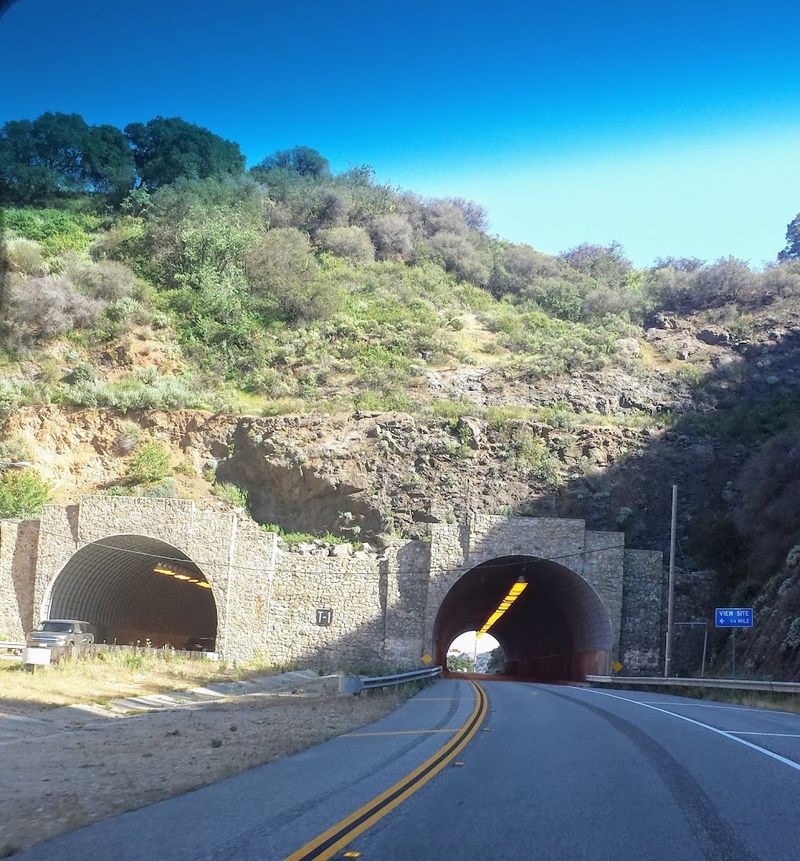
Long before CA-154 was paved and widened, this corridor through the Santa Ynez Mountains served as a critical stagecoach route connecting coastal Santa Barbara to the inland valleys. In the 1860s and 1870s, coaches carrying mail, passengers, and goods made the rough mountain crossing regularly — a journey that was slow, dusty, and occasionally dangerous.
Bandits occasionally targeted the coaches near the pass, adding a wild west chapter to the road’s history. Cold Spring Tavern was one of several stops where horses were changed and passengers could rest before the next punishing leg of the trip.
The tavern’s survival means you can literally sit where those road-worn travelers once rested.
Sections of the original stagecoach road still exist as hiking trails near the modern highway. Walking even a short stretch of that old path connects you to a surprisingly vivid piece of California’s transportation history.
Sunrise and Sunset Views: The Golden Hours on CA-154
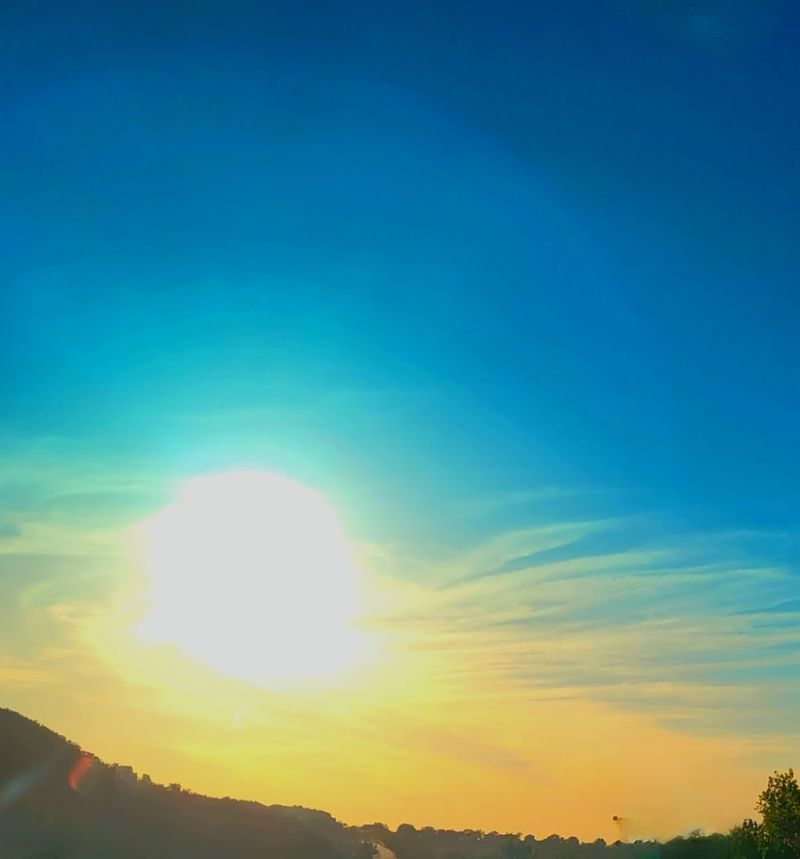
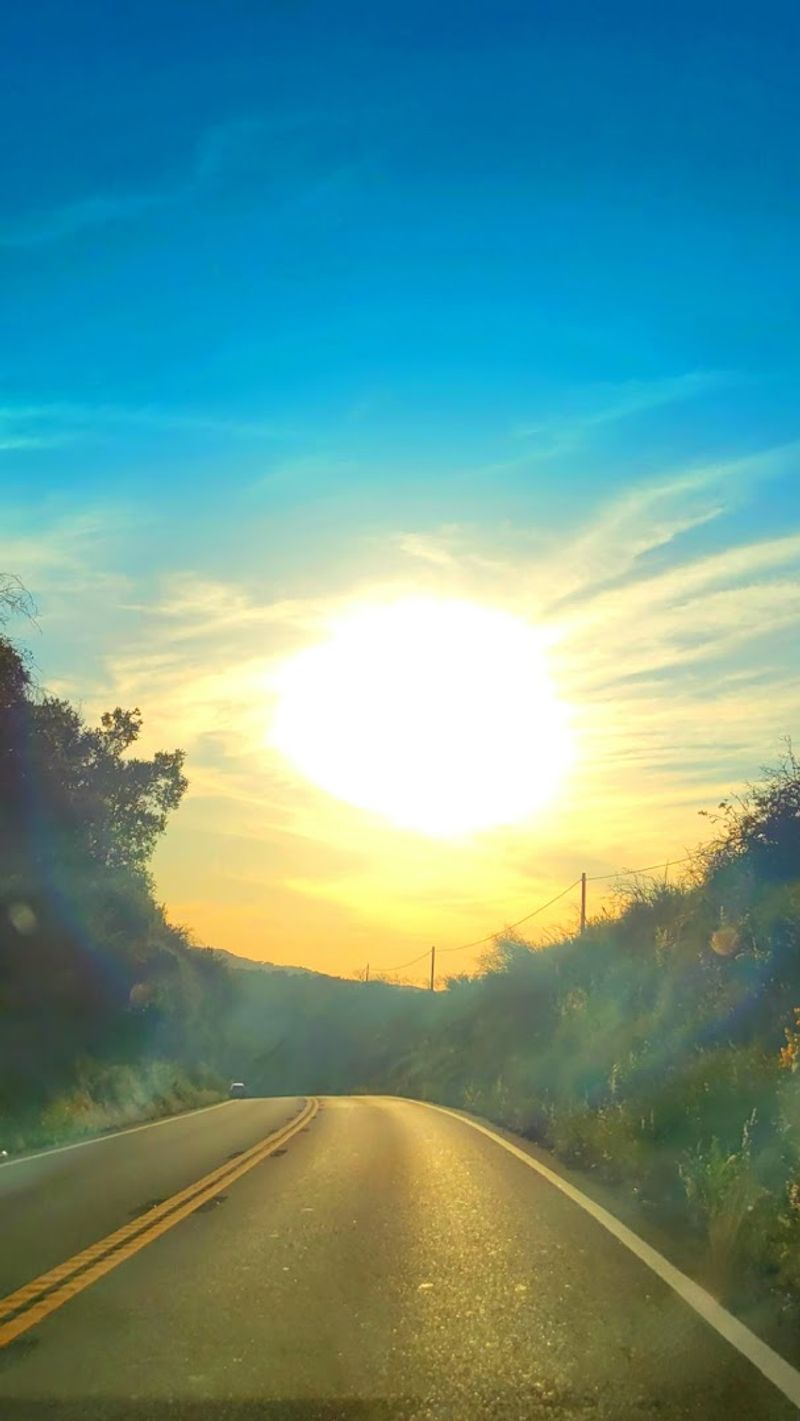
There’s a strong argument to be made that CA-154 should be driven twice — once at sunrise and once at sunset. The mountain section near San Marcos Pass catches the early morning light in a way that turns the chaparral hillsides into shades of amber and rose gold.
The air is cool, traffic is minimal, and the whole drive feels privately yours.
Sunset from the pass looking back toward Santa Barbara and the Pacific Ocean is equally stunning. On clear evenings, the sky transitions through layers of orange, pink, and deep purple as the sun drops toward the water.
Photographers set up tripods along the pullouts to capture the moment, and honestly, even a smartphone does it justice.
Timing your drive to hit either golden hour requires a bit of planning but pays off spectacularly. Few roads in Santa Barbara County offer this caliber of natural light show.
Planning Your CA-154 Road Trip: Tips for the Perfect Drive
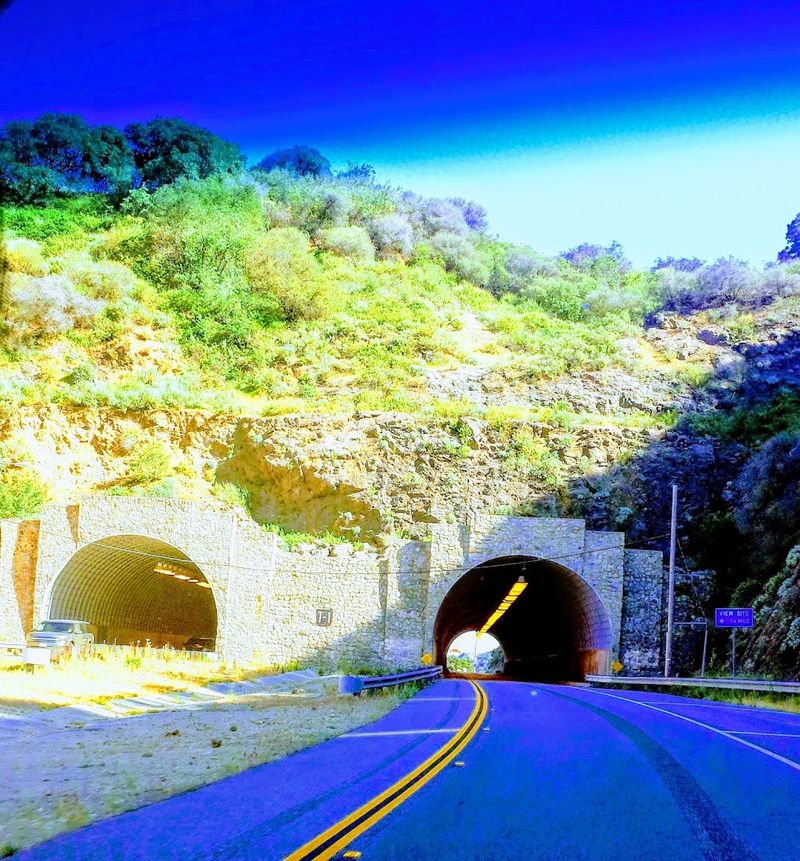
Getting the most out of CA-154 comes down to a few smart choices before you leave home. The route is only about 30 miles long, but with all the stops worth making, plan for a full day rather than a quick afternoon.
Starting from Santa Barbara in the morning gives you the best light for the mountain section and plenty of time for lunch in the valley.
The road is suitable for regular passenger vehicles, though it does involve some winding mountain curves that require attentive driving. Avoid the route during heavy rain or fog, as visibility near the pass can drop quickly.
Spring and fall are the most comfortable seasons, with mild temperatures and excellent visibility.
Cell service gets spotty near the summit, so download an offline map before you go. Bring water, snacks, and a full tank of gas — the mountain section has no services.
A little preparation makes the whole adventure run smoothly.
Enjoyed this story?
Add Fast Food Club as a preferred source to see more of our reporting on Google.